Objective To evaluate the efficacy, safety, and survival impacts of diverse induction chemotherapy regimens (including combination therapy with immune checkpoint inhibitors [ICIs]), radiotherapy modalities, and consolidation therapy in children, adolescents, and young adults (CAYA) with locally advanced or metastatic nasopharyngeal carcinoma (NPC). Methods This multicenter retrospective study analyzed 102 CAYA NPC patients (aged 6-24 years; stage III-IVB) from two Chinese centers (January 2011-October 2024). All received induction therapy followed by concurrent chemoradiotherapy (CCRT), radiotherapy combined with concurrent anti-EGFR therapy, or radiotherapy alone, with select cases receiving consolidation (median follow-up: 22 months). Results GP and TPF induction achieved higher objective response rates (ORR) vs. TP (GP: 68.0% vs. TP: 31.6%, P = 0.005; TPF: 89.5% vs. TP: 68.0%, P < 0.001), though no significant difference in long-term survival was observed. ICIs + chemotherapy (n=15) improved ORR (93.3% vs. 53.3%, P = 0.013) though without a demonstrable difference in survival metrics at this follow-up. In patients achieving partial response (PR) post-induction, CCRT/anti-EGFR therapy + radiotherapy improved 1-year progression-free survival (PFS: 94.5% vs. 50.0%, P < 0.001) and distant metastasis-free survival (DMFS: 97.4% vs. 50.0%, P < 0.001). For stable disease (SD) patients, multimodal therapy increased 5-year overall survival (OS: 100% vs. 66.7%, P = 0.046). Consolidation therapy (n=24) in locally advanced NPC was associated with clinical stage (P = 0.001) but not survival (P > 0.05). Conclusion TPF/GP regimens improved short-term responses with manageable toxicity. The addition of ICIs enhanced objective response rates, though survival benefits were not assessable within the limited follow-up period. CCRT demonstrated survival advantages over radiotherapy alone, especially in PR patients, while consolidation therapy showed limited benefit except in advanced subgroups. These findings, generated from a retrospective analysis, highlight the need for personalized strategies and warrant validation in larger prospective trials.
PurposeTo evaluate the prognostic value of treatment related decline of peripheral absolute lymphocyte count (ALC) in patients with locally advanced head and neck squamous cell carcinoma (LA-HNSCC) after preoperative radiation therapy (RT) with or without chemotherapy.MethodsThis post-hoc analysis was performed using data of 222 patients from a phase III, randomized controlled trial in LA-HNSCC. ALCs were measured before, during, and after RT. The ALC decline was defined as the difference between pre-treatment ALC and the nadir ALC observed during RT. Optimal cut-off values for hematologic and nutritional indices were determined by ROC analysis. Survival outcomes were estimated using Kaplan-Meier analysis and compared with the log-rank test. Prognostic factors were identified using LASSO regression and multivariable Cox models. A nomogram was constructed based on independent prognostic variables.ResultsWith a median follow-up of 132.0 (IQR: 104.17-151.73) months, no significant difference was observed in the 10-year overall survival (OS) and progression-free survival (PFS) between treatment groups. Lymphopenia during RT occurred in 197 patients (88.7%), including grade 3 in 112 (50.5%) and grade 4 in 10 (4.5%). An ALC decline > 0.74×10⁹/L was independently associated with poorer OS and PFS. The nomogram integrating T stage, N stage, ALC decline, and neutrophil-to-albumin ratio (NAR) yielded a C-index of 0.66, a 5-year AUC of 0.738, good calibration, and favorable net benefit on DCA.ConclusionTreatment-related ALC decline is an independent adverse prognostic factor in LA-HNSCC. A nomogram incorporating ALC decline performs favorably in individualized survival prediction.
Background: Neoadjuvant chemoimmunotherapy has emerged as a promising strategy for locally advanced head and neck squamous cell carcinoma (LA-HNSCC). However, the real-world evidence regarding pathological response, survival outcomes, and predictors of benefit remains limited. Methods: We retrospectively reviewed untreated LA-HNSCC patients treated with neoadjuvant chemoimmunotherapy followed by surgery. Pathological response was assessed using the Miller-Payne grading system, with major pathological response (MPR) defined as ≤ 10% residual viable tumor. Logistic regression analyses were conducted to identify factors associated with MPR. To explore the combined contribution of candidate variables while reducing overfitting, an exploratory ridge-penalized logistic regression analysis with bootstrap-based internal validation was additionally performed. In addition, larynx preservation was explored as a functional endpoint, and factors associated with preservation were analyzed in the overall cohort and in site-specific subgroups. Results: Among 86 patients, 53.5% achieved MPR and 25.6% achieved pathological complete response (pCR). Median DFS and OS were not reached. MPR was significantly associated with improved OS. A higher number of neoadjuvant chemoimmunotherapy cycles, high PD-L1 CPS, and HPV positivity were associated with increased odds of MPR, whereas concomitant esophageal cancer was associated with lower odds of MPR. In the exploratory ridge model including treatment-course information, the apparent AUC was 0.76 and the bootstrap-corrected AUC was 0.71. In exploratory analyses, 82.6% of patients achieved larynx preservation. Concomitant esophageal lesions were consistently associated with a lower probability of preservation, whereas MPR was not an independent predictor of larynx preservation. Conclusions: MPR may serve as an informative endpoint for neoadjuvant chemoimmunotherapy. The treatment cycle number, PD-L1 CPS, HPV status, and esophageal comorbidity were associated with MPR. Larynx preservation appears to be a multifactorial functional endpoint, and concomitant esophageal lesions may adversely affect the probability of organ preservation.
To evaluate the clinical response, survival outcomes, and organ-preservation potential in locally advanced head and neck squamous cell carcinoma (LA-HNSCC) patients treated with neoadjuvant immunochemotherapy (NIC) followed by definitive radiotherapy (DRT). We retrospectively reviewed patients with stage III–IVb HNSCC treated with NIC followed by DRT between 2021 and 2023. Tumor response was assessed after NIC and after completion of DRT according to RECIST 1.1. Overall survival (OS) and progression-free survival (PFS) were estimated using the Kaplan–Meier method. Toxicities were graded according to CTCAE 5.0 criteria. A total of 74 patients were included, with hypopharyngeal tumors accounting for 47.3
Background: Both breast cancer (BC) and thyroid cancer (TC) are the most common malignancies, particularly for female patients. A well-established bidirectional association exists between them. However, the distribution of spatial concordance patterns remains incompletely elucidated. This study aims to provide a comprehensive assessment of the global burden and spatial concordance patterns of BC and TC, and identify the population-level exposure factors associated with the burden of these two cancers. Methods: By utilizing data from the Global Burden of Disease Study and GLOBOCAN 2022, we examined the incidence, mortality, and disability-adjusted life years (DALYs) rates across 204 countries and territories from 1990 to 2022. They were then classified into three distinct spatial concordance patterns according to different levels of incidence and mortality. An XGBoost prediction model was used to evaluate the association between country-level exposure profiles and BC-related DALYs, and SHapley Additive exPlanations (SHAP) values were used to quantify the contribution of each feature. Results: Globally, from 1990 to 2022, the age-standardized incidence rate (ASIR) of TC increased with an estimated annual percentage change (EAPC) of 1.25%, while BC ASIR increased with an EAPC of 0.38%. Spatial analysis identified 3 distinct spatial concordance patterns: consistent areas, BC-dominant areas and TC-dominant areas. Machine learning identified low physical activity and a diet high in red meat as the strongest ecological predictors of BC-related DALYs, while high body-mass index was a major predictor for TC-related DALYs globally. Conclusions: The comorbidity of BC and TC is a global health issue, with significant demographic and regional diversity. The identified spatial concordance patterns and population-level associated exposure risk factors underscore the necessity for tailored public health policies.
PURPOSE:This study aims to compare clinical features, treatment responses, radiosensitivity, and failure patterns between childhood and adult nasopharyngeal carcinoma (NPC) patients in the era of intensity modulated radiation therapy. METHODS AND MATERIALS:A retrospective review was conducted on 140 childhood NPC patients, aged <21 years, treated at a single institution between January 2004 and November 2019. A propensity score matching method was used to select 280 matched adult NPC patients in a 1:2 ratio. Comparative analysis was performed between the childhood and adult cohorts. RESULTS:Childhood NPC is associated with more advanced clinical stages, heightened radiosensitivity, and improved prognostic outcomes compared to adult NPC. The 5-year rates for overall survival (OS), progression-free survival (PFS) were significantly higher in the childhood group compared with the adult group: 83.1% versus 71.9% (P = .001) for OS, 71.6% versus 60.9% (P = .023) for PFS, but significantly lower for locoregional relapse (LRR): 3.1% versus 12.6% (P = .002). Childhood NPC exhibited heightened radiosensitivity, and high locoregional control can be achieved even in cases that showed no response to induction chemotherapy, which is unlike in adults. In children receiving induction chemotherapy, no significant differences were found in OS (84.0% vs 75.7%, P = .289), PFS (75.2% vs 57.7%, P = .123), LRR (4.4% vs 3.8%, P = .656), and distant metastasis (22.4% vs 38.5%, P = .122) between those with complete/partial response and those with stable/progression disease. Late recurrence after 2 years was less frequent in children than in adults (13.6% vs 29.2%, P = .039), and a higher proportion of childhood patients were successfully salvaged (42.1% vs 21.7%, P = .015). CONCLUSIONS:Childhood NPC often presents at an advanced stage but has a favorable prognosis with excellent locoregional control. Children's heightened radiosensitivity allows for potential dose reduction. Given the risk of late effects, individualized treatment and follow-up strategies are warranted for young patients.
BACKGROUND AND PURPOSE:To establish predictive models for radiation-induced hypoglossal neuropathy (RIHN) in patients with nasopharyngeal carcinoma (NPC) after intensity-modulated radiotherapy (IMRT). MATERIALS AND METHODS:Data from 423 NPC patients receiving IMRT-based treatment were retrospectively reviewed. They were randomly (3:2) divided into a training set (n = 256) and a testing set (n = 167). Dosimetric variables were selected by penalized regression and machine learning, with area under the receiver operating curve (AUC) calculated. Clinical variables were selected by the competitive risk analysis. A competitive risk model including clinical and dosimetric variables was performed, and a nomogram was generated as a visualization of the model to predict the incidence of RIHN. RESULTS:During a median follow-up of 102 months (IQR: 89.5 to 112.9 months), the cumulative incidence of RIHN at 3, 5, and 8 years were 2.1 %, 5.4 %, and 10.5 %, respectively. D1cc and aV75 were the most predictive dosimetric variables. The dose-effect curve plotted with D1cc indicated the tolerance dose for a 5 % probability of developing RIHN in 8 years (TD5/8) was 77.3 Gy (EQD2). The restricted cubic spline between aV75 and RIHN indicated a volume threshold of 0.81 cm3. A competitive risk model including hypoglossal canal involvement, concurrent chemotherapy, D1cc, and aV75 was established, with the C-index of the training set and testing set being 0.726 and 0.691, respectively. The nomogram-defined high-risk group had the higher RIHN incidences in the training and testing sets. CONCLUSIONS:This study identified the most critical dosimetric predictors, which is expected to become a feasible dose constraint for hypoglossal nerves in radiation plan. Combining dosimetric and clinical predictors, we further proposed and validated the first nomogram model to quantify the risk of RIHN, contributing to identifying high-risk patients and early intervention. Further multicenter studies are needed to validate or complement our findings.
Background:There is an unmet clinical need for the locoregional recurrent head and neck squamous cell carcinoma (HNSCC). Moreover, little data regarding the therapeutic survival outcomes are available for the unresectable recurrent setting that did not receive radiotherapy during the initial course of treatment. Objectives:To investigate the survival outcomes of radiation-naïve recurrent HNSCC who were treated with first-line immunotherapy-based systemic therapy in combination with radical locoregional radiotherapy. Design:This is a retrospective study. Methods:From January 2019 to December 2023, locoregional recurrent HNSCC patients receiving immune checkpoint inhibitor (ICI)-based systemic therapy plus locoregional radiotherapy as first-line treatment in our institution were selected. Median follow-up was 16.4 months. Results:A total of 23 patients with recurrent HNSCC met the inclusion criteria and were finally analyzed. The median time to progression from the beginning of initial course of treatment was 9.3 months. Nineteen patients (82.6%) harbored recurrent stage IV (rIV) disease according to AJCC eighth edition, and 17 (73.9%) patients were assessed unresectable. For overall cohort, the median progression-free survival (PFS) and locoregional progression-free survival (LRPFS) were 17.0 months and 27.2 months, while the median overall survival (OS) and distant metastasis-free survival (DMFS) were not reached. The 1-year OS, PFS, LRPFS, and DMFS were 100%, 79.5%, 79.5%, and 100%, respectively. Twenty patients obtained objective response during the treatment course, achieving the 1-year duration of response (DOR) of 75.3%, and the median of 16.7 months. Combined positive score (CPS) ⩾ 20 was unveiled to be correlated with significantly favorable PFS compared with CPS < 20 or unknown (1-year PFS: 100% vs 50.0%, p = 0.035). Conclusion:This study presented promising survival and tumor control with durable response in recurrent HNSCC, supporting the use of radical RT as the first-line treatment in addition to ICI-based systemic therapy, in particular for patients with CPS ⩾ 20.
De novo malignancies (DNMs) are new cancers that arise after transplantation and contribute to long-term mortality in liver transplant (LT) recipients, exhibiting 3-14.4-fold higher incidence compared to age- and gender-matched general populations. Established risk factors encompass advanced age, alcohol consumption, tobacco use, viral infections, and prolonged immunosuppressive exposure. Prevention strategies focus on modifiable lifestyle factors, targeted cancer screening, and optimizing immunosuppression. Emerging therapies like mammalian target of rapamycin inhibitors (mTORi) show potential for reducing cancer incidence while maintaining graft function. This comprehensive review synthesizes global epidemiological data on post-LT DNMs, analyzes region-specific risk profiles between Eastern and Western populations, evaluates current management paradigms, and proposes evidence-based surveillance algorithms. In light of the complexity of DNMs between the West and the East, the establishment of consensus guidelines for Asia is critical to support clinical decision-making and enhance patient outcomes.
Neoadjuvant chemoimmunotherapy (NCIT) has emerged as a promising approach for patients with locally advanced head and neck squamous cell carcinoma (LA-HNSCC). However, the risk of immune-related adverse events (irAEs) should be taken seriously. And subsequent treatment strategies are determined on the basis of the neoadjuvant effect. Therefore, identifying a robust and effective method to recognize sensitive patients and monitor treatment response is highly important. The study investigated the ability of texture analysis of MRI to predict treatment response after NCIT in patients with LA-HNSCC, and compared it with several clinical indicators. This retrospective study included 49 LA-HNSCC patients who received NCIT followed by surgery. Texture features were extracted from MR images taken before and after NCIT. Delta features were defined as the percentage change from pre- to posttreatment features. Features that were significantly different between the pathological complete response (pCR) and non pCR groups were selected. Then the features with high diagnostic efficiency and low correlation were subsequently included in logistic regression analysis. Various diagnostic models were constructed via logistic regression, support vector machine (SVM), random forest (RF), and AdaBoost. Several clinical indicators, including tumor stage, combined positive score (CPS) derived from pretreatment lesions, and RECIST 1.1 evaluations by clinicians, were analyzed. ROC analysis and the Delong test were used to assess the performance of various models. A total of 24 (49.0
Dynamic response to therapy is strongly associated with cancer outcomes. We aim to develop the response-adapted individualized risk index (RAIRI) as an individual prognostic approach and predictive biomarker for adjuvant chemotherapy (AC) benefit in nasopharyngeal carcinoma (NPC) based on pretreatment clinical characteristics, longitudinal cell-free Epstein-Barr virus DNA, and MRI-based tumor regression measurements collected during treatment. Using Bayesian joint model, we developed and validated RAIRI, a dynamic and multidimensional model, with 2148 patients in training, internal validation, external validation, and RCT cohorts (ClinicalTrials.gov NCT02958111 2016-11-04 and NCT02143388 2014-05-18). RAIRI predictions were refined over time using serially collected longitudinal data. RAIRI demonstrated accurate calibration and high prognostic accuracy, superior to conventional models. In RCT cohort, RAIRI identified approximately 70% of low-risk patients who did not benefit from AC, whereas the high-risks experienced substantial benefits from AC. Therefore, RAIRI could provide real-time updated quantitative survival estimates for individuals and facilitate personalized AC selection.
BACKGROUND:Regional failure (RF) in oral cavity squamous cell carcinoma (OCSCC) is associated with poor outcomes, yet its detailed pattern and its relationship with corresponding neck management strategies remain inadequately defined. This study aims to provide insights for optimizing neck management in OCSCC patients through a comprehensive analysis of RF patterns. METHODS:A retrospective review was conducted on patients with OCSCC who underwent radical surgery with or without postoperative radiotherapy (PORT) between 2015 and 2018. Detailed mapping of the initial metastasis and RF patterns was performed and correlated with the corresponding neck management approaches. RESULTS:A total of 147 patients and 294 necks were included in the analysis. RF was identified as the predominant pattern of failure (5-year rate: 19.8%), with pN+ being the most notable risk factor for regional failure-free survival (RFFS). Compared to the Surgery group, the Surgery+PORT group demonstrated a significantly lower RF rate beyond the dissected region (6.5% vs. 20.0%, p = 0.03) and a numerically lower RF rate beyond the upper neck (5.2% vs. 12.9%, p = 0.10). In dissected necks, RF at level IV accounted for 47.3% of all RF occurrences. The "dissected and irradiated" necks exhibited a lower RF rate than the "dissected-alone" necks (8.7% vs. 13.4%), particularly at level IV (2.2% vs. 8.5%) and Vb (1.1% vs. 3.7%). When compared to the "untreated" necks, the "irradiated-alone" necks showed reduced RF at almost all levels. CONCLUSIONS:The significant rate of RF in the lower neck warrants particular attention in OCSCC management. Prophylactic irradiation to the lower neck may play a critical role in enhancing regional control and improving patient outcomes.
BACKGROUND:The necessity of thyrotropin (TSH) suppression therapy for papillary thyroid cancer (PTC) after lobectomy has been challenged. This study aims to evaluate on-demand l -thyroxine replacement therapy for post-lobectomy PTC. METHODS:This prospective study cohort included adult patients with low- to intermediate-risk PTC, who underwent lobectomy (2021-2023). l -Thyroxine supplementation was given after surgery only if serum TSH exceeded the upper limit of the reference range (>5.91 mU/L). Retrospective controls were selected from the institute database (2000-2014) after being matched with prospective patients and treated according to the guideline (TSH, 0.5-2 mU/L). The primary endpoint was prognosis, including structural recurrence and biochemical response. The secondary endpoint was the euthyroidism rate without thyroxine. The Kaplan-Meier curve was used to estimate recurrence-free survival (RFS) and euthyroidism rates, and compared using the log-rank test. RESULTS:Among 381 patients who were enrolled in the present study (median age 39 years, 70.6% female), no new cases were detected requiring l -thyroxine for elevated TSH at greater than year post surgery. In the prognostic evaluation, 333 cases were included, with a mean follow-up of 17 months, and 72.3% never underwent l -thyroxine supplementation. Comparison with the historical control group was conducted in 204 pairs of cases. No significant difference was observed in either 2-year RFS (test group vs. control group, 99.4% vs. 98.5%, P = 0.917) or biochemical responses among patients with negative thyroglobulin (Tg) antibody (rate of patients with increasing Tg, 21.6% vs. 21.6%, P> 0.05). CONCLUSIONS:On-demand l -thyroxine replacement therapy benefit three-fourths of post-lobectomy low- to intermediate-risk PTC patients avoid l -thyroxine supplementation, while preserving equivalent short-term treatment response and RFS.
Euclidean and vertical distances in per-LN level and per-patient level for all distribution patterns of metastatic LNs.
Neuroendocrine neoplasm is a rare cancer of head and neck. This study aimed to evaluate clinical features, treatment outcomes, and prognostic factors of neuroendocrine neoplasm of head and neck treated at a single institution. Between Nov 2000 and Nov 2021, ninety-three patients diagnosed with neuroendocrine neoplasms of head and neck treated at our institution were reviewed retrospectively. The initial treatments included chemotherapy (induction, adjuvant, or concurrent) combined with radiotherapy in 40 patients (C + RT group), surgery followed by post-operative RT in 34 (S + RT group), and surgery plus salvage therapy in 19 patients (S + Sa group). The median follow-up time was 64.5 months. 5-year overall survival rate (OS), progression-free survival rate (PFS), loco-regional relapse-free survival free rate (LRRFS) and distant metastasis-free survival rate (DMFS) were 64.5
ObjectivesThis study aims to assess the efficacy of narrow band imaging (NBI) endoscopy in utilizing radiomics for predicting radiosensitivity in nasopharyngeal carcinoma (NPC), and to explore the associated molecular mechanisms.MaterialsThe study included 57 NPC patients who were pathologically diagnosed and underwent RNA sequencing. They were categorized into complete response (CR) and partial response (PR) groups after receiving radical concurrent chemoradiotherapy. We analyzed 267 NBI images using ResNet50 for feature extraction, obtaining 2048 radiomic features per image. Using Python for deep learning and least absolute shrinkage and selection operator for feature selection, we identified differentially expressed genes associated with radiomic features. Subsequently, we conducted enrichment analysis on these genes and validated their roles in the tumor immune microenvironment through single-cell RNA sequencing.ResultsAfter feature selection, 54 radiomic features were obtained. The machine learning algorithm constructed from these features showed that the random forest algorithm had the highest average accuracy rate of 0.909 and an area under the curve of 0.961. Correlation analysis identified 30 differential genes most closely associated with the radiomic features. Enrichment and immune infiltration analysis indicated that tumor-associated macrophages are closely related to treatment responses. Three key NBI differentially expressed immune genes (NBI-DEIGs), namely CCL8, SLC11A1, and PTGS2, were identified as regulators influencing treatment responses through macrophages.ConclusionNBI-based radiomics models introduce a novel and effective method for predicting radiosensitivity in NPC. The molecular mechanisms may involve the functional states of macrophages, as reflected by key regulatory genes.
 Junlin Yi (易俊林)合作论文数Cancer Hospital Chinese Academy of Medical Science93
 Jingwei Luo (罗京伟)合作论文数Cancer Hospital Chinese Academy of Medical Sciences83
 Qu Yuan合作论文数82
 Xiaodong Huang (黄晓东)合作论文数Cancer Hospital Chinese Academy of Medical Sciences82
 Jianping Xiao (肖建平)合作论文数Cancer Hospital, Chinese Academy of Medical Sciences58Guozhen Xu合作论文数54Ye Zhang (张烨)合作论文数Cancer Hospital Chinese Academy of Medical Sciences51Wu Run-Ye合作论文数50Xuesong Chen (陈雪松)合作论文数50
 Li Gao (高黎)合作论文数Cancer Hospital, Chinese Academy of Medical Sciences49Zhang Shi-ping合作论文数44
 Jingbo Wang合作论文数43Jianghu Zhang合作论文数33
 Yexiong Li (李晔雄)合作论文数Cancer Hospital Chinese Academy of Medical Sciences30Qing-Feng Liu合作论文数21Suyan Li (李素艳)合作论文数19Yang Liu合作论文数13
 Shaoyan Liu (刘绍严)合作论文数Cancer Hospital Chinese Academy of Medical Science13Shiran Sun合作论文数12
 Xiaolei Wang (王晓雷)合作论文数Cancer Hospital Chinese Academy of Medical Sciences12Yuchao Ma合作论文数11Zekun Wang合作论文数10Huang Xiaodong合作论文数8Caineng Cao合作论文数8
 Zhengang Xu (徐震纲)合作论文数Cancer Hospital Chinese Academy of Medical Sciences8Wenbin Yan合作论文数7
 Meng Sun合作论文数Jilin University, Jilin University7
 Chaosu Hu (胡超苏)合作论文数Fudan University Shanghai Cancer Center7Gao Li合作论文数6Zhenzhen Yin合作论文数6Zhong Zhang合作论文数6Ruizhi Zhao合作论文数6
 Nan Bi (毕楠)合作论文数Cancer Hospital, Chinese Academy of Medical Sciences6Siran Yang合作论文数5Xi Luo合作论文数5Tang Yuan合作论文数5Wenqing Wang合作论文数4Hongmei Zhang合作论文数4Weixin Liu合作论文数4Xu Siyuan合作论文数4
 Jie Liu (刘杰)合作论文数Cancer Hospital Chinese Academy of Medical Sciences4Gulidanna Shayan合作论文数3Lei Deng合作论文数3GuangZhe Jin (金光哲)合作论文数3JiHui Ju (巨积辉)合作论文数3Lin Li (李琳)合作论文数3
 Junling Li (李峻岭)合作论文数中国医学科学院肿瘤医院3
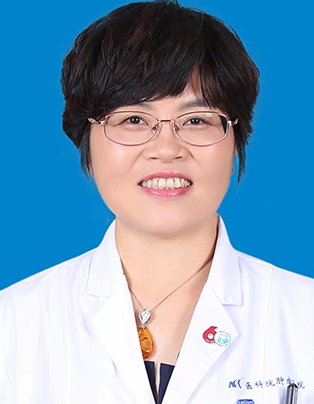 Xiaohui He (何小慧)合作论文数Cancer Hospital Chinese Academy of Medical Sciences3




