The impact of galaxy cluster mergers on the properties of the resident galaxies remains poorly understood. In this paper, we investigate the effects of merging environments on star formation (SF) activity in nearby clusters ( $0.04\lt z\lt0.06$ ) from the SAMI Galaxy Survey - A168, A2399, A3880, and EDCC 0442 - which exhibit different dynamical activity. Using single-fibre spectroscopy from the SAMI Cluster Redshift Survey and Sloan Digital Sky Survey, we trace SF activity across the cluster sample by identifying the star-forming galaxy (SFG) population based on spectral features. We find a mild enhancement in the star-forming galaxy fraction ( $f_{SFG}$ ) in merging clusters, although not statistically significant. The spatial and projected phase-space distributions show that SFGs in merging clusters are well-mixed with the passive population, while galaxy populations exhibit a clear segregation in the relaxed clusters. Analysis of the equivalent width of the H $\alpha$ line, as a tracer of recent SF activity, does not reveal strong evidence of triggered SF activity as a function of dynamical state for both the global cluster environment and subsamples of galaxies selected near possible merger features. This suggests that the increase in $f_{SFG}$ is due to the mixing of galaxies in dynamically complex, young merging systems that are still forming, unlike their older, relaxed counterparts that have had longer to quench.
We present the analysis of the stellar populations and kinematics of the globular cluster (GC)-rich ultra-diffuse galaxy (UDG), PUDG-R21, using spectroscopic observations obtained with the Keck Cosmic Web Imager. The recessional velocity is measured to be 5536 +/- 10 km s(-1), confirming its association with the Perseus Cluster. The galaxy exhibits mild rotation of 15.6 +/- 10 km s(-1) and a stellar velocity dispersion of 19.4 +/- 3.5 km s(-1) within the galaxy effective radius. From this, we infer a dynamical mass of M-dyn = 9 . 3 +/- 3 . 3 x 10( 8) M ((R)). Based on a halo mass derived from PUDG-R21 GC counts, we find our dynamical mass is consistent with a cored dark matter profile. The integrated stellar population analysis reveals a predominantly old stellar population of 10 . 4 +/- 1 . 2 Gyr, with intermediate-low metallicity ([M/H] = -0.64 +/- 0 . 12 dex) and elevated alpha abundances ([ Mg / Fe ] = 0 . 38 +/- 0 . 25 dex). The inferred star formation history suggests rapid stellar assembly, likely truncating prior to or during the galaxy's infall into the cluster at an early epoch ( '10 Gyr ago). The analysis of stellar population gradients (age and metallicity) indicates a flat profile out to one effective radius. Here, we consider the involvement of two star formation events, initially forming a large population of metal-poor GCs, and then the latter contributing to the more metal-enriched diffuse stellar body. The evidence of subsequent star formation suggests this galaxy is more like an extension of the classical dwarf population than the much-discussed failed galaxy UDGs.
We use spectral energy distribution (SED) fitting to place constraints on the stellar populations of 59 ultra-diffuse galaxies (UDGs) in the low-to-moderate density fields of the MATLAS survey. We use the routine PROSPECTOR, coupled with archival data in the optical from DECaLS, and near- and mid-infrared imaging from WISE, to recover the stellar masses, ages, metallicities and star formation timescales of the UDGs. We find that a subsample of the UDGs lies within the scatter of the mass-metallicity relation (MZR) for local classical dwarfs. However, another subsample is more metal-poor, being consistent with the evolving MZR at high-redshift. We investigate UDG positioning trends in the mass-metallicity plane as a function of surface brightness, effective radius, axis ratio, local volume density, mass-weighted age, star formation timescale, globular cluster (GC) counts and GC specific frequency. We find that our sample of UDGs can be separated into two main classes. Class A: Comprised of UDGs with lower stellar masses, prolonged star formation histories (SFHs), more elongated, inhabiting less dense environments, hosting fewer GCs, younger, consistent with the classical dwarf MZR, and fainter. Class B: UDGs with higher stellar masses, rapid SFHs, rounder, inhabiting the densest of our probed environments, hosting on average the most numerous GC systems, older, consistent with the high-redshift MZR (i.e., consistent with early-quenching), and brighter. The combination of these properties suggests that UDGs of Class A are consistent with a `puffed-up dwarf' formation scenario, while UDGs of Class B seem to be better explained by `failed galaxy' scenarios.
ABSTRACT We present spatially resolved Keck Cosmic Web Imager stellar spectroscopy of the Virgo cluster dwarf galaxies VCC 9 and VCC 1448. These galaxies have similar stellar masses and large half-light radii but very different globular cluster (GC) system richness (∼25 versus ∼99 GCs). Using the KCWI data, we spectroscopically confirm 10 GCs associated with VCC 1448 and one GC associated with VCC 9. We make two measurements of dynamical mass for VCC 1448 based on the stellar and GC velocities, respectively. VCC 1448’s mass measurements suggest that it resides in a halo in better agreement with the expectation of the stellar mass–halo mass relationship than the expectation from its large GC counts. For VCC 9, the dynamical mass we measure agrees with the expected halo mass from both relationships. We compare VCC 1448 and VCC 9 to the GC-rich galaxy Dragonfly 44 (∼74 GCs), which is similar in size but has ∼1 dex less stellar mass than either Virgo galaxy. In dynamical mass – GC number space, Dragonfly 44 and VCC 1448 exhibit richer GC systems given their dynamical mass than that of VCC 9 and other ‘normal’ galaxies. We also place the galaxies in kinematics–ellipticity space finding evidence of an anticorrelation between rotational support and the fraction of a galaxy’s stellar mass in its GC system, that is, VCC 9 is more rotationally supported than VCC 1448, which is more rotationally supported than Dragonfly 44. This trend may be expected if a galaxy’s GC content depends on its natal gas properties at formation.
Observational surveys have found that the dynamical masses of ultra-diffuse galaxies (UDGs) correlate with the richness of their globular cluster (GC) system. This could be explained if GC-rich galaxies formed in more massive dark matter haloes. We use simulations of galaxies and their GC systems from the E-MOSAICS project to test whether the simulations reproduce such a trend. We find that GC-rich simulated galaxies in galaxy groups have enclosed masses that are consistent with the dynamical masses of observed GC-rich UDGs. However, simulated GC-poor galaxies in galaxy groups have higher enclosed masses than those observed. We argue that GC-poor UDGs with low stellar velocity dispersions are discs observed nearly face on, such that their true mass is underestimated by observations. Using the simulations, we show that galactic star-formation conditions resulting in dispersion-supported stellar systems also leads to efficient GC formation. Conversely, conditions leading to rotationally-supported discs leads to inefficient GC formation. This result may explain why early-type galaxies typically have richer GC systems than late-type galaxies. This is also supported by comparisons of stellar axis ratios and GC specific frequencies in observed dwarf galaxy samples, which show GC-rich systems are consistent with being spheroidal, while GC-poor systems are consistent with being discs. Therefore, particularly for GC-poor galaxies, rotation should be included in dynamical mass measurements from stellar dynamics.
In this paper, we describe the wide-field spectroscopic survey telescope (WST) project. WST is a 12-metre wide-field spectroscopic survey telescope with simultaneous operation of a large field-of-view (3 sq. degree), high-multiplex (20,000) multi-object spectrograph (MOS), with both a low and high-resolution modes, and a giant 3 ' 3 arcmin2 integral field spectrograph (IFS). In scientific capability, these specifications place WST far ahead of existing and planned facilities. In only 5 years of operation, the MOS would target 250 million galaxies and 25 million stars at low spectral resolution, plus 2 million stars at high resolution. Without need for preimaged targets, the IFS would deliver 4 billion spectra offering many serendipitous discoveries. Given the current investment in deep imaging surveys and noting the diagnostic power of spectroscopy, WST will fill a crucial gap in astronomical capability and work in synergy with future ground and space-based facilities. We show how it can address outstanding scientific questions in the areas of cosmology; galaxy assembly, evolution, and enrichment, including our own Milky Way; the origin of stars and planets; and time domain and multimessenger astrophysics. WST's uniquely rich dataset may yield unforeseen discoveries in many of these areas. The telescope and instruments are designed as an integrated system and will mostly use existing technology, with the aim to minimise the carbon footprint and environmental impact. We will propose WST as the next European Southern Observatory (ESO) project after completion of the 39-metre ELT.
The Wide-field Spectroscopic Telescope (WST) is proposed as a new facility dedicated to the efficient delivery of spectroscopic surveys. This white paper summarises the initial concept as well as the corresponding science cases. WST will feature simultaneous operation of a large field-of-view (3 sq. degree), a high multiplex (20,000) multi-object spectrograph (MOS) and a giant 3x3 sq. arcmin integral field spectrograph (IFS). In scientific capability these requirements place WST far ahead of existing and planned facilities. Given the current investment in deep imaging surveys and noting the diagnostic power of spectroscopy, WST will fill a crucial gap in astronomical capability and work synergistically with future ground and space-based facilities. This white paper shows that WST can address outstanding scientific questions in the areas of cosmology; galaxy assembly, evolution, and enrichment, including our own Milky Way; origin of stars and planets; time domain and multi-messenger astrophysics. WST's uniquely rich dataset will deliver unforeseen discoveries in many of these areas. The WST Science Team (already including more than 500 scientists worldwide) is open to the all astronomical community. To register in the WST Science Team please visit https://www.wstelescope.com/for-scientists/participate
High-resolution imaging and strong gravitational lensing of high-redshift galaxies have enabled the detection of compact sources with properties similar to nearby massive star clusters. Often found to be very young, these sources may be globular clusters detected in their earliest stages. In this work, we compare predictions of high-redshift (z similar to 1-10) star cluster properties from the E-MOSAICS simulation of galaxy and star cluster formation with those of the star cluster candidates in strongly lensed galaxies from JWST and Hubble Space Telescope (HST) imaging. We select galaxies in the simulation that match the luminosities of the majority of lensed galaxies with star cluster candidates observed with JWST. We find that the luminosities, ages, and masses of the brightest star cluster candidates in the high-redshift galaxies are consistent with the E-MOSAICS model. In particular, the brightest cluster ages are in excellent agreement. The results suggest that star clusters in both low- and high-redshift galaxies may form via common mechanisms. However, the brightest clusters in the lensed galaxies tend to be approximate to 1-1.5mag brighter and approximate to 0.5 dex more massive than the median E-MOSAICS predictions. We discuss the large number of effects that could explain the discrepancy, including simulation and observational limitations, stellar population models, cluster detection biases, and nuclear star clusters. Understanding these limitations would enable stronger tests of globular cluster formation models.
We present Hubble Space Telescope ACS/WFC and WFC3/UVIS imaging for a sample of 50 low-surface brightness (LSB) galaxies in the similar to 10(15) M-circle dot Perseus cluster, which were originally identified in ground-based imaging. We measure the structural properties of these galaxies and estimate the total number of globular clusters (GCs) they host. Around half of our sample galaxies meet the strict definition of an ultra-diffuse galaxy (UDG), while the others are UDG-like but are either somewhat more compact or slightly brighter. A small number of galaxies reveal systems with many tens of GCs, rivalling some of the richest GC systems known around UDGs in the Coma cluster. We find the sizes of rich GC systems, in terms of their half-number radii, extending to similar to 1.2 times the half-light radii of their host galaxy on average. The mean colours of the GC systems are the same, within the uncertainties, as those of their host galaxy stars. This suggests that GCs and galaxy field stars may have formed at the same epoch from the same enriched gas. It may also indicate a significant contribution from disrupted GCs to the stellar component of the host galaxy as might be expected in the 'failed galaxy' formation scenario for UDGs.
ABSTRACT The optical morphology of galaxies is strongly related to galactic environment, with the fraction of early-type galaxies increasing with local galaxy density. In this work, we present the first analysis of the galaxy morphology–density relation in a cosmological hydrodynamical simulation. We use a convolutional neural network, trained on observed galaxies, to perform visual morphological classification of galaxies with stellar masses $M_\ast \gt 10^{10} \, \rm {M}_{\odot }$ in the EAGLE simulation into elliptical, lenticular and late-type (spiral/irregular) classes. We find that EAGLE reproduces both the galaxy morphology–density and morphology–mass relations. Using the simulations, we find three key processes that result in the observed morphology–density relation: (i) transformation of disc-dominated galaxies from late-type (spiral) to lenticular galaxies through gas stripping in high-density environments, (ii) formation of lenticular galaxies by merger-induced black hole feedback in low-density environments, and (iii) an increasing fraction of high-mass galaxies, which are more often elliptical galaxies, at higher galactic densities.
We examine ultra-diffuse galaxies (UDGs) and their relation to non-UDGs in mass-radius-luminosity space. We begin by publishing Keck/KCWI spectroscopy for the Coma cluster UDG Y358, for which we measure both a recessional velocity and velocity dispersion. Our recessional velocity confirms association with the Coma cluster and Y358's status as a UDG. From our velocity dispersion (19 +/- 3 km s(-1)), we calculate a dynamical mass within the half-light radius, which provides evidence for a core in Y358's dark matter halo. We compare this dynamical mass, along with those for globular cluster (GC)-rich/-poor UDGs in the literature, to mass profiles for isolated, gas-rich UDGs, and UDGs in the NIHAO/FIRE simulations. We find GC-poor UDGs have dynamical masses similar to isolated, gas-rich UDGs, suggesting an evolutionary pathway may exist between the two. Conversely, GC-rich UDGs have dynamical masses too massive to be easily explained as the evolution of the isolated, gas-rich UDGs. The simulated UDGs match the dynamical masses of the GC-rich UDGs. However, once compared in stellar mass-halo mass space, the FIRE/NIHAO-simulated UDGs do not match the halo masses of either the isolated, gas-rich UDGs or the GC-rich UDGs at the same stellar mass. Finally, we supplement our data for Y358 with other UDGs that have measured velocity dispersions in the literature. We compare this sample to a wide range of non-UDGs in mass-radius-luminosity space, finding UDGs have a similar locus to non-UDGs of similar luminosity with the primary difference being their larger half-light radii.
Compact elliptical (cE) galaxies remain an elusively difficult galaxy class to study. Recent observations have suggested that isolated and host-associated cEs have different formation pathways, while simulation studies have also shown different pathways can lead to a cE galaxy. However a solid link has not been established, and the relative contributions of each pathway in a cosmological context remains unknown. Here we combine a spatially-resolved observational sample of cEs taken from the SAMI galaxy survey with a matched sample of galaxies within the IllustrisTNG cosmological simulation to establish an overall picture of how these galaxies form. The observed cEs located near a host galaxy appear redder, smaller and older than isolated cEs, supporting previous evidence for multiple formation pathways. Tracing the simulated cEs back through time, we find two main formation pathways; 32 ± 5 percent formed via the stripping of a spiral galaxy by a larger host galaxy, while 68 ± 4 percent formed through a gradual build-up of stellar mass in isolated environments. We confirm that cEs in different environments do indeed form via different pathways, with all isolated cEs in our sample having formed via in-situ formation (i.e. none were ejected from a previous host), and 77 ± 6 percent of host-associated cEs having formed via tidal stripping. Separating them by their formation pathway, we are able to reproduce the observed differences between isolated and host-associated cEs, showing that these differences can be fully explained by the different formation pathways dominating in each environment.
Prompted by the many controversial claims involving the NGC 1052 group, including that it hosts two dark matter-free galaxies with overluminous and monochromatic globular cluster (GC) systems, here we map out the large-scale structure (LSS) of GCs over the entire group. To recover the LSS, we use archival optical CFHT imaging data. We recover two GC density maps, one based on universal photometric properties of GCs from simple stellar population models, and one based on the properties of spectroscopically confirmed GCs in DF2 and DF4 (the two dwarf galaxies with overluminous GC populations). Both selection methods reveal overdensities around the massive galaxies in the group, as well as around NGC 1052 itself, that are coincident with the positions of previously identified stellar streams and tidal features. No intragroup GCs are found connecting these structures to any of the dwarf galaxies. We find, however, two other dwarfs in the group hosting GC systems. These include RCP32 with 2 GCs with ages equivalent to the GCs around NGC 1052, and DF9 with 3 GCs with ages similar to the GCs around DF2 and DF4. We conclude that the GC distribution in the group does not strongly support any formation scenario in particular. It favours, nonetheless, scenarios relying on galaxy-galaxy interactions and on the coeval formation of GCs around the DM-free dwarf galaxies. These may include the recently proposed bullet-dwarf formation, as well as high-redshift tidal dwarf galaxy models.
ABSTRACT We use spectral energy distribution (SED) fitting to place constraints on the stellar population properties of 29 quiescent ultra-diffuse galaxies (UDGs) across different environments. We use the fully Bayesian routine PROSPECTOR coupled with archival data in the optical, near, and mid-infrared from Spitzer and Wide-field Infrared Survey Explorer under the assumption of an exponentially declining star formation history. We recover the stellar mass, age, metallicity, dust content, star formation time scales, and photometric redshifts (photo-zs) of the UDGs studied. Using the mid-infrared data, we probe the existence of dust in UDGs. Although its presence cannot be confirmed, we find that the inclusion of small amounts of dust in the models brings the stellar populations closer to those reported with spectroscopy. Additionally, we fit the redshifts of all galaxies. We find a high accuracy in recovering photo-zs compared to spectroscopy, allowing us to provide new photo-z estimates for three field UDGs with unknown distances. We find evidence of a stellar population dependence on the environment, with quiescent field UDGs being systematically younger than their cluster counterparts. Lastly, we find that all UDGs lie below the mass–metallicity relation for normal dwarf galaxies. Particularly, the globular cluster (GC)-poor UDGs are consistently more metal-rich than GC-rich ones, suggesting that GC-poor UDGs may be puffed-up dwarfs, while most GC-rich UDGs are better explained by a failed galaxy scenario. As a byproduct, we show that two galaxies in our sample, NGC 1052-DF2 and NGC 1052-DF4, share equivalent stellar population properties, with ages consistent with 8 Gyr. This finding supports formation scenarios where the galaxies were formed together.
ABSTRACT We study the present-day rotational velocity (Vrot) and velocity dispersion (σ) profiles of the globular cluster (GC) systems in a sample of 50 lenticular (S0) galaxies from the E-MOSAICS galaxy formation simulations. We find that $82{{\ \rm per\ cent}}$ of the galaxies have GCs that are rotating along the photometric major axis of the galaxy (aligned), while the remaining $18{{\ \rm per\ cent}}$ of the galaxies do not (misaligned). This is generally consistent with the observations from the SLUGGS survey. For the aligned galaxies, classified as peaked and outwardly decreasing ($49{{\ \rm per\ cent}}$), flat ($24{{\ \rm per\ cent}}$), and increasing ($27{{\ \rm per\ cent}}$) based on the Vrot/σ profiles out to large radii, we do not find any clear correlation between these present-day Vrot/σ profiles of the GCs and the past merger histories of the S0 galaxies, unlike in previous simulations of galaxy stars. For just over half of the misaligned galaxies, we find that the GC misalignment is the result of a major merger within the last $10\, \mathrm{Gyr}$ so that the ex-situ GCs are misaligned by an angle between 0° (co-rotation) and 180° (counter-rotation), with respect to the in situ GCs, depending on the orbital configuration of the merging galaxies. For the remaining misaligned galaxies, we suggest that the in situ metal-poor GCs, formed at early times, have undergone more frequent kinematic perturbations than the in situ metal-rich GCs. We also find that the GCs accreted early and the in situ GCs are predominantly located within 0.2 virial radii (R200) from the centre of galaxies in 3D phase-space diagrams.
It is clear that within the class of ultra-diffuse galaxies (UDGs), there is an extreme range in the richness of their associated globular cluster (GC) systems. Here, we report the structural properties of five UDGs in the Perseus cluster based on deep Subaru/Hyper Suprime-Cam imaging. Three appear GC-poor and two appear GC-rich. One of our sample, PUDG_R24, appears to be undergoing quenching and is expected to fade into the UDG regime within the next similar to 0.5 Gyr. We target this sample with Keck Cosmic Web Imager (KCWI) spectroscopy to investigate differences in their dark matter haloes, as expected from their differing GC content. Our spectroscopy measures both recessional velocities, confirming Perseus cluster membership, and stellar velocity dispersions, to measure dynamical masses within their half-light radius. We supplement our data with that from the literature to examine trends in galaxy parameters with GC system richness. We do not find the correlation between GC numbers and UDG phase space positioning expected if GC-rich UDGs environmentally quench at high redshift. We do find GC-rich UDGs to have higher velocity dispersions than GC-poor UDGs on average, resulting in greater dynamical mass within the half-light radius. This agrees with the first order expectation that GC-rich UDGs have higher halo masses than GC-poor UDGs.
We analyse the surface brightness profiles of disc-type galaxies in the EAGLE simulations in order to investigate the effects of galaxy mass and environment on galaxy profile types. Following observational works, we classify the simulated galaxies by their disc surface brightness profiles into single exponential (Type I), truncated (Type II) and anti-truncated (Type III) profiles. In agreement with previous observation and theoretical work, we find that Type II discs result from truncated star-forming discs that drive radial gradients in the stellar populations. In contrast, Type III profiles result from galaxy mergers, extended star-forming discs or the late formation of a steeper, inner disc. We find that the EAGLE simulations qualitatively reproduce the observed trends found between profile type frequency and galaxy mass, morphology and environment, such as the fraction of Type III galaxies increasing with galaxy mass, and the the fraction of Type II galaxies increasing with Hubble type. We investigate the lower incidence of Type II galaxies in galaxy clusters, finding, in a striking similarity to observed galaxies, that almost no S0-like galaxies in clusters have Type II profiles. Similarly, the fraction of Type II profiles for disc-dominated galaxies in clusters is significantly decreased relative to field galaxies. This difference between field and cluster galaxies is driven by star formation quenching. Following the cessation of star formation upon entering a galaxy cluster, the young stellar populations of Type II galaxies simply fade, leaving behind Type I galaxies.
Many disc galaxies in clusters have been found with bulges of similar age or younger than their surrounding discs, at odds with field galaxies of similar morphology and their expected inside-out formation. We use the EAGLE simulations to test potential origins for this difference in field and cluster galaxies. We find, in agreement with observations, that on average disc-dominated field galaxies in the simulations have older inner regions, while similar galaxies in groups and clusters have similarly aged or younger inner regions. This environmental difference is a result of outside-in quenching of the cluster galaxies. Prior to group/cluster infall, galaxies of a given present-day mass and morphology exhibit a similar evolution in their specific star formation rate (sSFR) profiles. Post-infall, the outer sSFRs of group and cluster galaxies significantly decrease due to interstellar medium stripping, while the central sSFR remains similar to field galaxies. Field disc galaxies instead generally retain radially increasing sSFR profiles. Thus, field galaxies continue to develop negative age gradients (younger discs), while cluster galaxies instead develop positive age gradients (younger bulges).
We investigate the isolated, quiescent ultra-diffuse galaxy (UDG) DGSAT I and its globular cluster (GC) system using two orbits of Hubble Space Telescope Advanced Camera for Surveys imaging in the F606W and F814W filters. This is the first study of GCs around a UDG in a low-density environment. DGSAT I was previously found to host an irregular blue low surface brightness clump, that we confirm as very likely belonging to the galaxy rather than being a chance projection, and represents a recent episode of star formation (${\sim}500~\mathrm{Myr}$) that challenges some UDG formation scenarios. We select GC candidates based on colours and magnitudes, and construct a self consistent model of the GC radial surface density profile along with the background. We find a half-number radius of $R_\mathrm{GC} = 2.7\pm0.1~\mathrm{kpc}$ (more compact than the diffuse starlight) and a total of $12 \pm 2$ GCs. The total mass fraction in GCs is relatively high, supporting an overmassive dark matter halo as also implied by the high velocity dispersion previously measured. The GCs extend to higher luminosities than expected, and have colours that are unusually similar to their host galaxy colour, with a very narrow spread--all of which suggest an early, intense burst of cluster formation. The nature and origin of this galaxy remain puzzling, but the most likely scenario is a "failed galaxy" that formed relatively few stars for its halo mass, and could be related to cluster UDGs whose size and quiescence pre-date their infall.
In this paper, we describe a new method to select globular cluster (GC) candidates, including galaxy subtraction with unsharp masking, template fitting techniques and the inclusion of Gaia's proper motions. We report the use of the 12-band photometric system of S-PLUS to determine radial velocities and stellar populations of GCs around nearby galaxies. Specifically, we assess the effectiveness of identifying GCs around nearby and massive galaxies (D < 20 Mpc and σ > 200 km/s) in a multi-band survey such as S-PLUS by using spectroscopically confirmed GCs and literature GC candidate lists around the bright central galaxy in the Fornax cluster, NGC 1399 (D = 19 Mpc), and the isolated lenticular galaxy NGC 3115 (D = 9.4 Mpc). Despite the shallow survey depth, that limits the present work to r < 21.3 mag, we measure reliable photometry and perform robust SED fitting for a sample of 115 GCs around NGC 1399 and 42 GCs around NGC 3115, recovering radial velocities, ages, and metallicities for the GC populations.
 Matthew Colless合作论文数Research School of Astronomy and Astrophysics, College of Science and Medicine, Australian National University123
 Karl Glazebrook合作论文数Centre for Astrophysics and Supercomputing, Swinburne University of Technology/Department of Physics and Astronomy, School of Science, Swinburne University of Technology110
 Richard Ellis合作论文数Department of Physics & Astronomy, Faculty of Maths & Physical Sciences, University College London108
 Simon Driver合作论文数International Centre for Radio Astronomy Research, University of Western Australia87
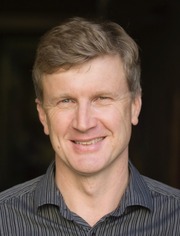 Joss Hawthorn合作论文数Sydney Institute for Astronomy, School of Physics, Faculty of Science, The University of Sydney80
 Michael Drinkwater合作论文数School of Mathematics and Physics, University of Queensland;Department of Physics, University of Queensland76
 Kenji Bekki合作论文数International Centre for Radio Astronomy Research, The University of Western Australia66
 Sarah Brough合作论文数School of Physics, University of New South Wales63
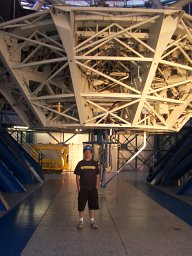 Michael Pracy合作论文数School of Astronomy and Astrophysics, Research;Australian National University;School of Astronomy and Astrophysics, Australian National University61
 Scott Croom合作论文数Sydney Institute for Astronomy, School of Physics, Faculty of Science, The University of Sydney59
 Russell D. Cannon合作论文数57
 Duncan A. Forbes合作论文数Centre for Astrophysics and Supercomputing, Swinburne University of Technology55
 Bianca Maria Poggianti合作论文数Astronomical Observatory Padova, National Institute for Astrophysics53
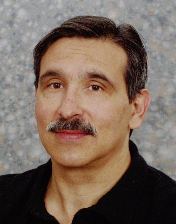 Carlos S. Frenk合作论文数Institute for Computational Cosmology, Department of Physics, University of Durham50Peder Norberg合作论文数49
 Ofer Lahav合作论文数Department of Physics and Astronomy, University College London;Centre for Doctoral Training in Data Intensive Science, University College London49
 Terry Bridges合作论文数Anglo-Australian Observatory49
 Ian Lewis合作论文数Department of Physics, University of Oxford49
 John Peacock合作论文数Institute for Astronomy, University of Edinburgh49
 Kevin Pimbblet合作论文数Faculty of Science and Engineering, University of Hull49
 Shaun Cole合作论文数Institute for Computational Cosmology, Department of Physics, Durham University48
 Bruce A. Peterson合作论文数Research School of Astronomy & Astrophysics, College of Science, Australian National University48
 Gavin B. Dalton合作论文数Department of Physics, University of Oxford48
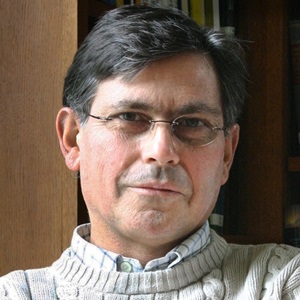 George Efstathiou合作论文数Institute of Astronomy, University of Cambridge;King's College, University of Cambridge47Stuart Lumsden合作论文数47
 Alan Dressler合作论文数Carnegie Institution for Science47
 Steve John Maddox合作论文数Sch Phys & Astron, Cardiff Univ46Daniela Bettoni合作论文数Osservatorio Astronomico di Padova46
 Carole A. Jackson合作论文数Australia Telescope National Facility46
 William Sutherland合作论文数Department of Zoology, University of Cambridge45giovanni fasano合作论文数44Christopher Alfred Chris Collins合作论文数Astrophysics Research Institute, Liverpool John Moores University44
 Rob Sharp合作论文数Research School of Astronomy & Astrophysics, College of Science, Australian National University;Advanced Instrumentation and Technology Centre, Australian National University43Keith Taylor合作论文数42R. De Propris合作论文数40Russell J. Jurek合作论文数39
 Antonio Cava合作论文数Instituto de Astrof38Chris Blake合作论文数38
 Jacopo Fritz合作论文数Universidad Nacional Autónoma de México;Instituto de Radioastronomía y Astrofísica38
 Carlton Baugh合作论文数Department of Physics, Durham University;Institute for Computational Cosmology, Durham University;Palatine Centre, Durham University37
 Matt Owers合作论文数School of Mathematical and Physical Sciences, Macquarie University;Astrophysics and Space Technologies Research Centre, Macquarie University37Darren S. Madgwick合作论文数37
 Jesus Varela Lopez合作论文数37
 Ian Smail合作论文数Centre for Extragalactic Astronomy, Department of Physics, Durham University35M. D’Onofrio合作论文数35
 Tamara Davis合作论文数School of Mathematics and Physics, Faculty of Science, The University of Queensland33
 David F Woods合作论文数Department of Astrophysics;University of New South Wales;Department of Astrophysics, University of New South Wales33
 Gregory B. Poole合作论文数Swinburne33
 Brian Boyle合作论文数University of New South Wales;Sydney Quantum Academy32




