Objective: The aim of this study was to investigate the value of the 8th American Joint Committee on Cancer (AJCC) anatomic and prognostic stage groups for penile cancer patients and explore whether there is room for improvement. Methods: The clinical and histopathologic data from 16 centers between January 2000 and December 2021 were assessed according to the 8th AJCC anatomic and prognostic stage groups. Kaplan-Meier plots were used to estimate the disease-specific survival (DSS) of the patients. The accuracy of the staging systems was investigated using the Harrell's concordance index (C-index). Results: According to the 8th AJCC anatomic and prognostic stage groups, the 5-year DSS rates for patients with stages 0is/a, I, IIA, IIB, IIIA, IIIB, and IV disease were 100%, 99%, 86%, 81%, 66%, 34%, and 23%, respectively (p(0is/a-I)=0.8, p(I-IIA)<0.001, p(IIA-IIB)=0.5, p(IIB-IIIA)<0.001, p(IIIA-IIIB)<0.001, p(IIIB-IV)=0.004, and p(Total)<0.001). According to the modified model 1 system, the 5-year DSS rates without survivorship overlap for patients with stages 0is/a, I, II, IIIA, IIIB, and IV disease were 100%, 99%, 88%, 66%, 34%, and 23%, respectively (p(0is/a-I)=0.8, p(I-II)<0.001, p(II-IIIA)=0.002, p(IIIA-IIIB)<0.001, p(IIIB-IV)=0.004, and p(Total)<0.001). Similarly, according to the modified model 2 system, the 5-year DSS rates without survivorship overlap for patients with stages 0is/a, I, II, IIIA, IIIB, and IV disease were 100%, 99%, 86%, 66%, 34%, and 23%, respectively (p(0is/a-I)=0.8, p(I-II)<0.001, p(II-IIIA)=0.008, p(IIIA-IIIB)<0.001, p(IIIB-IV)=0.004, and p(Total)<0.001). The C-index scores of the simple modified staging systems were not inferior to those of the AJCC anatomic and prognostic stage groups. These results were confirmed by the bootstrap internal validation. Conclusion: There is still room for improvement about the 8th AJCC anatomic and prognostic stage groups. The improved models, which are more concise and convenient, have similar prediction accuracy. (c) 2025 Editorial Office of Asian Journal of Urology. Publishing services by Elsevier B.V. This is an open access article under the CC BY-NC-ND license (http://creativecommons.org/licenses/by-nc-nd/4.0/)
You have accessJournal of UrologyCME1 Apr 2023MP55-06 IS SYSTEMATIC BIOPSY STILL NEEDED IN MRI GUIDED PROSTATE BIOPSY? A MULTI-CENTRE ASIAN COHORT Peter Ka-Fung Chiu, Alex Mok, Jeffrey J Leow, Kai Zhang, Chih Hung Chiang, Po Fan Hsieh, Wayne Lam, Woon Chau Tsang, Hoi Chak Chan, Yu Hua Fan, Tzu Ping Lin, Tetsu Hayashi, Kazumi Kamoi, Hiromi Uno, Jason Letran, Yao Zhu, Hai Feng Wan, Tsz Yeung Chan, Chao Yuan Huang, Gang Zhu, Hsi-Chin Wu, Edmund Chiong, Chi Fai Ng, and Sunao Shoji Peter Ka-Fung ChiuPeter Ka-Fung Chiu More articles by this author , Alex MokAlex Mok More articles by this author , Jeffrey J LeowJeffrey J Leow More articles by this author , Kai ZhangKai Zhang More articles by this author , Chih Hung ChiangChih Hung Chiang More articles by this author , Po Fan HsiehPo Fan Hsieh More articles by this author , Wayne LamWayne Lam More articles by this author , Woon Chau TsangWoon Chau Tsang More articles by this author , Hoi Chak ChanHoi Chak Chan More articles by this author , Yu Hua FanYu Hua Fan More articles by this author , Tzu Ping LinTzu Ping Lin More articles by this author , Tetsu HayashiTetsu Hayashi More articles by this author , Kazumi KamoiKazumi Kamoi More articles by this author , Hiromi UnoHiromi Uno More articles by this author , Jason LetranJason Letran More articles by this author , Yao ZhuYao Zhu More articles by this author , Hai Feng WanHai Feng Wan More articles by this author , Tsz Yeung ChanTsz Yeung Chan More articles by this author , Chao Yuan HuangChao Yuan Huang More articles by this author , Gang ZhuGang Zhu More articles by this author , Hsi-Chin WuHsi-Chin Wu More articles by this author , Edmund ChiongEdmund Chiong More articles by this author , Chi Fai NgChi Fai Ng More articles by this author , and Sunao ShojiSunao Shoji More articles by this author View All Author Informationhttps://doi.org/10.1097/JU.0000000000003308.06AboutPDF ToolsAdd to favoritesDownload CitationsTrack CitationsPermissionsReprints ShareFacebookLinked InTwitterEmail Abstract INTRODUCTION AND OBJECTIVE: To evaluate the additional role of systematic biopsy in predicting clinically significant prostate cancer(csPCa) among Asian men with MRI-guided prostate biopsies performed. METHODS: The analyses were done in 5240 Asian men in a multicenter MRI-guided biopsy database of 21 Asian centers in Hong Kong, Shanghai, Beijing, Taiwan, Singapore, Japan, and the Philippines. Each men underwent MRI-targeted and systematic biopsy. The role of systematic biopsy in various PI-RADS and PSA levels in predicting clinically significant prostate cancer(ISUP>=2) was evaluated. RESULTS: 3080 men with prostate volume and PI-RADS score available, and systematic and targeted biopsies reported separately, were included. 4.9%, 42.6%, 35.8% and 14.7% patients had highest PI-RADS score 2, 3, 4 and 5, respectively. The median PSA, PSA density, targeted cores, and systematic cores were 8.2, 0.19, 3 and 12 respectively. 54.9% had PCa and 41.1% had csPCa. csPCa was diagnosed in 9.7%, 22.5%, 57.2% and 78.1% of men with PI-RADS score 2,3,4 and 5, respectively. csPCa diagnosed only on systematic biopsy but not on targeted biopsy is shown in Table 1. CONCLUSIONS: csPCa on additional systematic biopsy was only 5.6% in men with PSA density<0.15. Additional systematic biopsy has limited role in men with highest PI-RADS score of 2 or 3, and PI-RADS 4 with PSA density<0.15. Source of Funding: None © 2023 by American Urological Association Education and Research, Inc.FiguresReferencesRelatedDetails Volume 209Issue Supplement 4April 2023Page: e765 Advertisement Copyright & Permissions© 2023 by American Urological Association Education and Research, Inc.MetricsAuthor Information Peter Ka-Fung Chiu More articles by this author Alex Mok More articles by this author Jeffrey J Leow More articles by this author Kai Zhang More articles by this author Chih Hung Chiang More articles by this author Po Fan Hsieh More articles by this author Wayne Lam More articles by this author Woon Chau Tsang More articles by this author Hoi Chak Chan More articles by this author Yu Hua Fan More articles by this author Tzu Ping Lin More articles by this author Tetsu Hayashi More articles by this author Kazumi Kamoi More articles by this author Hiromi Uno More articles by this author Jason Letran More articles by this author Yao Zhu More articles by this author Hai Feng Wan More articles by this author Tsz Yeung Chan More articles by this author Chao Yuan Huang More articles by this author Gang Zhu More articles by this author Hsi-Chin Wu More articles by this author Edmund Chiong More articles by this author Chi Fai Ng More articles by this author Sunao Shoji More articles by this author Expand All Advertisement PDF downloadLoading ...
Introduction: Kidney cancer, primarily renal cell carcinoma (RCC), ranks among the top 10 most common malignancies in the male population of Hong Kong. In 2019, members of two medical societies in Hong Kong formed an expert panel to establish a set of consensus statements for the management of metastatic RCC. On 22 June 2021, the same panel met to review recent evidence and reassess their positions regarding the management of advanced and metastatic RCC, with the aim of providing recommendations for physicians in Hong Kong. Participants: The panel included 12 experts (6 clinical oncologists and 6 urologists) who had extensive experience managing patients with RCC in Hong Kong. Evidence: The panel reviewed randomised controlled trials, observational studies, systematic reviews/meta-analyses, and international clinical guidelines to address key clinical questions that were identified before the meeting. Consensus Process: In total, 15 key clinical questions were identified before the meeting, covering the surgical and systemic treatment of advanced or metastatic clear cell, sarcomatoid, and non-clear cell RCCs. At the meeting, the panellists voted on these questions, then discussed relevant evidence and practical considerations. Conclusions: The treatment landscape for advanced and metastatic RCC continues to evolve. More immune checkpoint inhibitor (ICI)-based combination regimens will be indicated for the treatment of metastatic clear cell RCC. There is increasing evidence concerning the benefit of adjuvant ICI treatment for resected advanced RCC. This article summarises recent evidence and expert insights regarding a series of key clinical questions about the management of advanced and metastatic RCC.
to hepatocyte paraffin antigen (HepPar-1) and patchy to arginase-1, showing canalicular pattern in polyclonal
Background and objectiveUrine culture is time consuming, which may take days to get the results and impede further timely treatment. Our objective is to evaluate whether the fast urinalysis and bacterial discrimination system called Sysmex UF-5000 may predict urinary tract infections (UTIs) (within minutes) compared with the clinical routine test in suspected UTI patients. In addition, we aimed to explore the accuracy of microbiologic information by UF-5000.Materials and MethodsConsecutive patients who were admitted from the emergency department at Queen Mary Hospital (a tertiary hospital in Hong Kong) from June 2019 to February 2020 were enrolled in the present study. The dipstick test, manual microscopic test with culture, and Sysmex UF-5000 test were performed in the urine samples at admission.ResultsA total of 383 patients were finally included in the present study. UF-5000 urinalysis (area under the receiver operator characteristic curve, AUC=0.821, confidence interval, 95%CI: 0.767–0.874) outperformed the dipstick test (AUC=0.602, 95%CI: 0.550–0.654, P=1.32×10⁻¹⁰) for predicting UTIs in patients without prior antibiotic treatment. A significant net benefit from UF-5000 was observed compared with the dipstick test (NRI=39.9%, 95%CI: 19.4–60.4, P=1.36 × 10⁻⁴). The urine leukocyte tested by UF-5000 had similar performance (AUC) for predicting UTI compared with the manual microscopic test (P=0.27). In patients without a prior use of antibiotics, the concordance rates between UF-5000 and culture for predicting Gram-positive or -negative bacteriuria and a negative culture were 44.7% and 96.2%, respectively.ConclusionsUF-5000 urinalysis had a significantly better predictive value than the dipstick urine test for predicting UTIs.
Abstract BackgroundFluoroscopy has traditionally played an integral role in ureteroscopic lithotripsy in management of ureteral stones. However, with the growing awareness of the hazardous effects of radiation associated with fluoroscopy, some advocated use of fluoroless techniques. This study aims to determine the feasibility and radiation reduction in fluoroless ureteroscopic lithotripsy in ureteral stone at any level. Operative outcomes and complications are compared with conventional ureteroscopic lithotripsy with fluoroscopy.Patients and methodsFor this single centre, single blind, prospective randomised controlled trial, we recruited 60 patients with unilateral ureteral stones undergoing ureteroscopic lithotripsy from January 2017 to May 2018. Patients were randomly assigned to fluoroless ureteroscopic lithotripsy group or conventional ureteroscopic lithotripsy group in a 1:1 ratio using a random number generator. The primary outcomes were radiation dosage and fluoroscopy time. Secondary outcomes were endoscopic clearance rate, stone free rate, operative time and complication rate. ResultsRadiation exposure in fluoroless ureteroscopic lithotripsy group was significantly lower than the conventional ureteroscopic lithotripsy group from 5.50 +/- 6.14 mGy in conventional group to 0.12 +/- 0.65 mGy in fluroless group (p=.000). Fluoroscopy time was reduced from 40.3 +/- 43.1 second in conventional group to 0.9 +/- 4.9 seconds (p=.000) in fluroless group. No significant difference in surgical outcome were noticed between the two groups.ConclusionsFluoroless ureteroscopic lithotripsy is a safe and feasible alternative to replace conventional ureteroscopic lithotripsy with fluoroscopy in management of ureteral stones with uncomplicated anatomy by experienced hands.
Introduction: The role of pyroptosis and its effects on tumor-infiltrating cells (TICs) in the pathogenesis and treatment outcomes of patients with bladder urothelial carcinoma (BLCA) remains unclear. Methods: We conducted a bioinformatics analysis on the pyroptosis-related genes (PRGs) and TICs using data from public domains, and evaluated their impact on the pathogenesis and clinical outcomes of BLCA patients. A risk score based on PRGs and a prognostic risk model that incorporated patient demographics, tumor characteristics, and differentially expressed genes (DEGs) were developed. Results: Twenty-three DEGs of 52 PRGs were identified in BLCA and normal samples from the TCGA database. Missense mutations and single nucleotide polymorphisms in PRGs are the most common genetic abnormalities. Patients with high PRG risk scores showed an inferior survival compared to those with low risk scores. The prognostic risk model based on patient demographics, tumor characteristics, and DEGs showed good predictive values for patient survival at 1, 3, and 5 years in BLCA patients. Caspase-8 (CASP8) was the only intersection gene of the prognostic genes, DEGs, and different genes expressed in tissue. Patients with a high CASP8 expression had improved survival, and an increased CASP8 expression level was observed in activated CD4 memory T cells, follicular T helper cells, resting NK cells, M0 macrophages, and activated dendritic cells. CASP8 expression also showed a positive correlation with the IL7R expression-a key cell marker of CD4 memory T cells. CASP8 expression also showed correlations with immune checkpoints (PDCD1, CD274, and CTLA4) and response to immune checkpoint inhibitors. Conclusion: Our data suggest that PRGs, especially CASP8, showed strong associations with patient outcomes and TICs in BLCA. If validated, these results could potentially aid in the prognostication and guide treatment in BLCA patients.
The International Alliance of Urolithiasis (IAU) would like to release the latest guideline on percutaneous nephrolithotomy (PCNL) and to provide a clinical framework for surgeons performing PCNLs. These recommendations were collected and appraised from a systematic review and assessment of the literature covering all aspects of PCNLs from the PubMed database between January 1, 1976, and July 31, 2021. Each generated recommendation was graded using a modified GRADE methodology. The quality of the evidence was graded using a classification system modified from the Oxford Center for Evidence-Based Medicine Levels of Evidence. Forty-seven recommendations were summarized and graded, which covered the following issues, indications and contraindications, stone complexity evaluation, preoperative imaging, antibiotic strategy, management of antithrombotic therapy, anesthesia, position, puncture, tracts, dilation, lithotripsy, intraoperative evaluation of residual stones, exit strategy, postoperative imaging and stone-free status evaluation, complications. The present guideline on PCNL was the first in the IAU series of urolithiasis management guidelines. The recommendations, tips and tricks across the PCNL procedures would provide adequate guidance for urologists performing PCNLs to ensure safety and efficiency in PCNLs.
Penile or penoscrotal incarceration is an uncommon urologic emergency. Herein we describe two patients who present with penoscrotal incarceration by metal rings. Both patients received successful emergency relief under anaesthesia. A literature review of the described management methods was performed to provide useful guidance to clinicians who may be unfamiliar with this clinical entity under emergency settings.
OBJECTIVE:To develop a predictive model for additional inguinal lymph node metastases (LNM) at inguinal lymph node dissection (ILND) after positive dynamic sentinel node biopsy (DSNB) using DSNB characteristics to identify a patient group in which ILND might be omitted.PATIENTS AND METHODS:We conducted a retrospective study of 407 inguinal basins with a positive DSNB in penile cancer patients who underwent subsequent ILND from seven European centres. From the histopathology reports, the number of positive and negative lymph nodes, presence of extranodal extension and size of the metastasis were recorded. Using bootstrapped logistic regression, variables were selected for the clinical prediction model based on the optimization of Akaike's information criterion. The area under the curve (AUC) of the receiver-operating characteristic curve was calculated for the resulting model. Decision curve analysis (DCA) was used to evaluate the clinical utility of the model.RESULTS:Of the positive DSNBs, 64 (16%) harboured additional LNM at ILND. Number of positive nodes at positive DSNB (odds ratio [OR] 2.19, 95% confidence interval (CI) 1.17-4.00; P = 0.01) and largest metastasis size in mm (OR 1.06, 95% CI 1.03-1.10; P = 0.001) were selected for the clinical prediction model. The AUC was 0.67 (95% CI 0.60-0.74). The DCA showed no clinical benefit of using the clinical prediction model.CONCLUSION:A small but clinically important group of basins harbour additional LNM at completion ILND after positive DSNB. While DSNB characteristics were associated with additional LNM, they did not improve the selection of basins in which ILND could be omitted. Thus, completion ILND remains necessary in all basins with a positive DSNB.
AIM:Achieve an international consensus on how to recover lost training opportunities. The results of this study will help inform future EAES guidelines about the recovery of surgical training before and after the pandemic. BACKGROUND:A global survey conducted by our team demonstrated significant disruption in surgical training during the COVID-19 pandemic. This was wide-spread and affected all healthcare systems (whether insurance based or funded by public funds) in all participating countries. Thematic analysis revealed the factors perceived by trainees as barriers to training and gave birth to four-point framework of recovery. These are recommendations that can be easily achieved in any country, with minimal resources. Their implementation, however, relies heavily on the active participation and leadership by trainers. Based on the results of the global trainee survey, the authors would like to conduct a Delphi-style survey, addressed to trainers on this occasion, to establish a pragmatic step-by-step approach to improve training during and after the pandemic. METHODS:This will be a mixed qualitative and quantitative study. Semi-structured interviews will be performed with laparoscopic trainers. These will be transcribed and thematic analysis will be applied. A questionnaire will then be proposed; this will be based on both the results of the semi structured interviews and of the global trainee survey. The questionnaire will then be validated by the steering committee of this group (achieve consensus of >80%). After validation, the questionnaire will be disseminated to trainers across the globe. Participants will be asked to consent to participate in further cycles of the Delphi process until more than 80% agreement is achieved. RESULTS:This study will result in a pragmatic framework for continuation of surgical training during and after the pandemic (with special focus on minimally invasive surgery training).
You have accessJournal of UrologyProstate Cancer: Detection & Screening III (MP30)1 Sep 2021MP30-15 THE COMBINATION OF PROSTATE HEALTH INDEX (PHI) AND MULTIPARAMETRIC MRI PROSTATE IMPROVES THE DETECTION OF CLINICALLY SIGNIFICANT PROSTATE CANCER (CSPCA): A MULTICENTRE EVALUATION Peter Ka-Fung Chiu, Jeffrey J Leow, Chih-Hung Chiang, Po-Fan Hsieh, Wayne Lam, Woon-Chau Tsang, Yu-Hua Fan, Tzu-Ping Lin, Yao Zhu, Chi-Ho Leung, Jeremy Yuen-Chun Teoh, Ding-Wei Ye, James Hok-Leung Tsu, Chi-Fai Ng, Hsi-Chin Wu, Teck-Wei Tan, Edmund Chiong, and Chao-Yuan Huang Peter Ka-Fung ChiuPeter Ka-Fung Chiu More articles by this author , Jeffrey J LeowJeffrey J Leow More articles by this author , Chih-Hung ChiangChih-Hung Chiang More articles by this author , Po-Fan HsiehPo-Fan Hsieh More articles by this author , Wayne LamWayne Lam More articles by this author , Woon-Chau TsangWoon-Chau Tsang More articles by this author , Yu-Hua FanYu-Hua Fan More articles by this author , Tzu-Ping LinTzu-Ping Lin More articles by this author , Yao ZhuYao Zhu More articles by this author , Chi-Ho LeungChi-Ho Leung More articles by this author , Jeremy Yuen-Chun TeohJeremy Yuen-Chun Teoh More articles by this author , Ding-Wei YeDing-Wei Ye More articles by this author , James Hok-Leung TsuJames Hok-Leung Tsu More articles by this author , Chi-Fai NgChi-Fai Ng More articles by this author , Hsi-Chin WuHsi-Chin Wu More articles by this author , Teck-Wei TanTeck-Wei Tan More articles by this author , Edmund ChiongEdmund Chiong More articles by this author , and Chao-Yuan HuangChao-Yuan Huang More articles by this author View All Author Informationhttps://doi.org/10.1097/JU.0000000000002027.15AboutPDF ToolsAdd to favoritesDownload CitationsTrack CitationsPermissionsReprints ShareFacebookLinked InTwitterEmail Abstract INTRODUCTION AND OBJECTIVE: To investigate the additional value of phi in predicting csPCa in Asian men with elevated PSA and MRI prostate performed. METHODS: This is a multicentre evaluation of prospective databases in men with phi result and MRI-guided targeted and systematic prostate biopsy performed. The additional value of phi to pre-biopsy MRI Prostate Imaging Reporting & Data System(PIRADS) version 2 score was evaluated with multivariate analyses and C-statistics(AUC). The proportion of unnecessary biopsies that can be avoided are estimated for csPCa(ISUP group ≥2 PCa). RESULTS: Among the whole cohort of 2014 men without prior PCa diagnosis, 1183 men had pre-biopsy phi results available. The median(interquartile range) age, PSA, Prostate volume(PV), MRI lesion size, highest PIRADS score, targeted and systematic biopsy cores were 67(62-71), 8.0(5.8-11.0)ng/mL, 50.0(36.9-68.0)ml, 11(7-15)mm, 4(3-4), 3(3-4) cores and 12(12-18) cores respectively. Abnormal digital rectal exam(DRE) and Prior negative biopsy was seen in in 20.8% and 36.6% men respectively. PCa and csPCa was diagnosed in 51.3%(607/1183) and 35.3%(417/1181) men. csPCa was diagnosed in 4.7%, 15.5%, 40.1% and 74.2% of PIRADS 2, 3, 4 and 5 lesions respectively. In multivariate analyses, independent predictors for csPCa detection (odd ratio OR, 95%CI) included age(1.06,1.03-1.08), phi(1.04,1.03-1.04), PV(0.97, 0.96-0.98), and PIRADS score(reference PIRADS 2) [PIRADS 3 (3.3, 0.98-11.3), PIRADS 4(8.2, 2.4-27.3), PIRADS 5(21.6, 6.3-74.5)]. AUC of predictors for csPCa were shown in the Table. Using a 5-factor risk score for csPCa in men with PIRADS score 2 or 3, 36.9%(90% sensitivity) and 19.4%(95% sensitivity) biopsies could be avoided. Decision curve analyses showed the 5-factor risk score achieving the best net clinical benefit. CONCLUSIONS: Adding phi test to men with MRI prostate performed improved csPCa prediction, and further reduced unnecessary biopsies using multivariable risk models especially in PIRADS 2 and 3 lesions. The observed benefits were superior to adding PSA density to MRI prostate. Source of Funding: Nil © 2021 by American Urological Association Education and Research, Inc.FiguresReferencesRelatedDetails Volume 206Issue Supplement 3September 2021Page: e505-e506 Advertisement Copyright & Permissions© 2021 by American Urological Association Education and Research, Inc.MetricsAuthor Information Peter Ka-Fung Chiu More articles by this author Jeffrey J Leow More articles by this author Chih-Hung Chiang More articles by this author Po-Fan Hsieh More articles by this author Wayne Lam More articles by this author Woon-Chau Tsang More articles by this author Yu-Hua Fan More articles by this author Tzu-Ping Lin More articles by this author Yao Zhu More articles by this author Chi-Ho Leung More articles by this author Jeremy Yuen-Chun Teoh More articles by this author Ding-Wei Ye More articles by this author James Hok-Leung Tsu More articles by this author Chi-Fai Ng More articles by this author Hsi-Chin Wu More articles by this author Teck-Wei Tan More articles by this author Edmund Chiong More articles by this author Chao-Yuan Huang More articles by this author Expand All Advertisement Loading ...
Purpose To assess the safety and efficacy of transperitoneal laparoscopic radical nephrectomy using an inferoposterior approach to the renal pedicle. Materials and methods A retrospective review of 89 patients who underwent transperitoneal laparoscopic radical nephrectomy by a single surgeon between June 2014 and December 2019 at a single urological unit was carried out. Access to the renal pedicle was via the inferoposterior approach in 48 cases (study group) and 41 were approached via the conventional anterior approach (control group). Patient demographics, intra-operative anatomical findings, and procedural details including operative time on renal pedicles and post-operative outcomes were recorded. Post-operative complications were recorded and classified according to the Clavien-Dindo classification. A comparative analysis between the two groups was performed using Chi-square test and t-test. Results The inferoposterior approach group had a shorter operative time (132.85±26.65 min vs 153.46±39.94 min; p<0.01), which could be attributed to the shorter time spent operating on the renal vasculature (46.31±6.16 min vs 64.46±7.64 min; p<0.01). Lower average blood loss was also observed in the inferoposterior approach group (42 ml vs 62 ml; p<0.05). No significant difference was identified concerning the mean patient age, body mass index, tumor size, number of renal vessels identified, and post-operative length of stay between the two groups. None of the patients required conversion to open. Conclusion Inferoposterior approach to access the renal pedicle during transperitoneal laparoscopic radical nephrectomy is a safe and effective technique, which shortens the operative time when compared to the conventional anterior approach. Level of evidence: Level 3b.
The recommended treatment for bothersome lower urinary tract symptoms (LUTS) secondary to benign prostatic obstruction (BPO) after the failure of behavioral therapy and fluid modification includes pharmacological, minimally invasive interventional, and surgical approaches. Each option has different risk and benefit profiles, and the urologist must be aware of the unique characteristics of each option in order to be able to accurately counsel the patients based on their individual values and preferences. We provide a comparative review of the commonest pharmacological and most widely performed interventional/surgical treatments for BPO, discussing the evidence for the treatment characteristics that are most useful for the practicing urologist. A search of the PubMed database was performed for articles reporting on the following treatments for LUTS due to BPO: α-blockers, 5α-reductase inhibitors, phosphpdiesterase-5 inhibitors, prostatic urethral lift (Urolift), convective radiofrequency water vapor thermal therapy (Rezum), Temporary implantable Nitinol Device (iTIND), prostate artery embolization (PAE), transurethral resection of the prostate (TURP), photoselective vaporization of the prostate (PVP), Aquablation, and anatomical endoscopic enucleation of the prostate (AEEP). We performed a narrative review focussing on the following outcomes: efficacy, safety, durability, duration of catheterization, length of stay, re-treatment rate, efficacy in special situations (enlarged median lobe, prostate size, urinary retention, and anticoagulant use), and sexual adverse events. AEEP offers the greatest long-term improvement in maximum flow rate, IPSS, and prostate volume reduction, with lowest re-treatment rate, followed by PVP, TURP, and Aquablation. Urolift, Rezum, and PAE have similar efficacy for prostate volume up to 80cc, and all are more effective than the pharmacological treatment. Urolift offers the lowest rate of sexual dysfunction, followed by Rezum, and both can be performed as a day case under local anesthesia. Several treatment options exist to treat voiding LUTS due to BPO. Newer minimally invasive treatments reduce the hospital stay and postoperative complications, whereas AEEP provides the greatest long-term symptom improvement at the expense of higher morbidity and sexual dysfunction. Men should be counseled regarding all suitable treatment options as some may favor reduced efficacy in association with reduced side effects.
ObjectivesTo assess the feasibility of local anaesthetic transperineal (LATP) technique using a single‐freehand transperineal (TP) access device, and report initial prostate cancer (PCa) detection, infection rates, and tolerability.Patients and methodsObservational study of a multicentre prospective cohort, including all consecutive cases. LATP was performed in three settings: (i) first biopsy in suspected PCa, (ii) confirmatory biopsies for active surveillance, and (iii) repeat biopsy in suspected PCa. All patients received pre‐procedure antibiotics according to local hospital guidelines. Local anaesthesia was achieved by perineal skin infiltration and periprostatic nerve block without sedation. Ginsburg protocol principles were followed for systematic biopsies including cognitive magnetic resonance imaging‐targeted biopsies when needed using the PrecisionPoint™ TP access device. Procedure‐related complications and oncological outcomes were prospectively and consecutively collected. A validated questionnaire was used in a subset of centres to collect data on patient‐reported outcome measures (PROMs).ResultsSome 1218 patients underwent LATP biopsies at 10 centres: 55%, 24%, and 21% for each of the three settings, respectively. Any grade PCa was diagnosed in 816 patients (67%), of which 634 (52% of total) had clinically significant disease. Two cases of sepsis were documented (0.16%) and urinary retention was observed in 19 patients (1.6%). PROMs were distributed to 419 patients, with a 56% response rate (n = 234). In these men, pain during the biopsy was described as either ‘not at all’ or ‘a little’ painful by 64% of patients. Haematuria was the most common reported symptom (77%). When exploring attitude to re‐biopsy, 48% said it would be ‘not a problem’ and in contrast 8.1% would consider it a ‘major problem’. Most of the patients (81%) described the biopsy as a ‘minor or moderate procedure tolerable under local anaesthesia’, while 5.6% perceived it as a ‘major procedure that requires general anaesthesia’.ConclusionOur data suggest that LATP biopsy using a TP access system mounted to the ultrasound probe achieves excellent PCa detection, with a very low sepsis rate, and is safe and well tolerated. We believe a randomised controlled trial comparing LATP with transrectal ultrasound‐guided biopsy (TRUS) to investigate the relative trade‐offs between each biopsy technique would be helpful.
BackgroundProgrammed death 1/ligand 1 (PD-1/L1) inhibitors have acceptable antitumor activity in patients with platinum-resistant urothelial cancer (UC). However, the reliability and comparability of the antitumor activity, safety profiles and survival outcomes of different immune checkpoint inhibitors are unknown. Our objective was to compare the clinical efficacy and safety of anti–PD-1/PD-L1 therapies in platinum-resistant UC patients.MethodsWe reviewed the published trials from the PubMed, Embase and Cochrane Library databases up to August 2020. A well-designed mirror principle strategy to screen and pair trial characteristics was used to justify indirect comparisons. The primary end point was the objective response rate (ORR). The safety profile and survival outcomes were also evaluated. The restricted mean survival time (RMST) up to 12 months was calculated.ResultsEight studies including 1,666 advanced or metastatic UC patients (1,021 patients with anti–PD-L1 treatment and 645 patients with anti–PD-1 treatment) met the study criteria. The ORRs of anti–PD-1 and PD-L1 therapy were 22% (95% CI, 18%–25%) and 15% (95% CI, 13%–17%) with all studies combined. The proportions of the treated population with a confirmed objective response (I2 = 0; P = 0.966; HR, 1.60; 95% CI, 1.23–2.07; P < 0.001) and disease control (I2 = 30.6%; P = 0.229; HR, 1.35; 95% CI, 1.10–1.66; P = 0.004) were higher with anti–PD-1 therapy than with anti–PD-L1 therapy. The treatment-related adverse events (AEs) (I2 = 78.3%; P = 0.003; OR, 1.09; 95% CI, 0.65–1.84; P = 0.741) and grade 3–5 treatment-related AEs (I2 = 68.5%; P = 0.023; OR, 1.69; 95% CI, 0.95–3.01; P = 0.074) of anti–PD-1 therapy were comparable to those of anti–PD-L1 therapy. The RMST values at the 12-month follow-up were 9.4 months (95% CI,: 8.8–10.0) for anti–PD-1 therapy and 9.3 months (95% CI, 8.8–9.7) for anti–PD-L1 therapy (z = 0.26, P = 0.794). There was no significant difference between patients in the anti–PD-1 and anti–PD-L1 groups (12-month overall survival (OS): 43% versus 42%, P = 0.765. I2 = 0; P = 0.999; HR, 0.95; 95% CI, 0.83–1.09; P = 0.474).ConclusionsThe results of our systematic comparison suggest that anti–PD-1 therapy exhibits better antitumor activity than anti–PD-L1 therapy, with comparable safety profiles and survival outcomes. These findings may contribute to enhanced treatment awareness in patients with platinum-resistant UC.
Background To establish a set of consensus statements for the management of metastatic renal cell carcinoma, a total of 12 urologists and clinical oncologists from two professional associations in Hong Kong formed an expert consensus panel. Methods Through a series of meetings and using the modified Delphi method, the panelists presented recent evidence, discussed clinical experiences, and drafted consensus statements on several areas of focus regarding the management of metastatic renal cell carcinoma. Each statement was eventually voted upon by every panelist based on the practicability of recommendation. Results A total of 46 consensus statements were ultimately accepted and established by panel voting. Conclusions Derived from recent evidence and expert insights, these consensus statements were aimed at providing practical guidance to optimize metastatic renal cell carcinoma management and promote a higher standard of clinical care.
 Chiu Fung Tsang合作论文数8
 Brian S.H. Ho合作论文数7James Hl Tsu合作论文数6Guohua Zeng合作论文数6Ada Ng合作论文数6Wai-Kit Ma合作论文数5Ada Tsui-Lin Ng合作论文数5James Hok Leung Tsu合作论文数4
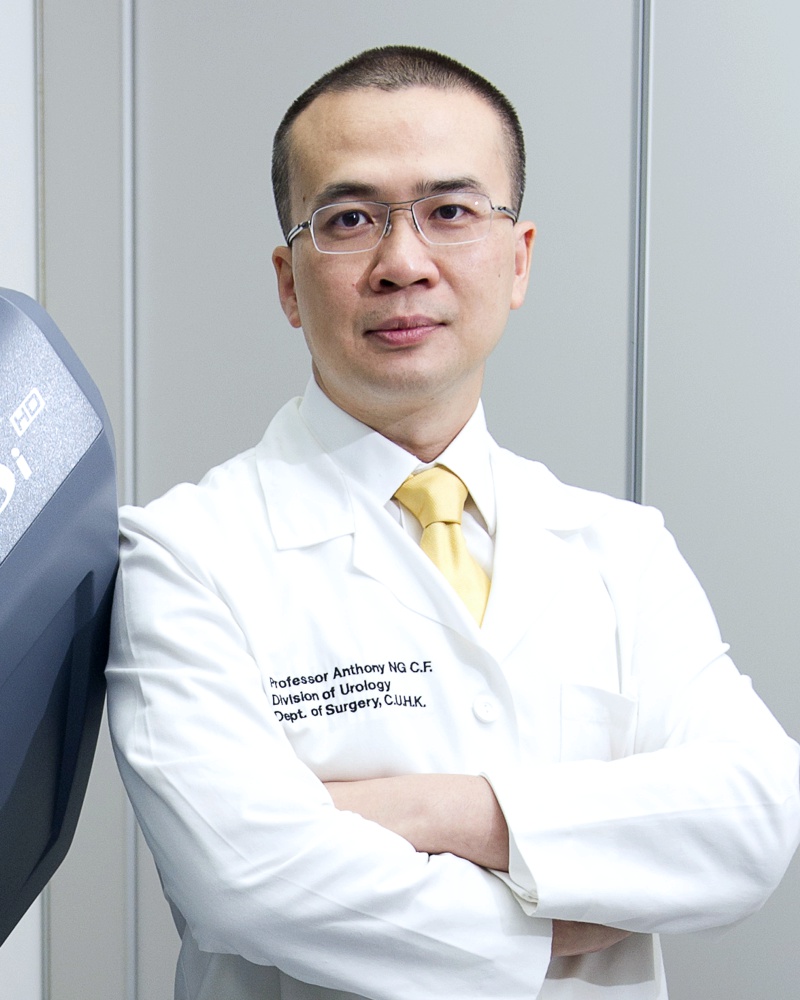 Ng Chi Fai (吳志輝)合作论文数Division of Urology, Department of Surgery, Faculty of Medicine, The Chinese University of Hong Kong4
 Rick Popert合作论文数Guy's & St. Thomas' NHS Foundation Trust4
 Peter Ka-Fung Chiu合作论文数Prince of Wales Hospital, The Chinese University of Hong Kong4Terence C. T. Lai合作论文数3Z. Li合作论文数3
 Fangjian Zhou (周芳坚)合作论文数Sun Yat-sen University Cancer Center3Xueying Li (李学莹)合作论文数3Yabing Cao合作论文数3
 Ben Challacombe合作论文数The Urology Centre, Guy’s Hospital;Guy's and St Thomas' Hospitals NHS Foundation Trust and Kings College3
 James Tsu合作论文数3
 Wei Zhu (朱玮)合作论文数The First Affiliated Hospital of Guangzhou Medical University2Charles Kw Wong合作论文数2Nithesh Ranasinha合作论文数2Simon Van Rij合作论文数2Ting-Fung Wong合作论文数2Ming Kwong Yiu合作论文数2Luke Stroman合作论文数2Chih-Hung Chiang合作论文数2T. C. T. Lai合作论文数2
 Altan Omer合作论文数Churchill Hosp Canc Ctr2Zhenquan Lu合作论文数2Jae Lee合作论文数2Richard Bell合作论文数2XiaoBao Cheng (程小宝)合作论文数2
 Darren MC Poon合作论文数Department of Clinical Oncology, The Chinese University of Hong Kong;Hong Kong Sanatorium and Hospital;Prince of Wales Hospital2
 Alastair Lamb合作论文数Medical Sciences Division, Nuffield Department of Surgical Sciences, University of Oxford2
 Yuen Chun Jeremy Teoh (張源津)合作论文数Department of Surgery, Faculty of Medicine, The Chinese University of Hong Kong2
 Chiong Edmund合作论文数Yong Loo Lin School of Medicine, National University of Singapore2
 Hsieh Po-Fan合作论文数Department of Urology, China Medical University Hospital2Geng Jiun-Hung合作论文数2Leiblich Aaron合作论文数2
 Yiannis Philippou合作论文数2
 Campbell Angus J D合作论文数2
 Chao-Yuan Huang (黄昭渊)合作论文数National Taiwan University Hospital2
 Wen Zhong (钟文)合作论文数The First Affiliated Hospital of Guangzhou Medical University2
 Yao Zhu (朱耀)合作论文数Fudan University Shanghai Cancer Center2
 Chi Kwok Chan (陳自覺)合作论文数Department of Surgery,The Chinese University of Hong Kong2
 Freddie Hamdy合作论文数Nuffield Department of Surgical Sciences, University of Oxford2
 Nicholas Watkin合作论文数St George's University Hospitals;Spire St Anthony's Hospital2Hui Han (韩辉)合作论文数APJ Region at Hewlett-Packard2
 Eddie S Y Chan合作论文数Department of Surgery, Faculty of Medicine, The Chinese University of Hong Kong;Prince of Wales Hospital2




