PURPOSE:Achilles tendon ruptures (ATRs) are uncommon but career-threatening injuries in elite athletes. Limited evidence exists regarding return-to-sport (RTS) and performance outcomes among National Hockey League (NHL) players following ATR. This study aimed to evaluate RTS rates and post-injury performance metrics in NHL players after ATR, using matched controls for comparison. METHODS:NHL players who sustained an ATR between the 2000-2001 and 2024-2025 seasons were identified using publicly available databases and confirmed through independent sports news sources. Each player was matched 1:1 to a control based on position, age and pre-injury performance using a validated similarity algorithm. Demographic data and performance metrics, including points per game (PPG), games played (GP), average time on ice (ATOI) and a validated hockey-specific performance score (PS), were collected for two seasons before and after the injury or index date. RTS rates and pre- versus post-injury changes were assessed using paired t tests, with significance set at p < 0.05. RESULTS:A total of 20 NHL players met the inclusion criteria and were successfully matched to controls. The overall RTS rate was 87.0%, rising to 100% when accounting for players who retired from the NHL but continued playing professionally in other leagues. Although players with ATR (cases) demonstrated performance declines post-injury, no significant differences were observed in PS, PPG, ATOI or GP at any position, except for PS when all positions were analysed collectively. Similarly, control players experienced non-significant performance declines across all metrics post-index. CONCLUSION:ATR in NHL players is associated with high RTS rates and largely preserved performance metrics. While a modest decline in PS was observed, other key metrics remained stable compared to matched controls. These findings support favourable functional recovery and can inform post-injury expectations and management. LEVEL OF EVIDENCE:Level III.
BACKGROUND:Therapeutic peptides are short-chain amino acids that regulate cellular functions and facilitate biochemical processes. In recent years, there has been significant growth in the global market for therapeutic peptides and thus its popularity among patients. Given the increase in the development of peptides and increased marketing to patients for orthopaedic injuries, it is critical for orthopaedic surgeons to understand the current evidence behind these therapeutic peptides. PURPOSE:To evaluate the current evidence and applications of injectable peptide therapy, focusing on its potential in regenerative medicine and sports performance, to help orthopaedic providers better understand the current state of different therapeutic peptide approaches. STUDY DESIGN:Narrative review. METHODS:A comprehensive literature search was conducted using PubMed to identify biochemical and clinical studies on the most popular types of injectable peptide therapy. Key peptides evaluated included BPC-157, TB-4, TB-500, CJC-1295 + ipamorelin, tesamorelin, and GHK-Cu. RESULTS:BPC-157 demonstrated potential benefits in tendon and muscle repair, but these findings are largely unvalidated in human trials. A single human case series reported improvements in pain after intra-articular knee injections of BPC-157, although significant methodological flaws and a lack of controls limit its applicability and reliability. TB-4 and its derivative TB-500 promoted angiogenesis and tissue repair in preclinical models, but human orthopaedic data are lacking, and both remain banned substances in sports. CJC-1295 combined with ipamorelin showed significantly improved maximum tetanic tension in murine models with glucocorticoid-induced muscle loss, but these findings are limited to animal studies. Tesamorelin, approved for treating HIV-associated lipodystrophy, has no supporting orthopaedic evidence. GHK-Cu showed promise in wound healing and anti-inflammatory effects, but no clinical data support its use for musculoskeletal conditions. CONCLUSION:While peptide therapy may possess significant therapeutic and regenerative potential, it is critical that orthopaedic and sports medicine providers understand the current lack of evidence to support the clinical use of these peptides. Importantly, information regarding the indications, dosing, frequency, and duration of treatment remains unknown. Despite the popularity of these peptides in mainstream media and among patients, significant research regarding the safety and efficacy of these therapeutic methods is required before definitive recommendations can be made to patients.
BACKGROUND:The optimal timing between staged bilateral reverse total shoulder arthroplasty (rTSA) is unknown. Here we sought to identify the association between interprocedural time and risk of surgical complications. METHODS:The Premier Healthcare Database was retrospectively queried for patients in the United States undergoing primary rTSA between 2016 and 2020 and divided into those who underwent staged bilateral surgery and those who underwent unilateral surgery. These patients were propensity score matched 1:3, and staged patients were further split into <6-month, 6-12-month, and >12-month intervals. The primary outcome assessed was a composite of 90-day surgical complications. Multivariable models were generated to evaluate the association between surgical timing and outcomes to account for residual confounding. In a subanalysis treating the interprocedural interval as a continuous variable, the Metropolis-Hastings algorithm was used to identify a changepoint time interval beyond which complication risk attenuates. RESULTS:A total of 3,152 staged rTSAs were matched to 9,456 unilateral rTSAs. After adjusting for confounding, patients who underwent staged rTSA at <6 or 6-12 months after their first rTSA experienced 2.4 (95% confidence interval [CI] 1.6-3.6) and 1.8 (95% CI 1.2-4.8) greater adjusted odds of composite surgical complications, respectively, when compared with unilateral rTSA. No significant differences were observed between the unilateral cohort and those staged >12 months. This difference in complications was largely driven by increased risk of fracture and infection. On evaluation of the relationship between time from first rTSA to second and odds of composite surgical complications, an approximated interval threshold of 390 days was determined, beyond which surgical risk becomes nonsignificant. CONCLUSION:Staged bilateral rTSA performed within approximately 1 year of the index procedure is associated with significantly increased early surgical complications, whereas delaying contralateral surgery beyond 12 months is associated with a similar risk to that of unilateral rTSA.
PURPOSE:Intra-articular hip disorders, such as femoroacetabular impingement syndrome (FAIS), labral tears and chondral damage are common in ice hockey players, particularly in the National Hockey League (NHL). However, evidence on return-to-sport (RTS) rates and performance outcomes post-hip arthroscopy remains limited. This study evaluates RTS rates, career longevity, and performance metrics, including games played, points per game (PPG), save percentage, and performance scores (PS), following hip arthroscopy. METHODS:NHL players who underwent hip arthroscopy for intra-articular pathology between 2000 and 2024 were identified using public records. RTS rates, career duration, and performance metrics were analysed pre- and post-surgery. Paired t-tests and analyses of variance (ANOVA) were performed across positions (forwards, defensemen and goaltenders). RESULTS:A total of 92 NHL players (103 hips) met inclusion criteria. The overall RTS rate was 79.3%, increasing to 84.9% when excluding players still recovering. RTS was significantly higher in players <30 years (90.0% vs. 64.3%, p = 0.003). The average number of post-operative seasons played was 2.7, with no positional differences. Forwards showed significant declines in PPG (pre: 0.63 ± 0.38; post: 0.51 ± 0.37; p = 0.013) and PS (pre: 0.60 ± 0.74; post: 0.37 ± 0.69; ∆PS = -0.23; p = 0.026). Defensemen showed no significant change in PPG (p = 0.648) or PS (p = 0.509). Goaltenders had a decline in save percentage (pre: 0.91 ± 0.01; post: 0.89 ± 0.03; p = 0.038), while wins per season were unchanged (p = 0.205). RTS did not significantly differ by position. CONCLUSION:NHL players undergoing hip arthroscopy have high RTS rates and often resume multi-season careers. However, forwards experience greater declines in performance, while defensemen and goaltenders are less affected. These results underscore position-specific recovery trends and may inform rehabilitation strategies in elite hockey athletes. LEVEL OF EVIDENCE:Level V.
Background: Tranexamic acid (TXA) is increasingly utilized in total shoulder arthroplasty (TSA) to minimize blood loss. Despite its benefits, concerns persist regarding its use in patients at elevated risk of postoperative venous thromboembolism (VTE). This study evaluates trends in TXA use and assesses its safety in both general and high-risk patient populations. Methods: Patients who underwent primary, elective anatomic TSA, and reverse TSA from January 1st, 2016, to December 31st, 2020, were identified using the Premier database. TXA use trends and the proportion of patients requiring blood transfusions were reported. Patients were divided on the basis of having received TXA on the day of surgery or not. To account for confounding variables, a propensity score was generated for the probability of treatment with TXA. A subanalysis of high-risk patients, defined as those with a history of VTE, was performed using multivariable regression analyses. Endpoints included the 90-day risk of pulmonary embolism (PE), deep vein thrombosis (DVT), and transfusion. Results: In total, 86,356 patients underwent TSA from 2016 to 2020. Of these, 41,380 (47.9%) received TXA, and 44,976 (52.1%) did not. After matching, 28,232 received TXA, and 28,232 did not. The use of TXA increased from 33.4% in 2016 to 60.3% in 2020. The rates of transfusion decreased from 1.05% to 0.47%. Following matching, the risk of all thromboembolic complications (odds ratio [OR]: 0.98, 95% confidence interval [CI]: 0.72-1.33, P = .874), DVT (OR: 1.11, 95% CI: 0.71-1.71, P = .655), and PE (OR: 0.87, 95% CI: 0.56-1.33, P = .513) were similar between cohorts. The high-risk cohort comprised 4757 patients with a history of VTE, of which 1850 (38.9%) received TXA, and 2907 (61.1%) did not. The use of TXA for high-risk patients increased from 27.4% to 52.0% while rates of transfusion decreased from 1.76% to 0.70%. Following multivariable regression, there was similar risk of all thromboembolic complications (adjusted OR [aOR]: 0.77, 95% CI: 0.47-1.2 8, P = .316), DVT (aOR: 0.96, 95% CI: 0.39-2.36, P = .92), and PE (aOR: 0.54, 95% CI: 0.23-1.28, P = .163) between high-risk cohorts. Discussion: TXA in shoulder arthroplasty usage has nearly doubled from 2016 to 2020 and is now administered to 60% of all patients. This rise in TXA use has been coupled with a significant decrease in the risk of blood transfusion. Patients receiving TXA were not at increased risk of thromboembolic, infectious, epileptogenic, surgical, and medical complications even if they had a history of VTE.
Background Tetrahydrocannabinol (THC)-based and cannabidiol (CBD)-based products are increasing in popularity for the management of pain. Cannabis-based products may serve as a valuable alternative to traditional analgesics such as opioids for pain management among orthopedic patients. The purpose of this study was to investigate the perspective of orthopedic sports medicine patients regarding the use of THC- and CBD-based products for the management of musculoskeletal pain. Materials and Methods A short, 11-question survey was distributed to orthopedic sports medicine patients in clinic and via email. Survey participation was voluntary. Retrospective chart review was conducted for participating patients to collect additional data such as visit diagnosis. Results A total of 182 patients completed the survey. Most were familiar or somewhat familiar with THC (61%) and CBD (63.2%) products and their use for musculoskeletal pain. Of the patients, 53.3% were aware of friends and family currently using CBD products to help manage musculoskeletal pain. Of the patients, 81.3% were amenable to receiving THC-based products and 90.1% were amenable to receiving CBD-based products for the management of their musculoskeletal pain. The patients were statistically more amenable to receiving CBD-based products than THC-based products ( P =.017). Among the patients, 85.3% believed cannabis-based products would help in the fight against the opioid epidemic. Conclusion Orthopedic patients are aware of THC- and CBD-based products, and the majority are willing to receive these products to help manage their musculoskeletal pain and orthopedic-related issues. Orthopedic surgeons should be aware of the increasing popularity of CBD-based products and educate themselves and their patients regarding the appropriate use of them. [ Orthopedics . 202x;4x(x):xx–xx.]
Background:Multiligament knee injuries (MLKIs) are traumatic, limb-threatening injuries requiring surgical reconstruction, of which Schenck classification for knee dislocation (KD) 3 and 4 MLKIs are the most serious. Arthrofibrosis is a common complication of multiligament knee reconstruction (MLKR). Purpose:This study sought to identify risk factors for arthrofibrosis in Schenck KD 3 and 4 MLKI patients. Study Design:Case-control study; Level of evidence, 3. Methods:Patients with Schenck KD 3 or 4 MLKI who underwent MLKR with a single surgeon were identified retrospectively. Patient sociodemographics, injury characteristics, operative details, and postoperative courses were collected. Patients were divided into groups based on development of postoperative arthrofibrosis, defined as failure to reach a range of motion of 0° to 90° or extensor lag ≥10° by 6 weeks or as undergoing manipulation under anesthesia with or without lysis of adhesions. Univariate and chi-square analyses were used to identify associations with arthrofibrosis, and logistic regression was used to confirm risk factors. Statistical significance was defined as P < .05. Results:A total of 71 patients with a mean age of 31.5 ± 10.6 and mean follow-up time of 25.1 months were included. Of this total, 23 (32.4%) developed arthrofibrosis postoperatively. Characteristics and variables associated with arthrofibrosis were younger age (28.0 ± 10.4 vs 33.5 ± 10.4 years; P = .04), higher median household income by zip code ($107,066 ± $40,536 vs $83,911 ± $28,530; P = .007), worse preoperative flexion (98.1°± 30.5° vs 120.6°± 22.1°; P = .002), quicker time from injury to surgery (81.6 ± 74.2 days vs 232.5 ± 307.3 days; P = .03), and significantly longer time to return to weightbearing as tolerated (12.0 ± 9.0 weeks vs 7.0 ± 3.4 weeks; P = .005). There were no differences in race, sex, body mass index, insurance type, preoperative extension, use of external fixation, mechanism of injury, or concomitant meniscal repair (P > .05). Logistic regression identified younger age, preoperative flexion, and time to weightbear as risk factors for arthrofibrosis (P = .004, .014, .019, respectively). Conclusion:A third of MLKI KD 3 and 4 patients who underwent reconstruction developed arthrofibrosis. Younger patients, those with worse preoperative flexion, and those who take longer to return to weightbearing as tolerated are at risk of arthrofibrosis. Time to weightbearing and preoperative flexion may be modifiable by prehabilitation or manipulation under anesthesia at earlier stages.
BACKGROUND:Anatomic (aTSA) and reverse total shoulder arthroplasty (rTSA) are effective procedures for a variety of shoulder pathologies, but reimbursement for these procedures is currently independent of hospital cost and nonmodifiable patient risk profile. This study investigates the association between patient and hospital factors, implant type, and postoperative complications with high hospitalization cost for total shoulder arthroplasty. METHODS:Data was obtained from the Premiere database. Patient demographic variables, hospital factors, and postoperative complications were collected. Patients were stratified into 2 groups to identify factors associated with high-cost surgery. The high-cost group included patients whose admission cost was greater than one standard deviation above the mean admission cost for the whole cohort. RESULTS:A total of 144,725 patients were analyzed. The mean cost of hospital stay was $72,237.44 (standard deviation = $40,522.92). High-cost status was defined as >$122,760.36. Patients who underwent rTSA were over twice as likely to be in the high-cost group than patients who underwent aTSA (P < .0001). Surgical indications including proximal humerus fracture were independently associated with high cost (P < .0001) both for aTSA and rTSA. Patients with a history of obesity, electrolyte imbalances, and drug use were more likely to incur high surgical cost (P < .05). Patients in the West were most likely to be in the high-cost group and patients in the Midwest were more likely to be in the low-cost group (P < .0001). CONCLUSION:Surgical implant type, indication, patient comorbidities, and hospital factors contribute to differential surgical cost for total shoulder arthroplasty. The present data may allow providers to identify patients at risk of incurring elevated hospital charges and who therefore may require increased reimbursement given increased perioperative complexity or specialized perioperative care to mitigate the risk of complications.
Background:The indications for reverse total shoulder arthroplasty (rTSA) continue to expand. Although there has been an increase in the use of rTSA across the United States, there are limited data to evaluate the outcomes of rTSA in younger patients. We sought to evaluate the trends of rTSA use in the United States and to evaluate medical and surgical complications in patients under 60 years of age undergoing rTSA. Methods:Patients who underwent primary, elective anatomic or reverse TSAs between January 1, 2016, and December 31, 2020, were identified using the Premier Healthcare Database. Patients undergoing rTSA were divided into groups based on age <60 years old. Annual trends in rTSA use in this age group were assessed. These patients were then propensity matched to patients ≥60 years old undergoing rTSA. Multivariable models were conducted to evaluate the effect of age on 90-day surgical and medical complications. Results:Over the study period, there was a significant increase in the proportion of rTSAs used, with rTSA comprising 48.29% of all TSA in patients <60 years old in 2016 and rising to 58.77% by 2020 (R2 = 0.93). After matching, 3,087 patients <60 years old and 9,261 patients ≥60 years old remained. The groups were well balanced for all covariates with a standardized mean difference of <0.1. After adjusting for residual confounding, 1.53 (95% confidence interval 1.13-2.02) times greater odds of 90-day surgical complications in patients <60 years old were observed, without a difference in odds of medical complications. Conclusion:These results demonstrate the risks associated with younger age in rTSA and suggest that further investigation is required to optimize outcomes of younger patients undergoing rTSA as indications continue to grow.
Background:With an aging population, total shoulder arthroplasty (TSA) will more frequently be performed in older adults. Comorbidity burden and frailty are two distinct risk factors for adverse outcomes; however, their independent effect on outcomes after TSA is unknown. The aim of this study was to determine the effect of frailty and comorbidities on postoperative healthcare utilization after TSA. Methods:Patients who underwent primary, elective anatomic or reverse TSA between January 1, 2016, and December 31, 2020, were identified using the Premier Healthcare Database. Frailty was defined using the Johns Hopkins Adjusted Clinical Groups Frailty Index. Comorbidity burden was defined via the Elixhauser Comorbidity Index (unhealthy >2 comorbidities). These were then used to define healthy, frail, unhealthy, and frail/unhealthy patients. Rates of protracted (>2 days) length of stay (LOS), skilled nursing facility (SNF) discharges, and readmission were then compared between groups. Multivariable models were conducted to evaluate the adjusted effect of frailty and comorbidity burden. Results:86,356 patients who underwent TSA were identified. 53,913 were categorized as healthy, 29,461 as unhealthy, 1,640 as frail, and 1,342 as frail/unhealthy. The frail/unhealthy cohort had the highest rates of protracted LOS (65.06%), SNF discharges (29.90%), and readmissions (5.00%). The frail cohort had higher rates of protracted LOS (48.96% vs. 39.78%) and SNF discharges (16.77% vs. 9.94%), with similar readmission rates (3.35% vs. 3.18%) when compared to the unhealthy group. These overall trends persisted after accounting for potential confounding factors. Conclusion:When both present, frailty and comorbidity appear to be a major driver of increased healthcare utilization after TSA. These data can be used to guide patient expectations and illustrate the need for postoperative pathways for these patients.
Background:Gabapentinoids are increasingly being used as adjunctive analgesic medications after total shoulder arthroplasty (TSA). However, data suggest that when used in conjunction with opioids, gabapentinoids may induce sedation and possibly potentiate respiratory depression. The aim of this study was to evaluate the impact of gabapentin postoperative pulmonary complications and total opioid utilization after primary TSA. Methods:Patients who underwent primary, elective anatomic and reverse TSA from January 1, 2016, to December 31, 2020, were identified using the Premier Healthcare Database. The cumulative postoperative day 1 gabapentin exposure was calculated and divided into four groups: ("Control Dose": 0 mg, "Low Dose": 1-300 mg, "Moderate Dose": 301-900 mg, and "High Dose" >900 mg) based on distribution and commonly used inpatient dosing regimens. Multivariable models were conducted to evaluate the effect of gabapentin doses compared to none using the adjusted odds ratio (aOR) of pulmonary complications. Average daily morphine milligram equivalents (MMEs) were evaluated between groups. Results:A total of 86,137 patients who underwent TSA were identified; of these, 62,621 (72.70%) patients comprised the Control cohort, while 12,051 (13.99%) were categorized into the Low Dose; 9,465 (10.99%) into the Moderate Dose; and 2,000 (2.32%) into the High Dose cohort. Compared to the patients in the Control cohort, those in the Low (aOR: 1.15, 95% confidence interval [CI]: 1.02-1.30), Moderate (aOR: 1.17, 95% CI: 1.02-1.33), and High Dose (aOR: 1.45, 95% CI: 1.15-1.82) had increased odds of pulmonary complications. Average daily MME was 46.21 ± 100.98; 40.35 ± 63.57; 42.70 ± 54.10; and 49.15 ± 68.72 milligrams in the Control, Low, Moderate, and High Dose cohorts, respectively. Conclusion:Exposure to gabapentin during the perioperative period after TSA is independently associated with an increased risk of postoperative pulmonary complications. We observed no clinically significant differences in overall MME intake.
Background:Multimodal approaches to address postoperative pain after total shoulder arthroplasty (TSA) are becoming the standard of care. The combined use of dexamethasone and liposomal bupivacaine (LB) may be an effective method to enhance analgesia. We assess if the addition of dexamethasone to TSA patients receiving LB results in reduced opiate needs and shorter length of stay. Methods:The Premier Healthcare Database was queried from January 1, 2016, to December 31, 2020, for patients who underwent primary, elective anatomic/reverse TSA and received local infiltration LB. Patients were then propensity matched on the probability of receiving dexamethasone. After matching, multivariable models, including all other available multimodal analgesic medications, were generated to evaluate the association between dexamethasone and morphine milligram equivalent intake and length of stay. Results:A total of 3445 patients remained in each group after matching and were well balanced for covariates (standardized mean difference <0.1). A significant difference in total opioid consumption was observed between groups (median = 36.6 mg vs. 42.5 mg, P < .001), with a significant negative correlation between morphine milligram equivalents used and dexamethasone exposure for total opioid use (β = -4.61, 95% confidence interval [CI] = -8.60 to -0.62), postoperative days 1 (β = -2.51, 95% CI = -3.40 to -1.66) and 2 (β = -2.09, 95% CI = -3.86 to -0.32). The adjusted odds of a length of stay beyond 1 day were significantly lower in the dexamethasone-treated group (adjusted odds ratio = 0.64, 95% CI = 0.56-0.73). Conclusion:Dexamethasone reduces postoperative narcotic use after TSA and reduces length of stay. With increasing pressures to reduce opiate use, these data highlight alternative medication combinations, which may be used to promote this goal.
Background: Evidence regarding the effect of body mass index (BMI) on complications following anatomic shoulder arthroplasty (aTSA) and reverse shoulder arthroplasty (rTSA) remains controversial. This high-powered study examines the effect of BMI on surgical and medical complications following aTSA and rTSA. Methods: This retrospective cohort study was conducted using the Premier Healthcare Database to query all adult patients who underwent primary, elective TSA (aTSA, rTSA) from 2016 to 2020. Patients eligible for inclusion were identified using International Classification of Diseases -10 and CPT codes for primary TSA. Patients were stratified into 3 subgroups based on BMI (BMI <30 kg/m(2), BMI 30-35 kg/m(2), BMI >35 kg/m(2)). The primary endpoints assessed were 90-day risks of postoperative complications, revisions, and readmissions among the 3 BMI groups undergoing primary TSA. Results: A total of 32,645 patients were analyzed; 10,951 patients underwent aTSA and 21,694 patients underwent rTSA. Patient populations for aTSA and rTSA differed significantly across all BMI categories in terms of age, sex, cost of care, and insurance status. After multivariate regression analysis, there was no increased risk of surgical complications in the aTSA and rTSA cohorts with BMI 30-35 kg/m(2) and BMI >35 kg/m(2). In the aTSA cohort, rates of acute respiratory failure (adjusted Odds Ratio [aOR] 2.65) was all significantly higher in the BMI >35 kg/m(2) group. As for rTSA cohort, acute respiratory failure (aOR 1.67) and acute renal failure (aOR 1.53) were significantly higher in the BMI >35 kg/m(2) group. Conclusion: While we found no increased risk of immediate postoperative surgical risks, patients with a BMI >35 kg/m(2) demonstrated greater risk of medical complications after rTSA. Given this trend, providers should exercise caution in patient selection for TSA and counsel obese patients as to these increased risks. Future studies should aim to provide a more comprehensive picture of the effect of BMI on functional outcomes after TSA. (c) 2024 Published by Elsevier Inc. on behalf of Journal of Shoulder and Elbow Surgery Board of Trustees.
Background: Higher perioperative opioid use has been associated with an increase in periprosthetic joint infection (PJI), thromboembolic complications, respiratory events, gastrointestinal complications, cost, and length of stay following hip and knee arthroplasty. Limited data exist regarding the relationship between the postoperative opioid dose and complication rates following primary total shoulder arthroplasty (TSA). The purpose of this study is to investigate the relationship between perioperative opioid consumption and postoperative complications following TSA. Methods: The Premier Healthcare Database was queried to identify patients who underwent primary anatomic and reverse total shoulder arthroplasty from 2016-2020. Perioperative opioid consumption was totaled utilizing morphine milligram equivalents (MMEs) to stratify patients based on quintiles of consumption. Primary outcomes included total opioid consumption, 90-day postoperative complications, revision, and readmission. Results: One hundred forty thousand two hundred fifty-one patients undergoing primary TSA were identified and stratified based on total opioid consumption into quintiles (<22.3, 22.3-25, 25.01-52.5, 52.6-83.3, >83.3). Patients with increased MME exposure were significantly younger, more often female, and Black (P < .0001 for all). On multivariate analysis, increased MME exposure was associated with increased risk of multiple surgical complications, including superficial wound infection, PJI, periprosthetic fractures, seroma, loosening, unspecified mechanical complications, and 90-day readmission. Regarding medical complications, rates of postoperative hemorrhage, pulmonary embolism, pneumonia, acute respiratory failure, acute renal failure, and urinary tract infection significantly increased upon exposure to higher MMEs. Discussion and/or Conclusion: Our study noted that there was a dose-dependent increase in the risk of surgical and medical complications with increasing totals of opioid perioperative opioid consumption following TSA. Despite controlling for numerous variables, patients with increased opioid requirements in the perioperative period had increased risk of PJI, periprosthetic fracture, loosening, readmission as well as several medical complications such as pulmonary embolism, respiratory failure, and renal failure. Level of evidence: Level III; Retrospective Cohort Comparison Using Large Database; Prognosis Study (c) 2024 Journal of Shoulder and Elbow Surgery Board of Trustees. All rights are reserved, including those for text and data mining, AI training, and similar technologies.
Polypropylene (PP) rapidly gains scientific attention as fatigue-resistant and lightweight tissue repair and implant material, while emerging laser-sintering based methods for PP processing further allow unlimited versatility of PP specimens and often reduced numbers of process steps, substituting traditional manufacturing approaches. Generally, PP is considered biocompatible for a variety of medical applications while showing superior long-term stability, however, thermoplastic processing of polypropylene may induce the formation of cytotoxic degradation products, necessitating its cytotoxicological assessment. In the present study, PP specimens have been fabricated using warm, quasi-isothermal and complementary cold, non-isothermal powder bed fusion (PBF), allowing processing PP at ambient powder bed temperature of 25 °C for minimizing thermal exposure and the formation of decomposition products. The surface of manufactured specimens has been modified with hybrid coatings consisting of mesoporous inorganic microcrystals of vaterite laden with model biomacromolecules, i.e., fluorescently labelled dextran, demonstrating the stable coating and attachment of dextran-loaded vaterite crystals independent of the applied PBF processing regime. Vaterite coating is degradable and enables the opportunity to endow the surface of PP with sustained release functionalities. Both coated and uncoated specimens demonstrated excellent biocompatibility independent of the applied processing regime, as evaluated in an ex ovo shell-less hen’s egg model.
Hypothesis: Clinical studies are often at risk of spin, a form of bias where beneficial claims are overstated while negative findings are minimized or dismissed. Spin is often more problematic in abstracts given their brevity and can result in the misrepresentation of a study's actual findings. The goal of this study is to aggregate primary and secondary studies reporting the clinical outcomes of the use of subacromial balloon spacers in the treatment of massive irreparable rotator cuff tears to identify the incidence of spin and find any significant association with study design parameters.Materials and methods: This study was conducted in accordance with the Preferred Reporting Items for Systematic Reviews and Meta-Analyses guidelines. Independent searches were completed on 2 databases (PubMed and Embase) for primary studies, systematic and current concepts reviews, and meta-analyses and the results were compiled. Two authors independently screened the studies using a predetermined inclusion criteria and aggregated data including titles, publication journals and years, authors, study design, etc. Each study was independently assessed for the presence of 15 different types of spin. Statistical analysis was conducted to identify associations between study characteristics and spin.Results: Twenty-nine studies met the inclusion criteria for our analysis, of which 10 were reviews or meta-analyses and 19 were primary studies. Spin was identified in every study except for 2 (27/29, 93.1%). Type 3 spin, "Selective reporting of or overemphasis on efficacy outcomes or analysis favoring the beneficial effect of the experimental intervention"and type 9 spin, "Conclusion claims the beneficial effect of the experimental treatment despite reporting bias"were most frequently noted in our study, both observed in 12/29 studies (41.4%). Date of publication, and adherence to Preferred Reporting Items for Systematic Reviews and Meta-Analyses or "The International Prospective Register of Systematic Reviews"were study characteristics associated with a higher rate of certain types of spin. There was a statistically significant association between disclosure of external study funding source and the presence of spin type 4, but none of the other forms of spin. Conclusion: Spin is highly prevalent in the abstracts of primary studies, systematic reviews, and meta-analyses discussing the use of sub-acromial balloon spacer technology in the treatment of massive irreparable rotator cuff tears. Our findings revealed that spin in the abstract tended to favor the balloon spacer intervention. Further efforts are required in the future to mitigate spin within the abstracts of published manuscripts.
Background: Inflammatory arthritis (IA) represents a less common indication for anatomic and reverse total shoulder arthroplasty (TSA) than osteoarthritis (OA). The safety and efficacy of anatomic and reverse TSA in this population has not been as well studied compared to OA. We analyzed the differences in outcomes between IA and OA patients undergoing TSA. Methods: Patients who underwent primary anatomic total shoulder arthroplasty (aTSA) and reverse total shoulder arthroplasty (rTSA) from 2016-2020 were identified in the Premier Healthcare Database. Inflammatory arthritis (IA) patients were identified using International Classification of Diseases, Tenth Revision, diagnosis codes and compared to osteoarthritis controls. Patients were matched in a 1:8 fashion by age (+/- 3 years), sex, race, and presence of pertinent comorbidities. Patient demographics, hospital factors, and patient comorbidities were compared. Multivariate regression was performed following matching to account for any residual confounding and 90-day complications were compared between the 2 cohorts. Descriptive statistics and regression analysis were employed with significance set at P < .05. Results: Prior to matching, 5685 IA cases and 93,539 OA controls were identified. Patients with IA were more likely to be female, have prolonged length of stay and increased total costs (P < .0001). After matching and multivariate analysis, 4082 IA cases and 32,656 controls remained. IA patients were at increased risk of deep wound infection (OR 3.14, 95% CI 1.38-7.16, P = .006), implant loosening (OR 4.11, 95% CI 1.17-14.40, P = .027), and mechanical complications (OR 6.34, 95% CI 1.05-38.20, P = .044), as well as a decreased risk of postoperative stiffness (OR 0.36, 95% CI 0.16-0.83, P = .002). Medically, IA patients were at increased risk of PE (OR 2.97, 95% CI 1.52-5.77, P = .001) and acute blood loss anemia (OR 1.27, 95% CI 1.12-1.44, P < .0001). Discussion and conclusion: Inflammatory arthritis represents a distinctly morbid risk profile compared to osteoarthritis patients with multiple increased surgical and postoperative medical complications in patients undergoing aTSA and rTSA. Surgeons should consider these potential complications and employ a multidisciplinary approach in preoperative risk stratification of IA undergoing shoulder replacement. Level of evidence: Level III; Retrospective Cohort Comparison Using Large Database; Prognosis Study (c) 2023 Journal of Shoulder and Elbow Surgery Board of Trustees. All rights reserved.
Context: While current literature has explored the outcomes of athletes who return to sport (RTS) after anterior cruciate ligament (ACL) injuries, less is known about the outcomes of those who are unsuccessful in returning to sport. Objective: To determine the rate of athletes who did not RTS after primary ACL reconstruction (ACLR) and to identify the specific subjective reasons for failure to RTS. Data Sources: A comprehensive search of the PubMed/MEDLINE, Scopus, and Web of Science databases was conducted through April 2021. Study Selection: Eligible studies included those explicitly reporting the rate of failure for RTS after ACLR as well as providing details on reasons for athletes’ inability to return; 31 studies met the inclusion criteria. Study Design: Systematic review and meta-analysis. Level of Evidence: Level 2 to 4. Data Extraction: The reasons for failure to RTS referred to in our study are derived from those established previously in the studies included. Data were collected on the number of athletes, mean age, mean follow-up time, type of sport played, failure to RTS rate, and specific reasons for failure to return. Results: The weighted rate of failure to RTS after ACLR was 25.5% (95% CI, 19.88-31.66). The estimated proportion of psychosocial-related reasons cited for failure to RTS was significantly greater than knee-related reasons for failure RTS (55.4% vs 44.6%, P < 0.01). The most cited reason for failure to RTS was fear of reinjury (33.0%). Conclusion: This study estimates the rate of failure to RTS after ACLR to be 25.5%, with the majority of athletes citing fear of reinjury as the major deterrent for returning to sports. We highlight how factors independent of surgical outcomes may impact an athlete’s ability to return to play given that the predominant reason for no RTS after ACLR was unrelated to the knee.
Background: Limited evidence exists regarding the influence of mental health disorders (MHDs) on opioid use and complications after total shoulder arthroplasty (TSA). We aimed to identify the prevalence of common MHDs among patients undergoing anatomic TSA (aTSA) and reverse TSA (rTSA). Materials and Methods: The Premier Healthcare Database was queried for patients undergoing primary aTSA and rTSA from 2016 to 2020. International Classification of Diseases, Tenth Revision, diagnosis codes were used to identify MHDs. Primary outcomes included the prevalence of MHDs, perioperative opioid consumption, and 90-day risk of postoperative complications, revision, and readmission. Bivariate and multivariate regression analyses were performed to assess 90-day risk of primary endpoints while controlling for potential confounders. Statistical significance was defined as P <.05. Results: From 2016 to 2020, 49,997 of 144,725 (34.55%) patients undergoing primary TSA had at least one diagnosed MHD. The most prevalent were depression (17.03%), anxiety (16.75%), and substance use disorder (10.20%). Patients with a MHD had higher mean hospital costs ($75,984 +/-$43,129 vs $73,316 +/-$39,046, P <.0001), longer mean length of stay (1.95 +/- 2.25 days vs 1.61 +/- 1.51 days, P <.0001), and higher mean total postoperative opioid use (72.00 +/- 231.55 morphine milligram equivalents [MMEs] vs 59.32 +/- 127.31 MMEs, P <.0001). Periprosthetic fractures (odds ratio, 1.20; P =.041), dislocation (odds ratio, 1.12; P =.042), and 90-day readmission rates (odds ratio, 1.26; P <.001) were significantly higher among patients with a MHD. Conclusion: This study found that MHDs are associated with significantly increased perioperative opioid consumption, medical and surgical complication rates, and risk of readmission after TSA. Recognition and optimization of MHDs is critical to minimizing complications and opioid consumption after TSA.
 Ioanna K Bolia合作论文数USC, USC87
 Petrigliano Frank A合作论文数59
 Seth Gamradt合作论文数David Geffen School of Medicine, UCLA46
 Laith K Hasan合作论文数29Aryan Haratian合作论文数28
 Cory Mayfield合作论文数Keck School of Medicine, University of Southern California28
 Liu Joseph合作论文数Hospital for Special Surgery, 535 East 70th Street, New York, NY 10021.26
 George Rick Hatch合作论文数25
 Shane J. Nho合作论文数Schulthess Clinic Hip Service Zurich24
 James Tibone合作论文数18
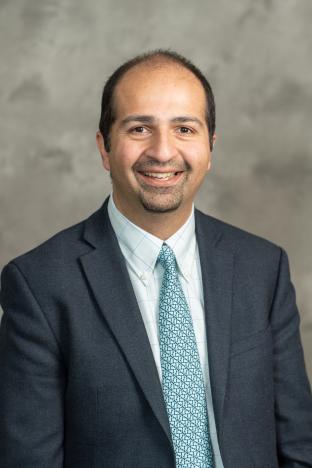 Asheesh Bedi合作论文数Department of Orthopaedic Surgery, Medical School, University of Michigan-Ann Arbor16
 Brian J. Cole合作论文数Midwest Orthopedics at Rush;Department of Orthopedics, Rush Hospital;Department of Surgery, Rush Oak Park Hospital;Department of Orthopedic Surgery, Rush Medical College, Rush University;Department of Anatomy & Cell Biology, Rush Medical College, Rush University;Cartilage Restoration Center;Northwest Indiana ER and Hospital16Amir Fathi合作论文数15
 Benjamin Kuhns合作论文数15
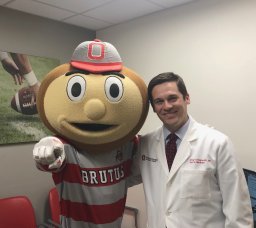 Gregory Cvetanovich合作论文数Harvard Medical School, Boston, MA, USA14
 Hyunwoo Paco Kang合作论文数13
 Reza Omid合作论文数12
 Nicholas A Trasolini合作论文数USC, USC Epstein Family Center for Sports Medicine at Keck Medicine12
 Russell John Romano合作论文数12
 Shane S. Korber合作论文数10
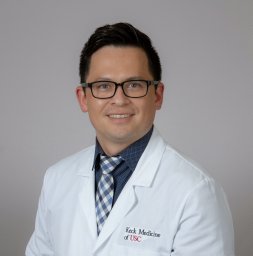 Nathanael Heckmann合作论文数Orthopaedic Biomechanics Laboratory, VA Healthcare System;Department of Orthopaedic Surgery, University of Southern California;Orthopaedic Biomechanics Laboratory, University of Southern California10
 Omidreza Jalali合作论文数9
 Richard C. Mather III合作论文数9
 Joshua D. Harris合作论文数Houston Methodist Hospital9Tristan Juhan合作论文数8C. Thomas Vangsness合作论文数8
 Adam B Yanke合作论文数Department of Orthopaedic;Restoration Center;Medical Center, Rush University;Restoration Center, Rush University Medical Center8Ashley Thompson合作论文数7Andrew Homere合作论文数7Nikhil N. Verma合作论文数7Jacob L. Kotlier合作论文数6Ulrich Heinen合作论文数6
 Jennifer Alter Bell合作论文数6Hindricks Gerhard合作论文数6
 Tobias Knopp合作论文数University of Lübeck Institute of Medical Engineering6Bryan S. Bashrum合作论文数5
 Jacob Bogdanov合作论文数5Julian Wier合作论文数5
 Kevin C. Liu合作论文数5Hansel Ihn合作论文数5jochen franke合作论文数5Rae Lan合作论文数5
 Edward C Beck合作论文数Baptist Med Ctr, Wake Forest Univ5
 Bryan M Saltzman合作论文数5
 Michael Salata合作论文数5
 Ram Kiran Alluri合作论文数5
 Bernard R Bach合作论文数5
 Denis Evseenko合作论文数5
 Jon K. Sekiya合作论文数Department of Orthopaedic Surgery, University of Michigan Medical School5




