Precise regional energy output prediction is key to optimizing the energy structure, promoting clean energy, lessening fossil fuel reliance, and providing an important reference for formulating energy policies and achieving sustainable development. This paper constructs a fractional order partial grey model incorporating a control matrix by combining a partial differential equation, which predicts energy production. First, the new model effectively reduces the random fluctuations in the data by introducing a fractional order accumulation operator, and enhances the ability to handle nonlinear data by leveraging conformable fractional derivatives. At the same time, a control matrix containing exponential and trigonometric functions is used to dynamically adjust parameters, allowing the model to better adapt to various oscillatory data, thereby improving its generalizability. Additionally, the model’s more accurate time response function is obtained through the characteristic curve method, and the optimal parameters of the model are determined using the particle swarm optimization algorithm. Finally, this paper evaluates the effectiveness of the new model from different angles using seven evaluation indicators by simulating and predicting the output of raw coal, gasoline, coalbed methane, and natural gas in nine provinces across China. The results show that the performance of the new model is superior to that of the comparison models, demonstrating its efficacy in forecasting energy production. Ultimately, this novel model is employed to project and assess crude oil production in Jiangsu Province, offering theoretical insights and technical assistance for energy management, economic planning, and environmental conservation.
As global carbon neutrality goals drive the rapid growth of the new energy vehicle industry, accurately forecasting its sales has become a critical challenge. This paper proposes a novel fractional reverse accumulated non-equidistant grey time power model. Using fractional and reverse accumulation operators, the proposed model improves forecasting capability and the ability to capture data trends. Furthermore, its non-isometric operator effectively handles non-equidistant time series data. The model’s effectiveness is validated through simulation experiments and multiple practical case studies. Finally, the model is applied to forecast the annual sales of battery electric vehicles in China. The results predict that China’s annual sales of battery electric vehicles are expected to reach between 8.60 million and 9.10 million units by 2026, providing a comprehensive quantitative analysis for assessing market trends.
In response to the global energy crisis and climate change, developing prediction models with high data adaptability is crucial for sustainable development. To address the challenges of general models’ inadequate adaptation to non-smooth, nonlinear energy data and the lack of data memory effects, therefore, a novel grey prediction model based on Caputo fractional derivative is established, effectively enhancing the adaptability of the model by incorporating both the Caputo fractional derivative and a fractional self-adaptive reverse accumulation operator, enabling dynamic memory and the adaptive adjustment of data weight. Additionally, adding a nonlinear correction term and optimizing the background value in the model enhances the performance to fit nonlinear data and further increases prediction accuracy. In this paper, the Laplace transform is employed to derive the analytical solution of the model, while the particle swarm optimization algorithm is utilized to optimize the parameters, ensuring the model achieves optimal performance. To verify the model’s validity, empirical analysis with various energy production and consumption data shows that the model significantly outperforms comparison models, presenting the excellent applicability of data in different types. Finally, the new model is applied to forecast the development trends of the average daily consumption of energy, natural gas, and electricity. The prediction results not only provide practical value for the application in energy forecasting but also offer a reliable theoretical basis and data support for relevant decision-making.
By using the Ljusternik-Schnirelmann category and variational method, we study the existence, multiplicity and concentration of solutions to the fractional Schrödinger equation with potentials competition as follows ε^N(-Δ)_N/s^su+V(x)|u|^Ns-2u=Q(x)h(u) in ℝ^N, where ε > 0 is a parameter, s ∈ (0, 1), 2 ≤ p < +∞ and N = ps. The nonlinear term h is a differentiable function with exponential critical growth, the absorption potential V and the reaction potential Q are continuous functions.
Real-time data transmission from deep wells is critical for safe and efficient drilling operations, yet mud pulse telemetry (MPT) systems face substantial challenges due to severe signal attenuation, multipath distortion, and strong noise interference. This paper reviews recent advancements in MPT and proposes an integrated approach combining advanced combination code encoding with deep learning-based channel estimation and AI-driven noise suppression. A Multi-Pulse Position Check Code (MPCC) is introduced to enable high- density data transmission with built-in error detection, significantly reducing both memory requirements and computational complexity compared to conventional methods. In parallel, deep neural networks—employing convolutional and recurrent architectures—are utilized to accurately model and estimate the dynamic, nonlinear mud channel, thereby facilitating effective channel equalization. Moreover, the implementation of a Mud Signal Denoising Network (MSDnNet) markedly suppresses pump stroke noise, baseline drift, and random interference, achieving an average SNR improvement. Laboratory and field results demonstrate significantly improved signal-to-noise ratios and higher data transmission rates under harsh downhole conditions. The integration of these advanced techniques not only enhances signal clarity and reliability but also supports real-time predictive maintenance and adaptive modulation. These innovations promise to significantly improve the performance of Measurement While Drilling (MWD) systems, enabling more accurate downhole measurements and promoting safer, more cost-effective drilling operations. Future research will focus on further refining these methods and extending their application to other telemetry systems in extreme environments. Keywords: Mud Pulse Telemetry, Combination Code Encoding, Deep Learning, Noise Suppression 1.
With the development of artificial intelligence technology, time series classification has attracted greater attention. Various methods have been considered for using deep learning models to perform the task. Training such models, however, requires a large amount of high-quality labeled samples, which may not be available due to the expensive cost of collection. Therefore, we proposed a novel framework named Convolutional Neural Network based Stepwise Improving Generative Adversarial Network (SIGAN-CNN) to solve this problem by generating more samples from the original distribution. We designed the structure of the generator and discriminator of SIGAN to be suitable for time series data. We also explored a method for extracting trend information from time series data to obtain trend samples for stepwise training. Therefore, the generator can fit the original time series data with subtle variations. More importantly, SIGAN can improve the diversity of the generated samples and the stability of the training process to achieve a higher quality of the generated samples. The generated samples are then combined with CNN based time series data classification methods to improve the classification performance of time series data. Especially, the combination of SIGAN and Multi-scale Attention Convolutional Neural Network (MACNN) is suitable for this task.We conducted a comprehensive evaluation of 8 standard datasets from various domains. The results demonstrate that SIGAN-MACNN achieves the best performance and outperforms the other state-of-the-art methods by a large margin. Therefore, SIGAN-MACNN offers an effective solution for addressing the time series classification task of small sample size.
Background: Liver cirrhosis, as the terminal phase of chronic liver disease fibrosis, is associated with high morbidity and mortality. Traditional methods for assessing liver function, such as clinical scoring systems, offer only a global evaluation and may not accurately reflect regional liver function variations. This study aimed at evaluating the diagnostic potential of whole-liver histogram analysis of gadobenate dimeglumine (Gd-BOPTA)-enhanced magnetic resonance imaging (MRI) for predicting the progression of cirrhosis. Methods: In this retrospective study, 265 consecutive patients with cirrhosis admitted to the Department of Radiology, Shandong Provincial Hospital Affiliated to Shandong First Medical University from August 2012 to September 2019 were enrolled. After the exclusion criteria were applied, 117 patients (84 males and 33 females) were divided into Child-Pugh A cirrhosis (n=43), Child-Pugh B cirrhosis (n=49), and Child-Pugh C cirrhosis (n=25). After correction for liver signal intensity with the spleen was completed, 19 histogram features of the whole liver were extracted and modeled to evaluate liver function, with the Child-Pugh class being incorporated as a clinical parameter. Receiver operating characteristic (ROC) curves were used to assess the diagnosis capability and determine the optimal cutoffs after a mean follow-up of 42.3 +/- 19.1 (range, 8-93) months. The association between significant histogram features and the cumulative incidence of hepatic insufficiency was analyzed with the adjusted Kaplan-Meier curve model. Results: Among 117 patients (12%), 14 developed hepatic insufficiency through a period of follow-up. Five features, including the median (P<0.01), 90th percentile (P<0.01), root mean squared (P<0.01), mean (P<0.01), and 10th percentile (P<0.05), were significantly different between the groups with and without hepatic insufficiency according to the Kruskal-Wallis test; in the ROC curve analysis, the area under the curve (AUC) of these features was 0.723 [95% confidence interval (CI): 0.653-0.793], 0.722 (95% CI: 0.652-0.792), 0.722 (95% CI: 0.652-0.792), 0.721 (95% CI: 0.651-0.791), and 0.674 (95% CI: 0.600-0.748) after correction, respectively (all P values <0.05). Median, 90th percentile, root mean squared, and mean were found to be significant factors in predicting liver insufficiency. The adjusted Kaplan-Meier curves revealed that patients with a feature level less than the cutoff, as compared to those with a level above the cutoff, showed a statistically shorter progression-free survival and higher incidences of hepatic insufficiency for significant features of median (cutoff =26.001; 21.28% versus 5.71%; P=0.02), 90th percentile (cutoff =86.263; 20.41% versus 5.88%; P<0.01), root mean squared (cutoff =1,028.477; 19.15% versus 7.14%; P=0.049), and mean (cutoff =27.484; 19.15% versus 7.14%; P=0.049). Patients with a 10th percentile less than -39.811 also showed a higher cumulative incidence of hepatic insufficiency than did those with a value higher than the cutoff (0.18% versus 7.46%; P=0.22). Conclusions: Whole-liver histogram analysis of Gd-BOPTA-enhanced MRI may serve as a noninvasive analytical method to predict hepatic insufficiency in patients with cirrhosis.
In this paper, we study an elliptic variational problem regarding the p$$ p $$ ‐fractional Laplacian in ℝN$$ {\mathrm{\mathbb{R}}}^N $$ on the basis of recent result which generalizes some nice published work, and then give some sufficient conditions under which some weak solutions to our studied elliptic variational problem are continuous in ℝN$$ {\mathrm{\mathbb{R}}}^N $$ . In the final appendix, we correct the proofs of two published lemmas for 1
Ocular disorders are common in infants. Eyesight vision damage may become permanent if an early diagnosis is not given. Therefore, early detection of ocular abnormalities can effectively improve vision health in infants. Here, we present a deep learning model to automatically diagnose eye diseases to address the lack of medical resources and availability of pediatric ophthalmologist professionals. To effectively detect ocular disorder, we propose using the ResNet50 feature extraction network containing a channel attention module. Additionally, we localize pathological structure employing the Gradient-Weighted activation maps (Grad-CAM) to visual the feature maps. The proposed CNNs framework aids in clinical diagnosis and achieves an F1-score of 0.987 and an area under the receiver operating characteristic (AUC curve) of 0.9998.
We describe the entire solutions for two kinds of nonlinear differential-difference equations of the form and f (n)(z)+omega f (n-1)(z) f '(z)+ q(1)(z)e(Q1(z)) fc(1) + q(2)( z)e(Q2(z)) (fc2) = u(z)e(v(z)), n >= 3 f(n)(z)+ q(z)e(Q(z)) f (z + c) = u(z)e(v(z)), n >= 2, where q, Q, u, v, q(j) (z), Q(j) ( z), for j = 1, 2, are polynomials such that Q(z) and at least one of Qj (z) are not constants, q(z) and q(j) ( z) are not identically zero, and omega, c(1), c(2), c are constants. Our results improve and generalize some previous results.
In this paper, we characterize meromorphic solutions $$f(z_1,z_2),g(z_1,z_2)$$ to the generalized Fermat Diophantine functional equations $$h(z_1,z_2)f^m+k(z_1,z_2)g^n=1$$ in $${\mathbf {C}}^2$$ for integers $$m,n\ge 2$$ and nonzero meromorphic functions $$h(z_1,z_2),k(z_1,z_2)$$ in $${\mathbf {C}}^2$$ . Meromorphic solutions to associated partial differential equations are also studied.
BACKGROUND:Interleukin-15 (IL-15) is an important cytokine necessary for proliferation and maintenance of natural killer (NK) and CD8+ T cells, and with great promise as an immuno-oncology therapeutic. However, IL-15 has a very short half-life and a single administration does not provide the sustained exposure required for optimal stimulation of target immune cells. The purpose of this work was to develop a very long-acting prodrug that would maintain IL-15 within a narrow therapeutic window for long periods-similar to a continuous infusion. METHODS:We prepared and characterized hydrogel microspheres (MS) covalently attached to IL-15 (MS~IL-15) by a releasable linker. The pharmacokinetics and pharmacodynamics of MS~IL-15 were determined in C57BL/6J mice. The antitumor activity of MS~IL-15 as a single agent, and in combination with a suitable therapeutic antibody, was tested in a CD8+ T cell-driven bilateral transgenic adenocarcinoma mouse prostate (TRAMP)-C2 model of prostatic cancer and a NK cell-driven mouse xenograft model of human ATL (MET-1) murine model of adult T-cell leukemia. RESULTS:On subcutaneous administration to mice, the cytokine released from the depot maintained a long half-life of about 168 hours over the first 5 days, followed by an abrupt decrease to about ~30 hours in accordance with the development of a cytokine sink. A single injection of MS~IL-15 caused remarkably prolonged expansions of NK and ɣδ T cells for 2 weeks, and CD44hiCD8+ T cells for 4 weeks. In the NK cell-driven MET-1 murine model of adult T-cell leukemia, single-agent MS~IL-1550 μg or anti-CCR4 provided modest increases in survival, but a combination-through antibody-depedent cellular cytotoxicity (ADCC)-significantly extended survival. In a CD8+ T cell-driven bilateral TRAMP-C2 model of prostatic cancer, single agent subcutaneous MS~IL-15 or unilateral intratumoral agonistic anti-CD40 showed modest growth inhibition, but the combination exhibited potent, prolonged bilateral antitumor activity. CONCLUSIONS:Our results show MS~IL-15 provides a very long-acting IL-15 with low Cmax that elicits prolonged expansion of target immune cells and high anticancer activity, especially when administered in combination with a suitable immuno-oncology agent.
The relative positioning precisions of coordinate points is an important indicator that affects the final accuracy in the visual measurement system of space cooperative targets. Many factors, such as measurement methods, environmental conditions, data processing principles and equipment parameters, are supposed to influence the cooperative target’s acquisition and determine the precision of the cooperative target’s position in a ground simulation experiment with laser projected spots on parallel screens. To overcome the precision insufficiencies of cooperative target measurement, the factors of the laser diode supply current and charge couple device (CCD) camera exposure time are studied in this article. On the hypothesis of the optimal experimental conditions, the state equations under the image coordinates’ system that describe the laser spot position’s variation are established. The novel optimizing method is proposed by taking laser spot position as state variables, diode supply current and exposure time as controllable variables, calculating the optimal controllable variables through intersecting the focal spot centroid line and the 3-D surface, and avoiding the inconvenience of solving nonlinear equations. The experiment based on the new algorithm shows that the optimal solution can guarantee the focal spot’s variation range in 5–10 pixels under image coordinates’ system equivalent to the space with a 3 m distance and 0.6–1.2 mm positioning accuracy.
Abstract Purpose: IL15 promotes activation and maintenance of natural killer (NK) and CD8+ T effector memory cells making it a potential immunotherapeutic agent for the treatment of cancer. However, monotherapy with IL15 was ineffective in patients with cancer, indicating that it would have to be used in combination with other anticancer agents. The administration of high doses of common gamma chain cytokines, such as IL15, is associated with the generation of “helpless” antigen-nonspecific CD8 T cells. The generation of the tumor-specific cytotoxic T cells can be mediated by CD40 signaling via agonistic anti-CD40 antibodies. Nevertheless, parenteral administration of anti-CD40 antibodies is associated with unacceptable side effects, such as thrombocytopenia and hepatic toxicity, which can be avoided by intratumoral administration. Experimental Design: We investigated the combination of IL15 with an intratumoral anti-CD40 monoclonal antibody (mAb) in a dual tumor TRAMP-C2 murine prostate cancer model and expanded the regimen to include an anti–PD-1 mAb. Results: Here we demonstrated that anti-CD40 given intratumorally not only showed significant antitumor activity in treated tumors, but also noninjected contralateral tumors, indicative of abscopal efficacy. The combination of IL15 with intratumoral anti-CD40 showed an additive immune response with an increase in the number of tumor-specific tetramer-positive CD8 T cells. Furthermore, the addition of anti–PD-1 further improved efficacy mediated by the anti-CD40/IL15 combination. Conclusions: These studies support the initiation of a clinical trial in patients with cancer using IL15 in association with the checkpoint inhibitor, anti–PD-1, and intratumoral optimized anti-CD40.
According to the demand of high-precision position tracking control of a servo turntable, a fuzzy feedforward + PID composite controller is designed. The controller is based on PID control and introduces feedforward control item. The target speed and acceleration are calculated in real time according to the given position of the target, and the feedforward control quantity is calculated through fuzzy control algorithm to correct the output of PID control quantity, so as to realize fast and accurate control of the target Stable and high-precision tracking control. The simulation results show that compared with the simple PID control, the fuzzy feedforward + PID compound control method has advantages in system overshoot, response speed and control accuracy. The experimental results show that the fuzzy feedforward composite controller based on PID has achieved good control results in robustness, rapidity, stability and tracking accuracy, and can meet the requirements of various indexes of the system.
Abstract Background The aim of this study was to compare a modified ligation procedure versus stapled haemorrhoidectomy (SH) in patients with symptomatic haemorrhoids. Methods This randomized trial included patients with symptomatic haemorrhoids treated in Shanghai from May 2018 to September 2021. Eligible patients were randomly 1:1 assigned the modified ligation procedure for prolapsed haemorrhoids (MLPPH) and SH groups. The primary outcome was the assessment of efficacy at 6 months after the intervention. The operating time, incidence of complications, clinical effectiveness (pain, Wexner incontinence, haemorrhoid symptom severity (HSS) scores, and 6-month cure rate) were collected, and quality-adjusted life years (QALYs) were adopted as indicator for the cost-effectiveness analysis (CEA). Results Out of 187 patients screened, 133 patients were randomized (67 for MLPPH and 66 for SH). One patient in the MLPPH group was excluded, and two patients were lost to follow-up. The mean operating time was longer in MLPPH than in SH (57.42 min versus 30.68 min; P < 0.001). The median pain score was higher in SH than in MLPPH at postoperative day 3 (P = 0.018), day 7(P = 0.013), and day 14 (P = 0.003). The median Wexner incontinence score was higher in SH than in MLPPH at postoperative month 1 (P = 0.036) and month 3 (P = 0.035), but was similar in the two groups at month 6. In addition, the median HSS score was lower in MLPPH than in SH 6 months after surgery (P = 0.003). The 6-month cure rate was higher in MLPPH than in SH (P = 0.003). CEA showed lower mean costs in MLPPH than in SH (EUR 1080.24 versus EUR 1657.97; P < 0.001) but there was no significant difference in effectiveness (P = 0.181). However, MLPPH was cost-effective (incremental cost-effectiveness ratio, −120 656.19 EUR/QALYs). Conclusion MLPPH was documented as a longer but cost-effective procedure, it provided lower short-term pain, and Wexner and HSS scores. Registration number: Chinese Clinical Trial Registry ChiCTR1800015928 (http://www.chictr.org.cn/searchproj.aspx).
In this paper, we proposed a computer-aided diagnosis system based on SVM and Adaboost classification methods to achieve liver cirrhosis grading automatically. We first built two sample sets, one of which was directly obtained from the original abdominal CT images, and the other was processed through a series of preprocessing steps, including liver region segmentation, region of interest extraction and normalization. Then we labeled each patient's CT image according to their clinical diagnosis data based on Child-Pugh Score. Finally, we designed classifiers and probability statistics model to achieve liver cirrhosis grading. The feature of this paper is that the random selected local area image data set is used as the feature vector set, and the corresponding weight and probability model are introduced to carry out the statistical prediction. The classification results were evaluated with sensitivity, specificity and accuracy. The experimental results indicate the feasibility of the system with an accuracy rate over 98%. Through further training and learning, the system can assist doctors in the diagnosis of liver cirrhosis.
Abstract IL-15 promotes activation and maintenance of natural killer (NK) and CD8+ T-effector memory (TEM) cells making it a potential immunotherapeutic agent for the treatment of cancer. However, high doses of γc cytokines lead to the paralysis/depression of naïve CD4 but not CD8 T-cells that is mediated through transient expression of suppressor of cytokine signaling 3 (SOCS3). Thus, the out-of-normal order addition of γc cytokines is associated with generation of “helpless” tumor antigen nonspecific CD8 T cells. The role of CD4 helper T cells can be alternatively mediated by CD40 signaling through the addition of agonistic anti-CD40 antibodies. However, parenteral administration of an agonistic anti-CD40 antibody is associated with unacceptable toxicity that can be avoided by intratumoral administration. Intratumoral immunotherapy that aims at generating a potent low toxic priming of antitumor immunity uses the tumor as its own vaccine. We investigated the combination of IL-15 with an intratumoral anti-CD40 monoclonal antibody using a dosing schedule based on our previous study in the TRAMP-C2 murine prostate cancer model. Here we demonstrated that given intratumorally anti-CD40 had abscopal efficacy, and that the combination of IL-15 with the intratumoral anti-CD40 showed an augmented immune response with an increase in the number of tumor specific tetramer positive CD8+ T-cells. Furthermore, anti-PD-1 antibody was additive to the anti-CD40 IL-15 combination. These studies support the initiation of a clinical trial in patients with cancer involving IL-15 in association with intratumoral optimized anti-CD40. Citation Format: Wei Chen. IL-15 and anti-PD-1 augment the abscopal efficacy of agonistic intratumoral anti-CD40 in the TRAMP-C2 murine tumor model [abstract]. In: Proceedings of the American Association for Cancer Research Annual Meeting 2021; 2021 Apr 10-15 and May 17-21. Philadelphia (PA): AACR; Cancer Res 2021;81(13_Suppl):Abstract nr 1567.
To develop a screening kit for detecting mutation hotspots of the phenylalanine hydroxylase (PAH) gene. Thirteen exons of the PAH gene were sequenced in 84 cases with phenylketonuria (PKU) diagnosed during neonatal genetic and metabolic disease screening in Shaanxi province, and their mutations were analyzed. We designed and developed a screening kit to detect nine mutation sites covering more than 50% of the PAH mutations found in Shaanxi province (c.728G>A, c.1197A>T, c.331C>T, c.1068C>A, c.611A>G, c.1238G>C, c.721C>T, c.442-1G>A, and c.158G>A) by using amplification refractory mutation system-polymerase chain reaction (ARMS-PCR) combined with fluorescent probe technology. Peripheral blood and dried blood samples from PKU families were used for clinical verification of the newly developed kit. PAH gene mutations were detected in 84 children diagnosed with PKU. A total of 159 mutant alleles were identified, consisting of 100 missense mutations, 28 shear mutations, 24 nonsense mutations, and 7 deletion mutations. Exon 7 had the highest mutation frequency (32.08%). Among them, the mutation frequency of p.R243Q was the highest, accounting for 20.13% of all mutations, followed by p.R111X, IVS4-1G>A, EX6-96A>G, and p.R413P; these five loci accounted for 47.17% (75/159) of all mutations. In addition, we identified three previously unreported PAH gene mutations (p.C334X, p.G46D, and p.G256D). Fifteen mutation sites were identified in the 47 PAH carriers identified by next-generation sequencing (NGS), which were verified by the newly developed kit, with an agreement rate of 100%. This newly developed kit based on ARMS-PCR combined with fluorescent probe technology can be used to detect common PAH gene mutations.
With the rapid increase of data availability, time series classification (TSC) has arisen in a wide range of fields and drawn great attention of researchers. Recently, hundreds of TSC approaches have been developed, which can be classified into two categories: traditional and deep learning based TSC methods. However, it remains challenging to improve accuracy and model generalization ability. Therefore, we investigate a novel end-to-end model based on deep learning named as Multi-scale Attention Convolutional Neural Network (MACNN) to solve the TSC problem. We first apply the multi-scale convolution to capture different scales of information along the time axis by generating different scales of feature maps. Then an attention mechanism is proposed to enhance useful feature maps and suppress less useful ones by learning the importance of each feature map automatically. MACNN addresses the limitation of single-scale convolution and equal weight feature maps. We conduct a comprehensive evaluation of 85 UCR standard datasets and the experimental results show that our proposed approach achieves the best performance and outperforms the other traditional and deep learning based methods by a large margin.
 Yusen Zhang (张玉森)合作论文数School of Mathematics and Statistics, Shandong University, Weihai9
 Haifeng Qian (钱海丰)合作论文数College of Environment, Zhejiang University of Technology6
 Xiaofei Wu合作论文数5ZhengFei Gu (顾正飞)合作论文数5
 Weiping Liu (刘维屏)合作论文数College of Environmental & Resource Sciences, Zhejiang University5Gang Cheng合作论文数5
 Zhengwei Fu (傅正伟)合作论文数College of Biotechnology and Bioengineering, Zhejiang University of Technology5Qiong Wang (王琼)合作论文数4Geng Shengdong合作论文数3Nguyen Van Thin合作论文数3
 Sheng Xiong (熊盛)合作论文数College of Life Science and Technology, Jinan University;Institute of Biomedicine, Jinan University3
 Xu Qiao (谯旭)合作论文数School of Control Science and Engineering, Shandong University3
 Lei Ma (马垒)合作论文数桂林电子科技大学材料科学与工程学院;广西信息材料重点实验室3
 Kangling Fang (方康玲)合作论文数Wuhan University of Science and Technology3
 Guanghui Liu (刘光辉)合作论文数Glasgow College Hainan, University of Electronic Science and Technology of China3G. Daniel Sheng合作论文数2ChengRong Song合作论文数2RuiXue Zhang合作论文数2
 Yueqiang Zhang合作论文数2WANG Zu-jun合作论文数2Jinxing Cheng合作论文数2
 Xianru Zhang合作论文数Shandong University2Xiaoyan Xu合作论文数2Xiaobin Wang合作论文数2Lin Wang合作论文数2Ying GAO (高缨)合作论文数2Yu-xin HU (胡玉新)合作论文数2MinBo Liu (刘敏波)合作论文数2MingZhen Wang (王明珍)合作论文数2WenKai Zhu (朱文凯)合作论文数2
 Chunbin Zou合作论文数2Xiang Wang合作论文数2Na Cai (蔡娜)合作论文数2Li Jin合作论文数2
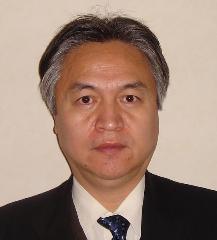 Yen-Wei Chen (陳延偉)合作论文数Department of Information Science and Engineering, College of Information Science and Engineering, Ritsumeikan University2
 Jinhua He (何金花)合作论文数The Affiliated Panyu Central Hospital of Guangzhou Medical University2
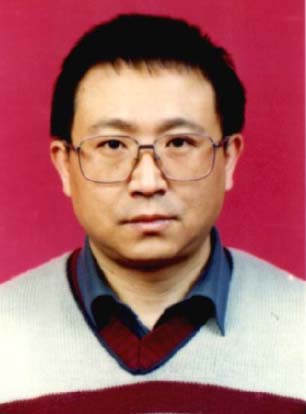 Feng Yuan (袁峰)合作论文数School of Instrumentation Science and Engineering, Harbin Institute of Technology2Rong Qiang (强荣)合作论文数2
 Zhigang Xiao (肖志刚)合作论文数Department of Physics, Tsinghua University2
 Ke Shi (石柯)合作论文数School of Computer Science and Technology, Huazhong University of Science and Technology2
 Rui Gao (高瑞)合作论文数School of Control Science and Engineering, Shandong University2
 Jingjing Li (李晶晶)合作论文数College of Chemistry and Chemical Engineering, Southwest Petroleum University2
 Xu Li (李旭)合作论文数The First Affiliated Hospital of Xi’an Jiaotong University2Qingbo Wang (王庆波)合作论文数2
 Hongliang Li (李宏亮)合作论文数School of Information and Communication Engineering, University of Electronic Science and Technology of China2
 Shuhuan Liu (刘书焕)合作论文数School of Energy and Power Engineering, Xi'an Jiaotong University2Fukun Zhao (赵辅昆)合作论文数Zhejiang Sci-Tech University2
 Hongsheng Bi合作论文数Chesapeake Biological Laboratory, Center for Environmental Science, University of Maryland2
 Liwei Sun (孙立伟)合作论文数College of Biological and Environmental Engineering, Zhejiang University of Technology2




