Distributed Federated Learning (DFL) has rapidly emerged as a promising paradigm for secure and efficient com putation. Although it eliminates server-related threats by removing the central server from the network, it still remains vulnerable to client-side malicious attacks, especially when a large fraction of clients are compromised or engage in collusive behaviors, which severely undermines its reliability in real-world deployments. To address this challenge, we propose RBFL, a Resilient Blockchain-empowered Federated Learning framework to achieve secure model training under a DFL architecture. Specifically, we construct a blockchain-based DFL framework by enabling multiple clients to cooperate in a Peer-to-Peer (P2P) manner, which uses blockchain for the global model storage and the local model updates exchange. Building upon this framework, we develop a Multi-Factor-enhanced Malicious Clients Detection (MF-MCD) method that jointly considers the direction, magnitude, and weight-consistency of local models to accurately identify sophisticated adversarial behaviors. Furthermore, we introduce a Personalized Reward-and-Slash Mechanism (PRSM) that allocates blockchain assets based on each client's verified contribution, and dynamically adjusts client selection probabilities to suppress malicious partic ipants. Extensive experiments on multiple benchmark datasets demonstrate the effectiveness and robustness of RBFL in defending against a wide range of sophisticated poisoning attacks.
Federated learning (FL) can be viewed as a distributed information fusion paradigm. However, recent studies have shown that FL remains highly vulnerable to data poisoning attacks (DPAs), where poisoned samples introduce unreliable information and significantly degrade the robustness of the fusion process. Existing model-level defense methods typically filter out suspicious updates during aggregation; however, they often overlook the contribution of clean samples embedded in these updates, thereby impairing the overall model performance. To address this issue, we propose DisFL, a data-level robust FL framework for reliable information fusion under DPAs. Specifically, we first develop a bilevel optimization-based data confidence estimation method (BioDCE) to quantify data reliability by capturing discrepancies in model behaviors on clean and poisoned samples. Then, to improve computational efficiency, we design a multilayer perceptron-based scoring neural network (MLPsNN) to approximate data confidence, enabling progressive separation of clean and poisoned samples through their loss distributions. Finally, we propose a neuron importance-based model aggregation strategy (NimAgg), which performs fine-grained model fusion at the neuron level to suppress adversarial effects while preserving benign contributions. Extensive experiments on four benchmark datasets demonstrate that DisFL consistently outperforms state-of-the-art defense methods, especially under non-IID settings and high poisoning ratios.
Modern industrial systems have grown increasingly extensive, complex, and hierarchical, with operations relying on numerous knowledge-based queries. These queries necessitate considerable human resources while also requiring high levels of accuracy, subjectivity, and consistency, all of which critically influence operational efficiency. To overcome these challenges, this study proposes an industrial retrieval-augmented generation (RAG) method designed to enhance large language models (LLMs) using domain-specific knowledge, thereby improving the precision of question answering. A comprehensive industrial knowledge base was constructed from diverse sources, including journal articles, theses, books, and patents. A Text classification model based on bidirectional encoder representations from transformers (BERTs) was trained to accurately classify incoming queries. Furthermore, the general text embedding-dense passage retrieval (GTE-DPR) model was employed to perform word embedding and vector similarity retrieval, facilitating the alignment of query vectors with relevant entries in the knowledge base to obtain initial responses. LLMs subsequently refined these initial results to produce accurate final answers. Experimental evaluations confirm the effectiveness of the proposed approach. In particular, when applied to ChatGLM2-6B, the RAG method increased the ROUGE-L score from 32.52% to 55.04% and improved accuracy from 50.52% to 73.92%. Comparable improvements were also observed with LLaMA2-7B, underscoring the RAG framework's capability to significantly enhance the accuracy and relevance of industrial question-answering (QA) systems. (c) 2025 THE AUTHORS. Published by Elsevier LTD on behalf of Chinese Academy of Engineering and Higher Education Press Limited Company. This is an open access article under the CC BY-NC-ND license (http://creativecommons.org/licenses/by-nc-nd/4.0/).
Image captioning is a functional research problem with broad applications across various domains. In intelligent manufacturing, accurate and context-aware descriptions are essential for automation, quality inspection, and intelligent decision-making. However, most existing methods insufficiently integrate domain knowledge, often resulting in inaccurate or even hallucinated descriptions, which undermines their reliability and practical deployment in industrial scenarios. To address this challenge, we propose KenDiC, a domain knowledge-enhanced image captioning framework based on diffusion model for intelligent manufacturing. Specifically, we design a domain-adaptive visual encoder (DAVE) that leverages contrastive learning to enhance the alignment between visual representations and textual semantics in the latent space. Furthermore, we introduce a domain-centric terminology vocabulary (DCTV) into the generation process to enforce terminology-constrained captioning, ensuring the accurate usage of technical entities. To support rigorous evaluation, we construct IIT-Bench, a domain-specific image-to-text dataset comprising 3,300 high-resolution images paired with 16,500 expert-annotated captions. Extensive experiments demonstrate that KenDiC consistently outperforms state-of-the-art approaches in domain captioning performance, highlighting its effectiveness and practical value for human-machine collaboration in intelligent manufacturing.
We investigate the dynamical maps of coherence, entanglement, and purity in two distinct three-qubit class states: the Werner (W-like) and Greeneberger-Horne-Zeillinger (GHZ-like) states. Utilizing a classical channel affected by Ornstein Uhlenbeck (OU) and Random Telegraph (RT) noise, we explore two scenarios: coupling two qubits with RT noise and one with OU noise, and vice versa. The preservation of coherence, entanglement, and purity is analyzed using the & ell;1 norm of coherence, entanglement witness operation, and purity measures. Our results reveal that the considered dephasing channels lead to a decrease in initially encoded quantum correlations, even in the presence of Gaussian OU noise, which typically induces monotonic decay. The non-monotonic behavior and decay are primarily governed by the parameters of OU and RT noises, with the configuration where OU noise affects two qubits and RT noise affects the third being optimal for quantum correlation preservation. Comparing the two states, the GHZ-like state exhibits superior preservation under RT noise influencing two local fields and qubits, while the W-like state performs better when OU noise affects two qubits. Overall, the GHZ-like state shows enhanced revival characteristics compared to the W-like state.
Accurate Chinese named entity recognition (NER) in the process industry is crucial for applications such as information extraction, knowledge graph construction, and intelligent decision-making. However, challenges, including ambiguous entity boundaries, semantic overlaps, and limited annotated data, significantly hinder performance. To address these issues, this study proposes DDiNER, a domain dictionary-guided Chinese NER framework that integrates a hierarchical industrial domain dictionary with bidirectional encoder representations from Transformers (BERT) via a hierarchical lexicon adapter (HLA), combined with bidirectional long short-term memory (BiLSTM) and conditional random field (CRF) layers for multilevel feature fusion. Experimental results show that DDiNER achieves superior performance, with average precision, recall, and F1-scores of 95.75%, 95.73%, and 95.74%, respectively, outperforming state-of-the-art models. Validation on an independent dataset confirms its robustness and strong capability in recognizing unseen and long-tail entities. This study provides an effective and scalable solution for industrial Chinese NER, with significant potential for downstream intelligent applications.
Federated learning (FL) enables multiple clients to collaboratively train models without sharing raw data, yet recent studies reveal its vulnerability to gradient leakage attacks (GLAs), where sensitive information can be reconstructed from shared gradients. Although differential privacy (DP) has been widely adopted as a complementary countermeasure, most existing approaches rely on fixed or heuristically scheduled privacy budgets, which often results in suboptimal privacy–utility trade-offs. To address this limitation, we propose AdaFed, an adaptive DP-based defense framework for FL systems against GLAs. Specifically, we develop a risk-aware leakage quantification mechanism based on mutual information neural estimation (MINE) to learn the dependency between shared gradients and private data in a data-driven manner. Building upon this learned risk measure, a risk-sensitive privacy budget allocation strategy is formulated under the Rényi differential privacy (RDP) framework to dynamically optimize noise injection across communication rounds while preserving composability guarantees. Extensive experiments on four intrusion detection scenarios demonstrate that AdaFed achieves improved privacy-utility trade-offs compared with state-of-the-art DP-based FL schemes, providing a general adaptive privacy control paradigm for secure FL systems.
Single-photon imaging presents a promising solution for imaging in dense scattering media. Yet, existing methods predominantly rely on per-pixel photon count histograms for preprocessing, which treat pixels separately and neglect intrinsic spatio-temporal correlations. This is an inherent limitation that is drastically amplified by scattering effects, which diffusively spread signal information across adjacent pixels simultaneously. To capture these global correlations, we propose a histogram-free SPAD array sensing method that directly exploits the raw photon arrival sequences. Specifically, we design a multi-head LSTM sequence model with a dual-task training objective to jointly optimize classification and depth regression. Our approach is validated by extensive experiments on a self-constructed dataset, acquired via a real-world hardware prototype under varying fog densities. Our histogram-free approach outperforms complex baselines in scattering environments by preserving temporal information, while its lightweight design enables efficient deployment in resource-constrained systems.
With the increasing growth of data, work on data security is becoming increasingly important. As the core of important data detection, the sensitive entities identification (SEI) problem has become a hot topic in natural language processing (NLP) science. Named Entity Recognition (NER) is the foundation of SEI, however, current studies treat SEI only as a special case of the NER problem. It lacks more detailed considerations of implicit links between entities and relations. In this paper, we propose a novel enhanced method called G2MBCF based on latent factor model (LFM). We use knowledge graph to represent the NER primary result with semantic structure. Then we use G2MBCF to inscribe entities and relations through a E−R matrix to mine implicit connections. Experiments show that compared to existing NER methods, our method enhances Recall and Precision of SEI. We also studied the influence of parameters in the experiments.
The target detection and depth imaging in complex environments have significant application potential in numerous fields, such as unmanned driving, environmental exploration, and medical imaging. Single-photon imaging (SPI), as an emerging active detection technology, provides an effective solution for imaging under conditions of low signal-to-noise ratio (SNR) and weak illumination. However, the target detection in foggy environments still faces significant challenges, such as image distortion, blurred object boundaries, and sensor saturation. This article designs an optimization algorithm based on the SPI technology to reconstruct the depth information of targets in foggy environments. First, from the photon level to the probability level, this article constructs a hierarchical model to describe the target detection problem in a foggy environment. An iterative algorithm is then proposed to estimate the model parameters. This approach effectively mitigates the interference from fog echo photons and allows for accurate reconstruction of the target's point cloud data. The experimental results demonstrate that the model and algorithm proposed in this article outperform existing methods in depth estimation accuracy, enabling effective extraction and reconstruction of targets obscured by fog. These findings highlight the potential of the proposed method for applications in complex environments.
Federated learning (FL) enables collaborative model training across distributed clients without sharing raw data, offering a promising solution for privacy-sensitive applications. However, recent studies have shown that FL is vulnerable to gradient leakage attacks (GLAs), where adversaries can reconstruct private training data from shared model gradients. In this paper, we conduct a comprehensive empirical study to evaluate the effectiveness of GLAs in federated learning systems. Specifically, we systematically analyze the impact of both data-related factors (e.g., data distribution, batch size) and model-related factors (e.g., activation function, network layer) on attack performance. Extensive experiments on benchmark datasets (MNIST and CIFAR-10) reveal that these factors significantly influence the success rate of GLAs. Based on our findings, we provide actionable insights and practical recommendations to mitigate privacy risks, contributing to the development of more dependable FL systems in real-world distributed computing environments.
We investigate a hybrid qubit-qutrit system exposed to both a magnetic field and classical dephasing noise. The quantum system's characteristics encompass diverse parameters, including spin-exchange interaction, dephasing, and the magnetic field. To incorporate thermal effects, we employ the system's Hamiltonian to generate an initial qubit-qutrit density matrix within the framework of the Gibbs density operator. Furthermore, we model dephasing effects on the initial thermal state of the system using an Ornstein-Uhlenbeck process. We employ geometric discord, negativity, and entropic coherence functions to depict the quantum correlations across various parameter settings. Our results reveal that initially, quantum correlations attain non-maximal values, with their dynamics intricately reliant on the underlying system parameters. Specifically, when the system is primarily characterized by the magnetic field, we observe heightened levels of quantum correlations. Additionally, temperature-based characterization is found to have the most detrimental effect on the state. Geometric discord is observed to capture a higher degree of quantum correlations, albeit saturating rapidly at zero compared to entanglement and coherence. Finally, we investigated the effects of common environmental coupling and more pronounced non-Markovian dynamics in the system, revealing an enhanced preservation of quantum correlations. These modifications allow for prolonged coherence and entanglement, underscoring the potential of structured environmental interactions to mitigate decoherence effects and sustain quantum correlations over time.
In this paper, we address the critical roles of various interactions in a two-spin-1/2 XXZ Heisenberg system when driven by an external magnetic field and a quantum channel. Quantum measurements, such as concurrence, linear entropy and fidelity, are utilized to evaluate the entanglement, mixedness, and state similarity of quantum system. Results indicate that magnetic field and the associated angular frequency cause rapid oscillations in the dynamical maps of the system, leading to temporary losses of quantum correlations and increased mixedness. The quantum channel parameter induced non-Markovianity, causing the quantum functions to decay early or delayed depending on the relative strength. Optimal preservation of entanglement and fidelity, with minimal entropy, is achieved under various cases for certain strengths of spin-exchange strength, temperature, anisotropy, Dzyaloshinskii-Moriya (DM) and Kaplan-Shekhtman-Entin-Wohlman-Aharony (KSEA) interactions for the considered state. Finally, the entanglement remains sensitive in comparison to fidelity when the concurrence functions is mainly defined using the inhomogeneous and angular related angular frequency.
Ising annealer is a promising quantum-inspired computing architecture for combinatorial optimization problems. In this paper, we introduce an Ising annealer based on the Hamiltonian Monte Carlo, which updates the variables of all dimensions in parallel. The main innovation is the fusion of an approximate gradient-based approach into the Ising annealer which introduces significant acceleration and allows a portable and scalable implementation on the commercial FPGA. Comprehensive simulation and hardware experiments show that the proposed Ising annealer has promising performance and scalability on all types of benchmark problems when compared to other Ising annealers including the state-of-the-art hardware. In particular, we have built a prototype annealer which solves Ising problems of both integer and fraction coefficients with up to 200 spins on a single low-cost FPGA board, whose performance is demonstrated to be better than the state-of-the-art quantum hardware D-Wave 2000Q and similar to the expensive coherent Ising machine. The sub-linear scalability of the annealer signifies its potential in solving challenging combinatorial optimization problems and evaluating the advantage of quantum hardware.
Stamp ink is a multifunctional composite material that requires accurate identification in fields such as document identification, art protection, and forensic analysis. This study proposes a new method for multi-task stamp ink classification using a convolutional attention network, which combines a temporal convolutional network (TCN) with a self-attention mechanism. By utilizing near-infrared spectroscopy and hyperspectral imaging technology, we captured comprehensive spectral data on multiple properties of stamp ink, including color, brand, ink type, stamp type and storage time. The convolutional attention network can efficiently process these spectral data, balancing the extraction of local patterns and long-term dependencies while focusing attention on key sequence parts. Our experiments show that the convolutional attention network achieves excellent classification accuracy and efficient learning on multi-task stamp ink classification, and outperforms traditional machine learning methods such as SVM, KNN and RF as well as CNN and Transformers and other deep learning models.
Download This Paper Open PDF in Browser Add Paper to My Library Share: Permalink Using these links will ensure access to this page indefinitely Copy URL Copy DOI
For the analysis of spinal and disc diseases, automated tissue segmentation of the lumbar spine is vital. Due to the continuous and concentrated location of the target, the abundance of edge features, and individual differences, conventional automatic segmentation methods perform poorly. Since the success of deep learning in the segmentation of medical images has been shown in the past few years, it has been applied to this task in a number of ways. The multi-scale and multi-modal features of lumbar tissues, however, are rarely explored by methodologies of deep learning. Because of the inadequacies in medical images availability, it is crucial to effectively fuse various modes of data collection for model training to alleviate the problem of insufficient samples. In this paper, we propose a novel multi-modality hierarchical fusion network (MHFN) for improving lumbar spine segmentation by learning robust feature representations from multi-modality magnetic resonance images. An adaptive group fusion module (AGFM) is introduced in this paper to fuse features from various modes to extract cross-modality features that could be valuable. Furthermore, to combine features from low to high levels of cross-modality, we design a hierarchical fusion structure based on AGFM. Compared to the other feature fusion methods, AGFM is more effective based on experimental results on multi-modality MR images of the lumbar spine. To further enhance segmentation accuracy, we compare our network with baseline fusion structures. Compared to the baseline fusion structures (input-level: 76.27 % , layer-level: 78.10 % , decision-level: 79.14 % ), our network was able to segment fractured vertebrae more accurately (85.05 % ).
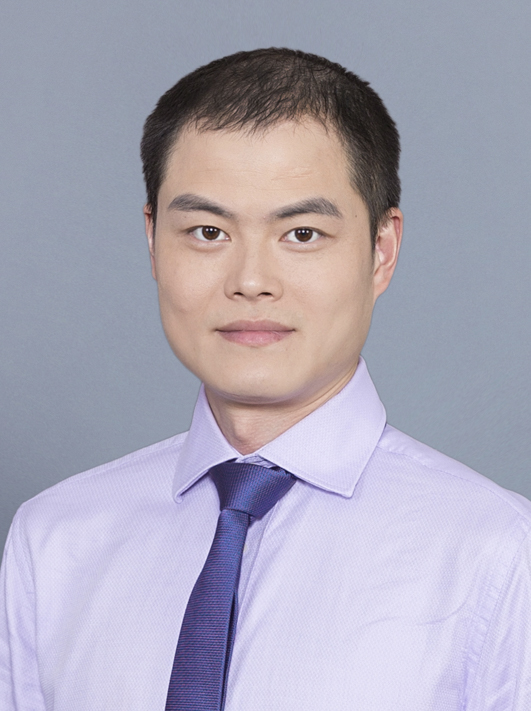 Yu Pan (潘宇)合作论文数Institute of Cyber-Systems and Control, School of Control Science and Engineering, Zhejiang University20
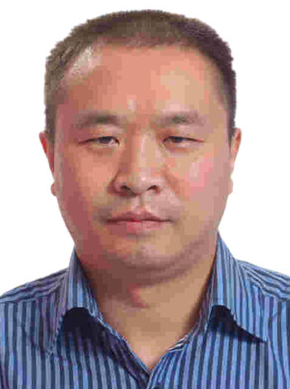 Zairong Xi (席在荣)合作论文数Academy of Mathematics and Systems Science, Chinese Academy of Sciences13
 Beili Gong合作论文数8Shilu Yan合作论文数6
 Derong Cao (曹德榕)合作论文数School of Chemistry and Chemical Engineering, South China University of Technology;State Key Laboratory of Luminescent Materials and Devices, South China University of Technology6Tong Dou (窦通)合作论文数4
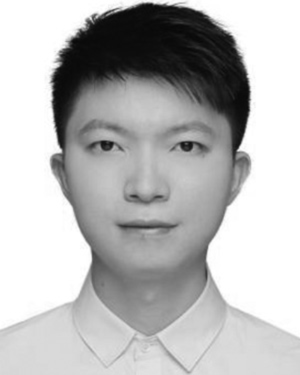 Zhendong Ai合作论文数4
 Ziru Yu合作论文数4
 Hao Ren合作论文数Pengcheng Lab, Shenzhen 518055, Peoples R China4
 Franco Nori合作论文数College of Literature, Science and the Arts, University of Michigan;Theoretical Quantum Physics Laboratory, RIKEN4
 Lingyun Wang (汪凌云)合作论文数School of Chemistry and Chemical Engineering, South China University of Technology4Gang Xiang合作论文数4
 Junbo Zhang (张俊勃)合作论文数School of Electric Power Engineering, South China University of Technology4
 Weihua Gui (桂卫华)合作论文数Central South University4
 Daoyi Dong合作论文数School of Engineering and Information Technology, University of New South Wales, Canberra4Langyu Li合作论文数3Runqiu Shu合作论文数3Yaoguang Li合作论文数3Zihan Wang合作论文数3
 Chunhua Yang (阳春华)合作论文数School of Automation, Central South University3
 Xinyou Lv (吕新友)合作论文数School of Physics, Huazhong University of Science and Technology3
 Zhenwei Zhou合作论文数3Lixia Zhou合作论文数3
 Herbert Meier合作论文数Institute of Organic Chemistry, Johannes Gutenberg-Universität Mainz3
 Lin Li (李琳)合作论文数Dongguan University of Technology;School of Food Science and Engineering, South China University of Technology3
 Guofeng Zhang (張國峰)合作论文数Department of Applied Mathematics,The Hong Kong Polytechnic University3
 Man-Hong Yung (翁文康)合作论文数Southern University of Science and Technology3
 Xiaojun Liang合作论文数2Zhixin Xie合作论文数2Mengcheng Ma合作论文数2
 Hao Wang (王灏)合作论文数Division of Computer Science and Engineering, Louisiana State University2
 Tuoyu Liu合作论文数2Linxian Xu合作论文数2CHEN Ge (陈戈)合作论文数2Xu-Sheng Xu合作论文数2
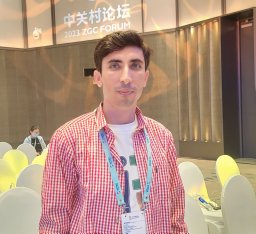 Atta ur Rahman合作论文数School of Physics, University of Chinese Academy of Science2
 Tenemeza Kenfack Lionel合作论文数Department of Physics, University of Dschang2Yue Teng合作论文数2KaiWei Wang (汪凯蔚)合作论文数2
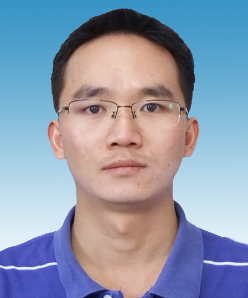 Keke Huang (黄科科)合作论文数School of Automation, Central South University2
 Zibo Miao (苗子博)合作论文数Harbin Institute of Technology, Shenzhen2
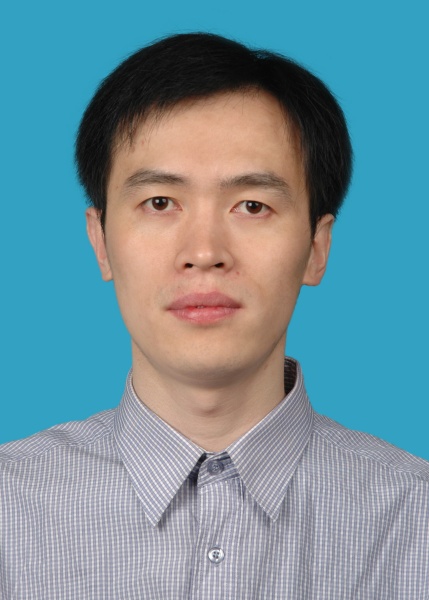 Hongsheng Qi (齐洪胜)合作论文数Institute of Systems Science, Academy of Mathematics and Systems Scinece, Chinese Academy of Sciences;Key Laboratory of Systems and Control, Chinese Academy of Sciences;School of Mathematical Sciences, University of Chinese Academy of Sciences2
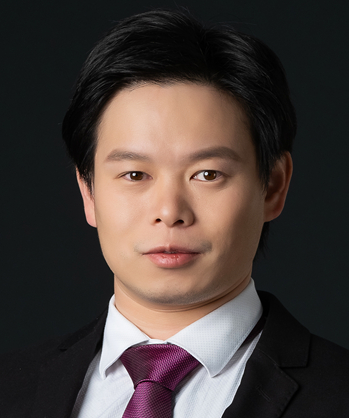 Ze-Liang Xiang (项泽亮)合作论文数School of Physics, Sun Yat-sen University2
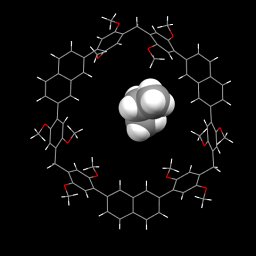 Hao Tang (唐浩)合作论文数School of Chemistry and Chemical Engineering, South China University of Technology2
 Fang Gao (高放)合作论文数School of Electrical Engineering, Guangxi University2
 Wen Liu (刘文)合作论文数School of Computer and Cyber Sciences, Communication University of China2
 Yongbin Wang (王永滨)合作论文数Department of Computer Science and Technology, School of Computer and Cyber Sciences, Communication University of China;State Key Laboratory of Media Convergence and Communication, Communication University of China2




