The widely used ChAdOx1 nCoV-19 (ChAd) vector and BNT162b2 (BNT) mRNA vaccines have been shown to induce robust immune responses. Recent studies demonstrated that the immune responses of people who received one dose of ChAdOx1 and one dose of BNT were better than those of people who received vaccines with two homologous ChAdOx1 or two BNT doses. However, how heterologous vaccines function has not been extensively investigated. In this study, single-cell RNA sequencing data from three classes of samples: volunteers vaccinated with heterologous ChAdOx1-BNT and volunteers vaccinated with homologous ChAd-ChAd and BNT-BNT vaccinations after 7 days were divided into three types of immune cells (3654 B, 8212 CD4(+) T, and 5608 CD8(+) T cells). To identify differences in gene expression in various cell types induced by vaccines administered through different vaccination strategies, multiple advanced feature selection methods (max-relevance and min-redundancy, Monte Carlo feature selection, least absolute shrinkage and selection operator, light gradient boosting machine, and permutation feature importance) and classification algorithms (decision tree and random forest) were integrated into a computational framework. Feature selection methods were in charge of analyzing the importance of gene features, yielding multiple gene lists. These lists were fed into incremental feature selection, incorporating decision tree and random forest, to extract essential genes, classification rules and build efficient classifiers. Highly ranked genes include PLCG2, whose differential expression is important to the B cell immune pathway and is positively correlated with immune cells, such as CD8(+) T cells, and B2M, which is associated with thymic T cell differentiation. This study gave an important contribution to the mechanistic explanation of results showing the stronger immune response of a heterologous ChAdOx1-BNT vaccination schedule than two doses of either BNT or ChAdOx1, offering a theoretical foundation for vaccine modification.
Decentralized federated learning (DFL) enables multiple clients to collaboratively train a machine learning model by exchanging parameters with each other while protecting privacy. Clients may be deployed in geo-distributed sites and communicate through varying significantly wide area networks (WANs). After the topology is constructed, the clients iteratively update the local model and exchange it with neighboring clients until the required accuracy is achieved. A more connected topology usually has fewer iterations but may suffer from a longer time per iteration. How to construct the topology with minimum total time by making a trade-off between the number of iterations and the time per iteration is a crucial issue to be studied. In this paper, we evaluate the number of iterations and the time per iteration of arbitrary topology and then propose a heuristic algorithm to construct the best one by evaluating a series of possible topologies. Our extensive experiments have shown that the other common topologies require 1.88 × to 4.53 × the total time to achieve the same accuracy compared to the topology obtained by our algorithm.
To date, COVID-19 remains a serious global public health problem. Vaccination against SARS-CoV-2 has been adopted by many countries as an effective coping strategy. The strength of the body's immune response in the face of viral infection correlates with the number of vaccinations and the duration of vaccination. In this study, we aimed to identify specific genes that may trigger and control the immune response to COVID-19 under different vaccination scenarios. A machine learning-based approach was designed to analyze the blood transcriptomes of 161 individuals who were classified into six groups according to the dose and timing of inoculations, including I-D0, I-D2-4, I-D7 (day 0, days 2-4, and day 7 after the first dose of ChAdOx1, respectively) and II-D0, II-D1-4, II-D7-10 (day 0, days 1-4, and days 7-10 after the second dose of BNT162b2, respectively). Each sample was represented by the expression levels of 26,364 genes. The first dose was ChAdOx1, whereas the second dose was mainly BNT162b2 (Only four individuals received a second dose of ChAdOx1). The groups were deemed as labels and genes were considered as features. Several machine learning algorithms were employed to analyze such classification problem. In detail, five feature ranking algorithms (Lasso, LightGBM, MCFS, mRMR, and PFI) were first applied to evaluate the importance of each gene feature, resulting in five feature lists. Then, the lists were put into incremental feature selection method with four classification algorithms to extract essential genes, classification rules and build optimal classifiers. The essential genes, namely, NRF2, RPRD1B, NEU3, SMC5, and TPX2, have been previously associated with immune response. This study also summarized expression rules that describe different vaccination scenarios to help determine the molecular mechanism of vaccine-induced antiviral immunity.
轻微认知衰退是阿尔茨海默病的早期阶段,而利用脑电信号进行轻微认知衰退的特征提取与分类是诊断轻微认知衰退的重要方法.在基于脑电人工智能轻微认知衰退自动检测技术中,现有研究只提取脑电波信号中的某一个特征或简单地拼接多个特征,这会导致这些方法并不能较好地考虑特征之间的相关性,并且会引发维度灾难的问题;提出了一种基于卷积神经网络的轻微认知衰退静息态脑电数据自动检测算法,通过提取脑电的功率谱及脑网络特征,并通过矩阵运算的方式对这两种特征进行融合,利用卷积神经网络对融合后的特征进行分类,该方法在上海某医院采集的数据集上获得较高的准确率.此外,通过输入特征集的不同子集,该方法找到了对轻微认知衰退最有贡献的几组特征,从而具有一定的可解释性.在本数据集上证明了功率脑网络对于轻微认知衰退自动诊断的优势.
Neurodegenerative diseases, including Alzheimer’s disease (AD), Parkinson’s disease, and many other disease types, cause cognitive dysfunctions such as dementia via the progressive loss of structure or function of the body’s neurons. However, the etiology of these diseases remains unknown, and diagnosing less common cognitive disorders such as vascular dementia (VaD) remains a challenge. In this work, we developed a machine-leaning-based technique to distinguish between normal control (NC), AD, VaD, dementia with Lewy bodies, and mild cognitive impairment at the microRNA (miRNA) expression level. First, unnecessary miRNA features in the miRNA expression profiles were removed using the Boruta feature selection method, and the retained feature sets were sorted using minimum redundancy maximum relevance and Monte Carlo feature selection to provide two ranking feature lists. The incremental feature selection method was used to construct a series of feature subsets from these feature lists, and the random forest and PART classifiers were trained on the sample data consisting of these feature subsets. On the basis of the model performance of these classifiers with different number of features, the best feature subsets and classifiers were identified, and the classification rules were retrieved from the optimal PART classifiers. Finally, the link between candidate miRNA features, including hsa-miR-3184-5p, has-miR-6088, and has-miR-4649, and neurodegenerative diseases was confirmed using recently published research, laying the groundwork for more research on miRNAs in neurodegenerative diseases for the diagnosis of cognitive impairment and the understanding of potential pathogenic mechanisms.
The cell cycle is composed of a series of ordered, highly regulated processes through which a cell grows and duplicates its genome and eventually divides into two daughter cells. According to the complex changes in cell structure and biosynthesis, the cell cycle is divided into four phases: gap 1 (G1), DNA synthesis (S), gap 2 (G2), and mitosis (M). Determining which cell cycle phases a cell is in is critical to the research of cancer development and pharmacy for targeting cell cycle. However, current detection methods have the following problems: (1) they are complicated and time consuming to perform, and (2) they cannot detect the cell cycle on a large scale. Rapid developments in single-cell technology have made dissecting cells on a large scale possible with unprecedented resolution. In the present research, we construct efficient classifiers and identify essential gene biomarkers based on single-cell RNA sequencing data through Boruta and three feature ranking algorithms (e.g., mRMR, MCFS, and SHAP by LightGBM) by utilizing four advanced classification algorithms. Meanwhile, we mine a series of classification rules that can distinguish different cell cycle phases. Collectively, we have provided a novel method for determining the cell cycle and identified new potential cell cycle-related genes, thereby contributing to the understanding of the processes that regulate the cell cycle.
Mammalian cortical interneurons (CINs) could be classified into more than two dozen cell types that possess diverse electrophysiological and molecular characteristics, and participate in various essential biological processes in the human neural system. However, the mechanism to generate diversity in CINs remains controversial. This study aims to predict CIN diversity in mouse embryo by using single-cell transcriptomics and the machine learning methods. Data of 2,669 single-cell transcriptome sequencing results are employed. The 2,669 cells are classified into three categories, caudal ganglionic eminence (CGE) cells, dorsal medial ganglionic eminence (dMGE) cells, and ventral medial ganglionic eminence (vMGE) cells, corresponding to the three regions in the mouse subpallium where the cells are collected. Such transcriptomic profiles were first analyzed by the minimum redundancy and maximum relevance method. A feature list was obtained, which was further fed into the incremental feature selection, incorporating two classification algorithms (random forest and repeated incremental pruning to produce error reduction), to extract key genes and construct powerful classifiers and classification rules. The optimal classifier could achieve an MCC of 0.725, and category-specified prediction accuracies of 0.958, 0.760, and 0.737 for the CGE, dMGE, and vMGE cells, respectively. The related genes and rules may provide helpful information for deepening the understanding of CIN diversity.
Cross-silo federated learning (FL) has been proposed and applied in many domains such as financial risk prediction, pharmaceutical discovery, electronic health records mining. In this paradigm, multiple clients can collaboratively train machine learning models with higher accuracy while protecting their privacy under the coordination of a central server. To interconnect these geo-distributed clients and the central server, the architecture of FL is proposed over software-defined wide area network (SD-WAN). The total time to achieve the required accuracy for FL depends on both the time of each iteration and the number of iterations. Because the bandwidth for each path from client to central server is constrained, different client selection schemes and different path routing mechanisms may lead to different times of iteration. The authors propose FedMT algorithm to minimize the total time through well-designed client selection and routing, which greatly reduces the upload time of each iteration while slightly affecting the number of iterations. Extensive experiments are conducted and demonstrated the time to achieve the same accuracy for FedMT is less than half of that for FedAvg and FedProx.
Additional file 12: Top 25 genes associated with inherited kidney cancer predisposing syndrome.
Automated Deception Detection (ADD) is a challenging task and still under study as a visual analysis task. Based on the idea that human micro-expressions and body movements could be used as clues for ADD, many works have proposed some action recognition models for extracting face and body spatiotemporal features. However, these features are not sufficient evidence for deception; moreover, micro-expressions are difficult to detect and real-life deception samples are hard to collect, thus ADD still has many challenges. In this paper, we present a global two-stream network (GTSN), which not only extracts face and body features, but also utilizes the correlation between the deceptions. GTSN can improve the accuracy of deception detection by adding historical information based on the correlation between the deceptions. We build a dataset named Deception-Truthful (DT) for evaluating the performance of our proposed model. Experimental results demonstrate that our GTSN model outperforms other action recognition models used for ADD. Further, the proposed GTSN model also performs well on the real trial videos widely used in ADD.
在多模态语音情感识别中,现有的研究通过提取大量特征来识别情感,但过多的特征会导致关键特征被淹没在相对不重要特征里,造成关键信息遗漏.为此提出了一种模型融合方法,通过两种注意力机制来寻找可能被遗漏的关键特征.本方法在IEMOCAP数据集上的四类情感识别准确率相比现有文献有明显提升;在注意力机制可视化下,两种注意力机制分别找到了互补且对人类情感识别重要的关键信息,从而证明了所提方法相比传统方法的优越性.
Federated learning has been a promising distributed machine learning approach in many fields like e-economic, autodriving and medical imaging for its privacy-aware manner. However, researchers have discovered that the performance of traditional federated learning approaches such as Federated Averaging (FEDAVG) declines extremely under Non-Independent and Identical (Non-IID) situations. We observed that part of the reason is the improper way of traditional federated learning’s server-side aggregation method.The contributions of clients in federated learning can be distinguished by their trained models’ validated accuracies. Based on that observation, we proposed a new federated learning algorithm, Accuracy Based Averaging (ABAVG), which improves the server-side aggregation method of traditional federated learning so that it can accelerate the convergence speed of federated learning in Non-IID situations. We extensively evaluate our proposed algorithm with FEDAVG as a baseline and we experiment on various Non-IID conditions to demonstrate the robust of our proposed algorithm. Experimental results show that the convergence speed averagely increased by 47% in Mnist dataset, 59% in Fashion-Mnist dataset and 33% in CIFAR-10 dataset in different data distributions by ABAVG.
The probes on the back of the moon must rely on lunar relay satellite for communication. Lunar relay tasks include real-time tasks such as telecontrol and telemetry, and delay-tolerant tasks such as data transmission tasks. When the amount of data that the probe is waiting to transmit exceeds the probe's storage capacity, the delay-tolerant task may fail due to the insufficient local storage resources and the limited communication links of relay satellite, which will cause data loss. Therefore, it is necessary to design a reasonable lunar relay task scheduling strategy to improve the resource utilization of lunar relay satellite and reduce data loss. The task scheduling of lunar relay satellite problem was investigated. A lunar relay satellite task scheduling model was established to minimize the data loss and a scheduling algorithm based on discrete firework algorithm (11)FWA) was designed to solve this model. Simulation results show that our algorithm performs better than Genetic algorithm (GA) in the terms of data loss.
The IEEE 802.3ca task force is studying the next generation Ethernet passive optical network (NG-EPON), which introduces channel bonding to enable optical network units (ONUs) to bundle multiple wavelength channels to achieve higher peak rates. In order to register these multi-channel ONUs, the optical line terminal (OLT) needs to acquire ONUs’ device information, assign working parameters, and verify the connectivity of each channel. Traditional ONU registration protocol, designed for single-channel ONUs, is not suitable for multi-channel ONUs because it cannot guarantee the channel connectivities of all channels. Therefore, it is essential to extend the traditional registration protocol or design a new registration protocol for NG-EPON multi-channel ONUs. In this paper, we first extend the traditional registration protocol directly to satisfy the requirements of registering multi-channel ONUs. Besides, we propose a novel registration protocol based on the coordination of channel terminals. In order to compare the performances of two registration protocols, we model their registration processes, analyze their registration delays, and find their corresponding influence factors. Simulation results show that our proposed registration protocol has a smaller registration delay as well as better horizontal scalability.
The various booming network applications and services require optical access networks to support ubiquitous access, not simply providing huge bandwidth. In this paper, we investigate the timeslot-based network slicing of passive optical networks to support various network services. We find that low latency services need critical service slicing settings for the benefit of achieving the lowest latency.
The IEEE initialized a working group to study the 100 Gb/s next-generation passive optical networks (NG-EPON). A key technology adopted by NG-EPON is channel bonding, which enables optical network units (ONUs) to transmit data on multiple wavelength channels simultaneously to achieve higher peak rates. In the upstream, ONUs share the bandwidth of each wavelength in a time-division multiplexing manner, and dynamic wavelength and bandwidth allocation (DWBA) coordinates ONU upstream transmission. If an ONU is granted transmission of data on multiple wavelengths simultaneously, frame reordering will occur due to simultaneous parallel transmission, which needs to be minimized because buffer and extra processing time are needed to restore the original framesequence. For a group of ONUs, DWBA can grant each ONU transmission on either a single wavelength or multiple wavelengths without affecting total bandwidth occupation. Since ONUs transmitting on single wavelength can get rid of frame reordering, different DWBA algorithms can result in different numbers of ONUs suffering frame reordering. In this paper, we investigate the impacts of DWBA algorithms on frame reordering in NG-EPON. A DWBA algorithm for mitigating frame reordering without affecting bandwidth utilization is proposed. The theoretical upper bound of a frame-reordered ONU number with the proposed algorithm is also analyzed. The performances (in terms of frame-reordered ONU number and packet delay) of DWBA algorithms are evaluated through simulations. Simulation results show that the proposed algorithm can mitigate frame reordering efficiently and reduce packet delay as well.
No AccessTechnical NoteDynamic Scheduling Algorithm for Data Relay Services in Next-Generation TDRS SystemsChanglin Deng, Wei Guo and Weisheng HuChanglin DengThe State Key Laboratory of Advanced Optical Communication System and Networks, Shanghai Jiao Tong University, 200240 Shanghai, China*Ph.D. Candidate, School of Electronics Information and Electrical Engineering; .Search for more papers by this author, Wei GuoThe State Key Laboratory of Advanced Optical Communication System and Networks, Shanghai Jiao Tong University, 200240 Shanghai, China†Professor, School of Electronics Information and Electrical Engineering; .Search for more papers by this author and Weisheng HuThe State Key Laboratory of Advanced Optical Communication System and Networks, Shanghai Jiao Tong University, 200240 Shanghai, China‡Professor, School of Electronics Information and Electrical Engineering; .Search for more papers by this authorPublished Online:22 Oct 2018https://doi.org/10.2514/1.I010656SectionsRead Now ToolsAdd to favoritesDownload citationTrack citations ShareShare onFacebookTwitterLinked InRedditEmail About References [1] Yu S., Ma Z., Wu F., Ma J. and Tan L., “Overview and Trend of Steady Tracking in Free-Space Optical Communication Links,” Proceedings of SPIE—The International Society for Optical Engineering, SPIE, Bellingham, WA, 2015, Paper 95210N. doi:https://doi.org/10.1117/12.2087591 Google Scholar[2] Space Network Users’ Guide, Revision 10, NASA Goddard Space Flight Center, Greenbelt, MD, Aug. 2012. Google Scholar[3] Hogie K., Zarembowitch A., Flanders B., Safavi H., Paulson D. and Lubelczyk J., “Low-Cost Receiver Development for TDRSS DAS Sustainment and CubeSat Applications,” Aerospace Conference, IEEE Paper 978-1-4673-7676-1/16, 2016, pp. 1–7. doi:https://doi.org/10.1109/aero.2016.7500753 Google Scholar[4] Zech H., Heine F., Tröndle D., Seel S., Motzigemba M., Meyer R. and Philippmay S., “LCT for EDRS: LEO to GEO Optical Communications at 1,8 Gbps Between Alphasat and Sentinel 1a,” SPIE Security & Defence, SPIE, Bellingham, WA, 2015, Paper 96470J. doi:https://doi.org/10.1117/12.2196273 Google Scholar[5] Wang J. S. and Xin Q. I., “China’s Data Relay Satellite System Served for Manned Spaceflight,” Scientia Sinica, Vol. 44, No. 3, 2014, pp. 235–242. doi:https://doi.org/10.1360/092013-1200 SSINAV 0582-236X Google Scholar[6] Fuchs C., Poulenard S., Perlot N., Riedi J. and Perdigues J., “Optimization and Throughput Estimation of Optical Ground Networks for LEO-Downlinks, GEO-Feeder Links and GEO-Relays,” SPIE LASE, SPIE, Bellingham, WA, 2017, Paper 1009612. doi:https://doi.org/10.1117/12.2254795 Google Scholar[7] Alagoz F. and Gur G., “Energy Efficiency and Satellite Networking: A Holistic Overview,” Proceedings of the IEEE, Vol. 99, No. 11, 2011, pp. 1954–1979. doi:https://doi.org/10.1109/jproc.2011.2165192 CrossrefGoogle Scholar[8] Zhao W., Zhao J., Zhao S., Li Y., Wang X., Dong Y. and Dong C., “Scheduling Algorithm for Data Relay Satellite Optical Communication Based on Artificial Intelligent Optimization,” Proceedings of SPIE—The International Society for Optical Engineering, Vol. 8906, No. 1, 2013, pp. 1–10. doi:https://doi.org/10.1117/12.2032973 Google Scholar[9] Pradhan S., Sahu P. K., Giri R. K. and Patnaik B., “Inter-Satellite Optical Wireless Communication System Design Using Diversity Techniques,” International Conference on Microwave, Optical and Communication Engineering, IEEE Publ., Piscataway, NJ, 2015, pp. 250–253. doi:https://doi.org/10.1109/icmoce.2015.7489738 Google Scholar[10] Edwards B. L. and Israel D. J., “A Geosynchronous Orbit Optical Communications Relay Architecture,” Aerospace Conference, IEEE Publ., Piscataway, NJ, 2014, pp. 1–7. doi:https://doi.org/10.1109/aero.2014.6836521 Google Scholar[11] Edwards B. L., Robinson B., Biswas A. and Hamkins J., “An Overview of NASA’s Latest Efforts in Optical Communications,” IEEE International Conference on Space Optical Systems and Applications, IEEE Paper 978-1-4673-7676-1/16, 2015, pp. 1–8. doi:https://doi.org/10.1109/icsos.2015.7425061 Google Scholar[12] Wang J., Yang L. T., Zhu X. and Qiu D., “Dynamic Scheduling for Emergency Tasks on Distributed Imaging Satellites with Task Merging,” IEEE Transactions on Parallel & Distributed Systems, Vol. 25, No. 9, 2014, pp. 2275–2285. doi:https://doi.org/10.1109/TPDS.2013.156 CrossrefGoogle Scholar[13] Wang L., Ma Y., Zomaya A. Y. and Ranjan R., “A Parallel File System with Application-Aware Data Layout Policies for Massive Remote Sensing Image Processing in Digital Earth,” IEEE Transactions on Parallel & Distributed Systems, Vol. 26, No. 6, 2015, pp. 1497–1508. doi:https://doi.org/10.1109/TPDS.2014.2322362 CrossrefGoogle Scholar[14] Deng B., Jiang C., Kuang L., Guo S., Lu J. and Zhao S., “Two-Phase Task Scheduling in Data Relay Satellite Systems,” IEEE Transactions on Vehicular Technology, Vol. 67, No. 2, 2018, pp. 1782–1793. doi:https://doi.org/10.1109/TVT.2017.2763150 CrossrefGoogle Scholar[15] Rojanasoonthon S., “Parallel Machine Scheduling with Time Windows,” Informs Journal on Computing, Vol. 17, No. 1, 2004, pp. 32–51. doi:https://doi.org/10.1287/ijoc.1030.0048 1091-9856 CrossrefGoogle Scholar[16] Bard J. F. and Rojanasoonthon S., “A Branch-and-Price Algorithm for Parallel Machine Scheduling with Time Windows and Job Priorities,” Naval Research Logistics, Vol. 53, No. 1, 2006, pp. 24–44. doi:https://doi.org/10.1002/(ISSN)1520-6750 NRLOEP 1520-6750 CrossrefGoogle Scholar[17] Rojanasoonthon S., Bard J. F. and Reddy S. D., “Algorithms for Parallel Machine Scheduling: A Case Study of the Tracking and Data Relay Satellite System,” Journal of the Operational Research Society, Vol. 54, No. 8, 2017, pp. 806–821. doi:https://doi.org/10.1057/palgrave.jors.2601575 JORSDZ CrossrefGoogle Scholar[18] Lin P., Kuang L., Chen X., Yan J., Lu J. and Wang X., “Adaptive Subsequence Adjustment with Evolutionary Asymmetric Path-Relinking for TDRSS Scheduling,” Journal of Systems Engineering and Electronics, Vol. 25, No. 5, 2014, pp. 800–810. doi:https://doi.org/10.1109/JSEE.2014.00093 CrossrefGoogle Scholar[19] Li H. J., Lu Y., Dong F. H. and Liu R., “Communications Satellite Multi-Satellite Multi-Task Scheduling,” Procedia Engineering, Vol. 29, Jan. 2012, pp. 3143–3148. doi:https://doi.org/10.1016/j.proeng.2012.01.455 CrossrefGoogle Scholar[20] Zhang Y., Sun Z. J. and Li J., “Study of TDRS Dynamic Scheduling Problem,” Journal of System Simulation, Vol. 23, No. 7, 2011, pp. 1464–1468. Google Scholar[21] Deng B., Jiang C., Kuang L., Guo S., Ge N. and Lu J., “Preemptive Dynamic Scheduling Algorithm for Data Relay Satellite Systems,” ICC 2017—2017 IEEE International Conference on Communications, IEEE Paper 978-1-4673-8999-0/17, 2017, pp. 1–6. doi:https://doi.org/10.1109/icc.2017.7996552 Google Scholar[22] Zhuang S., Yin Z., Wu Z. and Chen X., “Dynamic Relay Satellite Scheduling based on ABC-TOPSIS Algorithm,” Mathematical Problems in Engineering, Vol. 2016, Nov. 2016, pp. 1–11. doi:https://doi.org/10.1155/2016/3161069 CrossrefGoogle Scholar[23] Gallo G. and Simeone B., “On the Supermodular Knapsack Problem,” Mathematical Programming, Vol. 45, Nos. 1–3, 1989, pp. 295–309. doi:https://doi.org/10.1007/BF01589108 MHPGA4 1436-4646 CrossrefGoogle Scholar[24] Klamroth K. and Wiecek M. M., “Dynamic Programming Approaches to the Multiple Criteria Knapsack Problem,” Naval Research Logistics, Vol. 47, No. 1, 2000, pp. 57–76. doi:https://doi.org/10.1002/(SICI)1520-6750(200002)47:1<>1.0.CO;2-H NRLOEP 1520-6750 CrossrefGoogle Scholar[25] Hanafi S. and Freville A., “An Efficient Tabu Search Approach for the 0–1 Multidimensional Knapsack Problem,” European Journal of Operational Research, Vol. 106, Nos. 2–3, 1998, pp. 659–675. doi:https://doi.org/10.1016/S0377-2217(97)00296-8 EJORDT 0377-2217 CrossrefGoogle Scholar[26] Wei E., Caplow T. and Schlosser P., “Noaa National Oceanic and Atmospheric Administration,” Psychologist, Vol. 39, No. 6, 2011, pp. 20–25. Google Scholar[27] Murthy K., Shearn M., Smiley B. D., Chau A. H., Levine J. and Robinson D., “SkySat-1: Very High-Resolution Imagery from a Small Satellite,” SPIE Remote Sensing, SPIE, Bellingham, WA, pp. 92411E–92411E–12. Google Scholar[28] Linares-Rodriguez A., Ruiz-Arias J. A., Pozo-Vazquez D. and Tovar-Pescador J., “An Artificial Neural Network Ensemble Model for Estimating Global Solar Radiation from Meteosat Satellite Images,” Energy, Vol. 61, No. 6, 2013, pp. 636–645. doi:https://doi.org/10.1016/j.energy.2013.09.008 ENGYD4 0149-9386 CrossrefGoogle Scholar[29] “NORAD Website,” http://www.celestrak.com/NORAD/elements/ [retrieved 01 Oct. 2013]. Google Scholar Previous article FiguresReferencesRelatedDetailsCited bySatellite Relay Task Scheduling Based on Dynamic Antenna Setup Time and Splittable TaskTask Scheduling Method for Data Relay Satellite Network Considering Breakpoint TransmissionIEEE Transactions on Vehicular Technology, Vol. 70, No. 1 What's Popular Volume 15, Number 11November 2018 Metrics CrossmarkInformationCopyright © 2018 by the American Institute of Aeronautics and Astronautics, Inc. All rights reserved. All requests for copying and permission to reprint should be submitted to CCC at www.copyright.com; employ the ISSN 2327-3097 (online) to initiate your request. See also AIAA Rights and Permissions www.aiaa.org/randp. TopicsAlgorithms and Data StructuresArtificial IntelligenceCommunication SystemCommunication Technology and EquipmentComputer Programming and LanguageComputing and InformaticsComputing, Information, and CommunicationData ScienceEarth Observation SatelliteOptimization AlgorithmSatellitesSpace Systems and VehiclesSpacecraftsTelemetry KeywordsDynamic Scheduling AlgorithmPareto FrontierSatellitesNorth American Aerospace Defense CommandData TransmissionGround StationEarth Observation SatelliteEarthArtificial IntelligenceArtificial Bee ColonyAcknowledgmentThis research was sponsored by the National Natural Science Foundation of China (Grant Nos. 61471238, 61431009, and 61371082).PDF Received11 April 2018Accepted15 September 2018Published online22 October 2018
In the Next Generation Ethernet Passive Optical Network (NG-EPON), Optical Network Units (ONUs) can work on multiple wavelengths simultaneously to achieve higher peak rates. There are three types of ONUs (25G, 50G and 100G ONUs) sharing all the 100 Gb/s bandwidth. Each type of ONUs has a total bandwidth constraint due to ONUs' working wavelength capabilities. In this paper, we investigate the fairness and efficiency of dynamic wavelength and bandwidth allocation (DWBA) algorithms for scheduling multi-type ONUs while considering their bandwidth capacity constraints. Proposed DWBA algorithms can achieve high efficiency, excellent fairness as well as good wavelength load balancing.
We propose an adaptive wavelength allocation pattern for scheduling multi-wavelength ONUs in the NG-EPON. Proposed wavelength allocation patterns make online decisions for ONU wavelength allocation based on an adaptive threshold that reflects both ONU’s absolute bandwidth request size as well as the relative bandwidth request size to other ONUs. The proposed wavelength allocation pattern has low complexity and good network performance. Simulation results show that the proposed wavelength allocation pattern achieves small packet delay, huge bandwidth throughput, and a low packet loss ratio in different network conditions, which outperforms the existing wavelength allocation patterns for the NG-EPON.
This paper proposes a novel dynamic wavelength and bandwidth (DWBA) algorithm that provides high upstream channel bandwidth utilization and low average packet delay for NG-EPON. The proposed algorithm takes ONUs' scheduling orders, the wavelength assigned to ONU and the grant size of ONU on the assigned wavelength into account. The simulation results show the validity of the proposed DWBA algorithm.
 Weisheng Hu (胡卫生)合作论文数Department of Electronic Engineering, School of Electronic Information and Electrical Engineering, Shanghai Jiaotong University150
 Yaohui Jin (金耀辉)合作论文数BOC Institute of Technology and Finance, Shanghai Jiao Tong University;School of Electronic Information and Electrical Engineering, Shanghai Jiao Tong University;Koguan School of Law, Shanghai Jiao Tong University114
 Weiqiang Sun (孙卫强)合作论文数School of Integrated Circuits, Shanghai Jiao Tong University98
 Shilin Xiao (肖石林)合作论文数Department of Electronic Engineering, Shanghai Jiao Tong University22
 Hao He (何浩)合作论文数State Key Laboratory of Advanced Optical Communication Systems and Networks, Department of Electronic Engineering, Shanghai Jiao Tong University12
 Wei Wang合作论文数11
 Min Zhu (朱敏)合作论文数Laboratory of Next-Generation Fiber-Wireless Integration and Networking, National Mobile Communications Research Laboratory, Southeast University;School of Information Science and Engineering, Southeast University11Ming Xia合作论文数9Chengjun Li合作论文数9
 Yi Dong (董毅)合作论文数Shanghai Jiao Tong University;Future Media Network Collaborative Innovation Center9
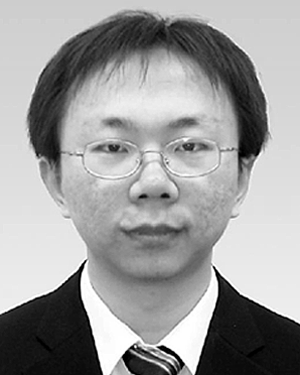 Zhenyu Sun合作论文数9Changlin Deng合作论文数8
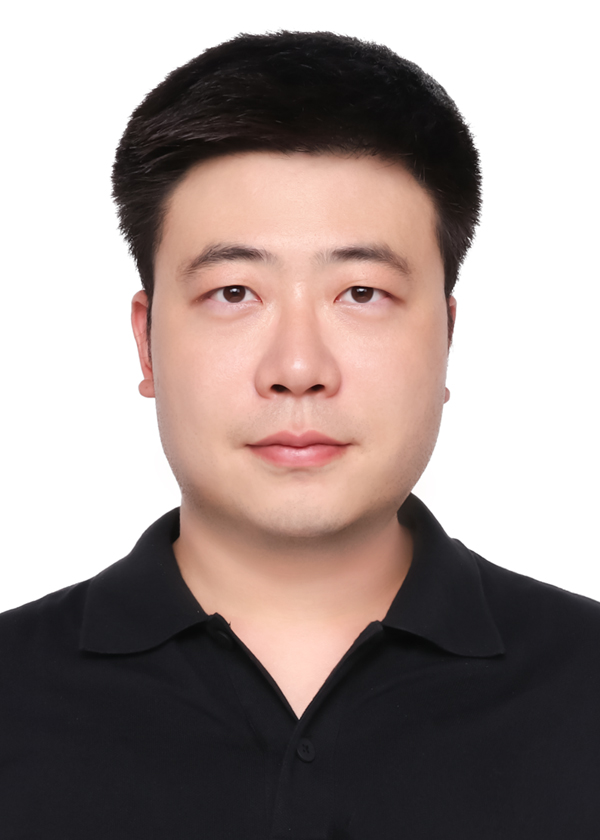 Zhe Liu (刘哲)合作论文数Intelligent Robotics and Machine Vision Laboratory, Autonomous Robot Laboratory, Department of Automation, School of Electronic Information and Electrical Engineering, Shanghai Jiao Tong University;Artificial Intelligence for Unlimited Future, Shanghai Jiao Tong University8
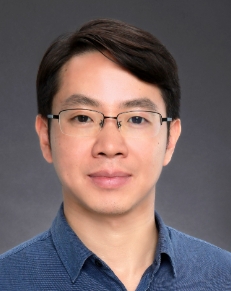 Lilin Yi (义理林)合作论文数State Key Laboratory of Regional Optical Fiber Communication Network and New Optical Communication System, School of Electronic Information and Electrical Engineering, Shanghai Jiao Tong University8
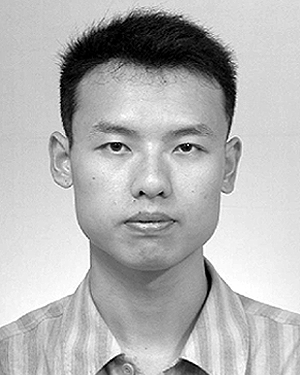 Zhengyu Wang合作论文数6
 Yikai Su (苏翼凯)合作论文数Photoelectric Materials and Devices Center, Department of Electronic Engineering, Shanghai Jiaotong University6
 Fangfang Yan合作论文数6
 Guowu Xie合作论文数UC Riverside6Wang Yan合作论文数5
 Tao Huang (黄涛)合作论文数School of Public Health, Peking University5
 Yudong Cai (蔡煜东)合作论文数School of Life Sciences, Shanghai University5
 Benoit Geller合作论文数5Yingdi Yu合作论文数5Zijie Xing合作论文数5Qingji Zeng合作论文数FutureWei Technologies, The University of Texas at San Antonio5Qingquan Zong合作论文数4Chunhui Du合作论文数MoE Key Lab of Artificial Intelligence, AI Institute, Shanghai Jiao Tong University4huafeng lin合作论文数4yuntao wang合作论文数4
 Yunfeng Peng (彭云峰)合作论文数School of Computer & Communication Engineering, University of Science and Technology Beijing4Jing Guo合作论文数Collage of Power and Mechanical Engineering, Wuhan University4Jun Zhao (赵军)合作论文数Institute of Oceanology, Chinese Academy of Sciences4
 Chunming Qiao (乔春明)合作论文数Department of Computer Science and Engineering, School of Engineering and Applied Sciences, University at Buffalo, The State University of New York;Lab for Advanced Network Design, Evaluation and Research, University at Buffalo, The State University of New York4Chunlei Zhang合作论文数4Jianhang Xiao合作论文数3Pengshan Zhang合作论文数3Weige ZHU (朱维各)合作论文数3QI Yong-min (祁永敏)合作论文数3Kai Kang合作论文数3
 Tong Ye (叶通)合作论文数School of Integrated Circuits, Shanghai Jiao Tong University3DongRu Zhou (周洞汝)合作论文数3Guoying Zhang合作论文数3Wang Jun合作论文数3
 Xiaodong Wang (王晓东)合作论文数School of Materials Science and Engineering, Shanghai Jiao Tong University3
 Minyou Wu (伍民友)合作论文数Wireless and Sensor Networks Laboratory, Department of Computer Science and Engineering, School of Electronics, Information and Electrical Engineering, Shanghai Jiao Tong University3
 Lei Chen (陈磊)合作论文数College of Information Engineering, Shanghai Maritime University3
 Chun Jiang (姜淳)合作论文数School of Integrated Circuits, Shanghai Jiao Tong University3
 Jun Sun (孙军)合作论文数Department of Electronic Engineering, Shanghai Jiao Tong University;Institute of Image Communication and Network Engineering, Shanghai Jiao Tong University3
 Tao Jiang (江涛)合作论文数School of Cyber Science and Engineering, Huazhong University of Science and Technology3




