Objective:To enhance clinicians' awareness of pulmonary arterial hypertension (PAH) complicating chronic active Epstein-Barr virus infection (CAEBV) in pediatric patients. Method:Clinical data of a pediatric patient diagnosed with CAEBV complicated by PAH, admitted to Shanghai Children's Medical Centre affiliated with Shanghai Jiao Tong University School of Medicine, were analyzed. Results:The patient, a 11-year-old girl, was admitted with "dyspnea on exertion accompanied by left lower abdominal pain for 1 month." The primary clinical manifestations constituted progressive decline in exercise tolerance and abdominal pain. Physical examination revealed hepatosplenomegaly and scattered eczematous rashes on the left lower limb. Cardiac ultrasound demonstrated moderate tricuspid regurgitation with a velocity of 3.56 m/s and estimated pulmonary artery pressure of 50 mm Hg. The outpatient department considered PAH and referred her to cardiology. Right heart catheterization upon admission revealed pulmonary artery pressure of 81/56/67 mm Hg, synchronous aortic pressure of 121/76/92 mm Hg, and pulmonary vascular resistance index (PVRI) of 24 Wood, confirming PAH. During comprehensive screening for PAH etiology, markedly abnormal EBV antibody levels were identified, and levels of EBV-DNA in the peripheral were significantly increased, raising the suspicion of chronic active Epstein-Barr virus infection (CAEBV). Subsequent skin biopsy of the left-lower-limb lesion demonstrated EBER positivity, confirming diagnosis of CAEBV with PAH. Allogeneic hematopoietic stem-cell transplantation was recommended after diagnosis but declined by the family. Eight months later, EBV had disseminated to multiple systemic organs. Cerebrospinal fluid tested positive for EBV nucleic acid; bone marrow biopsy showed partial EBER positivity; hepatosplenomegaly was present; and concomitant conditions included abdominal wall varicosities, multiple serosal effusions, hypoxemia, and PAH. Upon readmission, the patient's baseline condition deteriorated to the point where allogeneic hematopoietic stem-cell transplantation was no longer feasible. Conservative chemotherapy was initiated; however, the patient succumbed to septic shock complicated by gastrointestinal hemorrhage one month into treatment. Conclusion:The etiology of PAH is complex and diverse, with CAEBV representing a rare causative factor. Comprehensive EBV-related pathogen testing should be performed in children with PAH, particularly those presenting with hepatosplenomegaly. Routine imaging investigations, including cardiac echocardiography, are essential in the assessment and management of CAEBV patients to promptly identify potential cardiovascular complications.
Background Recurrence after pediatric catheter ablation often reflects limited lesion durability. The SmartTouch Surround Flow (STSF) contact‑force–sensing, open‑irrigated catheter is designed to provide uniform cooling and stable tip–tissue contact, potentially improving lesion durability and workflow efficiency. We compared STSF with conventional RF systems in children. Methods In this multicenter retrospective study across three high‑volume EP centers in China (Dec 2023–Sep 2024), we included first‑time ablation patients aged 1–14 years; catheter selection was non‑random and followed routine clinical practice. The primary endpoint was recurrence of the index arrhythmia off antiarrhythmic drugs during follow‑up. Secondary endpoints included all‑cause mortality, stroke/systemic embolism, acute coronary syndrome, repeat ablation, and prespecified peri‑procedural complications. Follow‑up was performed at 3, 6, and 12 months. We also compared procedural efficiency, radiation metrics, ablation parameters, and operator‑reported convenience (Operational Convenience Score, OCS). Results Among 386 patients (STSF n = 266; conventional RF n = 120) with broadly comparable baseline profiles, unadjusted between‑group comparisons showed that STSF was associated with shorter procedure time (135.27 ± 63.20 vs 189.73 ± 92.96 min; P = 0.01), less fluoroscopy (301.8 ± 146.65 vs 424.62 ± 210.51 s; P = 0.01), lower dose‑area product (DAP: 20.59 ± 16.06 vs 37.57 ± 19.19 Gy·cm²; P < 0.01), and lower cumulative air kerma (101.19 ± 78.04 vs 189.58 ± 94.05 mGy; P < 0.001). STSF also showed shorter ablation time (380.31 ± 180.71 vs 462.39 ± 255.49 s; P < 0.01), lower operating temperature (40.81 ± 6.06 vs 43.31 ± 4.18 ℃; P < 0.01), slightly lower power (32.06 ± 4.93 vs 32.62 ± 3.58 W; P < 0.01), and marginally fewer applications (5.17 ± 7.64 vs 5.21 ± 3.10; P = 0.03). No cases of moderate‑to‑severe valvular regurgitation, third‑degree AV block, or LBBB occurred in the STSF group; the conventional RF group had one case each. Other prespecified complications were absent in both groups. Operator convenience scores favored STSF (7.86 ± 1.82 vs 6.45 ± 1.19; P < 0.001). One‑year recurrence was low and similar (2.60% vs 4.16%; log‑rank P = 0.99). Subgroup analyses across AVNRT, AVRT/WPW, and PVCs supported consistent advantages in radiation reduction and procedural efficiency with STSF, while the lower operating temperature with comparable or slightly lower power aligned with the hypothesized mechanism of more uniform, predictable energy delivery. Conclusions In pediatric catheter ablation, STSF maintained efficacy and safety while substantially improving procedural efficiency and reducing radiation exposure, and it was associated with superior operator‑reported usability. These real‑world, multicenter observational data support STSF as a pragmatic, radiation‑sparing strategy; prospective randomized studies with extended follow‑up are warranted to confirm long‑term lesion durability and better characterize rare adverse events.
BackgroundPostoperative visceral pain is a common complication after endoscopic retrograde cholangiopancreatography (ERCP). In this study, we compared the analgesic and anti-inflammatory effects of oxycodone and fentanyl in children undergoing ERCP.MethodsA single-center, randomized, double-blind study was conducted at a tertiary care hospital affiliated with Shanghai Jiao Tong University. Eighty-two pediatric patients aged 2–18 years who were scheduled for elective ERCP were randomly assigned to receive either oxycodone (0.2 mg/kg) or fentanyl (2 μg/kg). The postoperative pain was evaluated after 10 min, 20 min, and 30 min in the post-anesthesia care unit (PACU) as well as 6 h and 24 h in the ward following ERCP. Additionally, inflammatory cytokines in the serum, including tumor necrosis factor (TNF)-α, interleukin (IL)-6, and IL-10 were examined by blood sampling at baseline, 6 h, and 24 h after ERCP.ResultsCompared to fentanyl, children receiving oxycodone had significantly lower pain scores at 30 min, 6 h, and 24 h after ERCP, while the scores at 10 and 20 min were similar in both groups. We also found that fewer patients had pain scores ≥3 at 6 h and 24 h after the procedure in the oxycodone group [36.6% (15/41) vs. 61.0% (25/41) at 6 h, 34.1% (14/41) vs. 58.5% (24/41) at 24 h, p = 0.027 for both cases]. Furthermore, fewer children in the oxycodone group had elevated inflammatory cytokines (IL-6 at 6 h and TNF-α at 24 h after ERCP) compared to the fentanyl group. The incidence of postoperative vomiting was also lower among children receiving oxycodone [14.1% (7/41) vs. 24.4% (10/41), p = 0.032].ConclusionOxycodone (0.2 mg kg−1) can provide effective analgesia and stable hemodynamics in children undergoing ERCP. This analgesic characteristic may be related to amelioration of inflammation after ERCP.Clinical Trial Registrationwww.chictr.org.cn, identifier ChiCTR2300074473.
Kawasaki disease (KD) is a febrile vasculitis disorder, with coronary artery lesions (CALs) being the most severe complication. Early detection of CALs is challenging due to limitations in echocardiographic equipment (UCG). This study aimed to develop and validate an artificial intelligence algorithm to distinguish CALs in KD patients and support diagnostic decision-making at admission. A deep learning algorithm named KCPREDICT was developed using 24 features, including basic patient information, five classic KD clinical signs, and 14 laboratory measurements. Data were collected from patients diagnosed with KD between February 2017 and May 2023 at Shanghai Children's Medical Center. Patients were split into training and internal validation cohorts at an 80:20 ratio, and fivefold cross-validation was employed to assess model performance. Among the 1474 KD cases, the decision tree model performed best during the full feature experiment, achieving an accuracy of 95.42%, a precision of 98.83%, a recall of 93.58%, an F1 score of 96.14%, and an area under the receiver operating characteristic curve (AUROC) of 96.00%. The KCPREDICT algorithm can aid frontline clinicians in distinguishing KD patients with and without CALs, facilitating timely treatment and prevention of severe complications. The use of the complete set of 24 diagnostic features is the optimal choice for predicting CALs in children with KD.
Hemoglobin Titusville is a rare low-oxygen-affinity hemoglobinopathy characterized by normal arterial partial pressure of oxygen but low oxygen saturation. In this study, we describe a case of hemoglobinopathy presenting as cyanosis. A 12-year-old female patient was admitted to the hospital with cyanosis and 87% blood oxygen saturation. Overall, the patient was healthy and preserved exercise tolerance. Upon admission, her arterial partial pressure of oxygen was 121 mmHg, and her blood oxygen saturation was 89.7%. First, the common causes were excluded, after which cardiovascular catheterization was performed. This detected no shunt between the systemic and pulmonary circulation. Finally, whole-exon sequencing confirmed a heterozygous mutation of the HBA1 gene (g.227115G>A). In this study, we review the entire course of this case, providing scientific insight into this disease and a differential diagnosis of cyanosis.
OBJECTIVE:To assess the effects of dexmedetomidine (DEX) on cerebrovascular autoregulation in children with congenital heart disease (CHD) using transcranial color-coded duplex sonography (TCCD). DESIGN:Randomized controlled trial. SETTING:This single-center study was conducted at a tertiary care center in Shanghai, China. PATIENTS:Fifty-nine children aged 0 to 6 years with CHD who underwent cardiac surgery with cardiopulmonary bypass were enrolled. INTERVENTION:Children were randomly assigned to receive either DEX (DEX group) or normal saline (control group) for 10 minutes following anesthetic induction. Cerebrovascular carbon dioxide reactivity (CVR-CO2) was assessed by adjustment of lung ventilation. MEASUREMENTS AND MAIN RESULTS:Patients underwent TCCD before and after surgery. CVR-CO2, resistance index (RI), pulsatility index (PI), mean blood flow velocity (Vmean) of the right middle cerebral artery, and regional cerebral oxygen saturation (ScrO2) of the right frontal lobe were measured and analyzed at three distinct time points, resulting in six measurements. Hemodynamic parameters, including heart rate (HR) and mean arterial pressure (MAP), were recorded at each time point. The parameters CVR-CO2 (p = 0.402), PI (p = 0.203), RI (p = 0.290), Vmean (p = 0.290), ScrO2 (p = 0.426), HR (p = 0.522), and MAP (p = 0.236) were comparable between the two groups. In the control group, PI, RI, and HR significantly differed before and after surgery. In the DEX group, RI, Vmean, ScrO2, and HR significantly differed before and after surgery. CONCLUSIONS:A low loading dose of DEX did not compromise CVR-CO2 in children with CHD undergoing cardiac surgery with cardiopulmonary bypass.
OBJECTIVE:To report on a case of Kabuki syndrome (KS) due to a novel variant of KMT2D gene.METHODS:A child diagnosed with KS at the Fujian Children's Hospital on July 25, 2022 was selected as the study subject. Whole exome sequencing was carried out for the child and her parents. Candidate variant was validated by Sanger sequencing and bioinformatic analysis.RESULTS:The child, a 4-month-old female, had presented with distinctive facial features, growth retardation, cardiac malformations, horseshoe kidney, hypothyroidism, and recurrent aspiration pneumonia. Whole exome sequencing revealed that she has harbored a heterozygous c.6285dup (p.Lys2096Ter) variant of the KMT2D gene. Sanger sequencing confirmed that neither of her parents had carried the same variant. The variant was previously unreported and may result in a truncated protein and loss of an enzymatic activity region. The corresponding site of the variant is highly conserved. Based on the guidelines from the American College of Medical Genetics and Genomics (ACMG), the variant was classified as pathogenic (PVS1+PS2+PM2_Supporting).CONCLUSION:The c.6285dup variant of the KMT2D gene probably underlay the KS in this child.
OBJECTIVE:The current work was designed to compare the effects of ciprofol and propofol on left ventricular systolic function and myocardial work by noninvasive speckle-tracking echocardiography in children undergoing surgical repair of atrial septal or ventricular septal defects. DESIGN:A single-center double-blind randomized noninferiority study was conducted. SETTING:The research occurred at a tertiary care center affiliated with Shanghai Jiao Tong University, China. PARTICIPANTS:One hundred and twelve children aged 1 month to 16 years undergoing atrial septal or ventricular septal defect surgery with cardiopulmonary bypass were included. INTERVENTIONS:One hundred and twelve children were allocated randomly to receive ciprofol (n = 67) or propofol (n = 45) in a 1.5:1 ratio. Ciprofol or propofol were intravenously infused at loading doses of 0.4 mg/kg or 2.0 mg/kg, respectively, over 30 seconds, depending on the physical condition of each patient. When the bispectral index was maintained between 45 and 55 after induction, transthoracic echocardiography, including apical two-chamber, three-chamber, and four-chamber views, were collected bedside. MEASUREMENTS AND MAIN RESULTS:Of the 112 patients enrolled, 104 completed the study. Global longitudinal strain in the ciprofol and propofol groups after anesthesia was -17.3% (95% confidence interval [CI] -18.0% to -16.6%) and -17.8% (95% CI -18.7 to -17.0%) in the full analysis set and -17.5% (95% CI -18.2% to -16.9%) and -17.8% (95% CI -18.7% to -17.0%) in the per-protocol set, respectively. The noninferiority margin was set at 2% and confirmed with a lower limit of two-sided 95% CI for the intergroup difference of 1.58% in the full analysis set and 1.34% in the per-protocol set. There were no significant differences between the groups in left ventricular systolic and diastolic function and myocardial work indices. Postoperative vasoactive-inotropic score, NT-proBNP, duration of mechanical ventilation, and the length of stay in the cardiac intensive care unit and hospital were also comparable between the two groups (all p > 0.05). CONCLUSIONS:Ciprofol did not show different effects on myocardial function and postoperative outcomes from propofol. Further, on the sensitive cardiac systole marker global longitudinal strain, ciprofol demonstrated noninferiority to propofol. Ciprofol might be an alternative solution for cardiac anesthesia in children with congestive heart disease with mild lesion.
OBJECTIVE:To report on a child with B-cell-negative severe combined immunodeficiency (B-SCID) manifesting as fulminant myocarditis and carry out genetic testing for her.METHODS:A child with B-SCID who presented at Fujian Maternity and Child Health Care Hospital on January 31, 2021 was selected as the subject. Whole exome sequencing was carried out for her. Candidate variant was verified by Sanger sequencing.RESULTS:The female infant had developed recurrent skin and lung infections soon after birth, and was admitted due to fulminant myocarditis. Serological examination has disclosed a remarkable reduction in immunoglobulins. Flow cytometric analysis revealed that her peripheral blood T and B lymphocytes and NK cells were significantly reduced. Whole exome sequencing revealed that she has harbored a homozygous c.C3007T (p.Q1003X) nonsense variant of the RAG1 gene, for which both of her parents were heterozygous carriers. The variant has not been recorded in normal population databases. Based on the guidelines from the American College of Medical Genetics and Genomics, the variant was predicted to be pathogenic.CONCLUSION:A case of RAG1 gene associated B-SCID has been diagnosed. Above finding has enriched the spectrum of RAG1 gene variants and enabled early diagnosis and intervention of the disease.
OBJECTIVE:To explore the clinical and genetic characteristics of a child with Arrhythmogenic right ventricular cardiomyopathy (ARVC).METHODS:A 6-year-old boy with ARVC who had visited Fujian Provincial Children's Hospital on August 23, 2022 was selected as the study subject. Relevant clinical data were collected, and peripheral venous blood samples were collected from the child and his parents for genetic testing through whole exome sequencing (WES). Sanger sequencing was carried out for family verification, and pathogenicity analysis was conducted for the candidate variants.RESULTS:The child had exhibited clinical symptoms including systemic edema, generalized heart enlargement, universal reduction of interventricular septum and ventricular wall movement, reduced left ventricular diastolic and systolic function, and reduced right ventricular systolic function. WES revealed that the child has harbored compound heterozygous variants of the PKP2 gene, namely c.119_122del (p.Leu40ArgfsTer71) and c.1978G>A (p.Gly660Arg), which were verified by Sanger sequencing to be respectively inherited from his father and mother. The c.119_122del variant has not been recorded in the 1000 Genomes, gnomAD and ExAC databases, and was predicted to lead to truncation of the PKP2 protein by SWISS-MODEL and PyMOL online software and classified as likely pathogenic based on the guidelines jointly developed by the American College of Medical Genetics and Genomics (ACMG) and ClinGen. The c.1978G>A variant has also not been recorded in the 1000 Genomes, gnomAD and ExAC databases, and was predicted to be deleterious by online software including REVEL, SIFT, CADD, Mutation Taster, and PolyPhen-2. The amino acid encoded by the variant site was highly conserved among various species by analysis using T-coffee and ESPript v3.0 online servers. The variant may affect the protein function by SWISS-MODEL and PyMOL online server analysis, and was classified as likely pathogenic based on the guidelines jointly developed by the ACMG and ClinGen.CONCLUSION:The compound heterozygous variants of c.119_122del (p.Leu40ArgfsTer71) and c.1978G>A (p.Gly660Arg) of the PKP2 gene probably underlay the ARVC in this child. Above finding has broadened the spectrum of PKP2 gene variants and provided a reference for the diagnosis and genetic counseling.
Limb-girdle muscular dystrophy (LGMD), a rare group of non-congenital inherited muscle diseases, is characterized by a progressive reduction in muscle tone and force of the proximal limbs. The clinical manifestations and genetic patterns of LGMD are heterogeneous. This study reported on a 10-year-old male patient with LGMD type 2U who experienced muscle weakness in the lower limbs after exercise. Upon admission, the patient's creatine kinase levels were significantly elevated, and hydration and alkalinization therapy were ineffective. Using high-throughput sequencing, muscular dystrophy-related genes were tested in the patient, his parents, and his sister. The patient was found to have a heterozygous deletion of exon 9 of the ISPD gene and a heterozygous missense mutation c.1231C>T (p.Leu411Phe). The patient's father carried the heterozygous missense mutation c.1231C>T (p.Leu411Phe) of the ISPD gene, while his mother and sister carried a heterozygous deletion of exon 9 of the ISPD gene. These mutations have not been reported in existing databases or literature. Conservation and protein structure prediction analyses of the mutation sites indicated that they are highly conserved and located in the C-terminal domain of the ISPD protein, which may affect protein function. Based on the above results and relevant clinical data, the patient was definitively diagnosed with LGMD type 2U. This study enriched the spectrum of ISPD gene mutations by summarizing the patient's clinical characteristics and analyzing new ISPD gene variations. This can aid in the early diagnosis and genetic counseling of the disease.
Exploring the role of neuropeptides in the communication between monocyte subtypes facilitates an investigation of the pathogenesis of Kawasaki disease (KD). We investigated the patterns of interaction between neuropeptide-associated ligands and receptors in monocyte subpopulations in KD patients. Single-cell analysis was employed for the identification of cell subpopulations in KD patients, and monocytes were classified into 3 subpopulations: classical monocytes (CMs), intermediate monocytes (IMs), and nonclassical monocytes (NCMs). Cell-cell communication and differential analyses were used to identify ligand-receptor interactions in monocytes. Five neuropeptide-related genes (SORL1, TNF, SORT1, FPR2, and ANXA1) were involved in cell-cell interactions, wherein FPR2, a neuropeptide receptor, was significantly highly expressed in KD. Weighted gene coexpression network analysis revealed a significant correlation between the yellow module and FPR2 (p < 0.001, CC = 0.43). Using the genes in the yellow module, we constructed a PPI network to assess the possible functions of the FPR2-associated gene network. Gene set enrichment analysis showed that increased FPR2 levels may be involved in immune system regulation. FPR2 in CMs mediates the control of inflammation in KD. The findings of this study may provide a novel target for the clinical treatment of KD.
Background The novel coronavirus disease (COVID-19) suddenly broke out in China in December 2019. Pandemic-related behavioral changes can cause perioperative respiratory adverse events in children with congenital heart disease (CHD). Here, we compared the incidence of perioperative respiratory adverse events (PRAEs) in CHD children with and without upper respiratory infection (URI) undergoing the cardiac catheterization before and during the COVID-19 pandemic. Methods This prospective observational single-center study was based at a tertiary care center in Shanghai, China. A total of 359 children with CHD with and without recent URI were included between January 2019 and March 2021. The overall incidence of PRAEs (laryngospasm, bronchospasm, coughing, airway secretion, airway obstruction, and oxygen desaturation) in non-URI and URI children undergoing elective cardiac catheterization was compared before and during the COVID-19 pandemic. A logistic regression model was fitted to identify the potential risk factors associated with PRAEs. Results Of the 564 children enrolled, 359 completed the study and were finally analyzed. The incidence of URIs decreased substantially during the COVID-19 pandemic (14% vs. 41%, P < 0.001). Meanwhile, the overall PRAEs also significantly declined regardless of whether the child had a recent URI (22.3% vs. 42.3%, P = 0.001 for non-URI and 29.2% vs. 58.7%, P = 0.012 for URI, respectively). Post-operative agitation in children without URI occurred less frequently during the pandemic than before (2.3% vs. 16.2%, P = 0.001). Behaviors before the COVID-19 pandemic (odds ratio = 2.84, 95% confidence interval [CI] 1.76–4.58) and recent URI (odds ratio = 1.79, 95% CI 1.09–2.92) were associated with PRAEs. Conclusions COVID-19 pandemic-related behavioral changes were associated with a reduction in PRAEs in non-URI and URI children undergoing elective therapeutic cardiac catheterization.
ObjectiveTo explore age-related cerebral hemodynamic characteristics before and after pediatric cardiac surgery.DesignProspective observational study.SettingSingle-center study based at a tertiary care center in Shanghai, China.PatientsFifty-three children with congenital heart disease (CHD) aged zero-to-six years undergoing cardiac surgery with cardiopulmonary bypass were enrolled, and 44 children finally were analyzed.InterventionCerebral hemodynamics were measured by transcranial color-coded duplex sonography in the right temporal window before and after surgery. The resistance index (RI), pulsatility index (PI), and cerebral blood flow velocity (CBFV), including time average maximum flow velocity (Vtamax), mean blood flow velocity (Vmean), and the peak systolic flow velocity (Vpeak), of the right middle cerebral artery (MCA) and regional cerebral oxygen saturation (rScO2) of the right frontal lobe were measured and analyzed. Heart rate and mean arterial pressure were also recorded during ultrasound.Measurements and Main ResultsRI and PI decreased exponentially with age before and after cardiac surgery. While PI remained unchanged after cardiac surgery, RI was significantly reduced. Furthermore, RI reduction after cardiac surgery was more significant in children >18 months compared to those ≤18 months. CBFV of the right MCA also showed exponential increase with age, but rScO2 linearly increased. Cardiac surgery significantly changed the cerebral hemodynamics, but it did not affect rScO2 in children regardless of age.ConclusionsAge-related cerebral hemodynamic changes exist in children with CHD. Cardiopulmonary bypass surgery led to greater cerebrovascular dilation in children aged ≤18 months than those >18 months.
Objectives: To describe clinical and imaging characteristics of an isolated subclavian artery (ISA) in pediatric patients. Background: ISA is a rare congenital aortic arch anomaly defined as a loss of connection between the subclavian artery and aorta. The clinical manifestations and complications of ISA in children are unclear. Methods: This retrospective study included clinical and imaging data of ISA patients younger than 18 years whose data were recorded in the electronic radiology database during January 2006-August 2019. Results: Of 102 enrolled patients, 59 had been diagnosed in the first year of life. The majority of the patients also had congenital heart diseases, of which tetralogy of Fallot was the most common. The vertebral artery and collateral branch of the descending aorta served as blood flow supplies in 94 and 8 patients with ISA, respectively, as confirmed using computed tomography or magnetic resonance imaging. However, the blood supply did not influence the development of ISA. Eleven patients exhibited mild or moderate stenosis of the ISA, although only two exhibited coldness or a blood pressure gradient in the upper extremities. These two symptomatic patients also presented with patent ductus arteriosus, and this association was significant (P = 0.008). Conclusion: ISA management is often determined based on symptoms and associated congenital heart diseases. The ISA is prone to stenosis in patients with ipsilateral patent ductus arteriosus. We recommend early surgical ligation or percutaneous closure of the ductus arteriosus in patients with ISA.
目的 探讨体质量<8 kg患儿行起搏器治疗的策略.方法 回顾分析2009—2019年间收治的24例体质量<8 kg,行永久性起搏器植入术患儿的临床资料.结果 24例患儿中,男16例、女8例,中位年龄6.5个月(1~22个月),中位体质量6.4 kg(2.4~7.9 kg),术后随访1~120个月,中位随访20.5个月.其中15例患儿行心内膜起搏,9例行心外膜起搏.15例患儿行心内膜起搏后发生囊袋感染3例,分别表现为囊袋局部血肿、渗出、手术切口裂开;3例患儿均行静脉抗感染治疗,其中表现为囊袋渗出及手术切口裂开的2例患儿行囊袋清创术,彻底消毒起搏发生器,另1例患儿家属拒绝再行清创术;心内膜起搏后因起搏器功能异常行二次手术3例,其中1例因三尖瓣反流加重于术后3个月更换导线,1例因起搏器感知不良于术后6年更换导线及发生器,1例术后9年因电量耗竭再行起搏器植入,考虑双腔起搏可能更符合生理特性,更换起搏模式.9例患儿行心外膜起搏术后因导线或起搏器功能异常行二次手术2例,均为电量过早耗竭,分别于术后1.5年及2年更换为心内膜起搏,使用周期较短.结论 体质量<8 kg患儿经心内膜及心外膜行永久性起搏器植入均具有可行性,且在严控指征下安全有效,但需注意囊袋感染,并在术中及随访中需谨慎三尖瓣反流问题.
Abstract Aims The management of heart failure (HF) in young children is challenging. The present study aimed to clarify the effect of left univentricular epicardial pacing on dilated cardiomyopathy with left bundle branch block (LBBB) in children. Methods and results A total of five cases (30.86 ± 16.39 months, three female) of children weighing 5.8–15 kg with dilated cardiomyopathy and LBBB were included in this study. LBBB in one child occurred after device closure of peri‐membranous ventricular septal defects, and the remaining four were idiopathically discovered early after birth. Before implantation, all children suffered from refractory HF and cardiac dilatation; the left ventricular ejection fraction was 33.48 ± 5.84% with Ross Heart Failure Classification III–IV. Electrical and mechanical dyssynchrony were observed in all children with QRS duration >140 ms and prolonged septal‐to‐left posterior wall motion delay. Left univentricular epicardial pacing was successfully implanted via left axillary minithoracotomy in the five children. Sensed atrioventricular delays (83 ± 15 ms) were optimized by velocity time integral of aortic blood flow before discharge. During the follow‐up period (10.8 ± 2.68 months), the dilated failing heart was reversed significantly in terms of decreased left ventricular dimension (55.62 ± 3.46 vs. 38.94 ± 3.69 mm, P = 0.005), while the left ventricular ejection fraction improved to 60.18 ± 8.78% (P = 0.006). Conclusions In young children with low body weight, if HF is caused by or related to LBBB, left ventricular epicardial pacing still has an excellent effect.
目的 探讨儿童永久起搏器植入术围手术期心肌损伤及心功能改变.方法 回顾分析2018年11月至2019年10月收治的因各类心动过缓行永久起搏器植入术患儿的临床资料,比较起搏器植入术前、术后1天、术后1周患儿血肌钙蛋白I(cTnI)、肌酸激酶同工酶(CK-MB)、N末端B型利钠肽原(NT-proBNP),以及术前与术后1周经胸超声心动图检查的左心室舒张末期内径(LVEDD)Z值和左心室射血分数(LVEF).结果 入选21例患儿,男8例、女13例,年龄8.0岁(4.0~11.0岁),体质量26.1 kg(15.3~45.8 kg).植入双腔起搏器15例,植入单腔起搏器6例.21例患儿在心脏起搏器植入术前、术后1天和术后1周cTnI和CK-MB水平的差异有统计学意义(P<0.001).cTnI和CK-MB在术后1天最高,分别高于术前和术后1周,差异有统计学意义(P<0.05).21例患儿心脏起搏器植入术后1周的LVDD-Z值和LVEF值均低于术前,差异有统计学意义(P<0.05).结论 心动过缓患儿植入永久起搏器后可出现短暂、轻度、可逆的心肌损伤,但对心功能有保护作用.
Objective To investigate the incidence and prognosis of tricuspid regurgitation after transcatheter closure of perimembranous ventricular septal defects in pediatric patients as well as the risk factors of regurgitation occurrence or aggravation.Methods Clinical data of 1 108 patients who underwent percutaneous closure in Shanghai Children's Medical Center,School of Medicine,Shanghai Jiaotong University from January 2011 to January 2017 was analyzed retrospectively,and the prognosis and risk factors of postoperative tricuspid regurgitation and aggravation were also analyzed.Results Mild tricuspid regurgitation occurred in 24 cases after surgery with the incidence of 2.1%.Among 5 cases with mild or above preoperative tricuspid regurgitation,the regurgitation was alleviated after surgery in 4 cases.No severe tricuspid regurgitation requiring surgical intervention occurred in any patient during follow-up.Univariate analysis showed that intervention time (P < 0.05) and residual shunt (P < 0.05) were risk factors for mild or above tricuspid regurgitation after intervention.Binary regression analysis indicated that the size of the occluder (mm) (OR =1.48,95% CI:1.13-1.90) and residual shunt (OR =6.53,95% CI:1.69-25.30) were risk factors for tricuspid regurgitation after intervention (all P < 0.05).Conclusions There is a certain incidence of tricuspid regurgitation after transcatheter closure of perimembranous ventricular septal defects,but most tricuspid regurgitation do not need surgical intervention.The intervention time,size of occluder and residual shunt are risk factors of intraoperatively or postoperatively tricuspid regurgitation.
 Fen Li (李奋)合作论文数Fujian Children's Hospital;Shanghai Children's Medical Center, Shanghai Jiao Tong University School of Medicine19
 YiWei Chen (陈轶维)合作论文数13Diqi Zhu合作论文数8
 Jie Shen (沈捷)合作论文数Children's Hospital of Shanghai8
 Lijun Fu (傅立军)合作论文数Shanghai Children's Medical Center, School of Medicine, Shanghai Jiao Tong University6Liping Sun合作论文数5Kan Zhang合作论文数5
 Jijian Zheng (郑吉建)合作论文数Shanghai Children's Medical Center5
 Jian Wang (王剑)合作论文数Shanghai Key Laboratory of Embryo Original Diseases;Shanghai Children's Medical Center, School of Medicine, Shanghai Jiao Tong University5
 Qihua Fu (傅启华)合作论文数Sichuan Provincial People’s Hospital4Wu Zhao (赵武)合作论文数4Jie Bai合作论文数3Ying Guo合作论文数3Yiwei Chen合作论文数3Tingliang Liu合作论文数3ZhiFang Zhang (张志芳)合作论文数3Wei Gao (高伟)合作论文数Hebei Medical University Third Hospital3
 Kun Sun (孙锟)合作论文数Xinhua Hospital Affiliated to Shanghai Jiaotong University School of Medicine3Yijiao Qian合作论文数2Yunguo ZHOU (周云国)合作论文数2Xicai XU (许细财)合作论文数2Ke Dai (戴柯)合作论文数2
 Shunmin Wang (王顺民)合作论文数Shanghai Children's Medical Center, Shanghai Jiao Tong University School of Medicine2
 Mazhong Zhang (张马忠)合作论文数Shanghai Children's Medical Center, School of Medicine, Shanghai Jiao Tong University2
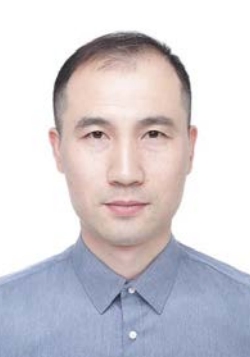 Wanping Zhou (周万平)合作论文数Children's Hospital of Soochow University2Jing-Jing Hu (胡晶晶)合作论文数2
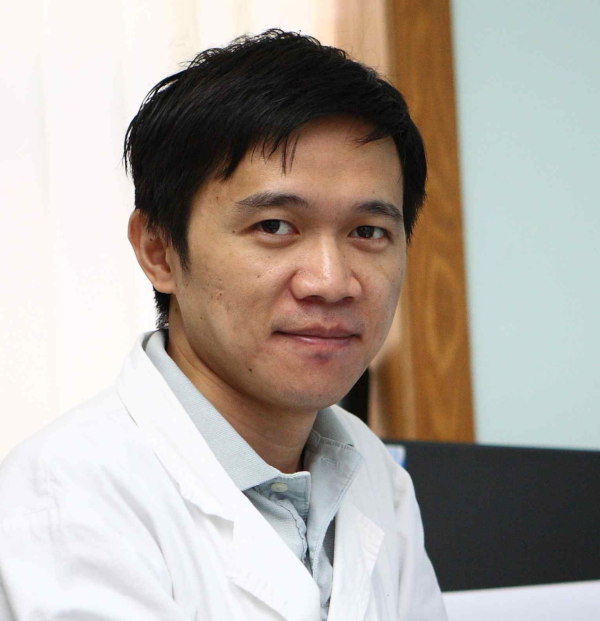 Zhen Zhang (张臻)合作论文数Shanghai Children's Medical Center, Shanghai Jiao Tong University School of Medicine2
 Pengjun Zhao (赵鹏军)合作论文数Xinhua Hospital, Shanghai Jiao Tong University School of Medicine2
 Yue Huang (黄悦)合作论文数Shanghai Children's Medical Center2
 Yuqi Zhang (张玉奇)合作论文数Shanghai Children's Medical Center, Shanghai Jiao Tong University School of Medicine2Zhi-Fang Zhang合作论文数2Matthew A. Benson合作论文数1
 Tingting Yu (俞婷婷)合作论文数School of Basic Medical Sciences, Nanjing Medical University1Wenchuo Zhao合作论文数1
 Lei Yang合作论文数1Li Mengqi合作论文数1Yiman Liu合作论文数1Zhiqing Yu合作论文数1Liu Tingliang合作论文数1Juan Huang合作论文数1Tengyang Wang合作论文数1yue liu (刘月)合作论文数1Yunxia Deng (邓云霞)合作论文数1wenzhang zhao (赵文嫜)合作论文数1Xiao-Feng Guo合作论文数1Lin Shi合作论文数1




