Depression, a complex psychological disorder, involves multiple biological pathways in its pathogenesis. In recent years, the gut-brain axis theory has provided novel insights into the pathogenesis of depression, particularly the crucial role of the gut microbiota in mood regulation. While there remains no universal consensus on the most efficacious strains for depression treatment, Lactobacillus rhamnosus has risen to prominence within the realm of probiotics for its potential to positively modulate depressive symptoms. This review preliminarily explores the clinical significance of Lactobacillus rhamnosus in the treatment of depression and summarizes the potential mechanisms by which Lactobacillus rhamnosus treats depression, including its regulation of gut microbiota, alterations in gene expression, improvement of intestinal barrier function, maintenance of neurotransmitter balance, suppression of inflammatory responses, modulation of the immune system, coping with oxidative stress, and optimization of metabolic processes. Future research needs to further explore these mechanisms and combine them with clinical research results to optimize treatment plans and provide more effective treatment options for patients with depression.
Parkinson's disease (PD) is a common neurological disorder of the brain. In recent years, there is increasing evidence that intestinal flora dysbiosis is closely related to the occurrence and development of PD. This suggests that intestinal microorganisms may be a new strategy for the treatment of PD. Probiotics are a group of active microorganisms that can colonize the host gut and play a beneficial role in the health of the body, and are of great significance to maintaining the intestinal microecological balance. Studies have shown that probiotics can effectively prevent and improve PD through the gut-brain axis, and the potential mechanisms of action include regulating intestinal microecology, alleviating inflammatory response and oxidative stress damage, and promoting the expression of neurotrophic factors. This article reviews the changes of intestinal flora in PD, the mechanisms of intestinal flora in the pathogenesis of PD, and the improvement effect and mechanisms of probiotics on PD-related symptoms, in order to provide a theoretical basis for probiotics to prevent and alleviate PD.
Neurodegenerative diseases are a group of conditions caused by the progressive loss of the function or structure of neurons in the central nervous system. Although the physical or mental symptoms of neurodegenerative diseases can be alleviated by combined therapy, there is no strategy to directly slow down or prevent neurodegenerative diseases. Recent studies on the microbiota-gut-brain axis have found that gut microbiota and their metabolites play an important role in the occurrence and development of nervous system diseases. As the main metabolites of gut microbiota, short-chain fatty acids (SCFAs) , are the key transmitter involved in gut-brain communication and have neuroprotective effect on neurodegenerative diseases, but the specific mechanism is not clear. This article mainly reviews the mechanism of SCFAs in neurodegenerative diseases. It is concluded that improving the level of SCFAs in vivo by changing dietary habits via increasing dietary fiber intake and supplementing probiotics and exogenous SCFAs, may become a new safe and effective target for the prevention and treatment of neurodegenerative diseases, which may provide guidance for the treatment of neurodegenerative diseases.
Axonal demyelination is an important factor causing neurological dysfunction after spinal cord injury. Retaining the integrity of myelin sheath and promoting remyelination play an important role in the functional recovery of spinal cord injury. The bottleneck of the failure of remyelination is the inability of myelin-forming cells(oligodendrocytes and Schwann cells) to differentiate and mature. In recent years related research on spinal cord injury demyelination has found that cell transplantation, neuregulin-1 and hydrogel can effectively enhance remyelination, and identified aquaporin-4(aquaporin-4, AQP4), metalloproteinase(Matrix metalloproteinase, MMP) may be a potential therapeutic target to promote myelin recovery after spinal cord injury. This review discusses the research progress of enhancing remyelination after spinal cord injury, providing ideas for the further development of new methods for the treatment of spinal cord injury.
脊髓损伤(spinal cord injury,SCI)是影响人类健康的重大疾病,在过去30年中,全球SCI患者已从每百万人口 236例增加到1298例,全球每年新发患者约25万~50万[1],造成了重大的经济和社会负担.SCI后多出现脊髓缺血和水肿、氧化应激、细胞凋亡、脱髓鞘、离子失衡等病理变化,最终导致神经元死亡和脊髓组织破坏.这些病理变化在临床上多表现为损伤平面以下的运动感觉障碍和自主神经功能障碍,且多伴有并发症,如肺部感染、尿路感染、深静脉血栓及关节挛缩等,是阻碍SCI患者康复进程的主要原因[2].目前临床上的治疗策略主要是通过手术减压、抑制炎症和调节免疫,促进神经修复[3、4].肠道微生物(gut microbe,GM)参与SCI后的病理变化,可通过调节免疫、控制炎症等发挥神经保护作用,这可能为SCI的治疗提供新思路.笔者从SCI后GM的特征、调控GM的策略、调控GM对SCI功能康复的影响及发生机制的相关研究进展进行综述,以期为调控GM治疗SCI提供参考.
In recent years, the prevalence and mortality of cardiovascular diseases in China have shown a significant upward trend, cardiovascular disease has become a major disease endangering the health of Chinese residents. Intermittent fasting (IF) as a cyclical energy restriction dietary intervention has been proven to have a wide range of health benefits, which can reduce weight, improve glucose regulation, lower blood pressure and blood lipid levels, inhibit inflammation, so as to delay the occurrence and development of cardiovascular disease. Currently, researchers in China have paid insufficient attention to the potential role of IF in the prevention and treatment of cardiovascular diseases. This article reviews the effects and mechanisms of IF on cardiovascular disease risk factors such as dyslipidemia, obesity, diabetes and hypertension, in order to provide new ideas for the prevention and treatment of cardiovascular diseases. It is found that IF has potential application prospects in the prevention and treatment of cardiovascular diseases, which can be used to prevent and control the risk factors of cardiovascular disease, the IF-mediated metabolic benefits can be related to glucose-ketone body metabolic transformation, browning of white fat, autophagy pathway and remodeling of intestinal flora.
China is seeing an increasing prevalence of inflammatory bowel disease (IBD) . During the process of exploring treatments for IBD, gut microbiota has been found to be crucial to the development of IBD along with the discovery of microbial-host interactions, suggesting that modulating gut microbiota may be a new strategy for the treatment of IBD. Recent studies have shown that Lactobacillus rhamnosus GG (LGG) , one most widely used probiotic strain, can achieve IBD alleviation by regulating intestinal microbial composition, maintaining intestinal epithelial barrier integrity, modulating intestinal immune response, inhibiting oxidative stress, and improving anxiety-depression status. Therefore, this paper presents a review of the mechanism of action of LGG in improving IBD, providing theoretical support for its clinical application.
目的 系统评价骨髓间充质干细胞(BMSC)来源的外泌体治疗脊髓损伤动物的有效性和安全性.方法 从PubMed、Cochrane Library、Web of Science、CNKI、万方数据库中检索自建库至2021年10月BMSC来源的外泌体治疗脊髓损伤的动物研究.由2名研究者独立筛选、提取资料并评价偏倚风险后,采用定性分析方法评估结果.结果 共纳入21项研究,包括1342个动物.18项研究选用雄性或雌性Sprague-Dawley大鼠,19项研究大鼠体质量为(200±50)g,损伤部位集中于T9-11脊髓,但具体方式不同.外泌体的类型、使用时间、频率、浓度和剂量等均不相同.结论 BMSC来源的外泌体可改善脊髓损伤后运动功能,减少受损组织,抗凋亡,抗炎,减轻血-脊髓屏障通透性,促进轴突和血管生长.仍有待更多高质量研究验证.
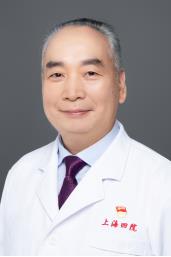 Anren Zhang (张安仁)合作论文数School of Medicine, Tongji University;Department of Rehabilitation, Shanghai Fourth People's Hospital Affiliated to Tongji University8
 崔艳如合作论文数江西中医药大学5CEN Qiuyu (岑秋宇)合作论文数5
 Rizhao Pang (庞日朝)合作论文数成都军区总医院3
 Wenchun Wang (王文春)合作论文数西南交通大学医学院2XING Jiajia (幸佳佳)合作论文数1LIU Jie (刘捷)合作论文数1YANG Ya (杨娅)合作论文数1Jing Feng (冯婧)合作论文数1
 Min Li (李敏)合作论文数Chengdu University of Traditional Chinese Medicine1




