BACKGROUND:Acute graft-versus-host disease (aGVHD) is a complication of allogeneic hematopoietic stem cell transplantation (allo-HSCT). The role of macrophages as proficient antigen-presenting cells in aGVHD is a prominent area of investigation in contemporary research. The association between long noncoding RNA nuclear enriched abundant transcript 1 (lncRNA NEAT1) and the macrophage function is of significant interest. However, the role of lncRNA NEAT1 in aGVHD needs to be further explored. METHODS:Peripheral blood mononuclear cells (PBMCs) were collected from patients with or without aGVHD (non-aGVHD) after allo-HSCT. RAW264.7 cells and bone marrow-derived macrophages (BMDMs) were transduced with NEAT1 lentiviral vector or transfected with NEAT1 small interfering RNA to change the expression level of lncRNA NEAT1. Finally, an aGVHD mouse model was established to evaluate the role of JNK inhibitor or NLRP3 inhibitor in aGVHD. RESULTS:Compared with non-aGVHD patients, lncRNA NEAT1 was significantly up-regulated in the PBMCs of aGVHD patients. ROC and AUC analysis confirmed that the expression of lncRNA NEAT1 was correlated with the occurrence of aGVHD. The overexpression of lncRNA NEAT1 in RAW264.7 could significantly promote the proliferation, migration, and differentiation into M1 macrophages. Knockdown of lncRNA NEAT1 could significantly decrease the proportion of M1 macrophages, regulate pro-inflammatory cytokines secretion, and affect the JNK/NLRP3 pathway in lipopolysaccharides (LPS)-induced BMDMs. Correspondingly, JNK and NLRP3 inhibitors reduced LPS-induced pro-inflammatory responses in macrophages. Furthermore, JNK and NLRP3 inhibitors regulated macrophage polarization and improved symptoms in aGVHD mice. CONCLUSIONS:The aforementioned data suggest that lncRNA NEAT1 potentially plays a significant role in macrophage polarization and the secretion of inflammatory cytokines through its modulation of the JNK/NLRP3 pathway. Consequently, this study establishes a foundation for the development of novel therapeutic approaches targeting aGVHD.
Lysosome-targeting chimaera (LYTAC) is emerging for targeted degradation of extracellular or membrane proteins. However, conventional LYTAC has some drawbacks such as complex synthesis, uncontrollable conjugation, and relying on carbohydrate ligands. Therefore, it is needed to develop novel LYTAC to overcome these limitations. In this manuscript, a multivalent DNA LYTAC was designed through amplified DNA self-assembly with aptamers as the target binders and PolyG sequences as new lysosomal guiders. By applying mesenchymalepithelial transition factor (c-Met) as the target, multivalent mSL1-LYTAC that can simultaneously bind to cMet and scavenger receptors A1 (SR-A1) was successfully constructed. Due to SR-A1 induced internalization of cMet/mSL1-LYTAC/SR-A1 complex through lysosomal pathways, c-Met could be translocated into lysosome and be subsequently degraded by proteases in lysosome. The results displayed that c-Met signaling pathways were dramatically blocked, and c-Met controlled cell behaviors were also suppressed by mSL1-LYTAC. The results of in vivo experiments showed that phosphorothioate (PS) modified mSL1-LYTAC-tPS could target to tumor sites in xenograft mouse model, and demonstrated inhibitory effects to some extent for cancer therapy. The proposed multivalent DNA LYTAC possesses great potential for developing c-Met targeting drugs, and provides a novel and general strategy for targeted protein degradation and expands the toolbox of LYTAC.
ObjectiveThis study aimed to investigate the clinical manifestations and prognosis of lung transplant (LTx) recipients infected with severe acute respiratory syndrome coronavirus 2 (SARS-CoV-2) during the coronavirus disease (COVID-19) pandemic.MethodsThe research participants were LTx recipients who underwent surgery and were regularly followed up at our center. From 1 December 2022 to 28 February 2023, during the COVID-19 pandemic in China, research participants were interviewed either online or in person. SARS-CoV-2 nucleic acid or self-tested antigens were detected according to accessibility. Diagnosis and treatment were performed according to the Diagnosis and Treatment Plan for COVID-19 (10th edition) issued by the National Health Commission of the People's Republic of China. Hospitalized patients underwent chest imaging examinations, routine blood tests, biomarkers for infection and inflammation, and biochemical tests, all of which were taken and recorded. Data were analyzed to describe the features of COVID-19 in LTx recipients.ResultsIn total, 52 patients were enrolled in this study, comprising 48 men and 4 women, with a mean age of 51.71 ± 11.67 years. By 1 December 2022, the mean survival period was 33.87 ± 25.97 months, of which 84.61% of the patients (44/52) had a survival period longer than 12 months. The SARS-CoV-2 infection rate in these LTx recipients was 82.69% (43/52), with 3.85% (2/52) of the infected recipients being asymptomatic, 50.00% (26/52) of the infected recipients experiencing mild COVID-19, 11.54% (6/52) having moderate COVID-19, and 17.31% (9/52) having severe or critical COVID-19. The mortality rate among severe and critical patients was 66.67% (6/9).ConclusionLTx recipients in this cohort exhibited a notable susceptibility to SARS-CoV-2, with 82.69% of individuals diagnosed with COVID-19. Moreover, the mortality rate among critically ill patients was high.
Background:Xijiao Dihuang decoction (XJDHT), a traditional Chinese medicine, is widely used to treat patients with sepsis. However, the mechanisms underlying the effects of XJDHT on cardiac dysfunction have yet to be fully elucidated. The present study evaluated the potential utility of XJDHT in protecting against sepsis-induced cardiac dysfunction and myocardial injury.Methods:The mice were randomly divided into 3 groups and administered Lipopolysaccharide (LPS,10 mg/kg) or equivalent saline solution (control) and treated with XJDHT (10 g/kg/day) or saline by gavage for 72 hours. XJDHT was dissolved in 0.9% sodium chloride and administered at 200 μL per mouse. Transthoracic echocardiography, RNA-seq, TUNEL assays and hematoxylin and eosin (H&E) staining of cardiac tissues were performed.Results:Treatment with XJDHT significantly enhanced myocardial function and attenuated pathological change, infiltration of inflammatory cells, levels of TNF-α, IL-1β and expression of TLR4 and NF-κB in mice with sepsis. RNA sequencing and Kyoto Encyclopedia of Genes and Genomes pathway analyses identified 531 differentially expressed genes and multiple enriched signaling pathways including the PI3K/AKT pathway. Further, XJDHT attenuated cardiac apoptosis and decreased Bax protein expression while increasing protein levels of Bcl-2, PI3K, and p-AKT in cardiac tissues of mice with sepsis.Conclusion:In summary, XJDHT improves cardiac function in a murine model of sepsis by attenuating cardiac inflammation and apoptosis via suppressing the TLR4/NF-κB pathway and activating the PI3K/AKT pathway.
Abstract Oxidative stress induced by ischemia-reperfusion is an important reason for the loss of neurons in the brain. In addition to direct oxidative toxicity that causes apoptosis of neurons and glial cells, oxidative stress can also cause complex physiological effects of related cells, such as activation of microglia to promote their repair effects on damaged areas. Here, we found that SPRED1, sprouty-related protein with an EVH1 domain 1, was significantly inhibited after ischemia-reperfusion by MCAO in rats, while the inhibition of SPRED1 responded to the up-expressed p65 proteins with the stimulation of H 2 O 2 . What’s more, we further revealed that SPRED1 tended to exert a unique role in maintaining intracellular homeostasis, which can re-activate the instinct of microglia upon the induction of H 2 O 2 to resist oxidative toxicity. However, SPRED1 did not show such ability when it is only over-expressed but without H 2 O 2 induction. In a word, these data revealed a potential role of SPRED1 in preventing cerebral ischemia-induced oxidative stress injury to nerve cells.
<p>Supplemental Figure S5. NAC reduced TIGAR knockdown-induced alterations in ROS levels, GSH/GSSH ratio, NADPH levels and cell survival after epirubicin treatment.</p>
Supplemental Figure S4. Knockdown of TIGAR enhanced epirubicin-induced activation of caspase 3 and apoptosis.
<p>Supplemental Figure S1. Epirubicin inhibited cell viability and induced TIGAR expression in A549 cells.</p>
<p>Supplemental Figure S1. Epirubicin inhibited cell viability and induced TIGAR expression in A549 cells.</p>
Buddhist culture places a high priority on the eyes. The restoration of light through the treatment of eye conditions represents the dispelling of the illusion of the transmigratory worlds and the attainment of enlightenment. The treatment of eye disorders was a difficult medical issue that involved numerous prescriptions, procedures, and mantras in the Tang Dynasty medicine. It was not simply a metaphor for wisdom. The narrative of Bai Juyi's (sic)(sic)(sic) (772-846) fighting against eye diseases highlights the value of the golden scalpel technique (jinbi shu (sic)g) and medical texts attributed to Ngarjuna Bodhisattva (Longshu ), which profoundly affected Chinese medicine on treating the eyes throughout the Tang Dynasty. Furthermore, the tale of Li Shangyin's (sic)[ (813-858) eyes being treated by Zhixuan (sic) can only be fully explored within the context of the Esoteric Buddhism, where mandalas, prescriptions, rituals, and dhara?is are frequently used in conjunction with eye care. The case of Qin Minghe QQ, however, suggests that ophthalmology practiced by Buddhists may become more popular as a result of religious competition.
Background: Psoriasis is an autoimmune disease mediated by T cells. However, treatment remains a clinical challenge because of its frequent recurrence. Celastml (Cel), the main active ingredient in Tripterygium wilfordii Hook F, is efficacious in treating autoimmune diseases such as psoriasis. Objective: To investigate the effect and mechanism of topical Cel in imiquimod (IMQ)-induced psoriasis-like inflammation in mice. Methods: Female C57BL/6 and Langerin-diphtheria toxin receptor (DTR) mice were divided into Vehicle group and Cel gel groups. IMQ was used induce psoriasis-like inflammation to establish the mouse model of psoriasis. Hematoxylin and eosin staining was used to observe changes in local inflammatory cells in the skin lesions. Enzyme-linked immunosorbent assay was used to detect protein expression levels. Flow cytometry was used to detect the cell number and cytokine expression. Polymerase chain reaction was used to detect cytokine gene expression. Results: Cel gel targeted the Langerhans cells. In IMQ-induced psoriatic dermatitis, Cel gel reduced the secretion of interleukin (IL)- 23 by Langerhans cells, suppressed the interaction between Langerhans cells and gamma delta T cells, and decreased the number of activated gamma delta T cells and related IL-17 secretion, alleviating psoriasis-like inflammation. Furthermore, Cel gel demonstrated a glucocorticoid-like effect that could impede the recurrence of psoriasis. Conclusion: Cel gel reduces the secretion of IL-23 from LCs and inhibits the interaction between LCs and gamma delta T cells to alleviate psoriasis. It also shows an effect similar to that of glucocorticoids, which can prevent psoriasis recurrence. These findings provide a new direction for the clinical treatment of psoriasis and contribute to the development of novel drugs.
The clinical experience of He's three-clear method by stages for herpes zoster on the head and face is summarized. The strong-clear method (blood-letting therapy) combined with mild-clear method (acupuncture with filiform needle) are applied for the acute pain period and subacute pain period of herpes zoster on the head and face. For acute pain period, the bleeding volume should be large (more than 10 mL), and treatment is given once every other day; for the subacute pain period, the bleeding volume should be 5-10 mL, and treatment is given 2-3 times a week. In the chronic pain period, the fire needle of the warm-clear method combined with mild-clear method (acupuncture with filiform needle) are applied for the syndrome of qi-stagnation and blood-stasis, while the warm acupuncture of the warm-clear method combined with mild-clear method (acupuncture with filiform needle) ware applied for the syndrome of qi-deficiency yin-injury blood-stasis.
肺移植是治疗特发性肺纤维化、特发性肺动脉高压、慢性阻塞性肺疾病及支气管扩张等终末期肺病的有效方法,但肺移植后易发生缺血再灌注损伤、原发性移植物功能障碍等并发症,严重影响患者预后.本文就肺移植术后缺血再灌注损伤发生的病理生理机制及治疗方法的研究进展作一综述.
Forsyqinlingines C (1) and D (2), two C9 -monoterpenoid alkaloids bearing a rare skeleton, were isolated from the ripe fruits of Forsythia suspensa. Their structures, including absolute configurations, were fully elucidated by extensive spectroscopic data and ECD experiments. The plausible biogenetic pathway for compounds 1 and 2 was also proposed. In vitro, two C9 -monoterpenoid alkaloids showed anti-inflammatory activity performed by the inhibitory effect on the release of β-glucuronidase in rat polymorphonuclear leukocytes (PMNs), as well as antiviral activity against influenza A (H1N1) virus and respiratory syncytial virus (RSV).
Ethnopharmacological relevance: Taodan granules (TDG) have been observed to decrease interleukins, or psoriasis area and severity index (PASI) score for psoriasis vulgaris, without significant adverse events. However, the regulatory network remains elucidated. Aim of the study: The objective is to identify critical genes and kernel pathways of TDG treated psoriasis. Materials and methods: Firstly, construct a network of components-targets of TDG using network pharmacology. Secondly, the ClusterONE algorithm was used to build a modular network and identify critical genes and corresponding pathways. Thirdly, the critical genes and kernel pathways were verified in imiquimod (IMQ) induced psoriasis-like mice model. Results: The results validated that TDG downregulated the mRNA expression of MMP2 (degree = 5, P < 0.05), IL6 (degree = 9, P < 0.05), TNF (degree = 14, P < 0.05), CCL2 (degree = 8, P < 0.05), CXCL2 (degree = 8, P < 0.05), IL1B (degree = 9, P < 0.05), and JUN (degree = 9, P < 0.05), while upregulated IL10 (degree = 8) expression. Besides, TDG were observed to regulate IL17 signaling pathway and TNF signaling pathway (size = 18), via the skin tissue homogenate of psoriasis-like mice. Conclusion: In summary, this study identified the potential targets and pathways, providing additional evidence for the clinical application of TDG treated psoriasis.
Two unique trinorlabdane diterpenoid alkaloids, forsyqinlingines A (1) and B (2), were isolated from the ripe fruits of Forsythia suspensa. Their structures, including absolute stereochemical configurations, were fully elucidated from extensive spectroscopy experiments, single-crystal X-ray diffraction, and electronic circular dichroism (ECD). In addition, a plausible biosynthetic pathway for the formation of compounds 1 and 2 in Forsythia suspensa was also proposed. In vitro, the two C17-labdane diterpenoid alkaloids exhibited anti-inflammatory activities by inhibiting the release of β-glucuronidase in rat polymorphonuclear leukocytes (PMNs), and antiviral activities against influenza A (H1N1) virus and respiratory syncytial virus (RSV).
 Quan-Geng Gao合作论文数6Hong-Pei Yu合作论文数6Jia-Ming Xie合作论文数6
 Zheng-Hong Qin (秦正红)合作论文数College of Pharmaceutical Sciences, Suzhou Medical College of Soochow University;Suzhou Global Institute6
 Haorong Wu (吴浩荣)合作论文数Department of General Surgery,2nd Affiliated Hospital of Soochow University,Suzhou,6Xidian Yue合作论文数4Shengjun Dai合作论文数4Li-Tong Sun合作论文数3Ze-Ping Xie合作论文数3Le Kuai合作论文数3Zhijun Han合作论文数3Shuangyi Yin合作论文数Yangzhou Univ, Key Lab Plant Funct Genom, Coinnovat Ctr Modern Prod Technol Grain Crops, Jiangsu Prov Key Lab Crop Genet & Physiol,Minist, Yangzhou, Jiangsu, Peoples R China3Ying Luo合作论文数3Lin Zhao合作论文数Yantai Univ, Sch Pharmaceut Sci, Yantai 264005, Peoples R China3
 Bin Li (李斌)合作论文数Shanghai Institute of Immunology, School of Medicine, Shanghai Jiao Tong University3X Xu合作论文数2MP Thomas合作论文数2Zibo Zhu合作论文数2Ying Zhang合作论文数2Jiankun Song合作论文数2Yue Luo合作论文数2Jiwei Li合作论文数2Shu-min ZHANG (张淑敏)合作论文数2Radice Glenn L合作论文数Ctr Translat Med, Thomas Jefferson Univ2
 Terrence Chen合作论文数United Imaging Intelligence America, Inc2
 Cecilia Lo合作论文数Department of Developmental Biology, School of Medicine, University of Pittsburgh2Wang Haichao合作论文数2
 Guoying Huang (黄国英)合作论文数Children's Hospital of Fudan University;Institutes of Biomedical Sciences, Fudan University2
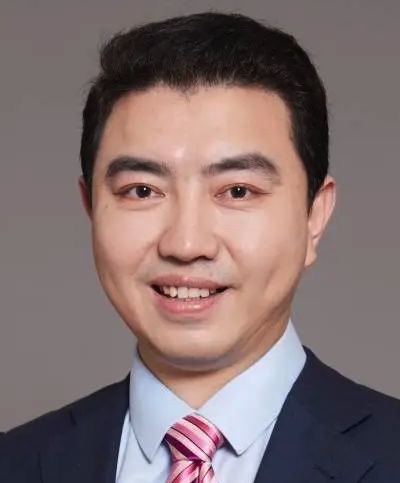 Xin Li (李欣)合作论文数Department of Dermatology, Yueyang Hospital of Integrated Traditional Chinese and Western Medicine, Shanghai University of Traditional Chinese Medicine2Qihang Ding合作论文数1Jianfeng Wang合作论文数1Yanping Liu合作论文数1Zeheng Ma合作论文数1Andrew Sama合作论文数1Qing-Feng Yin合作论文数1HuaiSheng Chen合作论文数1Yaqiong Zhou合作论文数1Qianfeng Wei合作论文数1Hong-Ya Zhang合作论文数1Xiaoying Sun合作论文数1Dan Ren合作论文数1Wen-Jun Chen合作论文数1Su Li合作论文数1
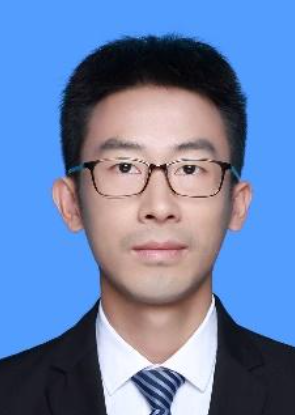 Baoyin Yuan (袁宝银)合作论文数1Xiaodong Li合作论文数1Nan Li合作论文数1Lin Jin合作论文数1




