Cellular senescence is associated with pleiotropic physiopathological processes, including aging and age-related diseases. The persistent DNA damage is a major stress leading to senescence, but the underlying molecular link remains elusive. Here, we identify La Ribonucleoprotein 7 (LARP7), a 7SK RNA binding protein, as an aging antagonist. DNA damage-mediated Ataxia Telangiectasia Mutated (ATM) activation triggers the extracellular shuttling and downregulation of LARP7, which dampens SIRT1 deacetylase activity, enhances p53 and NF-κB (p65) transcriptional activity by augmenting their acetylation, and thereby accelerates cellular senescence. Deletion of LARP7 leads to senescent cell accumulation and premature aging in rodent model. Furthermore, we show this ATM-LARP7-SIRT1-p53/p65 senescence axis is active in vascular senescence and atherogenesis, and preventing its activation substantially alleviates senescence and atherogenesis. Together, this study identifies LARP7 as a gatekeeper of senescence, and the altered ATM-LARP7-SIRT1-p53/p65 pathway plays an important role in DNA damage response (DDR)-mediated cellular senescence and atherosclerosis.
(Cell Reports 32, 107974-1–16.e1–e8; July 28, 2020) In the originally published version of this article, the author name Baoxue Ge was misspelled in the author list. The corrected author name now appears with the article online. The authors regret this error. L ARP7 Is a BRCA1 Ubiquitinase Substrate and Regulates Genome Stability and TumorigenesisZhang et al.Cell ReportsJuly 28, 2020In BriefHomology recombination (HR) repair preserves genomic stability and averts cancerization. Here, Zhang et al. uncover an HR pathway centered on LARP7. ATM activation triggers BRCA1/BARD1-mediated ubiquitination and degradation of LARP7 that further activates the G2/M checkpoint and enhances HR by suppressing the expression of the CDK1/CCNB1/CCNB2 complex. Full-Text PDF Open Access
Attenuated DNA repair leads to genomic instability and tumorigenesis. BRCA1/BARD1 are the best-known tumor suppressors that promote homology recombination (HR) and arrest cell cycle. However, it remains ambiguous whether and how their E3 ligase activity regulates HR. Here, we demonstrate that upon genotoxic stress, BRCA1 together with BARD1 catalyzes the K48 polyubiquitination on LARP7, a 7SK RNA binding protein known to control RNAPII pausing, and thereby degrades it through the 26S ubiquitin-proteasome pathway. Depleting LARP7 suppresses the expression of CDK1 complex, arrests the cell at the G2/M DNA damage checkpoint, and reduces BRCA2 phosphorylation, which thereby facilitates RAD51 recruitment to damaged DNA to enhance HR. Importantly, LARP7 depletion observed in breast cancer patients leads to chemoradiotherapy resistance both in vitro and in vivo. Altogether, this study unveils a mechanism by which BRCA1/BARD1 control HR and cell cycle, and highlights LARP7 as a potential target for cancer prevention and therapy.
The bivalent domain (BD) at promoter region is an unique epigenetic feature poised for activation or repression during cell differentiation in embryonic stem cell. However, the function of BDs in already differentiated cells remains exclusive. By profiling the epigenetic landscape of endothelial cells during VEGFA (vascular endothelial growth factor A) stimulation, we discovered that BDs are widespread in endothelial cells and preferentially marked genes responsive to VEGFA. The BDs responsive to VEGFA have more permissive chromatin environment comparing to other BDs. The initial activation of bivalent genes depends on RNAPII pausing release induced by EZH1 rather than removal of H3K27me3. The later suppression of bivalent gene expression depended on KDM5A recruitment by its interaction with PRC2. Importantly, EZH1 promoted both in vitro and in vivo angiogenesis by upregulating EGR3, whereas KDM5A dampened angiogenesis. Collectively, this study demonstrates a novel dual function of BDs in endothelial cells to control VEGF responsiveness and angiogenesis.
Cell behaviors are dictated by epigenetic and transcriptional programs. Little is known about how extracellular stimuli modulate these programs to reshape gene expression and control cell behavioral responses. Here, we interrogated the epigenetic and transcriptional response of endothelial cells to VEGFA treatment and found rapid chromatin changes that mediate broad transcriptomic alterations. VEGFA-responsive genes were associated with active promoters, but changes in promoter histone marks were not tightly linked to gene expression changes. VEGFA altered transcription factor occupancy and the distal epigenetic landscape, which profoundly contributed to VEGFA-dependent changes in gene expression. Integration of gene expression, dynamic enhancer, and transcription factor occupancy changes induced by VEGFA yielded a VEGFA-regulated transcriptional regulatory network, which revealed that the small MAF transcription factors are master regulators of the VEGFA transcriptional program and angiogenesis. Collectively these results revealed that extracellular stimuli rapidly reconfigure the chromatin landscape to coordinately regulate biological responses.
 Pengyi Yan合作论文数6Zixuan Li合作论文数6
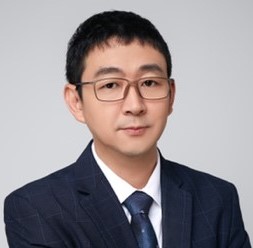 Bing Zhang (张冰)合作论文数Xinhua Hospital Affiliatod to Shanghai Jiao Tong University School of Medicine;Shanghai Center for Systems Biomedicine, Shanghai Jiao Tong University6
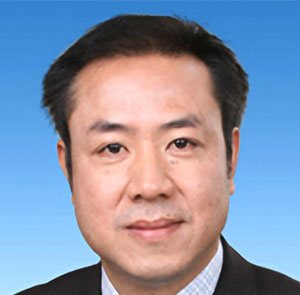 Kun Sun (孙锟)合作论文数Xinhua Hospital Affiliated to Shanghai Jiaotong University School of Medicine6Huijing Yu合作论文数5Jiahuan Chen合作论文数Huazhong Univ Sci & Technol, Key Lab Mol Biophys, Minist Educ,Coll Life Sci & Technol, Hubei Key Lab Bioinformat & Mol Imaging,Dept Bioi, Wuhan 430074, Hubei, Peoples R China5Xiaodong Liang合作论文数Shanghai Jiao Tong Univ, Shanghai Ctr Syst Biomed, Key Lab Syst Biomed, Shanghai 200240, Peoples R China5
 Shiyan Wang合作论文数Key Laboratory of Systems Biomedicine, Shanghai Center for Systems Biomedicine, Shanghai Jiao Tong University, Shanghai , China5
 William T. Pu合作论文数Boston Children's Hospital,Harvard Medical School4
 Yingwei Chen (陈颖伟)合作论文数Xinhua Hospital Affiliated to Shanghai Jiao Tong University School of Medicine4
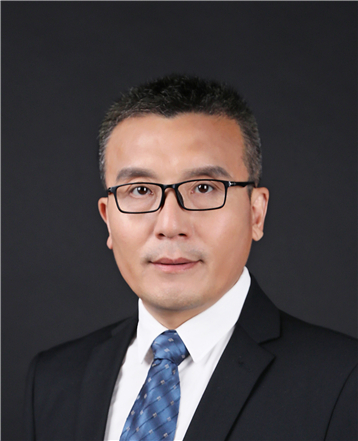 Zeguang Han (韩泽广)合作论文数Shanghai Center for Systems Biomedicine, Shanghai Jiao Tong University;Institute of Translational Medicine, Shanghai Jiao Tong University4Fang Zhang (张芳)合作论文数国家眼部疾病临床医学研究中心;上海交通大学眼科研究所;上海交通大学附属第一人民医院4
 Huangying Le (乐黄莺)合作论文数Shanghai Center for Systems Biomedicine, Shanghai Jiao Tong University4Xing Ji合作论文数3
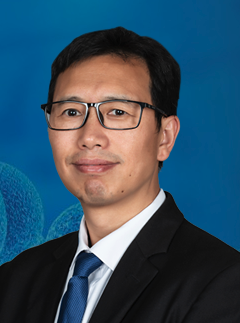 Anyong Xie (谢安勇)合作论文数Institute of Translational Medicine, Zhejiang University3
 Sun Chen (陈笋)合作论文数Xinhua Hospital Affiliated to Shanghai Jiao Tong University School of Medicine3
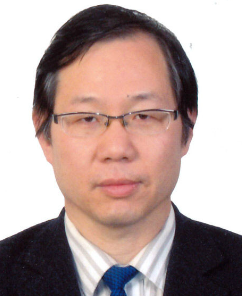 Wantao Chen (陈万涛)合作论文数Shanghai Ninth People's Hospital, Shanghai Jiao Tong University School of Medicine3Sara P. Garcia合作论文数2
 Zhijie Liu (刘志杰)合作论文数School of Life Science and Technology, ShanghaiTech University;IHuman Institute, ShanghaiTech University2
 Guo-Cheng Yuan合作论文数Department of Genetics and Genomics, Charles Bronfman Institute for Personalized Medicine, Icahn School of Medicine at Mount Sinai2
 Baoxue Ge (戈宝学)合作论文数Laboratory of Immue Signal Transduction, School of Medicine, Tongji University2Junhao Xiong合作论文数1Zilong Geng合作论文数1
 Tao Zhuang (庄涛)合作论文数School of Basic Medical Sciences, Fudan University1Fengyuan Chen合作论文数Department of Chemical Pathology, Li Ka Shing Institute of Health Sciences, Chinese University of Hong Kong, Hong Kong, China1Sean M Stevens合作论文数1Daniel S. Day合作论文数Center for Biomedical Informatics, Harvard Medical School;Division of Health Sciences and Technology, Massachusetts Institute of Technology;Harvard Medical School, Harvard/Massachusetts Institute of Technology1
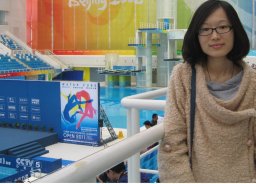 Tian Xiao Yu合作论文数1Zhang Yuzhen合作论文数1
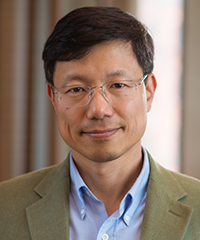 Peter J Park合作论文数Department of Biomedical Informatics, Harvard Medical School;Division of Genetics, Brigham and Women’s Hospital1
 Gengze Wu合作论文数1
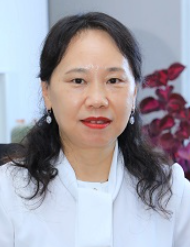 Yan Zhang (张岩)合作论文数School of Life Sciences and Technology, Faculty of Life Sciences and Medicine, Harbin Institute of Technology1
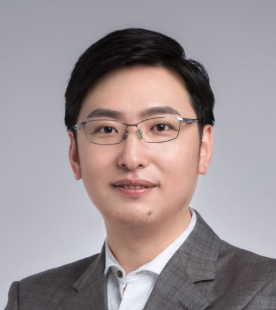 Jingfang Wang (王靖方)合作论文数School of Life Sciences and Biotechnology, Shanghai Jiao Tong University;Shanghai Center for Systems Biomedicine, Shanghai Jiao Tong University1
 Chunyu Zeng (曾春雨)合作论文数Department of Cardiology, Daping Hospital, Army Medical Center, Army Medical University;Daping Hospital, Third Military Medical University1
 Shasha Zhang (张沙沙)合作论文数Shanghai Center for Systems Biomedicine, Shanghai Jiao Tong University1
 Li Liu (刘莉)合作论文数Union Hospital, Tongji Medical College, Huazhong University of Science and Technology1
 Yu Huang (黃聿)合作论文数Department of Biomedical Sciences, Jockey Club College of Veterinary Medicine and Life Sciences, City University of Hong Kong1
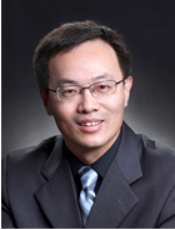 Junling Liu (刘俊岭)合作论文数College of Basic Medical Sciences, Shanghai Jiao Tong University1




