Background To assess the resolution of clinical symptoms and radiographic changes in root length and apical diameter in immature permanent teeth with irreversible pulpitis or apical periodontitis with vital inflamed pulp therapy (VIPT). Methods The faculty members at the Ninth People’s Hospital pediatric dentistry department were invited to submit consecutive VIPT cases treated by them, irrespective of outcome, between 2014 and 2016. Clinical success rate, radiographic changes in periapical radiolucency, and apical closure were analyzed, and radiographic changes in the apical diameter and root length were quantified. Results Thirteen of 14 submitted cases of irreversible pulpitis in immature teeth met the inclusion criteria. The follow-up period ranged from 17 to 37 (average, 26.5 ± 7) months. All 13 treated teeth (100%) survived and 12 (92.3%) met the clinical criteria for success throughout the follow-up period, with 92.3% of cases (12 of 13) showing a significant periapical radiolucency decrease and 84.6% (11 of 13) showing complete apical closure at the last visit. The change in apical diameter and root length were obvious. Conclusions Vital inflamed pulp therapy approaches might be of particular value in restoring root development and apical closure and can be an option in treating immature teeth with irreversible pulpitis, even apical periodontitis.
PURPOSE:To evaluate dentists' knowledge and practice of revascularization in Shanghai.METHODS:Using multistage, cluster and random sampling method, 5 districts from Shanghai urban and suburban areas were randomly selected, covering class-three and class-two hospitals, dental center, private hospitals and clinics, and 3 class-three authoritative dental special hospitals (nonrandom). A questionnaire survey was conducted among the endodontists, pedodontists and general dentists. SAS 9.13 software package was used for data analysis.RESULTS:A total of 834 dentists were investigated, and 588 valid questionnaires (75.3%) were collected. 401 (68.2%) dentists were familiar with revascularization, 20% of them treated patients with revascularization. The most common source of learning revascularization was continuing dental education (33.3%) and 85.8% dentists showed interest in revascularization. The most important reason for not using revascularization was unfamiliar with the operational procedure (41.5%).CONCLUSIONS:The middle-aged endodontic and pediatric specialists with higher education have better understanding and motion to apply revascularization, and are more interested in continuing dental education. In continuing education courses, lectures of revascularization with practical training should be increased, in order to promote revascularization application in dental practice.
Background The generic and oral health-related quality of life (QoL) has provided opportunity for investigation of the interrelations among generic health, oral health, and related outcomes. The purpose of this study was to identify the generic and oral QoL in the patients with oral mucosal disease (OMD). Methods Five hundred and thirty-eight OMDs were recruited in this study. The instruments applied were Chinese version of the 36-item short form health survey (SF-36) and the short-form of Oral Health Impact Profile (OHIP-14). Results The mean score of sum OHIP-14 was significantly higher in the patients with OMD (10.81 ± 9.01) compared with those in the healthy subjects (HS) (6.55 ± 6.73) (p < 0.001, Mann-Whitney U test). 56.51% of the OMD patients and 12.94% of the HS reported at least one oral negative impact (p < 0.001, Chi-square test). The overall mean score of SF-36 was significantly lower in the patients with OMD (74.54 ± 12.77) compared with those in the HS (77.97 ± 12.39) (p = 0.021, t-test). Conclusions Administration of specific and generic questionnaires of QoL can provide us a detailed picture of the impact of OMDs on patients, and both generic and oral QoL were impaired in the patients with OMD.
BACKGROUND:Oral leukoplakia (OLK) is a potentially malignant disorder of the oral cavity. However, the underlying mechanism of OLK is still unclear. In this study, we explore possible miRNAs involved in OLK.METHODOLOGY/PRINCIPAL FINDINGS:Using miRNA microarrays, we profiled miRNA expression in OLK and malignantly transformed OLK (mtOLK) tissue samples. The upregulation of miR-31*, miR-142-5p, miR-33a, miR-1259, miR-146b-5p, miR-886-3p, miR-886-5p, miR-519d, and miR-301a along with the downregulation of miR-572, miR-611, miR-602, miR-675, miR-585, miR-623, miR-637, and miR-1184 in mtOLK were new observations. Fluorescence in situ hybridization (FISH) analyses confirmed that miR-31* is highly expressed in mtOLK. There was a significant difference between the FISH score (p<0.05) in patients with or without recurrent/newly formed OLK. Functional analyses demonstrated that a miR-31* inhibitor decreased apoptosis in the Leuk-1, which is an immortalized oral epithelial cell line spontaneously derived from an oral leukoplakia lesion. miR-31* regulated apoptosis, cell proliferation, migration, and invasion in the HOIEC, which is a HPV E6/E7-immortalized oral epithelial cell line. Furthermore, miR-31* modulated the biological functions of apoptosis, cell proliferation, cell cycle, migration, and invasion in the oral squamous cell carcinoma cell line, Cal-27. Using bioinformatic analyses and dual luciferase reporter assays, we determined that the 3' untranslated region of fibroblast growth factor 3 (FGF3) is the target of miR-31*. Expression of FGF3 was downregulated or upregulated in the presence of a miR-31* mimic or inhibitor, respectively.CONCLUSIONS/SIGNIFICANCE:Upregulation of miR-31* is negatively associated with recurrent/newly formed OLK. MiR-31* may exert similar but distinguishable effects on biological function in oral cells with different malignant potential. FGF3 is the target of miR-31*. miR-31* may play an important role during OLK progression through regulating FGF3. MiRNA* strands may also have prominent roles in oral carcinogenesis.
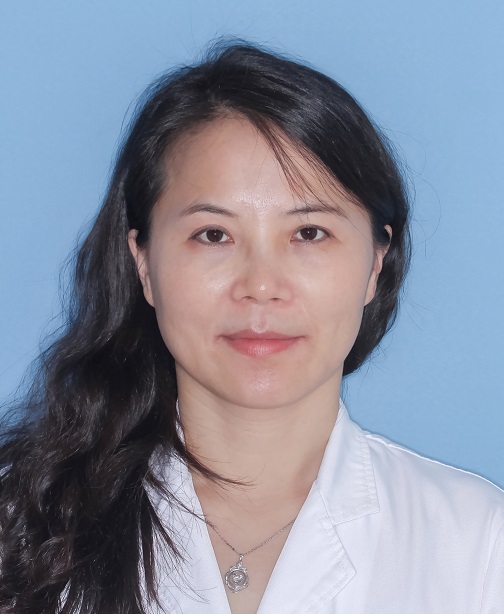 Jun Wang (汪俊)合作论文数Shanghai Ninth People's Hospital, Shanghai Jiao Tong University School of Medicine2
 Weiwen Jiang (蒋伟文)合作论文数Shanghai Ninth People's Hospital, School of Medicine, Shanghai Jiao Tong University2
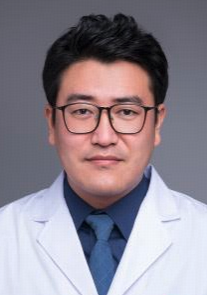 Zhexuan Bao (鲍喆煊)合作论文数School & Hospital of Stomatology, Guangzhou Medical University1
 Chen-Yang Zhang合作论文数1Xi Chen (陈玺)合作论文数1Wentao Shi合作论文数1
 Linjun Shi (施琳俊)合作论文数Shanghai Ninth People's Hospital, Shanghai Jiao Tong University School of Medicine1
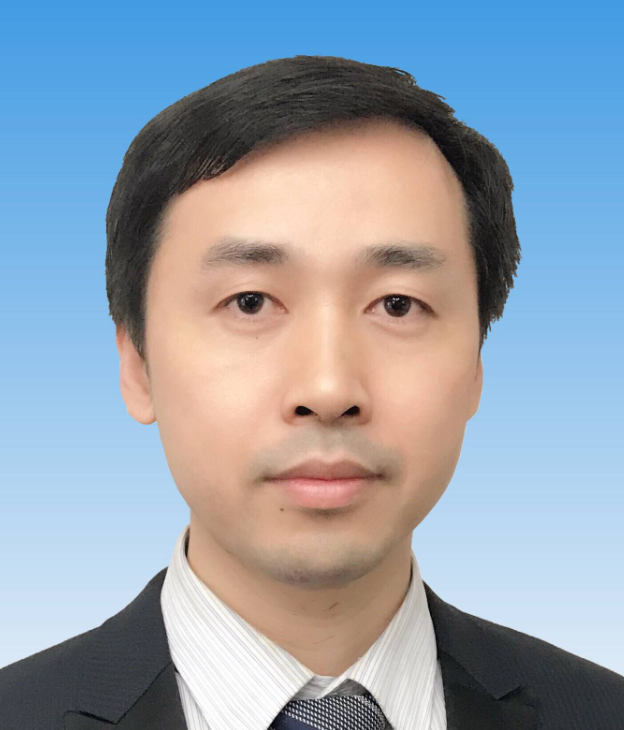 Qingbo He (何清波)合作论文数School of Mechanical Engineering, Shanghai Jiao Tong University1XiaoYun Zhang合作论文数1LiJun Liu合作论文数1
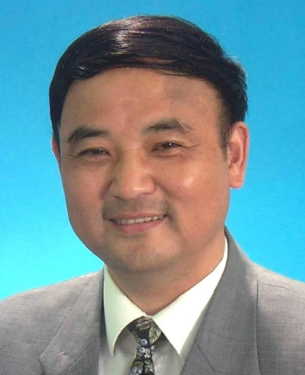 Zengtong Zhou (周曾同)合作论文数Shanghai Ninth People's Hospital, School of Medicine, Shanghai Jiao Tong University1




