Graph self-supervised learning typically relies on large-scale unlabeled datasets, heavily inflating computational costs. However, empirical evidence suggests that these datasets contain substantial redundancy-our analysis reveals that uniformly subsampling 50
Conditional molecular optimization aims to edit a molecule to realize a specified property shift. In practice, structurally similar molecule data is scarce, while decisions are inherently action-level: at each step, the system must select one local structural edit from a candidate set that is strictly filtered by chemical feasibility rules. This level mismatch between supervision and decision makes oracle-in-the-loop search unstable in molecular optimization. Regressing on property differences between molecule pairs improves data efficiency but relies on oracle-in-the-loop search, entangling transformation effects with global context and providing limited guidance for selecting the next feasible edit, often resorting to oracle-in-the-loop search. For this reason, we propose a response-oriented discrete edit optimization approach comprising two tightly coupled components: a single-step molecular edit response predictor (SMER) and a multi-step planner that composes local predictions into optimization trajectories via guided tree search (SMER-Opt). The approach learns a directional evaluation model over edit actions to support constraint-aware planning. It mines weakly related molecule pairs and decomposes their structural differences into minimal edit units, turning endpoint property annotations into process-level supervision and yielding reusable, transferable action primitives. A directional edit evaluator then scores feasible candidate edits by their likelihood of moving the molecule toward the desired property change, substantially reducing dependence on external evaluator queries at decision time. Code is available at https://anonymous.4open.science/r/SMER.
Given the vastness of chemical space and the ongoing emergence of previously uncharacterized proteins, zero-shot compound-protein interaction (CPI) prediction better reflects the practical challenges and requirements of real-world drug development. Although existing methods perform adequately during certain CPI tasks, they still face the following challenges: (1) Representation learning from local or complete protein sequences often overlooks the complex interdependencies between subsequences, which are essential for predicting spatial structures and binding properties. (2) Dependence on large-scale or scarce multimodal protein datasets demands significant training data and computational resources, limiting scalability and efficiency. To address these challenges, we propose a novel approach that pretrains protein representations for CPI prediction tasks using subsequence reordering, explicitly capturing the dependencies between protein subsequences. Furthermore, we apply length-variable protein augmentation to ensure excellent pretraining performance on small training datasets. To evaluate the model’s effectiveness and zero-shot learning ability, we combine it with various baseline methods. The results demonstrate that our approach can improve the baseline model’s performance on the CPI task, especially in the challenging zero-shot scenario. Compared to existing pre-training models, our model demonstrates superior performance, particularly in data-scarce scenarios where training samples are limited. Our implementation is available at https://github.com/Hoch-Zhang/DrugDiscovery-DTI/.
Code models are increasingly trained with execution feedback, but most training signals still stop at correctness. This leaves an important gap for systems code: two programs can pass the same tests while differing greatly in runtime. We study how to train code agents to prefer faster correct implementations, rather than treating efficiency only as an evaluation metric. The key difficulty is that runtime is a fragile reward. It is meaningful only after a program is correct, varies across tasks, and gives little guidance when most sampled programs fail to compile or run. We propose RLPF, reinforcement learning from performance feedback, which turns execution outcomes into a staged reward. Failed programs are ordered by execution progress, while correct programs are ranked by their relative improvement from the baseline toward the expert reference. This gives useful feedback before correctness and performance-sensitive feedback after correctness. Fine-tuning Qwen3-32B with RLPF on PerfCodeBench raises correct-and-runnable solutions from 11.1% to 54.6% and improves relative efficiency from 8.1% to 38.6%. The trained model becomes competitive with stronger open-weight systems, and its optimization behavior transfers modestly to EffiBench-X. Additional studies show that model-generated references provide useful but weaker supervision, and that the full composite reward is more reliable than correctness-only or runtime-only baselines. These results suggest that code agents can be trained not only to pass tests, but also to optimize the programs they write.
Robust prediction of molecular properties under extreme out-of-distribution (OOD) scenarios is a pivotal bottleneck in AI-driven drug discovery. Current scaffold-splitting protocols fail to obstruct microscopic semantic overlap, predisposing models to shortcut learning and overestimating their true extrapolation capability; meanwhile, conventional domain adaptation paradigms suffer under extreme structural shifts, as blindly aligning heterogeneous source libraries injects topological noise and triggers negative transfer. To address these two challenges, scaffold-cluster out-of-distribution performance evaluation benchmark (SCOPE-BENCH), a benchmark built on cluster-level partitioning in an explicit physicochemical descriptor space, is proposed alongside policy optimization for multi-source adaptation (POMA), a framework that formulates knowledge transfer as a retrieve-compose-adapt pipeline: labeled source scaffolds structurally close to the unlabeled target are first identified as proxy targets; a reinforcement learning policy then adaptively selects the optimal source subset from an exponentially large candidate pool; and dual-scale domain adaptation is finally performed at macroscopic topological and microscopic pharmacophore scales. Evaluations show that prediction errors of state-of-the-art 3D molecular models surge by up to 8.0x on SCOPE-BENCH with a mean of 5.9x, while POMA achieves up to an 11.2
Molecular optimization (MO) is a crucial stage in drug discovery in which task-oriented generated molecules are optimized to meet practical industrial requirements. Existing mainstream MO approaches primarily utilize external property predictors to guide iterative property optimization. However, learning all molecular samples in the vast chemical space is unrealistic for predictors. As a result, errors and noise are inevitably introduced during property prediction due to the nature of approximation. This leads to discrepancy accumulation, generalization reduction and suboptimal molecular candidates. In this paper, we propose a text-guided multi-property molecular optimization method utilizing transformer-based diffusion language model (TransDLM). TransDLM leverages standardized chemical nomenclature as semantic representations of molecules and implicitly embeds property requirements into textual descriptions, thereby mitigating error propagation during diffusion process. By fusing physically and chemically detailed textual semantics with specialized molecular representations, TransDLM effectively integrates diverse information sources to guide precise optimization, which enhances the model's ability to balance structural retention and property enhancement. Additionally, the success of a case study further demonstrates TransDLM's ability to solve practical problems. Experimentally, our approach surpasses state-of-the-art methods in maintaining molecular structural similarity and enhancing chemical properties on the benchmark dataset.
Molecular evolution is the process of simulating the natural evolution of molecules in chemical space to explore potential molecular structures and properties. The relationships between similar molecules are often described through transformations such as adding, deleting, and modifying atoms and chemical bonds, reflecting specific evolutionary paths. Existing molecular representation methods mainly focus on mining data, such as atomic-level structures and chemical bonds directly from the molecules, often overlooking their evolutionary history. Consequently, we aim to explore the possibility of enhancing molecular representations by simulating the evolutionary process. We extract and analyze the changes in the evolutionary pathway and explore combining it with existing molecular representations. Therefore, this paper proposes the molecular evolutionary network (MEvoN) for molecular representations. First, we construct the MEvoN using molecules with a small number of atoms and generate evolutionary paths utilizing similarity calculations. Then, by modeling the atomic-level changes, MEvoN reveals their impact on molecular properties. Experimental results show that the MEvoN-based molecular property prediction method significantly improves the performance of traditional end-to-end algorithms by approximately 33% on both the QM7 and QM9 datasets.
Antibody CDR co-design requires the joint generation of discrete residue identities and continuous three-dimensional geometries. Although recent diffusion and flow-based models have improved structure-conditioned antibody generation, high-fidelity CDR design remains challenging because sequence and structure predictions can be locally inconsistent, and flexible CDR loops must satisfy rigid boundary constraints imposed by the surrounding framework. We propose CCFlow, an SE(3)-equivariant flow matching framework for antibody CDR co-design. CCFlow models antibody generation as a deterministic probability-flow trajectory over residue positions, orientations, and sequence logits. To improve sequence-structure compatibility, we introduce a cross-modal consistency objective that aligns sequence and structural representations and regularizes sequence logits with local geometric descriptors. To stabilize loop formation, we further design an anchor-aware curriculum that emphasizes global topology and stem anchoring in early training stages and gradually increases local geometric and cross-modal constraints near the data manifold. On the RAbD benchmark, CCFlow improves all-CDR co-design performance across most CDR regions and achieves strong local structural fidelity on CDR-H3. Case studies on Pembrolizumab and Adalimumab further show that CCFlow can reconstruct antigen-binding loop conformations in sterically constrained therapeutic antibody complexes. The code is available at https://github.com/WuhanUniversity-computer/CCFlow.
Individuals' concerns about data privacy and AI safety are highly contextualized and extend beyond sensitive patterns. Addressing these issues requires reasoning about the context to identify and mitigate potential risks. Though researchers have widely explored using large language models (LLMs) as evaluators for contextualized safety and privacy assessments, these efforts typically assume the availability of complete and clear context, whereas real-world contexts tend to be ambiguous and incomplete. In this paper, we propose ContextLens, a semi-rule-based framework that leverages LLMs to ground the input context in the legal domain and explicitly identify both known and unknown factors for legal compliance. Instead of directly assessing safety outcomes, our ContextLens instructs LLMs to answer a set of crafted questions that span over applicability, general principles and detailed provisions to assess compliance with pre-defined priorities and rules. We conduct extensive experiments on existing compliance benchmarks that cover the General Data Protection Regulation (GDPR) and the EU AI Act. The results suggest that our ContextLens can significantly improve LLMs' compliance assessment and surpass existing baselines without any training. Additionally, our ContextLens can further identify the ambiguous and missing factors.
Graph Masked Autoencoders (GMAEs) have emerged as a notable self-supervised learning approach for graph-structured data. Existing GMAE models primarily focus on reconstructing node-level information, categorizing them as single-scale GMAEs. This methodology, while effective in certain contexts, tends to overlook the complex hierarchical structures inherent in many real-world graphs. For instance, molecular graphs exhibit a clear hierarchical organization in the form of the atoms-functional groups-molecules structure. Therefore, the inability of single-scale GMAE models to incorporate these hierarchical relationships often results in an inadequate capture of crucial high-level graph information, leading to a noticeable decline in performance. To address this limitation, we propose Hierarchical Graph Masked AutoEncoders (Hi-GMAE), a novel multi-scale GMAE framework designed to handle the hierarchical structures within graphs. First, Hi-GMAE constructs a multi-scale graph hierarchy through graph pooling, enabling the exploration of graph structures across different granularity levels. To ensure masking uniformity of subgraphs across these scales, we propose a novel coarse-to-fine strategy that initiates masking at the coarsest scale and progressively back-projects the mask to finer scales. Furthermore, we integrate a gradual recovery strategy with the masking process to mitigate the learning challenges posed by completely masked subgraphs. Our experiments on 17 graph datasets, covering two graph learning tasks, consistently demonstrate that Hi-GMAE outperforms 29 state-of-the-art self-supervised competitors in capturing comprehensive graph information.
Graph contrastive learning is a popular method for leaning graph representations by maximizing the consistency of features across augmented views. Traditional GCL methods utilize single-perspective augmentation to generate positive samples, restraining the diversity of positive samples. In addition, these positive samples may be unreliable due to uncontrollable augmentation strategies that potentially alter the semantic information. To address these challenges, this paper proposed a innovative framework termed dual-perspective cross graph contrastive learning, which incorporates three modifications designed to enhance positive sample diversity and reliability: \textbf{1)} We propose dual-perspective augmentation strategy that provide the model with more diverse training data, enabling the model effective learning of feature consistency across different views. \textbf{2)} From the data perspective, we slightly perturb the original graphs using controllable data augmentation, effectively preserving their semantic information. \textbf{3)} From the model perspective, we enhance the encoder by utilizing more powerful graph transformers instead of graph neural networks. Based on the model's architecture, we propose three pruning-based strategies to perturb the encoder, providing more reliable positive samples. Extensive experiments on various benchmarks demonstrate that DC-GCL consistently outperforms different baselines on various datasets and tasks.
Graph generation aims to sample discrete node and edge attributes while satisfying coupled structural constraints. Diffusion models for graphs often adopt largely factorized forward-noising, and many flow-matching methods start from factorized reference noise and coordinate-wise interpolation, so node–edge coupling is not encoded by the generative geometry and must be recovered implicitly by the core network, which can be brittle after discrete decoding. Bayesian Flow Networks (BFNs) evolve distribution parameters and naturally support discrete generation. But classical BFNs typically rely on factorized beliefs and independent channels, which limit geometric evidence fusion. We propose Variational Bayesian Flow Network (VBFN), which performs a variational lifting to a tractable joint Gaussian variational belief family governed by structured precisions. Each Bayesian update reduces to solving a symmetric positive definite linear system, enabling coupled node and edge updates within a single fusion step. We construct sample-agnostic sparse precisions from a representation-induced dependency graph, thereby avoiding label leakage while enforcing node–edge consistency. On synthetic and molecular graph datasets, VBFN improves fidelity and diversity, and surpasses baseline methods. The reproducible code is available at https://anonymous.4open.science/r/VBFN-D6B0/.
Social recommendation improves personalization by modeling user preferences through social graphs. However, redundant and noisy connections in these graphs often impair recommendation performance. Existing denoising methods primarily rely on diffusion models (with predefined noise processes) or heuristic rules (e.g., threshold-based edge pruning), which risk introducing artificial biases or removing valuable social relations, leading to suboptimal feature learning. To address these limitations, we propose an adaptive denoising module that leverages a generator-discriminator architecture, where the generator simulates diverse noise patterns (e.g., spurious or redundant social links) and the discriminator learns to distinguish genuine social relations from noise. This adversarial process enables the model to preserve authentic signals without relying on heuristic rules. Furthermore, we formulate a behavioral contrastive enhancement module that incorporates graph contrastive learning to construct positive and negative pairs based on user-item interaction consistency. By aligning embeddings with behavioral preferences, this module encourages more discriminative representations and further strengthens the recommendation process. Thus, we develop DSR-GAN, a Denoising framework for Social Recommendation using Generative Adversarial Networks, which integrates two complementary modules to jointly suppress noisy relations and enhance user preference modeling. Extensive experiments on three benchmark datasets (Ciao, Epinions, and Yelp) demonstrate that DSR-GAN consistently outperforms stateof-the-art baselines, achieving $\mathbf{6. 3 \% - 1 0. 9 \%}$ improvements in Recall@20 and 3.3%-13.3% in NDCG@20. Our implementation is publicly available at https://github.com/HJW577X/DSR-GAN.
Accurate prediction of molecular properties underpins drug discovery and material design, yet even state-of-the-art models remain vulnerable to localized failure modes that aggregate metrics cannot detect. The places where molecular similarity should be most helpful are also places where standard evaluation can be most misleading. Property cliffs expose this gap: structurally similar molecules can still differ sharply in target property, so models with competitive overall performance may fail in high-risk local neighborhoods. To expose and mitigate this failure mode, CliffSplit, a cliff-aware evaluation protocol that constructs locally supported, cliff-exposed test cases, and CliffLoss, a model-agnostic train-only mitigation mechanism for cliff-sensitive errors, are introduced. Experiments on three QM9 targets and three MoleculeNet tasks across five backbones show that CliffSplit reveals at least 15
Graph self-supervised learning (SSL) typically relies on large-scale unlabeled datasets, heavily inflating computational costs. However, empirical evidence suggests that these datasets contain substantial redundancy—our analysis reveals that uniformly subsampling 50% of graphs retains over 96% of downstream performance. To exploit this redundancy, we introduce GraphSculptor for pre-training coreset construction. Unlike methods dependent on additional training-time signals or limited solely to topological statistics, GraphSculptor provides a label-free solution that constructs coresets via two complementary perspectives: intrinsic structure and contextual semantics. Concretely, structural diversity is quantified using intrinsic graph statistics, yielding a structural feature vector for each graph, while semantic diversity is captured by utilizing a pre-trained language model to encode descriptions generated via graph-to-text. GraphSculptor integrates these signals into a unified metric space and performs cluster-aware selection to preserve joint structural--semantic diversity. We further derive a theoretical bound on the loss gap between coreset and full-data pre-training, offering theoretical motivation for our selection formulation. Extensive experiments demonstrate that GraphSculptor effectively "sculpts" the dataset: a 10% coreset achieves 99.6% of full-data performance while reducing pre-training time by nearly 90%, offering a scalable solution for data-efficient graph pre-training.
Molecular representation learning aims to learn vector embeddings that capture molecular structure and geometry, thereby enabling property prediction and downstream scientific applications. In many AI for science tasks, labeled data are expensive to obtain and therefore limited in availability. Under the few-shot setting, models trained with scarce supervision often learn brittle structure–property relationships, resulting in substantially higher prediction errors and reduced generalization to unseen molecules. To address this limitation, we propose PCEvo, a path-consistent representation method that learns from virtual paths through dynamic structural evolution. PCEvo enumerates multiple chemically feasible edit paths between retrieved similar molecular pairs under topological dependency constraints. It transforms the labels of the two molecules into stepwise supervision along each virtual evolutionary path. It introduces a path-consistency objective that enforces prediction invariance across alternative paths connecting the same two molecules. Comprehensive experiments on the QM9 and MoleculeNet datasets demonstrate that PCEvo substantially improves the few-shot generalization performance of baseline methods. The code is available at https://github.com/DrugD/PCEvo.
Reinforcement learning with verifiable rewards (RLVR) improves the reasoning capabilities of large language models using automatically verifiable outcome signals, but these signals are typically sparse and at the sequence-level. On-policy self-distillation (OPSD) mitigates this sparsity by querying a privileged teacher at student-visited prefixes and providing dense token-level distributional supervision. Although this dense supervision alleviates signal sparsity, we find that standard OPSD still underexploits the temporal structure of the rollout. It assigns every local divergence the same coefficient, regardless of its position or the divergence sequence in which it occurs. In on-policy autoregressive generation, the same divergence magnitude can follow different discrepancy histories, reflecting different evolutions of the mismatch between the teacher and student. Since the local scalar alone cannot distinguish these temporal contexts, standard OPSD cannot adapt its token-level weights to the realized discrepancy sequence. To address this limitation, we propose Divergence-Adaptive Supervision Horizons (DASH). DASH maps the gap between each local distillation signal and the sequence-level mean to an adaptive propagation gate and then uses these gates to control backward multi-step aggregation. By doing so, DASH adjusts token-level supervision weights according to how local divergences evolve during generation. Experiments on three mathematical reasoning benchmarks across three model scales show that DASH improves over our matched vanilla OPSD reruns on every benchmark at all three scales. DASH reuses the teacher and student distributions that OPSD already computes, so the gains require no additional teacher or student forward pass. Code: https://github.com/DBtxy/DASH-OPSD
The capability of LLM agents to function as the “brain” of a system fundamentally expands the scope of analysis beyond a standalone model. Consequently, safety is no longer only about input–output content alignment. It also concerns system behavior and real-world execution outcomes. However, the current literature is fragmented across attack types, applications, and benchmarks. This makes it hard to explain why failures such as prompt injection, tool misuse, and memory poisoning often share the same structural cause, and how they spread through an agent workflow. In this survey, we treat isolation as a first-class principle for LLM-agent system safety. By isolation, we refer to the separation of user inputs, tool access, execution channels, inter-agent communication, and environment-originated context. We organize the literature with a boundary-centric taxonomy of five boundaries: user-agent, agent-tool, agent-execution, agent-agent, and system-environment. This view helps identify where the loss of isolation first occurs, how compromise propagates across boundaries, and which defenses are most relevant at each interface. We also summarize cross-boundary failure paths, discuss open challenges, and outline a research agenda for isolation-by-construction in future agent systems.
Ensuring the safety and compliance of large language models (LLMs) is of paramount importance. However, existing LLM safety datasets often rely on ad-hoc taxonomies for data generation and suffer from a significant shortage of rule-grounded, real-world cases that are essential for robustly protecting LLMs. In this work, we address this critical gap by constructing a comprehensive safety dataset from a compliance perspective. Using a powerful web-searching agent, we collect a rule-grounded, real-world case dataset OmniCompliance-100K, sourced from multi-domain authoritative references. The dataset spans 74 regulations and policies across a wide range of domains, including security and privacy regulations, content safety and user data privacy policies from leading AI companies and social media platforms, financial security requirements, medical device risk management standards, educational integrity guidelines, and protections of fundamental human rights. In total, our dataset contains 12,985 distinct rules and 106,009 associated real-world compliance cases. Our analysis confirms a strong alignment between the rules and their corresponding cases. We further conduct extensive benchmarking experiments to evaluate the safety and compliance capabilities of advanced LLMs across different model scales. Our experiments reveal several interesting findings that have great potential to offer valuable insights for future LLM safety research.
The prediction of compound–protein interactions (CPIs) is crucial for drug discovery. Most existing CPI prediction models rely on protein sequence information as input. However, in early-stage drug development, particularly in phenotype-driven studies or compound-response analyses, proteins are often annotated only with functional labels, and their sequences remain undetermined. Consequently, current methods are inapplicable in such scenarios. Furthermore, our experiments find that even when large-scale perturbations were applied to protein sequences, the predictive performance of the existing models did not show a significant decline. It indicates that the high investment in sequencing may not bring corresponding returns. To address the above issues, we propose an inexpensive, protein-sequencing-free framework BioText-CPI, based on the Biomedical Textual description of protein for CPI prediction. Firstly, during the pre-training stage of the model, we use contrastive learning to align protein texts and sequence modalities. Subsequently, we add biological text descriptions of proteins to the existing public CPI dataset to construct a new CPI dataset. Finally, in the CPI prediction stage, the sequence and biomedical text descriptions of proteins can be used as the input for CPI prediction either separately or simultaneously to meet the application requirements of different scenarios. The experiments demonstrate that BioText-CPI achieves comparable effects to the traditional methods when only the biomedical description of protein is input. Moreover, when the two modalities of protein information are input simultaneously, BioText-CPI achieves state-of-the-art performance across multiple scenarios.
 Bo Du (杜博)合作论文数School of Computer Science, Wuhan University55
 Jia Wu合作论文数School of Computing, Macquarie University;Centre for Applied Artificial Intelligence, Macquarie University50
 Huan Wang (王欢)合作论文数College of Informatics, Huazhong Agricultural University26
 Chuang Liu (刘闯)合作论文数School of Computer Science, Wuhan University20
 LiPing Yan (严丽平)合作论文数19
 Kun Li (李坤)合作论文数School of Computer Science, Wuhan University18
 Zhenyu Qiu合作论文数17
 ZHENGBING HU合作论文数15
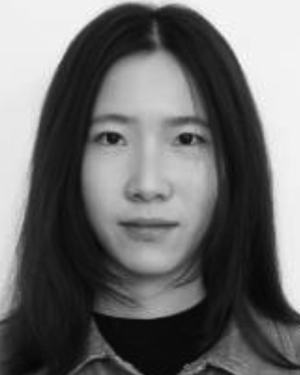 Xueqi Ma合作论文数China Univ Petr East China, Qingdao, Peoples R China14
 Yibing Zhan (詹忆冰)合作论文数JD Explore Academy14
 Haoran Li (李浩然)合作论文数School of Cyber Science and Technology, Beihang University12Kuang GAO (高旷)合作论文数12
 Yangqiu Song (宋陽秋)合作论文数Department of Computer Science and Engineering, The Hong Kong University of Science and Technology12Xiantao Cai (蔡贤涛)合作论文数School of Computer Science, Wuhan University12
 Shirui Pan (潘世瑞)合作论文数School of Information and Communication Technology, Griffith University12Mu-Kun CHEN (陈沐坤)合作论文数10
 Weiwei Liu (刘威威)合作论文数School of Computer Science, Wuhan University10Pinghua Xu合作论文数School of computer science, Wuhan University10Cong Nie合作论文数Wuhan University9
 Xiuwen Gong合作论文数Faculty of Engineering and Information Technology, University of Technology Sydney9Haochen Shi合作论文数Zhejiang University7
 Fu Lin (林馥)合作论文数School of Computer Science, Wuhan University7
 Zhibin Li合作论文数Department of Computer Science, University College London;School of Informatics, University of Edinburgh7Yongbo Wang合作论文数6
 Chao Peng合作论文数Molecular Biology Institute, University of California, Los Angeles6
 Yinghui Jin (靳英辉)合作论文数Center for Evidence-Based and Translational Medicine, Zhongnan Hospital of Wuhan University6
 Shan Xue合作论文数School of Computing, Macquarie University6
 Dacheng Tao (陶大程)合作论文数College of Computing & Data Science, Nanyang Technological University;Lee Kong Chian School of Medicine, Nanyang Technological University;DaXiao Robot6Qiao Huang合作论文数5Si-Yu Yan合作论文数5ShaoMei Wang (王少梅)合作论文数5
 Wei Song (宋伟)合作论文数Department of Computer Science, School of Computer Science, Wuhan University5
 Chuan Zhou (周川)合作论文数Academy of Mathematics and Systems Science, Chinese Academy of Sciences;School of Cyber Security, University of Chinese Academy of Sciences5
 Jian Yang合作论文数School of Computing, Faculty of Science and Engineering, Macquarie University;Centre for Applied Artificial Intelligence, Faculty of Science and Engineering, Macquarie University;DataX Research Centre, Macquarie University;Digital Finance CRC;The Computing Research and Education Association of Australasia5
 Philip S. Yu (俞士綸)合作论文数Department of Computer Science, College of Engineering, University of Illinois Chicago;Big Data and Social Computing Lab, University of Illinois Chicago5Zhenyu Min合作论文数5
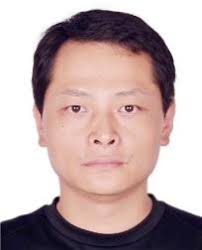 Dapeng Tao (陶大鹏)合作论文数School of Information Science and Engineering, Yunnan University;University of Chinese Academy of Sciences5Long Xu合作论文数4
 Chuanyu Yang合作论文数University of Edinburgh4WenJun Pan (潘文军)合作论文数4
 Lefei Zhang (张乐飞)合作论文数School of Computer, Wuhan University4
 Kai Yuan合作论文数The University of Edinburgh4
 Liang Ding (丁亮)合作论文数Generative AI4Fan Cun-Lian合作论文数4
 Guojia Wan合作论文数Wuhan University4
 Shaomei Wang合作论文数4Zelin Yao合作论文数3Wenhang Yu合作论文数3
 Simon Hu (胡隽)合作论文数College of Civil Engineering and Architecture, Zhejiang University;ZJU-UIUC Institute, Zhejiang University3




