Pretraining large language models (LLMs) with next-token prediction has led to remarkable advances, yet the context-dependent nature of token embeddings in such models results in high intra-class variance and inter-class similarity, thus hindering the efficiency of representation learning. While similarity-based regularization has demonstrated benefit in supervised fine-tuning and classification tasks, its application and efficacy in large-scale LLM pretraining remains underexplored. In this work, we propose the SimReg, an embedding similarity regularization loss that explicitly encourages token representations with the same ground-truth label within each sequence to be more similar, while enforcing separation from different-label tokens via a contrastive loss. Our analysis reveals that this mechanism introduces gains by enlarging multi-classification margins, thereby enabling more efficient classification. Extensive experiments across dense and Mixture-of-Experts (MoE) architectures demonstrate that SimReg consistently accelerates training convergence by over 30
Variance reduction has been shown to improve the performance of Stochastic Gradient Descent (SGD) in centralized machine learning. However, when it is extended to federated learning systems, many issues may arise, including (i) mega-batch size settings; (ii) additional noise introduced by the gradient difference between the current iteration and the snapshot point; and (iii) gradient (statistical) heterogeneity. In this paper, we propose a lightweight algorithm termed federated adaptive batch size time evolving variance reduction (FedATEVR) to tackle these issues, consisting of an adaptive batch size setting scheme and a time-evolving variance reduction gradient estimator. In particular, we use the historical gradient information to set an appropriate mega-batch size for each client, which can steadily accelerate the local SGD process and reduce the computation cost. The historical information involves both global and local gradient, which mitigates unstable varying in mega-batch size introduced by gradient heterogeneity among the clients. For each client, the gradient difference between the current iteration and the snapshot point is used to tune the time-evolving weight of the variance reduction term in the gradient estimator. This can avoid meaningless variance reduction caused by the out-of-date snapshot point gradient. We theoretically prove that our algorithm can achieve a linear speedup of of $\mathcal {O}(\frac{1}{\sqrt{SKT}})$O(1SKT) for non-convex objective functions under partial client participation. Extensive experiments demonstrate that our proposed method can achieve higher test accuracy than the baselines and decrease communication rounds greatly.
The quantum Hamiltonian is a fundamental property that governs a molecule's electronic structure and behavior, and its calculation and prediction are paramount in computational chemistry and materials science. Accurate prediction is highly reliant on extensive training data, including precise molecular geometries and the Hamiltonian matrices, which are expensive to acquire via either experimental or computational methods. Towards a fast yet accurate method for Hamiltonian prediction, we first introduce a geometry information-aware molecular language model to bypass the use of expensive molecular geometries by only using the readily available molecular language – simplified molecular input line entry system (SMILES). Our method employs multimodal alignment to bridge the relationship between SMILES strings and their corresponding molecular geometries. Recognizing that the molecular language inherently lacks explicit geometric information, we propose a geometry modality compensation strategy to imbue molecular language representations with essential geometric features, thereby enabling accurate predictions using SMILES. In addition, given the high cost of acquiring Hamiltonian data, we devise a weakly supervised strategy to fine-tune the molecular language model, thus improving the data efficiency. Theoretically, we prove that the prediction generalization error without explicit molecular geometry can be bounded through our modality compensation scheme. Empirically, our method achieves superior computational efficiency, providing up to 100x speedup over conventional quantum mechanical methods while maintaining comparable prediction accuracy. We further demonstrate the practical case study of our approach in the screening of electrolyte formulations.
Diffusion large language models (DLLMs) have emerged as an alternative to autoregressive (AR) decoding with appealing efficiency and modeling properties, yet their implications for agentic multi-step decision making remain underexplored. We ask a concrete question: when the generation paradigm is changed but the agent framework and supervision are held fixed, do diffusion backbones induce systematically different planning and tool-use behaviors, and do these differences translate into end-to-end efficiency gains? We study this in a controlled setting by instantiating DLLM and AR backbones within the same agent workflow (DeepDiver) and performing matched agent-oriented fine-tuning on the same trajectory data, yielding diffusion-backed DLLM Agents and directly comparable AR agents. Across benchmarks and case studies, we find that, at comparable accuracy, DLLM Agents are on average over 30
Large-scale language models (LLMs) often offer clinical judgments based on incomplete information, increasing the risk of misdiagnosis. Existing studies have primarily evaluated confidence in single-turn, static settings, overlooking the coupling between confidence and correctness as clinical evidence accumulates during real consultations, which limits their support for reliable decision-making. We propose the first benchmark for assessing confidence in multi-turn interaction during realistic medical consultations. Our benchmark unifies three types of medical data for open-ended diagnostic generation and introduces an information sufficiency gradient to characterize the confidence-correctness dynamics as evidence increases. We implement and compare 27 representative methods on this benchmark; two key insights emerge: (1) medical data amplifies the inherent limitations of token-level and consistency-level confidence methods, and (2) medical reasoning must be evaluated for both diagnostic accuracy and information completeness. Based on these insights, we present MedConf, an evidence-grounded linguistic self-assessment framework that constructs symptom profiles via retrieval-augmented generation, aligns patient information with supporting, missing, and contradictory relations, and aggregates them into an interpretable confidence estimate through weighted integration. Across two LLMs and three medical datasets, MedConf consistently outperforms state-of-the-art methods on both AUROC and Pearson correlation coefficient metrics, maintaining stable performance under conditions of information insufficiency and multimorbidity. These results demonstrate that information adequacy is a key determinant of credible medical confidence modeling, providing a new pathway toward building more reliable and interpretable large medical models.
In this note, we investigate the robustness of Nash equilibria (NE) in multi-player aggregative games with coupling constraints. There are many algorithms for computing an NE of an aggregative game given a known aggregator. When the coupling parameters are affected by uncertainty, robust NE need to be computed. We consider a scenario where players' weight in the aggregator is unknown, making the aggregator kind of "a black box". We pursue a suitable learning approach to estimate the unknown aggregator by proposing an inverse variational inequality-based relationship. We then utilize the counterpart to reconstruct the game and obtain first-order conditions for robust NE in the worst case. Furthermore, we characterize the generalization property of the learning methodology via an upper bound on the violation probability. Simulation experiments show the effectiveness of the proposed inverse learning approach.
We introduce Kairos, a regret-aware native world-action model stack for Physical AI. Kairos is motivated by the view that a physical world model should not aim to fully simulate all future pixels, but should learn and maintain the information most relevant to embodiment control: object state, spatial relations, contact conditions, task progress, action consequences, failure boundaries, and deployment uncertainty. Kairos establishes three model-side prerequisites toward this goal. First, it learns control-relevant information through a Cross-Embodiment Data Curriculum, which organizes open-world videos, human behavioral data, and robot interactions into an intervention-strength progression from passive physical observation to intentional behavior and embodied action grounding. Second, it maintains control-sufficient states through a unified understanding, generation, and prediction architecture equipped with Hybrid Linear Temporal Attention, where local, mid-range, and global temporal pathways support multi-timescale state maintenance under efficient inference. Third, it deploys these states through a Deployment-Aware System Co-Design, treating latency, memory footprint, and hardware compatibility as first-order constraints for future observation, action, and feedback loops. Experiments on embodied world-model benchmarks, world-action benchmarks, long-horizon generation, and inference-efficiency evaluation show that Kairos achieves superior performance while offering a favorable efficiency to capability trade-off.
Missing or degraded sequences can limit prostate multiparametric MRI. We developed MSCNet, a sequence-conditioned cross-modal generative framework for reconstructing unavailable contrasts and restoring degraded acquisitions. Across ten completion tasks, task-specific MSCNet achieved mean structural similarity of 0.818 versus 0.798 for the strongest task-matched comparators; matched-capacity analyses showed larger differences in lesion fidelity and boundary preservation. In a blinded 1,000-case reader study, overall image quality met the prespecified non-inferiority criterion for DWI, ADC and T2W completion, but not T1W. In a separate 200-case diagnostic assessment, AUCs for clinically significant cancer were 0.860 with acquired images, 0.841 with MSCNet and 0.797 with baseline-generated images. A locked 186-case three-hospital cohort supported multicentre transportability. These retrospective results support quality-controlled cross-modal reconstruction as an adjunct to acquired prostate MRI.
LLM-based web agents are increasingly deployed in real-world settings such as e-commerce, where they interact extensively with untrusted web content while executing actions that carry direct financial consequences. This makes them vulnerable to prompt-injection attacks, in which seemingly benign web content conceals adversarial instructions that manipulate the agent's behavior. Existing security benchmarks adopt an attack-centric perspective, focusing on the technical feasibility of injections while overlooking the nuanced distribution of resulting harms. In practice, however, prompt-injection risk is victim-dependent: a single exploit can produce asymmetric consequences for different stakeholders, and the same attack pattern may exhibit substantially different effectiveness depending on whom it targets. To capture these properties, we introduce StakeBench, a stakeholder-centric benchmark that systematically categorizes and attributes harm in real-world web agent systems for online shopping. In general, StakeBench decomposes prompt-injection risk into 12 concrete attack objectives across three stakeholder classes, realized by 22 reusable templates and instantiated into 264 executable adversarial cases spanning 12 product categories, with each case evaluated along complementary outcome- and process-level metrics. Evaluating four deployable agent-backbone configurations across 3,168 attacked runs, we find substantial and heterogeneous vulnerabilities: no attack objective is reliably resisted by current LLM-based web agents, and outcomes span four qualitatively distinct modes. These patterns are missed by conventional attack-centric, single-metric evaluation, underscoring the need for stakeholder-aware assessment of LLM-based agents in real-world deployments.
Autoregressive diffusion models have enabled high-quality video generation, yet their sequential nature inherently suffers from error accumulation. In long-horizon video synthesis, minor prediction deviations compound over time, inevitably leading to unconstrained generative drift, structural collapse, and severe visual degradation. To address this, we propose Cycle-World, a novel framework designed for stable and temporally consistent long-video generation. Our approach tackles error drift by enforcing strict temporal reversibility across both the training and inference phases. Theoretically, we demonstrate that forward generative drift can be strictly bottlenecked by a cycle-consistency objective. During training, we integrate an efficient reverse-prediction model to implicitly embed causal constraints into the forward generator, compelling it to produce reversible sequences that tightly adhere to the natural video manifold. At inference time, we repurpose this frozen reverse model as a runtime corrector. Through gradient-based cycle guidance, it iteratively refines the generated latent representations, actively suppressing accumulated errors before they are committed to the historical context. Extensive experiments on the VBench benchmark demonstrate that Cycle-World's dual-phase synergy significantly mitigates error drift, achieving state-of-the-art overall generation quality and long-horizon temporal consistency in 60-second synthesis.
Website fingerprinting (WF) attacks, which covertly monitor user communications to identify the web pages they visit, pose a serious threat to user privacy. Existing WF defenses attempt to reduce attack accuracy by disrupting traffic patterns, but attackers can retrain their models to adapt, making these defenses ineffective. Meanwhile, their high overhead limits deployability. To overcome these limitations, we introduce a novel controllable website fingerprinting defense called TrapFlow based on backdoor learning. TrapFlow exploits the tendency of neural networks to memorize subtle patterns by injecting crafted trigger sequences into targeted website traffic, causing the attacker’s model to build incorrect associations during training. If the attacker attempts to adapt by training on such noisy data, TrapFlow ensures that the model internalizes the trigger as a dominant feature, leading to widespread misclassification across unrelated websites. Conversely, if the attacker ignores these patterns and trains only on clean data, the trigger behaves as an adversarial patch at inference time, causing model misclassification. To achieve this dual effect, we optimize the trigger using the Fast Levenshtein-like distance to maximize both its learnability and distinctiveness from normal traffic. Experiments show that TrapFlow significantly reduces the accuracy of the RF attack from 99% to 6% with 74% data overhead. This compares favorably against two SOTA defenses: FRONT reduces accuracy by only 2% at a similar overhead, while Palette achieves 32% accuracy, but with 48% more overhead. We further validate the practicality of our method in a real Tor network environment.
Continual learning (CL) focuses on learning non-stationary data distribution without forgetting previous knowledge. The most widely used memory-replay approaches are often prone to memory overfitting due to the limited memory diversity and hardness. Existing work mitigating memory overfitting either lacks data diversity or hardness or is hard to train. To address the above limitations and release the memory buffer potential, we view the memory buffer transformation from a new dynamic system perspective and propose a continuous and reversible memory transformation method. We introduce an adversarial optimization objective that jointly learns the CL model and memory transformer. Specifically, we present a deterministic continuous memory transformer (DCMT) to generate diverse memory data. Furthermore, we inject uncertainty into the transformation function and develop a stochastic continuous memory transformer (SCMT), which substantially enhances the diversity of the transformed memory buffer. The presented neural transformation approaches have significant advantages over existing ones: (1) they significantly increase the memory buffer diversity and hardness to overfit; (2) they are memory efficient without needing to make a replica of the memory data. Extensive experiments show a significant improvement with our approach compared to strong baselines.
The recent large video foundation model, SAM2, enables segment anything in both images and videos, serving as a powerful base model for various applications. However, many of such use cases require to operate on resource-constrained devices like mobile phones and laptops. In this work, we aim to make SAM2 more mobile-friendly by distilling the heavyweight SAM2 into a lightweight model, facilitating segment anything in both images and videos on mobile devices. To this end, we propose Hypergraphical Knowledge Distill (HyperKD), which introduces the idea of hypergraph into knowledge distillation, aiming to effectively model and transfer SAM2's generalizable and comprehensive knowledge. HyperKD consists of Temporal HyperKD and Granularity HyperKD that construct hypergraphs to explicitly model and extract the generalizable temporal knowledge and the comprehensive multi-granularity knowledge from SAM2 respectively, which are then distilled into the lightweight student model by aligning it with the constructed hypergraphs. Besides, we present MobileSAM2, a new family of lightweight SAM2 that balances efficiency and effectiveness via searching the best model architectures with HyperKD during model size reduction. Extensive experiments validate MobileSAM2 across multiple benchmarks and show promising generalization performance on embodied AI tasks.
Core decomposition is a widely used hierarchical analysis algorithm for large-scale graphs. It achieves this decomposition by iteratively peeling the vertices along with their adjacency edges off into different hierarchies. With the timeliness requirements of modern applications, many researchers have introduced accelerators, particularly GPUs, to improve the computational efficiency of graph algorithms. However, the empty, sparse, and numerous hierarchies in large graphs lead to inefficient computation and parallelism, not only including unnecessary searching for the hierarchy's vertices, but also significant thread wastage when peeling off the adjacency edges of these vertices. In this paper, we propose an adaptive parallel framework for core decomposition, named AdaptiveCore. First, it improves vertex searching efficiency by adaptively skipping the empty hierarchies and reducing the search space. Moreover, it greatly improves thread utilization by adaptively allocating the available threads to peel off the adjacency edges. Comprehensive experiments show that, compared with the state-of-the-art works, the proposed framework achieves an average speedup of 7.1x on the GPU platform and up to 2.0x on the multi-core CPU platform.
With the increasing multimodal knowledge privatization requirements, multimodal knowledge graphs in different institutes are usually decentralized, lacking of effective collaboration system with both stronger reasoning ability and transmission safety guarantees. In this paper, we propose the Federated Multimodal Knowledge Graph Completion (FedMKGC) task, aiming at training over federated MKGs for better predicting the missing links in clients without sharing sensitive knowledge. We propose a framework named MMFeD3-HidE for addressing multimodal uncertain unavailability and multimodal client heterogeneity challenges of FedMKGC. (1) Inside the clients, our proposed Hyper-modal Imputation Diffusion Embedding model (HidE) recovers the complete multimodal distributions from incomplete entity embeddings constrained by available modalities. (2) Among clients, our proposed Multimodal FeDerated Dual Distillation (MMFeD3) transfers knowledge mutually between clients and the server with logit and feature distillation to improve both global convergence and semantic consistency. We propose a FedMKGC benchmark for a comprehensive evaluation, consisting of a general FedMKGC backbone named MMFedE, datasets with heterogeneous multimodal information, and three groups of constructed baselines. Experiments conducted on our benchmark validate the effectiveness, semantic consistency, and convergence robustness of MMFeD3-HidE.
Online reinforcement learning (RL) agents increasingly depend on knowledge acquired offline to achieve practical efficiency. Originally studied in offline-to-online RL, this paradigm now spans foundation model post-training and embodied intelligence, with prior types expanding from offline datasets and pre-trained policies to increasingly diverse knowledge sources such as multimodal foundation models and generative world models. Offline priors have become central to how deep RL is developed and deployed. However, this reliance introduces a challenge that the prevailing benchmark-driven paradigm cannot resolve: because prior validity varies across deployments and shifts during training, no single approach to managing it is universally optimal, and benchmark rankings offer limited guidance for real-world deployments. Rather than pursuing universal solutions, we argue that the field should shift to diagnosis-driven tension management, in which deployment-specific evidence guides how the learner relates to its priors throughout training, enabling both flexible and adaptive deployment. We support this position with a framework characterizing how priors reshape online optimization through three functional roles, controlled experiments demonstrating help-or-hurt reversals, cross-domain evidence from foundation model post-training to embodied intelligence, and engagement with five substantive counterarguments.
The linear separability of hidden-layer outputs plays a key role in understanding the working mechanism of deep networks. However, it is still challenging to develop the linear separability measure (LSM) that satisfies the following requirements: 1) it should be an absolute measure; 2) it should be insensitive to the outliers; 3) it should be affine invariant; and 4) its computational cost should be low. In this paper, we propose the Minkowski difference-based linear separability measures (MD-LSMs) that just meet the first three requirements. Moreover, we also introduce an approximate calculation method to significantly decrease their computation costs with only a slight precision sacrifice. As an application, we conduct the experiments on the real-time monitoring for the hidden-layer behavior of several popular deep networks, and show that the outputs of the hidden layers adjacent to the output layer have higher linear separability degrees. We also observe that the change of linear separability degree of hidden layers (especially the ones are adjacent to the output layers) is in sync with the change of the training accuracy of the entire network. These findings imply that MD-LSMs serve as reasonable and enabling tools of monitoring the training status of deep networks.
Model merging is an efficient empowerment technique in the machine learning community that does not require the collection of raw training data and does not require expensive computation. As model merging becomes increasingly prevalent across various fields, it is crucial to understand the available model merging techniques comprehensively. However, there is a significant gap in the literature regarding a systematic and thorough review of these techniques. This survey provides a comprehensive overview of model merging methods and theories, their applications in various domains and settings, and future research directions. Specifically, we first propose a new taxonomic approach that exhaustively discusses existing model merging methods. Secondly, we discuss the application of model merging techniques in large language models, multimodal large language models, and more than ten machine learning subfields, including continual learning, multi-task learning, few-shot learning, and so on. Finally, we highlight the remaining challenges of model merging and discuss future research directions. A comprehensive list of papers about model merging is available at https://github.com/ EnnengYang/Awesome-Model-Merging-Methods-Theories-Applications.
Steel surface defect analysis is critical for industrial quality control, yet existing benchmarks rely primarily on label-only annotations, limiting fine-grained semantic understanding and systematic evaluation of vision-language models. To address this gap, we introduce SteelDefectX, a vision-language dataset with multi-form textual annotations for steel surface defect analysis, comprising 7,778 images across 25 defect categories. At the class level, the dataset provides defect names, representative visual attributes, and industrial causes. At the sample level, each image is annotated with three forms of textual representations: (1) free-form natural language descriptions, (2) structured attribute annotations, and (3) template-based sentences. These annotations provide flexible textual supervision with varying levels of expressiveness and controllability. We further establish a comprehensive benchmark covering vision-language classification, segmentation, and cross-dataset transfer, along with additional evaluations such as retrieval and text-guided localization. Experimental results reveal a trade-off between structure and flexibility in textual representations. Structured attributes provide more stable semantic alignment, while natural language descriptions improve transferability and fine-grained spatial grounding. These findings highlight the critical role of textual design in industrial vision-language learning. SteelDefectX provides a new benchmark for studying semantic alignment and generalization in industrial vision-language learning. The code and dataset are available at https://github.com/Zhaosxian/SteelDefectX.
In-context Learning enables training-free adaptation via demonstrations but remains highly sensitive to example selection and formatting. In unified multimodal models spanning understanding and generation, this sensitivity is exacerbated by cross-modal interference and varying cognitive demands. Consequently, In-context Learning efficacy is often non-monotonic and highly task-dependent. To diagnose these behaviors, we introduce a six-level capability-oriented taxonomy that categorizes the functional role of demonstrations from basic perception to high-order discernment. Guided by this cognitive framework, we construct UniICL-760K, a large-scale corpus featuring curated 8-shot In-context Learning episodes across 15 subtasks, alongside UniICL-Bench for rigorous, controlled evaluation. As an architectural intervention to stabilize few-shot adaptation, we propose the Context-Adaptive Prototype Modulator, a lightweight, plug-and-play module. Evaluations on UniICL-Bench show that our approach yields highly competitive unified results, outperforming larger-parameter multimodal large language model baselines on most understanding In-context Learning tasks. Data and code will be available soon at https://github.com/xuyicheng-zju/UniICL.
 Xuelong Li (李学龙)合作论文数Institute of Artificial Intelligence, China Telecom212
 Li Shen (沈力)合作论文数School of Cyber Science and Technology, Sun Yat-sen University;Center for AI Theoretical Foundation and Systems, Shenzhen Loop Area Institute180
 Bo Du (杜博)合作论文数School of Computer Science, Wuhan University154
 Jing Zhang (张敬)合作论文数School of Computer Science, Wuhan University146
 Xinbo Gao (高新波)合作论文数School of Electronic Engineering, Xidian University130
 Tongliang Liu合作论文数Sydney Artificial Intelligence Centre, Faculty of Engineering, The University of Sydney;School of Computer Science, Faculty of Engineering, The University of Sydney106
 Liang Ding (丁亮)合作论文数Generative AI105
 Yong Luo (罗勇)合作论文数School of Computer Science, Wuhan University79
 Chang Xu (徐畅)合作论文数School of Computer Science, Faculty of Engineering, The University of Sydney76
 Lefei Zhang (张乐飞)合作论文数School of Computer, Wuhan University72
 Chao Xu (许超)合作论文数School of Intelligence Science and Technology, Peking University66
 Fengxiang He合作论文数Artificial Intelligence and its Applications Institute, School of Informatics, University of Edinburgh62
 Mingli Song (宋明黎)合作论文数College of Computer Science and Technology, Zhejiang University;Hangzhou City University59
 Jun Yu (俞俊)合作论文数School of Computer Science, Hangzhou Dianzi University56
 Xianglong Liu (刘祥龙)合作论文数State Key Laboratory of Software Development Environment, School of Computer Science and Engineering, Beihang University55
 Baosheng Yu合作论文数Lee Kong Chian School of Medicine, Nanyang Technological University;School of Computer Science, University of Sydney54
 Cheng Deng (邓成)合作论文数Hohai University53
 Mingming Gong (宫明明)合作论文数School of Mathematics and Statistics, The University of Melbourne53
 Yuxuan Du合作论文数51
 Yibing Zhan (詹忆冰)合作论文数JD Explore Academy50
 Xinchao Wang合作论文数Department of Electrical and Computer Engineering, National University of Singapore46
 Wei Bian合作论文数School of Computer Science, University of Technology Sydney45
 Aishan Liu (刘艾杉)合作论文数School of Computer Science and Engineering, Beihang University;State Key Laboratory of Software Development Environment, Department of Computer Science and Engineering, Beihang University43
 Siyuan Liang合作论文数School of Computing, National University of Singapore42
 Chaoyue Wang合作论文数JD Explore Academy42
 Liangpei Zhang (张良培)合作论文数State Key Laboratory of Information Engineering in Surveying, Mapping and Remote Sensing, Wuhan University41
 Xinmei Tian (田新梅)合作论文数Dept. of Electronic Engineering and Information Science, University of Science and Technology of China41
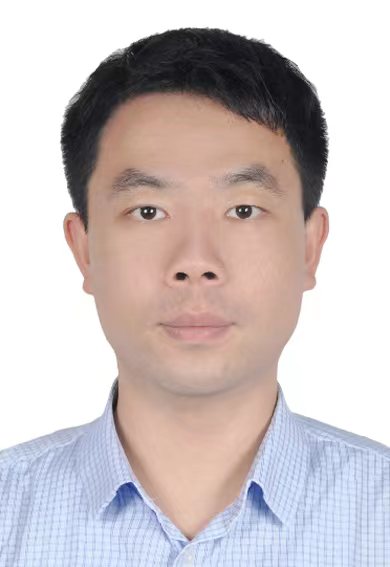 Changxing Ding (丁长兴)合作论文数School of Future Technology, South China University of Technology41
 Yonggang Wen合作论文数School of Computer Science and Engineering, Nanyang Technological University;College of Engineering, Nanyang Technological University38
 Juhua Liu (刘菊华)合作论文数School of Computer Science, Wuhan University36
 Steve Maybank合作论文数Department of Computer Science, Birkbeck College, University of London36
 Yunhe Wang (王云鹤)合作论文数Noah's Ark Lab, Huawei Technologies35
 Yongcheng Jing合作论文数College of Computing and Data Science, Nanyang Technological University33
 Wei Liu (刘威)合作论文数Video Rebirth33
 Tianyi Zhou (周天翼)合作论文数Department of Computer Science, University of Maryland, College Park;University of Maryland Institute for Advanced Computer Studies33
 Jun Cheng (程俊)合作论文数University of Chinese Academy of Sciences;Shenzhen Institutes of Advanced Technology, Chinese Academy of Sciences32
 Han Hu (胡晗)合作论文数School of Information and Electronics, Beijing Institute of Technology32
 Chao Zhang (张超)合作论文数School of Mathematical Sciences, Dalian University of Technology30
 Yan Sun合作论文数University of Sydney29
 Jie Yang (杨杰)合作论文数Institute of Image Processing and Pattern Recognition, School of Electronic Information and Electrical Engineering, Shanghai Jiao Tong University29
 Chen Gong (宫辰)合作论文数School of Automation and Intelligent Sensing, Shanghai Jiao Tong University27
 Jialie Shen合作论文数School of Science & Technology, University of London;School of Information Systems, Singapore Management University;Department of Computer Science, School of Science & Technology, City, University of London27
 Qihuang Zhong (钟起煌)合作论文数College of Computing and Data Science, Nanyang Technological University26
 Xiangtai Li (李祥泰)合作论文数ByteDance26
 Zhe Chen合作论文数Department of Computer Science and Information Technology, La Trobe University26
 Rong-Cheng Tu合作论文数College of Computing and Data Science, Nanyang Technological University25
 Meng Wang (汪萌)合作论文数School of Computer Science and Information Engineering, Hefei University of Technology25
 Yingjie Wang (王英杰)合作论文数College of Control Science and Engineering, China University of Petroleum (East China)25
 Meng Fang合作论文数School of Computer Science and Informatics, Faculty of Science and Engineering, University of Liverpool25