Seaweed farming worldwide has increased considerably in the last century. Latin America (LATAM) has an enormous potential to contribute within the medium/long term to global seaweed production. However, the seaweed sector is not exempted by risks (e.g. diseases and pests) overall understudied in the region, reason why biosecurity and traceability measurements may be needed to some extent. In this study, policies concerning biosecurity in seaweed aquaculture in Argentina, Brazil, Chile, Colombia, Mexico and Peru were analyzed and classified for different categories. The results suggest that most of LATAM policies tend to focus on prevention measures, especially in ecological biosecurity problems, which are included mostly in general aquaculture legislations. Contrarily, economic and environmental risks are to a lesser extent covered. Furthermore, cryptic ecological aspects associated with farming such as introduction of host for diseases or genetic pollution are often overlooked, and therefore poorly managed. Within LATAM countries, Chile has the highest specificity in seaweed-exclusive legislation, likely associated to recent problems with pests and introduction of exotic species. Overall, there is a lack of information related to biosecurity risks of seaweed aquaculture in LATAM, similar to what had happened to other globally relevant producers in the southeastern Pacific that have experienced serious biosecurity problems in the recent years. Seaweed aquaculture is relatively incipient in LATAM region, but its sustainability as well as the associated food security systems may be at risk, unless new policies make compatible seaweed production and biosecurity practices.
To date, the biodiversity of disease-causing agents in algae has been poorly investigated. This information however is particularly relevant, as outbreaks are repeatedly reported in mariculture facilities or commercial wild stocks, with no available baselines to compare with. Algal pathogens identified in Latin America are few; information is scattered and mostly unknown for regional aquacultural actors such as farmers, seaweed gatherers, conservation biologists and policymakers. In this work, we reviewed all the pathogens described for algae in Latin America, including their taxonomy, macro and microscopic symptoms, aetiology, habitat and reported distribution in this region. Furthermore, we included new records obtained in 2020-2022 in the Southeastern Pacific, and the results of a screen for viruses on kelp gametophytes from a regional germplasm including south Pacific and Atlantic strains. Only nine countries have described algal pathogens so far. The Southeast Pacific (Chilean coast) concentrates the largest number of records and correspond to endophytic algae of different taxa (34 %), viruses (21 %) and protistan pseudofungi (20 %). In our 2020-2022 sampling campaigns, 33 new records were reported for Latin America, which constitutes 15 % of the total records for the region. Overall, unbalanced track records were detected at geographical (e.g. country), temporal (year), diagnosis type and outbreak level, possibly due to scattered and unsystematic sampling efforts. Our results show that pathogens remain cryptic threats for seaweed-related human activities. We anticipate that as the sampling effort increases, algal pathogen records will also increase in number and importance, in proportions comparable to other ecologically and commercially relevant aquatic resources.
The flora, vegetation and the effect on the first from the March 2015 flood on two coastal wetlands (Las Salinas and Copiapo river mouth) located in the Atacama Region of Chile desert, were studied, working with traditional systematic and phytosociological methodology of Southern Europe. The flora consisted of 21 species from a phytosociological table of 88 vegetation samples, 11 species collected outside the samples and 11 that appeared after the 2015 flood, giving in total 44 species, with 34 native and 10 introduced. In the biological spectrum, phanerophytes, camephytes and hemicryptophytes dominated. Four plant formations were distinguished: submerged acuatic plants, swamp with large helophytes, marshes and forests. Ten plant associations were determined: 2 submerged Ruppietum maritimae and Charetum- asoc. nova prov., 3 swamps with large helophytes Typhaetum angustifoliae, Phragmitetum australis, Schoenoplectetum californiae, 5 from marshes Schoenoplectetum americanae, Chorizantho-Sarcocornietum neeii asoc. nova, Tessario-Distichletum spicatae asoc. nova, Tessario-Juncetum acutae asoc. nova and 1 forest Geoffreetum decorticans asoc. nova. New associations are described, adding phytosociological tables and a type vegetation sample is designated for each one. These results are discussed and the flora is compared with that of 5 other coastal wetlands in the Norte Grande of Chile, demonstrating the lack of basic studies of flora and vegetation in them.
SUMMARYChile is one of the top carrageenan producers worldwide, and Sarcopeltis (ex Gigartina) skottsbergii one of the topmost exploited carrageenophytes from the wild in the world. Total yield, gel strength and viscosity from two contrasting environments Calbuco and Ancud (Inner and Outer Sea, Chile) were estimated monthly in approximately 2 years for this species. While carrageenan yields did not show differences between localities, gametophytes in spring–summer had 15% higher, compared to tetrasporophytes. Sizes (frond surface) normally did not affect carrageenan yields. Gametophytes showed clear differences in gel strength between seasons, but not between localities, with maximum peaks during winter–spring months in Calbuco and autumn‐winter months in Ancud. Seasonal variations in viscosity were also significant. While gametophyte viscosity did not exceed 120 cPs, tetrasporophytes reached 1400 cPs in Calbuco and 1000 cPs in Ancud. More remarkably, a positive correlation between viscosity and gel strength was found in S. skottsbergii gametophytes, which is significantly different between both localities. These results suggest that selective harvesting in spring–summer should be preferred to optimize cost–benefit of harvesting activities and subsequent carrageenan productivity.
SummaryIn UV sexual systems, sex is determined during the haploid phase of the life cycle and males have a V chromosome whereas females have a U chromosome. Previous work in the brown algal model Ectocarpus revealed that the V chromosome has a dominant role in male sex determination and suggested that the female developmental program may occur by ‘default’, triggered in the absence of the male master sex determination gene(s). Here, we describe the identification of a genetically male giant kelp strain presenting phenotypic features typical of a female, despite lacking the U-specific region. The conversion to the female developmental program is however incomplete, because gametes of this feminised male are unable to produce the sperm-attracting pheromone lamoxirene. We identify the transcriptomic patterns underlying the male and female specific developmental programs, and reveal the faster evolutionary rates of male-biased genes compared to female-biased and unbiased genes. Moreover, we show that the phenotypic feminisation of the variant strain is associated with both feminisation and de-masculinisation of gene expression patterns. Importantly, the feminisation phenotype was associated with the dramatic downregulation of two V-specific genes including a candidate sex-determining gene on the V-specific region. Our results reveal the transcriptional changes associated with sexual differentiation in a UV system with marked sexual dimorphism, and contribute to disentangling the role of sex-linked genes and autosomal gene expression in the initiation of the male and female developmental programs. Overall, the data presented here imply that the U-specific region in the giant kelp is not required to initiate the female developmental program, but is critical to produce fully functional eggs, arguing against the idea that female is the ‘default’ sex in this species.
In hybridization experiments, productivity improvement and modification of morphologies and chemical compositions were recently demonstrated for Macrocystis sporophytes in the Southeastern Pacific. However, the plasticity for gametogenesis environmental requirements in hybrid crosses has not been studied, even though such plasticity is a key aspect to design kelp breeding programs or to implement restoration set-ups. Effects of temperature (9–18 °C) and photon irradiance (10–120 μmol photons m−2 s−1) were estimated for reproductive success (RS) and sex ratio in an integrifolia × pyrifera inter-cultivar cross. As starting materials for breeding, we used (i) clonal gametophytes (i.e., strains from culture collection germplasms) and (ii) sporulation products (e.g., gametophytes from sporophylls), producing inter-locality crosses and their respective intra-locality controls. In germplasm-originated cultures, integrifolia (integrifolia ♀ × integrifolia ♂) and pyrifera (pyrifera ♀ × pyrifera ♂) controls and pyrifera ♀ × integrifolia ♂ crosses resulted in healthy progenies, but the reciprocal mate integrifolia ♀ × pyrifera ♂ was inviable. Overall, the viable hybrid and pyrifera crosses showed the highest reproductive success (RS) up to 14 °C and 50 μmol photons m−2 s−1. Towards higher conditions of temperature and light, the hybrid and integrifolia combinations showed better RSs. In sporophyll–originated experiments, we compared the RS in gametophytes from integrifolia and pyrifera sporophytes but also from F1 hybrids cultivated in tanks in northern Chile, under similar temperature and irradiance gradients. The lowest reproductive successes were also detected in integrifolia, although this morph demonstrated a more stable sex ratio throughout thermal gradient. In this case, the hybrid gametophytes were less prolific than in the germplasm trials, but such hybrid combination performed better than the controls at higher temperatures (16–17 °C). Once optimum irradiances and temperature from different studies along the Chilean coast are clustered together against their location, they showed an inverse correlation between optima and a latitudinal gradient for Macrocystis gametogenesis. In such scenario, our crosses cultivated in northern Chile (sporophyll-generated) showed optima towards much higher conditions especially for irradiance. The hybrid gametophytes performed similarly to integrifolia potentially as a result not only from an integrifolia genetic background but also from the cultivation conditions of their sporophyte parents in northern Chile. Implications of these results are discussed in ecological and aquaculture contexts.
Macrocystis pyrifera and Lessonia spicata are economically and ecologically relevant brown seaweeds that recently have been classified as members of two separated families within Laminariales (kelps). Here we describe for the first time the Macrocystis pyrifera x Lessonia spicata hybridization in the wild (Chiloe Island, Southeastern Pacific), where populations of the two parents exist sympatrically. Externally, this hybrid exhibited typical features of its parents M. pyrifera (cylindrical and flexible distal stipes, serrate frond margins and presence of sporophylls) and L. spicata (rigid and flat main stipe and first bifurcation), as well as intermediate features between them (thick unfused haptera in the holdfast). Histological sections revealed the prevalence of mucilage ducts within stipes and fronds (absent in Lessonia ) and fully developed unilocular sporangia in the sporophylls. Molecular analyses confirmed the presence of the two parental genotypes for ITS1 nrDNA and the M. pyrifera genotype for two predominantly maternally inherited cytoplasmic markers (COI and rbc LS spacer) in the tissue of the hybrid. A metabolome-wide approach revealed that this hybrid is more chemically reminiscent to M. pyrifera . Nevertheless, several hits were identified as Lessonia exclusive or more remarkably, not present in any of the parent. Meiospores developed into apparently fertile gametophytes, which gave rise to F1 sporophytes that reached several millimeters before suddenly dying. In-vitro reciprocal crossing of Mar Brava gametophytes from both species revealed that although it is rare, interfamilial hybridization between the two species is possible but mostly overcome by pseudogamy of female gametophytes.
Lessonia berteroana is one of the most exploited seaweeds in the Southeastern Pacific and its populations are recurrently facing overexploitation in northern Chile. Since germplasms are not available, we decided to start gametophyte biobanking to support conservation measures for this important resource in the future. Spores of L. berteroana from nine localities at the Atacama coast were used to establish clonal male and female gametophyte cultures. Unexpectedly, after isolation and under low light conditions, juvenile sporophytes originated from somatic cells via apogamy in most female gametophyte strains. In addition, eggs from solitary female gametophytes from Caleta Cisnes and Torres del Inca had a strong tendency to generate sporophytes by parthenogenesis, some of them even under low light regimes. Contrarily, female gametophytes of the sister species Lessonia spicata from southern Chile showed no evidence for apomixis. When one of these L. berteroana strains is cross-fertilized with L. spicata, true hybrids emerged based on the presence of eggs and subsequent sperm attraction. These observations contrast with (i) kelp recruitment assumed to be majorly by sexual reproduction and (ii) the strict reproductive separation of the two taxa reported for natural populations within their contact zone at 30°S and highlight their consideration for future repopulation and breeding programs of Lessonia.
Lessonia berteroana is the most highly exploited seaweed in Chile and the Americas, based on the harvesting of wild stocks. It is frequently facing overexploitation problems, which is detrimental for coastal ecosystems in northern Chile. Concomitant to its abundance problems, L. berteroana stocks have widely been found to bear tumour-like outgrowths. These circumstances triggered us to characterize this gall disease from one population on the Atacama coast. Galls are plastic in size, colouration and morphology, and all are linked to the brown algal endophyte Laminariocolax aecidioides, identified by using three different DNA markers. Gall histology revealed the presence of both pigmented and colourless endophytic filaments. The pathogenic nature of this interaction was confirmed by electron microscopy (EM), which showed a marked hyperplasia with host cells having disrupted cell walls. EM also indicated cellular modifications of the Laminariocolax endophytic network in contrast to free-living isolates (e.g. organelle and cell wall reductions, larger area of plasmodesmata in markedly undulated contacting cell walls). A one-year epidemiological survey from the same locality, supported by a generalized linear mixed model, revealed that the gall disease is strongly correlated with the age structure of a given population, the season of the year and maturity of the hosts, although in summer months almost all the population gets infected. Resistant phenotypes are therefore rare in the population, which flags the question of how harvesting, restoration and breeding programs should be carried out for these susceptible populations.
The cosmopolitan red alga Callophyllis variegata is harvested and exported as food to Asian countries. In anticipation of overexploitation problems, this study aimed to describe temporal changes in their population structures and chemical composition by comparing intact (Pichicuyén) and exploited populations (San Antonio) of southern Chile, by using linear mixed models. Abundance parameters and size classes were higher in summer months, whereas fertile stages tetrasporophytes and carposporophytes were more abundant in autumn–winter periods. Recruitment was plentiful toward late winter–spring months. Geographical differences were also detected, and San Antonio (C. variegata-exploited) stocks exhibited lower productivity but similar cover/density in comparison to Pichicuyen (intact location). Likewise, this population showed a size structure toward smaller individuals (e.g., recruits) and more sterile individuals than Pichicuyen. Phosphorous, protein, lipid, soluble carbohydrate, and fiber composition also showed a clear seasonal trend, but no differences between localities were found for lipids and soluble carbohydrates. Since C. variegata showed good productivity and interesting nutritional value, we concluded this species shows potential for exploitation and commercialization in southern Chile, as long as specific management protocols and market studies are developed.
The brown alga, Lessonia berteroana, is the most exploited seaweed in South America, with majority of landings in northern Chile. We conducted population studies in a L. berteroana bed at the Pan de Azucar National Park in order to evaluate recovery potential under different harvest schemes. In an intact sub-population, L. berteroana size tendency varies with season, between median values of 150 cm in early spring and 40 cm in summer. Size is inversely correlated with density, which increases in summer due to a major recruitment phase (up to 40 ind m−2) and decreases in winter, with adult individuals (5 ind m−2) dominating. Size and recruitment showed a rapid increase in totally harvested areas and on artificial substrata. However, after summer harvesting, first recruits appeared after only one month in natural beds, while they needed up to five months on concrete blocks. Overall growth in wild populations was lowest, suggesting a strong dependence on density. Major thallus growth occurred in recruits from total harvest in autumn and from concrete blocks. We discuss these different recovery patterns and compare them with other commercial kelps in Chile, where similar approaches have been performed, expecting that they will help to improve Lessonia management in northern Chile.
Recent findings on holdfast development in the giant kelp highlighted its key importance for Macrocystis vegetative propagation. We report here for the first time the development of adventitious holdfasts from Macrocystis stipes. Swellings emerge spontaneously from different areas of the stipes, especially in senescent or creeping individuals. After being manually fastened to solid substrata, these swellings elongated into haptera, which became strongly attached after 1 month. Within 4 months, new thalli increased in size and vitality, and developed reproductive fronds. Our results suggest the usage of these structures for auxiliary attachment techniques. These could act as a backup, when primary holdfasts are weak, and thus improve the survival rate of the giant kelp in natural beds.
Lessonia trabeculata is one of the most valuable seaweeds in Chile, especially in the northern zone where its harvest has been going on for decades. We carried out population dynamics studies in the Atacama Desert coast (Bahia Chasco), in order to assess its productivity under natural and harvesting scenarios. We found very slow but consistent growth (1.98 cm month−1) and density (3–4 individuals m−2 with no monthly variation) during 18 months of observations in an undisturbed subpopulation. However, after total harvesting, L. trabeculata exhibited different responses. Its recruitment was season-specific, with exceedingly high values in autumn (ca. 80 individuals m−2 in 5 months) and a dramatic reduction of recruits in summer (1–5 individuals m−2 in 7 months, with many areas with no recruitment). Gradually, density values tended to stabilize to growth rates under un-altered conditions. In parallel, pruning systems at three different thallus levels (frond meristem base cuts, removal of half and total canopy) were all inefficient and harmful: (i) Biomass takes longer to be harvested; (ii) pruned individuals die off; and (iii) do not detach easily from the substrata, delaying the recovery by potentially emerging L. trabeculata juveniles. Some of these results agreed with our culture experiments, where 26 months were needed to obtain up to 100 cm long thalli with shrub-like morphology. We conclude that management of L. trabeculata beds must be improved in order to guarantee survival of the industry, and we propose some practices that at some stage should involve the complete removal of older/senescent individuals.
Phytomyxea are obligate endoparasites of angiosperm plants and Stramenopiles characterised by a complex life cycle. Here Maullinia braseltonii sp. nov., an obligate parasite infecting the bull kelp Durvillaea (Phaeophyceae, Fucales) from the South-Eastern Pacific (Central Chile and Chiloe Island) and South-Western Atlantic (Falkland Islands, UK) is described. M. braseltonii causes distinct hypertrophies (galls) on the host thalli making it easily identifiable in the field. Sequence comparisons based on the partial 18S and the partial 18S-5.8S-28S regions confirmed its placement within the order Phagomyxida (Phytomyxea, Rhizaria), as a sister species of the marine parasite Maullinia ectocarpii, which is also a parasite of brown algae. The development of resting spores in M. braseltonii is described by light and electron microscopy and confirmed by FISH experiments, which visually showed the differential expression of the 28S non-coding gene, strongly in early plasmodia and weakly in late cysts. M. braseltonii is, so far, the only phytomyxean parasite of brown algae for which the formation of resting spores has been reported, and which is widely distributed in Durvillaea stocks from the Southeastern Pacific and Southwestern Atlantic.
Giant kelp, Macrocystis pyrifera (Linnaeus) C. Agardh, is the subject of intense breeding studies for marine biomass production and conservation of natural resources. In this context, six gametophyte pairs and a sporophyte offspring of Macrocystis from South America were analyzed by flow cytometry. Minimum relative DNA content per cell (1C) was found in five males. Unexpectedly, nuclei of all female gametophytes contained approximately double the DNA content (2C) of males; the male gametophyte from one locality also contained 2C, likely a spontaneous natural diploid variant. The results illustrate a sex‐specific difference in nuclear DNA content among Macrocystis gametophytes, with the chromosomes of the females in a polytenic condition. This correlates with significantly larger cell sizes in female gametophytes compared to males and resource allocation in oogamous reproduction. The results provide key information for the interpretation of DNA measurements in kelp life cycle stages and prompt further research on the regulation of the cell cycle, metabolic activity, sex determination, and sporophyte development.
Abstract Subantarctic and Antarctic regions remain little explored with regards to their seaweed diversity. This study is based upon collections in the early 1970s and 2007–2013. It is supported by sequencing COI (mitochondrial cytochrome oxidase I) and reports new records for four species of brown algae (Hincksia granulosa, Hincksia sandriana, Myriotrichia clavaeformis, Syringoderma australe), four red algae (Erythrotrichia carnea, Paraglossum salicifolium, Phycodrys antarctica, Plumariopsis eatonii), one green alga (Chaetomorpha aerea) and of the oomycete Anisolpidium ectocarpii. A further four brown algae are reported at genus level and discussed (Cladostephus sp., Colpomenia sp., Dictyota sp., Punctaria sp.). Observations of the biology of three brown algal taxa (Cladothele decaisnei, Geminocarpus geminatus, Halopteris obovata) from the region are also reported here.
The kelps Macrocystis pyrifera (integrifolia morph) and Lessonia berteroana (northern lineage of Lessonia nigrescens) are intensely harvested in Atacama, northern Chile, for abalone forage and alginate production. Local situations call for simple restoration techniques for over-exploited kelp beds. We excised holdfast portions from parental specimens, including parts of stipes and phylloids. Untreated adult thalli and unmanipulated specimens served as controls. Fragments of both species were attached to boulders or rock platforms with elastic bands or cyanoacrylate glue. Transplanted fragments quickly formed new haptera, colonized new substrata, and reached reproductive maturity. Macrocystis regenerates increased in total length and holdfast diameter in one or both directions of the rhizome, forming a pair of stipes, followed by rhizome and haptera development. In Lessonia, tissue of non-injured zones took over new holdfast growth. Success of this propagation method varied with season and substrata. Both species proceeded to complete regeneration of holdfasts. However, holdfasts of older Macrocystis thalli partly decomposed, resulting in two apparently identical individuals. Advantages of these propagation methods are discussed in ecological and restoration contexts.
In Bahia Chasco, Atacama, the integrifolia morph of Macrocystis forms one of the most important kelp forests in northern Chile. In order to determine effects of local harvesting policies, we evaluated the population dynamics of this resource in intact, frequently disturbed, and permanently and completely harvested areas. Recruitment, frond length, reproductive phenology and standing crop were assessed monthly. In intact areas, frond length and ratio of reproductive individuals were higher, but recruitment was poorly stimulated. On the other hand, complete harvest had an important effect on Macrocystis population dynamics. Whereas recruitment and growth were much higher after harvest events, reproductive phenology was lower. The harvest techniques with different frequencies practiced by Bahia Chasco fishermen were less harmful than complete harvest, and we conclude that current exploitation techniques applied in this location are not deleterious for the giant kelp beds. They even have favorable effects by renewing the population through stimulation of sexual reproduction, recruitment and growth of young individuals.
 Pedro Murua合作论文数Instituto de Acuicultura, Universidad Austral de Chile20
 David Patino合作论文数19Dieter Müller合作论文数15
 Liliana A. Munoz合作论文数9Dieter G Mueller合作论文数9
 Alejandro Buschmann合作论文数Centro I-mar, Universidad de Los Lagos;Research and Development Centre for Coastal Resources and Environments, Universidad de Los Lagos7
 Juan A. Correa合作论文数Center for Advanced Studies in Ecology and Biodiversity, Pontificia Universidad Católica de Chile6
 Frithjof Kuepper合作论文数School of Biological Sciences, King's College, University of Aberdeen5Akira F. Peters合作论文数5
 Pieter Van West合作论文数The School of Medicine, Medical Sciences and Nutrition, University of Aberdeen;The Institute of Medical Sciences, University of Aberdeen3carlos atero合作论文数2ailin ruiz合作论文数2
 Susana M. Coelho合作论文数The Marine Plants and Biomolecules Laboratory, UPMC Univ. Paris 062Jessica Beltrán合作论文数2
 Leila Hayashi合作论文数Instituto de Biociências, Universidade de São Paulo2
 Cecilia Gauna合作论文数Laboratorio de Ecología Acuática, Universidad Nacional del Sur-Instituto Argentino de Oceanografía (CONICET),2Ingo Maier合作论文数2
 Daniel Robledo合作论文数Department of Marine Resources, Cinvestav2
 Wilhelm Boland合作论文数Max Planck Institute for Chemical Ecology2
 J. Mark Cock合作论文数Station Biologique, UPMC Univ Paris 6;Station Biologique, CNRS;Station Biologique, UPMC Univ Paris 62
 Maria Del Carmen Hernandez-Gonzalez合作论文数2A. F. Peters合作论文数1
 Gesica Aroca合作论文数1Nelson Ojeda合作论文数1Guillaume Cossard合作论文数1diego aedo合作论文数1Osvaldo Vidal合作论文数1Claudia Tapia-Larios合作论文数1
 Josselin Gueno合作论文数1María Carmen Hernández-González合作论文数1
 Yessica Perez合作论文数1
 Ismael Barros合作论文数Inst Gest & Ind, Univ Austral Chile1
 Olivier Godfroy合作论文数1Nathalie Legrave合作论文数Francis Crick Inst, London, England1
 Kyle Fletcher合作论文数Univ Calif Davis, Genome Ctr, Davis, CA 95616 USA1
 Danilo E. Bustamante合作论文数Cape Horn International Center (CHIC1
 Alexandra Mystikou合作论文数Ctr Genom & Syst Biol CGSB, New York Univ Abu Dhabi1
 Martha S. Calderon合作论文数Cape Horn International Center (CHIC1
 Felix P Leiva合作论文数Department of Animal Ecology and Physiology Radboud Institute for Biological and Environmental Sciences, Radboud University Nijmegen Nijmegen1
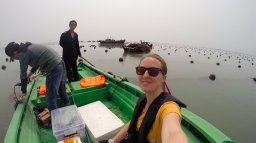 Iona Campbell合作论文数Corresponding author.1
 Martina Strittmatter合作论文数1
 Jorge Hernandez合作论文数1
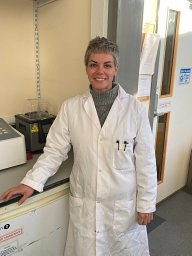 Soldatou Sylvia合作论文数School of Chemistry, National University of Ireland Galway1
 Iker Uriarte合作论文数CIMA, University of Navarra1
 Lipinska Agnieszka合作论文数UPMC Univ Paris 06, Sorbonne Université1
 Dominique Marie合作论文数1Ebel Rainer合作论文数1
 Franz Goecke合作论文数1
 Jorge Avaria-Llautureo合作论文数Lab Ecol Mol & Filoinformat, Univ Concepcion1




