Between January 1985 and June 1992, 263 consecutive patients had mitral valve reconstruction (133 patients) or replacement (130 patients) for degenerative or ischemic mitral regurgitation. The two groups were similar in sex, age, prior infarctions or cardiac operations, hypertension, angina, and functional class. Both groups were similar in mean ejection fraction, pulmonary artery pressure, cardiac index, and incidence of coronary artery disease. More reconstruction than replacement patients had ischemic etiology (22 [16%] versus 12 [9%]; p = not significant), and fewer reconstruction patients had ruptured anterior leaflet chordae (9 [7%] versus 39 [30%]; p < 0.01). More reconstruction than replacement patients had concomitant cardiac procedures (67 [50%] versus 59 [45%]; p = not significant). Hospital death occurred in 4 reconstruction patients (3%) and 15 (12%) replacement patients (p < 0.01). Median postoperative stay was shorter in reconstruction patients (10 versus 12 days; p = 0.02). Late valve-related death occurred in 3 reconstruction patients (2%) and 8 (6%) replacement patients (p = 0.08). Six-year actuarial freedom from thromboembolism was 92% for the reconstruction group and 85% for the replacement group (p = 0.12). Freedom from all valve-related morbidity and mortality was 85% for the reconstruction patients and 73% for the replacement patients (p = 0.03). Significant multivariate predictors of hospital death were age, mitral valve replacement, functional class, congestive heart failure, no posterior chordal rupture, and nonelective operation. Mitral valve reconstruction, when technically feasible, is the procedure of choice for degenerative or ischemic mitral regurgitation because of significantly lower hospital mortality and late valve-related events.
Between June 1968 and April 1991, 75 patients who had undergone coronary angiography underwent repair of a postinfarction ventricular septal defect. Group 1 (n = 33) includes patients who had two- or three-vessel serious (> 75% narrowing) proximal coronary artery disease and underwent complete revascularization in addition to repair of the ventricular septal defect. Group 2 (n = 19) patients also had two- or three-vessel coronary artery disease but bypass grafting was not performed; only the ventricular defect was repaired. Group 3 (n = 23) patients had only single-vessel coronary artery disease that corresponded to the region of the infarct; they underwent ventricular septal defect repair only. Follow-up of hospital survivors was 96% complete at a mean of 86.2 months (range, 1 to 288 months). Hospital mortality after ventricular septal defect repair was 21.2% in the cohort with bypassed coronary artery disease (group 1), 26.3% in those with unbypassed disease (group 2), and 26.1% in those with only single-vessel coronary artery disease (group 3) (p = 0.88). With follow-up after 5 and 10 years, the actuarial survival was 72.2% +/- 8% and 47.8% +/- 10%, respectively, in the bypassed group, 29.2% +/- 11% and 0%, respectively, in the unbypassed group, and 52.2% +/- 10% and 36.5% +/- 11%, respectively, in the cohort with single-vessel disease. Bypassing associated coronary artery disease significantly increased long-term survival when compared with patients with unbypassed coronary artery disease (p = 0.0015).
The effects of stroma-free hemoglobin (SFHgb) on the coronary circulation remain unclear. An intact canine model utilizing intracoronary adenosine to abolish the confounding effect of autoregulation was used to study maximal myocardial oxygen delivery during progressive hemodilution with polymerized bovine SFHgb. The circumflex coronary artery was instrumented with a flow probe, hydraulic constrictor, and proximal and distal catheters for adenosine infusion and distal pressure measurement, respectively. This preparation was used to generate diastolic coronary pressure-flow relations during maximal vasodilation. Maximal coronary conductance and maximal myocardial oxygen delivery were determined in two groups of 7 dogs each following hemodilution, first with 6% hetastarch (Control), followed by further hemodilution with ultra-pure, polymerized, bovine SFHgb. After hemodilution with SFHgb, maximal coronary flow increased slightly without evidence of coronary vasoconstriction. Since hemodilution with this material increases oxygen carrying capacity, maximal oxygen delivery is greater than Control, despite the very low canine hematocrit. These findings suggest: 1) SFHgb can provide adequate oxygen delivery to the myocardium despite extreme degrees of hemodilution, and 2) in this intact model, there is no evidence of adverse coronary vasomotion.
After heart transplantation, right ventricular failure can occur because of increased afterload. Previous studies have suggested that the maximal pressure the right ventricle can develop is determined primarily by right ventricular perfusion pressure. However, the interaction of the left ventricle and the pericardium as functional co-determinants of maximal right ventricular function is unknown. This study was undertaken to determine the interaction of the pericardium, left ventricular pressure, and right coronary artery perfusion pressure as potential determinants of maximal right ventricular function. In an acute canine preparation, with progressive pulmonary artery constriction, maximal generated right ventricular pressure was determined over a range of left ventricular systolic pressures. Additional groups of dogs were studied with the right coronary artery cannulated and were maintained at constant perfusion pressure. In all preparations, the maximal pressure the right ventricle could generate was linearly related to left ventricular systolic pressure. Having a closed pericardium markedly enhanced this effect; some effect was present with an open pericardium, although the magnitude of the influence of left ventricular pressure on maximal right ventricular pressure was much less. Maintaining constancy of right coronary artery perfusion pressure, either at high or low values, did not alter these findings nor did it alter the influence of the pericardium. These results suggest that right ventricular perfusion may not be the sole determinant of maximal right ventricular function. Furthermore, with the pericardium open, such as in the posttransplantation state, the left ventricular contribution to maximal right ventricular function may be diminished, increasing vulnerability for right ventricular failure caused by increased afterload.
To determine the safety of intraaortic balloon pump catheter insertion for critical coronary ischemia through suprainguinal prosthetic bypass grafts, we examined our experience of 19 intraaortic balloon pumps placed through grafts in 17 patients by means of surgical exposure (8) or the percutaneous (11) approach. Fourteen intraaortic balloon pumps were placed through matured grafts at a time remote (2 to 13 years; mean, 7 years) from their vascular bypass surgery. Five were inserted through nonmatured grafts during the same hospitalization as their vascular reconstructive surgery (1 to 12 days; mean, 4 days). One patient, a day after an aortoiliac bypass, died during an urgent, surgical intraaortic balloon pump insertion for cardiogenic shock. All other patients had prompt reversal of their cardiac ischemia. Decreased limb perfusion developed during use of the intraaortic balloon pump in three patients, all of whom had their intraaortic balloon pump placed percutaneously through mature grafts. Two of these required surgical thrombectomy. Ten intraaortic balloon pump insertions in eight patients survived the hospitalization and were followed for a mean of 24 months (range, 2 weeks to 64 months). No localized groin or graft infections were identified. No bleeding complications or pseudoaneurysms occurred. Thus in patients with unstable, severe, cardiac disease, intraaortic balloon pumps can be safely placed through indwelling suprainguinal bypass grafts.
Because of recent concern about the safety of our national blood supply, there is increased interest in finding safe and effective blood substitutes. One option is the use of stroma-free hemoglobin (SFH) solutions. Recently, a SFH solution based on ultrapure, polymerized bovine hemoglobin (UPPBHg) has been shown to be effective in oxygen transport. We examined the potential renal toxicity of this material. Sprague-Dawley rats were infused with UPPBHg at doses of 25, 50, 75, and 100 ml/kg. Additional groups of rats were infused with UPPBHg at these doses with the addition of bicarbonate at a dose adequate to alkalinize the urine. Further groups of rats received UPPBHg intentionally contaminated with raw bovine blood lysate. Renal function was examined by subsequent determination of serum creatinine. UPPBHg infusion up to 50 ml/kg caused no significant change in serum creatinine; at higher doses, there was a reversible rise in creatinine at 24 hr following infusion. Addition of bicarbonate diminished the amount of reversible toxicity seen, even at doses of 100 ml/kg. In contrast, with hemolysate-contaminated UPPBHg, there were sharp increases in creatinine 24 hr after infusion of all doses tested, even at 25 ml/kg; these did not decrease significantly by 48 hr following infusion. At the higher doses tested, death occurred. These observations were not affected by simultaneous bicarbonate infusion. This study shows that UPPBHg may be administered in very large doses with only mild, reversible renal toxicity. The observation that urine alkalinization ameliorates this toxicity suggests that this may occur by hemoglobin precipitation or by a toxic effect in the renal tubules.(ABSTRACT TRUNCATED AT 250 WORDS)
Journal Article Efficacy of a new blood substitute based on ultra-pure polymerized bovine hemoglobulin. A preliminary report Get access European Journal of Cardio-Thoracic Surgery, Volume 3, Issue 4, July 1989, Pages 353–354, https://doi.org/10.1016/1010-7940(89)90034-1 Published: 01 July 1989
As a preface to studies on the feasibility of liver segment transplantation, we studied the course of liver regeneration in immunosuppressed rats. Partial hepatectomies were performed in young adult male rats who were then treated with daily cyclosporine, dexamethasone, the combination of both agents, or vehicle. Body weight, liver weight, and liver DNA content were measured in subgroups of rats studied at various times after partial hepatectomy. All treated animals experienced weight loss, a phenomenon most marked in animals treated with both dexamethasone and cyclosporine. The DNA content of regenerating liver increased initially after partial hepatectomy in all animals. Restoring their original hepatic DNA in a fashion indistinguishable from controls, animals treated with cyclosporine increased liver DNA four fold within the first six days after partial hepatectomy. Animals treated with dexamethasone and both dexamethasone and cyclosporine increased their complement of liver DNA 2.5 fold, to 80% of that originally present. After day 6, the combined cyclosporine and dexamethasone treatment group became extremely catabolic and experienced a sharp decline in liver DNA. We conclude that despite the deleterious effects of cyclosporine and dexamethasone, especially in combination, on weight gain following partial hepatectomy, these agents do not prevent DNA synthesis and the accretion of new liver mass. We are encouraged by these studies to proceed with experimental studies on the normal growth and repair of liver segments transplanted into an immunosuppressed host.
It has been clearly shown, both in a laboratory model and in humans, that oxygenation of crystalloid cardioplegic solutions markedly enhances myocardial preservation. The addition of a small volume of red cells to a crystalloid perfusate improves capillary perfusion. Based on these results, we have changed our cardioplegic solution from cold crystalloid to cold oxygenated dilute blood. In the present study we retrospectively evaluate the results of 400 operative procedures to determine whether the addition of oxygenation and a small volume of blood to the cardioplegic solution enhances myocardial protection in the clinical setting. Two hundred consecutive patients who underwent operation with cardioplegic arrest using a cold crystalloid cardioplegic solution (group 1) were compared with a subsequent 200 patients who underwent operation with cold oxygenated dilute blood cardioplegia (group 2). Patients in group 2, who received cold oxygenated dilute blood cardioplegia, had a significantly reduced need for postoperative intraaortic balloon pump counterpulsation and for atrioventricular pacing. Also, patients in group 2 had a lower incidence of perioperative myocardial infarction and had improved early outcome. None of the 200 patients in group 2 had electrocardiographic evidence of perioperative infarction. We conclude that cold oxygenated dilute blood cardioplegia provides better preservation than does a nonoxygenated crystalloid solution during elective ischemic arrest, because a cold crystalloid solution is able to deliver oxygen and the red cells are able to enhance capillary perfusion.
Incremental changes in the temperature (28-42.5 degrees C) of the anterior left ventricular wall in a canine, working, beating right heart bypass preparation (constant preload, afterload, and heart rate) were produced to measure the effect of regional temperature on myocardial function and blood flow. Circumferential-axis segment lengths were measured with sonomicrometry in both the temperature-varied, left-anterior descending coronary artery (LAD)-supplied myocardium and the normothermic (38 degrees C) circumflex-supplied myocardium. Fast thermistors (time constant less than 0.25 s) continuously monitored midmyocardial temperature in both areas. A Silastic loop with heat exchanger, thermistors, strain gauge, and flow probe was inserted into the LAD and allowed precise control of regional myocardial temperature. Nine-micron microspheres injected into left atrium were used to evaluate coronary flow and distribution. In six anesthetized dogs, relative to normothermic control (38 degrees C), regional systolic shortening decreased 42.2 +/- 10% at 41 degrees C and increased 23.3 +/- 6% at 31 degrees C. There was no significant change in coronary blood flow or distribution at the three temperatures. Pressure-length areas varied inversely with myocardial temperature. These data demonstrate that there is a reversible inverse relationship between midwall T and ventricular function when heart rate, preload, and after-load are controlled.
The Fontan principle of right ventricular exclusion is frequently applied to complex congenital lesions. Results are adversely affected by increases in pulmonary vascular resistance and/or ventricular end-diastolic pressure. Survival depends on means to increase pulmonary blood flow. To address this problem, we have developed a triple-balloon catheter that is passed via the femoral vein to the right atrium. Inflation is sequenced so that small balloons located at the junction of each vena cava with the atrium inflate first. Then the larger central balloon inflates, ejecting blood from the right atrium to the pulmonary arteries. The pump is timed to inflate during ventricular systole. In this study, we tested the catheter in vivo in eight dogs. Tricuspid atresia was created and right ventricular exclusion accomplished. Pulmonary blood flow was measured with a flow probe in the right atrium-to-pulmonary artery conduit, at central venous pressures of 15, 20, and 25 mm Hg. Pulmonary blood flow was increased by balloon pumping in every instance (p less than .05). Maximal augmentation of pulmonary blood flow (25.5%) was achieved at a central venous pressure of 15 mm Hg with a balloon ratio of 1:2. Less augmentation was achieved at a central venous pressures of 20 mm Hg (8.4% to 13.0%) and a 25 mm Hg (4.4% to 5.3%) and at balloon ratios of 1:4 and 1:8. We conclude that (1) a triple-balloon pump in the right atrium can significantly augment pulmonary blood flow after right ventricular exclusion and (2) most effective augmentation can be achieved without excessive volume loading. Pulsatile augmentation of pulmonary blood flow with this device should improve survival after Fontan operations.
Although the results of coronary artery bypass grafting plus single aortic or mitral valve replacement have been documented, the risk of myocardial revascularization with combined aortic and mitral valve replacement is not well defined. We present a series of 33 consecutive patients undergoing myocardial revascularization with combined aortic and mitral valve replacement during a period of almost seven years. There were 21 men and 12 women with a mean age of 67 years. All patients had congestive heart failure, and 21 (64%) had angina pectoris. Mean New York Heart Association functional classification was 3.4; eight patients (24%) had ejection fractions less than 0.40, and 13 patients (41%) had cardiac indices less than 2.0 L/min/m2. All operations were performed with hypothermic crystalloid potassium cardioplegia. The number of coronary arteries grafted varied from one to four (mean, 1.7 grafts per patient). Four patients died while in the hospital (12.1%). There were no perioperative myocardial infarctions. At a follow-up of 2 to 80 months (mean 40.7 months), death had occurred in eight (27.6%) of the 29 hospital survivors. Actuarial survival rate at 72 months was 60.7%. Although no preoperative factors predicted late death, early deaths were related significantly to severe mitral regurgitation, low ejection fraction, high New York Heart Association classification and extensive coronary artery disease (p less than 0.05). Myocardial revascularization with combined aortic and mitral valve replacement can be performed with an acceptable early mortality rate but with an appreciable late mortality rate.
Retrospective data on the treatment of aortic dissection at the Massachusetts General Hospital from 1963 to 1978 are reported. During this period, 160 patients with spontaneous aortic dissection were treated by definitive medical or definitive surgical therapy. Patients were classified according to type (proximal versus distal) and duration (acute versus chronic) of dissection. Long-term followup (mean 48 months, range 1 to 147) was available in 156 cases. Hospital and late survival in each of the categories of dissection were evaluated in relation to those features of the dissection itself and of the subsequent therapy that correlated with ultimate survival. Results show that: 1) chronic presentation was the most significant determinant of both hospital and late survival; 2) in acute dissection, prognosis was determined largely by the presence or absence of major complications, regardless of ultimate therapy; the only complication without adverse effect on survival was aortic insufficiency; 3) late survival after discharge from the hospital was similar for patients with all types of dissection and modes of therapy; and 4) the incidence of late complications from aortic dissection was lower than previously reported. Thus, the success of early definitive medical and surgical treatment was sustained on longterm follow-up.
 Mj Buckley合作论文数78Wm Daggett合作论文数29Ed Mundth合作论文数27Fh Levine合作论文数25Rc Leinbach合作论文数17M T McEnany合作论文数16Jw Harthorne合作论文数13Charles A. Sanders合作论文数13HK GOLD合作论文数12Scannell J G合作论文数9PJ LARAIA合作论文数8Cw Akins合作论文数8Ca Sanders合作论文数8
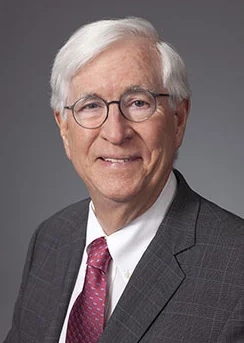 John T. Fallon合作论文数Department of Pathology & Laboratory Medicine, Brody School of Medicine, East Carolina University8Re Dinsmore合作论文数7Harold R. Kay合作论文数7Mb Laver合作论文数6Grotte G J合作论文数6Dm Lederman合作论文数5RD CUMMING合作论文数5Singh Pi合作论文数5Rw Desanctis合作论文数5
 Shunei Kyo合作论文数5William M. Abbott合作论文数5P. Magrassi合作论文数5
 Cary W. Akins合作论文数Department of Surgery, Massachusetts General Hospital;Department of Surgery, Harvard Medical School5Subba Rao合作论文数4Rm Weintraub合作论文数4Al Friedlich合作论文数4Ra Morgan合作论文数4Desancti.Rw合作论文数4Mn Dambra合作论文数4Lowenste.E合作论文数4
 Edward Jacobs合作论文数4Peter C Block合作论文数School of Medicine, Emory University4Willard M. Daggett合作论文数4Roman W. Desanctis合作论文数4Myron B Laver合作论文数4
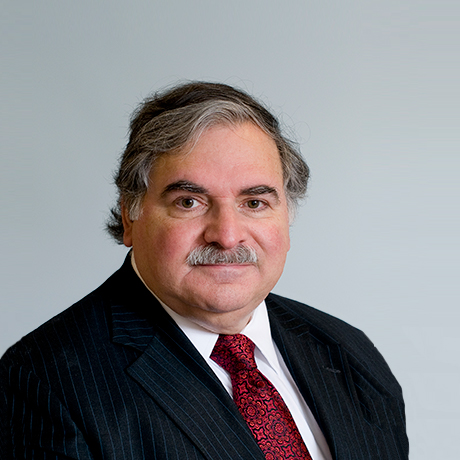 Gus J. Vlahakes合作论文数Cardiothoracic Surgeon, Massachusetts General Hospital4E.G. Butchart合作论文数4Graeme L. Hammond合作论文数4JD LAIRD合作论文数3Arthur R. Kantrowitz合作论文数3Ae Magro合作论文数3Harthorn.Jw合作论文数3EW SALZMAN合作论文数3Gj Vlahakes合作论文数3GJ VLAHAKES合作论文数3




