Background An intracranial mycotic aneurysm (MA) is a rare, but devasting complication of left ventricular assist device (LVAD) associated endocarditis. Diagnosis and management has been limited to a few case reports. We present a case series reviewing characteristics and outcomes of LVAD patients undergoing endovascular embolization for treatment of a cerebral MA. Methods We retrospectively reviewed all LVAD patients who underwent a diagnostic cerebral angiogram for endovascular treatment of a ruptured MA between April 2022 and October 2025. Results Seven patients, 57% (n=4) male with a median age 44 ± 18 years were included. All patients were bacteremic and presented with an intracranial hemorrhage. Diagnostic cerebral angiogram with interventional radiology transcatheter intracranial embolization of the MA with embolic agents n-Butyl Cyanoacrylate (n=3), Onyx (n=2), and Hydro Coils (n=2) successfully occluded all MAs. Five patients (71%) were discharged after 23 ± 9 days, two remained hospitalized; one expired after 3 days due to withdrawal of care and the other patient received a heart transplant 64 days after endovascular treatment. Conclusion Patients with LVAD-associated IE are predisposed to neurological complications and a diagnostic cerebral angiogram should be performed on those who present with an intracranial hemorrhage as this appears to be predictive of a MA. Endovascular embolization is a promising treatment option for cerebral MAs in considerable risk LVAD patients.
Introduction In patients with chronic, symptomatic heart failure (HF), invasive hemodynamic data may identify patients with an advanced disease profile. We aimed to assess the impact of abnormal hemodynamics (abnormal) on cardiac death. Methods We conducted a single-center retrospective study of consecutive patients who underwent an elective CardioMEMSTM PAP sensor implantation for chronic HF management from 2015 to 2022. We excluded patients who were on chronic intravenous inotropic (CIIS) or left ventricular assist device (LVAD) support and those who underwent heart transplantation (HT) prior to device implantation. Patients were classified as having an abnormal profile if they had at least one of the following hemodynamic criteria: right atrial pressure (RAP) ≥12 mmHg, pulmonary capillary wedge pressure (PCWP) ≥18 mmHg, or cardiac index (CI) by Fick method ≤2.0 L/min/m2. The primary endpoint of cardiac death was defined as a composite of all-cause mortality, needing LVAD, HT, or on CIIS at 1-year post-device implant. Results There were 91 patients (median age 66 years, 52% female, median NT-pro-BNP 1819 pg/mL) who met the study criteria. All had NYHA functional class II-III HF symptoms and were hospitalized within the last 12 months. Of those patients, 67 (74%) had a left ventricular ejection fraction (LVEF) ≤35%. An abnormal profile was identified in 62 (68%) patients. Amongst these, 29 (32%) patients had an abnormal RAP or PCWP, 7 (8%) patients had abnormal CI only, and 26 (28%) patients had both abnormal low CI and RAP/PCWP. The abnormal group had a lower proportion of patients on angiotensin receptor blocker-neprilysin inhibitor [62% vs 35%, P=0.041], mineralocorticoid receptor antagonist [80% vs 49%, P=0.0061] and had lower estimated glomerular filtration rate (57.8 ± 20.5 vs 46.4 ± 18.6, P=0.012). Both groups were similar in age, sex, race, vital signs and NT-pro-BNP levels. Compared to the normal group, the abnormal group had a lower 1-year freedom from cardiac death (64% vs 89%, unadjusted HR [95% CI]: 3.9 [1.1-13], P=0.027, Figure). The abnormal group remained associated with the primary outcome even after we stratified by LVEF ≤35%. The 1-year overall survival was similar between the groups (93% vs 100%, P=0.16). Conclusion Abnormal invasive hemodynamics in patients with chronic symptomatic HF may be important in identifying higher-risk patients who would benefit from an advanced HF referral.
AbstractAimsIntra‐aortic balloon pump (IABP) devices are commonly used in patients with heart failure related cardiogenic shock (HF‐CS), including those with out‐of‐proportion right ventricular (RV) dysfunction. Pulmonary artery pulsatility index (PAPi) is a haemodynamic surrogate for RV performance. We aimed to assess short‐term haemodynamic changes in patients with HF‐CS following IABP support stratified by baseline PAPi.Methods and resultsThis is a single‐centre study of 67 consecutive patients with HF‐CS who underwent IABP placement between 2020 and 2022. The primary aim was haemodynamic changes of specific variables on pulmonary artery catheter monitoring over 72 h following IABP placement. Secondary aims were clinically significant changes in diuretic regimens, changes in inotropes or vasopressors at 72 h following IABP, along with clinical outcomes. Prior to IABP placement, 57% of the total cohort (median age 59 years [48, 69], 31% female) had Society of Cardiovascular Angiography and Interventions Stage C HF‐CS. Thirty‐eight (56%) patients had a PAPi <2.0. Following 72 h of IABP support, the PAPi <2.0 group had an observed significant decrease in central venous pressure (CVP; 20 to 12 mmHg, P < 0.001) and mean pulmonary artery pressure (mPAP; 37.5 to 28.5 mmHg, P = 0.001), and an increase in PAPi (1 to 1.6, P = 0.001). No significant change in cardiac index (CI; 2 to 2.1 L/min/m2, P = 0.31) was observed. The PAPi ≥2.0 group (N = 29) had no observed significant change in CVP (10 to 8 mmHg, P = 0.47), or PAPi (2.6 to 2.8, P = 0.92), but there was a significant improvement in CI (1.9 to 2.5 L/min/m2, P = 0.004) along with reduction in mPA (37 to 29 mmHg, P = 0.03). The PAPi <2.0 group had a significant increase in diuretic requirement (52.6% vs. 20.7%, P = 0.01) and numerically greater addition of inotropes/vasopressors (47.3% vs. 34.4%, P = 0.07) compared with the PAPi ≥2.0 group at 72 h following IABP placement. Significantly more patients in the PAPi ≥2.0 group underwent left ventricular assist device (55.2% vs. 26.3%, P = 0.02), with no overall significant differences observed in escalation to veno‐arterial extracorporeal membrane oxygenation, 30‐day mortality, renal replacement therapy post‐IABP, or rates of heart transplantation.ConclusionsIABP devices in those with HF‐CS and low or abnormal PAPi may provide modest short‐term haemodynamic benefits without significant improvement in CI, along with greater need for adjustment in medical therapeutics to achieve haemodynamic optimization.
Introduction: Eculizumab (ECU) is utilized in desensitization strategies in both kidney (KT) and heart transplantation (HT). Due to its ability to prevent the formation of membrane attack complexes, the complement inhibitor could be an ideal agent to limit the immune response to circulating donor specific antibodies (DSAs). Data regarding the efficacy and treatment in the setting of antibody mediated rejection (AMR) for HT is limited. We present our multi-modal approach when treating severe acute AMR in HT recipients.
Introduction Determining the cause of pulmonary hypertension (PH) in an individual patient can be challenging as PH can be a result of multiple etiologies. However, identifying the etiology of PH is essential as it influences both patient management and outcomes. We present a unique case of a patient with known hypertrophic cardiomyopathy (HCM) who was diagnosed with PH from unanticipated etiologies. Case Presentation 70-year-old male with a history of non-obstructive HCM and remote pulmonary embolism (PE) presented to the hospital with worsening lower extremity swelling and dyspnea. Physical examination was significant for jugular-venous distention and 1+ pitting edema of the lower extremities. Laboratory evaluation showed NT-proBNP 386 pg/mL and high sensitivity troponin 396 ng/mL. ECG showed sinus rhythm, 1st degree atrioventricular block, and bifascicular block. Transthoracic echocardiogram revealed severe concentric left ventricular hypertrophy (LVH), LV end-diastolic diameter 3.6 cm, ejection fraction 65-70%, dilated right ventricle with severely reduced systolic function, severe tricuspid regurgitation and estimated peak systolic pressure 70 mmHg. Given history HCM with severe LVH, it was anticipated that a significant component of PH was secondary to WHO Group II (post-capillary PH). However, right heart catheterization showed severe pre-capillary PH [right atrium 17, right ventricle 90/16, pulmonary artery 89/48/62, pulmonary arterial wedge pressure (PAWP) 12 mmHg], pulmonary vascular resistance 17.5 Wood units and severely reduced cardiac index of 1.3 L/min/m2 . Given severity of hemodynamics, he was started on intravenous epoprostenol and diuretics. Further PH evaluation was pursued. ANA titers were mildly elevated with homogenous pattern (>1:160) but ANA screen with antibody returned negative. HIV antigen/antibody screen was negative. There was low suspicion of WHO group V PH due to no known hematologic, systemic or metabolic disorders. High resolution chest CT showed dilation of main pulmonary artery, patchy groundglass infiltrates and some scarring in left lung. Due to history of prior PE, a ventilation perfusion (V/Q) scan was done which showed decreased perfusion in left lower lobe of the lung with homogenous ventilation bilaterally. A pulmonary angiogram was consistent with chronic thromboembolic pulmonary hypertension (CTEPH). Hence, etiology of PH was believed to be secondary to WHO group IV. However, given positive ANA titers and HCM with severe LVH , WHO group I and II disease respectively could not be ruled out. Patient refused surgical or percutaneous treatment of CTEPH and wanted only medical therapy. He responded poorly to parenteral vasodilators with intolerable side effects. Riociguat was started but stopped due to hemoptysis. Subsequently he opted for comfort care and was enrolled in hospice. Conclusion The cause of PH may not always be obvious and identifying its etiology can be a challenge. This case of HCM with suspected predominant WHO group II PH is an example of how other less likely etiologies may be a cause of PH. Therefore, it is essential to do a thorough evaluation as it may alter management.
Purpose: Left ventricular assist device (LVAD) patients who require temporary right ventricular assist device (tRVAD) support have increased morbidity and mortality. Limited data exists predicting which patients will require tRVAD support following HeartMate 3 (HM3) LVAD implantation. We examined the utility of established risk scores and hemodynamic surrogates in predicting right heart failure (RHF) requiring tRVAD among HM3 patients.
Purpose: Tacrolimus (FK) nephrotoxicity can occur in heart transplant (HT) recipients, but the effect of time to therapeutic tacrolimus trough (TTT-FK) on renal function is not well studied. We examined the impact of TTT-FK on estimated glomerular filtration rate (eGFR) from baseline to 12 weeks post HT.
Background:Patient selection for real-world use of HeartMate 3 left ventricular assist device (HM3 LVAD) differs from that of clinical trials. We assessed adverse-event rates between "nontrial like" (NTL) and "trial like" (TL) patients who underwent commercial HM3 implantation. Methods:We conducted a multicenter, retrospective cohort study of 231 consecutive patients who underwent primary HM3 implant from October 2017 to December 2021. Patients were identified as NTL if they met ≥1 exclusion criteria from the Mulitcenter Study of MagLev Technology in Patients Undergoing Mechanical Circulatory Support Therapy with HeartMate 3 (MOMENTUM 3) trial and TL if they had no exclusion criteria. The primary outcome was freedom from death, heart failure hospitalization, LVAD-related infection, and hemocompatibility-related adverse events including major gastrointestinal bleed, all-cause stroke, and pump thrombosis. Results:Of the 231 patients (median age 59 years, 24% female), 105 (45%) were categorized as NTL, most commonly due to low albumin and/or prealbumin levels alone (n = 48) followed by the use of temporary mechanical circulatory support alone (n = 10) and having ≥2 exclusion criteria (n = 26). Compared to the TL group, the NTL group had a lower 1-year event-free survival (34% vs 48%, adjusted hazard ratio (HR) [95% confidence interval (CI)]: 1.5[1.01-2.0], p = 0.043). One-year overall survival was 82% in NTL group vs 95% in TL group (adjusted HR [95%CI]: 3.3[1.1-8.7], p = 0.013). Post-HM3 adverse events were associated with the presence of ≥2 exclusion criteria (adjusted HR [95%CI]: 1.8[1.06-3.1], p = 0.028); and veno-arterial extracorporeal membrane oxygenation support prior to HM3 (adjusted HR [95%CI]: 1.9[1.08-3.4], p = 0.026). Conclusions:In this multicenter cohort of HM3 patients, those outside of traditional clinical trial eligibility had a significantly lower 1-year event-free survival.
IntroductionAmong heart transplant (HT) recipients, anti-angiotensin II type 1 receptor antibodies (AT1R-Ab) have been implicated in non-HLA antibody-mediated rejection (AMR). Donor-derived cell free DNA (dd-cfDNA) is increasingly being used to detect both subclinical and overt cardiac allograft injury. We present a case of using dd-cfDNA in suspected AT1R-Ab-associated cardiac allograft dysfunction.Case ReportA 38-year-old male with a history of HVAD implantation complicated by driveline infection and pump thrombosis underwent an uncomplicated HT. He received standard immunosuppression: basiliximab induction, mycophenolate mofetil (MMF 1000mg BID), tacrolimus (goal trough 10-12 ng/ml), and prednisone taper. Three months post-HT, right heart catheterizations revealed normal filling pressures and persistently low cardiac indices (3-5-month post-HT mean thermodilution, TDCI = 1.9 L/min/m2). Serial transthoracic echocardiograms showed normal function. Biopsies were repeatedly negative for both acute cellular rejection (grade 0) and pathologic AMR. Donor-specific antibodies were negative. Non-HLA antibody testing showed elevated AT1R-Ab titers (12 U/ml, normal <10). Due to the unrevealing work-up, dd-cfDNA was checked and found to be elevated (0.66%, normal <0.12%). Given his clinical stability, we opted to increase MMF to 1250mg BID and initiated losartan 50mg daily. Though AT1R-Ab titers remained elevated, his TDCI significantly improved (6-9-month post-HT mean = 2.4 L/min/m2), and dd-cfDNA normalized (Fig. 1).SummaryOur case raises the possibility that among certain HT recipients, AT1R-Ab may cause subclinical dysfunction whose etiology eludes traditional testing methods. In cases of suspected AT1R-associated graft dysfunction, dd-cfDNA may have utility in 1) detecting allograft injury and 2) monitoring for treatment response. Further study is necessary to understand AT1R-Ab-associated injury and the use of dd-cfDNA in these cases.
BACKGROUND:Caregiving for heart failure (HF) patients is burdensome. We examined differences in caregiver burden for 3 groups of older advanced HF patients: (1) supported with mechanical circulatory support (MCS) before heart transplantation (HT MCS), (2) awaiting transplant without MCS (HT non-MCS), and (3) prior to long-term MCS and factors associated with burden. METHOD:From October 1, 2015 to December 31, 2018, we enrolled 276 caregivers for HF patients from 13 U.S. sites: 85 HT MCS, 96 HT non-MCS, and 95 prior to long-term MCS. At enrollment, caregivers completed the Oberst Caregiving Burden Scale (15 items, 2 subscales: time (range = 1-5; higher score = more time spent on task) and difficulty (range = 1-5; higher score = higher difficulty of task) and other measures. Statistical analyses included descriptive statistics, ANOVA, chi-square tests, and linear regression. RESULT:Overall, caregivers were aged 60.8 ± 9.8 years and predominantly white, female, spouses, well educated, and reported ≥1 comorbidities. Caregivers overall reported a moderate amount of time spent on tasks and slight task difficulty. Caregivers for HT non-MCS candidates reported significantly less perceived time spent on tasks than caregivers for HT MCS candidates and caregivers for patients prior to long-term MCS (2.2 ± 0.74 vs 2.4 ± 0.74 vs 2.5 ± 0.71, respectively, p = 0.02) and less perceived difficulty of tasks (1.2 ± 0.33 vs 1.4 ± 0.53 vs 1.4 ± 0.54, respectively, p = 0.01). Caregiver and patient factors were associated with caregiver burden. CONCLUSIONS:Prior to HT and long-term MCS, caregiver burden was low to moderate. Caregiver factors were predominantly associated with caregiver burden. Understanding caregiver burden and factors affecting caregiver burden may enhance preoperative advanced therapies discussions and guide caregiver support.
PurposePatient selection for real-world use of HeartMate 3 left ventricular assist devices (HM3) differs from that of clinical trials. We assessed adverse-event rates between "non-trial like" (NTL) and "trial like" (TL) patients who underwent commercial HM3 implantation.MethodsWe conducted a multicenter, retrospective cohort study of 197 consecutive patients who underwent primary HM3 implant from 10/2017 to 6/2021 with ≥1-year follow-up. Patients were identified as NTL if they met ≥1 exclusion criteria from the MOMENTUM 3 clinical trial and TL if they had no exclusion criteria. The primary outcome was freedom from composite events of death, LVAD-related infection (LVADI), and hemocompatibility related adverse events (HRAE) including major gastrointestinal bleed, all-cause stroke, and pump thrombosis.ResultsOf the 197 patients (median age 58 years, 24% female), 84 (43%) were categorized as NTL due to low albumin and/or prealbumin levels (n=38), temporary MCS (tMCS) prior to HM3 (n=10), elevated bilirubin (n=5), psychosocial reasons (n=5), severe PAD (n=3), elevated creatinine (n=2), hematological reasons (n=1), severe COPD (n=1), or having ≥2 exclusion criteria (n=19). Both NTL and TL patients were statistically similar in age, sex, and race. Compared to the TL group, the NTL group had a lower 1-year event-free survival (43% vs 62%, adjusted HR [95% CI]: 1.6 [1.04-2.4], p=0.034; Fig1A&B). One-year overall survival was 84% in NTL group vs. 95% in TL group (adjusted HR [95% CI]: 3.3 [1.1-9.6], p=0.028). There was more use of post-operative RVAD in the NTL group (25% vs 10%, respectively, p=0.0058). In an adjusted analysis, post-LVAD adverse events were associated with the presence of ≥2 exclusion criteria (adjusted HR [95% CI]: 2.2 [1.1-4.3], p=0.016) and the use of tMCS prior to HM3 (adjusted HR [95% CI]: 2.0 [1.04-3.9], p=0.037).ConclusionIn this multicenter experience of HM3 patients, those outside of traditional clinical trial eligibility had a significantly lower event-free survival. Patient selection for real-world use of HeartMate 3 left ventricular assist devices (HM3) differs from that of clinical trials. We assessed adverse-event rates between "non-trial like" (NTL) and "trial like" (TL) patients who underwent commercial HM3 implantation. We conducted a multicenter, retrospective cohort study of 197 consecutive patients who underwent primary HM3 implant from 10/2017 to 6/2021 with ≥1-year follow-up. Patients were identified as NTL if they met ≥1 exclusion criteria from the MOMENTUM 3 clinical trial and TL if they had no exclusion criteria. The primary outcome was freedom from composite events of death, LVAD-related infection (LVADI), and hemocompatibility related adverse events (HRAE) including major gastrointestinal bleed, all-cause stroke, and pump thrombosis. Of the 197 patients (median age 58 years, 24% female), 84 (43%) were categorized as NTL due to low albumin and/or prealbumin levels (n=38), temporary MCS (tMCS) prior to HM3 (n=10), elevated bilirubin (n=5), psychosocial reasons (n=5), severe PAD (n=3), elevated creatinine (n=2), hematological reasons (n=1), severe COPD (n=1), or having ≥2 exclusion criteria (n=19). Both NTL and TL patients were statistically similar in age, sex, and race. Compared to the TL group, the NTL group had a lower 1-year event-free survival (43% vs 62%, adjusted HR [95% CI]: 1.6 [1.04-2.4], p=0.034; Fig1A&B). One-year overall survival was 84% in NTL group vs. 95% in TL group (adjusted HR [95% CI]: 3.3 [1.1-9.6], p=0.028). There was more use of post-operative RVAD in the NTL group (25% vs 10%, respectively, p=0.0058). In an adjusted analysis, post-LVAD adverse events were associated with the presence of ≥2 exclusion criteria (adjusted HR [95% CI]: 2.2 [1.1-4.3], p=0.016) and the use of tMCS prior to HM3 (adjusted HR [95% CI]: 2.0 [1.04-3.9], p=0.037). In this multicenter experience of HM3 patients, those outside of traditional clinical trial eligibility had a significantly lower event-free survival.
BACKGROUND: Information about health-related quality of life (HRQOL) among caregivers of older patients with heart failure who receive heart transplantation (HT) and mechanical circulatory support (MCS) is sparse. We describe differences and factors associated with change in HRQOL before and early post-surgery among caregivers of older heart failure patients who underwent 3 surgical therapies: HT with pretransplant MCS (HT MCS), HT without pretransplant MCS (HT non-MCS), and long-term MCS. METHODS: Caregivers of older patients (60–80 years) from 13 US sites completed the EQ-5D-3 L visual analog scale (0 [worst]–100 [best] imaginable health state) and dimensions before and 3 and 6 months post-surgery. Analyses included linear regression, t tests, and nonparametric tests. RESULTS: Among 227 caregivers (HT MCS=54, HT non-MCS=76, long-term MCS=97; median age 62.7 years, 30% male, 84% White, 83% spouse/partner), EQ-5D visual analog scale scores were high before (84.8±14.1) and at 3 (84.7±13.0) and 6 (83.9±14.7) months post-surgery, without significant differences among groups or changes over time. Patient pulmonary hypertension presurgery (β=−13.72 [95% CI, −21.07 to −6.36]; P <0.001) and arrhythmia from 3 to 6 months post-operatively (β=−14.22 [95% CI, −27.41 to −1.02]; P =0.035) were associated with the largest decrements in caregiver HRQOL; patient marital/partner status (β=6.21 [95% CI, 1.34–11.08]; P =0.013) and presurgery coronary disease (β=8.98 [95% CI, 4.07–13.89]; P <0.001) were associated with the largest improvements. CONCLUSIONS: Caregivers of older patients undergoing heart failure surgeries reported overall high HRQOL before and early post-surgery. Understanding factors associated with caregiver HRQOL may inform decision-making and support needs. REGISTRATION: URL: https://www.clinicaltrials.gov ; Unique identifier: NCT02568930.
 Sunil Pauwaa合作论文数47Macaluso Gregory合作论文数44P. Pappas合作论文数36
 Edwin C. Mcgee合作论文数Department of Cardiovascular and Thoracic Surgery, Loyola University Medical Center31
 Andrew Kao合作论文数30Tatooles Antone J合作论文数27Antone J. Tatooles合作论文数24
 Adin-Cristian Andrei合作论文数Department of Preventive Medicine, Feinberg School of Medicine, Northwestern University22
 Kathleen L Grady合作论文数Cardiology, Department of Medicine, Feinberg School of Medicine, Northwestern University22Christopher Sciamanna合作论文数21
 Mary Amanda Dew合作论文数Department of Psychology, School of Medicine and Medical Center, University of Pittsburgh21
 Allen S Anderson合作论文数Janey & Dolph Briscoe Division of Cardiology, Department of Medicine, The University of Texas Health Science Center at San Antonio20A. Joshi合作论文数19N. Narang合作论文数19
 Ambar Andrade合作论文数19
 Maryl Johnson合作论文数Department of Medicine, School of Medicine and Public Health, University of Wisconsin-Madison19
 Michael Petty合作论文数19A. Andrade合作论文数17Eileen Hsich合作论文数Department of Cardiovascular Medicine, Cleveland Clinic Foundation17
 Jeffrey Teuteberg合作论文数Division of Cardiovascular Medicine, Department of Medicine, Stanford University;Stanford Cardiovascular Institute, Stanford Medicine17Margaret Murray合作论文数16
 Duc Thinh Pham合作论文数Division of Cardiac Surgery, Department of Surgery, Feinberg School of Medicine, Northwestern University;Bluhm Cardiovascular Institute, Northwestern Memorial Hospital16J. Pillarella合作论文数15Pamboukian Salpy V合作论文数15
 John A. Spertus合作论文数Healthcare Institute for Innovations in Quality, University of Missouri - Kansas City;School of Medicine, University of Missouri - Kansas City15
 Francis Dominic Pagani合作论文数Frankel Cardiovascular Center, University of Michigan, Ann Arbor15
 Vinh Q. Chau合作论文数Department of Internal Medicine, Virginia Commonwealth University15
 Clyde W. Yancy合作论文数Feinberg School of Medicine, Northwestern University;Bluhm Cardiovascular Institute of Northwestern, Northwestern University15Lampert Brent C合作论文数14
 Mario Deng合作论文数13Anjali Joshi合作论文数12
 Thomas P. Cappola合作论文数Department of Medicine, Perelman School of Medicine, University of Pennsylvania12
 Scott Silvestry合作论文数12
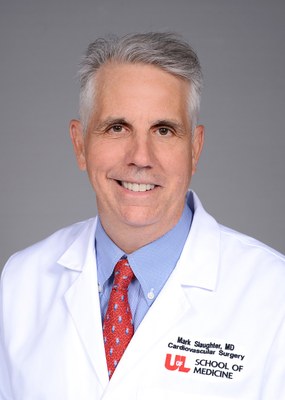 Mark S. Slaughter合作论文数Department of Cardiovascular and Thoracic Surgery, School of Medical, University of Louisville12Yee James合作论文数12
 Hannah A. Valantine合作论文数Medicine Department, Stanford University12
 Mihai Gheorghiade合作论文数Feinberg School of Medicine, Northwestern University12Bogaev Roberta C合作论文数11
 Narang Nikhil合作论文数Texas Health Presbyterian Hospital, University of Texas Southwestern Medical School11Yuzefpolskaya Melana合作论文数11Takeda Koji合作论文数Department of Surgery, Columbia University Medical Center11Laura Coyle合作论文数11
 Randall Starling合作论文数Kaufman Center for Heart Failure, Cleveland Clinic11d a baran合作论文数10Muhyaldeen Dia合作论文数10M. Pham合作论文数10Larue Shane J合作论文数From the School of Medicine (M.C.I.),, University of Colorado School of Medicine;Mechanical Circulatory Support Program, University of Colorado Hospital;Department of Medicine, Washington University in St. Louis-School of Medicine;University of Colorado Hospital, Washington University in St. Louis-School of Medicine10M Dia合作论文数10




