Abstract Introduction Inadequate sleep duration and quality increases the risk and severity of depressive symptoms. Sex differences may influence these associations, but research findings are inconsistent and largely based on healthy populations. This study examined sex differences in the association between sleep and depressive symptoms in people seeking treatment primarily for sleep disorders at an outpatient clinic. Methods 1806 participants were recruited from an outpatient multidisciplinary sleep clinic (48% female; Mean-age = 43.93±16.00 years). Participants self-reported sleep duration, sleep quality (rated 1-4, higher scores represent better sleep quality), and depressive symptoms (PROMIS Short Form v1.0 - Depression 8a) prior to receiving treatment. Results Participants self-reported sleeping 6.49±1.73 hours and depressive symptoms were above population mean (55.95±10.09). Males reported more depressive symptoms than females (p <.001), however there were no significant sex differences in the association between sleep variables and depressive symptoms. Overall, lower sleep quality was associated with greater depressive symptoms (p <.001); and there was a U-shape relationship between sleep duration and depressive symptoms (p =.003), in which both shorter and longer sleep are associated with greater depressive symptoms. Conclusion This study revealed that depressive symptoms were elevated in an outpatient sleep clinic sample compared to population norm, underscoring the importance of recognising and addressing mental health symptoms that coexist with sleep problems. Associations between sleep and depressive symptoms were similar between males and females, but males reported significantly higher depressive symptoms than females. Future studies should explore biopsychosocial factors that may contribute to sex differences in depressive symptoms.
Background: Insomnia is a risk factor for affective disorders. This study examined whether individuals with insomnia symptoms early in the pandemic, either pre-existing or new-onset, were more vulnerable to anxiety and depressive symptoms over time than those who maintained normal sleep. Additionally, sleep-related factors such as pre-sleep arousal were assessed for their influence on clinically significant anxiety and depression risk.Methods: Using a global online survey with 3-, 6-, and 12-month follow-ups between April 2020 and May 2021, data from 2069 participants (M = 46.16 +/- 13.42 years; 75.3 % female) with pre-existing, new-onset, or no insomnia symptoms was examined using mixed-effects and logistic regression models.Results: New-onset and pre-existing insomnia predicted persistent anxiety and depressive symptoms longitudi-nally (p's < 0.001), over other known risk factors, including age, sex, and previous psychiatric diagnoses. Anxiety and depressive symptoms in both insomnia groups remained above clinically significant thresholds at most time points, whereas normal sleepers remained subclinical. Pre-sleep arousal was found to increase the risk of clin-ically significant anxiety (OR = 1.05) and depressive symptoms (OR = 1.09) at 12-months. Sleep effort contributed to anxiety (OR = 1.06), whereas dysfunctional sleep-related beliefs and attitudes predicted clinically significant depression (OR = 1.22).Limitations: Insomnia group categorization was based on self-report at baseline supported by a validated measure. High participant attrition was observed at 3-months (53 %; n = 971), but retention remained steady till 12 -months (63 %, n = 779). Conclusions: Insomnia is a modifiable risk factor for persistent anxiety and depressive symptoms that needs to be addressed in mental healthcare. Additionally, pre-sleep arousal may be an important transdiagnostic process linking insomnia with affective disorders.
Abstract Introduction Chronotype (or morningness-eveningness), individuals’ time-of-the-day preference for activity, has been associated with depressive symptoms. This cross-sectional study examined the association between chronotype and symptoms of depression in outpatients attending a sleep disorders clinic. Method The sample included individuals attending an outpatient sleep disorders clinic and provided opt-out consent for their data to be used for research purposes. Individuals included in the analyses provided demographic data, their typical weekly total sleep time (TST), and complete responses prior to treatment on the reduced Morningness-Eveningness Questionnaire (rMEQ; for chronotype), and the PROMIS depression scale. Results A total of 1641 (44.5% female, Mage = 45.20 years, SDage = 16.06 years) participants were included. On average, the sample scored intermediate chronotype (M = 14.73, SD = 4.35) and higher depressive symptom scores that were half a standard deviation higher compared to community norms (M = 55.80, SD = 10.01). Multiple linear regression controlling for age, sex, and TST showed that greater eveningness preferences predicted higher symptoms of depression, p<0.01, explaining 2.76% additional variance in depression scores above that of the covariates. Discussion Overall, sleep clinic outpatients had an intermediate chronotype and above average depressive symptoms. The findings are consistent with existing literature in other populations indicating that eveningness may be a risk factor for greater symptoms of depression. Future studies need to explore whether interventions to alter chronotype may benefit symptoms of depression in individuals with sleep complaints.
Summary Dreaming and insomnia are important markers of distress in times of crisis. Here, we present a longitudinal, mixed‐methods study examining changes in dreaming between individuals with and without insomnia symptoms and their relationship to mental health during the COVID‐19 pandemic. A global survey examining insomnia symptoms, dreams and mental health was launched in April 2020 and followed participants over 12 months. Of 2240 participants, 1009 (45%) reported dream changes at baseline. A higher proportion of participants with new‐onset insomnia reported dream changes (55%) than those with pre‐existing insomnia (45%) or good sleepers (36%). Overall, thematic analysis identified key dream change themes of increased dream activity, with participants dreaming vividly, in high‐definition, and with a strong negative charge. Themes around survival, adjusting to pandemic life, meaning‐making and poor sleep quality were also noted. Linguistic Inquiry Word Count showed that individuals with insomnia used more negative words to describe their dream changes than good sleepers. Specifically, the new‐onset insomnia group used more anxious and death‐related words than those who slept well. Notably, all groups experienced a significant reduction in dream activity by 3‐month follow‐up. Lastly, dream changes were associated with worse mental health symptoms over time, and this effect was more pronounced in individuals with insomnia. Our results highlight that insomnia symptoms, especially new‐onset insomnia, are associated with more negative dream changes during collective stressful events, potentially compounding daytime distress and mental health symptoms over time. During times of crisis, dreaming and insomnia may reveal an important target for mental health interventions.
Cognitive behavioural therapy for insomnia (CBT-I) is considered the front-line treatment for insomnia. Despite the demonstrated effectiveness of CBT-I, it is necessary to consider how CBT-I may be tailored to different individuals. The purpose of the present review is to provide a summary of literature on tailoring CBT-I to different individuals and provide directions for future research. This review focused on the following domains of adaptation: (i) tailoring CBT-I components to individuals with comorbid mental or physical health conditions such as comorbid depression and pain; (ii) adapting CBT-I delivery for different contexts in which individuals exist, such as inpatient, educational, and different social/cultural settings, (iii) adapting CBT-I to specific individuals via case-formulation in clinical settings. We highlight current gaps in the exploration of tailored CBT-I, including a lack of research methodology to evaluate tailored interventions, a need for the integration of ongoing individualised assessment to inform treatment, and the necessary involvement of consumers and stakeholders throughout the research and treatment development process. Together, this review showed abundant adaptations in CBT-I already exist in the literature. Future research is needed in understanding when and how to apply adaptations in CBT-I and evaluate the benefits of these adaptations.
Obstructive Sleep Apnoea (OSA) is associated with high rates of depression; however, if and how treatment of OSA improves depressive symptoms is unclear. To further understand this link we considered the role of emotional regulation - the ability to control and express our emotional responses - thought to be a central component of depression. This study aimed to assess changes in depressive symptoms and emotional responses in individuals with OSA after 4- and 12-months of continuous positive airway pressure (CPAP) treatment. One-hundred and twenty-one OSA participants (50 female, Mage = 51.93; mean AHI = 36.27) were recruited from a tertiary clinical sleep service prior to CPAP initiation, and randomised to either a CPAP group or a 4 month wait-list group. Participants completed the Center for Epidemiological Studies Depression Scale, the Emotional Reactivity Scale and the Difficulties in Emotion Regulation Scale at baseline, and 1-, 2-, and 4-months follow-up. The CPAP group also completed the questionnaires 12-months after CPAP initiation. CPAP use at 1 month and 12 months was 5.1h/night and 4.9h/night, respectively. Significant improvements in depressive symptoms, emotional regulation and reactivity, and subjective sleepiness were observed after 4 months in both groups, however, the within group changes were only significant for those using CPAP. After 12-months of CPAP treatment, these improvements were maintained. There was no association between CPAP treatment adherence and improvements in any outcome. CPAP treatment for 12 months may reduce symptoms of depression and improve emotional regulation in individuals with OSA.
Abstract Introduction Insomnia increases risk of affective disorders. This study assessed whether individuals with insomnia symptoms at the beginning of the pandemic, either new-onset or pre-existing, were at increased vulnerability to anxiety and depressive symptoms longitudinally compared to those who continued sleeping normally. Sleep-related factors (e.g., pre-sleep arousal) were also examined for their influence on risk of clinically significant anxiety and depression. Method Between April 2020 and May 2021, 2069 participants (M=46.16 years, SD=13.42; 75.3% female) with new-onset, pre-existing, or no insomnia symptoms responded to a global online survey with 3-, 6-, and 12-month follow-ups. Data were analysed using mixed-effects and logistic regression models. Results New-onset and pre-existing insomnia were stronger predictors of anxiety and depressive symptoms over time (p’s <.001) than other established risk factors such as, age, sex, and past psychiatric diagnoses. Although depressive symptoms in both insomnia groups declined from acutely elevated baseline levels, they remained clinically significant at the majority of timepoints whereas normal sleepers remained below threshold. Pre-sleep arousal was identified as a risk factor for clinically significant symptoms of anxiety (OR=1.05) and depression (OR=1.09) at 12-months. Sleep effort predicted anxiety (OR=1.06), whereas dysfunctional sleep-related attitudes and beliefs contributed to clinically significant depression (OR=1.22). Discussion Insomnia and associated sleep-related factors are key modifiable risks for persistent symptoms of anxiety and depression. This study highlights sleep as an opportunity for intervention into the enduring mental health ramifications of the COVID-19 pandemic and underlines the need to integrate insomnia treatment into routine mental health care.
To review the recent literature on mindfulness-based strategies for improving self-report and objective measures of sleep, in individuals with psychiatric disorders. Currently, research provides some support for the use of mindfulness-based interventions to improve sleep amongst individuals with psychiatric comorbidities. The strongest evidence was for the use of standardized programs, particularly for improving sleep in anxiety and depressive disorders. There is a paucity of well-controlled studies using validated subjective or objective measures of sleep. As these interventions were not specifically designed to target sleep, observed improvements may be an indirect consequence of reduced psychiatric symptoms. There is insufficient research into the application of mindfulness-based strategies to improve sleep or treat sleep disorders in people with psychiatric disorders. Well-controlled studies using standardized, mindfulness-based interventions developed to target sleep, such as mindfulness-based therapy for insomnia, may optimize the potential benefits of mindfulness for sleep in psychiatric populations.
Abstract Introduction Individuals attending sleep services commonly present with comorbid psychiatric symptoms. This study reports our ongoing effort to characterise presenting psychiatric symptom profiles of individuals seeking treatment at a sleep clinic and classify heterogenous subgroups within a large sample. Method Data were collected at a university-based multidisciplinary sleep clinic via opt-out consent. Prior to treatment, individuals completed the Cross-Cutting Symptom Measure (CCSM), which provides a transdiagnostic symptom profile by measuring 13 domains of mental health (e.g., anger, anxiety, depression, psychosis, mania, memory). Additional questions on demographics and the Morningness-Eveningness Questionnaire Reduced (rMEQ) were also administered. Results 1263 participants (52.9% male; age M±SD= 43.53±16.06) completed the CCSM and were analysed. Latent class analysis revealed 3 distinct profiles: Low-Symptom subgroup (n=655, 51.9%) reported mild affective and somatic symptoms; Psychopathology subgroup (n=342, 27.1%) reported moderate to severe psychopathology including psychosis, dissociation, and suicidality, in conjunction with severe affective, obsessive-compulsive, and somatic symptoms, and significant interference with memory and personality functioning; Affective-Disturbance subgroup (n=266, 21.1%) reported moderate affective and somatic symptoms, and some interference with memory and personality functioning. The three subgroups did not differ significantly on key demographics or the rMEQ. Discussion There was heterogeneity in psychiatric symptoms experienced by sleep clinic patients. Affective and somatic disturbances were common across subgroups whilst severe psychopathology appeared in a sizeable (one in four) proportion of patients. These findings solidified the need for careful assessment of a wide range of psychiatric symptoms to inform treatment planning in sleep services.
Abstract Introduction This study aimed to describe longitudinal changes of sleep in adult patients at a multidisciplinary sleep clinic throughout the COVID-19 pandemic. Methods Participants completed six self-report online surveys between October 2020 (during increased COVID-19 restrictions) and March 2022 (after easing of restrictions). Results Of 746 patients invited to participate in this study, 38 completed the initial and final surveys (mean age 53.9 years, range 21-83, 63.2% female). No participants had contracted COVID-19 at study commencement but 3 (7.9%) had been diagnosed with COVID-19 by the end of the study. In late 2020, 10 participants (26.3%) described reduced sleep quantity whilst 15 (39.5%) had worse sleep quality than pre-pandemic. Changes in dreams were reported by 13 participants (34.2%). In early 2022, 10 participants (26.3%) described worse sleep whereas 13 (34.2%) reported unaltered sleep and 3 (7.9%) experienced better sleep than pre-pandemic. Remaining patients were uncertain if their sleep had changed. No significant changes were detected in Insomnia Severity Index scores (initial survey mean 13.07, final survey mean 12.61, mean difference -0.47 [95%CI -2.29, 1.34], p=0.60) or PROMIS Sleep-Related Impairment 8a T-scores (initial survey mean 56.07, final survey mean 54.23, mean difference -1.84 [95%CI -4.12, 0.43], p=0.11). Discussion 42% of patients experienced deterioration in sleep quantity and/or quality within the first year of the pandemic. Despite the easing of COVID-19 restrictions, there was no significant change in symptoms of insomnia and sleep-related impairment, and a quarter of patients reported that their sleep remained worse compared with before the pandemic.
 Melinda Jackson合作论文数Turner Institute for Brain and Mental Health, School of Psychological Sciences, Monash University5
 B. Bei合作论文数4
 Garun Hamilton合作论文数Monash Health, Monash University;Epworth Sleep Centre4
 Shanthakumar Wilson Rajaratnam合作论文数Turner Institute for Brain and Mental Health, School of Psychological Sciences, Monash University4
 Darren Mansfield合作论文数4F. Cahill合作论文数3
 Sinh Lu合作论文数3
 Hailey Meaklim合作论文数Turner Inst Brain & Mental Hlth, Monash Univ3Y. Ng合作论文数2Wendy A Finck合作论文数2Moira F Junge合作论文数2Cornelia Wellecke合作论文数Turner Inst Brain & Mental Hlth, Monash Univ2
 Prerna Varma合作论文数Turner Inst Brain & Mental Hlth, Monash Univ2E Nguyen合作论文数1Allie Peters合作论文数1Flora Le合作论文数1Malisa Burge合作论文数1Emily Pattison合作论文数School of Psychology, Deakin University1M. Junge合作论文数1P. Varma合作论文数1
 Meagan E Crowther合作论文数Appleton Institute, CQUniversity1
 Imogen C Rehm合作论文数Victoria University1Delwyn Bartlett合作论文数School of Medicine, Faculty of Medicine and Health, The University of Sydney1
 Byrne Michelle L合作论文数Department of Psychology, University of Oregon1
 Julie Tolson合作论文数1
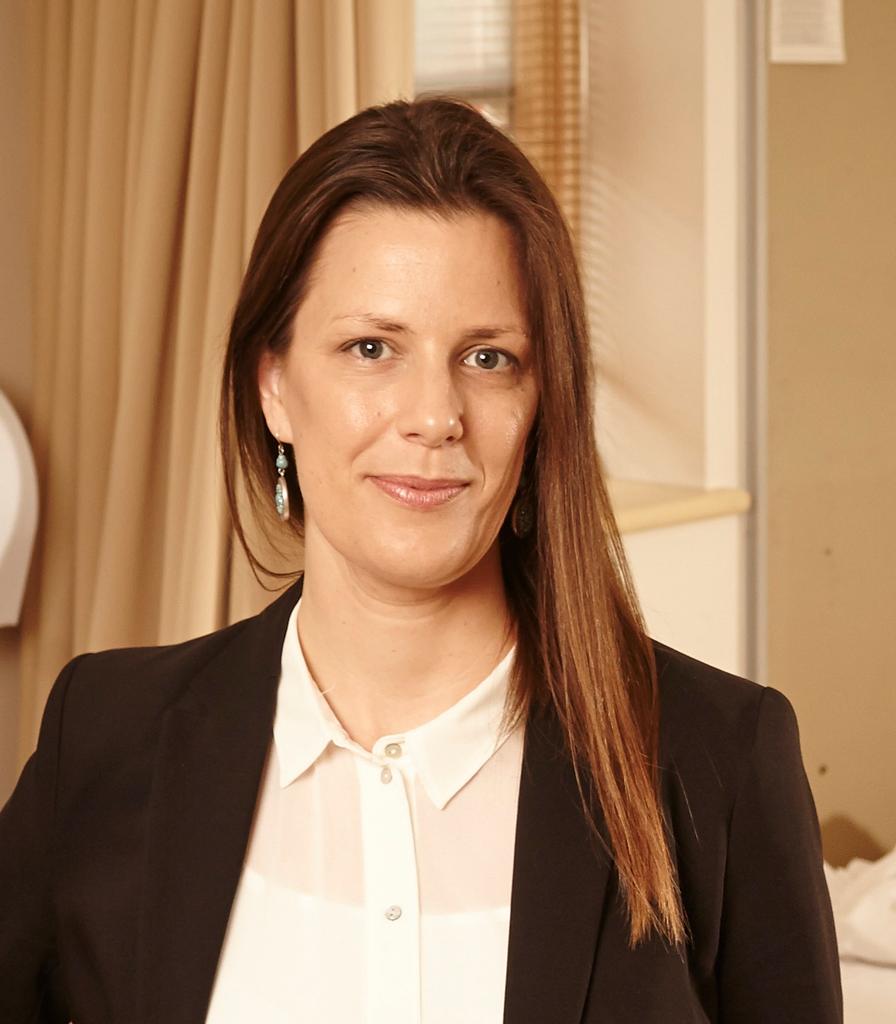 Tracey Sletten合作论文数Turner Institute for Brain and Mental Health, School of Psychological Sciences, Monash University1
 Michelle Byrne合作论文数Turner Institute for Brain and Mental Health, School of Psychological Sciences, Monash University1Maree Barnes合作论文数1
 Sean Drummond合作论文数Turner Institute for Brain and Mental Health, School of Psychological Sciences, Monash University1
 Luke A. Downey合作论文数Brain Sciences Institute, Swinburne University of Technology1




