Narnaviruses infect several genera of mosquitoes including Culex and Aedes . The narnavirus genome is a positive, single stranded RNA encoding an RNA-dependent RNA polymerase gene. The partial genome of a narnavirus identified in wild Aedes japonicus mosquitoes collected in Wooster, Ohio, USA was obtained using metagenomic analyses. Rapid amplification of 5'-cDNA ends (RACE) and Sanger sequencing were used to obtain the remaining genomic sequence of this strain. The complete genome is composed of 3153 nucleotides and has 98.4% and 99.1% nucleotide sequence identity with Aedes japonicus narnavirus genomes identified in Netherlands and Japan.
The preparation of future scientists, the technical workforce, and informed citizens will require continued transformation to the ways we approach STEM teaching and learning. Undergraduate STEM education is rapidly emerging as a focus of faculty scholarship, but new models for reform need to be developed and tested to accelerate changes in teaching practices. This paper describes a flexible, participant-driven, multi-phase, collaborative approach to developing open educational resources (OERs) that leverages linked communities of practice (CoPs). Equally valuable, our framework for development, adaptation, dissemination, and validation of OERs provides a platform for faculty professional development and sustained support through cooperative mentoring. The three linked CoPs in the framework include incubators for the creation of initial OERs, Faculty Mentoring Networks (FMNs) for the implementation and adaptation of OERs for classroom use, and Education Research Communities to assess the effectiveness of the OERs. The CoPs create numerous benefits for participating faculty, including the ability to collaborate in the Scholarship of Teaching and Learning (SoTL) through scholarly publication of OERs and their assessment; ongoing mentorship in implementation of OERs in the classroom; and development of educational leadership skills and experience. Thus, the three CoPs synergize with one another to build and sustain capacity through providing vetted, up-to-date educational resources, as well as ongoing training and support for faculty. While we developed this approach for the rapidly changing field of bioinformatics, the linked CoP framework will have utility for STEM education reform more broadly and disciplines beyond STEM.
IntroductionBioinformatics is an interdisciplinary field at the intersection of computational and biological sciences that focuses on the analysis and interpretation of large biological data sets. Although recognized as essential in the life sciences, bioinformatics is not commonly integrated in undergraduate life science education programs. Based on a national survey in 2016, the Network for Integrating Bioinformatics into Life Sciences Education (NIBLSE) published a community-sourced set of core competencies in bioinformatics education. The survey also identified barriers that prevent incorporation of these competencies into the curriculum. In the current study, the NIBLSE group reports the findings of a new survey to 509 life science educators across the US in 2022 to identify current barriers of bioinformatics integration and to determine if the landscape of bioinformatics education has changed since the 2016 survey.ResultsSimilar to previous results, a majority of respondents who currently teach bioinformatics or plan to teach bioinformatics report barriers. The top two barriers reported are students lacking prerequisite skills/knowledge and instructors lacking time to restructure course content. As in 2016, women reported experiencing barriers to bioinformatics teaching significantly more often than men; faculty from underrepresented minority backgrounds reported barriers more often than non-URM faculty; and educators at minority-serving institutions (MSIs) reported barriers more frequently than colleagues at non-MSIs. For additional insight into the barriers facing these educators, we conducted focus groups which provided qualitative data that supported the survey findings and revealed common themes including faculty perceptions of the relevance of bioinformatics in the curriculum. Despite the perceived value of bioinformatics education, many focus group members cited lack of student preparation and interest, and technological access as barriers. Participants also discussed how professional development and community support would enhance and sustain bioinformatics teaching.DiscussionTaken all together, this study indicates that challenges remain, which vary among faculty types and settings, but that more educators are attempting to integrate bioinformatics into life sciences education. In summary, our results suggest that redoubled efforts to provide training and community support to life sciences faculty is necessary.
The purpose of the meeting described in this review was to decide how best to ensure the sustainability of the Network for Integrating Bioinformatics into Life Science Education (NIBLSE; pronounced “nibbles”). Biology research today generates large and complex datasets, and the analysis of these datasets is becoming increasingly critical to progress in the field. The long-term goal of NIBLSE is to address this need and achieve the full integration of bioinformatics into undergraduate life sciences education. Meeting participants supported several next steps for NIBLSE, including further development and dissemination of bioinformatics learning resources through our novel incubators and Faculty Mentoring Networks, vigorously pursuing assessment strategies for our learning resources, connecting learning resources with open educational resource (OER) textbooks, learning more about barriers to bioinformatics implementation for underrepresented groups, and developing future workshops and meetings. About half the participants at the meeting were newcomers to NIBLSE, a positive sign for the future. NIBLSE has many exciting opportunities available, and we welcome life science educators with any level of bioinformatics expertise as new members.
Background.Phytophthora plant pathogens secrete effector proteins that are translocated into host plant cells during infection and collectively contribute to pathogenicity.A subset of these hosttranslocated effectors can be identified by the amino acid motif RXLR (arginine, any amino acid, leucine, arginine).Bioinformatics analysis has identified hundreds of putative RXLR effector genes in Phytophthora genomes, but the specific molecular function of most remains unknown. Methods.Here we describe initial studies to investigate the use of Saccharomyces cerevisiae as a eukaryotic model to explore the function of Phytophthora RXLR effector proteins. Results and Conclusions. Expression of individual RXLR effectors in yeast inhibited growth, consistentwith perturbation of a highly conserved cellular process.Transcriptome analysis of yeast cells expressing the poorly characterized P. sojae RXLR effector Avh110 identified nearly a dozen yeast genes whose expression levels were altered greater than two-fold compared to control cells.All five of the most downregulated yeast genes are normally induced under low phosphate conditions via the PHO4 transcription factor, indicating that PsAvh110 perturbs the yeast regulatory network essential for phosphate homeostasis and suggesting likely PsAvh110 targets during P. sojae infection of its soybean host.
Membrane receptors regulate many aspects of cell biology by enabling cells to sense and respond to their external environment. This is especially true for G protein‐coupled receptors (GPCRs), capable of activating various intracellular signaling pathways upon stimulation by extracellular molecules ranging from small metabolites to large protein ligands. Three human GPCRs (GPR4, GPR65, and GPR68) are uniquely known for their proton (H+)‐sensing capabilities, enabling the regulation of cell biology and physiology merely in response to acidosis. However, the mechanism underlying this proton sensing is poorly understood. In this study, we show these receptors evolved the ability to sense H+ by acquiring a triad of buried acidic residues. Using our informatics platform, pHinder, we initially identified this buried acidic triad as a distinct structural feature of proton‐sensing GPCRs. Phylogenetics revealed the buried acidic triad emerged in GPR65, the ancestral proton‐sensing receptor, and was maintained during the evolution of GPR4 and GPR68. To experimentally test the mechanistic importance of these triad residues, we developed Deep Variant Profiling (DVP), a method combining high‐throughput CRISPR gene editing and GPCR signaling assays in yeast to profile large libraries of GPCR variants. Our results validated that most triad residues are the primary source of H+ sensing, and also show that Na+, an allosteric modulator of many other GPCRs, synergistically regulates H+ sensing by tuning the pKa values of triad residues within the physiological pH range. These findings reveal an evolutionarily supported mechanism of proton sensing by GPR4, GPR65, and GPR68, and also provide pH‐insensitive variants for understanding how GPCR‐based proton sensing regulates cell biology and physiology.
Background Phytophthora plant pathogens secrete effector proteins that are translocated into host plant cells during infection and collectively contribute to pathogenicity. A subset of these host-translocated effectors can be identified by the amino acid motif RXLR (arginine, any amino acid, leucine, arginine). Bioinformatics analysis has identified hundreds of putative RXLR effector genes in Phytophthora genomes, but the specific molecular function of most remains unknown. Methods Here we describe initial studies to investigate the use of Saccharomyces cerevisiae as a eukaryotic model to explore the function of Phytophthora RXLR effector proteins. Results and Conclusions Expression of individual RXLR effectors in yeast inhibited growth, consistent with perturbation of a highly conserved cellular process. Transcriptome analysis of yeast cells expressing the poorly characterized P. sojae RXLR effector Avh110 identified nearly a dozen yeast genes whose expression levels were altered greater than two-fold compared to control cells. All five of the most down-regulated yeast genes are normally induced under low phosphate conditions via the PHO4 transcription factor, indicating that PsAvh110 perturbs the yeast regulatory network essential for phosphate homeostasis and suggesting likely PsAvh110 targets during P. sojae infection of its soybean host.
As powerful computational tools and 'big data' transform the biological sciences, bioinformatics training is becoming necessary to prepare the next generation of life scientists. Furthermore, because the tools and resources employed in bioinformatics are constantly evolving, bioinformatics learning materials must be continuously improved. In addition, these learning materials need to move beyond today's typical step-by-step guides to promote deeper conceptual understanding by students. One of the goals of the Network for Integrating Bioinformatics into Life Sciences Education (NIBSLE) is to create, curate, disseminate, and assess appropriate open-access bioinformatics learning resources. Here we describe the evolution, integration, and assessment of a learning resource that explores essential concepts of biological sequence similarity. Pre/post student assessment data from diverse life science courses show significant learning gains. These results indicate that the learning resource is a beneficial educational product for the integration of bioinformatics across curricula.
Developing effective assessments of student learning is a challenging task for faculty and even more difficult for those in emerging disciplines that lack readily available resources and standards.
Arginyltransferase 1 (ATE1) is an evolutionary-conserved eukaryotic protein that localizes to the cytosol and nucleus. It is the only known enzyme in metazoans and fungi that catalyzes posttranslational arginylation. Lack of arginylation has been linked to an array of human disorders, including cancer, by altering the response to stress and the regulation of metabolism and apoptosis. Although mitochondria play relevant roles in these processes in health and disease, a causal relationship between ATE1 activity and mitochondrial biology has yet to be established. Here, we report a phylogenetic analysis that traces the roots of ATE1 to alpha-proteobacteria, the mitochondrion microbial ancestor. We then demonstrate that a small fraction of ATE1 localizes within mitochondria. Furthermore, the absence of ATE1 influences the levels, organization, and function of respiratory chain complexes in mouse cells. Specifically, ATE1-KO mouse embryonic fibroblasts have increased levels of respiratory supercomplexes I+III2+IVn. However, they have decreased mitochondrial respiration owing to severely lowered complex II levels, which leads to accumulation of succinate and downstream metabolic effects. Taken together, our findings establish a novel pathway for mitochondrial function regulation that might explain ATE1-dependent effects in various disease conditions, including cancer and aging, in which metabolic shifts are part of the pathogenic or deleterious underlying mechanism.
Many aspects of protein function, cell biology, human physiology, and disease are influenced by pH changes. However, our mechanistic understanding of pH effects in most of these areas is limited. This is especially true in the case of cell signaling, for which very few pH‐sensing receptors and signaling cascades have been identified. To address this issue, we are studying how pH regulates G protein‐coupled receptors (GPCRs), the largest and most therapeutically targeted family of cell‐surface receptors in humans. Unlike most cellular proteins, GPCRs are regularly exposed to a wide range of dynamic pH values (from pH 7.4 on the cell surface, to pH 5.0 in endosomes) and can be chronically exposed to acidic microenvironments caused by cancer and processes such as inflammation. While there are more than 800 GPCR family members, only three receptors (i.e. GPR4, GPR65, and GPR68) are known to be activated directly by pH. In this study, we used structural informatics and cell‐based signaling assays to predict and validate residues responsible for pH sensing by these receptors. As part of these efforts, we engineered and interrogated 44 GPR4, GPR65, and GPR68 point mutations in a library of 440 cell strains that covered all possible GPCR‐Gα subunit signaling combinations. This comprehensive strain library included 14 mutations predicted by our structural informatics software, pHinder, and the full set of 30 mutations for these receptors available in the literature. Our results for the known mutants agree with previous reports and expand our understanding of the relationship between Gα‐signaling specificity and pH sensing. More importantly, several of our newly predicted mutations appear to have a greater influence on the pH‐sensing capabilities of these receptors than any of the previously reported GPR4, GPR65, and GPR68 mutations to date. Most of the pH‐sensitive residues predicted by pHinder were found within the protein core, a region that has been largely overlooked when considering pH‐sensing properties of GPCRs. Our cell‐based experiments confirmed that these residues are critical for pH sensing and provide a more thorough knowledge‐base for understanding GPCR pH sensing. We anticipate that the outcome of these studies will enable us to more comprehensively quantify the extent of pH sensing across the GPCRome and rationally engineer new pH‐sensing GPCRs for use in industry, synthetic biology, and medicine.Support or Funding InformationR35GM119518R01NS103906R03TR002908
Genome stability is essential for engineering cell-based devices and reporter systems. With the advent of CRISPR technology, it is now possible to build such systems by installing the necessary genetic parts directly into an organism's genome. Here, we used this approach to build a set of 10 versatile yeast-based reporter strains for studying human G protein?coupled receptors (GPCRs), the largest class of membrane receptors in humans. These reporter strains contain the necessary genetically encoded parts for studying human GPCR signaling in yeast, as well as four CRISPR-addressable expression cassettes,i.e.landing pads, installed at known safe-harbor sites in the yeast genome. We showcase the utility of these strains in two applications. First, we demonstrate that increasing GPCR expression by incrementally increasing GPCR gene copy number potentiates G? coupling of the pharmacologically dark receptor GPR68. Second, we used two CRISPR-addressable landing pads for autocrine activation of a GPCR (the somatostatin receptor SSTR5) with its peptide agonist SRIF-14. The utility of these reporter strains can be extended far beyond these select examples to include applications such as nanobody development, mutational analysis, drug discovery, and studies of GPCR chaperoning. Additionally, we present a BY4741 yeast strain created for broad applications in the yeast and synthetic biology communities that contains only the four CRISPR-addressable landing pads. The general utility of these yeast strains provides an inexpensive, scalable, and easy means of installing and expressing genes directly from the yeast genome to build genome-barcoded sensors, reporter systems, and cell-based factories.
While it is essential for life science students to be trained in modern techniques and approaches, rapidly developing, interdisciplinary fields such as bioinformatics present distinct challenges to undergraduate educators. In particular, many educators lack training in new fields, and high-quality teaching and learning materials may be sparse. To address this challenge with respect to bioinformatics, the Network for the Integration of Bioinformatics into Life Science Education (NIBLSE), in partnership with Quantitative Undergraduate Biology Education and Synthesis (QUBES), developed incubators, a novel collaborative process for the development of open educational resources (OER). Incubators are short-term, online communities that refine unpublished teaching lessons into more polished and widely usable learning resources. The resulting products are published and made freely available in the NIBLSE Resource Collection, providing recognition of scholarly work by incubator participants. In addition to producing accessible, high-quality resources, incubators also provide opportunities for faculty development. Because participants are intentionally chosen to represent a range of expertise in bioinformatics and pedagogy, incubators also build professional connections among educators with diverse backgrounds and perspectives and promote the discussion of practical issues involved in deploying a resource in the classroom. Here we describe the incubator process and provide examples of beneficial outcomes. Our experience indicates that incubators are a low cost, short-term, flexible method for the development of OERs and professional community that could be adapted to a variety of disciplinary and pedagogical contexts.
Of the 800 G protein-coupled receptors (GPCRs) in humans, only three (GPR4, GPR65, and GPR68) regulate signaling in acidified microenvironments by sensing protons (H+). How these receptors have uniquely obtained this ability is unknown. Here, we show these receptors evolved the capability to sense H+ signals by acquiring buried acidic residues. Using our informatics platform pHinder, we identified a triad of buried acidic residues shared by all three receptors, a feature distinct from all other human GPCRs. Phylogenetic analysis shows the triad emerged in GPR65, the immediate ancestor of GPR4 and GPR68. To understand the evolutionary and mechanistic importance of these triad residues, we developed deep variant profiling, a yeast-based technology that utilizes high-throughput CRISPR to build and profile large libraries of GPCR variants. Using deep variant profiling and GPCR assays in HEK293 cells, we assessed the pH-sensing contributions of each triad residue in all three receptors. As predicted by our calculations, most triad mutations had profound effects consistent with direct regulation of receptor pH sensing. In addition, we found that an allosteric modulator of many class A GPCRs, Na+, synergistically regulated pH sensing by maintaining the pKa values of triad residues within the physiologically relevant pH range. As such, we show that all three receptors function as coincidence detectors of H+ and Na+. Taken together, these findings elucidate the molecular evolution and long-sought mechanism of GPR4, GPR65, and GPR68 pH sensing and provide pH-insensitive variants that should be valuable for assessing the therapeutic potential and (patho)physiological importance of GPCR pH sensing.
The Network for Integrating Bioinformatics into Life Sciences Education (NIBLSE) is an NSF funded Research Coordination Network that aims to establish bioinformatics as an essential component of undergraduate life sciences education. As part of that effort, the project is working to make existing bioinformatics learning resources more accessible to non-specialists and increase their use across undergraduate biology courses. To this end, NIBLSE has partnered with the Quantitative Undergraduate Biology Education and Synthesis (QUBES) project to develop and implement a novel model, called incubators, for supporting the refinement, publication, and dissemination of high-quality bioinformatics teaching resources such as a lab activities, worksheets, or classroom exercises. The incubators bring together the author of an existing resource with experienced users, novice users, and a managing editor from NIBLSE to discuss how to refine and improve the resource to make it more robust and more applicable in various undergraduate settings. The talk outlines the challenges faced in developing high-quality learning resources and describes how the incubator model addresses several of those challenges. Examples of previous incubators are presented, and attendees are shown how to volunteer to participate in an incubator.
Bioinformatics, a discipline that combines aspects of biology, statistics, mathematics, and computer science, is becoming increasingly important for biological research. However, bioinformatics instruction is not yet generally integrated into undergraduate life sciences curricula. To understand why we studied how bioinformatics is being included in biology education in the US by conducting a nationwide survey of faculty at two- and four-year institutions. The survey asked several open-ended questions that probed barriers to integration, the answers to which were analyzed using a mixed-methods approach. The barrier most frequently reported by the 1,260 respondents was lack of faculty expertise/training, but other deterrents—lack of student interest, overly-full curricula, and lack of student preparation—were also common. Interestingly, the barriers faculty face depended strongly on whether they are members of an underrepresented group and on the Carnegie Classification of their home institution. We were surprised to discover that the cohort of faculty who were awarded their terminal degree most recently reported the most preparation in bioinformatics but teach it at the lowest rate.
Analyzing high-throughput DNA sequence data is a fundamental skill in modern biology. However, real and perceived barriers such as massive file sizes, substantial computational requirements, and lack of instructor background knowledge can discourage faculty from incorporating high-throughput sequence data into their courses. We developed a straightforward and detailed tutorial that guides students through the analysis of RNA sequencing (RNA-seq) data using Galaxy, a public web-based bioinformatics platform. The tutorial stretches over three laboratory periods (~8 hours) and is appropriate for undergraduate molecular biology and genetics courses. Sequence files are imported into a student's Galaxy user account directly from the National Center for Biotechnology Information Sequence Read Archive (NCBI SRA), eliminating the need for on-site file storage. Using Galaxy's graphical user interface and a defined set of analysis tools, students perform sequence quality assessment and trimming, map individual sequence reads to a genome, generate a counts table, and carry out differential gene expression analysis. All of these steps are performed "in the cloud," using offsite computational infrastructure. The provided tutorial utilizes RNA-seq data from a published study focused on nematode infection of Arabidopsis thaliana. Based on their analysis of the data, students are challenged to develop new hypotheses about how plants respond to nematode parasitism. However, the workflow is flexible and can accommodate alternative data sets from NCBI SRA or the instructor. Overall, this resource provides a simple introduction to the analysis of "big data" in the undergraduate classroom, with limited prior background and infrastructure required for successful implementation.
 Eric W. Triplett合作论文数Department of Microbiology & Cell Science, Institute of Food and Agricultural Sciences, University of Florida14
 William E. Tapprich合作论文数Division of Biological Sciences, University of Montana14
 Mark A. Pauley合作论文数14Anne Rosenwald合作论文数Department of Embryology;Carnegie Institution of Washington;Department of Embryology, Carnegie Institution of Washington14
 Elizabeth A. Dinsdale合作论文数11
 Sophien Kamoun合作论文数John Innes Centre, The Sainsbury Laboratory;University of East Anglia8
 Michael L Sierk合作论文数School of Medicine, University of Virginia8
 Samuel S. Donovan合作论文数8
 Elizabeth F. Ryder合作论文数Department of Biology, Boston College;Facultad de Medicina, Universidad Complutense de Madrid;and Department of Genetics, Harvard Medical School;Harvard Medical School, Universidad Complutense de Madrid8
 Akhilesh Kumar合作论文数7
 Adam Kleinschmit合作论文数Dept Nat & Appl Sci, Univ Dubuque7Fangliang Zhang合作论文数School of Veterinary Medicine, University of Pennsylvania7
 Neal Grandgenett合作论文数University of Nebraska at Omaha7
 Jason Williams合作论文数DNA Learning Center, Cold Spring Harbor Laboratory;Science Institute, Yeshiva University High School for Girls6Drew Jennifer C合作论文数Institute of Food and Agricultural Sciences, University of Florida6Charles Hauser合作论文数Biology Department;Duke University;Institut de Biologie Physico-Chimique;CNRS / UniversitePierre et Marie Curie-Paris;Duke University, UniversitePierre et Marie Curie-Paris5
 Jorunn I. B. Bos合作论文数Department of Plant;Ohio State University;Agricultural Research and Development Center;Agricultural Research and Development Center, Ohio State University5
 Daniel G Isom合作论文数5Edgar Huitema合作论文数Department of Plant;Ohio State University;Agricultural Research and Development Center;Agricultural Research and Development Center, Ohio State University5
 Geoffrey Taghon合作论文数Dept Mol & Cellular Pharmacol, Univ Miami4
 Nicholas J. Kapolka合作论文数Univ Miami, Miller Sch Med, Dept Mol & Cellular Pharmacol, Miami, FL 33136 USA4
 Jacob B Rowe合作论文数Dept Mol & Cellular Pharmacol, Univ Miami4
 Carlos C Goller合作论文数Biotechnol Program BIT, North Carolina State Univ4
 Devang M. Patel合作论文数Monash University, Department of Diabetes4McWilliams Mindy合作论文数4
 Carolyn Anne Young合作论文数Forage Improvement Division, The Samuel Roberts Noble Foundation4
 William R. Pearson合作论文数Department of Biochemistry and Molecular Genetics, School of Medicine, University of Virginia4
 Sabrina Robertson合作论文数4
 Joe Win合作论文数Ohio Agricultural Research and Development Center, The Ohio State University4
 Barbara Murdoch合作论文数Department of Microbiology and Immunology, University of Western Ontario4
 Antonino Testa合作论文数Department of Plant Pathology, Ohio State University4
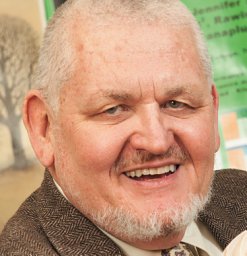 John Jungck合作论文数Beloit College4
 Srebrenka Robic合作论文数Department of Molecular and Cell Biology, University of California4Minkyoung Lee合作论文数3Edison R Fowlks合作论文数3Rafael Tosado-Acevedo合作论文数3Hayley Orndorf合作论文数3Robin Wright合作论文数Department of Genetics, Cell Biology and Development, University of Minnesota;College of Biological Sciences, University of Minnesota3James M. Burnette合作论文数3David Ebenbach合作论文数3
 Tammy Tobin合作论文数3
 Tolga Bozkurt合作论文数Cell and Developmental Biology, Department of Life Sciences, Faculty of Natural Sciences, Imperial College London3
 Anya L Goodman合作论文数Department of Chemistry and Biochemistry, California Polytechnic State University3
 Jeffrey D Newman合作论文数Department of Biology, Marquette University3
 Sebastian Galindo合作论文数3
 Melissa A Wilson Sayres合作论文数Department of Integrative Biology, University of California Berkeley;School of Life Sciences and The Biodesign Institute, Tempe, Arizona 85287-5001, USA;School of Life Sciences and The Biodesign Institute, University of California Berkeley3
 Sarah C. R. Elgin合作论文数Department of Biology, Washington University in St. Louis;Howard Hughes Medical Institute3
 Lonnie Welch合作论文数Bioinformatics Laboratory, Ohio University;Department of Electrical Engineering and Computer Science, Ohio University3
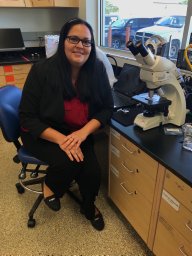 Liliana M Cano合作论文数The Sainsbury Laboratory, John Innes Centre3




