Malignant phyllodes tumours are rare breast neoplasms with limited systemic treatment options, particularly in the metastatic setting. In this case report, malignant phyllodes tumour was diagnosed in a 61-year-old female who subsequently developed a metastasis to the femur two years after initially presenting with isolated primary breast disease. The patient presented with an isolated osseous lesion and underwent an open biopsy and frozen section of the femur via a lateral approach. Secondary bone malignancy consistent with previous breast pathology was confirmed on frozen section. Subsequently, meticulous intralesional curettage was performed, followed by intramedullary femoral nailing and cementation of the surrounding bone defect. A sample of the resected tumour was cultured ex vivo as patient-derived explants (PDEs) and as 3-dimensional patient-derived organoids (PDOs). PDOs showed selective response to treatment with doxorubicin, compared to paclitaxel or eribulin. Although the patient was not eligible for chemotherapy, such PDO analysis could ultimately be helpful as a precision medicine approach to identify treatment options for patients. We detected extensive γH2AX staining, as an indicator of DNA damage, consistent with the sensitivity seen to DNA damaging agents such as doxorubicin. Our data demonstrate the potential utility of ex vivo analysis in a personalised approach to treatment, particularly in the PDOs, which showed a better viability profile compared to PDEs.
The identification of reliable predictors for immunotherapy response remains a critical challenge in precision oncology. Here, we integrated patient clinical features with DNA and RNA sequencing data derived from 229 melanoma samples. We use 138 melanoma samples to develop and train machine learning models predicting patient treatment response. Feature selection included a univariate Mann-Whitney U-test screen (p < = 0.05) prior to unique tailoring for each model using SHAP. We identify random forest as the optimal classifier, on an independent cohort of 53 melanoma patients. We test the usefulness of the model using additional test data comprising patients with stable disease (n = 15) and non-cutaneous melanoma (n = 23). Using SHAP, we identified features linked to treatment response including mutation features, immune cell-type abundance and LAG3 expression, highlighting the contributions of both tumour intrinsic and extrinsic factors. Further leveraging SHAP we infer potential numerical thresholds for certain features separating good versus poor immunotherapy response. This explainability driven methodology has potential implications for the clinical translation of biomarker discovery and guiding treatment options to enable precision oncology.
There is growing evidence that microbial dysbiosis is intimately related to carcinogenesis across several types of human cancer. Neisseria gonorrhoeae is best known for causing acute exudative genitourinary infection in males. N. gonorrhoeae can also cause chronic, asymptomatic infection of the female genitourinary tract along with the oropharynx and rectum of both sexes. Epidemiological studies suggest that N. gonorrhoeae is an independent risk factor for cancer of the anus, bladder, cervix, prostate, and oropharynx. It is not clear however if this association is causal. The purpose of this review is to appraise epidemiological, experimental, and clinical data in order to understand the possible carcinogenic potential of this sexually transmitted bacterium.
Advancements in multi-omics data integration and explainable Machine Learning (ML) have shown promise in precision oncology. Multi-omic data used to train ML models may include genomics, transcriptomics and histopathology to characterize cancer cells and the tumor microenvironment (TME). Explainability methods, such as SHAP, have enabled researchers and clinicians to unravel the decision-making rationale of ML models predicting cancer progression and treatment response. We developed an explainable ML framework that incorporates multi-omic features of cancer and the TME. This framework was applied to predict patient response to neoadjuvant chemotherapy (NAC) in breast cancer and immune checkpoint inhibitor (ICI) in melanoma. For breast cancer, we used the cohort from Sammut et al. [1] (n=157 training, n=75 test). For melanoma, we assembled a cohort comprising 229 patients (n=138 training, n=53 test cutaneous, n=38 test non-cutaneous) from five independent studies. We improved the performance of the ensemble ML models in Sammut et al. [1] by implementing a shared-learning architecture to enable component models to influence each other as training progresses. We applied this ensemble (Ens:LR+RF+SVM) to predict NAC response in breast cancer and ICI response in melanoma by integrating clinical, DNA sequencing, RNA sequencing and histopathology (only for breast cancer) data. For melanoma, we also trained three single ML models (LR, RF, and SVM) and another ensemble (Ens:LR+RF), and introduced a novel dual utility of SHAP for feature-selection during training and biomarker threshold identification during validation. The ensemble model trained on the multi-omic breast cancer features achieved ROC-AUC of 0.88 and showed a potential 25% reduction in false positives (i.e., incorrect predictions of good response) compared to its predecessor from Sammut et al. [1]. In the melanoma cohort, the Ens:LR+RF model achieved ROC-AOC of 0.77 but was outperformed by the RF model, ROC-AUC 0.78. SHAP revealed unique interactions between each ML model and the feature space, resulting in distinct training feature sets per model. During validation, the intersection between feature values and SHAP scores revealed numerical thresholds underpinning good versus poor responses of clinically meaningful biomarkers such as neoantigen load (>2.25 good, <2.25 poor, values in log10 scale). Across these two studies, we developed and open-sourced a scalable and versatile ML workflow (xML-workFLow) for rapid experimentation in biomedical research. This work showcases the potential of multi-omics explainable ML in advancing precision oncology to improve treatment outcome prediction. With further experimental validation, the use of explainable ML to determine numerical thresholds could guide the development of companion diagnostics and inform combination therapeutic strategies. 1. Sammut, S.J., et al., Multi-omic machine learning predictor of breast cancer therapy response. Nature, 2022. 601(7894): p. 623-629. Khoa A. Tran, Venkateswar Addala, Lambros T. Koufariotis, Jia Zhang, Scott Wood, Conrad Leonard, Lotte L. Hoeijmakers, Christian U. Blank, Mireia Crispin-Ortuzar, Amy McCart. Reed, Po-ling Inglis, Sunil R. Lakhani, Elizabeth D. Williams, John V. Pearson, Olga Kondrashova, Nicola Waddell. Multi-omic explainable machine learning improves cancer treatment outcome prediction [abstract]. In: Proceedings of the AACR Special Conference in Cancer Research: Artificial Intelligence and Machine Learning; 2025 Jul 10-12; Montreal, QC, Canada. Philadelphia (PA): AACR; Clin Cancer Res 2025;31(13_Suppl):Abstract nr A051.
BackgroundThere are relatively few widely used models of prostate cancer compared to other common malignancies. This impedes translational prostate cancer research because the range of models does not reflect the diversity of disease seen in clinical practice. In response to this challenge, research laboratories around the world have been developing new patient-derived models of prostate cancer, including xenografts, organoids, and tumor explants.MethodsIn May 2023, we held a workshop at the Monash University Prato Campus for researchers with expertise in establishing and using a variety of patient-derived models of prostate cancer. This review summarizes our collective ideas on how patient-derived models are currently being used, the common challenges, and future opportunities for maximizing their usefulness in prostate cancer research.ResultsAn increasing number of patient-derived models for prostate cancer are being developed. Despite their individual limitations and varying success rates, these models are valuable resources for exploring new concepts in prostate cancer biology and for preclinical testing of potential treatments. Here we focus on the need for larger collections of models that represent the changing treatment landscape of prostate cancer, robust readouts for preclinical testing, improved in vitro culture conditions, and integration of the tumor microenvironment. Additional priorities include ensuring model reproducibility, standardization, and replication, and streamlining the exchange of models and data sets among research groups.ConclusionsThere are several opportunities to maximize the impact of patient-derived models on prostate cancer research. We must develop large, diverse and accessible cohorts of models and more sophisticated methods for emulating the intricacy of patient tumors. In this way, we can use the samples that are generously donated by patients to advance the outcomes of patients in the future.
Treatments targeting the immune system only benefit a subset of patients with bladder cancer (BC). Biomarkers predictive of BC progression and response to specific therapeutic interventions are required. We evaluated whether peripheral blood immune subsets and expression of clinically relevant immune checkpoint markers are associated with clinicopathologic features of BC. Peripheral blood mononuclear cells isolated from blood collected from 23 patients with BC and 9 age-matched unaffected-by-cancer control donors were assessed using a 21-parameter flow cytometry panel composed of markers of T, B, natural killer and myeloid populations and immune checkpoint markers. Patients with BC had significantly lower numbers of circulating CD19+ B cells and elevated circulating CD4+CD8+ T cells compared with the control cohort. Immune checkpoint markers programmed cell death protein 1 (PD-1) and T-cell immunoglobulin and mucin-domain containing-3 (TIM-3) were elevated in the total peripheral immune cell population in patients with BC. Within the BC cohort, PD-1 expression in T and myeloid cells was elevated in muscle-invasive compared with non-muscle-invasive disease. In addition, elevated T, B and myeloid PD-1 cell surface expression was significantly associated with tumor stage, suggesting that measures of peripheral immune cell exhaustion may be a predictor of tumor progression in BC. Finally, positive correlations between expression levels of the various immune checkpoints both overall and within key peripheral blood immune subsets collected from patients with BC were observed, highlighting likely coregulation of peripheral immune checkpoint expression. The peripheral blood immunophenotype in patients with BC is altered compared with cancer-free individuals. Understanding this dysregulated immune profile will contribute to the identification of diagnostic and prognostic indicators to guide effective immune-targeted, personalized treatments.
A free-swimming larval stage features in many marine invertebrate life cycles. To transition to a seafloor-dwelling juvenile stage, larvae need to settle out of the plankton, guided by specific environmental cues that lead them to an ideal habitat for their future life on the seafloor. Although the marine annelid Platynereis dumerilii has been cultured in research laboratories since the 1950s and has a free-swimming larval stage, specific environmental cues that induce settlement in this nereid worm are yet to be identified. Here, we demonstrate that microalgal biofilm is a key settlement cue for P. dumerilii larvae, inducing earlier onset of settlement and enhancing subsequent juvenile growth as a primary food source. We tested the settlement response of P. dumerilii to 40 different strains of microalgae, predominantly diatom species, finding that P. dumerilii have species-specific preferences in their choice of settlement substrate. The most effective diatom species for inducing P. dumerilii larval settlement were benthic pennate species including Grammatophora marina, Achnanthes brevipes and Nitzschia ovalis. The identification of specific environmental cues for P. dumerilii settlement enables a link between its ecology and the sensory and nervous system signalling that regulates larval behaviour and development. Incorporation of diatoms into P. dumerilii culture practices will improve the husbandry of this marine invertebrate model.
With ~78 million cases yearly, the sexually transmitted bacterium Neisseria gonorrhoeae is an urgent threat to global public health due to continued emergence of antimicrobial resistance. In the male reproductive tract, untreated infections may cause permanent damage, poor sperm quality, and subsequently subfertility. Currently, few animal models exist for N. gonorrhoeae infection, which has strict human tropism, and available models have limited translatability to human disease. The absence of appropriate models inhibits the development of vital new diagnostics and treatments. However, the discovery of Neisseria musculi, a mouse oral cavity bacterium, offers much promise. This bacterium has already been used to develop an oral Neisseria infection model, but the feasibility of establishing urogenital gonococcal models is unexplored. We inoculated mice via the intrapenile route with N. musculi. We assessed bacterial burden throughout the male reproductive tract, the systemic and tissue-specific immune response 2-weeks postinfection, and the effect of infection on sperm health. Neisseria musculi was found in penis (2/5) and vas deferens (3/5) tissues. Infection altered immune cell counts: CD19+ (spleen, lymph node, penis), F4/80+ (spleen, lymph node, epididymus), and Gr1+ (penis) compared with noninfected mice. This culminated in sperm from infected mice having poor viability, motility, and morphology. We hypothesize that in the absence of testis infection, infection and inflammation in other reproductive is sufficient to damage sperm quality. Many results herein are consistent with outcomes of gonorrhoea infection, indicating the potential of this model as a tool for enhancing the understanding of Neisseria infections of the human male reproductive tract.
Patient-derived xenograft (PDX) models have been established as important preclinical cancer models, overcoming some of the limitations associated with the use of cancer cell lines. The utility of prostate cancer PDX models has been limited by an inability to genetically manipulate them in vivo and difficulties sustaining PDX-derived cancer cells in culture. Viable, short-term propagation of PDX models would allow in vitro transfection with traceable reporters or manipulation of gene expression relevant to different studies within the prostate cancer field. Here, we report an organoid culture system that supports the growth of prostate cancer PDX cells in vitro and permits genetic manipulation, substantially increasing the scope to use PDXs to study the pathobiology of prostate cancer and define potential therapeutic targets. We have established a short-term PDX-derived in vitro cell culture system which enables genetic manipulation of prostate cancer PDXs LuCaP35 and BM18. Genetically manipulated cells could be re-established as viable xenografts when re-implanted subcutaneously in immunocompromised mice and were able to be serially passaged. Tumor growth of the androgen-dependent LuCaP35 PDX was significantly inhibited following depletion of the androgen receptor (AR) in vivo. Taken together, this system provides a method to generate novel preclinical models to assess the impact of controlled genetic perturbations and allows for targeting specific genes of interest in the complex biological setting of solid tumors.
<p>PDF file - 752K, Table S1. ATF3 expression and clinicopathological findings in bladder cancer. Table S2. Relationship between ATF3 and GSN expression in bladder cancer. Table S3. Multivariate Cox proportional hazards regression for metastasis-free survival of patients with bladder cancer. Figure S1. Establishment and characterization of the highly metastatic cell subline T24-L. Figure S2. Agreement between pathologists and automated staining categories. Figure S3. ATF3 is downregulated in bladder cancer tissue. Figure S4. ATF3 regulates GSN expression in bladder cancer cells.</p>
Supplementary figures 1-9 and legends.
This files contains 1 Supplementary Table and 11 Supplementary Figures. The Supplementary Table shows Univariate and multivariate Cox proportional hazard analysis of prostate tumor levels of miR-194 and Gleason score/grade in relation to recurrence-free interval after radical prostatectomy in the TCGA cohort. The Supplementary Figures collectively include data that supports the key finding of this study; namely, that miR-194 is an important driver of prostate cancer metastasis.
The presence or absence of circulating tumour cells in breast and prostate cancer patients is predictive of outcome. The molecular information contained in these cells can also provide important clues into the mechanisms through which these cancers are evolving, resisting therapies and progressing to the further detriment of the patient. Highly sensitive CTC detection and characterisation technologies have been developed in the past few decades, which pave the way for their routine clinical use. We summarise here progress in approaches to characterise these cells at the mRNA level, with a focus on CTC studies exploring epithelial-mesenchymal plasticity (EMP), which is hypothesised as a key driver in tumour aggressiveness and establishment of metastases. Considerable evidence is provided for the presence of EMP in CTCs and its association with outcomes.
BACKGROUND:Activation and regulation of androgen receptor (AR) signaling and the DNA damage response impact the prostate cancer (PCa) treatment modalities of androgen deprivation therapy (ADT) and radiotherapy. Here, we have evaluated a role for human single-strand binding protein 1 (hSSB1/NABP2) in modulation of the cellular response to androgens and ionizing radiation (IR). hSSB1 has defined roles in transcription and maintenance of genome stability, yet little is known about this protein in PCa.METHODS:We correlated hSSB1 with measures of genomic instability across available PCa cases from The Cancer Genome Atlas (TCGA). Microarray and subsequent pathway and transcription factor enrichment analysis were performed on LNCaP and DU145 prostate cancer cells.RESULTS:Our data demonstrate that hSSB1 expression in PCa correlates with measures of genomic instability including multigene signatures and genomic scars that are reflective of defects in the repair of DNA double-strand breaks via homologous recombination. In response to IR-induced DNA damage, we demonstrate that hSSB1 regulates cellular pathways that control cell cycle progression and the associated checkpoints. In keeping with a role for hSSB1 in transcription, our analysis revealed that hSSB1 negatively modulates p53 and RNA polymerase II transcription in PCa. Of relevance to PCa pathology, our findings highlight a transcriptional role for hSSB1 in regulating the androgen response. We identified that AR function is predicted to be impacted by hSSB1 depletion, whereby this protein is required to modulate AR gene activity in PCa.CONCLUSIONS:Our findings point to a key role for hSSB1 in mediating the cellular response to androgen and DNA damage via modulation of transcription. Exploiting hSSB1 in PCa might yield benefits as a strategy to ensure a durable response to ADT and/or radiotherapy and improved patient outcomes.
Supplementary Table 1 from Mesenchymal-to-Epithelial Transition Facilitates Bladder Cancer Metastasis: Role of Fibroblast Growth Factor Receptor-2
Supplementary Materials, Methods and Figure 1 from Tumor-Induced Activation of Lymphatic Endothelial Cells via Vascular Endothelial Growth Factor Receptor-2 Is Critical for Prostate Cancer Lymphatic Metastasis
BackgroundProstate cancer is a broad-spectrum disease, spanning from indolent to a highly aggressive lethal malignancy. Prostate cancer cell lines are essential tools to understanding the basic features of this malignancy, as well as in identifying novel therapeutic strategies. However, most cell lines routinely used in prostate cancer research are derived from metastatic disease and may not fully elucidate the molecular events underlying the early stages of cancer development and progression. Thus, there is a need for new cell lines derived from localised disease to better span the disease spectrum.MethodsProstatic tissue from the primary site, and adjacent non-cancerous tissue was obtained from four patients with localised disease undergoing radical prostatectomy. Epithelial cell outgrowths were immortalised with human papillomavirus type 16 (HPV16) E6 and E7 to establish monoclonal cell lines. Chromosomal ploidy was imaged and STR profiles were determined. Cell morphology, colony formation and cell proliferation characteristics were assessed. Androgen receptor (AR) expression and AR-responsiveness to androgen treatment were analysed by immunofluorescence and RT-qPCR, respectively. RNA-seq analysis was performed to identify prostate lineage markers and expression of prostate cancer tumorigenesis-related genes.ResultsTwo benign cell lines derived from non-cancer cells (AQ0420 and AQ0396) and two tumour tissue derived cancer cell lines (AQ0411 and AQ0415) were immortalised from four patients with localised prostatic adenocarcinoma. The cell lines presented an epithelial morphology and a slow to moderate proliferative rate. None of the cell lines formed anchorage independent colonies or displayed AR-responsiveness. Comparative RNA-seq expression analysis confirmed the prostatic lineage of the four cell lines, with a distinct gene expression profile from that of the metastatic prostate cancer cell lines, PC-3 and LNCaP.ConclusionsComprehensive characterization of these cell lines may provide new in vitro tools that could bridge the current knowledge gap between benign, early-stage and metastatic disease.
Supplementary Table 2 from Mesenchymal-to-Epithelial Transition Facilitates Bladder Cancer Metastasis: Role of Fibroblast Growth Factor Receptor-2
Cells within the tumour microenvironment (TME) can impact tumour development and influence treatment response. Computational approaches have been developed to deconvolve the TME from bulk RNA-seq. Using scRNA-seq profiling from breast tumours we simulate thousands of bulk mixtures, representing tumour purities and cell lineages, to compare the performance of nine TME deconvolution methods (BayesPrism, Scaden, CIBERSORTx, MuSiC, DWLS, hspe, CPM, Bisque, and EPIC). Some methods are more robust in deconvolving mixtures with high tumour purity levels. Most methods tend to mis-predict normal epithelial for cancer epithelial as tumour purity increases, a finding that is validated in two independent datasets. The breast cancer molecular subtype influences this mis-prediction. BayesPrism and DWLS have the lowest combined numbers of false positives and false negatives, and have the best performance when deconvolving granular immune lineages. Our findings highlight the need for more single-cell characterisation of rarer cell types, and suggest that tumour cell compositions should be considered when deconvolving the TME.
 Colleen Nelson合作论文数Centre for Genomics and Personalised Health, Queensland University of Technology;Vancouver Prostate Centre, University of British Columbia47
 Rik Thompson合作论文数School of Biomedical Sciences, Faculty of Health, Queensland University of Technology;Institute of Health & Biomedical Innovation, Queensland University of Technology35
 Ian Vela合作论文数34
 Brett G. Hollier合作论文数Department of Molecular Pathology, The University of Texas M. D. Anderson Cancer Center34
 Gunter Jennifer H合作论文数Institute of Health and Biomedical Innovation, Queensland University of Technology26
 Melanie Lehman合作论文数18
 Nataly Stylianou合作论文数Queensland University of Technology17Kenneth Opeskin合作论文数17
 Handoo Rhee合作论文数Princess Alexandra Hospital, Queen Elizabeth Jubilee II Hospital;The School of Medicine, The University of Queensland;The School of Medicine, The University of Queensland15Ratther Ellca合作论文数14
 Patrick Thomas合作论文数13
 Stephen Mcpherson合作论文数13Andre Joshi合作论文数Dept Urol, Princess Alexandra Hosp12Tony Blick合作论文数12
 Pamela J. Russell合作论文数11
 Nur Akmarina Mohd Said合作论文数11
 Judith Clements合作论文数School of Biomedical Sciences, Faculty of Health, Queensland University of Technology;Kallikrein Protease & Tumour Microenvironment Research Group, Institute of Health and BioMedical Innovation, Faculty of Health, Queensland University of Technology11
 Christine L. Chaffer合作论文数Bernard O’Brien Institute of Microsurgery, University of Melbourne11
 Gregor Tevz合作论文数11
 Gail Risbridger合作论文数Department of Anatomy and Developmental Biology, School of Biomedical Sciences, Faculty of Medicine, Nursing and Health Sciences, Monash University10
 K Sweeney合作论文数9Penny L. Jeffery合作论文数8Coso Sanja合作论文数8
 Tse Brian Wan-Chi合作论文数Lowy Cancer Research Centre, University of New South Wales8
 Bock Nathalie合作论文数Institute of Health and Biomedical Innovation, Queensland University of Technology;Institute of Health and Biomedical Innovation, Queensland University of Technology;Institute of Health and Biomedical Innovation, Queensland University of Technology;Queensland University of Technology, Queensland University of Technology8
 Ladan Fazli合作论文数Vancouver Prostate Centre8
 Mark Waltham合作论文数Departments of Biochemistry and Psychiatry, University of Queensland and Princess Alexandra Hospital8C. Nicholson合作论文数7Newgreen Donald F合作论文数7
 Selth Luke A合作论文数Dame Roma Mitchell Canc Res Labs, Univ Adelaide7
 Anja Rockstroh合作论文数Australian Prostate Cancer Research Centre - Queensland, Princess Alexandra Hospital7Goad Jeremy R合作论文数7
 Dietmar W Hutmacher合作论文数School of Mechanical, Medical and Process Engineering, Faculty of Engineering, Queensland University of Technology7
 Martin Gleave合作论文数Vancouver Prostate Centre, Faculty of Medicine, The University of British Columbia;Department of Urologic Sciences, The University of British Columbia7John L. Slavin合作论文数7
 Martin C Sadowski合作论文数Department of Neurology, New York University School of Medicine;Department of Pathology, New York University School of Medicine;Department of Pharmacology, New York University School of Medicine;New York University School of Medicine, New York University School of Medicine7Adrienne Hanson合作论文数6Mahasha P J Perera合作论文数6J M Moseley合作论文数6
 Mitchell Lawrence合作论文数Department of Anatomy and Developmental Biology, School of Biomedical Sciences, Faculty of Medicine, Nursing and Health Sciences, Monash University6
 Lidija Jovanovic合作论文数6
 Saeid Alinezhad合作论文数6
 Thomas Martin合作论文数Faculty of Medicine, Dentistry and Health Sciences, University of Melbourne;Department of Medicine, St Vincent's Hospital;St Vincent’s Institute6
 Stephen Fox合作论文数The Sir Peter Maccallum Department of Oncology, The University of Melbourne;Division of Medicine, Dentistry and Health Sciences, The University of Melbourne;Peter MacCallum Cancer Center6
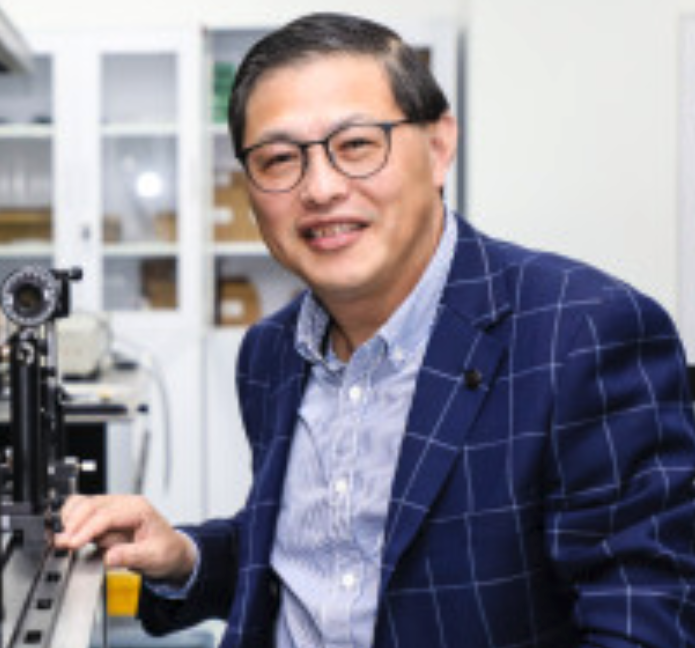 Min Gu (顾敏)合作论文数Department of Optical-Electrical Information Engineering, School of Optical-Electrical and Computer Engineering, University of Shanghai for Science and Technology6
 Wayne Tilley合作论文数University of Adelaide, University of Adelaide6
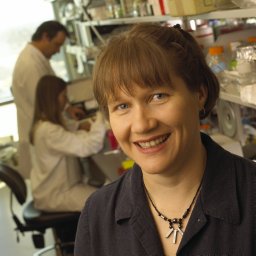 Pamela M. Pollock合作论文数National Human Genome Research Institute;National Institutes of Health;National Human Genome Research Institute, National Institutes of Health6
 Jyotsna Batra合作论文数Australian Prostate Cancer Research centre-Queensland and Institute of Health and Biomedical Innovation, Queensland University of Technology6
 Lisa Horvath合作论文数Garvan Institute of Medical Research, Kinghorn Cancer Centre;Chris O'Brien Lifehouse;Medical Oncology, University of Sydney6




