BACKGROUND:During pulsed field ablation (PFA), relationships between ablation parameters (contact force [CF], number of burst pulses, impedance decrease, and electrode temperature) and lesion size in beating hearts have not been well validated. METHODS:A 7.5F-catheter with a 3.5-mm ablation electrode and CF sensor (ThermoCool SmartTouch SF-Dual-Energy, Biosense Webster, Inc, Irwindale, CA) was connected to a PFA system (TRUPULSE2, Biosense Webster, Inc). In 11 closed-chest swine, biphasic PFA current was delivered between the ablation electrode and the skin patch at 219 sites in left ventricle and right ventricle using 12, 18, and 24 burst pulses with 4 different levels of CF: (1) low (n=57; CF, 4-15g; median, 10g); (2) moderate (n=60; CF, 16-30g; median, 22.5g); (3) high (n=68; CF, 32-65g; median, 40g); and (4) no electrode contact (n=34), 2 mm away from the endocardium. Swine were euthanized 2 hours after ablation, and lesion size was measured using triphenyl tetrazolium chloride staining. RESULTS:All PFA lesions with electrode-myocardium contact were well demarcated with triphenyl tetrazolium chloride staining, demonstrating (1) pale central zone (contraction band necrosis with minimal coagulation necrosis), (2) dark brown zone (contraction band necrosis with hemorrhage), and (3) hyperstained red zone by triphenyl tetrazolium chloride (unaffected normal myocardium with preserved mitochondrial activity, consistent with reversible zone). Lesion depth increased significantly with increasing CF and the number of PFA burst pulses. An exponential/logarithmic formula combined with CF and the number of PFA burst pulses correlated lesion depth with high accuracy: R=0.809, P<0.0001, ±1.0-mm accuracy in 128 of 163 (79%) lesions, and ±1.5-mm accuracy in 153 of 163 (94%) lesions. Impedance decrease and electrode temperature were poor predictors of lesion size. There were no detectable lesions resulting from ablation without electrode contact. CONCLUSIONS:Acute PFA ventricular lesions demonstrate irreversible and reversible lesion boundaries. Electrode-tissue contact is required for effective lesion formation. Lesion depth increases significantly with increasing CF and PFA burst pulses. A new exponential/logarithmic formula combined with CF and the number of PFA burst pulses correlates lesion depth with high accuracy.
Background Obesity is associated with an increased risk of developing recurrent atrial fibrillation (AF) after catheter ablation (CA). However, the current data on weight loss interventions show inconsistent results in preventing the recurrence of AF after CA.Methods We conducted a systematic search in MEDLINE and EMBASE to identify studies that reported the outcome of recurrence of AF after CA in obese patients undergoing weight interventions. The subgroup analysis included: (1) Weight loss versus no weight loss, (2) >10% weight loss versus <10% weight loss, (3) <10% weight loss versus no weight loss, (4) Follow-up <12 months, and (5) Follow-up >12 months after CA. Mantel-Haenszel risk ratios with a 95% confidence interval (CI) were calculated using a random effects model and for heterogeneity, I2 statistics were reported.Results A total of 10 studies (one randomized controlled trial and nine observational studies) comprising 1851 patients were included. The recurrence of AF was numerically reduced in the weight loss group (34.5%) versus no weight loss group (58.2%), but no statistically significant difference was observed (risk ratio [RR] = 0.76; 95% CI: 0.49-1.18, p = .22). However, there was a statistically significant reduction in recurrence of AF with weight loss versus no weight loss at follow-up >12 months after CA (RR = 0.47; 95% CI: 0.32-0.68, p < .0001). At follow-up >12 months after CA, both >10% weight loss versus <10% weight loss (RR = 0.49; 95% CI: 0.31-0.80, p = .004) and <10% weight loss versus no weight loss (RR = 0.39; 95% CI: 0.31-0.49, p < .00001) were associated with a statistically significant reduction in recurrent AF.Conclusion In patients with AF undergoing CA, weight loss is associated with reducing recurrent AF at > 12 months after ablation and these benefits are consistently seen with both >10% and <10% weight loss. The benefits of weight loss in preventing recurrent AF after CA should be examined in larger studies with extended follow-up duration.
In complex atrial substrate with multiple low amplitude atrial potentials, conventional unipolar electrograms (EGMs) referenced to the Wilson Central Terminal (WCT) are often timed incorrectly due to a larger, sharp far-field potential.
Introduction: There is a lack of data on procedural safety and outcomes in patients with rheumatic mitral valve disease (RMVD) undergoing atrial fibrillation (AF) ablation. Hypothesis: We hypothesized that the presence of RMVD may affect the outcomes of patients undergoing AF ablation and tested this hypothesis using data from a large, nationally representative sample of the US population. Methods: The National Readmissions Database (NRD) was analyzed from 2016-2019 to identify patients ≥ 18 years old undergoing AF ablation. Patients with RMVD were then identified by using ICD-10 CM codes. A multivariable logistic regression model was used to adjust for confounders. Results: Our cohort included 50,728 weighted AF ablation procedures, of which 3,500 (6.9%) patients had RMVD. Patients with RMVD were older at the time of catheter ablation, with a significantly higher percentage of females, less likely to have paroxysmal AF, and had a higher burden of comorbidities including congestive heart failure, renal failure, and hypertension. On multivariable analysis, the presence of RMVD was associated with higher odds of cardiovascular complications (adjusted odds ratio [aOR] 1.28; 95% confidence interval [CI]: 1.12-1.47; p<0.01) with no difference in the odds of in-hospital mortality or other periprocedural outcomes. Also, RMVD was associated with longer length of stay (adjusted mean difference: +1.06; 95% CI: +0.67 - +1.45; p<0.01) days and lower odds of routine home discharge (aOR:0.77; 95% CI: 0.69-0.87; p<0.01). There was no difference in the odds of 30-day or 180-day all-cause, AF-related, or atrial flutter-related readmissions in patients with RMVD vs. no RMVD (Figure 1). Conclusion: In conclusion, patients with RMVD undergoing AF ablation have higher odds of periprocedural cardiovascular complications with similar odds of 30-day and 180-day all-cause and AF-related readmissions
Background and Aims Colchicine is an anti-inflammatory drug that may prevent post-operative atrial fibrillation (POAF). The effect of this drug has been inconsistently shown in previous clinical trials. We aimed to compare the efficacy and safety of colchicine vs. placebo to prevent POAF in patients undergoing cardiac surgery. Methods and results A systematic search of EMBASE, MEDLINE, SCOPUS, ClinicalTrials.gov, and the Cochrane Library for randomized controlled trials (RCTs) was conducted from inception till April 2023. The primary outcome was the incidence of POAF after any cardiac surgery. The secondary outcome was the rate of drug discontinuation due to adverse events and adverse gastrointestinal events. Risk ratios (RR) were reported using the Mantel Haenszel method. A total of eight RCTs comprising 1885 patients were included. There was a statistically significant lower risk of developing POAF with colchicine vs. placebo (RR: 0.70; 95% CI: 0.59-0.82; P < 0.01, I-2 = 0%), and this effect persisted across different subgroups. There was a significantly higher risk of adverse gastrointestinal events (RR: 2.20; 95% CI: 1.38-3.51; P < 0.01, I-2 = 55%) with no difference in the risk of drug discontinuation in patients receiving colchicine vs. placebo (RR: 1.33; 95% CI: 0.93-1.89; P = 0.11, I-2 = 0%). Conclusion This meta-analysis of eight RCTs shows that colchicine is effective at preventing POAF, with a significantly higher risk of adverse gastrointestinal events but no difference in the rate of drug discontinuation. Future studies are required to define the optimal duration and dose of colchicine for the prevention of POAF.
BackgroundMultiplerandomized controlled trials (RCTs) have compared the success of antero-lateral vs. antero-posterior electrode position for cardioversion of atrial fibrillation (AF). However, due to small sample size and conflicting results of these RCTs, the optimal electrode positioning for successful cardioversion remains uncertain.MethodsA systematic search of MEDLINE and EMBASE was conducted. Outcomes of interest included overall success of cardioversion with restoration of sinus rhythm, 1(st) shock success, 2(nd) shock success, mean shock energy required for successful cardioversion, mean number of shocks required for successful cardioversion, success of cardioversion at high energy (> 150 J) and success of cardioversion at low energy (< 150 J). Mantel-Haenszel risk ratios (RR) with 95% confidence intervals were calculated using random-effects model.ResultsA total of 14 RCTs comprising 2445 patients were included. There was no statistically significant difference between two cardioversion approaches in the overall success of cardioversion (RR 1.02; 95% CI [0.97-1.06]; p = 0.43), first shock success (RR 1.14; 95% CI [0.99-1.32]), second shock success (RR 1.08; 95% CI [0.94-1.23]), mean shock energy required (mean difference 6.49; 95% CI [-17.33-30.31], success at high energy > 150 J (RR 1.02; 95% CI [0.92-1.14] and success at low energy < 150 J (RR 1.09; 95% CI [0.97-1.22]).ConclusionsThis meta-analysis of RCTs shows no significant difference in the success of cardioversion between antero-lateral vs. antero-posterior electrode position for cardioversion of AF. Large well-conducted and adequately powered randomized clinical trials are needed to definitively address this question.
Epicardial posteroseptal accessory pathways (Epi-PSAPs) within the coronary sinus (CS) are a rarely reported ablation target in children. They are often associated with abnormal CS anatomy as well as risk of coronary artery (CA) injury.
In complex atrial substrate with multiple atrial potentials, unipolar electrograms (EGM) referenced to the Wilson Central Terminal (WCT) are often timed to the wrong component due to large, steep far-field potentials (FP).
In patients with atrial fibrillation (AF) and stable ischemic heart disease, recent guidelines recommend oral anticoagulant (OAC) monotherapy in preference to OAC + single antiplatelet agent (SAPT) dual therapy. However, these data are based on the results of only two randomized controlled trials (RCTs) and a relatively small group of patients. Thus, the safety and efficacy of this approach may be underpowered to detect a significant difference. We hypothesized that OAC monotherapy will have a reduced risk of bleeding, but similar all-cause mortality and ischemic outcomes as compared to dual therapy (OAC + SAPT). A systematic search of PubMed/MEDLINE, EMBASE, and Scopus was conducted. Safety outcomes included total bleeding, major bleeding, and others. Efficacy outcomes included all-cause mortality, cardiovascular mortality, myocardial infarction, stroke, and major adverse cardiovascular events (MACE). RCTs and observational studies were pooled separately (study design stratified meta-analysis). Subgroup analyses were performed for vitamin K antagonists and direct oral anticoagulants (DOACs). Pooled risk ratios (RR) with corresponding 95% confidence intervals (CI) were calculated using the Mantel–Haenszel method. Meta-analysis of 2 RCTs comprising a total of 2905 patients showed that dual therapy (OAC + SAPT) vs. OAC monotherapy was associated with a statistically significant increase in major bleeding (RR 1.51; 95% CI [1.10, 2.06]). There was no significant reduction in MACE (RR 1.10; [0.71, 1.72]), stroke (RR 1.29; [0.85, 1.95]), myocardial infarction (RR 0.57; [0.28, 1.16]), cardiovascular mortality (RR 1.22; [0.63, 2.35]), or all-cause mortality (RR 1.18 [0.52, 2.68]). Meta-analysis of 20 observational studies comprising 47,451 patients showed that dual therapy (OAC + SAPT) vs. OAC monotherapy was associated with a statistically significant higher total bleeding (RR 1.50; [1.20, 1.88]), major bleeding (RR = 1.49; [1.38, 1.61]), gastrointestinal bleeding (RR = 1.62; [1.15, 2.28]), and myocardial infarction (RR = 1.15; [1.05, 1.26]), without significantly lower MACE (RR 1.10; [0.97, 1.24]), stroke (RR 0.93; [0.73, 1.19]), cardiovascular mortality (RR 1.11; [0.95, 1.29]), or all-cause mortality (RR 0.93; [0.78, 1.11]). Subgroup analysis showed similar results for both vitamin K antagonists and DOACs, except a statistically significant higher intracranial bleeding with vitamin K antagonist + SAPT vs. vitamin K antagonist monotherapy (RR 1.89; [1.36–2.63]). In patients with AF and stable ischemic heart disease, OAC + SAPT as compared to OAC monotherapy is associated with a significant increase in bleeding events without a significant reduction in thrombotic events, cardiovascular mortality, and all-cause mortality.
Background: It has been proposed that high power-short duration RF applications produce wider but shallower atrial lesions, compared to moderate power-moderate duration RF applications. Objective: To compare atrial lesion size and the incidence of steam pop between RFablation at 90Watts/4sec, 50Watts/10sec and 30Watts/30sec in the canine beating heart. Methods: Six dogs were studied closed chest. 7.5 Fr ablation catheters with a 3.5 mm electrode and 66 or 56 small irrigation holes (QDOT MICRO or THERMOCOOL SMARTTOUCH SF Catheter, Biosense Webster) were positioned in the right atrium (RA). RF was delivered at 2 separate sites at 90Watts for 4sec (QDOT, 8 ml/min irrigation), 50Watts for 10 sec (SF, 15 ml/min irrigation) and 30Watts for 30sec (SF, 8 irrigation ml/min), total 12 sites in the RA in each dog with contact force 6-22 (median 11) g. After ablation, dogs were sacrificed and RF lesion size was measured by TTC staining for maximum depth, maximum diameter, endocardial diameter and epicardial diameter. Results: (92%) were transmural There was no significant difference in maximum diameter between three groups. Endocardial diameter is smaller than epicardial diameter. Lesion depth was slightly smaller with 90W/4sec. Lung lesions at 1/12 (8%) sites 90W/4sec, 4/12 (33%) sites with 50W/10sec and 5/12 (42%) sites with 30W/30sec. Conclusion: Compared to moderate power-moderate duration RF applications (30W/30sec), high power-short duration RF applications (90W/4sec and 50W/10sec) did not produce wider lesions. Ablation in the thin atrial wall resulted in transmural lesions with all three ablation strategies. Background: Electroporation using pulsed field ablation (PFA) is emerging as a promising technology for pulmonary vein isolation. Because of the atria ’ s thin wall, most of the ablations performed in the atrium achieve transmural lesions. However, the association between PFA field strength and lesion size is not well documented. Objective: To evaluate the association between PFA field strength and lesion size Methods: In this study, eight canines underwent bipolar PFA ablations in the ventricles using three different PFA field strengths. Eight dogs underwent right and left ventricular ablations using 1100 V, 1300 V, and 1500 V. Energy was delivered between a decapolar catheter placed either in the coronary sinus or the left pulmonary artery and a standard RF ablation catheter. Canines were humanely euthanized after the ablations and underwent histological study. Results: Thirty-three ablation were performed, and 30 lesions were identified for histological examination. The mean lesion depth was 5.5 6 1.9 mm for 1100 V (n 5 11), 6.1 6 1.5 mm for 1300 V (n 5 9), and 5.7 6 1.6 mm for 1500 V (n 5 10, P . 0.05). However, the lesion width has increased by incrementing field strength from 6.9 6 1.1 mm to 8.6 6 1.1 mm and 9.8 6 2.5 mm (Figure). The lesions created by higher doses of PFA were significantly wider than those created with lower PFA doses.
In complex atrial substrate with multiple atrial potentials, conventional unipolar electrograms (EGMs) referenced to the Wilson Central Terminal (WCT) are often timed to the wrong component due to large, steep far-field potentials.
The accuracy of atrial fibrillation (AF) rotor identification by catheter mapping (CM) has not been validated. To obtain simultaneous ultra-high resolution optical mapping (OM) and high resolution CM during AF in a Langendorff perfused swine heart model to test the feasibility of identifying AF rotors by CM. Langendorff preparation was performed in 3 swine. The isolated heart was stained with a voltage-sensitive dye, illuminated by LED. Two high resolution CCD cameras (26,624 pixels, each) simultaneously recorded fluorescence from the RA and LA free-wall (spatial resolution <0.1mm). Two mapping catheters (48 electrodes, 2 mm spacing, and one central non-contact reference electrode for close unipolar EGMs, OCTARAY, Biosense Webster, Fig) was sutured on the RA and LA, covering 3x3 cm area, respectively (total 96 close unipolar EGMs). An anatomical shell of RA and LA was formed using the CARTO3 system. AF was induced by rapid atrial pacing during atrial stretch. Optical signals (membrane potential map and phase map) and catheter epicardial atrial EGMs (AF activation map) were recorded simultaneously during AF. (Fig.) During AF, OM identified stable and/or unstable rotors in all 14 AF episodes (all 3 swine), often located at the base of RA or LA appendage. Compared to unstable rotors, stable rotors had shorter cycle length (median 105 ms vs 114 ms, p<0.05). CM identified corresponding rotational activities (spiral reentry) when the rotor was located close to the center of the electrodes. There was no false positive rotor detection by CM. Close unipolar CM identifies AF rotors, but only when rotor centers are located within the mapping area.
Background: With short radiofrequency (RF) applications, tissue temperature continues to rise after RF termination (thermal latency), which may result in lesion growth after RF termination. The purpose was to compare in vivo tissue temperature profile (thermal latency), lesion size, and the incidence of steam pop and thrombus between RF ablation with very high power-very short RF (90 W/4 s), high power-short RF (50 W/10 s), and moderate power-moderate RF (30 W/30 s) in a canine thigh muscle preparation and beating heart. Methods: In the thigh muscle preparation (5 dogs), a 3.5-mm ablation electrode with 66 or 56 small irrigation holes (QDOT-Micro or ThermoCoolSmartTouch-SF, respectively) was held perpendicular or parallel to the muscle at 10g or 30g contact force. Total of 120 RFs were delivered at 90 W/4 s (QDOT catheter), 50 W/10 s, or 30 W/30 s (SF catheter). Electrode temperature, electrode-tissue interface temperature, and tissue temperatures at 3- and 7-mm depths were measured. In 6 closed-chest dogs, total of 72 RFs were delivered in the ventricle at 90 W/4 s, 50 W/10 s, or 30 W/30 s. Results: In the thigh muscle preparation, tissue temperatures and lesion size (depth, diameter, and volume) were the lowest/smallest for RFs at 90 W/4 s, followed by 50 W/10 s, and the greatest for 30 W/30 s. Thermal latency (Delta temperature and duration) was the greatest for RFs at 90 W/4 s, followed by 50 W/10 s, and the smallest for 30 W/30 s (P<0.01). Effective tissue heating (area under the curve >= 50 degrees C at 3-mm depth) was observed after RF termination in 88.0 +/- 7.6% with 90 W/4 s, 57.7 +/- 14.6% with 50 W/10 s, and only 31.9 +/- 8.5% with 30 W/30 s (P<0.01). In beating hearts, lesion size was also the smallest with 90 W/4 s and the greatest with 30 W/30 s RFs. Increasing contact force significantly increased lesion depth in all 3 groups. There was no significant difference in the incidence of steam pop or thrombus between 3 groups. Conclusions: Tissue temperatures and lesion size (depth, diameter, and volume) were the lowest/smallest for RF applications at 90 W/4 s, followed by 50 W/10 s, and the greatest for 30 W/30 s. The greater thermal latency for 90 W/4 s RF applications suggests that a significant portion of lesion is created after RF termination due to conductive tissue heating.
 Ralph Lazzara合作论文数SSM Health St. Anthony Hospital-Midwes;Oklahoma Heart Hospital127
 Benjamin J Scherlag合作论文数Mount Sinai Medical Center79
 Sunny S. Po合作论文数Heart Rhythm Institute, University of Oklahoma Health Sciences Center74
 Jan V. Pitha合作论文数36Tushar Sharma合作论文数29Atsushi Ikeda合作论文数29Eugene Patterson合作论文数27Karen Beckman合作论文数26Katsuaki Yokoyama合作论文数22
 Zhibing Lu (鲁志兵)合作论文数Zhongnan Hospital, Wuhan University18
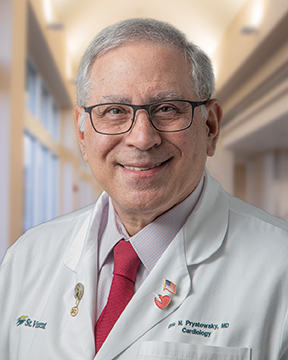 Eric N. Prystowsky合作论文数Ascension St. Vincent Medical Group, Ascension St. Vincent Indianapolis Hospital18
 Stavros Stavrakis合作论文数Hlth Sci Ctr, Univ Oklahoma15Deborah Lockwood合作论文数15William S. Yamanashi合作论文数15Guodong Niu (牛国栋)合作论文数14
 Hiroshi Nakagawa合作论文数14
 Douglas P. Zipes合作论文数School of Medicine, Indiana University14Kenichiro Otomo合作论文数12Assaf Govari合作论文数11Mauricio Arruda合作论文数11Jiaxiong Lin合作论文数11Muhammad Ghias合作论文数11R Lazzara合作论文数10Kj Beckman合作论文数10Gerald V. Naccarelli合作论文数10Richard Wu合作论文数10
 Karl-Heinz Kuck合作论文数Lans Cardio;University Heart Center Lübeck10Jj Heger合作论文数9
 Kenneth Ellenbogen合作论文数Department of Internal Medicine, School of Medicine, Virginia Commonwealth University;Pauley Heart Center, Virginia Commonwealth University9
 Xunzhang Wang (王珣章)合作论文数9
 Oussama Wazni合作论文数Department of Cardiovascular Medicine, Cleveland Clinic9
 Ayman Hussein合作论文数Robert and Suzanne Tomsich Department of Cardiovascular Medicine, Cleveland Clinic9
 Karen Friday合作论文数Medicine Department, Stanford University9
 Wyn Davies合作论文数Hammersmith Hospital, Imperial College London8David J. Wilber合作论文数8
 William G Stevenson合作论文数Division of Cardiovascular Medicine, Department of Medicine, Vanderbilt University Medical Center;School of Medicine, Vanderbilt University8RL RINKENBERGER合作论文数7Ws Yamanashi合作论文数7Shady Nakhla合作论文数7
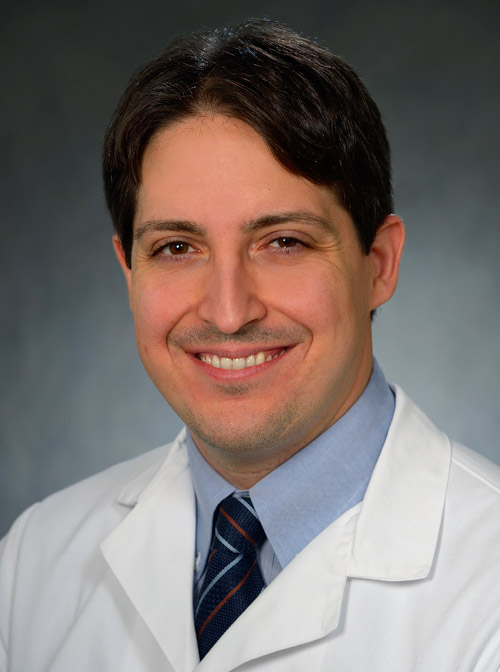 Pasquale Santangeli合作论文数Department of Medicine, Perelman School of Medicine, University of Pennsylvania7
 Andrea Natale合作论文数HCA Healthcare;Texas Cardiac Arrhythmia Institute, St. David's Health Care;Scripps Green Hospital7Zhou Jing合作论文数7
 Hugh Calkins合作论文数The Johns Hopkins Hospital;Department of Medicine, Johns Hopkins University7
 Anne B. Curtis合作论文数Buffalo General Medical Center7
 Peter Spector合作论文数Fletcher Allen Health Care, University of Vermont College of Medicine7
 Lilei Yu (余锂镭)合作论文数Renmin Hospital of Wuhan University7Mario D. Gonzalez合作论文数7




