Renewed interest in acorns from Mediterranean Quercus species is driven by their nutritional and nutraceutical potential as sustainable plant-based foods. It evaluated the phytochemical composition of eight Mediterranean species and assessed interspecific differences using integrated approaches including morphometrics, near-infrared spectroscopy, profiling of sugars, amino acids and minerals, and UHPLC–MS/MS metabolomics. Morphometric traits discriminated species and correlated positively with protein, amino acids and unsaturated fatty acids, and negatively with fiber and sugars. Principal component analysis separated acorns into two clusters: Cluster 1 (Q. suber, Q. faginea, Q. robur, Q. petraea, Q. pubescens) was enriched in amino acids, sugars, starch, protein and sodium, whereas Cluster 2 (Q. ilex subsp. ballota, Q. coccifera, Q. ilex subsp. ilex) showed higher oleic acid, fiber and energy content. This pattern reflects evolutionary relationships within Quercus. Metabolite profiling revealed conserved qualitative composition but strong quantitative differences among species, supporting the valorization of acorn for functional food applications.
Maintaining good water quality is essential to the success of recirculating aquaculture systems (RAS). Among water treatment tools, ozone (O3) has garnered interest from aquafarmers worldwide due to its various beneficial effects. Beyond its germicidal properties, ozone improves solid removal, oxidises toxic nitrogen compounds, and degrades a broad spectrum of biogenic and artificial molecules. However, the ozonation of seawater produces by-products (‘ozone-produced oxidants’ (OPO)), which can pose significant risks to animal health. In this experiment, we evaluated the capacity of the seaweed Ulva ohnoi to bioremediate OPO in an Integrated Multi-Trophic Aquaculture (IMTA)–RAS setup cultivating gilthead seabream (Sparus aurata). Effluent water was ozonated and then passed through a cultivation unit containing U. ohnoi. OPO concentrations in the water were measured before and after the seaweed unit, and the reduction in OPO was compared to control systems without U. ohnoi. Additionally, we assessed the effects of OPO on growth, metabolic composition, photosynthetic efficiency, and associated microbiomes of U. ohnoi by comparing seaweed exposed to ozonated water with controls grown without ozonation. The results showed that Ulva-containing systems achieved an 11
Liquid chromatography coupled with mass spectrometry is a vital tool for proteomic analyses. While significant progress has been made in decoding the genomes of crops in recent decades, the composition of their proteomes-the complete set of expressed proteins in a species-remains largely unknown. The success of this technique heavily relies on efficient and optimized sample preparation, which is one of the most critical steps for maximizing the recovery of reliable information. In this chapter, we present a universal protein extraction protocol originally developed for a gel-based approach combined with an initial extraction step using methanol: chloroform: water (MCW) to remove high concentrations of secondary metabolites, such as pigments, phenolic compounds, lipids, carbohydrates, and terpenes. This enhanced protocol was specifically designed for extracting proteins from the phenolic-rich tissues of legumes. Our workflow allows the use of small amounts (less than 20 mg) of fresh-weight tissue and can identify over 2000 proteins per sample. Additionally, this approach is cost-effective compared to commercial kits, and its broad applicability across various plant tissues makes it particularly effective for challenging leguminous samples.
Crassulacean acid metabolism (CAM) is a water-efficient photosynthetic strategy involving a coordinated suite of complex traits including metabolic, anatomical and regulatory aspects that shift across the diel cycle. While CAM has evolved repeatedly in land plants, the evolutionary routes enabling this convergence remain elusive. Whereas the same core CAM (de)carboxylation genes are consistently involved, a key question is whether distinct CAM phenotypes also depend on a shared set of auxiliary genes, reflecting a quantitative continuum of expression, or whether they can instead emerge through divergent or redundant peripheral solutions. The bromeliad subgenus Tillandsia, with diverse photosynthetic strategies, offers an ideal system to explore this question. Using physiological and transcriptomic analyses of well-watered and water-limited accessions of two closely related species, we characterised facultative and constitutive CAM. By comparing orthologous gene expression and orthogroup recruitment, we found that while both species performed CAM upon water-withholding, transcriptional shifts in pathways related to stomatal movement, sugar/malate transport, aquaporins and starch metabolism showed minimal overlap. Core enzymes involved in the CAM (de)carboxylation cycle exhibited broadly shared expression patterns, yet the facultative CAM species uniquely upregulated PPC2 at night instead of the canonical CAM-related PEPC ortholog PPC1. Our study reveals that, while the expression of certain core CAM enzymes is conserved, the surrounding transcriptional architecture can differ substantially even between closely related species. This supports a model in which CAM evolves through a mosaic recruitment of functionally equivalent, yet nonorthologous genes-underscoring its flexible and modular genetic architecture. These insights advance our understanding of the mechanisms enabling the repeated evolution of CAM and its capacity to facilitate adaptive diversification.
Microbiomes are increasingly recognized as key to addressing global challenges in health and sustainability, as they can provide emergent biological functions unattainable with single microbial species. However, microbial communities occasionally undergo abrupt shifts in species composition despite their intrinsic steadiness, making it difficult to maintain highly functional microbiome states. Here, we outline emerging statistical frameworks that integrate ecological stability theory with empirical analyses of microbiome structure and function. Approaches inspired by the concept of "stability landscapes" now enable inference of how the relationship between community structure and assembly potential changes along environmental gradients. Such empirical analyses offer bird's-eye perspectives for maintaining or restoring community states with desirable microbiome functions. Moreover, identifying the attractors of microbiome dynamics facilitates forecasting of abrupt transitions into dysfunctional states (i.e. dysbiosis). Bridging classic ecological theory and empirical microbiome analyses will deepen our understanding of the principles governing species-rich community assembly, expanding the scope of microbiome-based solutions across medical, industrial, agricultural, and environmental sciences.
Cold stress threatens wheat productivity, particularly in regions with extreme climatic conditions. To elucidate the molecular mechanisms underlying wheat's response to cold stress, we performed a multiomics analysis integrating lipidomics, transcriptomics, proteomics and metabolomics. Our study focused on two wheat genotypes with contrasting cold tolerance levels, SKAU_52 (tolerant) and SKAU_4301 (susceptible) to capture genotype-specific responses under cold stress. Lipidomic analysis revealed significant changes in lipid composition, with unsaturated lipids such as digalactosyldiacyl glycerols (DGDGs) and monogalactosyldiacylglycerols (MGDGs) upregulated in response to cold stress. These lipids are associated with maintaining membrane fluidity, whereas saturated lipids were downregulated in the cold-tolerant genotype. Transcriptomics analysis provides a strong evidence that cold tolerance in wheat is governed by coordinated activation of the ICE-CBF-COR regulatory cascade, with the cold-tolerant genotype 'SKAU_52' showing stronger and more sustained induction across pathway tiers than the cold susceptible wheat genotype 'SKAU_4301'. Similarly, proteomic data highlighted differential abundance of proteins involved in antioxidative defence, osmotic adjustment and signal transduction, including late embryogenesis abundant (LEA) proteins. Metabolome assessment revealed substantial alterations in carbohydrate and amino acid metabolism, with sucrose and amino acids such as hydroxyproline identified as key contributors to cold tolerance. Additionally, defence hormones such as salicylic acid (SA), jasmonic acid (JA) and abscisic acid (ABA) exhibited genotype-specific regulation with higher accumulation in cold-tolerant genotype. Overall, this integrated multi-omics approach provides novel insights into the complex molecular mechanisms underlying cold stress adaptation in wheat, supporting the development of resilient wheat varieties capable of thriving in challenging cold environments.
Fruit growth is mediated by cell division and expansion. In tomato, the model for fleshy fruit development, both processes are tightly linked to changes in gene expression, including transcriptional regulation and RNA processing. While several transcription factors are implicated in fruit developmental programs, the role of splicing regulators remains largely unexplored. Expression profiling of splicing-related genes revealed expression patterns. The serine/arginine-rich splicing factor RS2Z36 is expressed in ovaries and during early fruit development. Loss-of-function mutations in RS2Z36 result in ovaries with altered patterning and in smaller, ellipsoid fruits. rs2z36 mutants display elongated pericarp cells along the longitudinal axis of pre-anthesis ovaries, indicating that RS2Z36-dependent expansion patterns are established before anthesis. Based on RNA-seq analysis we identified 230 genes with altered splicing profile in ovaries of rs2z36.1 compared to WT and 235 differentially expressed genes. Proteome analysis further revealed several differentially abundant isoforms, including several cell wall proteins and modifiers that might be involved in ovary patterning and fruit growth. In addition, rs2z36-1 pericarps show increased deposition of LM6-recognized arabinan and AGP epitopes. Together, these findings identify RS2Z36 as a regulator of ovary and fruit development and highlight a previously underappreciated role for splicing control in shaping early fruit morphology.
Abstract More than 200 years ago, Alexander von Humboldt described a tree of the genus Clusia for its ability to perform crassulacean acid metabolism (CAM). This drought-adaptive metabolism allows plants to maintain photosynthesis under water limitation by temporally separating CO₂ uptake and fixation. The diversity of CAM physiotypes has fueled a debate about evolutionary constraints and the feasibility of engineering CAM into C₃ crops. The genus Clusia displays an exceptional diversity of photosynthetic physiotypes, yet genome sequences and genomic mechanisms generating this diversity remain unresolved. Here, we sequence and compare the genomes of three Clusia species spanning weak, inducible, and strong CAM. We show that polyploidization followed by transposon-mediated genic diploidization could have shaped CAM-related gene families, particularly those controlling phosphoenol-pyruvate recycling via phosphorolytic leaf starch metabolism. Our results indicate that whole-genome duplication coupled to diploidization might have driven diversification of CAM physiotypes in Clusia, providing a genomic framework for understanding CAM diversity and evolution.
Protein-protein interactions (PPIs) are fundamental to cellular function and metabolic regulation. Mapping these complex molecular networks is essential for understanding signaling pathways, yet it remains challenging due to their transient nature. We discuss how next-generation proximity labeling is evolving from bulk methods toward precise, dynamic PPI mapping, providing actionable biological insights.
Research in multiome data integration comes with the challenge of high-dimensionality and a small sample size in time series data. Traditional statistical tools often fail to capture true functional modules in large molecular networks, resulting in spurious associations. Dynamical systems theory overcomes this hurdle by assuming the biological system follows a trajectory that can be modelled in such a way that the interactions in the network have a causal nature and pertain to mechanistic processes. Here we use kernel-DMD, a data-driven dynamical systems tool for time series data, for multiome network integration in the exotic plant species Clusia. We uncover differing modes of photosynthesis that correspond to the C3-like or strong CAM dynamics of two species, Clusia major and Clusia rosea and implement a control strategy that enables the in silico phenocopying between the two species. We demonstrate the applicability of the Koopman operator to multiome data integration, uncover drivers of plasticity in molecular networks and also identify key biomarkers that could potentially establish more resilient forms of photosynthesis, such as CAM, for the introduction of new crop bioengineering possibilities in C3 plants.
Renewed interest in Mediterranean Quercus acorns is driven by their nutritional and nutraceutical value, as well as their potential as sustainable plant-based ingredient for functional foods. However, comprehensive compositional studies across Mediterranean Quercus species remain scarce. This study aimed to provide an integrated characterization of the morphometric traits, nutritional composition, phytochemical profile, and metabolome of acorns from the eight most representative Mediterranean Quercus species, evaluate interspecific differences, and assess their potential for species traceability and food applications. An integrated analytical approach combining morphometric analysis, near-infrared spectroscopy (NIRS), sugar, amino acid and mineral profiling, together with untargeted UHPLC–MS/MS metabolomics, was employed. Morphometric traits discrimination among species and were positively correlated with protein, amino acid, and unsaturated fatty acid contents, while showing negative correlations with fiber and sugars. Principal component analysis grouped acorns into two clusters: Cluster one (Q. suber, Q. faginea, Q. robur, Q. petraea, Q. pubescens) was characterized by higher amino acid, sugar, starch, protein, and sodium contents, whereas Cluster two (Q. ilex subsp. ballota, Q. coccifera, Q. ilex subsp. ilex) showed higher oleic acid, glucose, fiber, and energy contents. Except for Q. suber, this grouping was consistent with the evolutionary relationships within the genus. Untargeted metabolomics revealed a largely conserved composition, with significant quantitative differences in bioactive compounds, particularly flavonoids, tannins, and terpenoids. Although limited to compositional characterization, this study provides the first integrated comparison of eight Mediterranean Quercus species and establishes a scientific basis for species traceability and the selection of acorn raw materials for gluten-free flours, functional foods, nutraceutical ingredients, and future food processing applications.
Abstract Plant cold acclimation emerges from coordinated adjustments in photosynthesis, primary metabolism, and intracellular carbon allocation. Yet, the regulatory role of subcellular metabolite compartmentation in natural variation of cold acclimation remains insufficiently understood. Here, we investigated four Arabidopsis thaliana accessions grown either individually or in bulk to determine how growth configuration and genotype shape the metabolism of sugars and organic acids during cold exposure. Using non-aqueous fractionation, we quantified plastidial, cytosolic, and vacuolar sugar pools alongside whole-cell carbohydrates, organic acids, enzyme activities, photosynthetic parameters, and stress markers. A neural-network classifier revealed that subcellular sugar distribution together with sugar amounts and organic acids provided the strongest discriminatory power among accessions, surpassing photosynthetic traits and enzyme activities. Our findings demonstrate that natural variation in cold acclimation is strongly determined by genotype-specific subcellular metabolite architectures, and that the cultivation strategy modulates these intracellular signatures. We conclude that subcellular compartmentation of metabolites represents a cellular control layer for natural variation of cold acclimation and resilience in Arabidopsis thaliana .
Paraburkholderia dioscoreae MSB3T is a novel species with potential agricultural impact, isolated from leaf acumens of the "air potato yam" Dioscorea bulbifera. P. dioscoreae's genome encodes a relevant combination of features mediating a beneficial plant-associated lifestyle, and it exhibits significant growth promotion when applied to agriculturally important plants such as tomato. Here, we constructed iPR1691, the first genome-scale metabolic model for P. dioscoreae MSB3, which includes 1,687 reactions, 1,487 metabolites, and 1,691 genes. From an available annotation of P. dioscoreae's genome, a draft model was constructed using an automated approach followed by automatic gap-filling on Kbase and was manually curated using constraint-based modeling. The plant growth-promoting effect is related to 1-aminocyclopropane-1-carboxylic acid (ACC), an ethylene precursor in plants, which P. dioscoreae can use as a carbon and nitrogen source. Based on the reactions and genes present in the model, and on various pathways available in the MetaCyc database, a pathway for ACC usage was reconstructed. A sequence comparison against a library of phyllosphere bacterial genomes showed a broad occurrence of the pathway genes in phyllosphere strains. Flux balance analysis was used to validate growth of P. dioscoreae on different substrates, corresponding to diverse conditions of carbon and nitrogen availability. The model provides a representation of bacterial growth on ACC, thus elucidating the biochemical and genetic mechanisms of this plant-bacterial interaction.IMPORTANCEMetabolization of the plant ethylene precursor 1-aminocyclopropane-1-carboxylic acid (ACC) is an important mechanism for plant-associated bacteria to regulate their host's ethylene status. While previous studies have typically focused on the first step (ACC deaminase) as a metabolic sink, we further investigated the metabolic role of ACC for the bacterium. Our model system is the species Paraburkholderia dioscoreae, isolated from leaf acumens of the "air potato yam" Dioscorea bulbifera and shown to mediate a beneficial plant-associated lifestyle, including significant growth promotion when applied to agriculturally important plants such as tomato. Here, we constructed the first genome-scale metabolic network reconstruction for P. dioscoreae, validated against in vitro growth data. The model incorporates a novel pathway that links ACC to succinate and thus explains the utilization of ACC as a carbon source. Moreover, a sequence similarity search of the pathway genes in a library of phyllosphere bacteria indicates that the pathway is present in several other leaf-associated species.
BACKGROUND AND OBJECTIVE:Metabolomic interaction networks provide critical insights into the dynamic relationships between metabolites and their regulatory mechanisms. This study introduces MInfer, a novel computational framework that integrates outputs from MetaboAnalyst, a widely used metabolomic analysis tool, with Jacobian analysis to enhance the derivation and interpretation of these networks. METHODS:MInfer combines the comprehensive data processing capabilities of MetaboAnalyst with the mathematical modeling power of Jacobian analysis. This framework was applied to various metabolomic datasets, employing advanced statistical tests to construct interaction networks and identify key metabolic pathways. RESULTS:The application of MInfer revealed significant metabolic pathways and potential regulatory mechanisms across multiple datasets. The framework demonstrated high precision, sensitivity, and specificity in identifying interactions, enabling robust network interpretations. CONCLUSIONS:MInfer enhances the interpretation of metabolomic data by providing detailed interaction networks and uncovering key regulatory insights. This tool holds significant potential for advancing the study of complex biological systems.
Our previous study has demonstrated that procyanidin A1 (A1) and its simulated digestive product (D-A1) can prevent acrylamide (ACR)-induced cytotoxicity in small intestine cells. However, the potential mechanism remains poorly understood. In this study, ACR treatment was found to increase the levels of 8-hydroxy-deoxyguanine (8-OHdG) and phosphorated histone H2AX (γH2AX), two DNA damage markers, thereby resulting in cell cycle arrest in the G2/M phase; whereas both A1 and D-A1 could prevent the phosphorylation of ataxia telangiectasia mutated (ATM) and checkpoint kinase 2 (Chk2), and then regulate the expression of G2/M phase-related proteins, finally maintaining normal cell cycle progression. Moreover, A1 and D-A1 could increase the B cell lymphoma 2 (Bcl-2)/Bcl2-associated X (Bax) ratio and decrease the expression of cleaved caspase-3 and cleaved caspase-9 proteins to alleviate ACR-induced cell apoptosis, which might be related to the inhibition of the mitogen-activated protein kinase (MAPK) pathway. More importantly, A1 showed no remarkable variation in inhibitory effect before and after digestion, indicating that it can endure gastrointestinal digestion and may be a promising phytochemical to alleviate ACR-induced intestinal cell damage.
Root growth directionality is critical for plant survival, optimizing anchorage and resource acquisition. While the role of hormonal signaling in root gravitropism is well established, the contribution of metabolic status remains less understood. Here, we investigate the function of the catalytic SnRK1 subunit KIN10 in integrating carbon availability with root growth regulation in Arabidopsis thaliana . A combination of growth phenotyping, transcriptomics, and hormonomic profiling suggest that KIN10 loss disrupts energy-linked developmental processes. Compared to wild-type Col-0, kin10 displayed reduced sensitivity to glucose-induced root growth inhibition. Transcriptomic analysis of kin10 roots revealed widespread reprogramming of metabolic and hormonal pathways, with significant changes in secondary metabolism, cell wall remodeling, and hormone-related gene expression. Hormone profiling further indicated that KIN10 modulates auxin and jasmonate pathways in a carbon source- and organ-dependent manner, especially under sucrose supplementation. Our results demonstrate that KIN10 plays a central role in integrating energy status with developmental and environmental signaling. ### Competing Interest Statement The authors have declared no competing interest. European UnionEuropean Union, https://ror.org/019w4f821, 101060057
Rapidly changing light intensity is a natural challenge that photosynthetic organisms can tolerate. Regulatory mechanisms of light harvesting and alternative electron pathways are critical in dissipating and distributing energy under fluctuating light intensities (FL), but less is known about downstream metabolic regulations. Here, we compared the cellular responses of Chlamydomonas reinhardtii grown under FL to cells acclimated to constant high (HL) or low light (LL), either under high (2 %) or low (0.04 %) CO2. Under low CO2, the physiology of FL cells resembled HL cells and proteomics revealed an induction of the ATP consuming carbon-concentrating mechanism, and photorespiration particularly under FL. High CO2 promoted growth under FL, albeit by a lesser extent than under HL and led to higher ATP contents than under low CO2. To fuel ATP production under low CO2, cells upregulated mitochondrial respiration under FL, while enhanced cyclic electron flow and redox shuttling between intracellular compartments was most evident under FL and LL. Chloroplastic carbon metabolism rapidly responded to light changes, independent of CO2 availability, whereas metabolites associated with mitochondrial bioenergetics responded slower, and remained abundant under high CO2. The accumulation of enzymes involved in starch synthesis and breakdown under FL, together with the transient accumulation of hexoses and hexose phosphates, indicated that cells relied on sugars as a transient carbon pool to meet changing metabolic demands under FL. We conclude that the interplay between light intensity and CO₂ availability drives critical energy trade-offs, balancing photoprotection, repair, and carbon allocation, that regulate growth under FL. ### Competing Interest Statement The authors have declared no competing interest. Austrian Research Promotion Agency, https://ror.org/028jc0449 Oroboros Instruments (Austria), https://ror.org/02d84sx83
Flavan-3-ols are one of the most abundant dietary polyphenols, and their absorption and metabolism are vital to their healthy effect, so it is urgent to understand the metabolic characteristics of different configurations and degree of polymerizations (DPs). In this study our aim was to investigate urinary and feces excretion of flavan-3-ols to reveal their metabolism. Catechin (monomer), epicatechin-(4β-8)-catechin (B-type-dimer), epicatechin -(2β-O-7,4β-8)-catechin (A-type-dimer), and epicatechin-(4β-6)-epicatechin-(2β-O-7,4β-8)-catechin (A-type-trimer) were administered to mice. By using untargeted and targeted metabolomics it was observed that flavan-3-ols with similar DP but different linkage types were similar in metabolite recovery in urines and feces, however their constituents of metabolites were different. Phenyl-γ-valerolactones were biomarkers of catechin and B-type linkage flavan-3-ols, rather than of A-type linkage flavan-3-ols. The metabolites of A-type-dimer and A-type-trimer in urine were mainly constituted of phenolic acids. Procyanidin A1 with open C-ring was derived from A-type flavan-3-ols. In summary, phenyl-γ-valerolactones are good biomarkers for catechin and B-type linkage flavan-3-ols but not A-type linkage flavan-3-ols.
Excessive nitrogen use and low nitrogen use efficiency (NUE) in current agroecosystems are disrupting the global nitrogen cycle. Chemical inhibitors offer only temporary relief, while plant-derived biological nitrification inhibitors (BNIs) remain safer but underexplored. Identifying biological nitrification inhibition (BNI) traits in nitrogen-demanding crops like wheat is key to improving sustainability. In this study, a combined GC- and LC-MS platform was used to determine the metabolome of the root exudates of 44 diverse wheat genotypes originating from India and Austria. With more than 6000 metabolic features, a pronounced genotype-specific variation, a clear geographic pattern and an unexpected complexity of the root exudate metabolome were observed. A novel high-throughput assay utilizing diverse ammonia-oxidizing bacteria (AOB) and archaea (AOA) was developed for rapid BNI testing, highlighting distinct inhibition and even growth stimulation capacities between genotypes. Network analysis and advanced machine and deep learning analysis identified combinations of 32 metabolites linked to high BNI activity, including phenylpropanoids sinapinic acid, syringic acid and others, as well as glycosylated flavones isoschaftoside and others. This indicates that the concurrent presence of specific metabolites, rather than a single compound, drives nitrification inhibition in the rhizosphere. Variation in BNI activity among wheat genotypes, classified as either spring or winter types, suggests that root architecture modulates the dynamics of root exudation and the potential for nitrification inhibition. The unique combination of high-throughput metabolomics analysis and the BNI fast-track assay allows for screening of large germplasm collections as an essential requirement to introduce BNI and related NUE traits into modern breeding programmes.
 Chaturvedi Palak合作论文数Faculty of Sciences, University of Vienna57
 Arindam Ghatak合作论文数BUGWORKS Res India Pvt Ltd, GKVK, Ctr Cellular & Mol Platforms, Natl Ctr Biol Sci, Bellary Rd, Bengaluru 560065, Karnataka, India47
 Stefanie Wienkoop合作论文数Proteome Factory AG45
 Lena Fragner合作论文数Faculty of Life Sciences, University of Vienna40
 Thomas Nagele合作论文数Department of Neuroradiology, University of Tübingen40
 Jana Schwarzerová合作论文数Faculty of Electrical Engineering and Communication, Brno University of Technology22
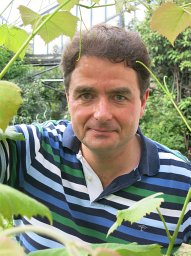 Markus Teige合作论文数Institut für Pflanzengenetik und Kulturpflanzenforschung18
 Xiaoliang Sun合作论文数Vienna Metabol Ctr VIME, Univ Vienna17
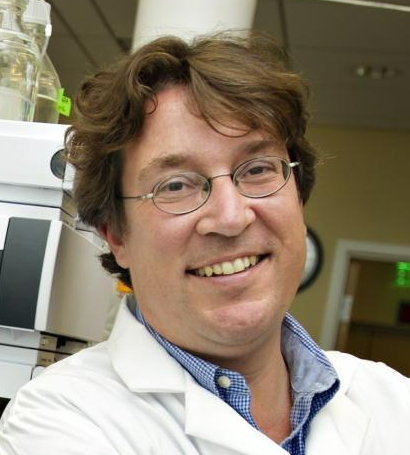 Oliver Fiehn合作论文数Department of Molecular and Cellular Biology, University of California, Davis;West Coast Metabolomics Center, University of California, Davis;Genome Center, University of California, Davis17
 Luis Valledor合作论文数Faculty of Biology, University of Oviedo16
 Gert Bachmann合作论文数Institute of Ecology and Conservation Biology, University of Vienna16
 Jakob Weiszmann合作论文数Mol Syst Biol MoSys, Univ Vienna15Volker Egelhofer合作论文数15
 Nukarinen Ella合作论文数Molecular Systems Biology;Faculty of Life Sciences;University of Vienna;Vienna;Faculty of Life Sciences, University of Vienna14
 Dirk Walther合作论文数Max-Planck Institute of Molecular Plant Physiology14
 Matthias Nagler合作论文数13
 Steffen Waldherr合作论文数Institute for Systems Theory and Automatic Control, Universität Stuttgart13
 Bernhard Wurzinger合作论文数University of Vienna, University of Vienna12
 Kristina Gruden合作论文数Department of Biotechnology and Systems Biology, National Institute of Biology12Florian Wolschin合作论文数12
 Rajeev K Varshney合作论文数Food Futures Institute, Murdoch University12Katja Morgenthal合作论文数12
 Valentin Roustan合作论文数Dept Ecogen & Syst Biol, Univ Vienna11
 Florian Schindler合作论文数Mol Syst Biol MOSYS, Univ Vienna11Martin Brenner合作论文数Mol Syst Biol MOSYS, Univ Vienna11
 Hoehenwarter Wolfgang合作论文数Proteome Analyt, Leibniz Inst Plant Biochem11
 Bellaire Anke合作论文数Faculty of Life Sciences, University of Vienna11Joachim Selbig合作论文数Department of Bioinformatics, University of Potsdam11Emanuel Ott合作论文数Space Biochem Grp, Univ Vienna10
 Lisa Fürtauer合作论文数Unit Plant Mol Syst Biol, Rhein Westfal TH Aachen10
 Takeshi Furuhashi合作论文数10
 Tetyana Milojevic合作论文数10Iro Pierides合作论文数9
 A. Harvey Millar合作论文数ARC Centre for Plant Energy Biology, School of Molecular Sciences, University of Western Australia8
 Kawaguchi Yuko合作论文数8
 Katarzyna Retzer合作论文数University of Vienna, University of Natural Resources and Life Sciences8Jan Hummel合作论文数Max Planck Institute of Molecular Plant Physiology (MPI-MP), Am Muehlenberg 1, 14476 Potsdam-Golm, Germany8
 Valentine Provaznik合作论文数7
 Jiahang Li (李佳航)合作论文数School of Mathematical Sciences, Nankai University7Prasad Bajaj合作论文数7Vladimir Chobot合作论文数7Heiss Elke H合作论文数7
 Andrea Mair合作论文数7
 Joshua Heazlewood合作论文数School of BioSciences, University of Melbourne7
 Franz Hadacek合作论文数7
 Chitikineni Annapurna合作论文数Int Crops Res Inst Semi Arid Trop7
 Doerfler Hannes合作论文数Department of Ecogenomics and Systems Biology, University of Vienna7
 Christa Schleper合作论文数Archaea Ecology and Evolution Group, Archaea Biology and Ecogenomics Unit, Department für Funktionelle und Evolutionäre Ökologie, Fakultät für Lebenswissenschaften, Universitat Wien;Department of Functional and Evolutionary Biology, University of Vienna7




