Abstract Early biomarkers and effective therapeutic strategies are desperately needed to treat pancreatic ductal adenocarcinoma (PDAC), which has a dismal 5-year patient survival rate. Here, we report that the novel tyrosine kinase PEAK1 is upregulated in human malignancies, including human PDACs and pancreatic intraepithelial neoplasia (PanIN). Oncogenic KRas induced a PEAK1-dependent kinase amplification loop between Src, PEAK1, and ErbB2 to drive PDAC tumor growth and metastasis in vivo. Surprisingly, blockade of ErbB2 expression increased Src-dependent PEAK1 expression, PEAK1-dependent Src activation, and tumor growth in vivo, suggesting a mechanism for the observed resistance of patients with PDACs to therapeutic intervention. Importantly, PEAK1 inactivation sensitized PDAC cells to trastuzumab and gemcitabine therapy. Our findings, therefore, suggest that PEAK1 is a novel biomarker, critical signaling hub, and new therapeutic target in PDACs. Cancer Res; 72(10); 2554–64. ©2012 AACR.
<p>Western blots showing PEAk1 and YAP1 depletion in PDAC cells treated with two independent shRNAs</p>
List of PEAK1 regulated proteins involved in cytoskeleton organization
Contains additional data on the growth of PDAC cells with eIF5A knockdown or overexpression.
<p>List of PEAK1 regulated proteins involved in translation</p>
<p>Western blots showing PEAk1 and YAP1 depletion in PDAC cells treated with two independent shRNAs</p>
Informatics analyses of cytoskeleton proteins altered in PEAK1-depleted PDAC cells
Supplementary Figure 2 from KRas Induces a Src/PEAK1/ErbB2 Kinase Amplification Loop That Drives Metastatic Growth and Therapy Resistance in Pancreatic Cancer
Schematic showing experimental strategy to identify altered proteins in PEAK1-depleted PDAC cells
<p>List of PEAK1 regulated proteins involved in cytoskeleton organization</p>
Contains additional data on in vitro and in vivo growth of PDAC cells with eIF5A knockdown or overexpression.
 Richard Klemke合作论文数Proteomics Center of Excellence;Moores Cancer Center, University of California, San Diego;Department of Pathology, University of California, San Diego36
 Jonathan A Kelber合作论文数Department of Pathology, University of California, San Diego33
 Michael Bouvet合作论文数28
 Cristina A Metildi合作论文数University of California, San Diego, University of California San Diego21Sharmeela Kaushal合作论文数20
 Jan Strnadel合作论文数Laboratory of Tumour Biology;Department of Animal Embryology;Institute of Animal Physiology;Academy of Sciences of the Czech Republic19Ken Fujimura合作论文数18
 Robert Hoffman合作论文数AntiCancer, Inc.;Department of Surgery, Medical Center, University of California, San Diego13
 Konstantin Stoletov合作论文数Univ Calif San Diego, Dept Pathol, La Jolla, CA 92093 USA12Evangeline Mose合作论文数12Frederick D. Park合作论文数11
 Theresa Reno合作论文数Baum Family Thoracic Oncology laboratory, City of Hope Medical Center11
 Andrew Lowy合作论文数Department of Surgery, University of California, San Diego11Meghan Wyse合作论文数10Jessica M. Weems合作论文数10
 Sunkyu Choi合作论文数Sch. of Electr. Eng. & Comput. Sci., Korea Adv. Inst. of Sci. & Technol. (KAIST),10
 Jack Bui合作论文数Department of Bioengineering, Jacobs School of Engineering, University of California, San Diego9Carlos D. Peinado合作论文数9Gross Emilie T合作论文数Department of Pathology;University of California;San Diego9
 Kunliang Guan (管坤良)合作论文数Molecular Cell Biology lab, School of Life Sciences, Westlake University;Department of Pharmacology, Universidad de California, San Diego9
 Park Hyun Woo合作论文数Dept Pharmacol, Univ Calif San Diego8
 Zhang Wei合作论文数Center for Integrative Genomics, University of California7Huawei Wang合作论文数6Peter C. Gray合作论文数2J. Kelber合作论文数2
 Justin La合作论文数2Lipianskaya Julia合作论文数2
 Geoffrey Wahl合作论文数Gene Expression Laboratory, Salk Institute for Biological Studies2He Marielle合作论文数2Rodewald Rose合作论文数2Evan Booker合作论文数2
 Yingchun Wang (汪迎春)合作论文数University of Chinese Academy of Sciences;Institute of Genetics and Developmental Biology, Chinese Academy of Sciences2Madhuri Kalathur合作论文数National Cancer Institute at Frederick, National Institutes of Health Frederick2
 Benjamin T Spike合作论文数Department for Cancer Research;University of Chicago;Gordon Center for Integrative Sciences;Gordon Center for Integrative Sciences, University of Chicago2
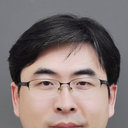 Jin Woo Lee合作论文数1
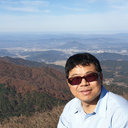 Woo Hyun Park合作论文数1
 David Reisman合作论文数1
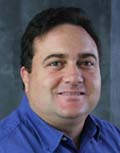 Kenneth S. Vecchio合作论文数Aiiso Yufeng Li Family Department of Chemical and Nano Engineering, Jacobs School of Engineering, University of California San Diego1Gramling Sarah J B合作论文数1
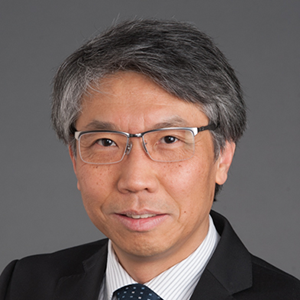 Wei Zhang (张微)合作论文数School of Medicine, Wake Forest University;Comprehensive Cancer Center of Wake Forest Baptist Medical Center1Cynthia S. Snyder合作论文数1
 Pranav Soman合作论文数College of Medicine, The Pennsylvania State University1
 Shaochen Chen合作论文数Jacobs School of Engineering, University of California, San Diego;Scripps Institution of Oceanography, University of California, San Diego;Electrical and Computer Engineering Department, University of California, San Diego1




