Flexible solar wings have emerged as the ideal energy solution for future large-scale spacecraft due to their compact folded volume and high power-to-weight ratio. Their supporting structures must possess excellent mechanical properties, outstanding bending flexibility, and sustained structural stability under the extreme high and low-temperature conditions encountered in space environments. By utilizing the compensation mechanism between the negative thermal expansion of polyimide (PI) fibers and the positive thermal expansion of PI resin, a series of unidirectional fiber-reinforced flexible composites (1D-FRC) were designed, achieving near-zero thermal expansion in the 1D-FRC. Through the finite element analysis, the thermal expansion compensation mechanism was further elucidated, and a two-dimensional fabric-reinforced monolithic flexible composite (2D-FMC) substrate composed entirely of PI materials was fabricated. As a result, the composite's thermal expansion behavior was considered to be governed by both the thermal expansion coefficient (CTE) and the moduli of the matrix and reinforcements. By precisely adjusting these properties and their volume ratio, near-zero expansion (CTEA3 = 0.37 ppm/K) in the composites can be achieved. The 2D-FMC substrate achieves an ultralight areal density (130 g/m2) while exhibiting outstanding mechanical performance (fracture load: 666.9 N/10 mm, tear strength: 26.6 N/mm), exceptional bending flexibility (>= 5000 cycles without degradation), and remarkable dimensional stability (CTEwarp = 0.74 ppm/K,CTEweft = 0.33 ppm/K). Furthermore, it also demonstrates superior heat-sealing scalability, as the heat-sealing strength is comparable to the substrate's fracture strength, establishing the 2DFMC substrate as a high-performance, aerospace-grade flexible substrate with transformative potential for advanced spacecraft applications.
This study introduces an ion-exchange enhanced adsorption method to create a titanium dioxide (TiO2)/polytetrafluoroethylene (PTFE) composite shell on polyimide (PI) fibers, improving their friction and wear performance. PTFE’s low coefficient of friction reduces fiber friction when applied to PI fiber surface. Introducing TiO2 improves the uniformity of the PTFE coating, further lowering the friction coefficient. The maximum reduction in the coefficient of friction of the PI/TiO2/PTFE composite fiber was 46%. During wear, PTFE forms a lubricating transfer film on the fiber wear interface, increasing wear resistance. TiO2 particles within the transfer film as a high-hardness filler, reinforcing the film and further improving fiber wear properties. The PI/TiO2/PTFE composite fiber achieved 1782 cycles to failure, approximately 300 times greater than the original fiber. Importantly, the composite fiber’s mechanical properties, surface energy, and interfacial bonding strength remain comparable to those of the original fiber. This approach offers a highly efficient method for enhancing PI fiber’s friction and wear properties, expanding its potential applications.
Addressing the structural shrinkage during high-temperature imidization (>300 degrees C) of polyimide (PI) aerogels is a critical challenge for enhancing their thermal insulation and electromagnetic wave-transparent performance in aerospace applications. Herein, a thiazine/imidazole in-situ co-catalyzed low-temperature imidization strategy is developed for the first time, by which PI aerogel with nearly "zero" shrinkage is successfully prepared. This method works by introducing 2,4-diamino-6-[2-(2-methyl-1-imidazolyl) ethyl]-1,3,5-triazine (2MZ-AZINE), whose dual amino groups not only construct a crosslinked network with polyamic acid chains but also precisely anchor catalytic groups onto the side chains, thereby enabling highly efficient low-temperature cyclization. Experimental results indicate that cyclization temperature is reduced from conventionally over 300 degrees C to 200 degrees C, consequently reducing shrinkage of PI aerogel significantly from 30.6% to 3.1%. Correspondingly, the 2MZ-AZINE-PI aerogel achieves low density (4.74 mg cm(-3)), super-hydrophobicity (152.7 degrees water contact angle) and low thermal conductivity (25.3 mW m(-1) K-1). Thermal insulation tests show that the 2 cm-thick 2MZ-AZINE-PI controls the surface temperature to be less than 62.3 degrees C after 20 min on a 200 degrees C hot stage (versus 72.8 degrees C for common PI aerogel), demonstrating superior thermal protection. Moreover, 2MZ-AZINE-PI exhibits record-low dielectric constant in the X-band (8-12 GHz), remarkably close to that of air, with permittivity of 1.004 and loss tangent of 8 & times; 10(-4), confirming its exceptional electromagnetic wave-transparent properties. This work establishes a practically useful new paradigm for designing integrated thermal protection/electromagnetic wave-transparent PI aerogel materials for potential aerospace applications.
Lightweight and high-strength structural materials have long been a central objective in materials science. Due to the exceptional specific strength and low density, high-performance organic fibers and their composites have emerged as critical materials, attracting significant interest in both scientific research and advanced engineering applications. This study focuses on enhancing the compressive performance and load-bearing capacity of organic fibers, which are limited by microstructural defects and weak intermolecular interactions. Polyimide (PI) fibers were selected as the subject of this study. Acrylic acid and acrylo POSS were introduced into the internal pores of the fibers by swelling and penetration, and formed a cross-linked network within the fibers. Comprehensive evaluations of the mechanical properties, interfacial characteristics, and viscoelastic behavior of the modified fibers were performed, aiming to elucidate the underlying mechanism responsible for the enhanced compressive performance. The results demonstrate that the synergistic interaction between acrylic acid and acrylo-POSS effectively enhances intermolecular interactions and repairs microstructural imperfections. The compressive strength of monofilament increased from 356 MPa to 527 MPa, marking an enhancement of approximately 50%, while the modulus increased from 12.9 GPa to 16.1 GPa, corresponding to a 25% rise. Additionally, the compressive strength of the composite material increased from 261 MPa to 322 MPa, reflecting a 21.8% improvement. The fiber/resin interfacial shear strength also increased from 40 MPa to 50 MPa, demonstrating a 25.6% enhancement. This study introduces a promising post-treatment strategy for organic fibers, offering potential applications in advanced structural materials.
NPI films were designed via molecular simulation for efficient fabrication. NPI/γ-Fe 2 O 3 films were prepared by in situ polymerization. Synergy between NPI and γ-Fe 2 O 3 enhanced photothermal performance. Photothermal efficiency improved 6-fold.
Polyimide nanofiber (PINF) aerogels, characterized by low density, high-temperature resistance, and excellent thermal insulation, are a promising class of organic porous materials. However, the scalable and controlled fabrication of PINF aerogels remains a significant challenge for practical applications. In this study, we developed an ″in situ reaction cross-linking″ strategy to fabricate highly hydrophobic and superelastic PINF aerogels with efficient oil-water separation capabilities. Using electrospun poly(amic acid) nanofibers based on BPDA and ODA as the precursor, a robust, self-cross-linked nanofibrous network was formed through interfacial contact reactions during the in situ thermal imidization process. This method enabled the successful preparation of Large-area PINF aerogels (460 mm × 340 mm). The resulting aerogels exhibit superelasticity, achieving complete recovery after 80% compression at an ultralow density of 11.92 mg cm-3 and maintaining structural integrity over 1000 compression cycles under 50% compressive strain. They also show high hydrophobicity with a water contact angle exceeding 135°. For dichloromethane, the aerogels achieve a high flux of up to 127,388.5 L m-2 h-1, adsorption capacity up to 74 g g-1, and separation efficiency greater than 99.99%. This work provides a highly processable foundation for manufacturing functional PINF aerogels and facilitates their large-scale production and application.
ABSTRACT Silicon (Si) is widely recognized as one of the most promising anode materials for next‐generation lithium‐ion batteries (LIBs). Nevertheless, its practical application is hindered by significant volume expansion and poor interfacial stability. Herein, a highly adhesive and ion‐conductive polyimide binder, denoted as PIy, is synthesized via low‐temperature self‐catalyzed imidization through the copolymerization of 3,3’,4,4’‐biphenyltetracarboxylic dianhydride (BPDA) with 2,2’‐bis[4‐(4‐aminophenoxy)phenyl]propane (BAPP) as the tough monomer, 4,4’‐diamino‐2,2’‐bipyridyl (DAPY) as a base‐catalyzing component, and 2‐(5‐amino‐2‐methylanilino)‐4‐(3‐pyridyl)pyrimidine (AMPY) as an end‐capping agent. DAPY and AMPY effectively lower the activation energy of poly(amic acid) imidization which enables cyclization to proceed at low temperatures and the pyridine groups promote Li + transport. BPDA and BAPP contain abundant aromatic rings that provide high toughness and impart a high modulus to suppress volume changes. Meanwhile, the flexible ‐O‐ segments enhance chain mobility adapting to expansion while maintaining structural integrity. The Si@PIy‐185 °C electrode exhibits excellent long‐term cycling stability, maintaining a high specific capacity of 1118.6 mAh g − 1 at 1 A g − 1 even after 1000 cycles.The full cell of the SiO x @PIy‐185 °C//NCM811 exhibits a remarkable capacity retention of 87.8% after 100 cycles, highlighting the potential of the low‐temperature imidized PI binder for high‐energy‐density LIBs.
Copper-plated polyimide (PI) fibers offer advantages of miniaturization and light weight for flexible electronics, yet their efficient, environmentally friendly and low-cost fabrication remains challenging. In this work, sodium citrate (SC), a metal chelator with multiple carboxyl groups, was grafted onto PI fibers via alkaline etching and grafting modification, yielding PI-A (etched only) and PI-SC (grafted) fibers. The influence of carboxylation degree on electroless copper plating behavior, coating characteristics, and composite performances was systematically investigated. Atomic force microscopy revealed that PI-A/Cu possessed slightly higher surface modulus and adhesion force than PI-SC/Cu. Further investigation revealed that both coatings maintained excellent integrity after 4 h ultrasonication and repeated tape tests, indicating sufficient adhesion. The higher carboxylation degree of PI-SC promoted faster copper deposition and finer grain refinement, resulting in a denser and more uniform nanoscale copper coating. Consequently, PI-SC/Cu exhibits a higher conductivity of 1.06 & times; 107 S/m, compared to 5.80 & times; 106 S/m for PI-A/Cu. Moreover, after 60 h corrosion test in 3.5 wt% NaCl solution, PISC/Cu showed only 11.9% resistance increase, much lower than 31.9% for PI-A/Cu. PI-SC/Cu also retained comparable thermal and mechanical stability to pristine PI fibers. This work provides a promising strategy for developing high-performance conductive PI fibers.
Organic electrode materials are promising alternatives to transition metal-based electrodes for next-generation green lithium-ion batteries (LIBs). Particularly, polyimide cathode materials have tempted global attention because of their structural diversity, low cost, high working redox voltage, large theoretical capacity, and fast reaction kinetics. Unfortunately, cross-linked polyimide electrodes still cannot satisfactorily meet energy storage applications due to their relatively low theoretical capacities (<= 100 mAh g-1), which result from their highmolecular-weight crosslinker units and low electronic conductivity. Herein, by virtue of a modified in-situ condensation polymerization, novel cross-linked polyimide composites based on low-molecular-weight N,N,N ', N '-Tetras(p-aminophenyl)p-phenylenediamine crosslinker have been synthesized using isoquinoline as a catalyst in the presence of conducting Super C45 material for utilization as cathode materials in LIBs. Such ingenious design of our cross-linked polyimides creates porous, robust structures, which not only significantly foster their wettability with organic electrolytes but also forbid their unwanted dissolution into these electrolytes during battery operation. Notably, the incorporation of the highly conjugated structure of the naphthalenetetracarboxylic dianhydride segment of our targeted NTTP-SP polyimide with Super C45 material, which is stable and cheaper than carbon nanotubes and graphene materials, plays a crucial role in enhancing the electronic conductivity of NTTP-SP. Therefore, this cathode provides a high initial capacity of 134.4 mAh g-1 with an effective active-site utilization (92%) at 0.2C and displays better rate capability besides excellent long-term cycling stability with 98.3% capacity retention over 2000 cycles at 2C. Finally, the DFT results are well aligned with the electrochemical performance of our fabricated polyimide materials. In general, our study endows a novel vision to manufacture redox-enhanced stable organic electrodes with low cost for next-generation sustainable rechargeable batteries.
The low ambient-temperature ionic conductivity and undesirable mechanical properties have seriously hindered the practical application of solid polymer electrolytes (SPEs) in high-energy-density all-solid-state lithium metal batteries (ASSLMBs). In this study, the oxygen-vacancy-rich TiO2-x was innovatively loaded on the polyimide (PI) nanofiber skeleton and then utilized as a 3D continuous ion conducting Li+ pathway in polyethylene oxide (PEO) SPEs. The introduction of the PI@TiO2-x frameworks effectively reduces the crystallization of the PEO, accelerating the Li+ transport in the PEO matrix. Specifically, the oxygen-vacancy-rich TiO2-x on the PI surface can form strong interactions with anions (i.e., TFSI-), which effectively promotes lithium salt dissociation and the release of Li+, thereby elevating both the ionic conductivity and Li+ transference number of the electrolytes. As expected, the (PI@TiO2-x)/PEO SPEs exhibit remarkable ionic conductivity at 30 degrees C (0.5 & times; 10-4 S cm-1), superior Li+ transference number (0.45) and the LiFePO4//Li battery manifests excellent cycling performance (112.2 mAh g-1 after 300 cycles at 30 degrees C). The Li//Li symmetric cells assembled with these electrolytes exhibit stable Li plating/stripping over 2000 h at 30 degrees C. The above results manifest that our (PI@TiO2-x)/PEO electrolytes provide insights and facilitate the practical application of SPEs at moderate ambient temperature (30 degrees C) in high-energy-density ASSLMBs.
The rational design of multifunctional separators presents a promising strategy to simultaneously address lithium dendrite formation and thermal safety concerns in lithium metal batteries (LMBs). In this work, a novel PI@ScMOF hybrid separator is fabricated via an interfacial reaction protocol that enables the in situ growth of wellorganized anionphilic scandium-based metal-organic framework (Sc-MOF) layers onto partially imidized polyimide (PI) nanofibers. The resulting separator exhibits enhanced ion regulation capability by promoting Li+ transference and suppressing anion migration, effectively extending Sand's time and delaying dendrite nucleation. Benefiting from the stabilized electrode/electrolyte interface, the PI@Sc-MOF separator enables highly stable lithium plating/stripping for over 2000 h. In comparison to commercial polypropylene (PP) separators, the PI@Sc-MOF demonstrates significantly improved thermal dimensional stability (TMA onset: 350 degrees C vs 140 degrees C). Full-cell tests using NCM811 cathodes further validate the superior electrochemical performance, with the PI@Sc-MOF separator achieving higher capacity retention (98.3% vs 82.5% after 300 cycles at 1C), greater rate capability (128.7 mAh & sdot;g- 1 vs 101.6 mAh & sdot;g- 1 at 10C), and high capacity retention (76% at 60 degrees C). This study offers a robust interfacial engineering strategy toward advanced separators for high-performance and safe LMBs.
The inadequate compressive performance, inherently constrained by the intrinsic chemical structure of high-performance organic fibers, hindering their practical deployment in advanced technological fields. To address this common issue, this study employed molecular dynamics (MD) simulations to investigate the uniaxial compression behavior of polyimide (PI) fibers. 18 different polyimide structures were designed, and a total of 108 models with varying draw ratios were constructed for systematic analysis. A fitting approach for compression modulus was proposed, enabling the identification of potential PI structures with exceptional compression resistance. From a cross-scale perspective encompassing structural units, molecular chains, and sub-microstructures, the effects of drawing on the evolution of structural and energetic parameters were elucidated, and the key factors for improving the compression performance of PI fibers were summarized. The simulation results demonstrate that the PMDA/2,2'-DDB and PMDA/DABPA systems exhibit the most prominent compression modulus at a draw ratio of 4. Rigid main chains, enhanced intramolecular chain electrostatic interaction energies, and moderate drawing are found to contribute to the improvement of the system's compression modulus. More crucially, strengthening the van der Waals forces between molecular chains—for instance, through the formation of intermolecular hydrogen bonds—can significantly elevate the compression modulus of the PI systems. This work is anticipated to provide valuable insights for mitigating the compressive performance shortfall in the structural design of high-performance organic fibers, thereby facilitating their broader application in advanced technologies.
This work demonstrates a scaffold-assisted strategy for constructing lightweight CNT/PI aerogels with durable conductive networks, absorption-dominated EMI shielding, and multifunctional thermal protection capability.
In response to the demand for high-performance photothermal conversion materials in applications such as emergency rescue and passive de-icing, this study investigated the potential of polyimide (PI) materials with conjugated aromatic heterocyclic structures. We used density functional theory (DFT) calculations to determine the highest occupied molecular orbital (HOMO), lowest unoccupied molecular orbital (LUMO), and the energy gaps of various PI structural units. Based on these calculations, pyromellitic dianhydride (PMDA) and 4,4 '-oxydianiline (ODA) were selected as the core structures, with 1,4,5,8-naphthalenetetracarboxylic dianhydride (1,4,5,8-NTDA) incorporated to tailor the energy gap. A series of polynaphthalimide (NPI) photothermal conversion films were synthesized, and the impact of NTDA content on their photothermal conversion performance was evaluated. The incorporation of NTDA led to an efficiency increase from 6.1% to 21.9%. Furthermore, a series of NPI/gamma-Fe2O3 composite films were designed and prepared via in situ polymerization. The complexation transformation pathway of Fe3+ and its synergistic effect with NPI on photothermal conversion were systematically investigated. The NPI-3-0.9% film achieved a maximum photothermal conversion efficiency of 36.8%, a six-fold increase compared to pure PI films, while maintaining a tensile strength of 109 MPa, demonstrating excellent photothermal conversion and mechanical properties. The application of the composite films in emergency rescue blankets was assessed, exhibiting excellent photothermal heating and de-icing functionalities. These films hold significant potential for applications in polar scientific research, emergency rescue, solar de-icing, and desalination.
To overcome high silver consumption and low film-forming efficiency of silver coatings on traditional polyimide (PI) fabrics, a combined graft modification and magnetron sputtering process was developed to fabricate multifunctional conductive coatings with low silver loading. Covalent grafting of (3-trimethoxysilyl)propyl trimethylammonium chloride (ATAC) after plasma activation substantially optimized the film-forming mechanism of sputtered silver. The grafted quaternary ammonium cations and surface defects promoted Ag adsorption, markedly raising nucleation density and transforming the growth mode from large-spacing islands to high-density small-spacing island coalescence, thereby reducing the percolation threshold. At 2 min of sputtering, PI-ATAC-Ag attained a silver loading of 0.403 wt%, double that of PI-Ag (0.201 wt%), and required only 2 min to become conductive, at least 30 s earlier than PI-Ag, reducing silver consumption by at least 20%. Accordingly, the percolation threshold decreased from 1.129 wt% for PI-Ag to 0.403 wt% for PI-ATAC-Ag, corresponding to a 64% reduction, which breaks the conventional trade-off that high conductivity inevitably requires high silver loading, demonstrating effective decoupling of the two through interface engineering. The coating delivered a minimum sheet resistance of 1.22 mΩ/sq and maintained a surface temperature as low as 38.4 °C against a 100 °C background, coupled with excellent infrared stealth, interfacial adhesion, mechanical properties, and weather resistance. This approach markedly reduces material and energy costs, overcomes key limitations of traditional silver plating, and provides core technical support for large-scale industrial application.
Flexible transparent conductive electrodes(TCE) based on metallic nanomaterials are regarded as the most promising candidates to replace traditional indium tin oxide, demonstrating great potential in optical windows and interactive electronics. However, challenges persist in substrate adhesion and mechanical durability. Herein, we developed a monolithically fabricated TCE based on semi-embedded flexible conductive nanofibers. Silver nanoparticles were modified onto the surface of a predesigned ultrafine polyimide nanofiber network through an in situ reduction and ion-exchange reduction strategy. The subsequent thermal treatment sintered the silver layer, forming a high-aspect-ratio conductive polyimide-silver composite nanofiber (PI@Ag NF) network. After that, the nanofibers were semi-embedded within the colorless polyimide (CPI) film, achieving an ultrasmooth surface while endowing the TCE with exceptional flexibility and mechanical durability. As a result, the PI@Ag NF/CPI TCE exhibiting great conductivity (Rs = 10.9 Omega/sq) and good transparency (T550nm = 78.5 %), which exhibits excellent conductivity even after 2,000 bending cycles. An exceptionally smooth surface morphology (Ra = 1.79 nm) ensures seamless integration with other materials. Finally, a transparent heating device was assembled, demonstrating its electrothermal conversion capability at a low voltage (78 degrees C @4 V). In summary, this work presents a novel strategy and straightforward technique for the development of highly flexible TCE.
With the growing demand for electric vehicles and grid-scale energy storage, conventional polyolefin separators fall short in meeting the thermal and electrochemical requirements of next-generation lithium-ion batteries (LIBs). Herein, a polyimide-based composite separator (PI@ScOOH) was developed via alkali-etching, adsorption-complexation, and hydrolysis to in situ coat scandium oxyhydroxide (ScOOH) onto a PI nanofiber matrix. The ScOOH coating introduced physical crosslinking among fibers, significantly enhancing mechanical integrity. Compared to polyolefin separators, PI@ScOOH exhibited superior electrolyte wettability (contact angle: 9.05 degrees vs 48.53 degrees) and thermal dimensional stability (TMA onset: 350 degrees C vs 140 degrees C). Flame retardancy tests confirmed its excellent safety characteristics. Electrochemical evaluation using NCM811/Li full cells showed that the PI@ScOOH separator achieved higher capacity retention (96.7 % vs 90.9 % after 300 cycles at 1C) and enhanced rate capability (142.8 mAh center dot g(-1) vs 106.9 mAh center dot g(-1) at 10C) relative to polyolefin counterparts. Notably, the separator maintained operational stability at 120 degrees C for 90 min, far exceeding the 10-min limit of conventional separators. These results indicate that PI@ScOOH is a new type of lithium-ion battery separator with enhanced safety and electrochemical properties.
Overcoming the significant volume expansion and mitigating the poor interfacial stability are pivotal challenges that must be addressed to fully unlock the potential of silicon (Si) as an anode material for next-generation lithium-ion batteries (LIBs). Herein, a 3D branched polyimide binder with superior elasticity and ion conductivity is synthesized through the copolymerization of 3,3',4,4'-biphenyltetracarboxylic dianhydride (BPDA) with tough 4,4'-oxydianiline (ODA), polar isophthalic dihydrazide (IDP), and flexible poly(dimethylsiloxane)etherimide (DMS), while incorporating branched 1,3,5-tris(4-aminophenoxy)benzene (TAPOB) to construct a robust 3D crosslinked network. The 3D network of mPI-T contains abundant aromatic benzene rings, providing high toughness and structural stability. The incorporation of IDP introduces numerous polar amide groups, which enhance the formation of robust interactions with the surfaces of SiOx. Additionally, the flexible Si-O-Si segments in DMS contribute exceptional elasticity, effectively preserving the structural integrity of the electrode while facilitating Li⁺ transport. The SiOx@mPI-T electrode exhibits excellent cycling stability, achieving an unprecedented capacity retention of 88% after 600 cycles at 1C. Moreover, the Si/C@mPI-T electrode demonstrates remarkable long-term cycling stability with an exceptionally low capacity decay rate of 0.038% per cycle after 1000 cycles. The full cell of the SiOx@mPI-T//NCM811 exhibits a remarkable capacity retention of 83.1% after 200 cycles, highlighting the potential of the 3D highly elastic PI binder with superior elasticity and ion conductivity for high-energy-density LIBs.
Fast charging remains a critical challenge for current-generation lithium-ion batteries (LIBs), particularly in electric vehicle applications. In this study, we present a highly conductive electrolyte formulation based on a ternary solvent system consisting of acetonitrile (AN), fluoroethylene carbonate (FEC), and ethylene carbonate (EC), combined with a tailored additive, lithium difluoro(oxalato)borate (LiDFOB). This electrolyte demonstrates significantly enhanced ionic conductivity and a higher Li+ transference number, enabling accelerated Li+ transport kinetics. The synergistic effect of the solvents and the additive promotes the formation of a robust, low-resistance, inorganic-rich solid-electrolyte-interphase (SEI) that effectively passivates the graphite surface and suppresses AN decomposition. As a result, the electrolyte substantially reduces internal cell resistance and overpotential, both of which are critical for reliable fast charging. These findings highlight the essential role of rational electrolyte design in addressing the limitations of fast-charging LIBs.
 Shengli Qi (齐胜利)合作论文数College of Materials Science and Engineering, Beijing University of Chemical Technology206
 Guofeng Tian (田国峰)合作论文数College of Materials Science and Engineering, Beijing University of Chemical Technology164
 Xiaodong Wang (汪晓东)合作论文数School of Materials Science and Engineering, Beijing University of Chemical Technology106
 Zhanpeng Wu (吴战鹏)合作论文数College of Materials Science and Engineering, Beijing University of Chemical Technology98
 Riguang Jin (金日光)合作论文数Beijing University of Chemical Technology76
 Hongqing Niu (牛鸿庆)合作论文数College of Materials Science and Engineering, Beijing University of Chemical Technology62
 MengYing Zhang (张梦颖)合作论文数46Bing-xue LIU (刘丙学)合作论文数39Daolei Lin (蔺道雷)合作论文数33
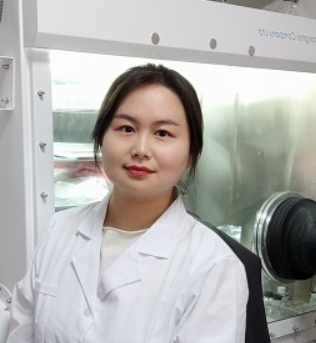 Huan Liu (刘欢)合作论文数北京化工大学材料科学与工程学院31Enlin Han合作论文数29Lizhong Jiang合作论文数24
 Zhenmeng Peng合作论文数Chemical Engineering Department, Molinaroli College of Engineering and Computing, University of South Carolina24
 Nanxi Dong合作论文数23Jiayu Zhan合作论文数22
 Shuangkun Zhang合作论文数21Libo Yao合作论文数19WANG Ya-tao (王亚涛)合作论文数15
 Kong Lushi合作论文数14
 Xiaoping Yang (杨小平)合作论文数State Key Laboratory of Organic-Inorganic Composites, School of Materials Science and Engineering, Beijing University of Chemical Technology;College of Mechanical and Electrical Engineering, Beijing University of Chemical Technology;National Carbon Fiber Engineering Technology Research Center, School of Materials Science and Engineering, Beijing University of Chemical Technology14Jialu Li合作论文数13Guohua Sun合作论文数12Wei Liu (刘伟)合作论文数College of Chemical Engineering, Beijing University of Chemical Technology12
 Shafqat Ali合作论文数State Key Lab Chem Resource Engn, Beijing Univ Chem Technol11Nanfang Jia (贾南方)合作论文数11
 Yanbo Pan合作论文数Xi'an Jiaotong University, Xi'An Jiaotong University11
 Jianhua Wang (王建华)合作论文数Beijing University of Technology10
 Raheel Akram合作论文数Department of Science, University of Central Punjab9Weiwei Liu合作论文数9
 Jingjing Chang (常晶晶)合作论文数School of Microelectronics, Xidian University9
 Wantai Yang (杨万泰)合作论文数Department of Chemical Engineering, Tsinghua University;School of Materials Science and Engineering, Beijing University of Chemical Technology9
 Wencai Wang (王文才)合作论文数College of Materials Science and Engineering, Beijing University of Chemical Technology9
 Haifeng Yu (于海峰)合作论文数School of Materials Science and Engineering, Peking University9
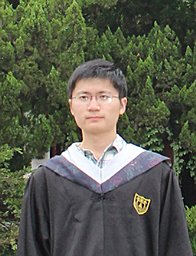 Xiaochen Shen (沈晓晨)合作论文数School of Chemistry and Chemical Engineering, Nanjing University9Guanghui Cui合作论文数9Runyue Li合作论文数8
 Yasir Abbas合作论文数School of Materials Science and Engineering, Xi'an University of Architecture and Technology8Hanlin Ma合作论文数8Ziqi Wang合作论文数8Ming Jiang合作论文数8
 Liqun Zhang (张立群)合作论文数College of Materials Science and Engineering, Beijing University of Chemical Technology8
 Abdulaziz Bentalib合作论文数7Jiacong Guo合作论文数7Kefan Liu合作论文数7LI Xiao-gang合作论文数7
 Majid Basharat合作论文数Shenzhen University7
 Dong Guoqing合作论文数7JianHua Li (李建华)合作论文数7
 Lixin Mao (毛立新)合作论文数College of Materials Science and Engineering, Beijing University of Chemical Technology7




