The OpenProt proteogenomic resource (https://www.openprot.org/) provides users with a complete and freely accessible set of non-canonical or alternative open reading frames (AltORFs) within the transcriptome of various species, as well as functional annotations of the corresponding protein sequences not found in standard databases. Enhancements in this update are largely the result of user feedback and include the prediction of structure, subcellular localization, and intrinsic disorder, using cutting-edge algorithms based on machine learning techniques. The mass spectrometry pipeline now integrates a machine learning-based peptide rescoring method to improve peptide identification. We continue to help users explore this cryptic proteome by providing OpenCustomDB, a tool that enables users to build their own customized protein databases, and OpenVar, a genomic annotator including genetic variants within AltORFs and protein sequences. A new interface improves the visualization of all functional annotations, including a spectral viewer and the prediction of multicoding genes. All data on OpenProt are freely available and downloadable. Overall, OpenProt continues to establish itself as an important resource for the exploration and study of new proteins.
During aging, changes in gene expression are associated with a decline in physical and cognitive abilities. Here, we investigate the connection between changes in mRNA and protein expression in the brain by comparing the transcriptome and proteome of the mouse cortex during aging. Our transcriptomic analysis revealed that aging mainly triggers gene activation in the cortex. We showed that an increase in mRNA expression correlates with protein expression, specifically in the anterior cingulate cortex, where we also observed an increase in cortical thickness during aging. Genes exhibiting an aging-dependent increase of mRNA and protein levels are involved in sensory perception and immune functions. Our proteomic analysis also identified changes in protein abundance in the aging cortex and highlighted a subset of proteins that were differentially enriched but exhibited stable mRNA levels during aging, implying the contribution of aging-related post- transcriptional and post-translational mechanisms. These specific genes were associated with general biological processes such as translation, ribosome assembly and protein degradation, and also important brain functions related to neuroplasticity. By decoupling mRNA and protein expression, we have thus characterized distinct subsets of genes that differentially adjust to cellular aging in the cerebral cortex.
The hypotension observed in young (8 weeks) NMS females was unexpected but is consistent with the fact that hypotension is a common comorbidity of depression. PVH dysfunction contributes to the increase of sympathetic vasomotor activity, characteristic of multiple forms of hypertension. Additionally, the chronic activation of the HPA axis can leads to obesity. The increased expression of FosB in OVX NMS animals indicate that ovarian hormones prevents the stress-related rise of activity of the HPA axis. At 40 weeks old, the fact that NMS animals were obese and hypertensive indicates that those effects are age dependent. The emergence of dysregulation on the stress neuroaxis is a plausible mechanism to explain those results. Together, these data indicate that neonatal stress may explain why a subpopulation of women are at risk of developing cardiorespiratory and metabolic disturbance at menopause. Ongoing experiments will evaluate the incidence of SA in older animals (60 weeks old) and exploring the underlying mechanisms.
 Marie Brunet合作论文数Univ Sherbrooke, Dept Biochem, Sherbrooke, PQ, Canada2
 Xavier Roucou合作论文数Faculty of Medicine, University of Sherbrooke2
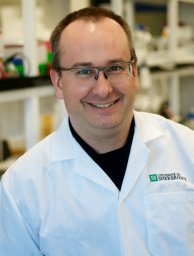 Francois-Michel Boisvert合作论文数College of Life Sciences, University of Dundee2
 Joannie St-Germain合作论文数1
 Noe Guilloy合作论文数1
 Marianne Gagnon合作论文数1Maxime Levesque合作论文数1Inès Khatir合作论文数1Sebastien Leblanc合作论文数Department of Biochemistry and Functional Genomics, Université de Sherbrooke;PROTEO, Quebec Network for Research on Protein Function, Structure, and Engineering, Québec, G1V0A6, Canada.1Anna Meller合作论文数1
 Richard Kinkead合作论文数Département de Pédiatrie, Université Laval & Research Center of the Québec Heart and Lung Institute1
 Stephanie Fournier合作论文数1
 Husain Mohammed Amir合作论文数Fac Life Sci, AM Univ1
 Marques Danuzia A合作论文数Department of Animal Morphology and Physiology, São Paulo State University;Department of Animal Morphology and Physiology, São Paulo State University1Jacques Jean-François合作论文数1
 Laurent Benoit合作论文数Department of Medicine, Boston Children's Hospital;Department of Cell Biology, Harvard Medical School;Boston Children's Hospital, Harvard Medical School1
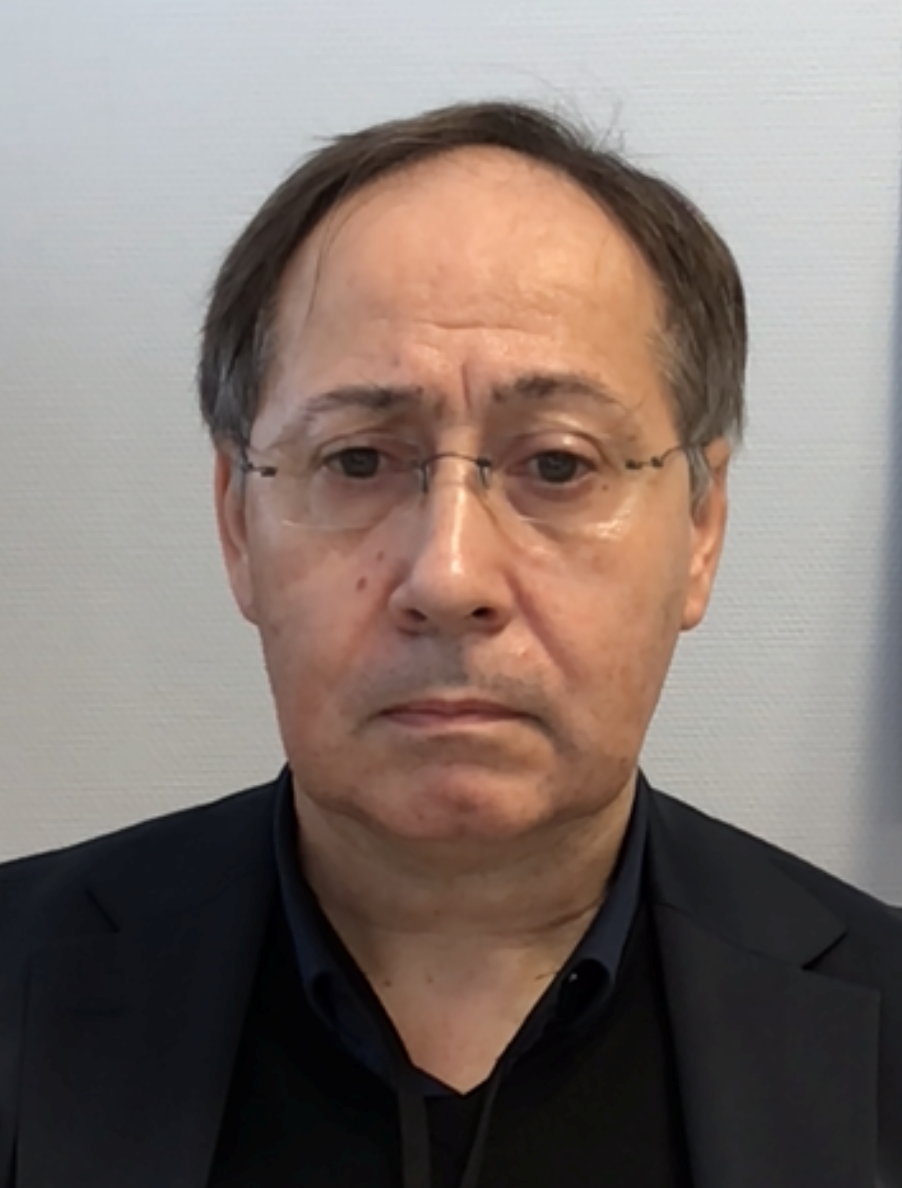 Michel Salzet合作论文数Laboratory of Proteomics, Inflammatory Response and Mass Spectrometry, Département de Biologie, Faculté des Sciences et Technologies, Université de Lille;Biology Department, University Lille 11
 Isabelle Fournier合作论文数Univ. Lille, Inserm, CHU Lille, U1192—Protéomique Réponse Inflammatoire Spectrométrie de Masse (PRISM), F-59000 Lille, France/Institut Universitaire de France (IUF),75005 Paris, France1Jean-François Lucier合作论文数RNA Group/Groupe ARN, Sherbrooke, Canada;Département de microbiologie et infectiologie, Université de Sherbrooke;RNA Group/Groupe ARN, Université de Sherbrooke1
 Aïda Ouangraoua合作论文数LaBRI - Université de Bordeaux1
 Melanie Plourde合作论文数Research Center on Aging, Health and Social Sciences Center, Sherbrooke University Geriatrics Institute1
 Michelle S. Scott合作论文数School of Life Sciences Research, University of Dundee1




