Hydrodeoxygenation (HDO) is a key process for upgrading lignin derived bio-oil to high-quality fuels and chemicals. In this study, CoxNiyAl-T catalysts with varying Co/Ni molar ratios and calcination temperatures were fabricated through flash Joule heating assisted carbon coating, with layered double hydroxides (LDHs) adopted as precursors. These catalysts were used for the hydrodeoxygenation of vanillin to 4-methylcyclohexanol (MCH). Under the optimized reaction conditions (180 °C, 2.5 h, 1 MPa N2) with isopropanol serving as both hydrogen donor and solvent, the Co1Ni2Al-850 catalyst achieved nearly 100% vanillin conversion and a 94.3% yield of MCH. Based on various characterization results, Co1Ni2Al-850 catalysts exhibited suitable specific surface area, pore structure and acid sites. The excellent performance of Co1Ni2Al-850 catalyst was also attributed to the Co-Ni synergistic effect: Ni species accelerated the activation and dissociation of isopropanol to supply sufficient active hydrogen species for HDO; Co species promoted removal of methoxy groups in MMP. In addition, the presence of Al enhanced the structural stability. Based on the product distribution and characterization results, the possible reaction mechanism of the catalytic system was proposed. This study provides a new way for the development of efficient non noble metal catalysts for the hydrodeoxygenation system of biomass derivatives.
To achieve sustainable and environmentally friendly hydrogen production via water electrolysis, the development of low-cost electrocatalysts is imperative. Hydrogen energy is a pivotal green energy carrier for mitigating the global energy crisis and environmental pollution, and water electrolysis stands out as one of the most promising technologies for producing high-purity, low-carbon hydrogen. Therefore, the exploration of highperformance non-precious metal electrocatalysts has become increasingly urgent. Transition metal phosphides (TMPs) have emerged as a key research focus in recent years. Among them, cobalt-based metal-organic frameworks (MOFs) are considered ideal precursors for electrocatalyst fabrication due to their tunable composition, ordered porous structure, and high specific surface area, which can be well preserved in the derived materials. In this study, cobalt-based MOFs were used as precursors to synthesize CoOx/C-Co-IRMOF-type catalysts through low-temperature calcination with different proportions of the ligand terephthalic acid (PTA). Subsequently, phosphorization was carried out at different ratios to obtain CoP/C-Co-IRMOF-type catalysts. The phosphorized cobalt catalyst (CoP/Co) exhibits excellent electrochemical performance. In alkaline electrolyte, CoP/C-Co-IRMOF-6-10 demonstrated an overpotential of 165 mV at 10 mA cm- 2 and a Tafel slope of 83 mV dec- 1. Systematic structural characterizations and electrochemical measurements confirmed that the outstanding catalytic performance originates from the synergistic effects of abundant exposed active sites, fast charge transfer kinetics, and efficient mass transport channels. Furthermore, the optimized catalyst exhibited excellent long-term electrochemical stability, providing a feasible strategy for designing MOF-derived non-precious metal phosphide electrocatalysts for alkaline water electrolysis.
Catalytic hydrodeoxygenation (HDO) is a pivotal strategy for upgrading lignin-derived oxygen-rich compounds into value-added chemicals. Developing high-performance non-precious metal inorganic catalysts with precisely controllable active sites remains a core challenge in this field. Herein, we reported a facile one-pot hydrothermal-calcination reduction method to construct carbon-confined Co-CoOx dual-site catalysts (Cox@Say-T) using salicylic acid as a bifunctional organic ligand and in-situ carbon source. The optimized Co5@Sa5–550 catalyst exhibited outstanding performance in the transfer HDO of guaiacol to cyclohexanol, achieving 99.3% guaiacol conversion and 93.5% cyclohexanol selectivity under mild conditions (180 °C, 2 MPa N2, 4 h) with isopropanol as the hydrogen donor, eliminating the need for external H2. Comprehensive structural characterizations demonstrated that the superior catalytic activity originates from the synergistic effect of uniformly dispersed Co-CoOx sites. Metallic Co centers catalyzed isopropanol dehydrogenation to generate active hydrogen species, while CoOx species acted as moderate Lewis acid sites to facilitate methoxy group adsorption and CO bond cleavage. This work provided a controllable and scalable strategy for designing efficient non-precious metal inorganic catalysts for biomass valorization.
Alkaline hydrogen evolution reaction (HER) has always faced the problem of slow hydrolysis kinetics. In this study, an interfacial-rich metastable NiCo alloy electrocatalyst was prepared in situ on coconut shell-derived porous carbon (CSC) by Flash Joule heating (FJH) technique. DFT calculations verified that the synchronization of metal reduction, alloying, and local graphitization processes of carbon support was achieved under millisecond thermal shock. Structural characterization revealed that the alloy nanoparticles were uniformly dispersed in the hierarchical porous carbon framework, providing efficient channels for charge transfer and reactant diffusion. In 1.0 M KOH solution, the deeply activated catalyst only produced an overpotential of 73 mV at a current density of 10 mA·cm-2 and operated stably for 450 h at a high current density of 160 mA·cm-2. The characterization after electrolysis showed that the surface reconstruction layer of the catalyst composed of hydroxyoxide and hydroxide provided real active sites for alkaline hydrogen evolution, and significantly improved the catalytic performance by improving the wettability and promoting water dissociation. The reconstructed layer with a thickness of about 6 nm can effectively protect the alloy from corrosion and loss, and enhance the long-term stability. The results show that instantaneous Joule heating is an effective strategy to construct durable Ni-Co-based electrocatalysts suitable for alkaline HER.
Catalytic transfer hydrodeoxygenation (CTHDO) has become an attractive method for upgrading lignin to fuels and valuable chemicals, and developing non-noble metal catalysts is the key step. Herein, urchin-like N-doped carbon-encapsulated Co-nanoparticle catalysts (Co@NxCy-T) were successfully constructed using glucose as a carbon source and structure-directing agent and urea as a nitrogen source through a hydrothermal method and carbothermal reduction processing, and the catalyst was applied for the CTHDO of vanillin to 2-methoxy-4-methylphenol (MMP). Co@N0.5C1.5-500 exhibited the best catalytic performance, achieving similar to 100% vanillin conversion, with 92.1% yield of MMP at 160 degrees C, 3 h, and 1 MPa of initial nitrogen pressure using isopropanol as the H-donor. Based on the characterization results, the addition of glucose led to the formation of N-doped carbon, which improved the dispersion and particle size of the Co nanoparticles and introduced carbon defects and pyridinic-N Lewis base sites. Mechanistic studies confirmed that the dehydrogenation of isopropanol occurred at the metal Co0 sites, and the generated H+ and H- combined with the pyridinic-N Lewis base site and Co0 to form pyridinic-N-H+ and Co-H-, respectively. Metallic Co0 sites were also responsible for the hydrogenation of C 00000000 00000000 00000000 00000000 11111111 00000000 11111111 00000000 00000000 00000000 O in vanillin, and the Lewis acid sites from cobalt oxide species (CoOx) were responsible for the cleavage of the C-OH bond to form MMP. Furthermore, the prepared catalyst had good stability, substrate applicability, and certain antioxidant capacity, which may pave the way for developing excellent non-noble metal catalysts to upgrade lignin in actual industrial production.
The hydrodeoxygenation of 5-hydroxymethylfurfural (HMF) is pivotal for producing high-value chemicals and biofuels. In this work, a series of tannic acid-modified Cu-MOF derived catalysts were synthesized solvothermal approach and carbothermal reduction method for the hydrodeoxygenation of 5-hydroxymethylfurfural to produce 2,5-dimethylfuran (DMF). Under reaction conditions of 180 degrees C, 1.5 MPa N2 and 6 h, HMF was completely converted and afforded a DMF yield of 97.7% over Cu1B0.5T0.13@C-800 catalyst. Combined with the comprehensive characterization analysis, the appropriate specific surface area, suitable acid sites, and synergistic interaction between Cu0 and Cu+ were the primary reasons for its outstanding catalytic performance. The mechanism study indicated that isopropanol, as a hydrogen-donating solvent, adsorbed on Cu0 to generate active hydrogen. Concurrently, Cu0 and Cu+ sites promoted the hydrogenation and hydrogenolysis of C--O and C-OH groups of HMF, respectively. This research provides crucial guidance for the design of high-performance nonprecious metal catalysts for HMF hydrodeoxygenation.
Lignin is an abundant, renewable biopolymer, but its structural complexity and low reactivity have hindered its effective valorization. Herein, we report an integrated strategy combining depolymerization, demethylation, and phenolation of lignin in an acidic lithium bromide molten salt hydrate system. Spectroscopic analyses (FTIR, 1H NMR, and 2D-HSQC NMR) confirmed efficient cleavage of major ether linkages, yielding structurally simplified lignin derivatives with enhanced functionalities. Demethylation increased phenolic hydroxyl (Ar-OH) content by 1.36-2.49 mmol/g, while subsequent phenolation further elevated Ar-OH levels to 6.77-7.71 mmol/g, more than doubling those of native lignin. These structural changes translated into enhanced bioactivity: The modified lignins exhibited strong antioxidant activity (>90% DPPH⋅ scavenging), high antimicrobial efficacy (>87% bacterial inhibition), and favorable safety profiles (IC50 > 80 mg/L). In vivo feeding trials demonstrated that the modified lignins significantly improved growth performance and provided robust antiviral protection in mice. Overall, this integrated strategy enables efficient conversion of technical lignin into high-value bioactive polyphenols with performance comparable to or exceeding commercial tannins, while retaining clear economic advantages, highlighting their potential for sustainable applications in feed additives, cosmeceuticals, and nutraceuticals.
Catalytic upgrading of lignin-derived bio-oil to value-added chemicals was of great significance for the utilization of biomass resources. Hydrodeoxygenation (HDO) was widely regarded as a promising pathway for the upgrading of lignin-derived bio-oil. And the key to this issue was to develop effective and sustainable catalysts. In this study, a series of lignin-derived carbon-based highly effective catalysts were synthesized through a one-step hydrothermal method for the catalytic HDO of lignin and its derivatives. Then, lignin-MOF-derived catalysts (nCo-TPA/C-T) were successfully applied to the catalytic HDO of lignin-derived phenolics. All catalysts were characterized in detail to investigate the relationships between physicochemical properties and their catalytic performances. The results demonstrated that the catalyst 2Co-TPA/C-500 exhibited excellent catalytic activity in the conversion of vanillin (VAN) to 2-methoxy-4-methylphenol (MMP) in mild condition (160 degrees C, 0.5 MPa N2, and 1 h), without the presence of external hydrogen. The conversion of VAN was up to nearly 100 %, with a high selectivity of MMP (about 94.5 %). It was confirmed that the excellent catalytic performance was related to types of organic ligands, metal-ligand ratio, catalyst calcination temperature, etc. The catalysts also exhibited good activity for other lignin-derived phenols. This work could offer a useful strategy for the catalytic upgrading of lignin-derived phenolics into value-added chemicals.
This work provides a novel method for preparing bimetallic MOF-derived catalysts for the conversion of 2-phenoxy-1-acetophenone.
Lignin represents a significant source of aromatic hydrocarbons in the natural world. The production of high- value chemicals from lignin has the great potential to effectively address the issue of fossil energy scarcity. In this study, complex sulfides of nickel-cobalt bimetallic catalysts were prepared via hydrothermal synthesis and subsequently employed in the catalytic hydrogenolysis of C-O bonds present in lignin. A series of complex sulfides Ni3S2/Co3S4-CSn-x-T derived from lignin-MOF (n = 0.5, 1, 1.5 and 2; x = 2, 4 and 6; T = 400, 500, 600 and 700 degrees C), were prepared under different conditions and subsequently employed in the catalytic hydrogenolysis of lignin model compounds. The optimal catalyst Ni3S2/Co3S4-CS1-4-500 exhibited the highest conversion rate of benzyl phenyl ether (BPE) (about 97.3 %), and the yields of toluene and phenol produced were 49.5 % and 43.6 %, respectively with isopropanol as the reaction solvent and no external H2. The introduction of element sulfur in catalysts could effectively inhibit the further hydrogenation of generated aromatic chemicals. The catalysts were well characterized, and the results demonstrated that the catalysts exhibited high catalytic activity with an increased loading of active components. This study provided some novel findings for the construction of biomass-based catalysts and the production lignin-derived aromatic chemicals.
This paper provides a novel method to prepare bio-based phenolic foam with improved flame retardancy and mechanical properties.
Phenolic foam (PF) has gained extensive applications in architectural insulation, petrochemical industries, and aerospace engineering due to its exceptional thermal resistance. However, its practical implementation was hindered by inadequate mechanical strength, pronounced brittleness, and reliance on non-renewable petroleum-derived precursors. The substitution of lignin and its derivatives for phenol represented a sustainable innovation that synergistically enhanced foam performance and cost-effectiveness, while significantly minimizing environmental pollution and fostering the high-value conversion of renewable biomass resources. In this study, enzymatic hydrolysis lignin was functionalized by introducing nitrogen (N), phosphorus (P), and silicon (Si) moieties into its side chains, yielding an intrinsic lignin-based flame retardant (NPSi-L). Subsequent partial replacement of phenol with NPSi-L enabled the fabrication of NPSiLPFX composites. The modified lignin exhibited elemental compositions of 4.26 % N, 4.25 % P, and 6.65 % Si, with its char residue rate increasing to 69.18 %. The comparative study demonstrated that NPSiLPFX exhibited significantly enhanced fire resistance, with its LOI reaching up to 58.5 % and compressive strength attaining 0.22 MPa. Furthermore, peak heat release rate (PHRR) and total heat release (THR) were reduced by 28.68 % and 51.54 %, respectively, while fire growth index (FIGRA) and total smoke production (TSP) decreased by 55.14 % and 99.26 %, respectively. The composite exhibited remarkable improvements in fire safety. Analytical characterization of char residues through morphological and elemental composition studies elucidated the cooperative flame-retardant mechanism of the N-P-Si ternary system. This study established an eco-friendly paradigm for developing high-performance phenolic foams that synergistically addressed fire hazards and structural deficiencies in engineering applications.
The conversion of abundant lignin was of great significance for the utilization of biomass resources. In this study, lignin sulfonate (LS) was selected as a carbon-based support, which was successfully introduced into the NiCoMOF structure. A series of lignin and MOF hybrid catalysts (NinCo-MOF-LS) with varying metal ratios of Ni and Co were synthesized via the hydrothermal method. Subsequently, the catalytic hydrogenolysis of lignin-derived dimers was conducted over a range of NinCo-MOF-LS, with the impact of calcination temperature and lignin addition in the catalysts taken into account. The selective conversion of benzyl phenyl ether (BPE) and other lignin dimers was achieved over the NinCo-MOF-LS catalyst with isopropanol serving as the hydrogen donor solvent in a nitrogen atmosphere. The Ni/Co metal ratio and calcination temperature were found to have a significant impact on the catalytic performance. Through a comprehensive investigation of various reaction parameters, including temperature, pressure, reaction time, and reaction solvent, it was determined that the catalyst exhibited excellent catalytic activity in the selective hydrogenolysis of BPE to cycloalkane and cyclohexanol. The optimal reaction conditions (240 degrees C, 4 h, 3 MPa N2) were found to be conducive to the effective conversion of BPE into methylcyclohexane and cyclohexanol. The combination of lignin and metal-organic framework represented a novel approach to the utilization of lignin resources and the upgrading of biomassderived chemicals.
The high efficiency production of renewable resources has been widely used in fuel and synthetic chemistry. In this work, a series of novel, efficient Pd@mSiO2-xCeO2 bifunctional yolk-shell catalysts have been developed and applied to the preparation of γ-valerolactone by the hydrogenation of levulinic acid. The results showed that CeO2 can effectively improve the catalytic performance of the catalyst, then achieve 100 % conversion of levulinic acid and 97 % selectivity of γ-valerolactone. The characterization results showed that the addition of CeO2 regulated the acid sites of the catalyst, promoted the reduction of PdO, thus promoting the formation of more Pd0. In addition, the kinetic experiment results showed that the activation energy of the reaction effectively decreased with the addition of CeO2. Then, the reaction mechanism was studied using Density functional theory (DFT) calculations. Finally, the encapsulation strategy of mesoporous silica shell provided a stable environment for the catalyst and maintains high activity after 5 cycles. The efficient and stable noble metal catalysts developed in this study significantly enhance the yield of biomass-derived γ-valerolactone. Their large-scale application not only supports the green production of biofuels and biodegradable materials but also establishes a material foundation for the generation of renewable energy, thereby contributing to the realization of a low-carbon circular economy.
The efficient hydrogenolysis of C-O ether bonds in lignin is the key for producing bio-oil and high-value chemicals. In this work, we synthesized a series of Ni-MOF-derived porous carbon spheres anchored Ni catalysts (Ni/C-x-T) with different metal/ligand molar ratios and calcination temperatures through solvothermal and carbothermal reduction method, and evaluated their catalytic transfer hydrogenolysis (CTH) performance for lignin model compounds using isopropanol as H-donor. The Ni/C-2-400 catalyst exhibited the excellent CTH performance, affording almost 100 % conversion of 2-phenoxy-1-phenylethanol even at a low reaction temperature of 120 degrees C. It was worth noting that the further hydrogenation of hydrogenolysis products phenol and ethylbenzene could be controlled by adjusting the reaction conditions, achieving phenol and ethylbenzene as main products at 120 degrees C, cyclohexanol and ethylbenzene at 140 degrees C, and cyclohexanol and ethylcyclohexane at 200 degrees C for 4 h. Based on the characterization results, the high catalytic activity of Ni/C-2-400 was attributed to the good dispersion and small particle size of metal Ni particles. Mechanistic studies showed that the cleavage of C-O ether bonds was the main reaction pathway, and high temperature helped accelerate hydrogenolysis and subsequent hydrogenation. Moreover, the Ni/C-2-400 catalyst had good stability and applicability to other model compounds. This work could provide some help for the upgrading of lignin and its derivative.
The catalytic conversion of 5-hydroxymethylfurfural (5-HMF) to value-added chemicals was quite vital for the conversion and utilization of biomass resources. The development of novel and efficient catalysts was of great significance. In this work, a series of tannic acid doped catalysts (Ni-Co/TA@C) were prepared by hydrothermal self-assembly method using lignosulfonate as a building block and coordinating with metal ions Ni2+ and Co2+. The effects of different preparation conditions and reaction conditions on the performance of the catalysts were investigated, and the optimal conditions for catalytic transfer hydrogenation were also explored. The results showed that the conversion of 5-HMF was 99.97% and the yield of 2,5-dimethyl furan (DMF) was as high as 87.10% with Ni2Co/TA@C as catalyst under mild reaction conditions (240 degrees C, 2 MPa N2, 4h). The surface morphology, surface area and composition of the catalysts were characterized in detail. The Ni2Co/TA@C catalyst had higher total acidity and larger amount of strong acid sites, which was conducive to highly selective catalytic transfer hydrogenation (CTH) of DMF, and the larger specific surface area also promoted the dispersion and loading of Ni and Co. This study provided some novel findings for the construction of catalysts for biomass conversion.
Catalytic conversion of biomass-derived value-added chemicals was of great significance for the utilization of renewable biomass resources to instead of fossil chemicals. Biomass-derived lignin was regarded as an important support and 5-hydroxymethylfurfural (HMF) was a vital platform chemical derived from cellulose. Herein, a series of lignin-MOF hybrid catalysts were prepared and modified with different heteropolyacids (HPAs), which were then successfully introduced into the selective conversion of HMF to 5-hydroxymethylfurfuryl alcohol (MFA). The effect of different HPA, calcination temperature, etc. were all studied, and all catalysts were well characterized. It was confirmed that silicotungstic acid modified catalyst (Ni3Co-MOF-LS@HSiW) exhibited the best catalytic performance, while the highest conversion of HMF was up to 100%, with the best MFA yield of 86.5%. The finding in this study could provide novel insights for the utilization of lignin and preparation of value-added biomass-derived chemicals.
Lignin, a renewable natural antioxidant and bacteriostat, holds promise as a versatile, cost-effective feed additive. However, traditional industrial lignin faces limitations, including low reactivity, poor uniformity, and unstable properties, necessitating chemical modification. Complex modification methods pose economic and toxicity challenges, so this study adopted a relatively simple alkali-catalyzed phenolization approach, using phenol, catechol, and pyrogallol to modify kraft lignin, and characterized the resulting products using various techniques. Subsequently, their antioxidant, antibacterial, adsorption properties for heavy metal ions and mycotoxins, growth-promoting properties, and antiviral abilities were assessed. The phenolation process led to lignin depolymerization and a notable increase in phenolic hydroxyl content, particularly in pyrogallolphenolated lignin (Py-L), rising from 3.08 to 4.68 mmol/g. These modified lignins exhibited enhanced antioxidant activity, with over 99 % inhibition against E. coli and S. aureus, and remarkable adsorption capacities for heavy metal ions and mycotoxins. Importantly, Py-L improved the growth performance of mice and reduced influenza mortality. Furthermore, density functional theory calculations elucidated the mechanism behind the enhanced antioxidant properties. This study presents a promising avenue for developing versatile feed additives to address challenges related to animal feed antioxidant supplementation, bacterial control, and growth promotion.
The utilization of renewable biomass resources to develop multifunctional UV-curable coatings is crucial for sustainable development, environmental protection, and green chemistry, particularly for thermosetting materials, which are extensively utilized in practical applications. This study presents the synthesis of a novel, repairable, robust, shape memory, biobased UV-curable polymer derived from renewable cardanol by utilizing dynamic dioxaborolane bonds. This UV-curable polymer, which is prepared by the copolymerization of cardanol-based polyol acrylate containing dioxaborolane and castor oil-based polyurethane acrylate (CPolA-B/COUPA), has a maximum tensile strength of 23.52 MPa. The UV-curable polymer showed a 100% healing efficiency at 50% RH, and the temporary polymer shape can revert to its initial shape when subjected to various stimuli, such as heat, microwave, and IR radiation. In addition, this UV-curable polymer exhibited multicolor emission properties. This study offers a new perspective for designing biomass-derived UV-curable polymers with excellent mechanical and desirable attributes, such as shape memory, self-healing, and adjustable fluorescence properties.
 Yonghong Zhou (周永红)合作论文数Institute of Chemical Industry of Forest Products, Chinese Academy of Forestry50
 Lihong Hu (胡立宏)合作论文数Nanjing University of Chinese Medicine35
 Minghao Zhou合作论文数19
 Fei Ge合作论文数18
 Chengguo Liu (刘承果)合作论文数College of Chemical Engineering, Nanjing Forestry University16Qianqian Shang合作论文数14Caiying Bo (薄采颖)合作论文数14
 Jianchun Jiang (蒋剑春)合作论文数Institute of Chemical Industry of Forest Products, Chinese Academy of Forestry;Nanjing Forestry University13Meng Zhang合作论文数11Haihong Xia合作论文数11
 Yun Hu (胡芸)合作论文数School of Environment and Energy, South China University of Technology11
 Pinghu Zhang (张评浒)合作论文数中国药科大学药物科学研究院11
 Puyou Jia合作论文数10Hong-Jun Liu合作论文数6Xiaoli Ren合作论文数5Fei Jing合作论文数5
 Xuejun Pan合作论文数College of Agricultural and Life Sciences, University of Wisconsin-Madison5Jianwen Cheng合作论文数4Jiantao Su合作论文数4Zheng Pan合作论文数4CaiYing Bao (薄采颖)合作论文数4
 Ning Li (李宁)合作论文数Dalian Institute of Chemical Physics, Chinese Academy of Sciences4Guodong Feng合作论文数4
 Jianqiang Chen (陈健强)合作论文数College of Ecology and Environment, Nanjing Forestry University4
 Zuguo Zheng (郑祖国)合作论文数中国药科大学中药学院3Zhimin Wang合作论文数3
 Changzhou Chen (陈昌洲)合作论文数School of Light Industry and Food Engineering, Guangxi University3
 Jing Li (李敬)合作论文数Changchun Institute of Applied Chemistry, Chinese Academy of Sciences3Jingfang Cui (崔竞方)合作论文数3
 Wen Lei (雷文)合作论文数College of Science, Nanjing Forestry University3Yaqi Xue合作论文数2Hailin Wei合作论文数2Chengjun Tang合作论文数2Wenlei Wang合作论文数2Yuqian Zhang合作论文数2Ronghua Wang合作论文数2Xing Song合作论文数2Ling Li合作论文数2Ni Zhang合作论文数2
 Junli Liu (刘军利)合作论文数Institute of Chemical Industry of Forest Products, Chinese Academy of Forestry Sciences2
 Yoo Chang Geun合作论文数Department of Agricultural and Biosystems Engineering, Iowa State University2Xiaoyu Lin合作论文数2
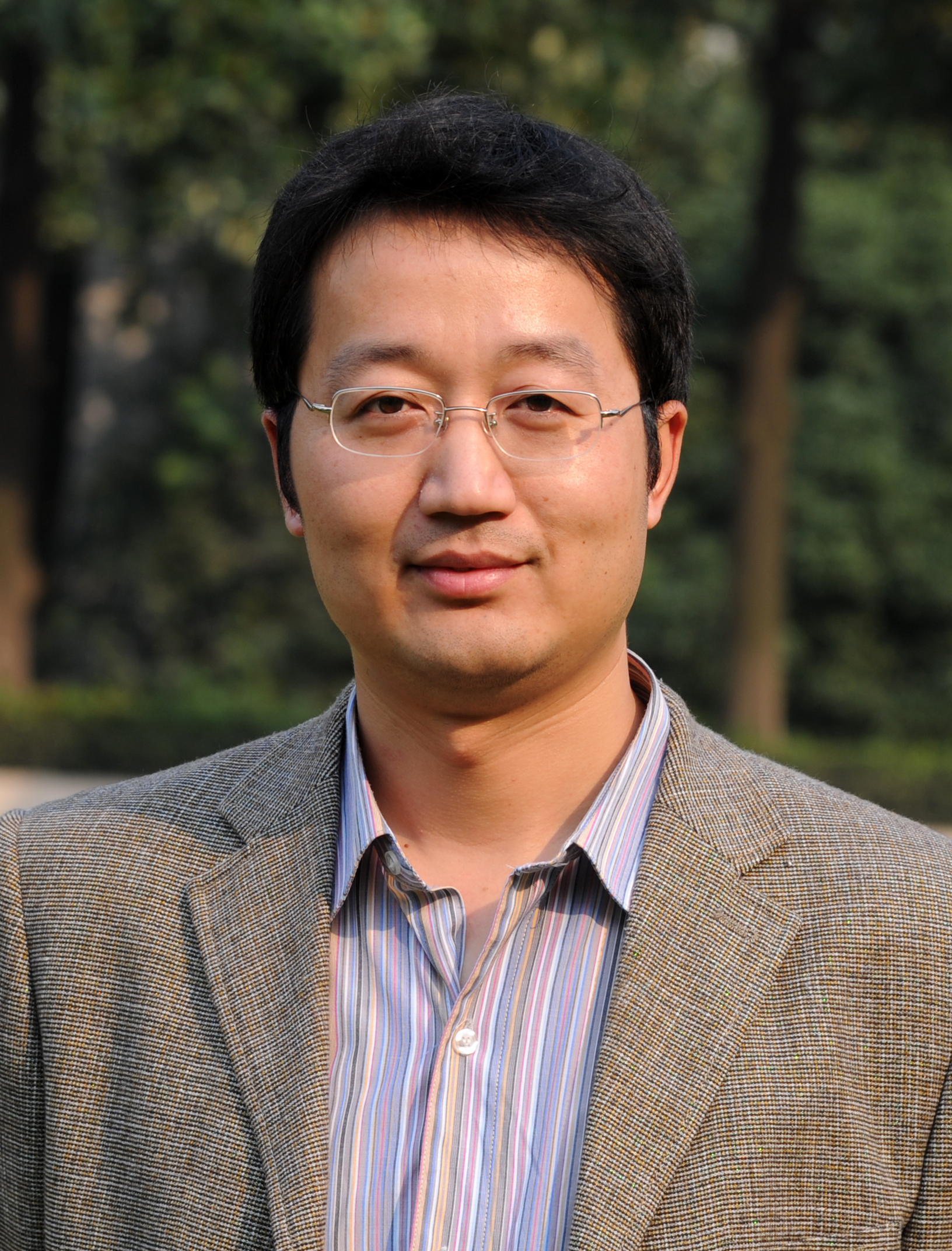 Jun-Song Wang (汪俊松)合作论文数Center for Molecular Metabolism, School of Environmental & Biological Engineering, Nanjing University of Science and Technology2Liqiang Zhang合作论文数2
 Xuliang Lin合作论文数South China University of Technology, South China Univ. of Technol.2Jun Zhao合作论文数Department of Atmospheric Sciences, Texas A&M University2Zhaoshuang Li合作论文数1




