Vehicle safety remains a critical concern as road accidents occur daily. Wireless communication technologies are increasingly recognized for their potential to enhance the safety of both human-driven and autonomous vehicles. In particular, IEEE 802.11-based communication systems have been proposed and evaluated to improve road safety. Achieving low transmission latency and high reliability is essential for the development of Vehicular Ad Hoc Networks (VANETs). Given the dynamic nature of vehicular environments and stringent quality of service (QoS) requirements, adaptive network configurations are necessary. This paper presents two Bayesian model-based approaches for optimizing adaptive real-time communication parameters to achieve optimal network configurations while satisfying QoS constraints. The first approach integrates a stochastic QoS model with constrained Bayesian optimization algorithms, addressing the complexity and computational demands of traditional network simulations. The second approach incorporates a Deep Learning Neural Network (DLNN) into the Bayesian optimization framework, significantly accelerating the iterative optimization process and enabling adaptation to dynamic communication environments. The optimization algorithms are carefully designed and calibrated to ensure precision and robustness. Experimental results using Python demonstrate the efficiency and accuracy of our methods in rapidly converging to optimal parameters for IEEE 802.11-based VANETs. Compared to our previous models and existing approaches in the literature, the proposed optimization scheme offers substantial improvements in computation time, accuracy, and reliability, supporting real-time optimization of communication parameters.
This paper presents a novel method for locally estimating vehicle density on highways based on vehicle-to-vehicle (V2V) communication, a communication mode within intelligent transport systems (ITSs), enabled via IEEE 802.11p and 3GPP C-V2X technologies. Awareness messages (AMs), such as basic safety messages (BSMs, SAE J2735) and cooperative awareness messages (CAMs, ETSI EN 302 637-2), are periodically broadcast by vehicles and can be leveraged to sense the presence of nearby vehicles. Unlike existing approaches that directly combine the number of sensed vehicles with measured packet reception ratio (PRR) of the AM, our method accounts for the deviations in PRR caused by imperfect channel conditions. To address this, we estimate the actual packet reception probability (PRP)–distance curve by exploiting its inherent downward trend along with multiple measured PRR points. From this curve, two metrics are introduced: node awareness probability (NAP) and average awareness ratio (AAR), the latter representing the ratio of sensed vehicles to the total number of vehicles. The real density is then estimated using the number of sensed vehicles and AAR, mitigating the underestimation issues common in V2V-based methods. Simulation results across densities ranging from 0.02 vehs/m to 0.28 vehs/m demonstrate that our method improves estimation accuracy by up to 37% at an actual density of 0.28 vehs/m, compared with methods relying solely on received AMs, without introducing additional communication overhead. Additionally, we demonstrate a practical application where the basic safety message (BSM) transmission rate is dynamically adjusted based on the estimated density, thereby improving traffic management efficiency.
The density of vehicles on the road is an important metric of the traffic state. It can be used to estimate traffic congestion, predict travel times, optimize traffic flow, implement dynamic routing strategies, etc. Thus, vehicle density estimation plays a critical role in traffic management. At the same time, vehicles connected via vehicle-to-everything ( V2X) technology can exchange information by broadcasting wareness messages (AMs), making them naturally suited to estimate vehicle density. However, a vehicle might underestimate density due to the loss of some awareness messages from its neighbors. To address this, we propose a scheme that enables vehicles to locally estimate vehicle density based on the received AMs and the broadcast reliability of V2X. The scheme proposes an innovative method to estimate the ratio of the sensed vehicles to the total number of vehicles based on observed reliability metrics. Experimental results show that, compared with a method based solely on received messages, the proposed method improves the density estimation accuracy by up to 37% at an actual density of 0.28 Vehs/m, while not requiring additional communication overhead. We also present an example application of the estimated density, in which the Basic Safety Message (BSM) rate is dynamically adjusted.
Aerosols are the main components of air pollutants,and ozone also has a certain impact on human health.Light detection and ranging(LiDAR)is a powerful tool for detecting the atmosphere.Ozone has a strong absorption in the ultraviolet(UV)band with a wavelength less than 320 nm.Using UV laser(with a wavelength less than 320 nm)to detect aerosols will cause mutual effects between aerosol absorption,ozone absorption,and atmospheric molecular absorption.Consequently,retrieving aerosol optical parameters from the UV LiDAR equation will be more complex than that from the visible LiDAR equation.A dual-wavelength UV LiDAR detection system was designed to obtain UV LiDAR echo signals at two wavelengths.An iterative algorithm was proposed to simultaneously invert the ozone concentration profile and aerosol optical parameter profile from the two LiDAR equations,with ozone concentration profile as the constraint condition.The calibrated three-wavelength UV ozone LiDAR of Anhui Kechuang Zhongguang Technology Co.,Ltd.,and the dual-wavelength UV LiDAR of our group were used to verify the correctness of the proposed inversion algorithm in the same place at the same time.The ozone concentration profiles retrieved by the two LiDARs were compared and analyzed,with a relative error less than 13%.Based on this,the designed dual-wavelength UV LiDAR detection system was used to detect atmospheric for continuous 10 h.The process involved comparing and analyzing the ozone concentration retrieved near the ground with ozone concentration detected by national control stations.The relative errors of both are less than 17.6%.The results of the two comparative experiments indicate that the proposed inversion algorithm is feasible and reliable.
IEEE 802.11 communication systems have been extensively investigated for improving vehicular road safety. However, dynamic vehicular environments and various safety applications with different quality of service (QoS) requirements cannot be accommodated by a fixed set of communication parameters and network configuration. This paper proposes and exploits a real-time constrained optimization platform that leverages the combination of a fast stochastic model with a carefully configured regression deep learning neural network (DLNN) to achieve an optimal balance between the QoS and the channel spectrum efficiency. The stochastic model is utilized to predict the QoS of IEEE 802.11 broadcast vehicular ad hoc networks given a selected group of communication parameters and analytical equations or measured data about the communication channels. The data provided by the stochastic model is sorted based on the QoS requirements for a given safety service and is preprocessed to keep enough distance between the training data patterns. The DLNN is trained by a randomly sampled data set to accomplish the inverse mapping (from the QoS to the corresponding parameter sets) to facilitate real-time optimization. In the process of optimization, by working in tandem, the DLNN and stochastic model synergistically identify the optimal parameter set that maximizes channel efficiency while adhering to QoS constraints in a fast and precise manner. The computation complexity of the optimization is analyzed and estimated. The effectiveness and robustness of the proposed optimization system have been demonstrated through experiments conducted on Google Colab using TensorFlow and Python, showcasing its superiority over the alternative optimization algorithms.
It is anticipated that wireless vehicular ad hoc networks (VANETs) can further enhance the safety of autonomous vehicles. Recently, two major standards for the next generation of VANET technologies have been suggested and tested: IEEE 802.11p/bd and 3GPP NR-V2X. Compared with human driving VANET, autonomous driving VANET poses big challenges for more stringent requirements on reliability and delay of message transmissions. Up to date, the quality of service (QoS) requirements of VANETs for the safety services of autonomous driving vehicles have not been investigated systematically. Whether or not the current proposed communication systems can meet such high QoS requirements is unclear. This paper reviews the communication requirements for safety use cases, and the QoS requirements for level 5 autonomous driving VANETs are deduced. Then, the QoS of IEEE 802.11-based VANETs, including 802.11p, 802.11bd, and other 802.11 cutting-edge versions, are evaluated by simulations and analyses on a few selected safety use cases and benchmarked against the corresponding QoS requirements. The numerical results reveal that the current IEEE 802.11p/bd cannot meet the QoS requirements for some selected safety applications in autonomous driving vehicles. However, IEEE 802.11 systems with new enhancements can potentially support safety services with assured QoS.
The rise of artificial intelligence and the Internet of Things (AIoT) has paved the way for the resource utilization in Vehicular Edge Computing (VEC) networks. However, vehicles willingness to participate in collaboration still needs to be investigated due to the high speed dynamics of the network. In this paper, we discuss the case of multiple Task Vehicles (TaVs) competing for resources on multiple Service Vehicles (SeVs) proxied by an RSU. To maximize the utility of both parties, reasonable resource prices and task offloading volume are necessary. Firstly, we formulate the interactions between SeVs and TaVs as a two-stage Stackelberg game. Then, we propose an Optimal Differentiated Pricing Approach (ODPA) to find the optimal solution. It consists of two parts. The first part determines the optimal resource price and task offloading volume by taking into account the energy consumption of SeVs and the delay-energy savings of TaVs. The second part matches SeVs with suitable TaVs to maximize the utility of TaVs and SeVs. Simulation results demonstrate that ODPA increases the overall utility of SeV and TaV by at least 6% and 10%, respectively, reduces the energy consumption and task latency of TaV compared to other benchmark approaches.
The real-time quantification of the effect of a wireless channel on the transmitting signal is crucial for the analysis and the intelligent design of wireless communication systems for various services. Recent mechanisms to model channel characteristics independent of coding, modulation, signal processing, etc., using deep learning neural networks are promising solutions. However, the current approaches are neither statistically accurate nor able to adapt to the changing environment. In this paper, we propose a new approach that combines a deep learning neural network with a mixture density network model to derive the conditional probability density function (PDF) of receiving power given a communication distance in general wireless communication systems. Furthermore, a deep transfer learning scheme is designed and implemented to allow the channel model to dynamically adapt to changes in communication environments. Extensive experiments on Nakagami fading channel model and Log-normal shadowing channel model with path loss and noise show that the new approach is more statistically accurate, faster, and more robust than the previous deep learning-based channel models.
In the realm of wireless communication, stochastic modeling of channels is instrumental for the assessment and design of operational systems. Deep learning neural networks (DLNN), including generative adversarial networks (GANs), are being used to approximate wireless Orthogonal frequency-division multiplexing (OFDM) channels with fading and noise, using real measurement data. These models primarily focus on channel output (y) distribution given input x: p(y|x), limiting their application scope. DLNN channel models have been tested predominantly on simple simulated channels. In this paper, we build both GANs and feedforward neural networks (FNN) to approximate a more general channel model, which is represented by a conditional probability density function (PDF) of receiving signal or power of node receiving power Prx: f_p_rx|d(()), where is communication distance. The stochastic models are trained and tested for the impact of fading channels on transmissions of OFDM QAM modulated signal and transmissions of general signal regardless of modulations. New metrics are proposed for evaluation of modeling accuracy and comparisons of the GAN-based model with the FNN-based model. Extensive experiments on Nakagami fading channel show accuracy and the effectiveness of the approaches.
Bayesian optimization has been used for the global optimization of communication parameters of Vehicular Ad Hoc Networks (VANETs) for safety applications with stringent quality of service (QoS) requirements. However, the effectiveness of the methodology relies on an accurate analytic model for querying a distribution over functions, which is not practical. Furthermore, incorporating QoS requirements as constraints into the search process is cumbersome, timeconsuming, and even unreliable. In this paper, we present a new approach to the constrained Bayesian optimization of IEEE 802.11 based VANETs for safety messaging with the help of deep learning neural networks (DLNNs). First, we design and train a DLNN using data collected from the analytic models or channel measurements to approximate a mapping from the search parameter space to the QoS metrics. The QoS constraints are naturally incorporated into the DLNN through preprocessing data pairs that cannot meet the QoS requirements. Then, the Bayesian optimization is conducted to find the optimal communication parameters for the best channel usage on the condition that all QoS requirements are met. Accordingly, experiments are carried out on the Google Colab platform where the impact of DLNN structure, data sampling rate, and other optimization parameters are investigated. In comparison to other optimization approaches, utilizing a DLNN in the Bayesian optimization process is more time efficient and flexible.
大学物理课程具有丰富而又独特的思政元素,将思政元素融入课堂教学,有助于落实立德树人的根本任务.在教学过程中,教员习惯在课堂授课环节将思政元素与知识点相结合,忽视了将思政元素与智慧化教学平台深度融合,进行课前、课中、课后,线上、线下的混合式教学.本文基于我院智慧教学平台,围绕大学物理课程知识的内涵和外延,深入挖掘大学物理课程包含的思政元素.通过课前深入预习环节,课中讨论拓展环节,课后反馈评价环节,形成"三位一体"混合式的课程思政教学设计,并以"热力学第二定律"为例具体给出了课程思政的实施过程.
Aerosol is the main component of air pollutants. Lidar is a powerful tool to detect atmospheric aerosols. 355 nm in ultraviolet, visible spectrum and 1064 nm in near infrared are commonly used in detection, while the ultraviolet spectrum with wavelength less than 320 nm is less used. The main reason is that ozone has a certain content in the atmosphere and is strongly absorbed in the ultraviolet spectrum. Retrieving aerosol extinction coefficient from ultraviolet lidar equation is more complex than from 355 nm, visible spectrum and 1064 nm lidar equation because of the interaction of aerosol absorption, ozone absorption and atmospheric molecular absorption.The method of detecting aerosol extinction coefficient is proposed by emitting two ultraviolet lasers into the atmosphere at the same time. An iterative inversion method is designed to retrieve the aerosol extinction coefficient profile from two ultraviolet lidar equations with the ozone concentration profile as the constraint condition. In order to verify the correctness of the inversion method, the test is arranged by simulation signal.Two simulation ultraviolet lidar signals are obtained from supposed aerosol extinction coefficient and ozone concentration profiles, then, the aerosol extinction coefficient profiles in the ultraviolet spectrum are retrieved from the simulated signals by the inversion method. The results indicate that the inversion method is feasible and reliable.
IEEE 801.11p/bd based Vehicular Ad Hoc Networks (VANETs) have been introduced to improve road safety that involves message broadcasts with low transmission latency and high reliability. Different safety-critical applications of VANETs have different quality of service (QoS) requirements under dynamic vehicular environments. A set of dynamically adaptive parameters for the communication networks is essential to obtain the best channel efficacy constrained on that the QoS requirements are satisfied. However, the complexity and high computation consumption of simulation models for safety applications make direct parameter optimization inaccessible. This paper proposes a real-time optimization scheme for VANET safety applications based on a Bayesian constrained optimization algorithm. The scheme consists of a Bayesian Optimization algorithm and an analytical model for IEEE 802.11 VANET channel access. The Bayesian Optimization generates surrogate functions with lower computational costs based on the sampling points obtained from the analytical model or measurement observations, incorporates QoS requirements as the optimization constraints, and iterates to find the optimal parameters for the best channel usage. Experiments results on Python demonstrate that compared with other non-gradient optimization algorithms, Bayesian Optimization can converge to the optimal parameters solutions for IEEE 802.11 driven VANETs efficiently and accurately.
Ozone near the surface of the atmosphere directly stimulates the human respiratory tract and affects human health. In recent years, ozone pollution in China has become a serious problem, so controlling ozone pollution is an urgent task. Differential absorption lidar is a useful tool for detecting ozone concentration, but it cannot receive complete signals in the lower hundreds of meters because of the overlap factor. CCD imaging lidar technology can effectively solve this problem. A fitting method of inverting the ozone concentration profile using ultraviolet differential CCD imaging lidar is proposed in this paper. The effect of three different types of aerosol extinction coefficient, three different types of ozone concentration, and five different types of aerosol wavelength index on retrieving ozone concentrations was analyzed using simulation. For clean aerosol, the relative error of the retrieved ozone concentration is less than 5%. As to polluted aerosol, the relative error of the retrieved ozone concentration is less than 10%. As to heavily polluted aerosol, the relative error of the retrieved ozone concentration is less than 25%. The results show that the larger the value of the aerosol extinction coefficient, the larger the relative error of the retrieved ozone concentration; meanwhile, the lower the ozone concentration, the larger the relative error of the retrieved ozone concentration; at the same time, the further the aerosol wavelength index deviates from 1, the larger the relative error of the retrieved ozone concentration. The relative error of the retrieved ozone concentration in this case was about 4%. It is shown that this fitting method of retrieving ozone concentrations is reasonable and feasible.
IEEE 802.11p/bd driven Vehicular Ad Hoc Networks (VANETs) have been investigated for safety-critical applications with high reliability and low transmission latency. However, due to dynamic vehicular environment and various safety applications requiring different quality of service (QoS), a fixed configuration of the communication network parameters performs poorly in terms of balance between QoS and channel spectrum efficiency. This paper proposes a new real-time optimization scheme based on a designated deep learning neural network (DLNN) working with a stochastic model. In the scheme, the stochastic model is adopted to predict the QoS of VANET given a set of communication parameters. The DLNN is trained to approach the inverse maps from the parameter sets to the corresponding QoS by a sampled data set from running the stochastic model. In the process of optimization, for a given safety service, the DLNN and the stochastic model complement each other to find an optimal solution of the parameters that maximize the channel efficiency under the constraints of QoS requirements in a fast and precise way. The experiments on Google Colab with TensorFlow and Python demonstrate the effectiveness of the scheme.
Taxi demand prediction plays a significant role in assisting the pre-allocation of taxi resources to avoid mismatches between demand and service, particularly in the era of the sharing economy and autonomous driving. However, most studies have only tried to figure out the complex spatial-temporal pattern of taxi demand from historical taxi demand series, neglecting the intrinsic influences of regional functions, and failing to effectively capture the dynamic long-term periodicity. In this paper, we make two important observations: (1) taxi demand pattern varies significantly between different functional regions; and (2) taxi demand follows a dynamic daily and weekly pattern. To address these two issues, we adopt Points of Interest (POIs) to identify regional functions, and propose a novel BERT-based Deep Spatial-Temporal Network (BDSTN) to model the complex spatial-temporal relations from heterogeneous local and global features. In BDSTN, a Spatiotemporal Pattern Matching module is introduced to capture the complex spatiotemporal pattern of taxi demand while considering its dynamic temporal periodicity, and a Functional Similarity Embedding module is adopted to learn the functional similarity among all regions via POIs. To the best of our knowledge, this is the first work to use BERT-based architecture to learn taxi demand patterns, and is also the first to take functional similarity represented by POIs into consideration. Our experimental results on real-world traffic datasets in New York City demonstrate that the effectiveness of the proposed method outperforms the state-of-the-art methods, and that the efficiency of our proposed model is higher than other deep learning methods.
Helium discharge experiments were carried out in the linear plasma device which is based on hollow cathode discharge. The variation of helium plasma parameters with experimental conditions and the spectral characteristics of helium discharge were studied. The plasma density and temperature in the experiment were measured by the plasma probe, and the spectral results were measured by the spectrometer. The results show that the plasma density increases with the helium injection flux and the magnetic induction intensity, but the plasma temperature does not. The spectral results show that the relative intensity of helium spectrum also increases with the helium injection flux and magnetic induction intensity, which is consistent with the density results. The relative spectral intensity of HeI is much greater than that of HeII, beneficial to the detection of neutral helium on the linear plasma device. These results accumulated experimental basis for the study of neutral helium density through the linear plasma device, then simulation study on helium ash in divertor area of the future fusion reactor.
Due to geometric overlap factor, the backscattering lidar is not suitable to detect atmospheric characteristics near the ground. A new sidescattering lidar system consisting of three CCD cameras and one CW laser is developed for the first time to measure the profiles of the backscattering coefficient of atmospheric aerosols across the whole troposphere, which has no detection blind zone near the ground. The aerosol relative phase function was detected by its horizontal CCD channel. The vertical distribution of aerosol backscattering coefficient across the whole troposphere was observed by the other two CCD cameras of vertical channel. The reasons for choosing three CCD cameras and their respective functions are analyzed in detail. Comparative experiments and continuous observations indicate that the new sidescattering lidar system including three CCD cameras is simple in structure and reliable in performance with low cost as well.
 Zongming Tao (陶宗明)合作论文数35
 Kishor S. Trivedi合作论文数High Availability Assurance Laboratory, Department of Electrical and Computer Engineering, Pratt School of Engineering, Duke University;Duke Kunshan University23
 Dong Liu (刘东)合作论文数Center for Atmospheric Optics, Anhui Institute of Optics and Fine Mechanics, Hefei Institutes of Physical Science, Chinese Academy of Sciences;University of Chinese Academy of Sciences22
 Yingjian Wang (王英俭)合作论文数Lidar Division, Center for Atmospheric Optics, Anhui Institute of Optics and Fine Mechanics, Chinese Academy of Sciences;Hefei Institutes of Physical Science, Chinese Academy of Sciences20Huihui Shan合作论文数18
 Chenbo Xie (谢晨波)合作论文数中国科学技术大学中国科学院合肥物质科学研究院18Zhaozhi Zhang合作论文数17
 Hazem H. Refai合作论文数Dept Elect & Comp Engn, Univ Oklahoma15
 Yixian Yang (杨义先)合作论文数School of Industrial Software, Henan University of Engineering;Beijing Tongtech Co., Ltd14
 Xianbo Chen合作论文数14HuiHui Dan (单会会)合作论文数13Shenhao Wang合作论文数12
 Xiaoyan Yin (尹小燕)合作论文数School of Information Science & Technology, Northwest University11SuGui Zhao (赵素贵)合作论文数9
 Jing Zhao (赵靖)合作论文数School of Software, Dalian University of Technology9
 Li Zhijuan合作论文数7
 Zhenzhu - Wang (王珍珠 Zhenzhu Wang)合作论文数7
 Yanbin Wang合作论文数7LianQing Zhang (张连庆)合作论文数6
 Jinsong Zhang合作论文数6
 Shengli Ding合作论文数5
 Bo Shi合作论文数5
 Junli Qi合作论文数5
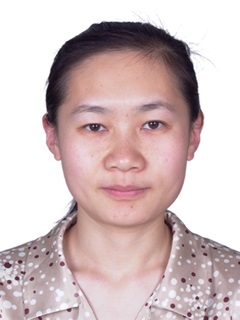 Nan Jiang (姜楠)合作论文数Beijing University of Technology5Miao Nie (聂淼)合作论文数4Shaoqing Zhao合作论文数4
 Wu Zhuofei合作论文数4Dun Cao合作论文数Changsha University of Science and Technology4Jiajia Han (韩佳佳)合作论文数4
 Weihua Wang (汪卫华)合作论文数Institutes of Physical Science and Information Technology, Anhui University4
 Xinlin Huang (黄新林)合作论文数College of Electronic and Information Engineering, Tongji University4
 Jian Wang (王健)合作论文数School of Computer and Information Technology, Beijing Jiaotong University4Baofeng Ji合作论文数3Junjian Liu合作论文数3Haifei Deng合作论文数3QingZe Zhang (张清泽)合作论文数3LuLu Zhang (张璐璐)合作论文数3
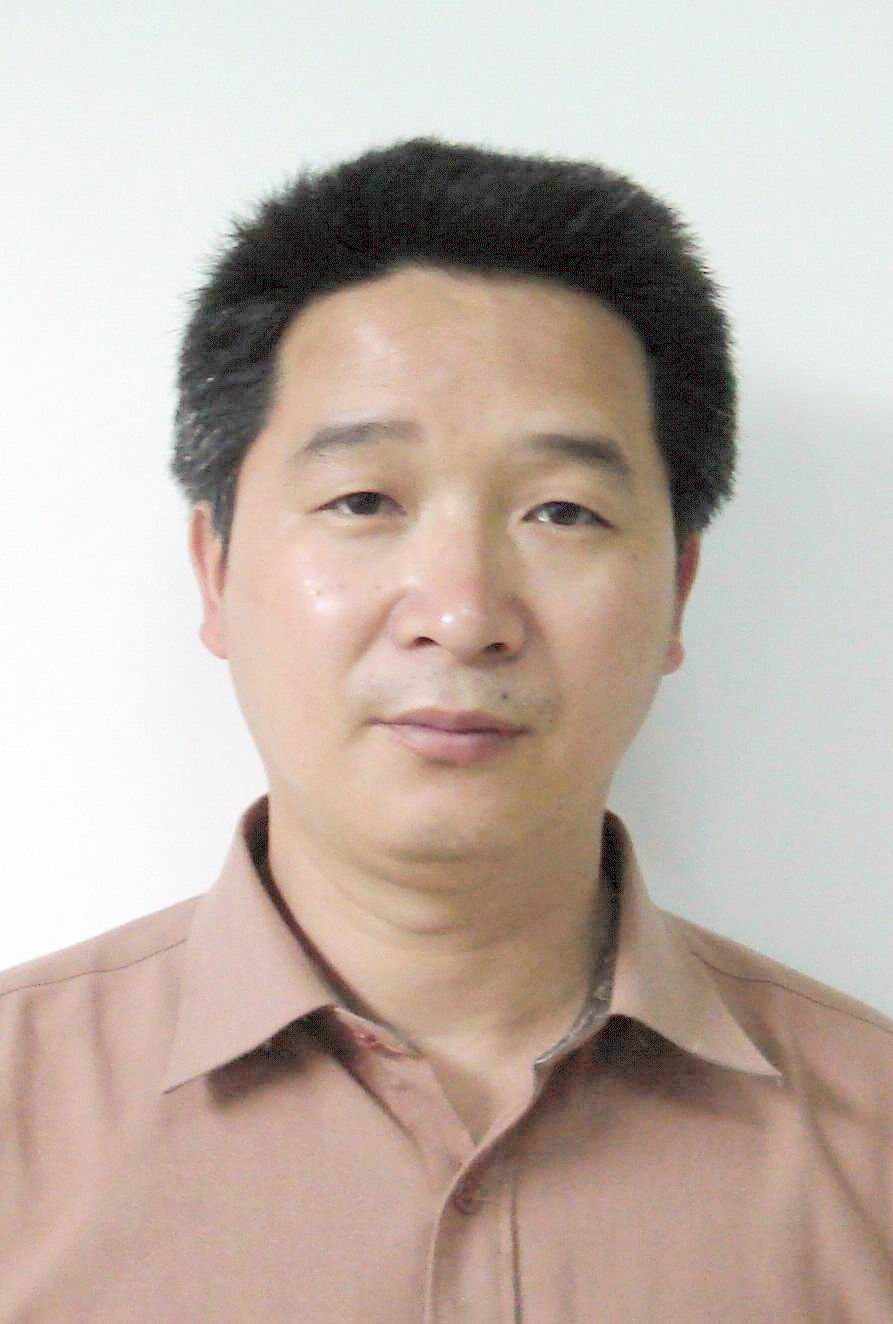 Shunxing Hu (胡顺星)合作论文数中国科学技术大学中科院合肥物质科学研究院安徽光机所3Su Yang合作论文数3
 Hualin Lu合作论文数3Gregory Butron合作论文数3Hui Zhang合作论文数3
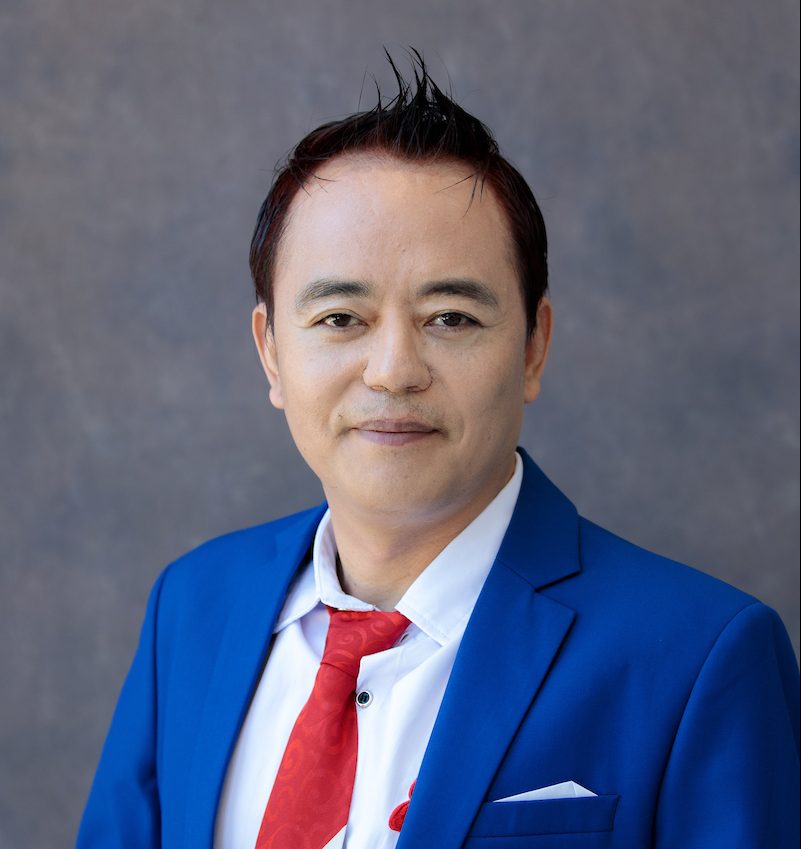 Fei Hu合作论文数Center for Advanced Vehicle Technologies, Electrical and Computer Engineering, College of Engineering, The University of Alabama3
 Sheng Hong (洪晟)合作论文数School of Advanced Manufacturing, Nanchang University3
 Yun Liu合作论文数3Kaifa Cao (曹开法)合作论文数3




