Atomic Zn-N-C materials are synthesized by direct carbonization of ZIF-8, which maintains the rhombic dodecahedron morphology (RDM) with abundant nanopores. Zn-N-C-RDM shows enhanced catalytic activity with bisphenol A (BPA) as model pollutant and peroxydisulfate (PDS) as oxidant. Molecular dynamic (MD) calculations show that mean square displacement (MSD) of PDS, BPA, and H2O molecules in the nanotunnels decreases obviously with smaller pore size. Due to the confinement, the BPA (d(i) = 1.0 nm) and PDS (d(i) = 0.5 nm) can easily enter and confined in the cavities of Zn-N-C-RDM. PDS can be therefore activated more easily to degrade BPA due to their faster diffusion and shorter transfer routes. > 97 % degradation of BPA can therefore be achieved by Zn-N-C-RDM within 20 min. Quenching experiments, electron paramagnetic resonance (EPR) and open circuit potential (OCP) results indicate that O-2(center dot-) radical dominate the degradation. According to the density functional theory (DFT) results, the binding sites of Zn-pyridinic N are the main active sites. This work provides new insights for improving activity in Fenton-like reactions in the field of environmental remediation.
Herein, a new heterogeneous CoSe2-x@NC material with abundant selenium vacancies is synthesized via an in-situ carbonization-selenization process from cobaltic metal organic framework (Co-MOF). The obtained CoSe2-x@NC has a unique electronic structure and rich active sites, which can activate peroxymonosulfate (PMS) to degrade carbamazepine (CBZ) with superior catalytic performance and stability. The quenchingexperiments and EPR test show that SO4•− is the dominant reactive oxidation species (ROSs) for CBZ degradation. Significantly, systemic electrochemical tests and theoretical calculations illustrated that the dominant role of SO4•− is attributed to the existence of abundant selenium vacancies in CoSe2-x@NC, which can adjust the density of electron cloud of the Co atoms in CoSe2-x@NC to improve the PMS adsorption and promoting the conversion of transition metallic redox pairs (Co3+/Co2+). This work provides a facile way to improve the activity and stability of CoSe2 by defect engineering in the PMS based advanced oxidation process (AOPs).
The production of short-chain fatty acids (SCFAs) through anaerobic fermentation of waste activated sludge (WAS) is commonly constrained by limited substrate availability, particularly for WAS with low organic content. Combining the hydrocyclone (HC) selection with alkali-thermal (AT) pretreatment is a promising solution to address this limitation. The results indicated that HC selection modified the sludge properties by enhancing the ratio of mixed liquid volatile suspended solids (MLVSS)/mixed liquid suspended solids (MLSS) by 19.0% and decreasing the mean particle size by 17.4%, which were beneficial for the subsequent anaerobic fermentation process. Under the optimal HC + AT condition, the peak value of SCFAs production reached 4951.9 mg COD/L, representing a 23.2% increase compared to the raw sludge with only AT pretreatment. Mechanism investigations revealed such enhancement beyond mechanical separation. It involved an increase in bound extracellular polymeric substances (EPS) through HC selection and the disruption of sludge spatial structure by AT pretreatment. Consequently, this combination pretreatment accelerated the transfer of particulate organics (i.e., bound EPS and intracellular components) to the supernatant, thus increasing the accessibility of WAS substrate to hydrolytic and acidifying bacteria. Furthermore, the microbial structure was altered with the enrichment of key functional microorganisms, probably due to the facilitation of substrate biotransformation and product output. Meanwhile, the activity of hydrolases and SCFAs-forming enzymes increased, while that of methanogenic enzymes decreased. Overall, this strategy successfully enhanced SCFAs production from WAS while reducing the environmental risks of WAS disposal.
Medium-chain fatty acids (MCFA) production from waste activated sludge (WAS) has been a promising approach for resource and energy recovery. However, the poor sludge biodegradability and existence of competitive microorganisms result in inefficient electron donor utilization and low MCFA output. Therefore, a percarbonate (SPC)-based strategy is proposed to effectively enhance MCFA production. SPC pretreatment largely boosts substrate accessibility and organics transformation through the dual function of chemical oxidation and alkaline hydrolysis in the acidogenic fermentation stage, providing abundant electron acceptors directly available for functional microorganisms in the chain elongation (CE) stage. Consequently, MCFA production is significantly enhanced from 3522 mg COD/L of the control to 10,437 mg COD/L of 0.15 g SPC/g TSS, while decreased to 1898 mg COD/L at 0.25 g SPC/g TSS. Meanwhile, long-chain alcohols (LCA) production is apparently reduced by 68.3%, implying a decrease in the flow of electrons to byproducts. Importantly, SPC pretreatment with an appropriate level can provide inorganic carbon source for CE microbes to further increase the MCFA yield. Mechanistic studies suggest that SPC pretreatment with appropriate levels improves microbial metabolisms contributing to MCFA production and functional gene expression involved in CE pathways. Additionally, SPC enriches functional microorganisms from 19.25% to 59.75%, such as MCFA (i.e., Proteiniclasticum sp.) and butyrate (i.e., Romboutsia sp. and Alkaliphilus sp.) producers.
The wide utilization of poly dimethyl diallyl ammonium chloride (polyDADMAC) in industrial conditions leads to its accumulation in waste activated sludge (WAS), thereby affecting subsequent WAS treatment processes. This work investigated the interaction between polyDADMAC and WAS components from the perspective of anaerobic digestion (AD) performance and anaerobes adaptability variation. The results showed that polyDADMAC decreased the content of biodegradable organic substrates (i.e., soluble protein and carbohydrate) by binding with the functional groups and then settling to the solid phase, thus impeding the subsequent utilization. Higher concentrations of polyDADMAC prompted an initial protective response of excreting organic substrates into extracellular environment, but its toxicity to archaea was irreversible. Consequently, polyDADMAC inhibited the processes of AD and induced a 30 % reduction in methane production with 0.05 g polyDADMAC/g total suspended solid (TSS) addition. Changes in microbial community structure indicated that archaea involved in methane production (e.g., Anaerolineaceae sp. and Methanosaeta sp.) were inhibited when exposed to polyDADMAC. However, several adaptive bacteria with the ability of utilizing complex organics and participating in nitrogen cycle (e.g., Aminicenantales sp. and Ellin6067 sp.) were enriched with the above dosage. Specifically, the decreased abundance of genes relevant to methane metabolism pathway (i.e., mer and cdh) and increased abundance of genes involved in metabolism of cofactors and vitamins (e.g., nad and thi) indicated the toxicity of polyDADMAC and the irritant response of microflora. Moreover, polyDADMAC underwent degradation in AD system, resulting in a 12 % reduction in 15 days, accompanied by an increase in the -NO2 functional group. In general, this study provided a thorough understanding of the interaction between polyDADMAC and WAS components, raising concerns regarding the elimination of endogenous pollutants during AD.
Biomass energy recovery from sewage sludge through anaerobic treatment is vital for environmental sustainability and a circular economy. However, large amounts of pharmaceutical and personal care products (PPCPs) remain in sludge, and their interactions with microbes and enzymes would affect resource recovery. This article reviews the effects and mechanisms of PPCPs on anaerobic sludge treatment. Most PPCPs posed adverse impacts on methane production, while certain low-toxicity PPCPs could stimulate volatile fatty acids and biohydrogen accumulation. Changes in the microbial community structure and functional enzyme bioactivities were also summarized with PPCPs exposure. Notably, PPCPs such as carbamazepine could bind with the active sites of the enzyme and induce microbial stress responses. The fate of various PPCPs during anaerobic sludge treatment indicated that PPCPs featuring electron-donating groups (e.g., ·-NH2 and ·-OH), hydrophilicity, and low molecular weight were more susceptible to microbial utilization. Key biodegrading enzymes (e.g., cytochrome P450 and amidase) were crucial for PPCP degradation, although several PPCPs remain refractory to biotransformation. Therefore, remediation technologies including physical pretreatment, chemicals, bioaugmentation, and their combinations for enhancing PPCPs degradation were outlined. Among these strategies, advanced oxidation processes and combined strategies effectively removed complex and refractory PPCPs mainly by generating free radicals, providing recommendations for improving sludge detoxification.
Polyhydroxyalkanoate (PHA) is a biodegradable biopolymer synthesized from renewable resources, providing sustainable and eco-friendly plastics. The utilization of activated sludge for PHA production has gained prominence due to its cost-effectiveness and abundant availability. Upscaling PHA production from activated sludge can contribute to waste management and resource recovery simultaneously, thereby reducing the dependence on petroleum-based plastics. This review critically examines the progress and challenges in this field, while offering valuable insights into strategies for enhancing productivity, improving product quality, and reducing costs. The analysis primarily focuses on identifying key factors influencing each stage of the three-stage process aimed at increasing productivity. Noteworthy strategies proposed include optimizing the enrichment process and feast/famine ratio. For high-quality PHA, the emphasis is on oriented acid production, and the selection of appropriate extraction methods is crucial. The review also addresses cost reduction, discussing the simplification of the process through the two-stage process, and integration of nitrogen removal with PHA production. Future research directions are outlined, highlighting the optimization of PHA quality, scalability of production, development of efficient extraction methods, assessment of environmental impacts, and alignment with policy measures. Conclusively, activated sludge-based PHA production shows great promise and necessitates further research and development for industrialization.
This work proposed a novel strategy via heat-assisted potassium ferrate (PF) pretreatment to enhance methane production from waste activated sludge (WAS) during anaerobic digestion. In this research, five dosages of PF (i.e., 0, 0.05, 0.1, 0.3 and 0.5 g/g VSS) at two temperatures (i.e., 25 °C and 55 °C) were explored. Biochemical methane potential experiments illustrated that heat-assisted PF pretreatment improved cumulative methane production with the maximum yield up to 163.93 mL CH4/g VSS, 149.0 %, 119.6 % and 121.0 % of that in the control, individual 0.5 g PF/g VSS and individual heat (i.e., 55 °C) pretreatment digesters, respectively. The maximum methane potential (B0) was promoted by 63.2 % with heat-assisted PF pretreatment compared to the control, while the hydrolysis rate (k) changed slightly. Mechanism analysis revealed that heat-assisted PF pretreatment accelerated WAS solubilization and enhanced the biodegradability of released substances, providing more available matrix for bacteria during the following anaerobic digestion processes. Microbial community analysis exhibited that several microbes such as Proteiniclasticum sp., Sedimentibacter sp. and Methanosaeta sp. associated with hydrolysis, acidification and methanogenesis respectively were improved after heat-assisted PF pretreatment. In addition, the relative bioactivities of protease, butyrate kinase and acetate kinase were also increased. Furthermore, variation of dominant genes associated with methane production indicated that acetate-dependent methanogenesis was the main pathway while CO2-dependent methanogenesis pathway was inhibited by heat-assisted PF pretreatment.
Sewage sludge management poses a pressing environmental challenge, demanding the implementation of sustainable solutions to facilitate resource recovery. Short-chain fatty acids (SCFAs) serve as valuable chemicals and renewable energy sources, underscoring the importance of maximizing their production to achieve sustainable waste management. Therefore, this study proposes a novel and green strategy, i.e., percarbonate-strengthened ferrate pretreatment to enhance SCFAs synthesis from sewage sludge, because percarbonate could activate ferrate oxidation through providing (bi) carbonate and hydrogen peroxide. Results show that percarbonate largely reduces the required ferrate dosage for fermentation improvement, and their combination exhibits obvious synergistic effects on SCFAs accumulation and sludge reduction. Under the optimal pretreatment conditions, SCFAs production is promoted to 3670.2 mg COD/L, representing a remarkable increase of 5512.4 %, 156.0 % or 395.1 % compared to the control, percarbonate alone or ferrate alone, respectively. Mechanism explorations demonstrate that percarbonate-strengthened ferrate pretreatment significantly enhances sludge solubilization, elevates substrate biodegradability, and alters the physiochemical properties of sludge to favor organics fermentation. The synergistic effects on solid organics release and sludge properties can be attributed to the combined mechanisms of enhanced oxidation and alkaline hydrolysis. Further investigations on metabolic pathways reveal that the combination substantially improves key enzyme activities associated with hydrolysis and SCFAs formation, while severely inhibits that of SCFAs consumption. These findings are further supported by the functional genes coding relevant enzymes. Moreover, the combination alters microbial structures and compositions, leading to the screening and enrichment of key microbes that facilitate SCFAs accumulation. This innovative strategy holds significant promise in advancing sewage sludge management towards a more circular and resource-efficient paradigm.
Huge sludge volumes and increased energy demands are the main challenges faced by wastewater treatment plants (WWTPs) currently, while it stimulates organics transformation and carbon recovery from sludge treatment process. Due to higher energy density and greater hydrophobicity, medium-chain fatty acids (MCFAs) exhibit easier extraction and more widespread application than traditional short-chain fatty acids (SCFAs). Therefore, MCFAs synthesis from sewage sludge via chain elongation (CE) has recently attracted growing attention in anaerobic open culture fermentation. Nevertheless, a comprehensive and systematic review focused on MCFAs synthesis from sludge is not available so far. This study provides a critical review on sewage sludge-derived MCFAs synthesis. The metabolic pathways, potential influencing factors, and cooperative and competitive relationships among various microorganisms are first elucidated to understand the mechanisms, limitations, and microbial interactions involved in MCFAs production via open culture fermentation of sludge. Unfortunately, MCFAs synthesis from sewage sludge is mainly hampered by low organics accessibility, inferior electron transfer efficiency and presence of competitive microbes. To foster sludge degradation and high-value MCFAs production, various techniques based on pretreatment and facilitation of electron transfer have recently been proposed, which are comprehensively reviewed with the corresponding mechanisms meticulously discussed. Ultimately, knowledge gaps and new opportunities for sludge-derived MCFAs production are prospected. This review will offer theoretical and technological guidelines for the subsequent investigations and future engineering applications of MCFAs production from sewage sludge.
Nowadays, antidepressants are massively consumed worldwide, inevitably bringing about the concern for their latent hazard to the natural environment. This research focused on exploring the effect of sertraline (SET, a typical antidepressant) on hydrogen yields from alkaline anaerobic fermentation of waste activated sludge (WAS). The hydrogen accumulation reached the peak of 14.73 mL/g VSS (volatile suspended solids) at a SET dosage of 50 mg/kg TSS (total suspended solids), i.e., 1.90 times of that in the control fermenter. The data of Illumina high-throughput sequencing demonstrated that SET promoted the expression of genes regulating the membrane transport. Microbial community analysis suggested that some species that could degrade refractory substances were enriched after SET exposure. Finally, metabolic pathways of hydrogen production and consumption were found to be significantly affected with SET addition. This study would deepen the concept of typical antidepressants influencing energy recovery from WAS.
This study proposed a new technology, i.e., ultrasound (US)-enhanced peracetic acid (PAA) pretreatment, to enhance resource recovery from anaerobic sludge fermentation. Results show that the optimum operation condition was achieved with US-enhanced 10 mg PAA/g TSS (total suspended solids), leading to a remarkable 31.72-fold increase in short-chain fatty acids (SCFAs) production compared to the control group (with PAA contribution in SCFAs deducted). Mechanism explorations prove that US-enhanced PAA pretreatment significantly promoted sludge disruption and organic matter release, creating a substantial amount of soluble substances (i.e., tyrosine-like and tryptophan-like substances) for subsequent fermentation. Fourier transform infrared (FTIR) analysis indicates that US-enhanced PAA pretreatment induced alterations in the protein secondary structure and facilitated its transformation. Quenching experiments imply that the contribution of reactive species during sludge oxidation followed the order: O-1(2) > OH > CH3C(O)O/CH3C(O)OO. These reactive species played essential roles in the inherent mechanisms responsible for sludge disintegration and organic conversion. On the other hand, the analysis of key enzyme activities reveals a severe inhibition of the enzymes associated with SCFAs consumption. Further microbial community investigation confirms the enrichment of acidogenic microorganisms, such as Clostridium_sensu_stricto_10 sp., norank_f__norank_o__Bacteroidales sp., etc. Overall, US-enhanced PAA pretreatment can facilitate energy recovery and enhance the efficiency of anaerobic fermentation, offering significant benefits in sustainable sludge management.
Short-chain carboxylic acids (SCCAs) production from sewage sludge via anaerobic fermentation is usually restricted by low substrates availability and rapid products consumption. Therefore, the ultrasound (US)-sodium percarbonate (SPC) technique was proposed to effectively break the bottlenecks. Results showed the total SCCAs yield, acetate yield and particulate organics reduction respectively attained 392.8 mg COD/g VSS, 204.6 mg COD/g VSS and 47.4 % under the optimal condition. Mechanistic explorations disclosed that US + SPC largely reduced biodegradation resistances of particulate organics and improved sludge biodegradability. The destruction of spatial structure was the inherent mechanisms for initial solubilization and further degradation of solid-phase sludge. Besides, US + SCP up-regulated hydrolytic and SCCAs-forming enzymes, but downregulated the key enzyme for methanation. Meanwhile, US + SPC altered the microbial structure and stimulated functional microorganism enrichment, well correlated with substrate biotransformation and products output. Overall, this strategy could effectively enhance SCCAs production from WAS and reduce the environmental risk for subsequent sludge disposal.
This work presented an innovative strategy for short-chain fatty acids (SCFAs) production from anaerobic waste activated sludge (WAS) fermentation via heat assisted potassium ferrate (PF) pretreatment. Results showed that under optimal pretreatment condition (55 degrees C + 0.1 g PF/g TSS), SCFAs production achieved 4068.4 mg COD/L with acetic acid reaching 1766.1 mg COD/L, significantly higher than those of the control (77.39 mg COD/L, only acetic acid contained) as well as individual heat (2930.8 and 1203.5 mg COD/L) and individual 0.1 g PF/g TSS (1970.1 and 982.7 mg COD/L) pretreatment groups. Mechanism analysis revealed that heat-assisted PF pretreatment aggravated WAS disintegration by facilitating the disruption of EPS and cells, hence accelerating organics release from sludge flocs to the supernatant. Besides, the biodegradability of released substances was also improved thereby providing quantities of directly available substrates for hydrolysis and acidification process. Analysis of key enzymes involved in SCFAs accumulation showed that heat-assisted PF pretreatment promoted the relative bioactivities of protease, butyrate kinase (BK) and acetate kinase (AK) by 51.6%, 39.2% and 155.6% compared to the control respectively, while suppressing the bioactivity of coenzyme F420. Microbial community analysis demonstrated the enrichment of Proteobacteria and Firmicutes, which were related to SCFAs accumulation. Meanwhile, in genus level, hydrolytic bacteria (e.g., Acinetobacter sp.), acidification bacteria (e.g., Petrimonas sp.) and iron-reducing bacteria (e.g., Romboutsia sp.) were enriched while SCFAs consuming bacteria (e.g., Candidatus_Competibacter sp.) were inhibited.
The rupture of cytoderm and extracellular polymeric substances (EPS), and competitive inhibition of methanogens are the main bottlenecks for medium-chain fatty acids (MCFAs) production from waste activated sludge (WAS). This study proposes a promising ferrate (Fe (VI))-based technique to enhance MCFAs production from WAS through accelerating WAS disintegration and substrates transformation, and eliminating competitive inhibition of methanogens, simultaneously. Results shows that the maximal MCFAs production attains 8106.3 mg COD/L under 85 mg Fe/g TSS, being 58.6 times that of without Fe (VI) pretreatment. Mechanism exploration reveals that Fe (VI) effectively destroys EPS and cytoderm through electron transfer, reactive oxygen species generation (i.e., OH, O2- and 1O2) and elevated alkalinity, resulting in the transfer of organics from solid to soluble phase and from macromolecules to intermediates. Generation and transformation of intermediates analyses illustrate that Fe (VI) facilitates hydrolysis, acidification and chain elongation (CE) but suppresses methanogenesis, promoting the targeted conversion of intermediates to MCFAs. Also, Fe (VI) pretreatment provides potential electron shuttles for chain elongation. Microbial community and functional genes encoding key enzymes analysis indicates that Fe (VI) screens key microorganisms and up-regulates functional genes expression involved in CE pathways. Overall, this technology avoids methanogens inhibitor addition and stimulates vivianite synthesis during MCFAs production from WAS.
Urine wastewater derived from source separation technology was employed to pretreat waste activated sludge (WAS) for anaerobic digestion in this study. In comparison to the control group, cumulative methane production was identified to be improved by 23% after pretreated by urine wastewater with its volumetric proportion of 1:8. Urea and hydrolyzed free ammonia (FA) in urine wastewater were observed to pose a synergistic effect on sludge disintegration, benefiting the reduction of sludge volume and enrichment of available substrates for bio-processes. Analysis of microbial community further revealed that acid-producing microbes were enriched in the experimental digesters. Although FA was found to be the major inhibitor to several microbial stages, metal ions supplemented by urine pretreatment might have alleviated such suppression. The proposed strategy would pave a more sustainable way for sludge pretreatment with waste materials.
The influence of ultrasound (US) and potassium permanganate (KMnO4) co-pretreatment on anaerobic digestion of waste activated sludge (WAS) was investigated in this survey. Results showed that KMnO4 (0.3 g/g TSS) cooperated with US (1 W/mL, 15 min) pretreatment significantly increased the cumulative methane yield to 174.44 ± 3.65 mL/g VS compared to the control group (108.72 ± 2.56 mL/g VS), solo US (125.39 ± 2.56 mL/g VS), and solo KMnO4 pretreatment group (160.83 ± 1.61 mL/g VS). Mechanistic investigation revealed that US combined with KMnO4 pretreatment effectively disrupted the structure of extracellular polymeric substances and cell walls by generating reactive radicals, accelerating the release of organics and hydrolytic enzymes as well as improving the biodegradability of soluble organics. Modeling analysis illustrated that the biochemical methane potential and hydrolysis rate of WAS were enhanced under US + KMnO4 pretreatment. Microbial community distribution indicated that the co-pretreatment of US and KMnO4 elevated the total relative abundance of functional microorganisms associated with anaerobic digestion (22.01 %) compared to the control (10.69 %), US alone (12.24 %) and KMnO4 alone (16.20 %).
The wastewater pollution with various contaminants exposure and increased sludge production from municipal wastewater treatment plants (WWTPs) are the two challenges confronted by human beings. Therefore, the pollution control and sludge treatment have gained growing attentions. Potassium permanganate (KMnO4), as a green and non-toxic oxidant, has been largely employed in wastewater and sludge treatments, including pollutants removal, decrement of hazardous gas footprint, and improvement of sludge dewatering and resource recovery ascribed to its strong oxidability and excellent properties, which provides solutions for wastewater decontamination, risk mitigation and sludge recycling. The recent studies of KMnO4-based advanced oxidation processes (AOPs) in terms of wastewater and sludge treatment are comprehensively outlined in this review. Particularly, methods of enhancing KMnO4 oxidation are summarized, and the application and relevant mechanisms of KMnO4-based AOPs in improving contaminants removal, sludge dewatering and resource recovery (i.e., short-chain fatty acids and methane) are illuminated and discussed. Finally, the knowledge gaps and new opportunities of KMnO4-based AOPs in wastewater and sludge fields are prospected. The review can promote an in-depth understanding of KMnO4-based processes and provide a theoretical framework for KMnO4 application in wastewater and sludge managements.
 Yufen Wang (王玉芬)合作论文数School of Environmental Science & Engineering, Tianjin University16
 Yiwen Liu (刘轶文)合作论文数School of Environmental Science and Engineering, Tianjin University16
 Tingting Zhu (朱婷婷)合作论文数School of Environmental Science & Engineering, Tianjin University15
 Haixiao Guo合作论文数8Zixin Zhang合作论文数7Lixin Tian合作论文数7
 Yingxin Zhao (赵迎新)合作论文数School of Environmental Science & Engineering, Tianjin University7
 Bruce Ni (倪丙杰)合作论文数School of Civil and Environmental Engineering, University of Technology Sydney;University of New South Wales6Kaixin Zheng合作论文数5
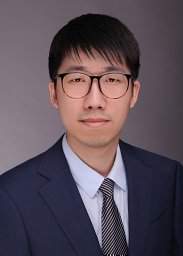 Peizhe Sun (孙佩哲)合作论文数School of Environmental Science and Engineering, Tianjin University5
 Xueming Chen (陈学明)合作论文数College of Environment and Resources, Fuzhou University4
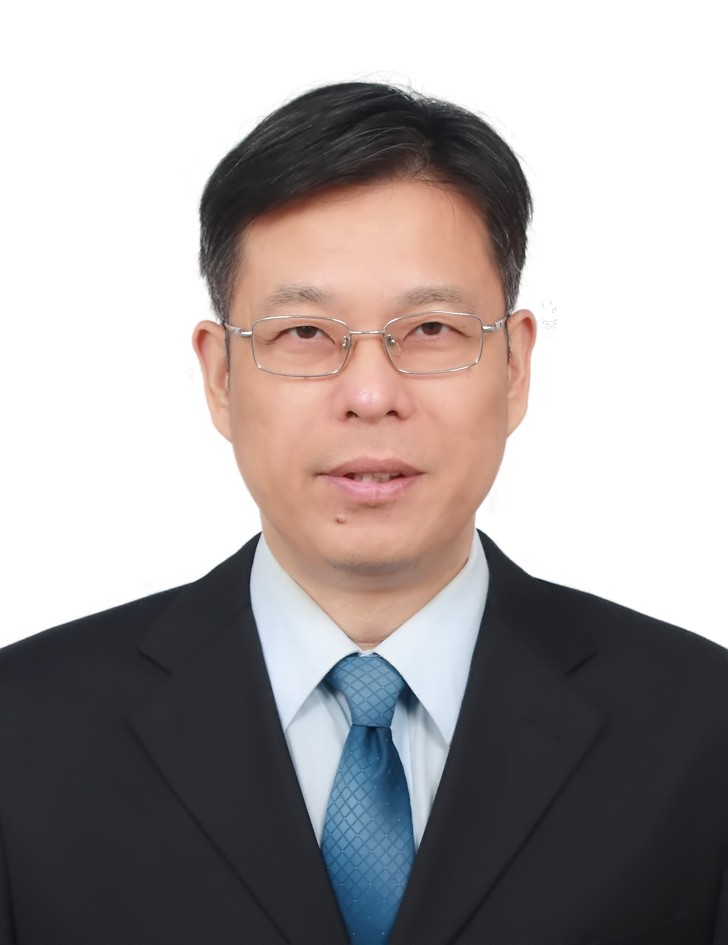 Yaobin Zhang (张耀斌)合作论文数School of Environmental Science and Technology, Dalian University of Technology3
 Yindong Tong (童银栋)合作论文数Tianjin University3Tao Liao合作论文数2
 Yanying He合作论文数2
 Yang Li (李阳)合作论文数School of Chemical Engineering and Technology, Tianjin University2
 Wenchao Peng (彭文朝)合作论文数School of Chemical Engineering and Technology, Tianjin University2
 Xiaobin Fan (范晓彬)合作论文数School of Chemical Engineering and Technology, Tianjin University2
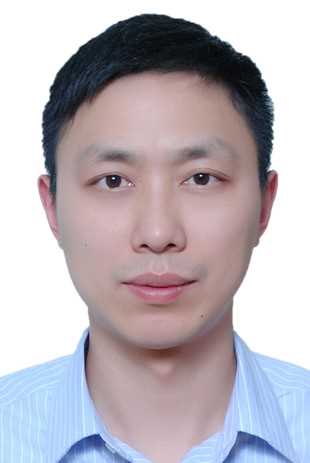 Dongbo Wang (王冬波)合作论文数College of Environmental Science & Engineering, Hunan University2Xuecheng Li合作论文数1Pengwei Zhao合作论文数1Yiming Li合作论文数1
 Xiaomei Liu合作论文数1
 Lai Peng (彭来)合作论文数School of Resources and Environmental Engineering, Wuhan University of Technology1
 Yifeng Xu (徐一峰)合作论文数School of Resources and Environmental Engineering, Wuhan University of Technology1
 Bin Li (李彬)合作论文数School of Chemical Engineering and Technology, Tianjin University1
 Qing Xia (夏清)合作论文数School of Chemical Engineering and Technology, Tianjin University1
 Yongkui Yang (杨永奎)合作论文数School of Environmental Science & Engineering, Tianjin University1
 Ning Li (李宁)合作论文数School of Environmental Science and Engineering, Tianjin University1
 Xuebin Lv (吕学斌)合作论文数School of Environmental Science & Engineering, Tianjin University;School of Ecology and Environment, Xizang University1
 Jun Wang (王军)合作论文数School of Chemical Engineering and Technology, Tianjin University1




