Purpose: Surgical shortening of the styloid process (SP) mainly involves intraoral and transcervical approaches. A retroauricular incision was performed by our surgical team in endoscope-assisted shortening of the SP. This study aimed to clarify the important anatomic landmarks and adjacent structures around the SP through a retroauricular approach. Methods: Fifteen fresh corpses (30 sides) were dissected via a retroauricular approach, and indexes were measured. Results: The great auricular nerve (GAN) was divided into the anterior ear branch, lobe branch, and posterior ear branch. The distance from the branch of the GAN to the root of the ear lobe was 21.96 +/- 2.55 mm. In the space around the SP, the vertical distance from the junction of the diabetic posterior belly and the mastoid tip to the SP was found to be 12.29 +/- 2.46 mm, with a total distance between the skin in front of the mastoid and the facial nerve of 21.63 +/- 3.27 mm. The distance between the facial nerve across the SP and the root of the SP was 11.93 +/- 2.32 mm. Conclusions: The retroauricular incision starts from the level of the notch between the tragus and extends backward in an arc to avoid injury to the retroauricular branch of the GAN. The posterior fascia of the parotid gland and the leading edge of the sternocleidomastoid muscle, posterior belly of the digastric muscle, and styloid hyoid muscle are regarded as landmarks for the SP. (C) 2020 American Association of Oral and Maxillofacial Surgeons
Objective: This study aims to explore the feasibility of endoscopic transcanal push-trough myringoplasty (ETPM) for all types of tympanic membrane perforations (TMPs), and compare the outcomes with those of endoscopic type 1 tympanoplasty (ETT) with meatal flap elevation. Study Design: A prospective, controlled study. Methods: In the present study, inpatients with TMPs were divided into two groups according to the manner of tympanic membrane repair: one group received ETPM without raising the meatal flap, and the other received ETT. The operation duration, postoperative healing rate, visual analogue scale (VAS) of pain, and complication rates were compared between these two groups. Results: Regardless of the size and location of the perforation, and its relationship with the malleus manubrium, myringoplasty can be completed using the ETPM method. The operation duration for different types of TMPs was shorter in the ETPM group than in the ETT group, and the difference was statistically significant ( p <0.05). However, there was no statistical difference in the short-term healing rate ( p >0.05) and pain VAS score ( p >0.05) between these two groups. Furthermore, no intraoperative or postoperative complications occurred in both groups. Conclusion: ETPM without raising the meatal flap can be applied for all types of TMPs, regardless of how large the perforation is, or where it is located. This can shorten the operation duration, and has a high healing rate comparable to ETT and mild postoperative pain. Mastering some essential surgical skills under the endoscope would be helpful to ensure the success of the surgery.
Objectives: This study explores application of selective neck dissection technique in recurrent second, third, and fourth branchial cleft deformities.Methods: A total of 19 cases of recurrent second, third, and fourth branchial cleft deformities were treated using the selective neck dissection technique, during which the sternocleidomastoid muscle, cervical anterior muscle, and carotid sheath were contoured. The lesion above the prevertebral fascia was then resected en bloc. Finally, the opening of the internal fistula was ligated and sutured using the purse-string approach.Results: Patients in this study had no injures to their internal carotid artery, jugular vein, vagus nerve, accessory nerve, hypoglossal nerve, or recurrent laryngeal nerve. There were also no complications such as poor wound healing. The patients were monitored for 7-73 months and showed no recurrences.Conclusions: Using selective neck dissection to treat second, third, and fourth branchial cleft deformities resulted in en bloc lesion resections and reduced the chance of recurrence. Contouring the sternocleidomastoid muscle, strap muscle, and carotid sheath is key to the surgical procedure, as it leads to en bloc lesion resection while retaining the recurrent laryngeal nerve and carotid sheath. (C) 2014 Elsevier Ireland Ltd. All rights reserved.
Background: This study investigates the conservative management of radiation-induced early nasal adhesion after radiotherapy for nasopharyngeal carcinoma (NPC).Methods: From June 2008 to June 2010, patients with bilateral or unilateral early nasal adhesion after radiotherapy for NPC were selected. All patients received endoscopic management and then nasal irrigation daily and nasal steroids spray for at least 3 months. All of the clinical data and follow-up endoscopy were analyzed.Results: There were 40 patients enrolled. The mean follow-up period was 19.6 months (range, 12-24 months) after procedure. Thirty-eight patients (95%) had patent nasal cavity during follow-up. Two patients (5%) had not received endoscopy regularly and developed severe fibrosis. For the whole group, nasal obstruction, rhinorrhea, hyposmia, and xerostomia all were improved from before management according to visual analog score (p < 0.05).Conclusion: Therapeutic endoscopy in combination with nasal steroid sprays and nasal irrigation provides a convenient, simple, effective, and minimally invasive therapy to treat early radiation-induced nasal adhesion patients.
Objective To investigate the feasibility of the endoscope-assisted styloidectomy.Methods Sixty patients with Eagle's syndrome undergoing the endoscope-assisted styloidectomy via postauricular incision,including 7 unilateral and 53 bilateral,between June 2010 and March 2013 were reviewed.Results The styloid processes in all patients were resected successfully via this approach,with the incision length range of 2.0 to 2.5 cm.The mean operative time was (21.3 ± 4.8) min (x-± s),for unilateral surgery and (48.5 ± 11.4) min for bilateral surgery.Fifty-four patients symptom showed complete remission of symptom,3 cases with decrease in symptom and other 3 cases with no significant relief of symptom after surgery.None case recurred for follow-up of 3 to 70 months.There were 3 sides with ear numbness after surgery for 3 months,and one case had transient facial paralysis and recovered after 3 months.Conclusions The endoscope-assisted styloidectomy via postauricular incision is effective and feasible.
OBJECTIVE To evaluate the effectiveness of three-dimensional CT reconstruction(3-DCT)in the diagnosis of Eagle's syndrome by prospective self-control study.METHODS From June 2010 to October 2011,at 40 patients diagnosed with Eagle's syndrome by plain radiograph(PR) were studied at Otolaryngology department of Sun Yat-sen Memorial Hospital.A prospective self-control study was conducted to analyze the differences between PR and 3-DCT in styloid process(SP) measurement(length,angle,shape,etc.).RESULTS The mean of length of the 80 SPs measured by PR and 3-DCT is(3.90±1.05)cm and(3.50±0.78)cm respectively,and there were statistically significant difference(P0.01).With the 3-DCT measurement,the medial angle of 29 SPs and the anterior angle of 15 SPs were less than 20°.Part of the cartilage is not calcified in 16 SPs of 40 patients which can be shown on 3-DCT images.There were no statistically significant difference between PR and 3-DCT(P 0.05)in the diagnosis of Eagle's syndrome,PR and 3-DCT were compared with surgical findings respectively.The diagnostic sensitivity,specificity,Youden's index,positive predictive value(PV+)and negative predictive values(PV-)of PR was 97.4%,25%,22.4%,96.1%,33.3%,and all that of 3-DCT was 100%.CONCLUSION The PR of SP is economical,simple,but not accurate.It can be used as an effective method of Eagle's syndrome screening;3-DCT of SP is accurate and realistic which can provide details of SP.It can be regarded as a reliable means of diagnosis for Eagle's syndrome and provide necessary reference for surgery.
Thyroidectomy can be performed in a variety of ways, and gasless video-assisted approaches have recently become more popular. We performed a study of thyroidectomy on 77 patients with bilateral thyroid lesions carried out using a gasless video-assisted unilateral anterior chest wall approach. Seventy-seven patients underwent bilateral thyroidectomy by the gasless video-assisted unilateral anterior chest wall approach, whereas 64 patients underwent conventional surgery during the same time frame and were considered to be the control group. The eligibility criteria for thyroid surgery by gasless video-assisted unilateral anterior chest wall approach were: no previous neck surgical history, no radiotherapy history, a diagnosis of benign thyroid tumor according to preoperative computed tomographic scan, no inflammation-related diseases or thyroid hyperfunction, no lymphadenectasis, and bilateral tumors <= 4 cm in diameter (1 side <= 2 cm, located in the lower part of the thyroid and near the surface of the thyroid). The 2 groups were compared by surgical style, complications, operative time, cosmetic result, and postoperative pain. The 2 groups were matched in terms of age and sex; the scoring for operative procedure (P = 0.443), postoperative drainage (P = 0.686), and postoperative pain (P = 0.294) were not significantly different. The gasless video-assisted group had less bleeding during surgery than the conventional group and had better cosmetic results (P < 0.001), but also had longer surgical durations (P = 0.003) and higher costs of hospitalization (P < 0.001). Neither group had any permanent recurrent laryngeal nerve paralysis or hypocalcemia, nor were there recurrences duration followed up for 21 + 10 months. The gasless video-assisted group had 1 case of ecchymoma and 1 case of temporary recurrent laryngeal nerve paralysis, but both recovered within a month. The complication rates in the 2 groups were not significantly different (chi(2) = 1.423, P = 0.292). The gasless video-assisted thyroidectomy by the unilateral anterior chest wall approach is a safe and feasible way to treat patients with benign bilateral thyroid lesion with good cosmetic results. The gasless video-assisted thyroidectomy is a valid surgical option for selected patients and that its application will grow in the future.
To evaluate the effectiveness of an endoscopy-assisted surgical technique, designed to leave a scar-free neck, for removing large benign thyroid tumors.
OBJECTIVETo get more cosmetic effect, we explore the feasibility, validity and security of endoscope-assisted excision of the cystic hygroma.METHODSix patients of cystic hygroma accepted endoscope-assisted excision of the cystic hygroma in neck, 3 by anterior chest approach alone, 1 by upper incision alone, and 2 by combined approach.RESULTAll procedures were successfully done using the endoscope -assisted approach. There were no conversion of the operations and postoperative complications. All families were satisfied with the cosmetic results.CONCLUSIONEndoscope-assisted excision of the cystic hygroma via different approaches can be applied effectively, safely and feasibly, allowing adequate exposure for dissection, and resulting in a good cosmetic results, and would be considered as a newly surgery for these patients.
Objectives: Macrocystic lymphangioma of the neck is traditionally removed via an overlying incision near the mass. The resultant scar can be aesthetically displeasing, and endoscope-assistant surgery is still rarely used in pediatric subjects. So we report the endoscope-assisted excision of the macrocystic lymphangioma via anterior chest, and explore its feasibility, validity and security.Methods: From June 2005 to December 2008, 6 infants and children with macrocystic lymphangioma accepted endoscope-assisted excision via anterior chest approach.Results: All procedures were successfully performed using the endoscope-assisted approach. There were no conversions of the operations or postoperative complications. All patients and their parents were satisfied with the cosmetic results.Conclusions: Endoscope-assisted excision of the macrocystic lymphangioma via anterior chest approach in children can be applied effectively, safely and feasibly, allowing adequate exposure for dissection, and resulting in a good cosmetic result, and it would be considered as a new surgical approach for these patients. (C) 2011 Elsevier Ireland Ltd. All rights reserved.
 Xiaoming Huang (黄晓明)合作论文数Sun Yat‐Sen Memorial Hospital, Sun Yat‐Sen University9
 Faya Liang (梁发雅)合作论文数9
 Qian Cai合作论文数7
 Ping Han (韩萍)合作论文数College of Public Health, Zhengzhou University5Sun Wei合作论文数The First Affiliated Hospital, Sun Yat‑Sen University4Ruichen Li合作论文数2MingMing Guo (郭明明)合作论文数2Luoying Yang合作论文数1
 Zhaoxi Cai合作论文数1Yuchu Ye (叶煜初)合作论文数1jianyan wang (王健艳)合作论文数1Yong Pan合作论文数1Jingyi Wang合作论文数1Xiao-lin WANG (王晓琳)合作论文数1MingWei Xie (谢明伟)合作论文数1YaoDong Xu (许耀东)合作论文数1QiuJian Chen (陈秋坚)合作论文数1Hua Zou (邹华)合作论文数1JianYu Chen (陈建宇)合作论文数1Wei Sun (孙伟)合作论文数1
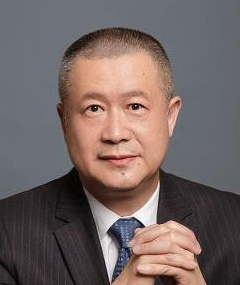 Yiqing Zheng (郑亿庆)合作论文数Shenshan Medical Center, Memorial Hospital of Sun Yat-Sen University;Hearing and Speech Science Department, Guangzhou Xinhua University1Yubin Chen合作论文数1
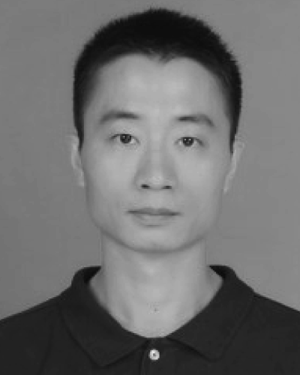 Peng Li (李鹏)合作论文数1Xiang Liu (刘翔)合作论文数1




