Despite the considerable advancements in cross-domain image translation, a significant challenge remains in addressing information asymmetric translation tasks such as SAR-to-Optical and Sketch-to-Instance conversions. These tasks involve transforming data from a domain with limited information into one with more detailed and richer content. Traditional CNN-based methods, while effective at capturing intricate details, often struggle to grasp the overall structural composition of the image, leading to unintended blending or merging of distinct regions within the generated images. In light of these limitations, research has increasingly turned toward Transformers. Though Transformers excel at capturing global structures, they often lack the ability to preserve fine-grained details. Recognizing the importance of both detailed features and structural relationships in information asymmetric translation tasks, we introduce the CNN-Swin Hybrid Network (CSHNet). This network employs a novel bottleneck architecture featuring two key modules: Swin Embedded CNN (SEC) and CNN Embedded Swin (CES), which together form the SEC-CES-Bottleneck (SCB). Within this structure, SEC capitalizes on CNN’s capability for detailed feature extraction while incorporating the Swin Transformer’s inherent structural bias. In contrast, CES preserves the Swin Transformer’s strength in maintaining global structural integrity, while compensating for CNN’s tendency to emphasize detail. In addition to the SCB architecture, CSHNet integrates two essential components designed to improve cross-domain information retention and ensure structural consistency. The Interactive Guided Connection (IGC) fosters dynamic information exchange between SEC and CES, encouraging a deeper understanding of image details. At the same time, Adaptive Edge Perception Loss (AEPL) is implemented to preserve well-defined structural boundaries throughout the translation process. Experimental evaluations demonstrate that CSHNet surpasses current state-of-the-art methods, achieving superior results in both visualization and performance metrics across scene-level and instance-level datasets. Our code is available at: https://github.com/XduShi/CSHNet.
Deepfake detection refers to detecting artificially generated or edited faces in images or videos, which plays an essential role in visual information security. Despite promising progress in recent years, Deepfake detection remains a challenging problem due to the complexity and variability of face forgery techniques. Existing Deepfake detection methods are often devoted to extracting features by designing sophisticated networks but ignore the influence of perceptual quality of faces. Considering the complexity of the quality distribution of both real and fake faces, we propose a novel Deepfake detection framework named DeepFidelity to adaptively distinguish real and fake faces with varying image quality by mining the perceptual forgery fidelity of face images. Specifically, we improve the model's ability to identify complex samples by mapping real and fake face data of different qualities to different scores to distinguish them in a more detailed way. In addition, we propose a network structure called Symmetric Spatial Attention Augmentation based vision Transformer (SSAAFormer), which uses the symmetry of face images to promote the network to model the geographic long-distance relationship at the shallow level and augment local features. Extensive experiments on multiple benchmark datasets demonstrate the superiority of the proposed method over state-of-the-art methods.
Diffusion-based models have been widely used in various visual generation tasks, showing promising results in im age super-resolution (SR), while typically being limited by dozens or even hundreds of sampling steps. Although existing methods aim to accelerate the inference speed of multi-step diffusion-based SR methods through knowl edge distillation, their generated images exhibit insufficient semantic alignment with real images, resulting in suboptimal perceptual quality reconstruction, specifically reflected in the CLIPIQA score. These methods still face many challenges in perceptual quality and semantic fidelity. Based on the challenges, we propose VPD-SR, a novel visual perception diffusion distillation framework specifically designed for SR, aiming to construct an effective and efficient one-step SR model. Specifically, VPD-SR consists of two components: Explicit Semantic-aware Supervision (ESS) and High-Frequency Perception (HFP) loss. Firstly, the ESS leverages the powerful visual perceptual understanding capabilities of the CLIP model to extract explicit semantic supervision, thereby enhanc ing semantic consistency. Then, considering that high-frequency information contributes to the visual perception quality of images, in addition to the vanilla distillation loss, the HFP loss guides the student model to restore the missing high-frequency details in degraded images that are critical for enhancing perceptual quality. Lastly, we expand VPD-SR in an adversarial training manner to further enhance the authenticity of the generated content. Extensive experiments conducted on synthetic and real-world datasets demonstrate that the proposed VPD-SR achieves superior performance compared to both previous state-of-the-art methods and the teacher model with just one-step sampling.
The trustworthiness of evaluation is critical to reliable model comparison and deployment in Video Anomaly Understanding (VAU). However, existing metrics are sensitive to expression styles and normal content, and this field lacks a diagnostic benchmark to validate metric validity and robustness. To bridge this gap, we propose: (1) a Class-Guided Chain-of-Evaluation (CG-CoE) metric, which structures assessment by extracting anomalous events and matching them under a class-specific semantic tolerance boundary, thereby decoupling anomaly semantics from descriptive style; and (2) an anomaly-focused meta-evaluation benchmark with two subsets: Anomalous Event-level Annotations (AEA) for measuring the validity of reflecting VAU models’ anomaly understanding ability and Controlled Variant Pairs (CVP) with fixed anomalies for quantifying robustness to stylistic perturbations. Extensive experiments demonstrate that CG-CoE achieves SOTA validity and robustness.
Semi-supervised learning (SSL) provides a practical framework for leveraging massive unlabeled samples, especially when labels are expensive for facial expression recognition (FER). Typical SSL methods like FixMatch select unlabeled samples with confidence scores above a fixed threshold for training. However, these methods face two primary limitations: failing to consider the varying confidence across facial expression categories and failing to utilize unlabeled facial expression samples efficiently. To address these challenges, we propose an Enhanced Adaptive Confidence Margin (EACM), consisting of dynamic thresholds for different categories, to fully learn unlabeled samples. Specifically, we employ the predictions on labeled samples at each training iteration to learn an EACM. It then partitions unlabeled samples into two subsets: (1) subset I, including samples whose confidence scores are no less than the margin; (2) subset II, including samples whose confidence scores are less than the margin. For samples in subset I, we constrain their predictions on strongly-augmented versions to match the pseudo-labels derived from the predictions on weakly-augmented versions. Meanwhile, we introduce a feature-level contrastive objective to enhance the similarity between two weakly-augmented features of a sample in subset II. We extensively evaluate EACM on image-based and video-based facial expression datasets, showing that our method achieves superior performance, significantly surpassing fully-supervised baselines in a semi-supervised manner. Additionally, our EACM is promising to leverage cross-dataset unlabeled samples for practical training to boost fully-supervised performance.
Cloth-Changing Person Re-Identification (CC-ReID) aims to recognize individuals across camera views despite clothing variations, a crucial task for surveillance and security systems. Existing methods typically frame it as a cross-modal alignment problem but often overlook explicit modeling of interference factors such as clothing, viewpoints, and pedestrian actions. This oversight can distort their impact, compromising the extraction of robust identity features. To address these challenges, we propose a novel framework that systematically disentangles interference factors from identity features while ensuring the robustness and discriminative power of identity representations. Our approach consists of two key components. First, a dual-stream identity feature learning framework leverages a raw image stream and a cloth-isolated stream, to extract identity representations independent of clothing textures. An adaptive cloth-irrelevant contrastive objective is introduced to mitigate identity feature variations caused by clothing differences. Second, we propose a Text-Driven Conditional Generative Adversarial Interference Disentanglement Network (T-CGAIDN), to further suppress interference factors beyond clothing textures, such as finer clothing patterns, viewpoint, background, and lighting conditions. This network incorporates a multi-granularity interference recognition branch to learn interference-related features, a conditional adversarial module for bidirectional transformation between identity and interference feature spaces, and an interference decoupling objective to eliminate interference dependencies in identity learning. Extensive experiments on public benchmarks demonstrate that our method significantly outperforms state-of-the-art approaches, highlighting its effectiveness in CC-ReID.
Intermediate flow estimation is an important part of video frame interpolation (VFI). Most previous works use interpolation to derive the intermediate flow assuming localized linear motion. However, this method is not effective when dealing with extreme motions. In this work, we assume that the motion trajectory of an object is determined by the appearance characteristics of this object. Based on this assumption, we propose a new intermediate flow estimation method, which obtains the motion features of intermediate frames from image appearance and inter-frame motion features. In addition, in order to fully extract the inter-frame features, we rethink the difference of VFI and previous works on using Swin-Transformer and compute the appearance features and motion features within the adaptive neighborhood by cyclically shifting the window. Experimental results show that our method achieves state-of-the-art performance on different datasets for both fixed-time and arbitrary-time interpolation. Moreover, our proposed method outperforms models that require inputting a sequence of four frames when handling videos with extremely large motion. The source code is available from https://github.com/chen12304/IFE-VFI.
To overcome the computational bottlenecks of traditional density-based clustering, we propose Granular-Ball SKeleton clustering (GBSK), a scalable algorithm that achieves near-linear time complexity while preserving topological accuracy. GBSK introduces a strategic shift from full density estimation to the sketching of geometric density skeleton-recover a graph connecting high-density modes that captures essential cluster connectivity. Theoretically, we find that granular-ball density statistics can serve as a computationally efficient, asymptotically approximate local proxy for kernel density estimation (KDE), providing a statistical support for discrete mode extraction within the well-established KDE framework. Methodologically, GBSK integrates three key components: adaptive granular-ball construction for efficient local data approximation, multi-stage sampling for rapid density estimation, and a secondary refinement process that aggregates candidate modes from all sample sets to produce a robust final density skeleton. To enhance usability, we introduce an adaptive variant, AGBSK, which reduces hyperparameters to just the cluster count. Extensive experiments on datasets scaling up to 100 million instances and 3072 dimensions demonstrate that GBSK and AGBSK maintain competitive accuracy while achieving orders-of-magnitude speedup over state-of-the-art methods.
Active learning (AL) for 3D tumor segmentation aims to reduce the annotation cost of volumetric medical data by selectively labeling the most informative samples. Although this paradigm effectively alleviates labeling de mands, existing methods typically rely on softmax-based uncertainty, which only reflects prediction confidence and overlooks the two fundamental sources of uncertainty: the intrinsic ambiguity of medical images and the knowledge deficiency of deep models. Specifically, TumorAL introduces a Dirichlet-based evidential modeling scheme to enable accurate estimation of both aleatoric and epistemic uncertainty. Based on this, we first design an Evidence Uncertainty Learning (EUL) strategy to expose the model's blind spots and improve the quality of uncertainty signals. Secondly, we propose a Progressive Uncertainty-Guided Selection (PUGS) mechanism that preserves sample diversity while suppressing redundancy, by evaluating informativeness, similarity, and novelty in an evidential embedding space. Lastly, we introduce an Evidential Calibration Loss (ECaLoss) to regularize model confidence by aligning probabilistic outputs with evidential strength. Experiments on BraTS2018 and Liver datasets demonstrate that TumorAL achieves competitive segmentation performance with substantially reduced annotation effort, consistently outperforming representative active learning baselines under the same labeling budget. These results highlight the effectiveness of integrating calibrated uncertainty and redundancy-aware sampling for label-efficient 3D medical image analysis.
With the development of deep learning technology, the facial images generated by deepfake technology have reached a level of authenticity that is difficult to distinguish, posing a serious threat to personal privacy and data security. Therefore, it is of great significance to develop efficient and reliable deepfake detection technology. In recent years, Visual Language Models (VLM) have been applied to deepfake detection tasks due to their powerful multimodal understanding capabilities. However, the existing VLM have not been specifically optimized for deepfake detection tasks. When directly applied to this task, there are problems such as insufficient model accuracy and insufficient feature extraction, especially when dealing with complex forgery scenes. In response to these challenges, this paper proposes an innovative deepfake face detection method based on VLM and component-specific prompt tuning. We transform the deepfake detection task into a Visual Question Answering (VQA) task, making full use of the multimodal understanding capabilities of VLM and the flexibility of prompt tuning technology. This method uses a local prompt strategy to customize specific prompt questions for key facial components such as eyes, nose, and mouth, guiding the model to focus on the local features of these areas, thereby accurately capturing forgery traces. In addition, we introduced a feature extraction module Q-Former based on instructions, which can flexibly adjust the focus area of visual features according to prompts, significantly improving the model’s perception of locally forged features. By fusing these local features extracted by Q-Former and combining them with the language model to judge the authenticity of the overall face image, we can finally generate accurate prediction results. A large number of experimental results show that our method is significantly better than existing technologies in terms of detection accuracy and robustness.
Deep learning models have been found to be vulnerable to adversarial noise. Adversarial training is a major defense strategy to mitigate the interference caused by adversarial noise. However, the correlations between different categories on deep features in the model have not been fully considered in adversarial training. Our multi-perspective investigations indicate that adversarial noise can disrupt this correlation, resulting in undesirable close inter-class feature distances and far intra-class feature distances, thus degrading accuracy. To solve this problem, in this work, we propose a Feature Similarity-based Targeted adversarial training (FST), which guides the model to learn an appropriate feature distribution among categories under the adversarial environment for making rational decisions. Specifically, we first design a Feature Obfuscation Attack to obfuscate the natural state of feature similarity among categories, and then it is leveraged to generate specific adversarial training examples. Next, we construct target feature similarity matrices as supervision information to prompt the model to learn clean deep features for adversarial data and thereby achieve accurate classification. The target matrix is initialized based on the features learned from natural examples by a naturally pre-trained model. To further enhance the feature similarity between examples with the same category, we directly assign the highest similarity value to the region with the same category in the target matrix. Experimental results on popular datasets show the superior performance of our method, and ablation studies are conducted to demonstrate the effectiveness of designed modules.
Large-scale dynamic weighted directed network (DWDN) is commonly utilized to illustrate the temporal interactions between nodes in numerous applications. Latent factorization of tensors (LFT) is a typical representation learning approach to extract the desired knowledge from a DWDN via low-rank tensor embedding. However, an existing LFT approach requires the target DWDN to be maintained in one central place like a central server, which is becoming unacceptable for users who are getting increasingly privacy-sensitive. To address this vital issue, this paper innovatively proposes a federated latent factorization of tensors (FLFT) model. It can perform accurate and privacy-preserving representation learning to a DWDN based on four-fold ideas: 1) establishing a data-density-oriented federated learning framework to enable different users to efficiently and cooperatively build a shared LFT model with keeping raw data privacy, 2) incorporating the linear biases into the local training of each user to eliminate the personalized biases or local fluctuations, 3) adopting an effective hybrid filling strategy to further protect each user's private interaction information, and 4) designing a customized nonlinear activation function to capture the nonlinear characteristics of users' interactions. Extensive experiments on four DWDNs collected from industrial applications validate that FLFT demonstrates a notable increase in accuracy compared with state-of-the-art federated and non-federated learning approaches in representing a DWDN. The source code of the proposed FLFT model is shared at the following link: https://github.com/wudi1989/FLFT.
Incremental Object Detection (IOD) enables AI systems to continuously learn new object classes over time while retaining knowledge of previously learned categories. This capability is essential for adapting to dynamic environments without forgetting prior information. Although existing IOD methods have made progress in mitigating catastrophic forgetting, they usually lack explicit and quantitative modeling of information conflicts during knowledge preservation, making task boundaries ambiguous. Such conflicts often stem from the fact that a single image can contain objects belonging to previous, present, and future tasks, where unlabeled past and future objects are often mistakenly treated as background. In this paper, we propose a novel approach grounded in Elastic Weight Consolidation (EWC) to alleviate conflict knowledge preservation caused by task interference. Specifically, we introduce the Interference Knowledge Isolated Elastic Weight Consolidation (IKI-EWC) framework for IOD, which leverages the mispredictions of the old detector on new task data to estimate task conflicts and suppresses them at the parameter level. By reformulating the Bayesian posterior of model parameters, we derive a mathematical relationship between previously learned knowledge and interference knowledge, enabling targeted elimination of conflicts during model weight updates. In addition, we also propose a prototype-based knowledge calibration (PKC) mechanism to further preserve old knowledge during the training of the objector's classification head. This method employs a learnable projection layer to compensate semantic drift in old class prototypes, and then jointly trains the classification head using both calibrated prototypes and current task features, thereby mitigating forgetting caused by classifier updates. Extensive experiments on PASCAL VOC and MS-COCO benchmarks demonstrate the effectiveness of the proposed method, outperforming state-of-the-art approaches across various settings.
Recent EEG-to-image retrieval models have achieved strong performance in identifying viewed images from semantically diverse candidates. Yet such success does not reveal what visual information supports the match. A model may readily identify a cheetah among tools, plants, and vehicles, but can it still distinguish the viewed cheetah from the same scene with the cheetah replaced by a dog? Motivated by this question, we introduce EEG-EditBench, a diagnostic benchmark that examines this question through controlled edits of object identity, attributes, background, and object presence. Built from the 200 THINGS-EEG2 test images, EEG-EditBench contains 2,137 quality-controlled edits and evaluates eight representative EEG visual decoding models. Our results show that strong standard retrieval does not consistently transfer to edit-based evaluation, with fine-grained attribute changes presenting the greatest challenge. EEG-EditBench reveals model behavior hidden by aggregate retrieval accuracy and provides a controlled basis for studying what visual information EEG-image models preserve. The code and complete dataset are publicly available.
Video anomaly understanding (VAU) relies on sparse, context-dependent cues. However, existing passive paradigms suffer from observational aliasing, where static sampling fails to disambiguate semantically distinct events. To overcome this, we propose Anom-π, a closed-loop framework that reconceptualizes video understanding as an active sequential decision-making process within a dynamic environment. Inspired by human video-reviewing behavior, this framework unifies internal cognitive reasoning and strategic evidence acquisition into an interleaved policy, utilizing temporal atomic operators such as local backtracking, temporal expansion, and fine-grained sampling to endow the model with perceptual proactivity. To learn such complex interaction strategies under video-level weak supervision, we design Interactive Direct Preference Optimization (iDPO) to achieve trajectory-level policy alignment, guided by an Active Evidence Inquiry (AEI) utility that balances task success, informative evidence acquisition, and interaction cost. This approach enables the agent to learn to actively disambiguate hypotheses while suppressing redundant exploration. Extensive experiments demonstrate that our framework, with only 2B parameters, achieves highly competitive performance, significantly outperforming state-of-the-art large-scale VAU models in complex scenarios.
Dynamic directed graphs are increasingly used to model complex relational systems across various domains, such as telecommunication networks. Latent factorization of tensors (LFoT) models are effective for dynamic graph representation learning. However, existing LFoT models typically rely on canonical polyadic decomposition and fail to capture the unipartite characteristics of dynamic directed graphs, i.e.,such graphs concern the temporal interactions among a single node set, thereby limiting the node representation accuracy and temporal interaction modeling capability. To address this critical issue in system modeling, this article proposes a novel temporal relations-aware nonnegative LFoT (TRNL) model whose ideas are threefold: 1)building a nonnegative RESCAL-based LFoT model for representing the nodes and unipartite temporal interactions precisely; 2)developing an adaptive parameter-learning scheme to improve training efficiency and practical applicability; and 3)theoretically proving that its convergence is guaranteed under the proposed learning scheme. Experimental results on eight real-world dynamic directed graphs demonstrate that TRNL outperforms state-of-the-art baselines in both representation learning accuracy and computational efficiency.
The k-Nearest Neighbor (KNN) algorithm is widely used across various tasks. The selection of the k value is a key issue because it significantly impacts performance. In this paper, an adaptive and efficient KNN approach via granular-ball computing is proposed. The method consists of two stages. In the training stage, the dataset is first coarsely partitioned to reduce the complexity of data distributions within a granular ball, and then the Fisher criterion is introduced to control ball splitting and stopping, yielding a multi-granularity granular ball representation. In the prediction stage, the nearest granular ball is first located through a weighted distance mechanism, and an adaptive neighborhood is then constructed around the test sample. The effective k value is dynamically determined by the actual number of samples contained in this neighborhood. The neighborhood induced by the nearest granular ball provides more stable local group information, thereby improving robustness against noise and local perturbations. Experimental results demonstrate that the proposed method outperforms existing KNN variants across multiple datasets in terms of both accuracy and efficiency. The code has been open-sourced for reproducibility: https://github.com/lianxiaoyu724/Adaptive-GBKNN.
Existing weakly supervised video violence detection (VVD) methods primarily rely on Euclidean representation learning, which often struggles to distinguish visually similar yet semantically distinct events due to limited hierarchical modeling and insufficient ambiguous training samples. To address this challenge, we propose PiercingEye, a novel dual-space learning framework that synergizes Euclidean and hyperbolic geometries to enhance discriminative feature representation. Specifically, PiercingEye introduces a layer-sensitive hyperbolic aggregation strategy with hyperbolic Dirichlet energy constraints to progressively model event hierarchies, and a cross-space attention mechanism to facilitate complementary feature interactions between Euclidean and hyperbolic spaces. Furthermore, to mitigate the scarcity of ambiguous samples, we leverage large language models to generate logic-guided ambiguous event descriptions, enabling explicit supervision through a hyperbolic vision-language contrastive loss that prioritizes high-confusion samples via dynamic similarity-aware weighting. Extensive experiments on XD-Violence and UCF-Crime benchmarks demonstrate that PiercingEye achieves state-of-the-art performance, with particularly strong results on a newly curated ambiguous event subset, validating its superior capability in fine-grained violence detection.
Compared with unimodal knowledge distillation (KD), cross-modal KD is more challenging due to modality differences. However, how such differences affect cross-modal KD remains insufficiently understood. In this paper, we propose the Non-Target Divergence Hypothesis (NTDH), which states that modality differences mainly affect cross-modal KD through divergences in non-target class predictions, and that smaller non-target divergence leads to better student performance. We further provide a theoretical analysis based on Vapnik-Chervonenkis (VC) theory, deriving an upper bound on the cross-modal KD error that supports the proposed hypothesis. Extensive experiments on five cross-modal datasets validate the effectiveness, generality, and practical relevance of NTDH.
 Nannan Wang (王楠楠)合作论文数State Key Laboratory of Integrated Services Networks, Xidian University348
 Jie Li (李洁)合作论文数School of Electronic Engineering, Xidian University275
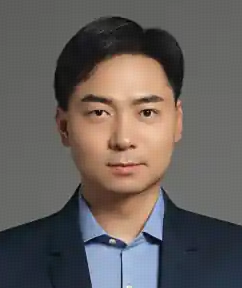 Dacheng Tao (陶大程)合作论文数College of Computing & Data Science, Nanyang Technological University;Lee Kong Chian School of Medicine, Nanyang Technological University;DaXiao Robot130
 Wen Lu (路文)合作论文数School of Electronic Engineering, Xidian University115
 Xuelong Li (李学龙)合作论文数Institute of Artificial Intelligence, China Telecom112
 Xi Yang (杨曦)合作论文数State Key Laboratory of Integrated Services Networks, School of Telecommunications Engineering, Xidian University;School of Electronic Engineering, Xidian University96
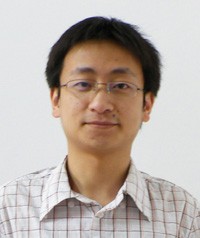 Lihuo He (何立火)合作论文数Video & Image Processing System Lab, School of Electronic Engineering, Xidian University81
 Chunlei Peng (彭春蕾)合作论文数Video & Image Processing System Lab, School of Cyber Engineering, Xidian University72
 Weisheng Li (李伟生)合作论文数重庆邮电大学计算机科学与技术学院69
 Jiaxu Leng (冷佳旭)合作论文数Chongqing University of Posts and Telecommunications67
 Decheng Liu (刘德成)合作论文数School of Cyber Engineering, Xidian University65Quanxue Gao (高全学)合作论文数School of Telecommunications Engineering, Xidian University65
 Hongbing Ji (姬红兵)合作论文数School of Electronic Engineering, Xidian University56
 Bing Han (韩冰)合作论文数School of Electronic Engineering, Xidian University55
 Cheng Deng (邓成)合作论文数Hohai University54
 De Cheng (程德)合作论文数School of Telecommunications Engineering, Xidian University51
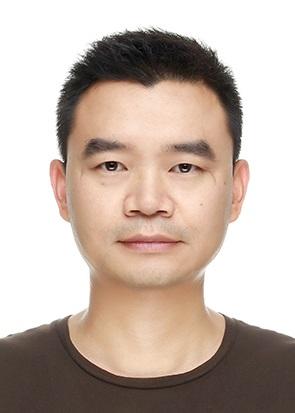 Bin Xiao (肖斌)合作论文数College of Computer Science and Technology, Chongqing University of Posts and Telecommunications46
 Xiumei Wang (王秀美)合作论文数Department of Electronic Engineering, School of Electronic Engineering, Xidian University40
 Mingrui Zhu (朱明瑞)合作论文数Xidian University38
 Guoyin Wang (王国胤)合作论文数Chongqing Normal University38
 Mingjin Zhang (张铭津)合作论文数School of Telecommunications Engineering, Xidian University37
 Weixin Xie (谢维信)合作论文数College of Electronics and Information Engineering, Shenzhen University35
 Jiachen Yang (杨嘉琛)合作论文数School of Electrical and Information Engineering, Tianjin University33
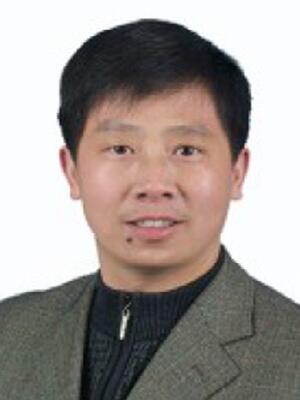 Kaibing Zhang (张凯兵)合作论文数School of Electronic and Information, Xi'an Polytechnic University, Xi'an, China33
 Chunna Tian (田春娜)合作论文数School of Electronic Engineering, Xidian University32
 Dawei Zhou合作论文数State Key Laboratory of Integrated Services Networks, School of Telecommunications Engineering, Xidian University31
 Yunsong Li (李云松)合作论文数School of Telecommunications Engineering, Xidian University31
 Jingwei Xin (辛经纬)合作论文数State Key Laboratory of Integrated Services Networks, Xidian University30
 Jungong Han (韩军功)合作论文数Department of Automation, School of Information Science and Technology, Tsinghua University28
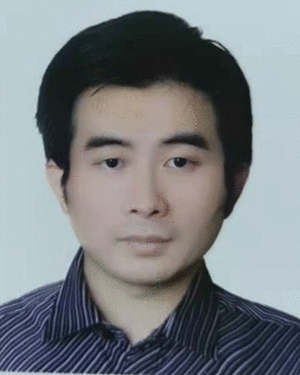 Shu-yin Xia合作论文数College of Computer Science and Technology, Chongqing University of Posts and Telecommunications28
 Leida Li (李雷达)合作论文数School of Artificial Intelligence, Xidian University27
 Zhicheng Jiao合作论文数Department of Diagnostic Imaging, Warren Alpert Medical School, Brown University;Rhode Island Hospital25
 Xiaoyu Wang (王孝宇)合作论文数Intellif22
 Tongliang Liu合作论文数Sydney Artificial Intelligence Centre, Faculty of Engineering, The University of Sydney;School of Computer Science, Faculty of Engineering, The University of Sydney22王瑛合作论文数Department of Business Administration, School of Economics & Management, Xidian University21
 Bin Song (宋彬)合作论文数School of Telecommunications Engineering, Xidian University21
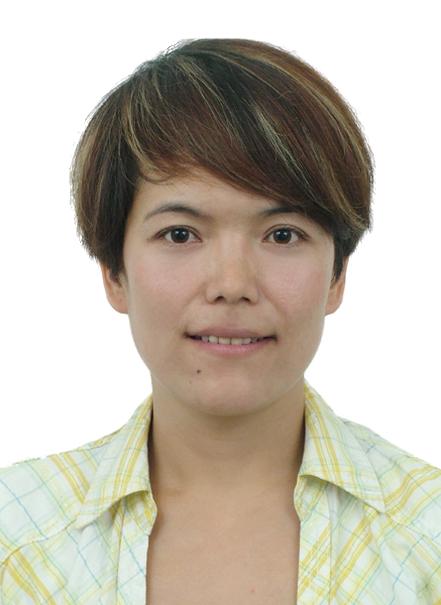 Xiuli Bi (毕秀丽)合作论文数College of Computer Science and Technology, Chongqing University of Posts and Telecommunications21
 Ling Shao (邵岭)合作论文数Terminus Group21
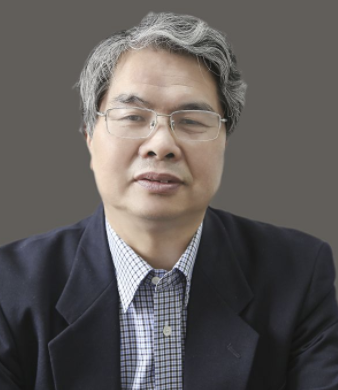 Licheng Jiao (焦李成)合作论文数School of Artificial Intelligence, Xidian University;Key Laboratory of Intelligent Perception and Image Understanding of Ministry of Education of China, Xidian University21
 Lin Yuan (袁霖)合作论文数School of Cyber Security and Information Law, Chongqing University of Post and Telecommunications20
 Ruimin Hu (胡瑞敏)合作论文数School of Cyber Engineering, Xidian University20
 Wei Xia (夏伟)合作论文数State Key Laboratory of Integrated Services Networks, Xidian University19Lihong Qiao (乔丽红)合作论文数19
 Di Wang (王笛)合作论文数School of Computer Science and Technology, Xidian University18
 Liu Yang (杨柳)合作论文数School of Artificial Intelligence, College of Intelligence and Computing, Tianjin University18
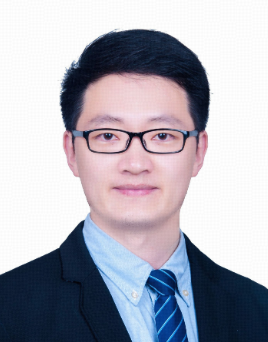 Lei Zhang (张磊)合作论文数School of Microelectronics and Communication Engineering, Chongqing University18
 Zheng Hui (惠政)合作论文数Baidu18
 Bin Wang (王斌)合作论文数西安电子科技大学电子工程学院17
 Ming Yang (杨明)合作论文数School of Computer and Electronic Information, Nanjing Normal University17





