Background: The elevated Cyclin B1 expression contributes to various tumorigenesis and poor prognosis. Cyclin B1 expression could be regulated by ubiquitination and deubiquitination. However, the mechanism of how Cyclin B1 is deubiquitinated and its roles in human glioma remain unclear. Methods: Co-immunoprecipitation and other assays were performed to detect the interacting of Cyclin B1 and USP39. A series of in vitro and in vivo experiments were performed to investigate the effect of USP39 on the tumorigenicity of tumor cells. Results: USP39 interacts with Cyclin B1 and stabilizes its expression by deubiquitinating Cyclin B1. Notably, USP39 cleaves the K29-linked polyubiquitin chain on Cyclin B1 at Lys242. Additionally, overexpression of Cyclin B1 rescues the arrested cell cycle at G2/M transition and the suppressed proliferation of glioma cells caused by USP39 knockdown in vitro. Furthermore, USP39 promotes the growth of glioma xenograft in subcutaneous and in situ of nude mice. Finally, in human tumor specimens, the expression levels of USP39 and Cyclin B1 are positively relevant. Conclusion: Our data support the evidence that USP39 acts a novel deubiquitinating enzyme of Cyclin B1 and promoted tumor cell proliferation at least in part through Cyclin B1 stabilization, represents a promising therapeutic strategy for tumor patients.
IκBα is a critical protein that inhibits NF-κB nuclear translocation and impairs NF-κB-mediated signaling. The abundance of IκBα determines the activation and restoration of the inflammatory response. However, posttranslational regulation of IκBα remains to be fully understood. In this study, we identified ubiquitin-specific protease 39 (USP39) as a negative regulator in the NF-κB inflammatory response by stabilizing basal IκBα. The expression of USP39 in macrophages was reduced under LPS-induced inflammation. Knockdown or knockout of USP39 in macrophages significantly increased the expression and secretion of proinflammatory cytokines upon exposure to LPS or Escherichia coli, whereas reexpression of exogenous USP39 in USP39-deficient macrophages rescued the effect. Moreover, USP39-defective mice were more sensitive to LPS or E. coli-induced systemic sepsis. Mechanistically, USP39 interacted with and stabilized IκBα by reducing K48-linked polyubiquination of IκBα. Taken together, to our knowledge, our study for the first time revealed the inhibitory function of USP39 in the NF-κB inflammatory response, providing a previously unknown mechanism for control of inflammatory cytokine induction in the cellular anti-inflammatory response.
Background: Glioma is the most common primary brain tumor. Exploration of new tumorigenesis mechanism of glioma is critical to determine more effective treatment targets as well as to develop effective prognosis methods that can enhance the treatment efficacy. We previously demonstrated that the deubiquitinase biquitin carboxyl-terminal hydrolase L5 (UCHL5) was downregulated in human glioma. However, the effect and mechanism of UCHL5 on the proliferation of glioma cells remains unknown. Methods: Transfection of siRNA was used to knockdown the expression of UCHL5 in U251 cells. The 3-[4,5-dimethylthiazol-2-yl]-2,5 diphenyl tetrazolium bromide (MTT) assay, Edu assay, and colony formation assay were employed to identify the effect of UCHL5 on the proliferation of U251 glioma cells. Western blotting and quantitative real-time PCR were carried out to detect the interaction of UCHL5 and PTEN. The effect of UCHL5 on the growth of glioma in vivo was evaluated in nude mice. Then Immunohistochemistry (IHC) were performed to analysis the expression of UCHL5 and PTEN in human glioma tissues. Results: Here, we have reported that silencing of UCHL5 could promote the proliferation of U251 glioma cells through MTT assay, Edu assay, and colony formation assay. Mechanically, we revealed that UCHL5 stabilizes the phosphatase and tensin homolog (PTEN) expression by deubiquitination, thereby inhibiting cell proliferation in U251 cells. Tumor xenograft experiments further demonstrated that silencing the UCHL5 expression could accelerate U251 cell growth in vivo. Finally, in human glioma tissue microarray, the positive correlation between UCHL5 and PTEN expression was confirmed through IHC assay. Conclusion: UCHL5 restrains the proliferation of U251 glioma cells by stabilizing and deubiquitinating PTEN. Our findings provide ideas for developing enhanced targeted PTEN therapy for patients with glioma.
Glioma cells are characterized by high migration and invasion ability; however, the molecular mechanism behind both processes still remains to be investigated. Several studies have demonstrated that ubiquitin‐specific protease 39 (USP39) plays an oncogenic role in various cancer types. Here, we investigated the expression and function of USP39 in patients with glioma. Oncomine database analysis revealed that high USP39 expression was significantly correlated with poor overall survival in patients with glioma. Knockdown of USP39 in U251 and U87 cell lines significantly inhibited their migration and invasion in vitro. Gene expression profiling of glioma cells transduced with short hairpin RNA (shRNA) against USP39 revealed that disintegrin and metalloproteinase domain‐containing protein 9 (ADAM9), a molecule previously related to tumor cell migration and invasion, was significantly downregulated. Furthermore, USP39 induced ADAM9 messenger RNA (mRNA) maturation and decreased the expression of integrin β1. Additionally, overexpression of ADAM9 inhibited the migration and invasion of glioma cells caused by USP39 depletion in vitro. USP39 promoted the invasion of glioma cells in vivo and reduced the overall survival of the mice. Altogether, our data show that USP39 induces mRNA maturation and elevates the expression of ADAM9 in glioma cells and may thus be considered potential target for treating patients with glioma.
Objective: The aim of this study was to establish a population pharmacokinetic (PPK) model of valproic acid (VPA) in pediatric patients with epilepsy in southern China, and provide guidance for individualized medication of VPA therapy. Methods: A total of 376 VPA steady-state trough concentrations were collected from 103 epileptic pediatric patients. The PPK parameter values for VPA were calculated by using the nonlinear mixed-effects modeling (NONMEM) method, and a one-compartment model with first-order absorption and elimination processes was applied. Covariates included demographic information, concomitant medications and selected gene polymorphisms. Goodness-of-fit (GOF), bootstrap analysis, and visual predictive check (VPC) were used for model evaluation. In addition, we used Monte Carlo simulations to propose dose recommendations for different subgroup patients. Results: A significant effect of the patient age and ABCB1 genotypes was observed on the VPA oral clearance (CL/F) in the final PPK model. Compared with patients with the ABCB1 rs3789243 AA genotype, CL/F in patients with GG and AG genotypes was increased by 8% and reduced by 4.7%, respectively. The GOF plots indicated the satisfactory predictive performance of the final model, and the evaluation by bootstrap and VPC showed that a stable model had been developed. A table of individualized dosing regimens involving age and ABCB1 genotype was constructed based on the final PPK model. Conclusion: This study quantitatively investigated the effects of patient age and ABCB1 rs3789243 variants on the pharmacokinetic variability of VPA. The PPK models could be beneficial to individual dose optimization in epileptic children on VPA therapy.
Abstract The elevated Cyclin B1 expression contributes to various tumorigenesis and poor prognosis. Cyclin B1 expression could be regulated by ubiquitination and deubiquitination. However, the mechanism of how Cyclin B1 is deubiquitinated and its roles in human glioma remain unclear. In this study, co-immunoprecipitation and other assays were performed to detect the interacting of Cyclin B1 and USP39. A series of in vitro and in vivo experiments were performed to investigate the effect of USP39 on the tumorigenicity of tumor cells. We discover that USP39 interacts with Cyclin B1 and stabilizes its expression by deubiquitinating Cyclin B1. Notably, we demonstrate that USP39 cleaves the K29-linked polyubiquitin chain on Cyclin B1 at Lys242. Additionally, overexpression of Cyclin B1 rescues the arrested cell cycle at G2/M transition and the suppressed proliferation of glioma cells caused by USP39 knockdown in vitro. Furthermore, USP39 promotes the growth of glioma xenograft in subcutaneous and in situ of nude mice. Finally, in human glioma and other tumor specimens, the expression levels of USP39 and Cyclin B1 proteins are clinically positively relevant. In summary, our data support the evidence that USP39 acts a novel deubiquitinating enzyme of Cyclin B1 and promoted tumor cell proliferation at least in part through Cyclin B1 stabilization, represents a promising therapeutic strategy for tumor patients.
Succinate is at the crossroads of multiple metabolic pathways and plays a role in several immune responses acting as an inflammation signal. However, whether succinate regulates antiviral immune response remains unclear. Here, we found that the production of succinate was reduced in RAW264.7 cells during vesicular stomatitis virus (VSV) infection. Using diethyl succinate to pretreat the mouse peritoneal macrophages and RAW264.7 cells before VSV infection, the production of interferon-β (IFN-β), chemokine (C–X–C motif) ligand 10 (CXCL-10), and IFN-stimulated genes 15 (ISG15) was significantly decreased, following which the VSV replication in diethyl succinate-pretreated cells was obviously increased. Moreover, succinate decreased the expression of IFN-β in serum, lung, and spleen derived from the VSV-infected mice. The overall survival rate in the VSV-infected mice with diethyl succinate pretreatment was also remarkably downregulated. Furthermore, we identified that succinate inhibited the activation of MAVS-TBK1-IRF3 signaling by suppressing the formation of MAVS aggregates. Our findings provide previously unrecognized roles of succinate in antiviral immune response and establish a novel link between metabolism and innate immune response.
 Xibao Zhao (赵西宝)合作论文数School of Basic Medical Sciences, Shenzhen University Medical School6
 Yue Xiao合作论文数6
 Qianqian Di (狄乾乾)合作论文数School of Basic Medical Sciences, Shenzhen University Medical School6
 Wei-Lin Chen (陈玮琳)合作论文数Medical School, Shenzhen University6Wenjing Ma合作论文数4Haimei Tang合作论文数4
 Weiwei Hu (胡薇薇)合作论文数School of Medicine, Zhejiang University4Han Wu合作论文数3
 Wu Zherui合作论文数School of Basic Medical School, Shenzhen University3
 Jiazheng Quan合作论文数2
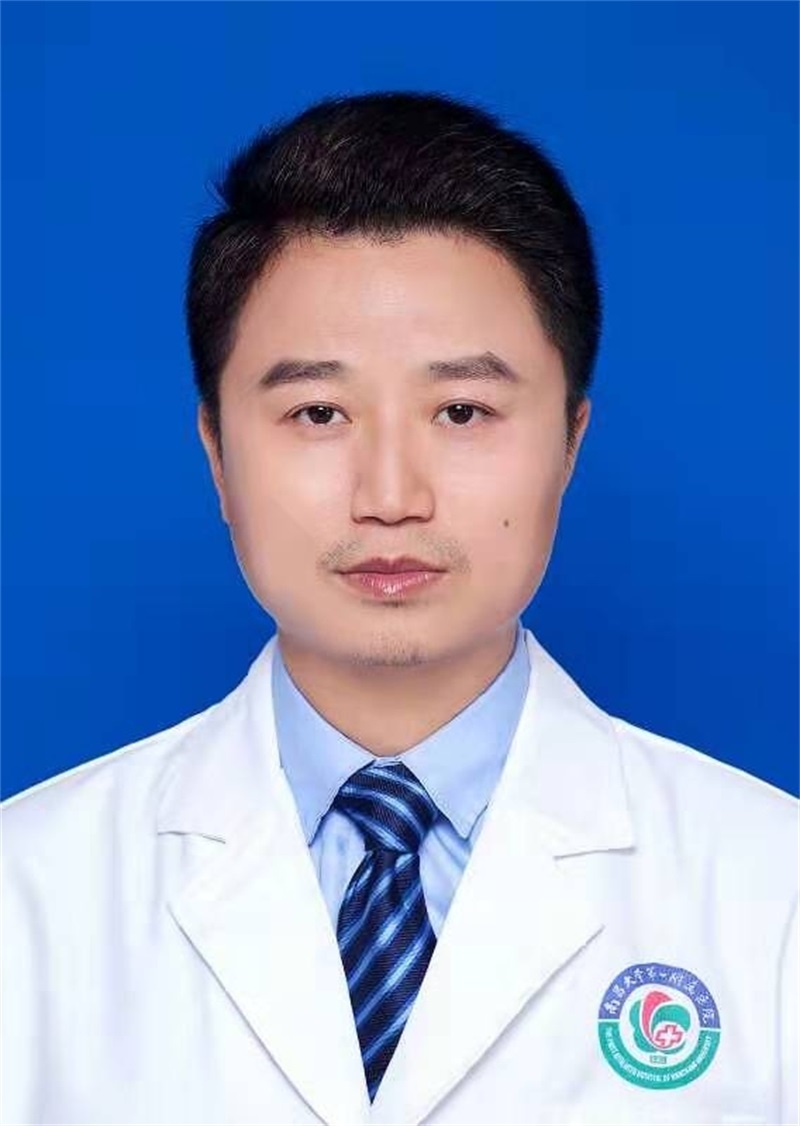 Guodong Huang (黄国栋)合作论文数The First Affiliated Hospital of Nanchang University2Jiahao Zhu合作论文数1Yaodong He合作论文数1Jieluan Lu合作论文数1Zhun Wang合作论文数1Jiajing Zhao合作论文数1Xianhuan Shen合作论文数1Yonghong Guan合作论文数1Wenzhou Li合作论文数1Ping Sun合作论文数1
 Xingyu Ma合作论文数1Huijuan Guo合作论文数1Fan Xiaomei合作论文数1
 Chenshu Xu (许晨舒)合作论文数Shenzhen University,Health Science Center1
 Qing Chen (陈清)合作论文数Department of Epidemiology, School of Public Health and Tropical Medicine, Southern Medical University1




