Multivariate time series anomaly detection (MTSAD) can effectively identify and analyze anomalous behavior in complex systems, which is particularly important in fields such as financial monitoring, industrial equipment fault detection, and cybersecurity. MTSAD requires simultaneously analyze temporal dependencies and inter-variable relationships have prompted researchers to develop specialized deep learning models to detect anomalous patterns. In this paper, we conducted a structured and comprehensive overview of the latest techniques in deep learning for multivariate time series anomaly detection methods. Firstly, we proposed a taxonomy for the anomaly detection strategies from the perspectives of learning paradigms and deep learning models, and then provide a systematic review that emphasizes their advantages and drawbacks. We also organized the public datasets for time series anomaly detection along with their respective application domains. Finally, open issues for future research on MTSAD were identified.
Available deep learning models have shortcomings in processing some industrial time datasets, as these models often ignore the importance of various stages in industrial time-series data and fail to capture the complex relations between multiple series from different sensors. This paper introduces MMITNet, a novel Multi-Stage Multi-Sensor Industrial Time-series Network, designed to emphasize the importance of various stages within industrial time-series data and the fusion of multi-sensor data. In our study, we utilize time-series embedding techniques, incorporating stages-based segmentation and BiLinear Self- attention Embedding, to effectively highlight pivotal stages within time-series data. This embedding methodology employs a parallel structure, which accounts for both inter-stage relationships within a time- series and the dynamics across various stages. Subsequently, the Multi-Sensor Fusion Network leverages a graph attention mechanism to integrate data from multiple sensors, capturing non-linear correlations among features. Our experiments demonstrate that our model attains state-of-the-art performance on an authentic industrial spot-welding time-series dataset and exhibits a good performance across several baseline datasets. Further investigation reveals that MMIPNet consistently achieves promising results when handling time series characterized by distinct stage changes and fluctuations.
Existing personalized federated learning methods face challenges when processing complex microscopic features, such as cellular morphology and tissue structure, in pathological images, often encountering difficulty in accurately capturing critical pathological features in participants' local models. The parameter decoupling-based personalized federated learning method can effectively address the aforementioned issues. However, different parameter decoupling settings can impact the model's ability to extract features from pathological images. This paper proposes a parameter decoupling strategy that divides the model into two core components: the classifier layer and the connecting layer. The connecting layer focuses on capturing and transmitting key information, ensuring effective feature transfer across different levels; the classifier layer is responsible for integrating features and generating the final task output, ensuring efficient aggregation of information during the decision-making process. Through this parameter decoupling strategy, information can flow efficiently across different levels, enabling the model to extract key information related to cellular lesions more effectively. Experimental results demonstrate that the proposed method outperforms other personalized federated learning approaches in the task of gastric cancer pathology image classification, achieving an accuracy improvement of % over the baseline, validating the effectiveness of the proposed framework and its corresponding parameter decoupling strategy.
Intelligent fault diagnosis applies deep learning theory to equipment fault diagnosis, which can automatically identify the health state and fault type of equipment, and has attracted extensive attention in the field of equipment fault diagnosis.Intelligent equipment fault diagnosis realizes equipment fault diagnosis by building end-to-end AI models and algorithms to associate equipment monitoring data with machine health status.However, there are many models and algorithms for equipment fault diagnosis, but they are not common to each other.Using models that are inconsistent with monitoring data for fault diagnosis will lead to a significant decline in diagnosis accuracy.In order to solve this problem, based on the comprehensive investigation of the relevant literature of equipment fault diagnosis, this paper first briefly describes the model framework of in-depth equipment fault diagnosis, then classifies, lists, compares and summarizes the models and algorithms according to the specific application scenarios and equipment monitoring data types, and finally analyzes the future development direction according to the existing problems.This review is expected to provide a useful reference for the research of intelligent equipment fault diagnosis.
Abstract Given the importance of privacy protection in databases and other institutions, federated learning (FL) is used to benefit training machine learning models based on these decentralised and private data so as to address the growing vision tasks. However, for federated learning, statistical heterogeneity continues to be a major problem. Recently, plenty of personalised federated learning methods have been explored to solve the problem of statistical heterogeneity. The usage of trained base layers and the effect of feature extraction in personalised layers, however, are hardly considered in those methods that employ the learning personalised models approach. To address the problem of the statistical heterogeneity in image analysis, PCCFED, a personalised federated learning method utilizing the strategy of parameter decoupling is proposed. It should be emphasised that the authors’ personalised federated learning method decouples the personalised (P) layers into a connecting (C) layer and classifier (C) layer in order to enhance the effectiveness of feature learning for personalised layers. Further, an approach is proposed to fully use the base layers to adapt a personalised model based on the newly admitted institution's dataset through meta‐transfer. The performance of the proposed PCCFED on three datasets is evaluated under the practical non‐independent and identically distributed (non‐IID) setting. Extensive experiments demonstrate that compared with baseline methods, the proposed framework achieves the best performance in federated learning and fine‐tuning. Through FL, the investigation reveals a method to reduce statistical heterogeneity while protecting the institutions' privacy.
Background: Computed tomography angiography (CTA) is very popular because it is characterized by rapidity and accessibility. However, CTA is inferior to digital subtraction angiography (DSA) in the diagnosis of intracranial artery stenosis or occlusion. DSA is an invasive examination, so we optimized the quality of cephalic CTA images. Methods: We used 5000 CTA images to train multi-scale residual denoising generative adversarial network (MRDGAN). And then 71 CTA images with intracranial large arterial stenosis were treated by Super-Resolution based on Generative Adversarial Network (SRGAN), Enhanced Super-Resolution based on Generative Adversarial Network (ESRGAN) and post-trained MRDGAN, respectively. Peak signal-to-noise ratio (PSNR) and structural similarity index measurement (SSIM) of the SRGAN, ESRGAN, MRDGAN and original CTA images were measured respectively. The qualities of MRDGAN and original images were visually assessed using a 4-point scale. The diagnostic coherence of digital subtraction angiography (DSA) with MRDGAN and original images was analyzed. Results: The PSNR was significantly higher in the MRDGAN CTA images (35.96 +/- 1.51) than in the original (31.51 +/- 1.43), SRGAN (25.75 +/- 1.18) and ESRGAN (30.36 +/- 1.05) CTA images (all P < 0.001). The SSIM was significantly higher in the MRDGAN CTA images (0.95 +/- 0.02) than in the SRGAN (0.88 +/- 0.03) and ESRGAN (0.90 +/- 0.02) CTA images (all P < 0.01). The visual assessment was significantly higher in the MRDGAN CTA images (3.52 +/- 0.58) than in the original CTA images (2.39 +/- 0.69) (P < 0.05). The diagnostic coherence between MRDGAN and DSA (kappa = 0.89) was superior to that between original images and DSA (kappa = 0.62). Conclusion: Our MRDGAN can effectively optimize original CTA images and improve its clinical diagnostic value for intracranial large artery stenosis.
In cloud computing environments, it is a great challenge to schedule a workflow application because it is an NP-complete problem. Particularly, scheduling workflows with different Quality of Service (QoS) constraints makes the problem more complex. Several approaches have been proposed for QoS workflow scheduling, but most of them are focused on a single QoS constraint. Therefore, this paper presents a new algorithm for multi-QoS constrained workflow scheduling, cost, and time, named Budget-Deadline Constrained Workflow Scheduling (BDCWS). The algorithm builds the task optimistic available budget based on the execution cost of the task on the slowest virtual machine and the optimistic spare budget, and then builds the set of affordable virtual machines according to the task optimistic available budget to control the range of virtual machine selection, and thus effectively controls the task execution cost. Finally, a new balance factor and selection strategy are given according to the optimistic spare deadline and the optimistic spare budget, so that the execution cost and time consumption of the control task are more effective. To evaluate the proposed algorithm, we experimentally evaluated our algorithm using real-world workflow applications. The experimental results show that compared with DBWS (Deadline-Budget Workflow Scheduling) and BDAS (Budget-Deadline Aware Scheduling), the proposed algorithm has a 26.3–79.7% higher success rate. Especially when the deadline and budget are tight, the improvement is more obvious. In addition, the best cost frequency of our algorithm achieves a 98%, which is more cost-competitive than DBWS.
图像文本信息在日常生活中无处不在,在传递信息的同时,也带来了信息泄露的问题.近年来文本擦除模型很好地解决了这个问题.然而,在工业场景下,图像会出现高光,对比度较大的非字符区域,模型往往很容易其影响发生注意力偏移的现象,从而忽略了字符区域导致不理想的文本抹除效果.为了克服这一局限性,基于注意力提出了一种新的文本擦除网络,即在网络中嵌入了一层额外的特征层用以给生成图中存在字符的区域进行评分.同时,引入了高斯热力图并将其作为基础设计损失函数,采用监督的方式纠正模型的注意力,将模型注意力引导至正确的字符区域.通过在4种不同的数据集上进行对比,本文所提方法总体上拥有更好的抹除效果.同时,该方法在图像存在复杂的背景情况下,其在图像抹除任务中仍然具有较高的灵活性.
BACKGROUND:In medicine, karyotyping chromosomes is important for medical diagnostics, drug development, and biomedical research. Unfortunately, chromosome karyotyping is usually done by skilled cytologists manually, which requires experience, domain expertise, and considerable manual efforts. Therefore, automating the karyotyping process is a significant and meaningful task.METHOD:This paper focuses on chromosome classification because it is critical for chromosome karyotyping. In recent years, deep learning-based methods are the most promising methods for solving the tasks of chromosome classification. Although the deep learning-based Inception architecture has yielded state-of-the-art performance in the 2015 ILSVRC challenge, it has not been used in chromosome classification tasks so far. Therefore, we develop an automatic chromosome classification approach named CIR-Net based on Inception-ResNet which is an optimized version of Inception. However, the classification performance of origin Inception-ResNet on the insufficient chromosome dataset still has a lot of capacity for improvement. Further, we propose a simple but effective augmentation method called CDA for improving the performance of CIR-Net.RESULTS:The experimental results show that our proposed method achieves 95.98 percent classification accuracy on the clinical G-band chromosome dataset whose training dataset is insufficient. Moreover, the proposed augmentation method CDA improves more than 8.5 percent (from 87.46 to 95.98 percent) classification accuracy comparing to other methods. In this paper, the experimental results demonstrate that our proposed method is recent the most effective solution for solving clinical chromosome classification problems in chromosome auto-karyotyping on the condition of the insufficient training dataset. Code and Dataset are available at https://github.com/CloudDataLab/CIR-Net.
为了提高文本分类的性能,采用差分进化的卷积神经网络(convolutional neural network,CNN)算法进行分类.首先随机设置CNN结构参数,然后采用差分进化算法优化参数,通过交叉和选择等操作选择不断进化获得最优个体,为增强差分优化的适用性,将缩放因子变化与进化代数相关联,解决了因为缩放因子设置不合理而造成优化等级不高的问题.卷积神经网络采用经过差分优化后的权重和阈值对文本进行分类训练,以获得稳定的文本分类结果.实验证明,通过合理设置差分进化交叉速率和卷积神经网络的卷积核尺寸,能够获得较好的分类准确率性能,RMSE值更低,在文本分类中的适用度高.
In order to improve the accuracy and efficiency of text classification, a text classification method based on Word2Vec text representation and AlexNet-2 with improved attention mechanism is proposed.Firstly, Word2Vec is adopted to embed the text word features, and the word vector is trained to represent the text in the form of distributed vectors.Then, an improved AlexNet-2 is used to effectively encode the long-distance word dependency.Meanwhile, the attention mechanism is added to the model to learn the contextual embedding semantics of the target word efficiently, and the word weight is adjusted according to the correlation between the input of word vector and the final prediction result.The experiment is evaluated in three public data sets, and the situations of a large number of sample annotations and a small number of sample annotations are analyzed.Experimental results show that, compared with the existing excellent methods, the proposed method can significantly improve the performance and efficiency of text classification.
For natural language processing, text similarity calculation has proven a difficult task, especially in certain fields. BERT [1] models have been increasingly popular for solving text similarity calculation problems in recent years. Although the BERT models may acquire language representations from a vast corpus, it does not do well in medical, finance, or other professional disciplines due to a lack of domain-specific expertise. As a result, the K-BERT [4] model is proposed, which, by introducing the knowledge graph, can outperform BERT in domain-specific tasks. However, the patent text greatly surpasses the input word limit of the K-Bert model throughout the processing procedure. In the meanwhile, we find that excessive low-quality knowledge graphs lead to knowledge noise. To address the issues mentioned above, we propose the Segment-KBERT model, which divides the TCM patent text into many segments while simultaneously infusing the K-BERT model to share the model's parameters. and then fusing the high-quality TCM domain knowledge graph, which was constructed by manual collection combined with automatic machine collection to extract domain named entities, with the Segment-KBERT model. This allows the model to extract more feature information from the patent text, calculate the similarity between the patent texts, and use the obtained patent similarity data to assist patent recommendation or retrieval.
Data-driven intelligent detection methods have been widely used in the detection of defects in lithium batteries, with outstanding results. However, there are situations of inaccurate labeling due to category similarity in the labeling process, resulting in noisy labels that subsequently influence the model's prediction. To solve this problem, we propose a joint detection model based on YOLOv5, in which the whole is decoupled into two main parts, i.e., a fully supervised detection model and a semi-supervised classification model which uses clustering to divide the data. These two parts can effectively focus on key domains so as to attenuate the impact of noise labels under the relevant domains, and achieve overall noise immunity by connecting detection with classification in the validation phase. The approach outperforms the native YOLOv5 (mAP@0.5 as metric) by 5.7 percent, 10.2 percent, and 10.7 percent at 10%, 20%, and 30% noise fractions, respectively.
Purpose This study evaluated a novel approach for diagnosis and classification of obstructive sleep apnea (OSA), called Obstructive Sleep Apnea Smart System (OSASS), using residual networks and single-channel nasal pressure airflow signals. Methods Data were collected from the sleep center of the First Affiliated Hospital, Sun Yat-sen University, and the Integrative Department of Guangdong Province Traditional Chinese Medical Hospital. We developed a new model called the multi-resolution residual network (Mr-ResNet) based on a residual network to detect nasal pressure airflow signals recorded by polysomnography (PSG) automatically. The performance of the model was assessed by its sensitivity, specificity, accuracy, and F1-score. We built OSASS based on Mr-ResNet to estimate the apnea‒hypopnea index (AHI) and to classify the severity of OSA, and compared the agreement between OSASS output and the registered polysomnographic technologist (RPSGT) score, assessed by two technologists. Results In the primary test set, the sensitivity, specificity, accuracy, and F1-score of Mr-ResNet were 90.8%, 90.5%, 91.2%, and 90.5%, respectively. In the independent test set, the Spearman correlation for AHI between OSASS and the RPSGT score determined by two technologists was 0.94 (p < 0.001) and 0.96 (p < 0.001), respectively. Cohen’s Kappa scores for classification between OSASS and the two technologists’ scores were 0.81 and 0.84, respectively. Conclusion Our results indicated that OSASS can automatically diagnose and classify OSA using signals from a single-channel nasal pressure airflow, which is consistent with polysomnographic technologists’ findings. Thus, OSASS holds promise for clinical application.
Sleep apnea-hypopnea syndrome (SAHS), as a widespread respiratory sleep disorder, if left untreated, can lead to a series of pathological changes. By using Polysomnography (PSG), traditional SAHS diagnosis tends to be complex and costly. Nasal airflow (NA) is the most direct reflection of the severity of SAHS. Therefore, we try to take advantage of NA signals that can be easily recorded by wearable devices. In this paper, we present an automatic detection approach of SAH events based on single-channel signal. Through this approach, an enhanced frequency extraction network is designed, which factorizes the mixed feature maps by their frequencies. And the spatial resolution of low-frequency components is reduced so as to save spending. Besides, in our research, the vanilla convolution block of the high-frequency components are replaced by residual blocks and smaller groups of filters with bigger size kernels. And we use the spatial attention module to facilitate feature extraction. Compared with state-of-the-art networks in this field, the promising results reveal that the proposed network for SAH events multiclass classification shows outstanding performance with accuracy of 91.23%, sensitivity of 90.81% and specificity of 90.59%. Thus, we believe that our approach, as a low-cost and high-efficiency solution, shows a great potential for detecting SAH events.
Computed tomography angiography (CTA) is one of the salient radiological techniques in the virtualization and diagnosis of cerebral vascular diseases. However, there are various obstacles to the acquisition of highly legible CTA images, such as the lack of high-resolution CT scanners in community hospitals. And it is time-consuming for radiologists to perform CTA post-processing. These predicaments that medical institutions face make it necessary to automatically covert cerebrovascular images of low resolution to high-quality ones by means of artificial intelligence systems. In this paper, we propose a deep learning technique to improve the resolution of blurred CTA images. We develop MRDGAN, a novel generative adversarial network (GAN) model, to address the outstanding problems in CTA images such as high-frequency noise information (black pixels) and the scarcity of useful information (blood vessel pixels). We introduce spatial and channel attention into MRDGAN's generator to facilitate feature extraction and incorporate a multi-scale residual block and a noise reduction block to retain micro vessels' information and eliminate the noise in the generated images. Experiment results show that the CTA images generated by our model MRDGAN outperform the state-of-the-art models SRGAN and ESRGAN in terms of quality and quantity-MRDGAN obtains the highest score (35.89) in peak signal-to-noise ratio, showing a great potential as a low-cost solution of acquiring high-resolution CTA images.
*These authors contributed equally to this work Purpose: This study evaluated a novel approach for diagnosis and classification of obstructive sleep apnea (OSA), called Obstructive Sleep Apnea Smart System (OSASS), using residual networks and single-channel nasal pressure airflow signals. Methods: Data were collected from the sleep center of the First Affiliated Hospital, Sun Yat-sen University, and the Integrative Department of Guangdong Province Traditional Chinese Medical Hospital. We developed a new model called the multi-resolution residual network (Mr-ResNet) based on a residual network to detect nasal pressure airflow signals recorded by polysomnography (PSG) automatically. The performance of the model was assessed by its sensitivity, specificity, accuracy, and F1-score. We built OSASS based on MrResNet to estimate the apnea‒hypopnea index (AHI) and to classify the severity of OSA, and compared the agreement between OSASS output and the registered polysomnographic technologist (RPSGT) score, assessed by two technologists. Results: In the primary test set, the sensitivity, specificity, accuracy, and F1-score of MrResNet were 90.8%, 90.5%, 91.2%, and 90.5%, respectively. In the independent test set, the Spearman correlation for AHI between OSASS and the RPSGT score determined by two technologists was 0.94 (p < 0.001) and 0.96 (p < 0.001), respectively. Cohen’s Kappa scores for classification between OSASS and the two technologists’ scores were 0.81 and 0.84, respectively. Conclusion: Our results indicated that OSASS can automatically diagnose and classify OSA using signals from a single-channel nasal pressure airflow, which is consistent with polysomnographic technologists’ findings. Thus, OSASS holds promise for clinical application.
为了提高智能推荐系统的性能,采用狼群优化的K-means聚类挖掘实现数据分类,通过协同过滤完成智能推荐.为了提高推荐效率,引入Spark平台多节点完成聚类和推荐.建立用户和资源的K-means聚类模型,采用狼群优化算法对初始类别中心点进行优化,以提高聚类准确度,根据用户和资源的类别属性获得用户-资源评分数据,最后建立协同过滤智能推荐模型.根据推荐效率要求,将推荐模型部署至Spark平台,实现聚类和智能推荐的分布式运算.实验证明,通过合理设置聚类中心点数目,结合Spark平台多节点运算,与常用推荐算法对比,所提算法可以获得更准确的推荐性能,在大规模数据的智能推荐系统中更能满足实时性要求,智能推荐效率高.
Obstructive sleep apnea (OSA) is the most common sleep related breathing disorder causing sleepiness and several chronic medical conditions, for which the gold-standard diagnostic test is polysomnography (PSG), however the analysis of PSG is a time-consuming and labor-intensive procedure. To address these issues, we use deep learning as a new method to detect sleep respiratory events which can provide effective and accurate OSA diagnosis. We present a network named Mr-ResNeXt improved from ResNeXt, in which the 3 × 3 filters was replaced by a new block containing multi-level group convolution. The first level group convolution is used to exchange information between groups and the second level group convolution contains filters of different sizes which are used to extract features of different resolutions. All group convolutions involve residual-like connections. All the above changes help to extract multi-resolution image features more easily. Firstly, the experimental results show that our network can achieve a nearly 3
目前基于深度学习的主机性能预测模型大部分缺乏普适性,实验数据缺乏公正性,无法准确预测能耗或性能峰值点且时间开销较大.为解决这些问题,文章提出了一种基于改进时序卷积网络的云服务器性能预测模型(ATCN模型).该模型将CPU利用率作为主机过载的衡量标准,利用多维性能指标构建N+1维能耗向量,建立输入向量与预测标准之间的关系;调整TCN中的卷积核大小并不断增大扩张因子,实现长期记忆效果.基于阿里云开源数据集的实验结果表明:ATCN模型具有强自适应性,在不同硬件配置和资源使用情况下,预测准确率和效率方面比LSTM模型提升大约20%.
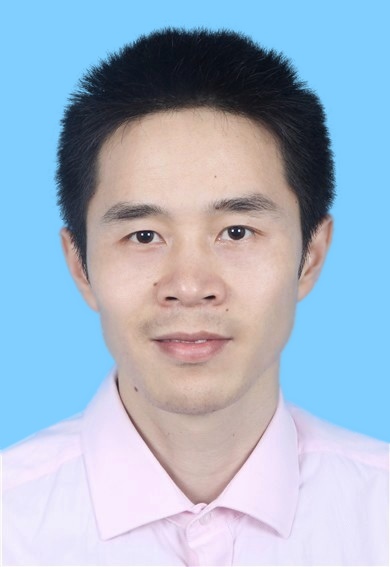 Weiwei Lin (林伟伟)合作论文数School of Computer Science & Engineering, South China University of Technology8
 YongJun Li (李拥军)合作论文数6
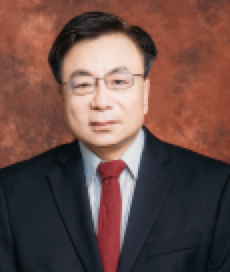 Deyu Qi (齐德昱)合作论文数School of Software Engineering, South China University of Technology6
 Gansen Zhao (赵淦森)合作论文数School of Computer Science, South China Normal University5Huijun Yue合作论文数4Yongquan Wang合作论文数4Wenbin Lei (雷文斌)合作论文数4Yitao Wu合作论文数3Yanqiang Zhou合作论文数3ZHONG Gui-feng (钟桂凤)合作论文数3
 Wentai Wu (吴文泰)合作论文数College of Information Science and Technology, Jinan University3EnHong Liao (廖恩红)合作论文数3
 Bo Liu (刘波)合作论文数School of Computer Science, South China Normal University;School of Artificial Intelligence, South China Normal University3
 Pengcheng Li (李鹏程)合作论文数School of Biomedical Engineering, Hainan University3
 Qiren Chen合作论文数2Benshuai Wan (万本帅)合作论文数2Bao Su-su合作论文数2Qiaoyun Yun合作论文数2Xueqin Guo合作论文数2Zhang-Yu Li合作论文数2
 Weiping Wen (文卫平)合作论文数The First Affiliated Hospital, Sun Yat-sen University2
 Guangming Xian (冼广铭)合作论文数School of Software, South China Normal University2
 Victor Chang合作论文数Aston Business School, College of Business and Social Sciences, Aston University2Yun Li (李昀)合作论文数2
 Pan Wang合作论文数Sch Modern Posts, Nanjing Univ Posts & Telecommun2
 Daozong Sun (孙道宗)合作论文数College of Electronic Engineering, South China Agricultural University2
 Biqing Zeng (曾碧卿)合作论文数School of Artificial Intelligence, South China Normal University2
 Tianxing Wang合作论文数1
 Hanbiao Chen合作论文数1
 Xinming Wang合作论文数1Huifang Li合作论文数1Jiawei LI (李加伟)合作论文数1Hao Li合作论文数1
 Chengchuang Lin合作论文数School of Computer Science, South China Normal University, Guangzhou 510631, China1Liming XIU (修黎明)合作论文数1
 Dong Sui (隋栋)合作论文数1
 Zhaohui Ma合作论文数Collaborative Innovation Center for 21st-Century Maritime Silk Road Studies, Guangdong University of Foreign Studies, Guangzhou, China1
 Fang Shi (石方)合作论文数College of Mathematics and Information, South China Agriculture University1aiyi huang (黄爱仪)合作论文数1
 Lei Zhao合作论文数School of Computer Science, South China Normal University1
 Bichao Ding (丁笔超)合作论文数1Yu Lin合作论文数1
 Jun Sun合作论文数1YeDa Li (利业鞑)合作论文数1LiYan Duan (段丽艳)合作论文数1YingWang Xiao (肖应旺)合作论文数1Li Huang (黄荔)合作论文数1
 Hui Wang (王慧)合作论文数Zhongshan School of Medicine, Sun Yat-sen University1




