Precursor mRNA (pre-mRNA) splicing occurs co-transcriptionally and is coupled to transcription through the coordinated assembly of the splicing and transcription machinery. Splicing factor 3B subunit 2 (SF3B2) plays a critical role in pre-mRNA splicing and facilitates spliceosome assembly in humans, but its function in plants remains unclear. Here, we demonstrate that the Arabidopsis thaliana SF3B2 homolog AtSF3B2 interacts with the splicing factors AtU2AF65B and AtSYF2 via its conserved DUF382 domain. As a negative regulator of floral transition, AtSF3B2 binds to pre-mRNAs and modulates the splicing of its target genes, including the central floral repressor FLOWERING LOCUS C (FLC), its antisense transcript COOLAIR, and their regulator WRKY63. Furthermore, AtSF3B2 promotes the transcription of these genes by interacting with the RNA polymerase II (Pol II) subunit NRPB12 and by binding directly to DNA to influence Pol II enrichment. RNA sequencing analyses reveal that the AtSF3B2 mutation predominantly results in intron retention and exon skipping, especially for shorter exons with a lower GC content. A subset of flowering regulators, including FLM, was identified as an AtSF3B2 target. Additionally, AtSF3B2 functions in high temperature-dependent flowering by modulating transcription and splicing of FLM. Together, our findings reveal transcriptional and post-transcriptional roles for AtSF3B2 in the flowering transition.
Circular RNA (circRNA) is a class of endogenous non-coding RNA which is widely existed in organisms. It is a closed RNA molecule formed by back splicing. CircRNAs have highly structural stability, sequence conservation and tissue specificity. A large number of circRNAs have been identified for the rapid development of high-throughput sequencing and other technologies in plants, which becomes a new field of non-coding RNA research. CircRNA functions acting as microRNA sponge, in regulating gene expression and splicing of transcripts. More and more research results reveal that circRNAs play an important role in organism development and resistance to the external environment. However, at present, we know very little about the biogenesis, function and molecular mechanism of circRNAs in plants, especially the regulation of back splicing of circRNAs. In this review, we summarize the advances in research progress of plant circRNAs, mainly focusing on the alternative splicing of circRNAs and their functions in flowering transition and stress responses. This review will provide an extended understanding of the regulation of biogenesis and molecular mechanism of circRNAs in plants.
B-GATA transcription factors with the LLM domain (LLM-domain B-GATAs) play important roles in developmental processes and environmental responses in flowering plants. Their characterization can therefore provide insights into the structural and functional evolution of functional gene families. Phylogenetic and sequence analysis suggests that LLM-domain B-GATAs evolved from ancestral GATA transcription factors before the divergence of chlorophyte algae and Streptophyta. We compared the function of PpGATA1, a LLM-domain B-GATA gene in moss Physcomitrium patens, with Arabidopsis thaliana counterparts and showed that, in P. patens, PpGATA1 controls growth and greening in haploid gametophytes, while in transgenic Arabidopsis it affects germination, leaf development, flowering time, greening and light responses in diploid sporophytes. These PpGATA1 functions are similar to those of Arabidopsis counterparts, AtGNC, AtGNL and AtGATA17. PpGATA1 was able to complement the role of GNC and GNL in a gnc gnl double mutant, and the LLM domains of PpGATA1 and GNC behaved similarly. The functions of LLM-domain B-GATAs regulating hypocotyl elongation and cotyledon epinasty in flowering plants pre-exist before the divergence of mosses and the lineage leading to flowering plants. This study sheds light on adaption of PpGATA1 and its homologs to new developmental designs during the evolution.
The evaluation of central opiate activity could be of clinical value in the diagnosis and treatment of pain syndromes. The current approach via direct measurement of endogenous opioid peptides in cerebrospinal fluid (CSF) is not devoid of side effects and cannot be used in every-day practice. As an alternative to this method, we have studied the neuroendocrine response of plasma LH to an i.v. naloxone injection in 39 headache sufferers from different diagnostic subgroups, and in 12 age- and sex-matched healthy volunteers. Patients (19 females and 20 males) were affected by common migraine (CM, 11 cases), migraine with interparoxysmal headache (MIH, 9), classical migraine (CIM, 9), and chronic cluster headache (CH, 10). Headache lasted 3-36 years. Prior to naloxone challenge (4 mg i.v.), LH pulsatility was evaluated for 1 h. The next morning, the pituitary response to LH-RH (10 micrograms i.v.) was tested in 20 patients. Plasma LH was measured by RIA in every sample. The response to the tests was evaluated as secretion area of plasma LH minus the mean basal value. Controls (497.5 +/- 85.5 mIU/ml x 120 min), ClM (357.8 +/- 78.9) and CH (450.5 +/- 70.4) patients showed similar results, while in cases of CM (155.3 +/- 71.7, P less than 0.05) and MIH (104.1 +/- 53.7, P less than 0.01) the LH secretion after naloxone injection was significantly blunted. On the contrary, the response of LH to LH-RH was similar in controls and patient groups, thus excluding pituitary dysfunctions in this response.(ABSTRACT TRUNCATED AT 250 WORDS)
Abscisic acid (ABA) is an important phytohormone regulating plant growth, development and stress responses. A multitude of key factors implicated in ABA signaling have been identified; however, the regulation network of these factors needs for further information. AtS40.4, a plant-specific DUF584 domain-containing protein, was identified previously as a senescence regulator in Arabidopsis . In this study, our finding showed that AtS40.4 was negatively involved in ABA signaling during seed germination and early seedling growth. AtS40.4 was highly expressed in seeds and seedlings, and the expression level was promoted by ABA. AtS40.4 was localized both in the nucleus and the cytoplasm. Moreover, the subcellular localization pattern of AtS40.4 was affected by ABA. The knockdown mutants of AtS40.4 exhibited an increased sensitivity to ABA, whereas the overexpression of AtS40.4 decreased the ABA response during seed germination and seedling growth of Arabidopsis . Furthermore, AtS40.4 was involved in ABRE-dependent ABA signaling and influenced the expression levels of ABA INSENTIVE ( ABI ) 1-5 and SnRK2.6 . Further genetic evidence demonstrated that AtS40.4 functioned upstream of ABI4. These findings support the notion that AtS40.4 is a novel negative regulator of the ABA response network during seed germination and early seedling growth.
Noncoding RNA (ncRNA), such as microRNA (miRNAs), long ncRNAs (lncRNAs), and circular RNAs (circRNAs) play roles in plant growth, development, and response to environmental cues via diverse manners. Splicing factors are critical for precursor messenger RNAs (pre-mRNAs) splicing and alternative splicing. Strikingly, over the past few years, an increasing number of studies demonstrated that splicing factors couple splicing to other processes, such as ncRNA biogenesis, nuclear retention, and cytoplasmic export of various RNAs, and even translation. Here, we review the current status of the noncanonical functions of splicing factors in the ncRNAs processing, retention and export of RNAs, and translation in plants.
Flowering transition is regulated by complex genetic networks in response to endogenous and environmental signals. Pre-mRNA splicing is an essential step for the post-transcriptional regulation of gene expression. Alternative splicing of key flowering genes has been investigated in detail over the past decade. However, few splicing factors have been identified as being involved in flowering transition. Human heterodimeric splicing factor U2 snRNP auxiliary factor (U2AF) consists of two subunits, U2AF35 and U2AF65, and functions in 3 ' splice site recognition in mRNA splicing. Recent studies reveal that Arabidopsis U2AF65a/b and U2AF35a/b play important roles in the splicing of key flowering genes. We summarize recent advances in research on splicing-regulated flowering transition by focusing on the role of Arabidopsis U2AF in the splicing of key flowering-related genes at ambient temperature and in the abscisic acid signaling pathways.
Summary In mammalians and yeast, the splicing factor U2AF65/Mud2p functions in precursor messenger RNA (pre‐mRNA) processing. Arabidopsis AtU2AF65b encodes a putative U2AF65 but its specific functions in plants are unknown. This paper examines the function of AtU2AF65b as a negative regulator of flowering time in Arabidopsis. We investigated the expression and function of AtU2AF65b in abscisic acid (ABA)‐regulated flowering as well as the transcript abundance and pre‐mRNA splicing of flowering‐related genes in the knock‐out mutants of AtU2AF65b. The atu2af65b mutants show early‐flowering phenotype under both long‐day and short‐day conditions. The transcript accumulation of the flowering repressor gene FLOWERING LOCUS C (FLC) is reduced in the shoot apex of atu2af65b, due to both increased intron retention and reduced transcription activation. Reduced transcription of FLC results, at least partially, from the abnormal splicing and reduced transcript abundance of ABSCISIC ACID‐INSENSITIVE 5 (ABI5), which encodes an activator of FLC in ABA‐regulated flowering signaling. Additionally, the expression of AtU2AF65b is promoted by ABA. Transition to flowering and splicing of FLC and ABI5 in the atu2af65b mutants are compromised during ABA‐induced flowering. ABA‐responsive AtU2AF65b functions in the pre‐mRNA splicing of FLC and ABI5 in shoot apex, whereby AtU2AF65b is involved in ABA‐mediated flowering transition in Arabidopsis.
The inflorescence architecture of grass crops affects the number of kernels and final grain yield. Great progress has been made in genetic analysis of rice inflorescence development in the past decades. However, the advances in wheat largely lag behind those in rice due to the repetitive and polyploid genomes of wheat. In view of the similar branching patterns and developmental characteristics between rice and wheat, the studies on inflorescence architecture in rice will facilitate related studies in wheat in the future. Here, we review the developmental regulation of inflorescences in rice and wheat and highlight several pathways that potentially regulate the inflorescence architecture of wheat.
Pre-mRNA splicing is an important step for gene expression regulation. Yeast Bud13p (bud-site selection protein 13) regulates the budding pattern and pre-mRNA splicing in yeast cells; however, no Bud13p homologs have been identified in plants. Here, we isolated two mutants that carry T-DNA insertions at the At1g31870 locus and shows early embryo lethality and seed abortion. At1g31870 encodes an Arabidopsis homolog of yeast Bud13p, AtBUD13. Although AtBUD13 homologs are widely distributed in eukaryotic organisms, phylogenetic analysis revealed that their protein domain organization is more complex in multicellular species. AtBUD13 is expressed throughout plant development including embryogenesis and AtBUD13 proteins is localized in the nucleus in Arabidopsis. RNA-seq analysis revealed that AtBUD13 mutation predominantly results in the intron retention, especially for shorter introns (<= 100 bases). Within this group of genes, we identified 52 genes involved in embryogenesis, out of which 22 are involved in nucleic acid metabolism. Our results demonstrate that AtBUD13 plays critical roles in early embryo development by effecting pre-mRNA splicing.
Flowering is a critical stage of plant development and is closely correlated with seed production and crop yield. Flowering transition is regulated by complex genetic networks in response to endogenous and environmental signals. FLOWERING LOCUS C (FLC) is a central repressor in the flowering transition of Arabidopsis thaliana. The regulation of FLC expression is well studied at transcriptional and post-transcriptional levels. A subset of antisense transcripts from FLC locus, collectively termed cold-induced long antisense intragenic RNAs (COOLAIR), repress FLC expression under cold exposure. Recent studies have provided important insights into the alternative splicing of COOLAIR and FLC sense transcripts in response to developmental and environmental cues. Herein, at the 20th anniversary of FLC functional identification, we summarise new research advances in the alternative splicing of FLC sense and antisense transcripts that regulates flowering.
During the opening and closing of stomata, guard cells undergo rapid and reversible changes in their volume and shape, which affects the adhesion of the plasma membrane (PM) to the cell wall (CW). The dynamics of actin filaments in guard cells are involved in stomatal movement by regulating structural changes and intracellular signaling. However, it is unclear whether actin dynamics regulate the adhesion of the PM to the CW. In this study, we investigated the relationship between actin dynamics and PM–CW adhesion by the hyperosmotic-induced plasmolysis of tobacco guard cells. We found that actin filaments in guard cells were depolymerized during mannitol-induced plasmolysis. The inhibition of actin dynamics by treatment with latrunculin B or jasplakinolide and the disruption of the adhesion between the PM and the CW by treatment with RGDS peptide (Arg-Gly-Asp-Ser) enhanced guard cell plasmolysis. However, treatment with latrunculin B alleviated the RGDS peptide-induced plasmolysis and endocytosis. Our results reveal that the actin depolymerization is involved in the regulation of the PW–CW adhesion during hyperosmotic-induced plasmolysis in tobacco guard cells.
Stomatal movement regulates photosynthesis and transpiration in plant,which plays a crucial role in plant growth,development and tolerance to abiotic stress.Guard cell perceives the intracellular and extracellular signals to regulate the stomata aperture.Therefore,guard cell has become a widely used model in signal transduction research in plant.Here,we review the functions of actin cytoskeleton and reactive oxygen species (ROS) in regulating stomatal movement and the interaction between cell wall and membrane regulated by actin dynamics.Finally,we propose the possible mechanism of microfilament regulating stomatal movement via ROS involved in the interaction between cell wall and membrane of guard cell.
Annexin is a highly conserved protein family binding to phospholipids in a calcium-dependent manner,while different annexins harbore various gene expression patterns and protein subcellular localizations.Eight arnexins in Arabidopsis thaliana (AnnAt) have been identified.These annexins play important roles in growth,development and responses to stress.Annexin 2 in Arabidopsis thaliana (AnnAt2) is involved in root secretion and auxin-mediated geotropism growth of root cells.However,the molecular mechanism remains undefined.The subcellular localization of proteins is a crucial cue to explore their biological functions and molecular mechanisms.In the current study,the subcellular localization of AnnAt2 was investigated with fusion protein expression and colocalization with green fluorescent protein (GFP) of organelles or specific fluorescence dyes,respectively.Our results revealed that AnnAt2 was localized simultaneously in cytosol,nuclei,Golgi apparatus and endoplasmic reticulums.These data indicates that the translation and transportation of AnnAt2 are complex.AnnAt2 was colocalized with actin filaments marked by GFP in transgenic ArmAt2-mCherry Arabidopsis lines,suggesting that AnnAt2 might be involved in cell secretion via dynamic regulation of microfilaments and microfilament-mediated vesicles transport in Arabidopsis.These data provide the experimental evidence for further studies of protein translation,transport pathways and the functions of AnnAt2.
Sorbitol dehydrogenase (SDH) catalyses the reversible oxidation of sorbitol, xylitol and ribitol to their corresponding ketoses. In this study, we investigated the expression and role of Arabidopsis SDH in salt and osmotic stress tolerance, and abscisic acid (ABA) response. The expression patterns of SDH were investigated using transgenic Arabidopsis plants expressing beta-glucuronidase (GUS) under control of the promoter with the first intron of SDH. qRT-PCR and histochemical assay of GUS activity were used to study SDH expression regulation by ABA, salt and osmotic stress. SDH-overexpression lines of Arabidopsis were used to investigate the role of SDH in salt and osmotic stress, and ABA response. Arabidopsis SDH was predominantly expressed in source organs such as green cotyledons, fully expanded leaves and sepals, especially in vascular tissues of theses organs. SDH expression was inhibited by NaCl and mannitol treatments. Seed germination and post-germination growth of SDH-overexpressing lines exhibited decreased sensitivity to salt and osmotic stress compared to WT plants. The transcript of SDH was induced by ABA. Overexpression of SDH decreased sensitivity to ABA during seed germination and post-germination growth. Expression of AAO3 increased but ABI5 and MYB2 decreased in SDH-overexpressing lines after ABA treatment. This study demonstrates that expression of SDH is regulated by ABA, salt and osmotic stress. SDH functions in plant tolerance to salt and osmotic stress, and ABA response via specific regulating gene expression of ABA synthesis and signalling in Arabidopsis.
WRKY transcription factors constitute a very large family of proteins in plants and participate in modulating plant biological processes, such as growth, development and stress responses. However, the exact roles of WRKY proteins are unclear, particularly in non-model plants. In this study, Gossypium hirsutum WRKY41 (GhWRKY41) was isolated and transformed into Nicotiana benthamiana. Our results showed that overexpression of GhWRKY41 enhanced the drought and salt stress tolerance of transgenic Nicotiana benthamiana. The transgenic plants exhibited lower malondialdehyde content and higher antioxidant enzyme activity, and the expression of antioxidant genes was upregulated in transgenic plants exposed to osmotic stress. A β-glucuronidase (GUS) staining assay showed that GhWRKY41 was highly expressed in the stomata when plants were exposed to osmotic stress, and plants overexpressing GhWRKY41 exhibited enhanced stomatal closure when they were exposed to osmotic stress. Taken together, our findings demonstrate that GhWRKY41 may enhance plant tolerance to stress by functioning as a positive regulator of stoma closure and by regulating reactive oxygen species (ROS) scavenging and the expression of antioxidant genes.
Glutamine synthetase (GS) is an essential detoxification enzyme that plays an important role in stress responses; however, little information regarding the function of this enzyme in hymenopteran insects is available.In the present study, we isolated and characterized the gene encoding GS in the Asiatic honeybee, Apis cerana cerana.Multiple alignments and a phylogenetic analysis of GS sequences showed that AccGS belongs to the GSII superfamily and clusters with invertebrate GSs.Real-time quantitative PCR data demonstrated that AccGS is expressed at all developmental stages and in all tissues, with the highest expression observed in the sixth larval instar and in the brain.Moreover, AccGS expression is highly regulated by environmental stress, including xenobiotic, temperature, and ultraviolet light stresses.A disc diffusion assay showed that the recombinant AccGS protein confers resistance to mercuric chloride (HgCl2) stress in E. coli.This suggests that AccGS may play multiple roles in early development and in environmental stress responses.
WRKY transcription factors form one of the largest transcription factor families and function as important components in the complex signaling processes that occur during plant stress responses. However, relative to the research progress in model plants, far less information is available on the function of WRKY proteins in cotton. In the present study, we identified the GhWRKY40 gene in cotton (Gossypium hirsutum) and determined that the GhWRKY40 protein is targeted to the nucleus and is a stress-inducible transcription factor. The GhWRKY40 transcript level was increased upon wounding and infection with the bacterial pathogen Ralstonia solanacearum. The overexpression of GhWRKY40 down-regulated most of the defense-related genes, enhanced the wounding tolerance and increased the susceptibility to R. solanacearum. Consistent with a role in multiple stress responses, we found that the GhWRKY40 transcript level was increased by the stress hormones salicylic acid (SA), methyl jasmonate (MeJA) and ethylene (ET). Moreover, GhWRKY40 interacted with the MAPK kinase GhMPK20, as shown using yeast two-hybrid and bimolecular fluorescence complementation systems. Collectively, these results suggest that GhWRKY40 is regulated by SA, MeJA and ET signaling and coordinates responses to wounding and R. solanacearum attack. These findings highlight the importance of WRKYs in regulating wounding- and pathogen-induced responses.
Thioredoxin peroxidases (Tpxs), members of the antioxidant protein family, play critical roles in resisting oxidative stress. In this work, a novel 1-Cys thioredoxin peroxidase gene was isolated from Apis cerana cerana and was named AccTpx5. The open reading frame (ORF) of AccTpx5 is 663bp in length and encodes a 220-amino acid protein with a predicted molecular mass and isoelectric point of 24,921kDa and 5.45, respectively. Promoter sequence analysis of AccTpx5 revealed the presence of putative transcription factor binding sites related to early development and stress responses. Additionally, real-time quantitative PCR (Q-PCR) analysis indicated that AccTpx5 was primarily present in some developmental stages, with the highest expression levels in the first-instar larvae. The expression level of AccTpx5 was up-regulated under various abiotic stresses, including 4°C, 42°C, HgCl2, H2O2, phoxim and acaricide treatments. Conversely, it was down-regulated by UV and pyriproxyfen treatments. Moreover, H2O2 concentration dramatically increased under a variety of stressful conditions. Finally, the purified recombinant AccTpx5 protein protected the supercoiled form of plasmid DNA from damage in the thiol-dependent mixed-function oxidation (MFO) system. These results suggest that AccTpx5 most likely plays an essential role in antioxidant defence.
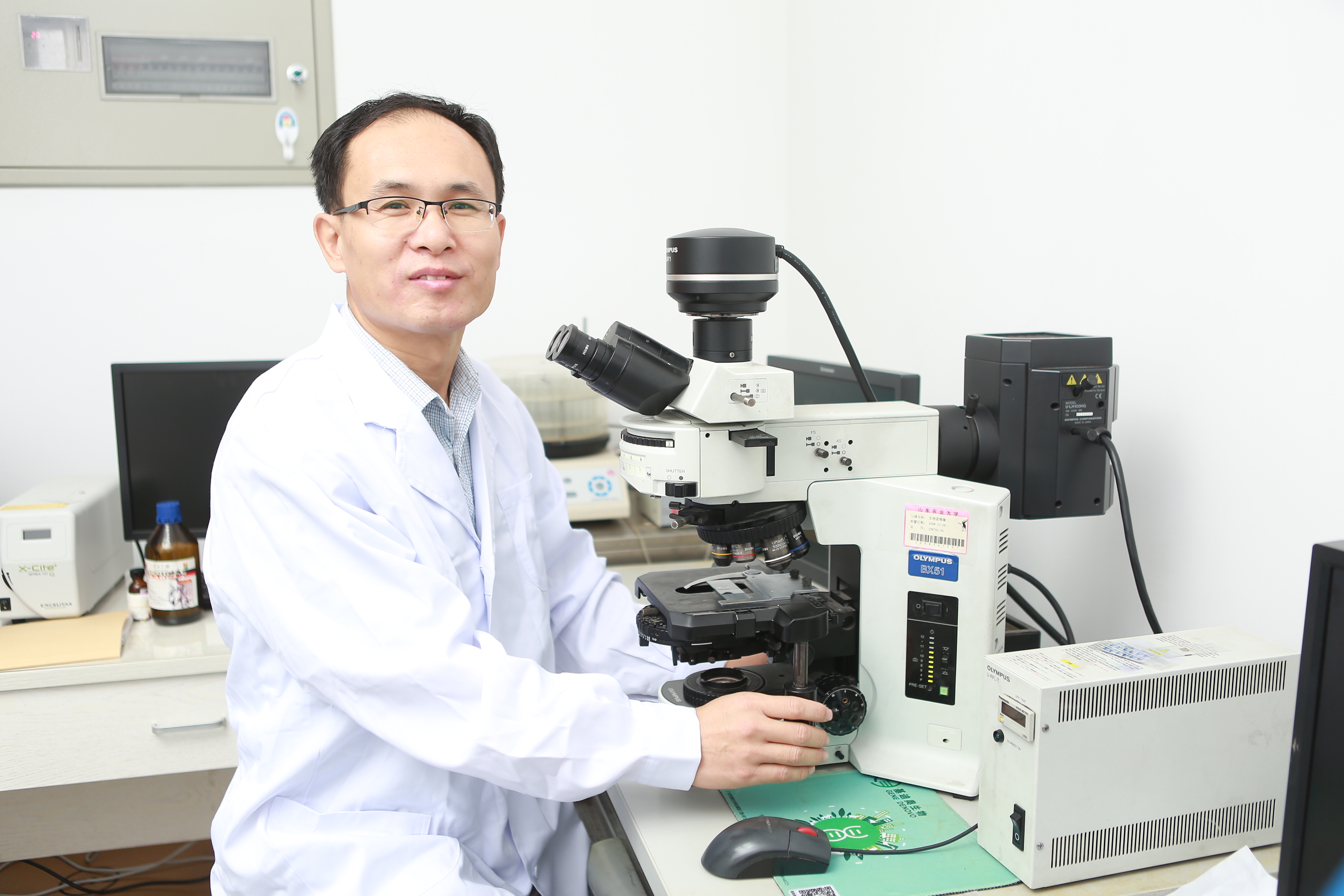 Xinqi Gao (高新起)合作论文数山东农业大学生命科学学院;作物生物学国家重点实验室15
 Jing-Jing Ren合作论文数8Yu-Yi Wang合作论文数8
 Dapeng Zhang (张大鹏)合作论文数School of Life Sciences, Tsinghua University8
 Xingqi Guo (郭兴启)合作论文数Department of Biochemistry and Molecular Biology, College of Life Sciences, Shandong Agricultural University8
 Changcao Peng (彭昌操)合作论文数华南农业大学林学院广东省森林植物种质创新与利用重点实验室热带亚热带林业生物技术实验室8Lan-Jing Kong合作论文数7
 Feng Xiong合作论文数7Xiangchun Yu合作论文数7Ren-Chun Fan合作论文数6QiuPing Ren (任秋萍)合作论文数5
 Marisa S Otegui合作论文数Department of Botany, College of Letters and Science, University of Wisconsin-Madison5Ke-Qin Zou合作论文数5Ziying Hu合作论文数5Yuzhen Li合作论文数4Qin Yu合作论文数4
 Qiuhong Pan (潘秋红)合作论文数College of Food Science & Nutritional Engineering, China Agricultural University4
 Yuanyue Shen (沈元月)合作论文数College of Plant Science and Technology, Beijing University of Agriculture4
 Baohua Xu (胥保华)合作论文数College of Animal Science, Shandong Agricultural University4Cui-Ping Chu合作论文数3Yi Lin合作论文数3Xiaoqian Chu合作论文数3Yanhong Xu (徐艳红)合作论文数3
 Fuqing Wu (吴赴清)合作论文数School of Life Sciences, Tsinghua University3Wenjing Lu合作论文数3Xiao-Pu Shi合作论文数2Na Zhang合作论文数2
 Pengbo Yao合作论文数2Zheng Cao合作论文数2Liang Zhang (张良)合作论文数Department of Epigenetics and Molecular Carcinogenesis, The University of Texas MD Anderson Cancer Center2Liu Zhaohua合作论文数2Yi Shang (尚轶)合作论文数2
 Xiaofang Wang (王晓芳)合作论文数Department of Industrial Engineering, Tsinghua University2
 Lili Hao (郝丽丽)合作论文数Beijing Institute of Genomics, Chinese Academy of Sciences2
 Xuechen Wang (王学臣)合作论文数College of Biological Sciences, China Agricultural University2
 Changai Wu (吴长艾)合作论文数Shandong Agricultural University2Xun Zou合作论文数2
 Saiyong Zhu (祝赛勇)合作论文数Life Sciences Institute, Zhejiang University2
 Xiansheng Zhang (张宪省)合作论文数College of Life Sciences, Shandong Agricultural University2Shu-Yuan Du合作论文数2Xiaobo Chen合作论文数1Hengyue Zhang (张恒悦)合作论文数1Jianfang Ju合作论文数1xi xiangyuan (席湘媛)合作论文数1
 Chunxiang You (由春香)合作论文数Shandong Agricultural University1Yan Zhenlan (颜振兰)合作论文数1Chongchong Lu合作论文数1
 Ji Luan (栾霁)合作论文数State Key Laboratory of Microbial Technology, Shandong University1Hongru Gao合作论文数1




