OBJECTIVES:Operative time and intraoperative blood loss in retroperitoneal laparoscopic adrenalectomy have decreased over time. This study aimed to identify predictive factors associated with operative time and blood loss and to clarify factors underlying improvements in operative outcomes, with particular focus on sealing device use. METHODS:We retrospectively reviewed 597 patients who underwent retroperitoneal laparoscopic adrenalectomy for adrenal tumors at a single institution between December 1993 and October 2021. Patients treated after the introduction of robotic-assisted adrenalectomy were excluded. Predictors of prolonged operative time and increased intraoperative blood loss were evaluated using univariate and multivariate logistic regression analyses. To reduce potential confounding related to baseline differences in tumor characteristics and preoperative diagnoses, propensity score matching was performed between patients treated with and without sealing devices. RESULTS:Both operative time and intraoperative blood loss decreased over time, with more pronounced improvements in recent periods. Multivariate analysis identified right-sided tumors, higher body mass index, and the absence of sealing device use as independent predictors of prolonged operative time. Increased blood loss was independently associated with male sex, higher body mass index, and the absence of sealing device use. In propensity score-matched analyses, operative time and blood loss remained significantly lower in patients treated with sealing devices than in those without sealing devices. CONCLUSIONS:The appropriate use of sealing devices was independently associated with shorter operative time and reduced intraoperative blood loss in retroperitoneal laparoscopic adrenalectomy, suggesting a contribution to improved operative efficiency and surgical safety within the limited retroperitoneal working space.
Robot-assisted surgery (RAS) imposes cognitive and psychomotor demands on console surgeons, but the physiological correlates of perceived stress during live procedures remain insufficiently characterized. Prior work has often relied on simulations or broad phase-based assessments, providing limited insight into short-term stress fluctuations in the operating room. We conducted a prospective observational field study during live RAS procedures. Seven senior urologists were monitored during one procedure each using wireless electroencephalography (EEG), surface electromyography (sEMG), and electrocardiography (ECG). ECG-derived heart rate variability (HRV) was calculated. To avoid disrupting surgical workflow, surgeons retrospectively annotated perceived stress using video-stimulated recall (VSR) of console-view videos. Associations between physiological features and stress ratings were assessed using a linear mixed-effects model. Across 151 VSR-based annotation windows, higher perceived stress was associated with a higher beta-to-alpha power ratio at the central midline EEG channel (Cz; β = 0.42, 95
Glutamine supports biosynthesis and redox homeostasis in cancer cells. The glutamine transporter ASCT2 is highly expressed in prostate cancer and is associated with higher Gleason grade. Although ASCT2 inhibition induces reactive oxygen species (ROS) accumulation and apoptosis, cancer cells may activate antioxidant adaptive mechanisms that limit therapeutic efficacy. Here, we identified an NRF2/xCT-dependent redox-adaptive response following ASCT2 inhibition in prostate cancer. Mechanistically, ASCT2 inhibition induced ROS accumulation, promoted nuclear translocation of NRF2, and upregulated xCT together with other NRF2-associated antioxidant genes. Functional redox analysis showed that ASCT2 inhibition reduced glutathione-dependent redox capacity, whereas combined ASCT2 and xCT inhibition further increased GSSG accumulation and markedly decreased GSH levels and the GSH/GSSG ratio. These fin\dings were further validated in C4-2 cells as an additional prostate cancer model. Cell death discrimination assays showed that combined ASCT2 and xCT inhibition induced lipid peroxidation that was partially rescued by ferrostatin-1, whereas z-VAD produced a stronger rescue effect and Annexin V/PI staining confirmed prominent apoptotic cell death. In castrated 22Rv1 xenograft models, combined treatment with V-9302 and erastin produced the strongest inhibition of tumor growth without significant body weight loss during treatment. Collectively, these findings demonstrate that NRF2/xCT-mediated residual glutathione redox buffering functions as an adaptive survival mechanism following ASCT2 inhibition and provide a mechanistic rationale for combined targeting of ASCT2 and xCT to overcome redox-adaptive resistance in prostate cancer.
Male pattern baldness (MPB) is commonly associated with prostate diseases, both of which can significantly impact men’s quality of life. However, the relationship and causality between them remain unclear. In this study, we investigated the causal relationship between the two. Inverse variance weighting (IVW) was the primary Mendelian randomization method, with MR Egger, weighted median, and MRPRESSO as complements. Sensitivity analyses included Cochran’s Q, MR Egger intercept, and MRPRESSO. MPB was found to be negatively correlated with prostate cancer (IVW: OR = 0.986, 95
Serum testosterone plays a pivotal role in the pathogenesis and treatment of prostate cancer, influencing tumor growth and progression. This review synthesizes current clinical evidence on the dual role of serum testosterone as both a biomarker of carcinogenesis and a target for therapeutic intervention. We discuss the mechanisms linking androgen signaling to prostate cancer development, emphasizing the role of testosterone in androgen receptor activation and cellular proliferation. Furthermore, we explore the clinical implications of testosterone suppression strategies, including androgen deprivation therapy (ADT) and bipolar androgen therapy (BAT), highlighting their impact on patient outcomes. Emerging evidence on the prognostic significance of nadir testosterone levels, testosterone rebound, and treatment resistance is also analyzed. Finally, we address the challenges and opportunities in testosterone monitoring, aiming to enhance precision medicine approaches for managing prostate cancer. This review underscores the importance of personalized testosterone-based strategies to optimize therapeutic outcomes and improve patient quality of life.
BACKGROUND:Surgical proficiency influences surgical quality and patient outcomes in robot-assisted radical prostatectomy (RARP). Manual video evaluations are labor-intensive and lack standardized objective metrics. Herein, we aimed to develop an artificial intelligence (AI) deep-learning model that can identify the surgical phases in RARP videos and create a parameter-based scoring system to distinguish experts from novice surgeons based on the results of the AI model. METHODS:A dataset of 410 RARP videos from 18 Japanese medical institutions was analyzed. The videos were annotated into 11 phases and divided into training and testing sets. Surgeons were categorized as experts or novices based on their RARP experience. We developed a deep-learning-based surgical phase classification model and compared the phase duration, number of transitions between phases, and AI confidence scores (AICS) between the groups based on the model's output. Key parameters were standardized and identified using stepwise multivariate logistic regression. A surgical skill scoring system was constructed based on the receiver operating characteristic curve cut-off values. RESULTS:Of the 213 videos, 99 were used for training, 20 for validation, and 94 for testing (61 experts and 33 novices). The model achieved an accuracy of 0.89 in identifying surgical phases. The experts had significantly shorter durations in phases 2-8 and higher AICS than the novices. Stepwise analysis identified phases 2 (Retzius space expansion), 7 (dorsal venous complex incision, apex treatment, hemostasis), and 8 (urethrovesical anastomosis) and the AICS as key predictors of expertise. The scoring system developed from these variables effectively distinguished experts from novices with an accuracy of 86.2%. CONCLUSIONS:The developed AI model revealed that the duration of several surgical phases and AICS are key parameters in assessing surgical skill proficiency in RARP. The new scoring system established based on these indicators reliably differentiates expert from novice surgeons.
Robot-assisted surgery (RAS) enhances surgical precision and extends surgeons’ capabilities. However, its effects on the cognitive and physical states of surgeons remain poorly understood. It is essential to investigate the workload and physiological stress surgeons experience during RAS. This case study employs a neuroergonomic approach to explore how these factors relate to task performance. A single expert surgeon performed simulated surgical tasks under systematically varied conditions (noise level, surgical posture and task type) to elicit variations in stress and workload. During the tasks, multiple physiological signals were recorded, including electroencephalography (EEG), electromyography (EMG), heart rate (HR), and electrodermal activity (EDA). Subjective workload was also assessed using the NASA-TLX and SURG-TLX. Several classification models, including CatBoost, random forest, logistic regression, and support vector machines, were trained to predict task performance. Among them, CatBoost demonstrated the highest predictive accuracy (79.5%) and achieved an area under the curve (AUC) of 0.807. The model interpretation was conducted using SHapley Additive exPlanations (SHAP). The analysis revealed that subjective workload, mean HR, and muscle activation were the most influential predictors. EEG-related features contributed variably across conditions. This study shows that integrating subjective assessments with physiological measures can effectively predict surgical task performance under stress.
Cystinuria is the most common genetic cause of urinary stones. Defects in SLC3A1/SLC7A9 genes coding cystine transporter proteins rBAT/b0,+AT will cause Cystinuria. The current work analyzed the clinical and genetic characteristics of Japanese Cystinuria patients. In total, 101 Cystinuria patients were studied. Clinical phenotypes were defined, and genetic analysis of SLC3A1 and SLC7A9 was performed by next-generation sequencing. Excretion of cystine was determined by 24 h urine analysis. The median age of presentation was 17 years. In total, 51 different mutant variant alleles were identified (22 and 29 mutant variants in SLC3A1 and SLC7A9, respectively), including 25 novel variants. The p.(Pro482Leu) (c.1445C > T) variant in SCL7A9 was predominantly found in 73 patients. Variants in exon-intron boundaries were identified in 6 cases. The patient with a homozygote intron (exon-intron boundary) variant in SCL7A9 presented a severe phenotype with a significant loss of mRNA expression. Including exon and exon-intron boundary variants reduced the number of cases that did not fit autosomal recessive inheritance from 14 to 9%. Current data revealed a specific genotype of Japanese cystinuria through the analysis of exon and exon-intron boundaries.
OBJECTIVES:To evaluate the use of bone scan index (BSI)/initial prostate-specific antigen (iPSA) ratio, a novel biomarker that can reveal discordance between PSA level and bone metastasis volume, and to investigate its prognostic significance in patients with hormone-sensitive prostate cancer (PCa) and bone metastasis. PATIENTS AND METHODS:Clinical data were collected from 526 patients with bone metastatic PCa between 2009 and 2025 from multiple centres. Cancer-specific survival and overall survival (OS) were evaluated as clinical outcomes, and prognostic factors were analysed using multivariate Cox proportional hazard modelling and Kaplan-Meier methods. Survival tree analysis was performed to identify the optimal cut-off for stratifying prognosis. Propensity-score matching (PSM) was used to equalise patient baseline characteristics. RESULTS:The median age at diagnosis, initial PSA level and BSI were 75 years, 229.8 ng/mL and 1.6%, respectively. Survival tree analysis identified 0.02 as the optimal cut-off for BSI/iPSA ratio. Kaplan-Meier analysis showed that a high BSI/iPSA ratio (≥0.02) was associated with shorter OS compared with a low BSI/iPSA ratio (<0.02; hazard ratio [HR] 1.91; P < 0.0001). Statistical significance remained after PSM analysis (HR 1.63; P = 0.0303). Multivariate analysis showed that a high BSI/iPSA ratio was an independent prognostic factor for OS (HR 2.03; P = 0.0046). Notably, patients with a high BSI/iPSA ratio were less likely to have a PSA progression-only pattern of recurrence (P = 0.0122). CONCLUSIONS:Discordance between PSA level and bone metastatic volume indicated the presence of non-PSA-producing tumour and was correlated with increased risk of death. Our findings will help facilitate a personalised therapeutic approach for patients with metastatic prostate cancer.
PURPOSE:As the incidence of prostate cancer rises in Asian countries, notable disparities in life expectancy, economic status, and education levels are observed. This study aimed to use the Human Development Index (HDI), which reflects these factors, to explore differences in prostate cancer diagnosis, staging, and initial treatment across various Asian nations and areas, and uncover the impact of socioeconomic factors on patient outcomes. METHODS:We analyzed patients diagnosed with prostate cancer between January 2016 and December 2018 who were enrolled in the Asian Prostate Cancer Study Group (A-CaP). Patients were grouped into three HDI categories (medium, high, very high). A statistical comparison was conducted to evaluate differences in diagnostic methods and initial treatments across 12 Asian countries and areas based on HDI classification. RESULTS:In total, 35,776 prostate cancer patients were included. Patients in the very high HDI group had lower PSA levels, fewer ISUP Grade 5 cases, and reduced metastatic disease (M1) compared to the other groups. Advanced diagnostic modalities (e.g., CT, MRI, and bone scintigraphy) were more commonly used in the very high HDI group. Imaging modalities were less frequently used in medium HDI countries with low PSA, and in high HDI countries with high PSA. Regarding treatment, patients in very high HDI countries and areas were more likely to receive radiation therapy or active surveillance. Surgical treatment was more common for metastatic patients in high and medium HDI countries and areas. CONCLUSION:This study highlights significant differences in prostate cancer management across 12 Asian countries and areas, emphasizing the influence of HDI on diagnostic and treatment outcomes.
BACKGROUND:This study investigated clinical benefits of androgen receptor signaling inhibitor (ARSI) in patients with synchronous metastatic hormone-sensitive prostate cancer (mHSPC) based on real-world data from multiple centers. METHODS:Clinical records of 1107 mHSPC patients who commenced vintage (bicalutamide) (n = 801) or ARSI (n = 306) treatment in addition to androgen deprivation therapy between 1999 and 2024 were reviewed. Progression-free and overall survival (OS) were examined, and prognostic factors were analyzed using multivariate cox proportional hazard modeling. Propensity score matching (PSM) analysis was performed to balance background characteristics. RESULTS:Median age and initial prostate-specific antigen level were 73 years and 229 ng/ml, respectively. Kaplan-Meier analysis revealed that upfront ARSI treatment was associated with longer progression-free survival (P < 0.0001, hazard ratio [HR] = 0.37) and OS (P = 0.0088, HR = 0.58) than combined androgen blockade after PSM analysis. In particular, an OS benefit of upfront ARSI was observed in high-volume patients (P = 0.0052, HR = 0.56). ARSI use after castration-resistant prostate cancer (CRPC) development correlated with improved OS as compared to patients without ARSI use (P < 0.0001, HR = 0.52). Multivariate analysis identified ARSI therapy as an independent prognostic factor for OS both when used upfront (P = 0.0141, HR = 0.61) and after CRPC development (P < 0.0001, HR = 0.55). In addition, categorizing all patients into groups receiving no ARSI, ARSI after CRPC, or ARSI as upfront therapy revealed 5-year OS rates of 55.65%, 59.85%, and 65.01%, respectively. CONCLUSIONS:Early use of ARSI in Japanese patients with mHSPC appears clinically beneficial. Our findings suggest the prognostic importance for optimal treatment intensification.
INTRODUCTION:Maintaining a castration level of testosterone (TST) during radiation therapy combined with androgen deprivation therapy (ADT) is an essential strategy in the treatment of prostate cancer; however, hypogonadism can cause various complications. The aim was to compare serum TST recovery between LHRH agonists and LHRH antagonists. METHODS:A total of 131 patients who underwent radiation therapy with ADT for prostate cancer were retrospectively analyzed. Serum TST levels after termination of ADT including LHRH agonists and antagonists were compared. Cox proportional hazards model and the Kaplan-Meier method were used for statistical analysis. RESULTS:Median age, baseline TST, nadir TST, and duration of ADT were 71 years, 535 ng/dL, 10.92 ng/dL, and 12 months, respectively. Multivariate analysis identified significant associations of initial PSA ≥ 10.92 ng/mL (p = 0.0366), ADT ≥ 360 days (p = 0.0408), nadir TST ≤ 19 ng/dL (p = 0.0003), and LHRH agonist (p = 0.0027) with delayed TST recovery to castration level (50 ng/dL). We created a risk model based on these four independent risk factors (Low: 0-1 factor/Intermediate: 2 factors/High Risk: 3-4 factors). Each risk group significantly differentiated the TST recovery to castration level. Even after propensity score matching, recovery of TST to castration level and therapeutic level (200 ng/dL) was significantly delayed in the LHRH agonist group compared with the LHRH antagonist group (p = 0.0016, p = 0.0389, respectively). CONCLUSION:LHRH antagonists restored serum TST to castration and therapeutic levels faster than LHRH agonists in prostate cancer patients undergoing radiation therapy with ADT.
Assessing surgical skills is vital for training surgeons, but creating objective, automated evaluation systems is challenging, especially in robotic surgery. Surgical procedures generally involve dissection and exposure (D/E), and their duration and proportion can be used for skill assessment. This study aimed to develop an AI model to acquire D/E parameters in robot-assisted radical prostatectomy (RARP) and verify if these parameters could distinguish between novice and expert surgeons. This retrospective study used 209 RARP videos from 18 Japanese institutions. Dissection time was defined as the duration of forceps energy activation, and exposure time as the combined duration of manipulating the third arm and camera. To measure these times, an AI-based interface recognition model was developed to automatically extract instrument status from the da Vinci Surgical System® UI. We compared novices and experts by measuring dissection and exposure times from the model’s output. The overall accuracies of the UI recognition model for recognizing the forceps type, energy activation status, and camera usage status were 0.991, 0.998, and 0.991, respectively. Dissection time was 45.2 vs. 35.1 s (novice vs. expert, p = 0.374), exposure time was 195.7 vs. 89.7 s (novice vs. expert, p < 0.001), and the D/E ratio was 0.174 vs. 0.315 (novice vs. expert, p = 0.003). We successfully developed a model to automatically acquire dissection and exposure parameters for RARP. Exposure time may serve as an objective parameter to distinguish between novices and experts in RARP, and automated technical evaluation in RARP is feasible. This study was approved by the Institutional Review Board of the National Cancer Center Hospital East (No.2020 − 329) on January 28, 2021.
BACKGROUND AND OBJECTIVE:The impact of prostate cancer of unconventional histology (UH) on oncological and functional outcomes after robot-assisted radical prostatectomy (RARP) and adjuvant radiotherapy (aRT) receipt is unclear. We compared the impact of cribriform pattern (CP), ductal adenocarcinoma (DAC), and intraductal carcinoma (IDC) in comparison to pure adenocarcinoma (AC) on short- to mid-term oncological and functional results and receipt of aRT after RARP. METHODS:We retrospectively collected data for a large international cohort of men with localized prostate cancer treated with RARP between 2016 and 2020. The primary outcomes were biochemical recurrence (BCR)-free survival, erectile and continence function. aRT receipt was a secondary outcome. Kaplan-Meier survival and Cox regression analyses were performed. KEY FINDINGS AND LIMITATIONS:A total of 3935 patients were included. At median follow-up of 2.8 yr, the rates for BCR incidence (AC 10.7% vs IDC 17%; p < 0.001) and aRT receipt (AC 4.5% vs DAC 6.3% [p = 0.003] vs IDC 11.2% [p < 0.001]) were higher with UH. The 5-yr BCR-free survival rate was significantly poorer for UH groups, with hazard ratios of 1.67 (95% confidence interval [CI] 1.16-2.40; p = 0.005) for DAC, 5.22 (95% CI 3.41-8.01; p < 0.001) for IDC, and 3.45 (95% CI 2.29-5.20; p < 0.001) for CP in comparison to AC. Logistic regression analysis revealed that the presence of UH doubled the risk of new-onset erectile dysfunction at 1 yr, in comparison to AC (grade group 1-3), with hazard ratios of 2.13 (p < 0.001) for DAC, 2.14 (p < 0.001) for IDC, and 2.01 (p = 0.011) for CP. Moreover, CP, but not IDC or DAC, was associated with a significantly higher risk of incontinence (odds ratio 1.97; p < 0.001). The study is limited by the lack of central histopathological review and relatively short follow-up. CONCLUSIONS AND CLINICAL IMPLICATIONS:In a large cohort, UH presence was associated with worse short- to mid-term oncological outcomes after RARP. IDC independently predicted a higher rate of aRT receipt. At 1-yr follow-up after RP, patients with UH had three times higher risk of erectile dysfunction post RARP; CP was associated with a twofold higher incontinence rate. PATIENT SUMMARY:Among patients with prostate cancer who undergo robot-assisted surgery to remove the prostate, those with less common types of prostate cancer have worse results for cancer control, erection, and urinary continence and a higher probability of receiving additional radiotherapy after surgery.
L-type amino acid transporter 1 (LAT1) is specifically expressed in many malignancies, contributes to the transport of essential amino acids, such as leucine, and regulates the mammalian target of rapamycin (mTOR) signaling pathway. We investigated the expression profile and functional role of LAT1 in prostate cancer using JPH203, a specific inhibitor of LAT1. LAT1 was highly expressed in castration-resistant prostate cancer (CRPC) cells, including C4-2 and PC-3 cells, but its expression level was low in castration-sensitive LNCaP cells. JPH203 significantly inhibited [14C] leucine uptake in CRPC cells but had no effect in LNCaP cells. JPH203 inhibited the proliferation, migration, and invasion of CRPC cells but not of LNCaP cells. In C4-2 cells, Cluster of differentiation (CD) 24 was identified by RNA sequencing as a novel downstream target of JPH203. CD24 was downregulated in a JPH203 concentration-dependent manner and suppressed activation of the Wnt/β-catenin signaling pathway. Furthermore, an in vivo study showed that JPH203 inhibited the proliferation of C4-2 cells in a castration environment. The results of this study indicate that JPH203 may exert its antitumor effect in CRPC cells via mTOR and CD24.
Background/Aim: The prognostic significance of androgen receptor amplification (AR amp) in cell-free DNA (cfDNA) was studied in Japanese patients with castration-resistant prostate cancer (CRPC). Patients and Methods: A total of 120 serum samples were obtained from 38 patients with CRPC. Serum cfDNA was purified and the AR copy number was determined. Factors associated with progressionfree survival (PFS) and overall survival (OS) were statistically investigated. Results: The number of patients administered enzalutamide (Enza)/abiraterone (Abi)/docetaxel (DTX) was 33/25/11, respectively. The median PSA was 16.5 ng/ml. Thirty patients (79%) had bone metastases and three patients (7.9%) had lung metastases. The median follow-up was 655 days. The median initial AR copy number was 1.27 (1.10-11.50); an AR copy number of 1.27 or higher was defined as an AR-amp. Regarding PFS, the presence of AR-amp, Gleason score (GS), and ALP were significant factors in univariate analysis. In multivariate analysis, AR amplification was an independent prognostic factor (hazard ratio=7.7, p=0.0035). For OS, PSA and AR-amp were significant factors. In multivariate analysis, AR-amp (hazard ratio=4.65, p=0.0188) was the only independent prognostic factor. Conclusion: AR-amp was associated with high nadir PSA and low iPSA/PSA ratio. ARamp was significantly associated with poor prognosis in Japanese patients with CRPC.
PurposeIn the era of concurrent combination therapy in metastatic hormone sensitive prostate cancer, the impact of the testosterone level before initiating androgen deprivation therapy on treatment outcome is still uncertain. We aimed to investigate its effect on time-to-castration-resistance in a metastatic hormone sensitive prostate cancer cohort.MethodsThis is a multi-center retrospective study of 5 databases from China, Japan, Austria and Spain including 258 metastatic hormone sensitive prostate cancer patients with androgen deprivation therapy initiated between 2002 and 2021. Baseline testosterone was divided into high and low groups using 12 nmol/L as cutoff level. Primary outcome was time-to-castration-resistance. Secondary outcomes were survival functions. Kaplan-Meier method was employed to evaluate the correlation between baseline testosterone and time-to-castration-resistance. Subgroup analysis was performed to elucidate the effect of upfront combination-therapy and metastatic volume.ResultsMedian age was 72 years. Median follow-up time was 31 months. Median pre-treatment prostate-specific-antigen level was 161 ng/mL. Majority of case were graded as International-Society-of-Urological-Pathology grade 5 (63.6%). 57.8% patients had high volume disease and 69.0% received upfront combination treatment. 44.6% of the cohort developed castration-resistance. The low testosterone group demonstrated shorter mean-time-to-castration-resistance (19.0 vs 22.4 months, p=0.031). The variance was more significant in patients without combination therapy (13.2 vs 26.3 months, p=0.015). Cancer-specific and overall survival were inferior in the low baseline testosterone level group without receiving combination therapy (p=0.001).ConclusionsLower pre-treatment testosterone level is correlated to shorter time-to-castration resistance and worse survival in metastatic prostate cancer patients without upfront combination therapy. Those with low baseline testosterone should be encouraged to adopt combination therapy to delay progression.
Amino acid transporters play pivotal roles in cancer biology, including in urological cancers. Among them, L-type amino acid transporter 1 (LAT1), alanine-serine-cysteine transporter 2 (ASCT2), and cystine-glutamate transporter (xCT) have garnered significant attention due to their involvement in various aspects of tumor progression and response to therapy. This review focuses on elucidating the regulation and functions of these amino acid transporters in urological cancers, including prostate, bladder, and renal cancers. Understanding the intricate regulatory mechanisms governing these amino acid transporters is essential for developing effective therapeutic strategies. Furthermore, exploring their interactions with signaling pathways and microenvironmental cues in the context of urological cancers may uncover novel therapeutic vulnerabilities. This comprehensive overview highlights the importance of amino acid transporters, particularly LAT1, ASCT2, and xCT, in urological cancers and underscores the potential of their inhibitors as therapeutic targets for improving patient outcomes.
 Shinichi Sakamoto合作论文数25
 Tomohiko Ichikawa (市川 智彦)合作论文数Department of Urology, Chiba University Graduate School of Medicine20
 Yusuke Imamura合作论文数18
 Sazuka Tomokazu合作论文数15
 Yasutaka Yamada合作论文数Kitakyushu College of Technology15Kodai Sato合作论文数10Shinpei Saito合作论文数8
 Naohiko Anzai (安西尚彦)合作论文数Graduate School of Medicine, School of Medicine, Chiba University8Sangjon Pae合作论文数6Manato Kanesaka合作论文数6Yusuke Goto合作论文数6Junryo Rii合作论文数6Akakura Koichiro合作论文数6Akinori Takei合作论文数5
 Takaaki Tamura (田村貴明)合作论文数Department of Urology, Graduate School of Medicine, Chiba University5
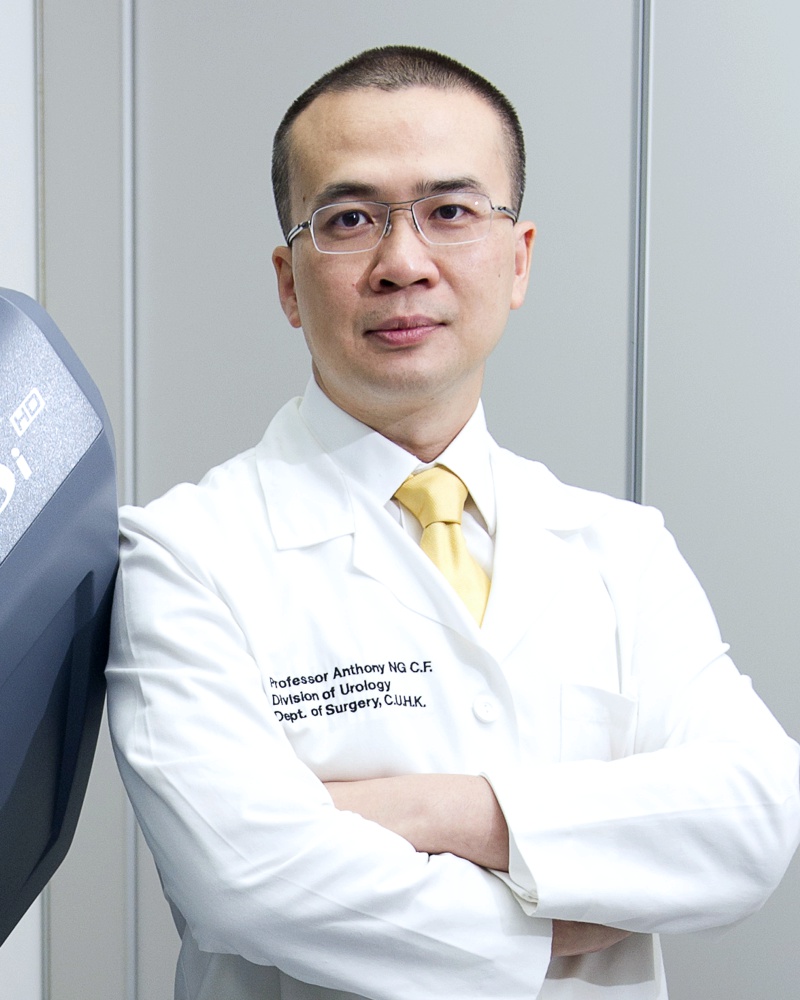 Ng Chi Fai (吳志輝)合作论文数Division of Urology, Department of Surgery, Faculty of Medicine, The Chinese University of Hong Kong4
 Yukio Naya合作论文数4
 Peter Ka-Fung Chiu合作论文数Prince of Wales Hospital, The Chinese University of Hong Kong4Hiroki Shibata合作论文数3Nobushige Takeshita合作论文数3Ayumi Fujimoto合作论文数3
 Chris Ho Ming Wong合作论文数3Takeuchi Nobuyoshi合作论文数3Yoshikatsu Kanai合作论文数3
 Andrea B Galosi合作论文数2
 Paolo Dell'Oglio合作论文数2Roser Vives Dilme合作论文数2Ken Wakai合作论文数2Carmine Franzese合作论文数2Masaaki Ito合作论文数2Keisuke Ando合作论文数2Yoshie Reien合作论文数2Kazuki Nishimura合作论文数2Dong-Ning Chen合作论文数2
 Rossella Nicoletti合作论文数2s kamada合作论文数Department of Urology, Yokohama Rosai Hospital2Giuseppe Chiacchio合作论文数2Erika Palagonia合作论文数2
 Takuya Tsujino合作论文数Department of Urology, Osaka Medical and Pharmaceutical University2
 Nobuyoshi Takeshita合作论文数Surgical Device Innovation Office, National Cancer Center Hospital East2Yuri Hirayama合作论文数Univ Yamanashi, Interdisciplinary Grad Sch Med, Dept Neuropharmacol, Kofu, Yamanashi, Japan2Hirofumi Hashimoto合作论文数2Mona Kafka合作论文数2Daichi Kitaguchi合作论文数2
 Nikhil Vasdev合作论文数School of Life and Medical Sciences, University of Hertfordshire2Lee Hsiang-Ying合作论文数2
 Shin Takenaka合作论文数2Komaru Atsushi合作论文数2
 Juan Gómez Rivas合作论文数Servicio de Urología, Hospital Clínico San Carlos;Complutense University of Madrid2




