Radio maps (RMs) serve as a critical foundation for enabling environment-aware wireless communication, as they provide the spatial distribution of wireless channel characteristics. Despite recent progress in RM construction using data-driven approaches, most existing methods focus solely on pathloss prediction in a fixed 2D plane, neglecting key parameters such as direction of arrival (DoA), time of arrival (ToA), and vertical spatial variations. Such a limitation is primarily due to the reliance on static learning paradigms, which hinder generalization beyond the training data distribution. To address these challenges, we propose UrbanRadio3D, a large-scale, high-resolution 3D RM dataset constructed via ray tracing in realistic urban environments. UrbanRadio3D is over 37x larger than previous datasets across a 3D space with 3 metrics as pathloss, DoA, and ToA, forming a novel 3Dx 3D dataset with 7x more height layers than prior state-of-the-art (SOTA) dataset. To benchmark 3D RM construction, a UNet with 3D convolutional operators is proposed. Moreover, we further introduce RadioDiff-3D, a diffusion-model-based generative framework utilizing the 3D convolutional architecture. RadioDiff-3D supports both radiation-aware scenarios with known transmitter locations and radiation-unaware settings based on sparse spatial observations. Extensive evaluations on UrbanRadio3D validate that RadioDiff-3D achieves superior performance in constructing rich, high-dimensional radio maps under diverse environmental dynamics. This work provides a foundational dataset and benchmark for future research in 3D environment-aware communication.
In this paper, we investigate secure and efficient computation offloading in mobile edge computing (MEC) systems. Particularly, computation tasks are dynamically partitioned into multiple sub-tasks for parallel processing on both local devices and edge servers to reduce service latency. In addition, the friendly jamming technique is applied to degrade the interception capabilities of eavesdroppers to protect data secrecy. Our objective is to maximize the number of tasks completed before their respective deadlines and, at the same time, to minimize energy consumption and service latency with security guarantee. To simultaneously handle heterogeneous offloading decisions, we propose an omni-deep deterministic policy gradient (Omni-DDPG) approach that integrates a variational autoencoder for discrete jammer selection, an Ornstein-Uhlenbeck process for continuous computing power allocation, and a Dirichlet distribution for constrained continuous task partitioning. The proposed approach has a low complexity growing linearly with the system size, maintains light memory usage, and enables real-time decisions without using complicated optimization solvers. Extensive simulation results demonstrate our proposed approach can achieve better performance in terms of the number of completed tasks before expiration, energy consumption, and service latency, while satisfying secrecy requirements, compared with the benchmarks such as DDPG, deep Q-network, and greedy algorithms.
The fully-decoupled radio access network (FD-RAN) with multiple base stations (BS) networked cooperation is expected to provide high-quality communication coverage for aerial vehicles while sensing their locations accurately and efficiently. In this paper, we propose a novel multiple BSs cooperative passive integrated sensing and communication (ISAC) framework in FD-RAN for low-altitude aerial vehicles. It utilizes the Doppler shift information from uplink orthogonal frequency division multiplexing (OFDM) signals to achieve efficient localization without incurring additional sensing overhead. Specifically, the carrier frequency offset (CFO) compensation process at each BS captures Doppler shift resulting from the relative motion between the aerial vehicle and the BS. Considering the position and velocity of the aerial vehicle as unknown variables, the localization is achieved by formulating and solving a system of equations describing these Doppler shifts. Furthermore, to enable accurate trajectory tracking, we design a learning-based adaptive double-filter (LADF) algorithm, which leverages temporal correlations in both Doppler shift measurements and vehicle trajectories to improve the time-continuous localization. Extensive simulation results demonstrate the effectiveness of our proposed ISAC framework in low-altitude FD-RAN, which can enhance the coverage performance and efficiently provide accurate localization for aerial vehicles.
In this paper, we propose a novel polarforming antenna (PA) to achieve cost-effective wireless sensing and communication. Specifically, the PA can enable polarforming to adaptively control the antenna’s polarization electrically as well as tune its position/rotation mechanically, so as to effectively exploit polarization and spatial diversity to reconfigure wireless channels for improving sensing and communication performance. To analyze the performance gain of PA, we study a PA-enhanced integrated sensing and communication (ISAC) system that utilizes user location sensing to facilitate communication between a PA-equipped base station (BS) and PA-equipped users, by focusing on a new practical channel setup where the locations of users are nearly time-invariant but their orientations may change frequently (e.g., mobile phones rotated by spectators seated in a stadium while taking live photos). First, we model the PA channel in terms of transceiver antenna polarforming vectors and antenna positions/rotations. We then propose a two-timescale ISAC protocol, where in the slow timescale, user localization is first performed, followed by the optimization of the BS antennas’ positions and rotations based on the sensed user locations; subsequently, in the fast timescale, transceiver polarforming is adapted to cater to the instantaneous orientation of user devices in three-dimensional (3D) space, with the optimized BS antennas’ positions and rotations. We propose a new polarforming-based user localization method that uses a structured time-domain pattern of pilot-polarforming vectors to extract the common stable components in the PA channel across different polarizations based on the parallel factor (PARAFAC) tensor model. Moreover, we maximize the achievable average sum-rate of users by jointly optimizing the fast-timescale transceiver polarforming, including phase shifts and amplitude variations, along with the slow-timescale antenna rotations and positions at the BS. Simulation results validate the effectiveness of polarforming-based localization algorithm and demonstrate the performance advantages of polarforming, antenna placement, and their joint design in comparison with various benchmarks without polarforming or antenna position/rotation adaptation.
This paper investigates an energy-efficient radio access network slicing problem in two-tier cellular network. Specifically, a dynamic slice switching scheme is proposed, in which slices on micro base stations are dynamically switched on/off based on stochastic network traffic. Taking slice energy consumption and spectral efficiency both into consideration, a joint slice configuration and resource allocation optimization problem is formulated to minimize the long-term slicing cost. To solve the problem, leveraging the timescale separation property of decision variables, we decouple the problem into a slice configuration subproblem in the long timescale and a resource allocation subproblem in the short timescale, and then propose a learning-based two-timescale algorithm to solve them. Specifically, the slice configuration subproblem is transformed into a Markov decision process and solved by a parameterized deep reinforcement learning algorithm, which can deal with the discrete-continuous hybrid action space issue. The resource allocation subproblem is solved by utilizing coalition game and convex optimization theory, which can obtain the optimal resource allocation decision. Extensive simulation results demonstrate that the proposed solution reduces the energy consumption by 26% on average and improves the spectral efficiency by 33% on average as compared with state-of-the-art benchmarks in high density network scenarios.
Semantic communication (SemCom) has emerged as a promising paradigm for next-generation networks. However, its typical end-to-end joint source–channel coding (JSCC) architecture also raises serious privacy concerns. To guide future secure SemCom design, it is important to understand how serious such leakage can be. Nevertheless, existing eavesdropping attacks mainly rely on fixed-configuration solvers and often require instantaneous wiretap channel state information (CSI) to achieve effective privacy inference. This may lead future secure SemCom designs to overlook potentially severe risks. To address this, we propose a large language model (LLM)-orchestrated agentic eavesdropper. Specifically, the proposed eavesdropper forms a closed-loop workflow with three functional agents. The optimization agent adaptively performs joint semantic-and-channel inversion to recover private information from the intercepted signal without requiring wiretap CSI. The perception agent evaluates the effectiveness of the optimization agent and assesses whether the recovered private semantics are reasonable, providing feedback to the optimization agent. The refinement agent further analyzes the recovered content and uses a generative prior to refine promising candidates into more realistic and complete private reconstructions while preserving consistency with the intercepted signal. Simulation results over a MIMO Rayleigh fading channel show that the proposed eavesdropper achieves more than 75% eavesdropping success rate at SNR≥ 5 dB even without wiretap CSI, highlighting a severe privacy threat that future secure SemCom systems must address.
Mobile Edge Computing (MEC) enables resource-constrained Internet of Things (IoT) devices to offload computation-intensive workloads to nearby edge servers, reducing latency and energy consumption. However, wireless offloading exposes transmitted data to eavesdropping, raising serious privacy concerns. Existing physical-layer security techniques either introduce additional overhead or fail to conceal semantic information. This paper proposes a diffusion-based semantic encoding framework for secure and efficient computation offloading in MEC systems. By applying a forward diffusion process, task inputs are transformed into approximately noise-like latent representations whose distribution is statistically close to a standard Gaussian distribution prior to transmission. Authorized edge servers equipped with learned reverse diffusion models can reliably recover task-relevant semantics, while intercepted representations reveal negligible information. We analyze the secrecy and robustness of diffusion-based encoding from an information-theoretic perspective and integrate the proposed encoder-decoder into a practical MEC offloading pipeline. Extensive experiments under realistic wireless conditions demonstrate that diffusion-based encoding significantly improves secrecy, reduces transmission overhead, and maintains high task performance. Compared with autoencoder and variational autoencoder baselines, the proposed approach offers substantially stronger resistance to reconstruction and inference attacks while preserving computational efficiency at the edge.
Mixture of Experts (MoE) has emerged as a promising paradigm for scaling model capacity while preserving computational efficiency, particularly in large-scale machine learning architectures such as large language models (LLMs). Recent advances in MoE have facilitated its adoption in wireless networks to address the increasing complexity and heterogeneity of modern communication systems. This paper presents a comprehensive survey of the MoE framework in wireless networks, highlighting its potential in optimizing resource efficiency, improving scalability, and enhancing adaptability across diverse network tasks. We first introduce the fundamental concepts of MoE, including various gating mechanisms and the integration with generative AI (GenAI) and reinforcement learning (RL). Subsequently, we discuss the extensive applications of MoE across critical wireless communication scenarios, such as vehicular networks, unmanned aerial vehicles (UAVs), satellite communications, heterogeneous networks, integrated sensing and communication (ISAC), and mobile edge networks. Furthermore, key applications in channel prediction, physical layer signal processing, radio resource management, network optimization, and security are thoroughly examined. Additionally, we present a detailed overview of open-source datasets that are widely used in MoE-based models to support diverse machine learning tasks. Finally, this survey identifies crucial future research directions for MoE, emphasizing the importance of advanced training techniques, resource-aware gating strategies, and deeper integration with emerging 6G technologies.
Edge-assisted Hierarchical Federated Learning (EHFL) accelerates global model training across mobile devices by hierarchically aggregating models. However, EHFL encounters critical challenges such as privacy risks for local and edge-level models, vulnerability to collusive Byzantine attacks, and issues with model diversity and heterogeneity due to Non-Independent and Identically Distributed (Non-IID) data. In this paper, we propose PPBR, a novel hybrid scheme that subtly integrates Condensed Local Differential Privacy (CLDP) and Packed Linearly Homomorphic Encryption (PLHE) to achieve strong privacy protection and resilience against various Byzantine attacks in Non-IID data scenarios. Specifically, PPBR clusters the sign statistics of local models and clips the norms of edge-level momenta to filter anomalous models and mitigate Byzantine faults while retaining diverse models coming from Non-IID data. To enhance privacy protection with acceptable accuracy loss, the sign tuples of local models are perturbed with CLDP guarantees, and the momenta of edge-level models are encrypted under PLHE. Meanwhile, PPBR enhances privacy in single-edge-server and single-cloud-server aggregations by using random perturbations, secret sharing, and PLHE. In addition to safeguarding privacy with accommodating abrupt dropouts of mobile devices and edge servers, the aggregations effectively mitigate the adverse effects of Non-IID data under advanced Byzantine attacks. Theoretical analysis and comprehensive experiments validate PPBR's strong privacy guarantees and resilience to various Byzantine attacks under Non-IID data.
In this paper, we propose a distributed flexible coupler antenna (FCA) array to enhance communication performance with low hardware cost. At each FCA, there is one fixed-position active antenna and multiple passive couplers that can move within a designated region around the active antenna. Moreover, each FCA is equipped with a local processing unit (LPU). All LPUs exchange signals with a central processing unit (CPU) for joint signal processing. We study an FCA-aided multiuser multiple-input multiple-output (MIMO) system, where an FCA array base station (BS) is deployed to enhance the downlink communication between the BS and multiple single-antenna users. We formulate optimization problems to maximize the achievable sum rate of users by jointly optimizing the coupler positions and digital beamforming, subject to movement constraints on the coupler positions and the transmit power constraint. To address the resulting nonconvex optimization problem, the digital beamforming is expressed as a function of the FCA position vectors, which are then optimized using the proposed distributed coupler position optimization algorithm. Considering a structured time domain pattern of pilots and coupler positions, pilot-assisted centralized and distributed channel estimation algorithms are designed under the FCA array architecture. Simulation results demonstrate that the distributed FCA array achieves substantial rate gains over conventional benchmarks in multiuser systems without moving active antennas, and approaches the performance of fully active arrays while significantly reducing hardware cost and power consumption. Moreover, the proposed channel estimation algorithms outperform the benchmark schemes in terms of both pilot overhead and channel reconstruction accuracy.
Hyperparameter optimization (HPO) is crucial for federated learning (FL) performance. Given the inherent data heterogeneity across clients, recent research has focused on providing personalized hyperparameters for individual clients. However, such personalized approaches introduce exponential search complexity as the number of clients increases, significantly reducing the efficiency of existing HPO methods. To address this challenge, we propose pFedDHPO, a novel personalized HPO framework that efficiently optimizes hyperparameters in a differentiable manner. Specifically, pFedDHPO formulates personalized HPO as an optimization problem targeting joint distribution parameters within the clients’ search space and leverages gradient information from differentiable validation loss to substantially enhance the efficiency of the HPO process. Experimental results demonstrate that pFedDHPO achieves state-of-the-art performance compared to baseline methods, improving accuracy by up to 18.35% under extreme Non-IID data distributions. Additionally, the framework reduces communication overhead by 41.2% compared to conventional HPO methods, making it highly scalable for resource-constrained FL deployments.
With the significant advance of wireless communication technology, more networked control systems are looped via wireless networks. However, the dynamics and uncertainties of wireless channels as well as the limitation of radio resources make it challenging to close all loops at each control step. As the open-loop control will lead to performance deterioration, it is essential to jointly optimize the uplink and downlink transmissions for the full-loop control. In this paper, we analyze the impact of transmission delay in uplink and downlink on the full-loop control performance. We then propose a novel multicast transmission scheme for the latency-critical full-loop control. Accordingly, the uplink-downlink transmission and the full-loop control are jointly considered to minimize the control and communication cost. To effectively solve this mixed integer non-linear programming problem, the original problem is decomposed into the uplink transmission problem and the downlink transmission problem. Alternate resource optimization algorithm and multicast resource allocation algorithm are designed. Simulation results show that the proposed scheme has advantage on reducing both the communication and control cost.
Split learning (SL) is a distributed learning paradigm that can enable computation-intensive artificial intelligence (AI) applications by partitioning AI models between mobile devices and edge servers. However, the model partitioning problem in SL becomes challenging due to the diverse and complex architectures of AI models. In this paper, we formulate an optimal model partitioning problem to minimize training delay in SL. To solve the problem, we represent an arbitrary AI model as a directed acyclic graph (DAG), where the model's layers and inter-layer connections are mapped to vertices and edges, and training delays are captured as edge weights. Then, we propose a general model partitioning algorithm by transforming the problem into a minimum s-t cut problem on the DAG. Theoretical analysis shows that the two problems are equivalent, such that the optimal model partition can be obtained via a maximum-flow method. Furthermore, taking AI models with block structures into consideration, we design a low-complexity block-wise model partitioning algorithm to determine the optimal model partition. Specifically, the algorithm simplifies the DAG by abstracting each block (i.e., a repeating component comprising multiple layers in an AI model) into a single vertex. Extensive experimental results on a hardware testbed equipped with NVIDIA Jetson devices demonstrate that the proposed solution can reduce algorithm running time by up to 13.0× and training delay by up to 38.95%, compared to state-of-the-art baselines.
As Cellular Vehicle-to-Everything (C-V2X) evolves towards future sixth-generation (6G) networks, Connected Autonomous Vehicles (CAVs) are emerging to become a key application. Leveraging data-driven Machine Learning (ML), especially Deep Reinforcement Learning (DRL), is expected to significantly enhance CAV decision-making in both vehicle control and V2X communication under uncertainty. These two decision-making processes are closely intertwined, with the value of information (VoI) acting as a crucial bridge between them. In this paper, we introduce Sequential Stochastic Decision Process (SSDP) models to define and assess VoI, demonstrating their application in optimizing communication systems for CAVs. Specifically, we formally define the SSDP model and demonstrate that the MDP model is a special case of it. The SSDP model offers a key advantage by explicitly representing the set of information that can enhance decision-making when available. Furthermore, as current research on VoI remains fragmented, we propose a systematic VoI modeling framework grounded in the MDP, Reinforcement Learning (RL) and Optimal Control theories. We define different categories of VoI and discuss their corresponding estimation methods. Finally, we present a structured approach to leverage the various VoI metrics for optimizing the “When", “What", and “How" to communicate problems. For this purpose, SSDP models are formulated with VoI-associated reward functions derived from VoI-based optimization objectives. While we use a simple vehicle-following control problem to illustrate the proposed methodology, it holds significant potential to facilitate the joint optimization of stochastic, sequential control and communication decisions in a wide range of networked control systems.
Foundation model (FM) powered agent services are regarded as a promising solution to develop intelligent and personalized applications for advancing toward Artificial General Intelligence (AGI). To achieve high reliability and scalability in deploying these agent services, it is essential to collaboratively optimize computational and communication resources, thereby ensuring effective resource allocation and seamless service delivery. In pursuit of this vision, this paper proposes a unified framework aimed at providing a comprehensive survey on deploying FM-based agent services across heterogeneous devices, with the emphasis on the integration of model and resource optimization to establish a robust infrastructure for these services. Particularly, this paper begins with exploring various low-level optimization strategies during inference and studies approaches that enhance system scalability, such as parallelism techniques and resource scaling methods. The paper then discusses several prominent FMs and investigates research efforts focused on inference acceleration, including techniques such as model compression and token reduction. Moreover, the paper also investigates critical components for constructing agent services and highlights notable intelligent applications. Finally, the paper presents potential research directions for developing real-time agent services with high Quality of Service (QoS).
Six-dimensional movable antenna (6DMA) is a new and revolutionary technique that fully exploits the wireless channel spatial variations at the transmitter/receiver by flexibly adjusting the three-dimensional (3D) positions and/or 3D rotations of antennas/antenna surfaces (sub-arrays), thereby improving the performance of wireless networks cost-effectively without the need to deploy additional antennas. It is thus expected that the integration of new 6DMAs into future sixth-generation (6G) wireless networks will fundamentally enhance antenna agility and adaptability, and introduce new degrees of freedom (DoFs) for system design. Despite its great potential, 6DMA faces new challenges to be efficiently implemented in wireless networks, including corresponding architectures, antenna position and rotation optimization, channel estimation, and system design from both communication and sensing perspectives. In this paper, we provide a tutorial on 6DMA-enhanced wireless networks to address the above issues by unveiling associated new channel models, hardware implementations and practical position/rotation constraints, as well as various appealing applications in wireless networks. Moreover, we discuss two special cases of 6DMA, namely, rotatable 6DMA with fixed antenna position and positionable 6DMA with fixed antenna rotation, and highlight their respective design challenges and applications. We further present prototypes developed for 6DMA-enhanced communication along with experimental results obtained with these prototypes. Finally, we outline promising directions for further investigation.
Achieving precise and reliable positioning in complex and dynamic environments is very challenging due to multipath propagation, environmental changes, and system limitations. This article explores the role of digital twin (DT) in wireless positioning and provides comprehensive study on the prospects of DT in enhancing positioning performance with respect to accuracy, coverage, latency, and reliability. Particularly, a general architecture for DT-empowered wireless positioning is proposed. The powerful simulation and prediction capabilities of DT are leveraged for fine-grained multi-path feature extraction, dynamic model update, seamless-transition, and system optimization. A case study based on fingerprinting positioning is presented to demonstrate the enhancement due to DT in feature extraction and model update. Some open research issues in DT-empowered wireless positioning are also discussed.
This paper proposes a transmission time interval (TTI)-level video surveillance scheme to support aerial surveillance services in low-altitude wireless networks (LAWNs) with multiple uncrewed aerial vehicles (UAVs). Specifically, a base station (BS) and multiple UAVs perform radio resource management (i.e., MCS selection and RB allocation) and video bitrate adaptation over multiple TTIs. Specifically, a dynamic priority weight is designed to balance RB allocation among UAVs in each TTI, followed by video bitrate adaptation at each UAV, thereby improving overall video quality. Furthermore, we formulate a long-term video quality maximization problem via jointly optimizing RB allocation, MCS selection, and bitrate adaptation. Due to the coupled decision variables and non-convex objective function, we design a learning-based two-layer scheduling algorithm to solve the problem. In the outer layer, a deep reinforcement learning algorithm is adopted to determine the appropriate priority weight in each TTI. In the inner layer, given the determined priority weight, the RB allocation, MCS selection, and bitrate adaptation can be derived in the closed form in each TTI, thereby enabling low-complexity scheduling. Extensive simulation results demonstrate that the proposed algorithm can averagely improve overall video quality by up to 12.02% as compared to commercial off-the-shelf 5G schedulers.
The rapid proliferation of the Internet of Things (IoT) has intensified the need for strong authentication mechanisms to ensure the integrity and reliability of connected devices. Recent advancements in Deep Learning (DL)-based Specific Emitter Identification (SEI) have demonstrated significant potential in leveraging unique Radio Frequency Fingerprints (RFF) for accurate device identification and authentication. However, the efficacy of these DL-based SEI methods is critically dependent on the availability of extensive labeled datasets, which are often scarce and expensive to obtain in practical applications. To address this limitation, Self-Supervised Learning (SSL) becomes a promising solution, capable of harnessing unlabeled data to learn effective representations. Furthermore, current surveys and reviews on SEI are generally summarized from a high-level perspective, lacking a detailed discussion of SEI methods under label-limited scenarios. This article comprehensively surveys SSL-based SEI, including its motivation, definition, paradigms, related work, challenges, and future direction combined with large models. To help readers quickly engage with this field, this paper also undertakes two specific efforts: collecting and organizing currently available open-source datasets with download links and comparing various SSL-based SEI methods with related codes.
The Low-Altitude Economy Networking (LAENet) is emerging as a transformative paradigm that enables an integrated and sophisticated communication infrastructure to support aerial vehicles in carrying out a wide range of economic activities within low-altitude airspace. However, the physical layer communications in the LAENet face growing security threats due to inherent characteristics of aerial communication environments, such as signal broadcast nature and channel openness. These challenges highlight the urgent need for safeguarding communication confidentiality, availability, and integrity. In view of the above, this survey comprehensively reviews existing secure countermeasures for physical layer communication in the LAENet. We explore core methods focusing on anti-eavesdropping and authentication for ensuring communication confidentiality. Subsequently, availability-enhancing techniques are thoroughly discussed for anti-jamming and spoofing defense. Then, we review approaches for safeguarding integrity through anomaly detection and injection protection. Furthermore, we discuss future research directions, emphasizing energy-efficient physical layer security, multi-drone collaboration for secure communication, AI-driven security defense strategy, space-air-ground integrated security architecture, and 6G-enabled secure UAV communication. This survey may provide valuable references and new insights for researchers in the field of secure physical layer communication for the LAENet.
 Jon Mark (麥偉棠)合作论文数Department of Electrical and Computer Engineering, University of Waterloo;Centre for Wireless Communications, University of Waterloo199
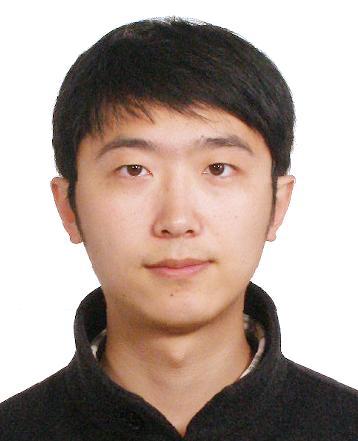 Nan Cheng (承楠)合作论文数State Key Lab. of ISN, School of Telecommunications Engineering, Xidian University185
 Haibo Zhou (周海波)合作论文数School of Electronic Science and Engineering, Nanjing University147
 Xiaodong Lin合作论文数School of Computer Science, College of Engineering and Physical Sciences, University of Guelph145
 Rongxing Lu合作论文数Privacy Enhancing Technologies Lab, School of Computing, Queen's University141
 Ning Zhang合作论文数Department of Electrical and Computer Engineering, Faculty of Engineering, University of Windsor139
 Weihua Zhuang合作论文数Department of Electrical and Computer Engineering, Faculty of Engineering, University of Waterloo119
 Lin Cai合作论文数Communication Networks Lab, Department of Electrical & Computer Engineering, University of Victoria113
 Feng Lyu (吕丰)合作论文数School of Computer Science and Engineering, Central South University75
 Dusit (Tao) Niyato合作论文数College of Computing and Data Science, Nanyang Technological University;School of Physical and Mathematical Sciences, Nanyang Technological University;School of Computer Science and Engineering, Nanyang Technological University71
 Xiaohui Liang合作论文数Mobile Computing and Privacy Lab, Department of Computer Science, College of Science and Mathematics, University of Massachusetts71
 Kuan Zhang合作论文数Department of Electrical and Computer Engineering, College of Engineering, University of Nebraska–Lincoln69
 Jianbing Ni合作论文数Department of Electrical and Computer Engineering, Stephen J. R. Smith Faculty of Engineering and Applied Science, Queen’s University;Ingenuity Labs Research Institute, Queen’s University67
 Huaqing Wu合作论文数Department of Electrical and Software Engineering, Schulich School of Engineering, University of Calgary65
 Conghao Zhou (周淙浩)合作论文数School of Telecommunications Engineering, Xidian University62
 Haojin Zhu (朱浩瑾)合作论文数Shanghai Jiao Tong University Global College;School of Computer Science, Shanghai Jiao Tong University56
 Ju Ren (任炬)合作论文数Department of Computer Science and Technology, Tsinghua University54
 Cheng Huang (黄橙)合作论文数School of Computer Science, Fudan University52
 Pin-Han Ho合作论文数Department of Electrical and Computer Engineering, University of Waterloo51
 Shan Zhang (张珊)合作论文数School of Cyber Science and Technology, Beihang University48
 Peng Yang (杨鹏)合作论文数Department of Computer Science and Engineering, College of Engineering, Southern University of Science and Technology;Department of Statistics and Data Science, Southern University of Science and Technology47
 Mushu Li合作论文数Department of Electrical and Computer Engineering, Ryerson University, Toronto, ON, Canada46
 Wen Wu (吴文)合作论文数School of Electronic and Optical Engineering, Nanjing University of Science and Technology45
 Qiang Ye合作论文数Univ Prince Edward Isl, Dept Comp Sci & Informat Technol, Charlottetown, PE C1A 4P3, Canada43
 Chuang Lin (林闯)合作论文数Department of Computer Science and Technology, Tsinghua University43
 Xu Li合作论文数Huawei Technologies42
 Yuan Wu (吳遠)合作论文数State Key Lab of Internet of Things for Smart City, Department of Computer and Information Science, Faculty of Science and Technology, University of Macau42
 Weisen Shi合作论文数Huawei Canada41
 Dongxiao Liu合作论文数41
 Jiawen Kang (康嘉文)合作论文数School of Automation, Guangdong University of Technology41
 Yaoxue Zhang (张尧学)合作论文数Central South University41
 Jiming Chen (陈积明)合作论文数Zhejiang University of Technology41
 Wenchao Xu合作论文数Hong Kong Polytech Univ, Dept Comp, Hong Kong, Peoples R China39
 Jun Cai合作论文数Network Intelligence and Innovation Lab, Department of Electrical and Computer Engineering, Concordia University39
 Zehui Xiong合作论文数School of Electronics, Electrical Engineering and Computer Science, Queen's University Belfast37
 Miao Wang合作论文数Department of Electrical and Computer Engineering, The William States Lee College of Engineering, University of North Carolina at Charlotte36
 Ning Lu (路宁)合作论文数Department of Electrical and Computer Engineering, Queen’s University35
 Jianping Pan合作论文数Department of Computer Science, Faculty of Engineering and Computer Science, University of Victoria34
 Tom H. Luan (栾浩)合作论文数School of Cyber Science and Engineering, Xi'an Jiaotong University33
 Yixin Jiang (蒋屹新)合作论文数33
 Hongyang Du (杜泓阳)合作论文数Department of Electrical and Electronic Engineering, The University of Hong Kong32
 Junling Li (李俊伶)合作论文数School of Information Science and Engineering, Southeast University30
 Hongwei Li (李洪伟)合作论文数School of Computer Science & Engineering, University of Electronic Science & Technology of China30
 Minghui Shi合作论文数30
 Zoran Gajic合作论文数rutgers university29
 Haixia Peng (彭海霞)合作论文数School of Information and Communications Engineering, Xi'an Jiaotong University28
 Mohamed Mahmoud合作论文数Department of Electrical and Computer Engineering, College of Engineering, Tennessee Technological University28
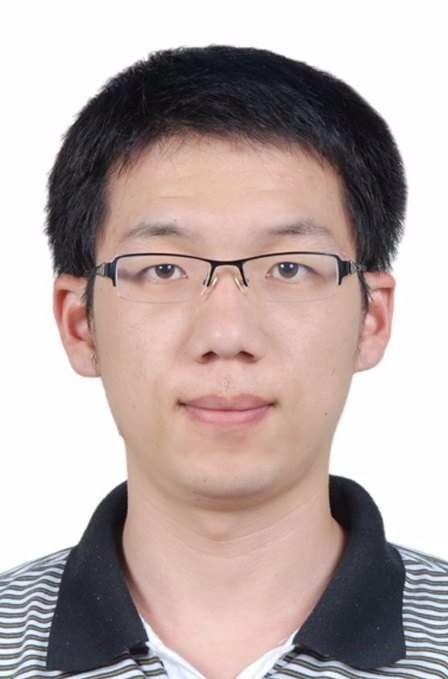 Wei Quan (权伟)合作论文数School of Electronic and Information Engineering, Beijing Jiaotong University27
 Li Ping (Mani) Qian (钱丽萍)合作论文数College of Information Engineering, Zhejiang University of Technology27