The sound scattering layer (SSL) plays an important role in maintaining the structure and functioning of marine ecosystems. The spatiotemporal distribution of the SSL largely reflects the distribution of pelagic communities within the water column. Although acoustic data are widely used to investigate the distribution of communities within SSLs, a systematic framework for analyzing underlying environmental mechanisms remains limited. To address this, this study developed a model using SSL descriptors. SSL descriptors provide a new perspective for investigating community distributions in large marine ecosystems by capturing spatiotemporal variability in the structure and functioning of pelagic communities. We characterized the SSL using a suite of SSL descriptors. Descriptors indicative of community biomass then were used to fit generalized additive models. We applied this approach to an acoustic dataset collected in the Northwest Pacific Ocean during 2022-2024 to assess pelagic community distribution patterns and the key environmental drivers. This SSL descriptor-based modeling framework provides an innovative and robust approach for analyzing relationships between marine environmental variables and pelagic community distributions. Our results indicated that SSL descriptors are effective for monitoring and analyzing large-scale aggregations of pelagic communities. They support standardized monitoring of pelagic ecosystems and have high practical value in regions where species identification is difficult due to a lack of net sampling. This study provides a reference for further applications of SSL descriptors.
A 60-day feeding trial was conducted to evaluate the effects of partial replacement of fish meal by fermented cottonseed meal (FCSM) and to preliminarily assess whether dietary lysine supplementation could provide additional physiological benefits under this replacement condition in Litopenaeus vannamei (Pacific white shrimp) (initial body weight 2.55 ± 0.02 g). A total of eight isonitrogenous and isoenergetic experimental diets were formulated, including five diets containing graded levels of FCSM (0, 7.5%, 15%, 22.5%, and 30%) as partial substitutes for fish meal, and three lysine-supplemented diets containing 0.25%, 0.50%, and 0.75% crystalline lysine based on the diet with 7.5% FCSM. Growth performance tended to decrease with increasing FCSM inclusion, and the FCSM7.5 group showed the most favorable overall performance. Supplemental crystalline lysine did not further improve growth performance under this condition. Partial replacement of fish meal by FCSM altered the expression of hepatopancreatic apoptosis-related genes (CYC, Caspase-3, and AIF), suggesting potential activation of apoptosis-related signaling under certain replacement levels. Under the present experimental conditions, inclusion of 7.5% FCSM did not cause marked adverse effects on hepatopancreas health, although some antioxidant-related indices suggested altered physiological stress responses. Notably, crystalline lysine supplementation under the FCSM7.5 condition was associated with improved antioxidant-related responses and reduced histological signs of hepatopancreatic damage. These findings should be considered preliminary, because lysine supplementation was evaluated only under the FCSM7.5 dietary background and dietary amino acid profiles were not determined.
The sound scattering layer (SSL) is a widespread acoustic characteristic in the global ocean, primarily formed by densely distributed zooplankton and small pelagic fish. As an important component of the marine ecosystem, the SSL plays a crucial role in vertical energy transfer, carbon flux, and food web interactions. Diel vertical migration (DVM) is the primary behavioral characteristic of the SSL, driven by a combination of environmental and biological factors, including illumination, water temperature, dissolved oxygen concentrations, food availability, and predation pressure. However, due to limitations in long-term observation capacity, the accumulation of acoustic data, and differences in regional research priorities, the depth of understanding of SSLs varies among different marine regions. This review systematically examines the composition, classification, and DVM characteristics of SSLs, with a particular focus on their research status in the Pacific Ocean, the Atlantic Ocean, the Indian Ocean, the polar seas, and the coastal ocean of China. The knowledge of survey status, biological composition, distribution patterns, and DVM behaviors in these regions provides a scientific foundation for advancing the understanding of SSL dynamics. It also supports the sustainable development and management of fishery resources under climate and marine environmental change.
The Chinese sturgeon (Acipenser sinensis), a flagship species for aquatic biodiversity conservation in the Yangtze River, is currently classified as Critically Endangered due to habitat degradation and anthropogenic activities. While sonar imaging overcomes the turbidity limitations of optical methods, it faces challenges arising from complex environmental noise and the need for lightweight algorithms suitable for resource-constrained embedded devices. To address these issues, this paper introduces GAI-YOLOv8, a precision-oriented detection model. This model incorporates three key innovations: (1) the C2f-GhostDynamicConv module, which integrates lightweight Ghost architectures with dynamic convolution to adaptively enhance feature extraction while reducing parameters; (2) an ASF-P2 neck architecture that adds a high-resolution detection layer to capture finegrained details crucial for small targets; and (3) the Inner-CIoU loss function to optimize bounding box regression and improve generalization. Evaluated on a custom dataset of 1079 sonar images, GAI-YOLOv8 achieves 80.8% precision, 80.8% recall, 84.9% mAP@0.5, and 40.7% mAP@0.5:0.95, outperforming baseline YOLOv8n by 4.5%, 8.0%, 5.0%, and 3.3%, respectively. With only 1.9 M parameters, the model achieves an exceptional balance between accuracy and efficiency, surpassing other YOLO variants and high-accuracy target detect models in efficiency and accuracy trade-offs. This work advances real-time, resource-efficient underwater monitoring, offering a robust tool for ecological conservation. Future efforts will focus on hardware deployment and further architectural optimization.
As the most productive fish species in marine aquaculture in China, large yellow croaker (Larimichthys crocea) farming faces dual challenges: the frequent outbreak of diseases and increasing environmental pressures. While high-dose antibiotic treatments may offer short-term disease control, they contribute significantly to the development of drug resistance. Consequently, the development of eco-friendly and safe immune enhancers, along with the implementation of nutritional intervention strategies, has become a focal point of current research. This study investigated the combined effects of dietary supplementation with glutamine dipeptide (GLN), plant essential oil (PEO), and Astragalus polysaccharide (APS) on growth performance, antioxidant capacity, immune function, and gut microbiota of L. crocea. A 60-day feeding trial was conducted in sea cages with four dietary groups: control (basal diet), GLN (2 %), GLN+PEO (2 % GLN + 0.55 % PEO), and PEO+APS (0.55 % PEO + 0.1 % APS). Results indicated that GLN+PEO significantly improved the survival rate and enhanced liver antioxidant enzyme activities (CAT, GSH-PX, T-AOC) (P < 0.05). PEO+APS showed the strongest systemic antioxidant effect, reducing lipid peroxidation in serum and intestine while elevating lysozyme activity (P < 0.05). GLN alone protected against hepatic oxidative damage but had limited growth-promoting effects. Gut microbiota analysis revealed distinct restructuring, with PEO+APS maintaining higher microbial diversity and enriching beneficial genera (Faecalibacterium, Bifidobacterium), while GLN+PEO reduced microbial richness. These findings demonstrate that combinatorial additives (especially PEO+APS combination) offer superior benefits for enhancing health and stress resistance in intensive aquaculture, providing a sustainable alternative to antibiotics.
The Pacific saury (Cololabis saira) in the Northwest Pacific Ocean holds significant economic value. Understanding the relationship between its distribution and habitat is crucial for ecosystem-based fishery management. Acoustic data from fishing vessels provide a new option for describing the relative abundance of Pacific saury. We transformed opportunity acoustic data collected from Pacific saury fishing vessel during the summer fishing season of 2021 into an acoustic index that is suitable for habitat modeling. The acoustic index was used to develop a habitat suitability index (HSI) model. Meanwhile, generalized additive models were applied to select environmental variables for modeling, and boosting regression tree-weighted analyses were employed to determine the weights of these variables. Instead of traditional fishing effort or catch per unit effort (CPUE) based HSI models, this acoustic index-based model offered an innovative approach with immutable evidence for establishing the relationship between sea surface temperature (SST, °C), sea surface temperature gradient (SSTG, °C/°), sea surface height (SSH, m), and chlorophyll a concentration (Chl, mg/m3) with suitable habitats. The validity of the acoustic index in HSI modeling was tested with the catch data. This study showed that SSH had the most important impact on acoustical relative abundance, followed by SST, Chl and SSTG. The suitability index model determined the optimal habitat ranges for the four environmental variables. Cross-validation results indicated that the HSI model developed using the arithmetic mean method can better predict the distribution of suitable habitats than the geometric mean method. The HSI results matched the catch distribution well. This study contributes to further exploration of the marine variables' impact on suitable fish habitats based on acoustic indices and provides scientific references for ecosystem-based fishery management.
This study aimed to investigate the effects of fermented soybean meal (FSBM) replacing fish meal (FM) and soybean meal (SBM) on intestinal flora and liver metabolism molecular mechanism in Japanese eel black fry (Anguilla japonica), exploring the mechanism on growth and health. Five experimental diets were prepared: the control diet (S5) contained 60 % FM and 5 % SBM, while the experimental diets substituted 11.7 % and 23.3 % of FM in S5 with low concentration of 10 % (S5 +F10) and high concentration of 20 % (S5 +F20) FSBM, respectively. Additionally, 4.5 % of FSBM replaced 100 % of SBM in both S5 +F10 and S5 +F20, treated as two additional experimental diets (F10 and F20). Fish with an initial average body weight of 0.405 +/- 0.003 g were fed with above diets for 76 days. The results regarding intestinal flora showed that 10 % FSBM could promote the alpha diversity and community richness of intestinal microflora than control group; In the diets with about 10 % FSBM, 5 % SBM could improve the alpha diversity of intestinal flora than deficiency SBM. A little of FSBM and SBM could positively influenced the community composition of intestinal flora and reduce the abundance of pathogenic bacteria. The combined analysis of liver metabonomic and transcriptomic showed that FSBM significantly changed transcription of the genes which involved citric acid cycle and glyoxylate and dicarboxylate metabolism, and thus altering the level of key metabolites and improving liver metabolic efficiency. At low FSBM concentration, the absence of SBM did indeed cause transcriptional changes in the genes related to purine metabolism, arginine and proline metabolism, including downregulation of genes regulating enzymes rpoA and ADA, upregulation of proA and proB gene expression, upregulating of key metabolites adenine and putrescine. At high FSBM concentration, regardless of the presence of SBM, various mRNA and enzymes exhibited alterations. In conjunction with the previously obtained results on growth and physiology, present findings indicated that incorporating FSBM and SBM into the feed can alter the diversity and richness of microflora, while improving metabolic efficiency of malate and other metabolites, and can ultimately be beneficial to the growth performance, antioxidant capacity, and liver function of A. japonica.
The application of rapeseed meal (RM) in aquatic animals is commonly limited by excessive anti-nutritional factors. Isothiocyanate (ITC) is a metabolite of the anti-nutritional factor glucosinolate, and its effect on shrimp growth and health is unclear. This study aimed to investigate the effects of dietary RM, fermented rapeseed meal (FRM) and ITC on the growth performance, serum antioxidant indices, thyroid hormone concentration and hepatopancreas morphology of Litopenaeus vannamei, and to explore the mechanism of action of ITC. Eleven diets were formulated: a control (fishmeal-based), four RM groups (5 %, 10 %, 15 %, 20 %), four FRM groups (5 %, 10 %, 15 %, 20 %), and two semi-purified diets supplemented with ITC at 51.7 mg/kg and 103.4 mg/kg, matching the ITC levels in 10 %RM and 20 %RM, respectively. A total of 1320 shrimp (3.0 ± 0.3 g) were randomly assigned to 11 groups (3 replicates/group, 40 shrimp each) and subjected to an 8-week aquaculture trial. Results showed that 15 % RM had no negative effects on L. vannamei. The use of less than 20 % RM did not affect the immunity level of shrimps, improved nitrogen utilization, serum antioxidant capacity, facilitated moulting and reduced protein utilization. 5 % FRM significantly improved antioxidant capacity and hepatopancreas health. Increased serum complements C3, C4 concentrations and down-regulation of anti-inflammatory factors such as the intestinal genes MyD88, TRAF6 and TGF-β1 in shrimps indicated that FRM increased the level of immunity in L. vannamei. However, 20 % FRM caused growth inhibition and oxidative damage. The addition of ITC below 103.4 mg/kg to the feed was beneficial to the growth of L. vannamei. The ITC groups improved the antioxidant capacity and non-specific immunity of the shrimp. Additionally, gene expression results and morphological indicators of the hepatopancreas indicated that the addition of ITC reduced the risk of oxidative damage to the hepatopancreas and enhanced immunity. It is presumed that ITC ≤103.4 mg/kg is not a key limiting factor for the application of RM to the feed of L. vannamei within 8-week feeding.
This study evaluated the effects of rapeseed meal (RM) and condensed tannin (CT) on the growth and nutritional metabolism of largemouth bass (Micropterus salmoides), and speculated whether there was interaction between anti-nutritional factors in RM. Eight diets were formulated for 55-day feeding trial, six of which were practical diet groups, including control group (CG), five RM inclusive groups with graded RM levels of 5% (RM5), 10% (RM10), 15% (RM15), 20% (RM20) and 25% (RM25) partially replacing fishmeal, and the other two were semi-purified diets with 0.062% CT (CT5) ≈ the CT content in the RM5 and 0.31% CT (CT25) ≈ the CT content in the RM25. The results of the experiments on replacing fishmeal with RM demonstrated that with the increase of RM substitution level, the weight gain rate (WGR), survival rate (SR) and specific growth rate (SGR) of largemouth bass showed a downward trend. High levels of RM led to the inhibition of digestive enzyme activity in largemouth bass, as well as the manifestation of abnormal markers related to protein, fat, and carbohydrate metabolism in both plasma and liver. RM reduced muscle protein and fat content, although the effect was not statistically significant at 5% RM level. The results of CT concentration experiments showed that the addition of 0.31% CT significantly reduced WGR, SGR, SR, protein efficiency ratio (PER) and gastrointestinal digestive enzyme activity, and significantly increased the feed coefficient ratio (FCR), plasma ammonia (PA), plasma glucose (PG), and hepatic glycogen (HG) and liver triglyceride (TG). The addition of 0.062% CT significantly reduced PG and HG. Supplementation of CT significantly reduced muscle fat. Among the groups of CT supplementation and RM, CT5 exhibited superior WGR, PER and FCR compared to RM5, along with enhanced intestinal trypsin, amylase activity, liver glutamic pyruvic transaminase (GPT) activity and decreased content of HG and liver TG; CT25 exhibited decreased activities of gastric lipase (LPS), enteric trypsin and pepsin, and increased content of total cholesterol (T-CHO) and glucose in plasma in compariosn to RM25, accompanied with no significant change in growth performance. Therefore, largemouth bass exhibited tolerance to a 5% inclusion of RM in the feed without compromising their growth, digestion and metabolic functions. The incorporation of 5% RM, equivalent to a supplemental 0.062% CT, had regulatory effects on the digestion and metabolism of largemouth bass while improving feed utilization. There was an interaction among anti-nutritional factors in RM, with synergistic effect being evident at low RM levels, whereas antagonism more promient at high levels of RM.
Fish meal (FM) replacement is essential for sustainable aquaculture development. This study investigated the effects of FM replacement with poultry by-product meal (PBM) on growth performance, hepatic and intestinal health and ammonia nitrogen stress resistance in mandarin fish (Siniperca chuatsi). A 52-day feeding trial was conducted using PBM to replace fish meal at levels of 0%, 17.5%, 35.0%, 52.5% and 70.0%. The results showed that FM replacement with PBM did not influence growth performance in mandarin fish. Moderate PBM replacement (≤35.0%) did not harm liver health and enhanced the intestinal structure. However, excessive replacement (≥52.5%) caused hepatocyte damage, reduced antioxidant capacity and decreased survival under ammonia nitrogen stress. Notably, 70% PBM replacement led to severe hepatic lipid accumulation, inhibiting fatty acid β-oxidation and triglyceride hydrolysis pathways. Furthermore, high PBM levels (≥52.5%) also reduced intestinal muscularis thickness, downregulated tight junction proteins and induced inflammation. In conclusion, while PBM replacement does not hinder growth, maintaining levels below 35.0% (PBM ≤ 28.5%) is essential for preserving hepatic lipid metabolism, intestinal health and antioxidant defense in mandarin fish.
Feeding Chinese mitten crabs with fresh-frozen fish causes nutritional imbalance and increases disease risk. Compound feed offers better nutrient balance but still requires improvements in palatability and growth performance. This study evaluated the effects of replacing fresh-frozen fish with glutamine dipeptide-supplemented formulated diet on growth, hepatopancreas health, and edible quality, aiming to inform feed formulation strategies. A five-month feeding trial (June-October) was conducted with two treatments: the experimental group received only glutamine dipeptide compound feed, while the control group was fed a mix of fresh-frozen fish and compound feed. Crabs in the experimental group showed significantly higher body weight, length, and width. No significant differences were found in the hepatopancreatic index, gonadosomatic index, meat yield, or total edible yield. In October, the experimental group showed lower malondialdehyde (MDA) levels in the hepatopancreas and higher alkaline phosphatase (AKP) and acid phosphatase (ACP) activities in males. In females, hemolymph AKP and ACP were higher in the control, while glutamic pyruvic transaminase (GPT) was higher in the experimental group. Whether this is related to a potential risk of liver damage or a reaction at a special stage remains to be further verified. Digestive enzyme activities (protease, lipase, amylase) were generally higher in the experimental group, particularly in August (p < 0.05). In October, protease activity in females and lipase activity in males were significantly higher than in controls (p < 0.05). Nitrogen and phosphorus retention in muscle was also significantly higher, indicating better nutrient utilization (p < 0.05). Overall, these findings indicate that a glutamine dipeptide-supplemented diet provides a more effective and sustainable alternative to fresh-frozen fish over a five-month rearing period, improving digestive physiology, feed efficiency, growth performance, and edible quality and flavor.
A 56-day feeding trial was performed to investigate the effects of the dietary protein-to-energy (P/E) ratio on the growth performance, body composition, and health status of large-sized grass carp, Ctenopharyngodon idella. The fish (initial body weight 2,200.4 ± 79.3 g) were randomly fed one of the six isolipidic and isoenergetic diets (gross energy 10 kJ/g), which were formulated with various P/E ratios (21.7 mg/kJ, 23.7 mg/kJ, 24.9 mg/kJ, 27.1 mg/kJ, 29.2 mg/kJ, and 31.5 mg/kJ) and named P/E 21.7, P/E 23.7, P/E 24.9, P/E 27.1, P/E 29.2 mg/kJ and P/E 31.5, respectively. After the feeding trial, the best growth performance was observed in the P/E 29.2 group, which had the highest weight gain. In addition, fish fed the optimal P/E diet exhibited a superior health status in terms of tissue histology and biochemical analyses of serum and liver. The liver transcriptome assay revealed that a suitable P/E ratio potentially enhances growth performance and immune function by modulating the AMPK signaling pathway, the Ras signaling pathway, and arachidonic acid metabolism, along with affecting rRNA synthesis by regulating ribosome biogenesis gene expression in eukaryotes. Based on the second-order polynomial regression analysis of the growth performance and health status against P/E, the optimal P/E range was found to be 27.36–28.93.
This study aimed to investigate the impact of partially substituting fish meal (FM) and soybean meal (SBM) in the diet with fermented soybean meal (FSBM) on growth, feeding preference, protease activity, and their correlation with gastric evacuation in giant freshwater prawn, Macrobrachium rosenbergii. A 55-day feeding trial was conducted with eight isonitrogenous and isoenergetic diets, followed by a gastric emptying experiment. The results showed that the control group (containing 30% FM and 18% SBM) exhibited the highest feeding preference index, while the preference index of all diets demonstrated an initial decrease followed by an increase and subsequently a decline with increasing levels of supplemental fermented soybean meal. The SBM free group (almost devoid of soybean antigen proteins) showed the lowest preference index. Notably, there was no significant difference in feeding preference before and after domestication of the feed, and it was consistent with the trend of feeding rate. All the presented findings indicated that the inclusion of fish meal is a crucial factor influencing the feeding preference of M. rosenbergii. The excessive incorporation of fermented soybean meal in the diet led to an aversion towards feeding, which significantly contributes to the decline in growth rate.Short-term domestication (55 days) did not significantly alter the feeding preference of M. rosenbergii towards fermented soybean meal. However, when fermented soybean meal replaced fish meal and soybean meal, the individual action or interaction between antigenic proteins and other anti-nutritional factors resulted in varying changes in digestive enzyme activity and gastric evacuation dynamics.
Collichthys lucidus is an important small-scale economic fish species in the Yangtze River Estuary. To improve the accuracy of acoustic stock assessments for C. lucidus, it is necessary to accurately measure its target strength (TS). This study obtained precise morphological parameters of C. lucidus through X-ray scanning and established a Kirchhoff ray mode (KRM) model to simulate the changes in TS of the fish body and swimbladder at different acoustic frequencies and pitch angles. At the same time, the TS was measured using the tethered method to analyze and compare the broadband scattering characteristics obtained from both methods. An empirical formula of C. lucidus relating TS to body length at two conventional frequencies was established using the least squares method. The results show that the C. lucidus TS changes, with body length ranging from 10.91 to 16.61 cm, are significantly influenced by the pitch angle at 70 kHz and 200 kHz frequencies, and the fluctuation of TS for both the fish body and swimbladder increases with the rise in frequency. The broadband TS values estimated by the KRM model and measured by the tethered method fluctuate within in the ranges from −45 dB to −55 dB and −40 dB to −55 dB, respectively. The TS of C. lucidus tends to increase with the increase in swimbladder length. When the probability density function of the pitch angle is N(−5°, 15°), the b20 measured by the KRM and the tethered method at 70 kHz are −71.94 dB and −69.21 dB, respectively, while at 200 kHz they are −72.58 dB and −70.55 dB. This study provides a scientific basis for future acoustic target discrimination and stock assessment of C. lucidus in the Yangtze River Estuary.
Target strength (TS) is an acoustic property of individual marine organisms and a critical factor in acoustic resource assessments. However, previous studies have primarily focused on measuring TS at narrowband, typical frequencies, which cannot meet the requirements of broadband acoustic technology research. Additionally, for marine fish, conducting in situ TS measurements is challenging due to environmental constraints. Rapidly freezing and preserving fish samples for transfer to the laboratory is a common method currently used. However, the impact of freezing preservation during transportation on the swimbladder morphology and TS of swimbladder-bearing fish remains unclear. This study investigated the differences in swimbladder morphology and TS of Chub mackerel (Scomber japonicus) before and after freezing. Then, we compared different TS measurement methods through ex situ TS measurements (45–90 kHz, 160–260 kHz) and the Kirchhoff-ray mode model (KRM) simulations (1–300 kHz) and studied the broadband scattering characteristics of Chub mackerel based on the KRM model. The results showed that the morphology of the swimbladder was reduced after freezing, with significant changes in swimbladder height and volume. However, the trends of TS were not consistent and the changes were small. The difference between the KRM model and ex situ measurements was −0.38 ± 1.84 dB, indicating good applicability of the KRM. Based on the KRM results, the TS exhibited significant directivity, with fluctuations gradually decreasing and stabilizing as frequency increased. In the broadband mode, the relationship between TS and body length (L) of Chub mackerel was TS = 20log(L) − 66.76 (30 > L/λ >10). This study could provide a reference for acoustic resource estimation and species identification of Chub mackerel in the Northwest Pacific Ocean.
With the rise of underwater unmanned platforms like unmanned boats, ROVs, and AUVs, there’s an increasing need for underwater detection technologies. Researchers have merged scientific echosounders with these platforms for biometric applications. However, current detection models are too parameter-heavy to embed in echosounders and struggle with noisy, irregular, and dense echograms. This paper introduces YOLOv8-SBE, a lightweight fish detection model based on YOLOv8, addressing these issues by enhancing feature extraction, information fusion, and small object recognition. YOLOv8-SBE adds the C2f_ScConv module to improve efficiency and reduce parameters, incorporates the BiFPN structure to enhance information transfer, and uses the EMA attention module for better small target recognition. It reduces computational complexity by 18.5%, decreases model parameters by 40%, and improves mAP0.5 to 79.5% and mAP0.5:0.95 to 58.2%, making it suitable for echosounders with limited resources.
In recent years, ecological acoustic assessment based on Passive Acoustic Monitoring technology has gained widespread attention as a non-invasive method, providing scientific evidence for biodiversity monitoring and wildlife conservation. Although this approach, as a newly established ecological research method, faces numerous challenges to prove its effectiveness, it has gradually established a comprehensive analytical process supported by numerous studies. This study analyzes the application of ecoacoustic indices in assessing terrestrial and underwater environments and biodiversity detection, identifying commonly used indices. After summarizing the principles of these ecoacoustic indices, the study highlights the suitable indices for different application environments and the influencing factors to consider. Additionally, a bibliometric analysis was conducted on related articles and their keywords retrieved from the Web of Science database, visualizing the relationships. Based on this, the study predicts the development trends of ecoacoustic indices and envisions their broader application in other fields. This research provides a clear overview of the use of ecoacoustic indices and offers theoretical references for the development of the field.
The Northwest Pacific Ocean is one of the most productive fisheries in the world, with small pelagic fish constituting a substantial portion of its fishery resources. Changes in abiotic factors can affect the distribution of marine fish, but there are limited studies on the relationship between abiotic factors and fish density in a vertical direction. This study used acoustic measurement data collected by the scientific research vessel “Songhang” equipped with a Simrad EK 80 scientific echosounder from June to July 2022, to estimate the small pelagic fish resource density in different water layers from 0 to 200 m. Furthermore, Generalized Additive Models (GAMs) were established for various water layers, combined with remote sensing data such as temperature (Temp), salinity (Sal), net primary productivity (Nppv), as well as latitude (Lat) and longitude (Lon) data, to analyze the influence of abiotic factors on abundance density of small pelagic fish species. The results showed that mean abundance and biomass densities estimated based on the acoustic method were 3.12×10⁵±1.42×10⁶ ind/n mile2 and 5768.39±26224.76 kg/n mile2, respectively. Small pelagic fish resources exhibited a predominant concentration within the 0–50 m layers and displayed a significant accumulation phenomenon near the Kuroshio Extension area in each water layer. The GAMs results indicated that abiotic factors affecting fish density vary across different water layers. Temp and Lon factors appeared in optimal GAMs for all water layers and significantly contributed to fish density. Variations in temperature lead to differences in the vertical distribution of fishery resources. Our results emphasized the necessity of exploring the relationship between abiotic factors and fish density within different water layers. This research can provide scientific support for developing and managing fishery resources in the Northwest Pacific Ocean.
The present study was conducted to evaluate the effects of small peptides on growth serum biochemistry, antioxidant status, and immune responses in juvenile snakehead (Channa argus). A basal diet was supplemented with 0
 Hongqi Zhou (周洪琪)合作论文数48
 Xuxiong Huang (黄旭雄)合作论文数College of Fisheries and Life Science, Shanghai Ocean University22
 Chun Kong (孔纯)合作论文数16
 Jianfeng Tong (童剑锋)合作论文数College of Marine Sciences, Shanghai Ocean University14Jingting Yao合作论文数11Ying Hang合作论文数10
 Guofang Zhong (钟国防)合作论文数College of Fisheries and Life Science, Shanghai Ocean University10Ning Yu (于宁)合作论文数10Gang WANG (王刚)合作论文数9Tao LIU (刘韬)合作论文数9Zhao Wu (吴钊)合作论文数9Tan WANG (王坛)合作论文数8Ningyu Li合作论文数7Zhongyuan HUANG (黄仲园)合作论文数7Jing-Feng Yang合作论文数7WeiXing Zhu (朱伟星)合作论文数7Chun Shui (税春)合作论文数7Zhenhong Zhu合作论文数6MI Shuichao (宓水潮)合作论文数6Jun WANG (王军)合作论文数6Xiang LI (李向)合作论文数6Yue Feng (冯悦)合作论文数6Bin Han (韩斌)合作论文数6
 Xiaocong Qiu (邱小琮)合作论文数School of Civil and Hydraulic Engineering, Ningxia University;School of Life Sciences, Ningxia University6Wanting Yi合作论文数5CONG Xiangming (丛湘明)合作论文数5Dan CAO (曹丹)合作论文数5Xu Guo合作论文数5Xiang Li合作论文数5WEI Xiang (魏翔)合作论文数5YaDing He (何亚丁)合作论文数5YongHai Shi (施永海)合作论文数5JianGang Jiao (焦建刚)合作论文数5XiaoGang Liu (刘小刚)合作论文数5XiaoMing Chen (陈晓明)合作论文数5
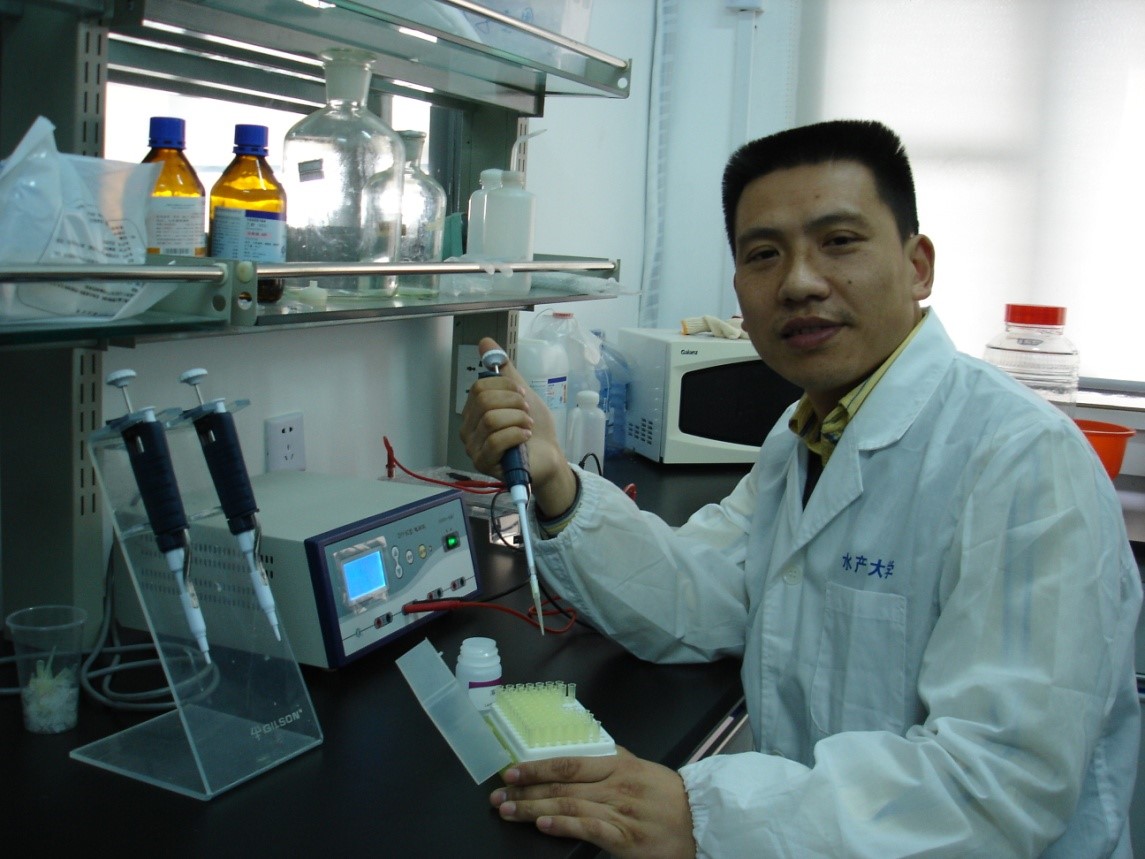 Xiangjun Leng (冷向军)合作论文数上海海洋大学水产与生命学院5
 Jianbin Feng (冯建彬)合作论文数College of Fisheries and Life Science, Shanghai Ocean University5Sihua Xing (邢思华)合作论文数5Gaigai Zhang合作论文数4
 Wenhui He (何文辉)合作论文数College of Marine Ecology And Environment, Shanghai Ocean University4
 Siquan Tian (田思泉)合作论文数College of Marine Sciences, Shanghai Ocean University4
 Jiale Li (李家乐)合作论文数College of Fisheries and Life Science, Shanghai Ocean University4
 Keyi Ma (马克异)合作论文数College of Fisheries and Life Science, Shanghai Ocean University4ZHAO Chao-yang (赵朝阳)合作论文数3Shuo Lyu合作论文数3Zihao Guo (郭子好)合作论文数3
 Andrews Apraku合作论文数Minist Agr, Shanghai Ocean Univ3ZHANG Deng-li (张登沥)合作论文数3
 Christian Larbi Ayisi合作论文数School of Sustainable Development, University of Environment and Sustainable Development3




