Artificial grassland is a key intervention for restoring degraded grasslands, and rapid large-scale mapping via remote sensing is essential. Current approaches remain highly dependent on field surveys and have notable limitations. To address these issues, we developed a framework that exploits multi-temporal Landsat series imagery together with the Continuous Change Detection and Classification algorithm to identify candidate locations and establishment dates of artificial grasslands. By integrating inferred planting times with annual phenological peak metrics to construct discriminative features, and applying a Random Forest classifier, we delineated planted artificial grassland areas. Ground validation yielded an overall accuracy of 89.87%, and comparisons with previous studies showed higher accuracies (>82.93%). Applying the framework to map 2021-2023 plantings in Qinghai Province produced a correlation coefficient r = 0.8843 (p < 0.05) with statistical records. These results indicate strong generalizability and accuracy across regions and years, demonstrating the framework's reliability for advancing artificial grassland mapping.
Enhancing the terrestrial ecosystem carbon sink represents a critical strategy for mitigating climate change and advancing sustainable development. In this study, we developed a comprehensive framework that integrated ecosystem service interactions across temporal, spatial, and functional dimensions to identify pathways for enhancing carbon sinks, using Northeast China as a case study. We employed the Integrated Valuation of Ecosystem Services and Trade-offs (InVEST) model, spatiotemporal difference comparison methods, Geodetector, and the Multiscale Geographically Weighted Regression (MGWR) model to identify the most relevant ESs for carbon storage (CS) and to analyze their interactions. By comparing the independent effects of single ecosystem services and the interaction effects of multiple ecosystem services on CS from 2000 to 2020, we proposed strategies for enhancing carbon sinks and improving spatial sustainability. The results showed that the interaction effects of ESs on CS were stronger than their independent effects, with the largest effect coefficients observed between soil retention (SR) and habitat quality (HQ) (0.66), followed by food production (FP) and HQ (0.63). Reducing trade-offs and enhancing synergies between SR-HQ and FP-HQ were identified as key pathways to increase carbon sinks. These findings are especially important for managing black soil resources and optimizing agroforestry systems in Heilongjiang and the Inner Mongolia Autonomous Region. This study highlighted the importance of amplifying feedback among ESs to improve CS and proposed targeted measures for the protection and restoration of black soils, thereby providing a scientific foundation and practical guidance for sustainable ecosystem management and climate change mitigation.
Protected areas contribute to poverty alleviation through the provision of non-timber forest products (NTFPs), but relatively few studies have researched the recreational context and the socio-ecological interactions that influence household NTFPs income. Using household surveys in the Yading biosphere reserve (2020-2022), our study investigated factors affecting income of main NTFPs including caterpillar fungus (Ophiocordyceps sinensis) and matsutake mushroom (Tricholoma matsutake). The generalized linear mixed model is used to explain the difference of NTFPs utilization patterns among households. The finding indicates that NTFPs account for 30.0% of household income in the protected area, comparing to tourism income (35.3%). A significant trade-off relationship was found between NTFPs harvesting and tourism income. Meanwhile, harvesting activities serve as an approach for asset accumulation to enable a transition to higher-value livelihoods. Elevation and tourism income emerged as the primary determinants of overall NTFP income. In addition, household landholdings and the number of males were distinctly associated with income from T. matsutake, whereas the educational attainment of household labor was a key predictor of income from O. sinensis. This research provides an empirical analysis of the factors that affect NTFP incomes, enabling the potential role of wild production in supporting sustainable livelihoods to be explored. Our findings have important implications for understanding the alpine protected area household livelihoods and designing conservation interventions that affect access to and use of wild natural resources.
As a climate-sensitive critical ecological function area, alpine grassland ecosystems on the Qinghai-Xizang Plateau (QXP) are highly vulnerable to global warming. This study aims to predict the spatiotemporal dynamics of aboveground biomass (AGB) for plant functional groups under future climate scenarios. To assess the response of the AGB to global warming on the QXP, four methods (random forest, multivariate adaptive regression, enhanced regression trees and support vector machine) were employed to evaluate alpine grassland conditions for both the recent past (2018–2021) and the projected future (2021–2100) base on 337 field observations of AGB. The results indicated that from 2018–2021, the average AGB of grassland was 91.80 g/m2, with the AGB that supports grazing being 60.39 g/m2. Specifically, the AGB values for grasses, sedges, legumes, and forbs were 26.03 g/m2, 20.80 g/m2, 4.28 g/m2, and 40.70 g/m2, respectively. The grassland AGB tended to decrease across all the time periods under all the future scenarios, except for SSP5-8.5 during 2060–2080. However, the AGB that supports grazing was projected to increase during the periods 2040–2060, 2060–2080 and 2080–2100 under all future scenarios. With respect to the different plant functional groups, the AGB of the grasslands increased across all the scenarios, whereas the AGB of the sedges, legumes, and forbs decreased in all the situations. In this study, we introduce a novel perspective in which changes in grassland AGB and grazing carrying capacity are not perfectly synchronized under future SSP climate scenarios.
In view of increasing climate pressure and population growth, ensuring food security while progressing towards carbon neutrality has become a key challenge for agricultural development. Although cropping pattern optimization has been widely explored, most existing studies focus on single objectives or static configurations and rarely incorporate long-term cropping dynamics and stakeholder preferences into a unified decision framework, limiting their applicability in agricultural management. This study proposes a hybrid framework that integrates remote sensing data, agricultural systems modeling, life cycle assessment, and multi-objective optimization to identify optimal cropping patterns based on stakeholder preferences. The approach aims to maximize the yield, profitability, and carbon sequestration potential of corn and soybeans while minimizing associated carbon emissions in the typical black soil region of Northeast China. The results show that between 2008 and 2022, both continuous corn cultivation and corn–soybean rotation systems expanded, with continuous corn cultivation accounting for 60–75% of the total cultivated area, whereas continuous soybean cultivation declined steadily. Spatially, most cultivation patterns exhibited a clear northward shift. Overall, the results suggest that continuous corn cultivation can offer the most effective compromise between food production, carbon sequestration, and economic returns, provided that strict measures to reduce emissions are implemented. Among all rotation strategies, the two-year corn and one-year soybean rotation is the most effective in mitigating the adverse effects of continuous cropping while maintaining a balanced food–carbon–profit performance. In contrast, soybean cultivation offers notable environmental benefits but is constrained by relatively low yields and limited economic returns, underscoring the need for targeted optimization measures. This study provides actionable insights for designing sustainable crop patterns that balance agricultural productivity with climate mitigation goals.
Ecosystem stability is essential for maintaining ecosystem structure and function. Using multi-source data from 2000 to 2022, this study quantifies the multidimensional stability of terrestrial ecosystems in China using the ARx model, with validation based on multiple indicators and alternative methods. Stability types are classified in this study, key driving factors are identified using a Random Forest model combined with SHAP analysis, and low-stability risk zones are delineated. The results indicate pronounced spatial heterogeneity and spatiotemporal variation in ecosystem stability across China. Low resilience is mainly observed in northwestern and southwestern China. Drought resistance decreases from the southeast to the northwest, while temperature resistance is relatively low on the Qinghai-Tibet Plateau and in southeastern China. Temporal stability is generally low nationwide. The overall stability index is at a moderate level, showing higher values in the east and south and lower values in the west and north, with a slight increasing trend over time. Stability improves mainly in southern China and parts of eastern North China but declines in the Qinghai-Tibet Plateau, northwestern China, and parts of northeastern and southwestern China. Stability is higher in southern China and mixed forests but lower in northwestern China and desert ecosystems. Moisture conditions, soil nutrients, ecological restoration, and hydrothermal variability are the main drivers. Low-stability risk zones are mainly distributed in the western part of northern China and account for 3.65% of the vegetated area. This study provides scientific support for the precise management of China's ecosystems under global climate change.
Quantifying time-series changes in ecological parameters is essential for assessing the ecological restoration benefits resulting from the construction of photovoltaic power plants and subsequent on-site grazing. This paper quantitatively assessed the ecological restoration effects of photovoltaic power plants in the Gonghe County photovoltaic park, Qinghai Province, using unmanned aerial vehicle imagery, plot-based field survey data, and local grazing-pressure raster datasets. Using spectral indices, texture features, flight altitude, and an XGBoost model, we estimated above-ground biomass (R2 = 0.96; RMSE = 3.92) and analyzed changes in the ecological restoration effects under different grazing-pressure scenarios by jointly evaluating biomass alongside field measurements of soil organic carbon, soil moisture, and biodiversity. The results show that the operation of photovoltaic power plants has a significant restorative effect on ecosystems, but this effect is mainly concentrated in the early to middle stages. The recovery benefits of soil organic carbon and aboveground biomass begin to weaken around the 10th year, while those of soil moisture and biodiversity begin to decline around the 4th year. In addition, moderate grazing does not affect these restorative benefits, whereas continuously increasing grazing pressure shortens their duration. These findings provide an objective basis for assessing the ecological restoration benefits of photovoltaic power plants, and also offer a reference for the adaptive management of grazing in local photovoltaic parks.
The Qinghai-Xizang Plateau (QXP) plays a pivotal role in global biodiversity conservation and climate regulation, but its ecosystem stability is increasingly threatened by climate change and human disturbances. Clarifying the spatial patterns and driving mechanisms of ecosystem stability across the QXP is critical for targeted ecological conservation. By integrating remote sensing data and field surveys at 443 sites, we employed random forest analysis, piecewise structural equation modeling, and linear regression to quantify spatial patterns of ecosystem stability and detrended ecosystem stability and disentangle the direct/indirect effects of geographic, climatic, soil, biotic, and grazing factors. Results showed that ecosystem stability and detrended ecosystem stability of alpine grasslands exhibited significant spatial heterogeneity, with the order of stability being alpine meadow > alpine steppe > alpine desert. The dominant drivers of stability varied among grassland types: plant diversity and mean annual temperature (MAT) were the most critical predictors in alpine deserts; grazing intensity (negative effect) and grazing history (positive effect) dominated stability in alpine meadows; and soil total phosphorus (TP, positive effect) and grazing intensity (negative effect) were the key drivers in alpine steppes. Our findings highlight that the spatial heterogeneity of ecosystem stability on the QXP is fundamentally driven by grassland type-mediated coupling of resource availability, community structure, and soil properties. The divergent driving mechanisms among alpine desert, meadow, and steppe underscore the need for type-specific conservation strategies: prioritizing plant biodiversity protection in alpine deserts, implementing science-based grazing management in alpine meadows, and enhancing soil nutrient conservation in alpine steppes. Our study clarifies the spatial patterns and driving mechanisms of ecosystem stability across different alpine grassland types on the QXP, providing critical scientific support for formulating region-specific ecological conservation strategies.
Grazing management significantly influences greenhouse gas (GHG) emissions and the global warming potential (GWP) in grasslands. Yet, a limited understanding of the impact of grazing and grazing exclusion on GHG emissions and GWP in grasslands hinders progress towards grassland ecosystem sustainability and GHG mitigation. We conducted a global meta-analysis of 75 published studies to investigate the effects of grazing and grazing exclusion on methane (CH4), carbon dioxide (CO2), nitrous oxide (N2O), and GWP. Our results revealed that grazing and grazing exclusion significantly increased the CO2 and CH4 emissions, respectively. The responses of GHG emissions and GWP to grazing were regulated by grazing intensity and elevation. We also found that light grazing significantly decreased GWP but heavy grazing increased GWP. Reducing grazing intensity was a simple and effective method through stocking rate adjustment, which promised a large GHG mitigation potential. Our results demonstrated that GHG emissions increased with elevation under grassland grazing, implying that irrational grazing in high-elevation grasslands promoted GHG emissions. In comparison with grazing, only long-term grazing exclusion reduced the GWP, and CH4 emissions enhanced with grazing exclusion duration. However, long-term grazing exclusion may shift economic demand and grazing burden to other areas. Overall, we suggested that regulating the grazing intensity, rather than grazing exclusion, was an effective way to reduce GHG emissions. Our study contributed to the enhancement of sustainable grazing management practices for GHG balance and GWP in global grasslands, and offered a global picture for understanding the changes in GHG emissions and GWP under different grazing management regimes.
The expansion of photovoltaic (PV) plant infrastructure is occurring at a rapid pace; yet, our comprehension of the impacts of PV plants on ecosystem functions in terrestrial environments remains limited. We conducted a meta-analysis to assess the patterns of ecosystem functions in response to land-based solar power development across various terrestrial ecosystems. Results showed that PV plants significantly enhanced biodiversity maintenance and primary production in grassland and desert ecosystems, primarily ascribed to the augmentation of soil moisture. However, PV plants decreased primary production in crop due to a decrease in photosynthetically active radiation. The influence of site selection (including elevation, mean annual temperature and precipitation) on terrestrial ecosystem functions in PV plant installations was found to be statistically significant. Our findings suggest that RR of primary production and soil quality regulation decreased with mean annual temperature but increased with elevation. Overall, we advocate for further future research to assess the ecological impacts of PV plants, aiming to enhance site selection and implement adaptive management measures for PV plant operations.
Due to climate change and human activities, global grasslands were facing different degrees of degradation and various restoration works are commonly used to cope with grassland degradation. However, the restoration effectiveness of different restoration measures in global grasslands was not clear. Here, we comprehensively assessed the response of biodiversity and ecosystem multifunctionality (EMF) to different restoration measures under different aridity index based on 361 papers. Our results showed that aridity index was the key influencing factors for ecological restoration in global grasslands. Grassland restoration significantly improved biodiversity and EMF in all aridity domains expect for biodiversity in hyper arid domain. We found that biodiversity first enhanced then decreased with aridity index, while EMF showed a negative correlation with aridity index. Moreover, biodiversity had positive relationships with the EMF in arid, semi-arid, and dry sub-humid domain, but negative correlation in hyper arid domain. We proposed grazing exclusion, soil inoculation, artificial grassland, and seeded were applicable for restoring degraded grasslands in hyper arid, arid, semi-arid, and dry sub-humid domain, respectively. Analyzing the comprehensive impacts of different restoration measures in different aridity domain is of great significance for improving recovery effectiveness and the realization of sustainable development of grasslands globally.
Ecosystems play a pivotal role in advancing Sustainable Development Goals (SDGs) by providing indispensable and resilient ecosystem services (ESs). However, the limited analysis of spatiotemporal heterogeneity often restricts the recognition of ESs’ roles in attaining SDGs and landscape planning. We selected 183 counties in the Sichuan Province as the study area and mapped 10 SDGs and 7 ESs from 2000 to 2020. We used correlation analysis, principal component analysis, Geographically and Temporally Weighted Regression model, and self-organizing maps to reveal the spatiotemporal heterogeneity of the impacts of the bundle of ESs on the SDGs and to develop spatial planning and management strategies. The results showed that (1) SDGs were improved in all counties, with SDG 1 (No Poverty) and SDG 3 (Good Health and Well-being) exhibiting poor performance. Western Sichuan demonstrated stronger performance in environment-related SDGs in the Sichuan Province, while the Sichuan Basin showed better progress in socio-economic-related SDGs; (2) habitat quality, carbon sequestration, air pollution removal, and soil retention significantly influenced the development of 9 SDGs; (3) supporting, regulating, and provisioning service bundles have persistent and stable spatiotemporal heterogeneity effects on SDG1, SDG8, SDG11, SDG13, and SDG15. These findings substantiate the need for integrated management of multiple ESs and facilitate the regional achievement of SDGs in geographically intricate areas.
Human-wildlife conflict (HWC) posed a formidable challenge to sustainable development, with its prevalence expected to escalate, particularly within China's protected areas. Here, we conducted a comprehensive analysis of the economic and emotional impacts of the HWC between 2007 and 2019 in seven protected areas dedicated to the conservation of large carnivores and elephants in China. We first constructed a database for economic loss assessment through literature databases, news search engines, governmental local government websites and insurance company claim records. Economic losses were estimated by considering the market prices of crops, livestock, and property that were lost as a result of the HWC. Subsequently, a questionnaire survey was conducted to investigate the change in sentiments of local residents due to HWC and their satisfaction with the financial compensation. The findings revealed a consistent annual increase in economic losses across the majority of protected areas and Xishuangbanna Nature Reserve suffered the greatest economic losses. Moreover, the primary wildlife species causing disturbances varied in different protected areas, specifically, wolf in Chang Tang, Qomolangma, Qilian Mountain, and Sanjiangyuan Nature Reserve, wild boar in Hunchun and Wolong Nature Reserve, elephant in Xishuangbanna Nature Reserve. The local population exhibited the highest level of positive attitudes towards elephants (66.9 %), closely followed by wolves (60.2 %), whereas wild boars (67.3 %) evoke predominantly negative attitudes. As for diverse stakeholder groups, the most positive attitudes were observed among urban residents (93.1 %), followed by those residing in protected areas with no history of HWC incidents (73.1 %), those experiencing less than or equal to 5 incidents per year (57.7 %), and those facing more than 5 incidents per year (51.6 %). We also found that the satisfaction level of local residents to financial compensation in protected areas exhibited the most negative attitudes towards human life (23.6 %), followed by crop (44.3 %), property (55.6 %), and livestock (66.7 %). The livelihood and safety of local herders were seriously jeopardized by the damages inflicted by large carnivores and elephants, leading to a decline in their willingness to protect these animals, with most expressing dissatisfaction towards financial compensation. Gaining a comprehensive understanding of the current economic losses and emotional fluctuations induced by the HWC was an essential prerequisite for effectively mitigating adverse impacts and attaining conservation objectives.
To address and restore grassland degradation on the Qinghai-Xizang Plateau (QXP), government-led ecological restoration plans and policies have been implemented in recent years. However, a comprehensive and systematic evaluation of the sustainability of these restoration efforts is lacking, and a consensus has yet to be achieved. We used the minimum data set (MDS) method to identify appropriate indicators to assess plant and soil quality indices and resilience of regrazed grasslands with different durations of grazing. In the early stages following the establishment of seeded grasslands, vegetation productivity and soil nutrient levels significantly increased; however, this increase was accompanied by a reduction in plant diversity. Continuous grazing on these seeded grasslands subsequently resulted in secondary degradation. The results revealed that the resilience and quality indices of the plant-soil systems of the seeded grasslands continued to decline from the 0th to the 13th year of grazing. More management interventions are needed after the establishment of seeded grasslands. In contrast, fences maintained greater plant diversity and more stable long-term ecosystem conditions than seeded grasslands did, indicating that passive restoration may produce more sustainable results than may active restoration. The different performances of the seeded grassland and fenced areas during the long-term successional stage after grazing resumed may be attributed to variations in plant diversity. Fences can serve as a more effective restoration method than seeded grasslands achieving greater sustainability in terms of recovery outcomes on the QXP.
Despite a large number of field manipulative grazing exclusion experiments having been conducted on global grassland ecosystems, the general patterns of how grazing exclusion affects the ecosystem carbon cycle remain unclear. Research on the impact of grazing exclusion on the carbon cycle in grassland ecosystems will help to more accurately assess the role and effectiveness of grazing exclusion. Here, we used a comprehensive meta-analysis to examine the responses of 12 variables associated with carbon pools and fluxes to grazing exclusion based on 226 studies in global grasslands. Our results indicated that grazing exclusion significantly increased carbon pools and fluxes in grassland ecosystems, except for methane emission (CH4) and net ecosystem carbon exchange (NEE). Specifically, the effect size of litter increased the most at +4.90, followed by aboveground biomass (AGB) at +3.93, dissolved organic carbon (DOC) at +2.58, soil organic carbon (SOC) at +2.24, belowground biomass (BGB) at +2.14, microbial biomass carbon (MBC) at +2.12, carbon dioxide emission (CO2) at +1.78, ecosystem respiration (ER) at +1.17, soil respiration (Rs) at +0.93, and net primary productivity (NPP) at +0.72. Grazing exclusion duration and climate factors were the primary drivers of changes in carbon pools and fluxes. We demonstrated the time thresholds by establishing the general response curves of changes in carbon pools and fluxes with grazing exclusion duration. Moreover, AGB, BGB, SOC, DOC, Rs, NEE, and CO2 showed an initial rise and then a decline with grazing exclusion duration, and there was a time threshold which was 17 years, 19 years, 26 years, 6 years, 7 years, 30 years, and 8 years, respectively. We found a significant decrease in DOC (slope: -0.59), litter (-0.28), CO2 (-0.24), NPP (-0.17), and NEE (-0.04) with mean annual temperature. We also found a significant decrease in CH4 (-0.008), NEE (-0.006), MBC (-0.003), ER (-0.003), and AGB (-0.002), but a significant increase in CO2 (+0.011) and NPP (+0.009) with mean annual precipitation. Overall, when carbon sequestration is the goal of management, the role and application of grazing exclusion in grasslands should be reconsidered in terms of grazing exclusion duration and climate factors.
Toxic weed species have become main threat for alpine grassland ecosystems on the Qinghai-Tibet Plateau (QTP), causing grassland degradation and livestock losses. However, previous studies mainly focused on certain genera or species. Little is known about prediction of distributions of toxic weed species and key drivers of their expansion. In this study, we focused on four major toxic weed species, i.e., Stellera chamaejasme, Euphorbia altotibetica, Phlomoides rotata, and Pedicularis kansuensis in alpine grasslands on the QTP. We used the MaxEnt model to predict the potential distributions of these species under three shared socioeconomic pathway (SSP) emissions scenarios (SSP126, SSP245, and SSP585) for both present and future (2040-2060) conditions. We found that toxic weed species were concentrated in the central and eastern alpine grassland on the QTP. The soil total nitrogen and precipitation in the warmest quarter were the most important factors that determined the distributions of toxic weed species, with threshold values of 1.34 g/kg and 329.44 mm, respectively. The high-risk areas threatened by toxic weed species were identified by threshold analysis and risk assessment as centered in northeastern and southern part of Qinghai, northwest Sichuan, central and eastern part of Xizang, and Gansu on the eastern border of the QTP. Our study provides scientific support to facilitate the protection and management of alpine grasslands on the QTP against toxic weed species.
Quantitatively analyzing the impacts of climate and land use changes on ecosystem services has drawn increasing attention over the past decade. However, the assessment approach in the existing studies highly depended on scenarios and modeling, which is unable to distinguish the influences of different land use types and different climate characteristics and to quantify the absolute influence levels of multiple driving factors. Here, we adopted the partial correlation analysis for quantifying relationships between ecosystem services and the seemingly unrelated regression model for assessing impacts of climate and land use changes on ecosystem services. Taking Hainan Tibetan Autonomous Prefecture of Qinghai Province in China from 2000 to 2019 as a case study, we focused on four ecosystem services including material provisioning, climate regulation, water regulation, and soil protection and five driving factors including precipitation, temperature, cropland area, forest area, and grassland area. The results identified the positively dominant driving factor of precipitation on material provisioning, water regulation, and soil protection, and the negatively dominant driving factor of cropland area on material provisioning, climate regulation, and water regulation. The synergy relationships were found between material provisioning and climate regulation, between climate regulation and water regulation, and between water regulation and soil protection, while the trade-off relationships were found between material provisioning and water regulation, and between material provisioning and soil protection. These findings support local policy-making, suggesting that management of climate-related risks and land use plan with a restriction on cropland expansion are expected.
In recent decades, most grasslands in China have experienced varying degrees of degradation, and it is urgent to explore effective sustainable restoration models. Fertilizers have been widely used in grassland restoration projects. However, it remains unclear how fertilization can serve as an appropriate grassland restoration method to enhance ecosystem services and functions. Here, we conducted a comprehensive meta-analysis based on 79 studies to evaluate the responses of multiple ecosystem services and functions to inorganic and organic fertilization in grasslands of China. Inorganic fertilization increased grass production, soil storage and greenhouse gas emissions but often caused a loss of biodiversity maintenance. In contrast, organic fertilization increased biodiversity maintenance, grass production, soil storage, nutrient cycling, and greenhouse gas emissions relative to unfertilized, and increased more than inorganic fertilization. The positive effect of organic fertilization on ecosystem services and functions enhanced with increasing fertilization duration, while not observed under inorganic fertilization. Precipitation and elevation were the important influence factors affecting the effectiveness of organic fertilizer application. The appropriate organic fertilizer treatment needed to consider water and fertilizer balance as well as the unique environment of different grasslands. Therefore, we emphasize that longterm application of organic fertilizer may be a nature-based solution for promoting and maintaining ecosystem services and functions in grasslands of China.
As the UN Decade on Ecosystem Restoration begins, grassland restoration projects are being scaled up globally. However, a new generation of opportunities and challenges requires a new generation of scientific guidance, particularly for grassland ecosystems that need of restoration. Our meta‐analysis indicated that grassland restoration significantly enhances biodiversity and ecosystem multifunctionality. However, biodiversity and ecosystem multifunctionality both increased in only half of the restoration observations, indicating that the effectiveness of global grassland restoration needs to be improved. Restoration methods and time were identified as important predictors of the effectiveness of grassland restoration. To address this, we conducted a multi‐objective optimization to assess when, where and how to better implement grassland restoration projects globally. This optimization aimed to provide targeted strategies for different grassland types and regions, considering the varying characteristics and needs of each biome. Our results revealed specific optimal restoration strategies for different biomes: 4 years after seeding in desert and semi‐desert biomes, continued grazing management for 10 years in polar and alpine biomes, and 26 years after soil inoculation in savanna and grassland biomes. Our findings offer clear guidance for enhancing the effectiveness of grassland restoration efforts across diverse ecosystems. Policy implications : Grassland restoration is crucial for global biodiversity conservation and ecosystem function maintenance. Our work provides scientific insights into the key factors influencing restoration effectiveness and specific optimal strategies for different biomes. This understanding is vital for formulating public policies that promote large‐scale, effective grassland restoration, thereby maximizing biodiversity gains and improving ecosystem multifunctionality.
 Guohua Liu (刘国华)合作论文数中国科学院生态环境研究中心55
 Shikui Dong (董世魁)合作论文数School of Grassland Science, Beijing Forestry University40
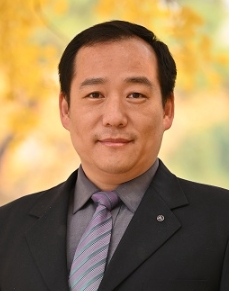 Shiliang Liu (刘世梁)合作论文数School of Environment, Beijing Normal University33
 Yong Zhang (张勇)合作论文数School of Mathematical Sciences, Beijing Normal University17
 Haidi Zhao合作论文数15Lingfan Wan合作论文数14
 Xiaoyu Wu合作论文数14XueXia Wang (王学霞)合作论文数14
 Yuqing Liu合作论文数13
 Wangya Han (韩王亚)合作论文数School of Ecology and Applied Meteorology, Nanjing University of Information Science & Technology10TANG Lin (汤琳)合作论文数9
 Jianbin Shi (石建斌)合作论文数School of Environment, Beijing Normal University9Xiang Zhang (张翔)合作论文数7Yuanyuan Li合作论文数7
 Quanru Liu (刘全儒)合作论文数College of Life Sciences, Beijing Normal University7Wei Sha合作论文数6Zhenzhen Zhao合作论文数6DongHua Xu (许东华)合作论文数6
 Hao Cheng (程昊)合作论文数Institute of Geographical Sciences and Natural Resources Research, Chinese Academy of Sciences;University of Chinese Academy of Sciences5Junyan Zhao合作论文数5Wei Zhou合作论文数5
 Yu Shen (申渝)合作论文数Chongqing Technology and Business University5
 Yu Wu (吴瑜)合作论文数Chengdu Institute of Biology, Chinese Academy of Sciences5xiang zhang合作论文数4TianTian Jin (靳甜甜)合作论文数4Li Chen (陈莉)合作论文数北京市农林科学院4
 Qingzhu Gao (高清竹)合作论文数中国农业科学院农业环境与可持续发展研究所4
 Xiaowen Li (李晓文)合作论文数School of Environment, Beijing Normal University4Shishuai Yang合作论文数3Jiajia Li合作论文数3Murong Yang合作论文数3Jin WENG (翁晋)合作论文数3Su Zhou合作论文数3Shuai Li合作论文数3HuiTing Lu (卢慧婷)合作论文数3
 Tao Li (李涛)合作论文数Institute of Environment and Sustainable Development in Agriculture, Chinese Academy of Agricultural Sciences3Xiangfeng Zhang (张相锋)合作论文数3
 Yinghui Liu (刘颖慧)合作论文数Faculty of Geographical Science, Beijing Normal University3
 Songlin Shi (石松林)合作论文数College of Tourism and Urban-Rural Planning, Chengdu University of Technology3
 Yu-Hui Han (韩玉惠)合作论文数3
 Bojie Fu (傅伯杰)合作论文数Research Centre for Eco-Environmental Sciences, Chinese Academy of Sciences;University of Chinese Academy of Sciences2
 Fangyan Cheng (成方妍)合作论文数Minist Educ, Key Lab Biodivers Sci & Ecol Engn, Fudan Univ2
 Xiaoyun Hou合作论文数2Feng GAO (高峰)合作论文数2Boyan Li合作论文数2Li Deng合作论文数2




