The pressing necessity to tackle environmental issues and enhance resource efficiency has intensified the focus on the green and clean energy conversion of C1 compounds and solid waste, such as biomass and waste plastics. This article systematically reviews the recent co-conversion of C1 compounds and solid waste, and their coupling with renewable energy, illustrating the mechanisms of biocatalysis and chemical catalysis (including pyrolysis, photocatalysis, and electrocatalysis) involved in these co-conversion processes. Analysis of synergistic pathways revealed the potential of C1 compounds to enhance product value and improve reaction selectivity. This review highlights the critical role of renewable energy integration, which supplies clean power and reduces the carbon footprint of reactions. Finally, this article outlines future research directions in aspects such as reaction process innovation, catalyst design, and system integration, offering a theoretical framework for advancing the high-value utilization of carbon resources towards achieving carbon neutrality.
Mechanistic principles from homogeneous catalysis are often applied to heterogeneous systems, but differences in coordination and electronic environments can lead to divergent reactivity. Uncritically transferring homogeneous paradigms─based on electron-state-tunable organometallic complexes─to electron-deficient, supported metal centers may cause counterproductive designs. Here, we report a reversed strategy: an oxide-supported, electron-deficient Ru center is used for ethylene methoxycarbonylation, replacing conventional organometallic complexes. A built-in moderately basic site facilitates a distinct proton transfer pathway, eliminating the need for strong external Brønsted acids. The RuOx/TiO2 catalyst shows over 80 times higher activity than Ru nanocatalysts and 6 times that of Pt single-atom catalysts. It also demonstrates exceptional stability over 180 h, with a turnover number exceeding 200,000, surpassing all known heterogeneous ethylene methoxycarbonylation catalysts and rivaling Pd catalysts.
The electrochemical reduction of CO2 to CH4 offers a promising route toward carbon recycling and efficient renewable energy storage. However, the practical application of this process is limited by sluggish reaction kinetics and poor product selectivity. In this study, copper single-atom catalysts (SACs) were synthesized via an electrodeposition method, followed by functionalization with nitrogen-rich organic molecules, specifically 3,5diamino-1,2,4-triazole (DAT), to construct a well-defined Cu-N4 coordination environment, yielding the CuDAT SAC. The Cu-DAT SAC exhibited a remarkable CH4 Faradaic efficiency of 66.0 % at a current density of 200 mA & sdot;cm-2, significantly outperforming non-functionalized Cu SACs, and maintained stable activity during 300 min of continuous operation. Density functional theory (DFT) calculations and free energy profile analysis revealed that the Cu-N4 sites possess moderate CO adsorption strength that prevents desorption difficulties, increased electron density, and substantially lower energy barriers for key intermediates (*COOH, *CHO, *OCH2) formation. These properties facilitate multi-electron and proton transfer steps, thereby promoting selective methane production. These results highlight that DAT functionalization not only enhances the stability of Cu single-atom sites but also precisely modulates the local electronic environment, directing the reaction pathway and significantly boosting catalytic activity and CH4 selectivity.
Rice protein is a high-quality plant-based resource, but its poor solubility limits applications. Deep enzymatic hydrolysis is required to improve functionality and produce bioactive peptides. However, industrial implementation is hindered by the instability and non-reusability of free proteases. Herein, a substrate-matched heterogeneous dual-enzyme cascade platform was constructed by placing two proteases in distinct framework microenvironments according to their catalytic roles and substrate-accessibility requirements. α-Chymotrypsin was covalently immobilized onto magnetic Fe3O4@DQTp nanocarriers to maintain an exposed catalytic interface for primary hydrolysis and enable magnetic recovery, achieving a high loading of 218.4 mg/g and 5.1-fold enhanced thermal stability (92.2% activity retained after four cycles). Flavorzyme was encapsulated within ZIF-8 via in-situ biomineralization, which provided rigid framework confinement against thermal and pH stresses, broadening the pH tolerance and remarkably extending stability (86.5% activity retained after five cycles, 84.4% activity retained after 28 days). Through optimized sequential hydrolysis, a final degree of hydrolysis of 58.2% was achieved. This work provides a robust and reusable platform for deep protein hydrolysis, facilitating the targeted valorization of rice protein.
NiCo alloys alleviate deactivation in Ni-based methane dry reforming (DRM) catalysts via element segregation, but the evolution of chemical states during reduction-segregation remains unclear. Herein, precise activation temperature (AT) tuning affords AT-NiCo-S2-ENdr catalysts with NiCo alloys confined in SiO(2)nanowires. In situ characterizations reveal that inert CoO with inward segregation converts to active Co-0 (still segregating inward) above 700 degrees C AT, whereas inert Nix+ (Ni-O-Si coordination) persistently segregates to the surface, even with partial reduction to Ni-0. Leveraging this temperature-controlled self-organization, 700-NiCo-S2-ENdr strikes an optimal balance between NiCo reduction and segregation, maximizing the number of surface Ni-O-v-Si and Co-0 active sites. Furthermore, surface Co-0 lowers the CO2 activation energy, while surface O-v binding enhances CH2* oxidation to suppress carbon deposition. Notably, 700-NiCo-S2-ENdr approaches state-of-the-art performance among non-noble catalysts (580-960 mu mol(CH4) g(cat)(-1) s(-1) at 650-800 degrees C, carbon-free stability over 100h). This work provides a paradigm for designing high-performance alloy catalysts through controlled self-organization.
In acidic oxygen evolution reaction (OER), electrocatalytic performance is intrinsically limited by the linear scaling of diverse adsorbed intermediates, while breaking this scaling via lattice-oxygen-mediated pathways inevitably sacrifices catalytic stability. Herein, we report a dual-site adsorbate evolution mechanism (DS-AEM) using a RuO2-CeO2 catalytic system, where Ce sites not only modulate the local electronic structure of Ru but also act as auxiliary centers to mediate intermediate adsorption, to break the scaling and boost oxygen evolution reaction in acid. Experimental characterizations and theoretical calculations confirm that Ce incorporation could effectively suppress lattice oxygen participation and structural degradation, ensuring long-term catalyst durability. Meanwhile, the Ce incorporation downshifts the Ru d-band center to weaken *O adsorption, while Ce sites function as auxiliary active centers to tailor the adsorption of *OH and *OOH, thereby preserving an optimal energy landscape for OER. The optimized catalyst achieves 100 mA cm-2 at an ultralow overpotential of only 250 mV and maintains an exceptional durability over 1000 h, far surpassing pristine RuO2.
The rapid accumulation of CO2 in the atmosphere necessitates urgent technological solutions for a sustainable carbon cycle. The reverse water-gas shift (RWGS) reaction is a cornerstone of the circular carbon economy, yet its environmental efficiency is often compromised by the undesired production of CH4-a greenhouse gas significantly more potent than CO2. Here, we report a zeolite-confined Ni-Cu bimetallic catalyst (NiCu@S-1) that achieves near-equilibrium CO2 conversion with nearly 100% CO selectivity, effectively eliminating CH4 byproduct. The catalyst exhibits exceptional durability for over 50 h at 600 °C, maintaining its structural integrity through robust spatial confinement. Systematic characterizations, including XPS and temperature-dependent in situ DRIFTS under CO/Ar, reveal a thermally stable electron transfer from Cu to Ni. This electronic modulation tailors CO* binding and fundamentally suppressing the methanation pathway. Furthermore, the stabilization of oxygen vacancies within the zeolite framework accelerates CO2 activation. This study provides a powerful design principle for high-performance, selective catalysts for industrial CO2 valorization over Ni-based catalysts.
Dry reforming of methane (DRM) provides a promising route to decarbonize the chemical industry by converting CH4 and CO2 into syngas. Electrifying the endothermic DRM via Joule heating eliminates external combustion and facilitates process intensification, providing that heat supply and reaction demand are balanced. Here, we systematically investigated the direct Joule heating of structured Ni/Al2O3-coated SiSiC foam catalysts under intensified conditions. The optimized washcoating process yielded an ultrathin (∼5 μm) catalyst layer with superior heat transfer and abundant active sites. Almost complete CH4 conversion was achieved at space velocities up to 900,000 mL gcat-1 h-1, with equilibrium conversions observed over a wide operating range. Compared to conventional external oven heating, internal Joule heating delivered ∼30 % higher conversions while reducing energy consumption by ∼95 % and energy efficiency is 2.3 times higher. Moreover, it is confirmed that the electrified system maintained high activity under ultra-high space velocity conditions, attributed to uniform heat distribution. Overall, the Joule-heated structured foam catalyst enables high-throughput, energy-efficient and stable reforming process, advancing electrified catalytic processes toward further decarbonization and process intensification.
Acrylic acid,as an important organic chemical raw material,is widely used in plastics,coatings,textiles,and other fields.In recent years,the international demand for acrylic acid has shown a growing trend.The catalytic selective oxidation of C3(propane,propylene)represents an important route for the production of acrylic acid,with the advantages of abundant raw material sources,low cost and simple process.This paper reviews the recent research progress in the catalytic selective oxidation of C3 to acrylic acid,focusing on the structural characteristics,preparation methods,modification strategies and catalytic performance of MoVTeNbOx catalysts.Combined with the latest advances in in-situ characterization techniques,the reaction mechanism and structure-activity relationship are thoroughly analyzed,and the future development directions in this field are prospected.
The escalating accumulation of plastic waste poses a major threat to global sustainability. Converting waste polyolefins into aviation fuel offers a promising valorization route, but the challenge remains in overcoming the limited performance of non-noble metal catalysts. Here, a 10Ni-2Co/SiO2 catalyst was developed that achieved an excellent balance between activity and selectivity for polyethylene hydrogenolysis. Under mild conditions at 280 degrees C and 3 MPa H2, it delivered an 82.3% liquid yield with 79.0% selectivity toward C8-C16 hydrocarbons. The incorporation of Co induced the coexistence of Ni0 and Ni delta+ species, which may have facilitated internal C-C bond cleavage along the polyethylene backbone. This synergy may have contributed to hydrogen activation and C-C bond cleavage, which may have promoted a continuous "cleavage-hydrogenation-desorption" sequence, thereby helping to suppress excessive chain scission and favoring the selective formation of aviation-fuel-range hydrocarbons. This catalyst also showed broad applicability to other real-life waste polyolefins, and when powered by renewable energy, the process achieved a significantly reduced carbon footprint, offering a sustainable route for plastic upcycling and aviation decarbonization.
The oxidative coupling of methane (OCM) offers a promising pathway for the direct utilization of natural gas into C2 hydrocarbons. However, achieving methane activation typically demands high temperature, which often promotes the deep oxidation of target products, thereby lowering selectivity and imposing a fundamental limitation on OCM performance. While bifunctional catalyst systems have emerged as potential solution by enhancing activation capacity and facilitating radical coupling, thermal management remains a key challenge. In this study, we designed a reactor with a pronounced axial thermal gradient, established by a non-uniform temperature field, and coupled it with a dual-bed catalytic system comprising a La2O3-based catalyst and a Na2WO4/SiO2 composite. This configuration is tailored to facilitate radical coupling while suppressing the deep oxidation route. At comparable methane conversion levels, the non-uniform temperature field reactor significantly outperforms conventional uniform heating, yielding a 10% increase in C2 selectivity and a 6% improvement in C2 yield. This work offers a practical strategy to mitigate over-oxidation at high temperatures, enhance radical coupling processes, and ultimately improve C2 production in the OCM process.
To reduce energy consumption in hydrogen production while enabling wastewater treatment, researchers have developed an amorphous NiMoBS catalyst supported on nickel foam. Synthesized via a hydrothermal sulfidation route, this material replaces the conventional oxygen evolution reaction (OER) with the urea oxidation reaction (UOR), significantly enhancing overall efficiency. The NiMoBS catalyst requires only 1.36 V (vs. RHE) to achieve 10 mA cm- 2 and demonstrates excellent stability over 650 h. Its porous nanosheet structure, combined with the introduction of B and Mo, promotes urea molecule adsorption and accelerates the generation of active species. In a two-electrode electrolyzer, NiMoBS enables urea-assisted electrolysis at just 1.59 V and 100 mA cm- 2, yielding a hydrogen evolution rate of 0.52 mmol h- 1, substantially surpassing conventional alkaline water splitting. This study highlights the promise of multi-element doped amorphous nickel-based catalysts for energy-saving hydrogen production.
The global accumulation of waste plastics and biomass poses pressing challenges to the circular economy and carbon neutrality. This review systematically summarizes microwave-assisted conversion of waste plastics, biomass and their co-pyrolysis process, highlighting the underlying intensification mechanisms, recent advances and scale-up challenges. Microwave enhancement originates from dielectric heterogeneity-induced hotspot and synergistic interactions between electromagnetic fields and catalysts, enabling selective C-H/C-C bond cleavage and facilitating the efficient upcycling of feedstocks into hydrogen, hydrocarbons and functional carbon materials. Co-pyrolysis leverages the complementary H/O compositions of plastics and biomass, yielding synergistic improvements in product quality and distribution. It also examines key engineering advances, including reactor designs and emerging pilot and commercial-scale demonstrations, which reveal the challenges of heating uniformity and catalyst stability in scaling up processes. This review indicates that microwave-assisted upcycling represents a promising strategy for solid waste valorization, with future research prioritizing mechanism elucidation, scalable reactor design and intelligent process control to promote the industrial implementation.
Developing efficient and stable hydrogen evolution reaction (HER) electrocatalysts for anion exchange membrane water electrolyzer (AEMWE) at industrial current densities remains challenging. Herein, this study synthesizes S-doped Co3O4 (S-Co3O4) via hydrothermal-impregnation, followed by anchoring ultralow-loading Ru clusters (0.525 wt%) onto it using atomic layer deposition (denoted as Ru/S-Co3O4). The unique structure and composition, coupled with synergistic multi-site effects, enabled it to achieve overpotentials of only 25 mV and 287 mV at-10 mA cm-2 and-1000 mA cm-2, respectively, in 1 M KOH solution within the traditional three-electrode system, and maintain stability for over 100 h. In an AEMWE operating at 70 degrees C, it requires only 1.98 V to reach 1 A cm-2 and maintains stability for over 1300 h with a degradation rate of only 7.58 mu V h-1, outperforming Pt/C and Ru/C benchmarks. Operando Raman spectroscopy and density functional theory (DFT) calculations reveal that H2O dissociates on Co3O4, while H* intermediates migrate to Ru sites for desorption, thus preventing active site blockage. Meanwhile, S-doping induces electron loss in Ru clusters, forming electron-deficient Ru sites that optimize Ru-H binding energy for rapid H2 dissociation. Moreover, the hydrophilic surface enhances gas release, and multi-site synergy further boosts HER kinetics. This work highlights the critical importance of synergistic active-site engineering and electronic structure optimization in creating electrocatalysts that simultaneously deliver exceptional activity, durability, and cost-effectiveness for large-scale hydrogen production.
Catalytic active sites or centers could evolve from their initial form under realistic reaction conditions due to the autonomous behaviors of the constituent atoms to adapt to the surrounding environment. Controlling such adaptability of metal-oxide-based catalysts is crucial yet challenging for understanding catalyst dynamics and enabling rational catalyst design. Here, we report a dislocation-mediated strategy to steer the dynamic evolution of vanadium oxides by systematically tuning the lattice dislocation density of TiO2 supports. A combination of in situ Raman and DRIFTS reveals that in response to reaction conditions, dislocations of TiO2 enable the depolymerization of crystalline V2O5 into polymeric VOx species while simultaneously inducing charge redistribution through strong V─O─Ti interfacial polarization. Those polymeric, electrophilic VOx centers exhibit enhanced C─H activation ability, boosting selective oxidation of ethane to acetic acid via the Mars-van Krevelen mechanism. These findings provide a conceptual framework linking dislocation-induced lattice dynamics to catalytic function and highlight the potential of dislocation engineering as a feasible strategy for designing adaptive catalytic systems with tunable redox properties and structural resilience under operating conditions.
The large-scale deployment of green hydrogen is widely recognized as a key pathway for mitigating greenhouse gas emissions and addressing global climate change. However, the lack of a systematic and comparable evaluation of hydrogen storage and transport options remains a major challenge for their quantitative comparison. Here, we developed a unified assessment framework for six major hydrogen storage and transport pathways, including compressed gaseous hydrogen (CGH2), liquefied hydrogen (LH2), ammonia (NH3), methanol (MeOH), liquid organic hydrogen carriers (LOHCs), and metal hydrides (MgH). Under consistent system boundaries and assumptions, the datasets generated linking total cost and CO2 emissions to transport distance and delivery scale were used to train machine-learning-based surrogate models, enabling rapid and accurate prediction across a broad parameter space. The results revealed that the cost spanned a wide range of 0.50-4.22 $/kg H2, with the lowest costs achieved by LOHCs based on dibenzyltoluene (LOHC-DBT), MeOH, and CGH2, depending on the specific scale-distance combination. Notably, these three pathways also consistently exhibited comparatively low CO2 emissions. Representative scenarios further demonstrated the flexibility and applicability of the proposed framework. Looking ahead to 2050 decarbonization scenarios in the power and transport sectors, the methanol pathway was projected to achieve a substantially larger reduction in carbon intensity (approximately 35%) compared with LOHC-based routes (around 20%). Overall, this work enabled consistent and transparent comparison of diverse hydrogen storage and transport technologies across scale-distance regimes, addressing a long-standing challenge in system-level assessment.
Dry reforming of ethane (DRE) offers a compelling route for CO2 utilization, though its application is hindered by severe coking. While perovskite-derived catalysts utilize in situ exsolution to enhance stability, managing the dynamic segregation of bimetallic alloys remains a significant challenge. This study demonstrates that metal segregation can be precisely regulated by tuning the Fe/Ni stoichiometry in SmFexNi1-xO3 precursors. Structural investigations using in situ XRD, XAFS, and STEM reveal a compositional dependency: high Fe content (x > 0.5) suppresses segregation excessively, causing Ni site-starvation, whereas Ni-rich compositions (x < 0.5) trigger uncontrolled segregation and rapid coking. The optimal SmFe0.5Ni0.5O3 catalyst achieves a "Restricted Segregation" state, where a balanced Fe/Ni ratio optimizes Ni surface exposure for CH activation while maintaining stable FeNi interfaces. This catalyst exhibited exceptional stability over 40 h at 650 degrees C, achieving steady-state conversions of 52.0% for C2H6 and 61.1% for CO2. Crucially, the Sm2O3 support, formed via topotactic lattice decomposition, possesses a high density of extrinsic oxygen vacancies. These defects, generated by B-site cation migration rather than Sm redox, facilitate CO2 dissociation and reactive oxygen transport through a Mars-van Krevelen mechanism. This work establishes a framework for shifting the paradigm from inhibiting metal segregation to actively managing it as a programmable design parameter for high-performance hydrocarbon reforming catalysts.
Ruthenium dioxide (RuO2) is highly active for acidic oxygen evolution reaction (OER) but suffers from instability due to lattice oxygen oxidation. Herein, we construct a RuO2/WO3 heterostructure that leverages strong Ru-O-W interfacial bridge bonding to fundamentally modulate electronic structure and reaction pathways. Density functional theory calculations reveal pronounced orbital hybridization at the interface, resulting in a simultaneous downshift of the Ru d-band and O p-band centers. This modulation weakens the Ru-O* interaction while strengthening the Ru-O bonds, effectively suppressing the lattice oxygen mechanism. Benefiting from this electronic structure regulation strategy, the RuO2/WO3 electrode delivers a substantially low overpotential of 203 mV at 10 mA cm-2 and maintains exceptional structural and electrochemical integrity over 200 h of continuous acidic OER operation. This work unveils a new paradigm of orbital-level interface engineering for stabilizing noble-metal catalysts under harsh acidic conditions.
ABSTRACT Designing heterogeneous catalysts with well‐defined structure remains crucial for identifying true active sites and achieving superior performance. Here, we report a series of Ru‐based dual single‐atom catalysts (DSACs) constructed on TiO 2 , in which catalytically inert second metals (Zn, Mn, Mo, In) delicately modulates the electronic structure of Ru. Among them, Ru 1 Zn 1 /TiO 2 with most electron‐deficient Ru site exhibits highest activity and durability for acid‐free ethylene methoxycarbonylation (EMC) with a turnover frequency of 1403 h −1— one to two orders of magnitude higher than previously reported Ru‐based catalysts, ranking among the most efficient heterogeneous EMC catalysts. Benefiting from well‐defined and fine‐tuned structure of DSACs, an unambiguous establishment of the structure‐activity relationship has been achieved, pinpointing electron‐deficient Ru δ+ species as the true active sites for the EMC reaction. Further DFT calculations reveal the electronic coupling in Ru‐Zn site optimizes the d‐band center near the Fermi level, and facilitates the adsorption and activation of reactants, thereby reducing the energy barrier for the C‐C coupling step. This work establishes a general strategy for constructing bimetallic single‐atom catalysts as precise model systems for elucidating active sites and guiding the rational design of efficient and stable catalysts for carbonylation and related transformations.
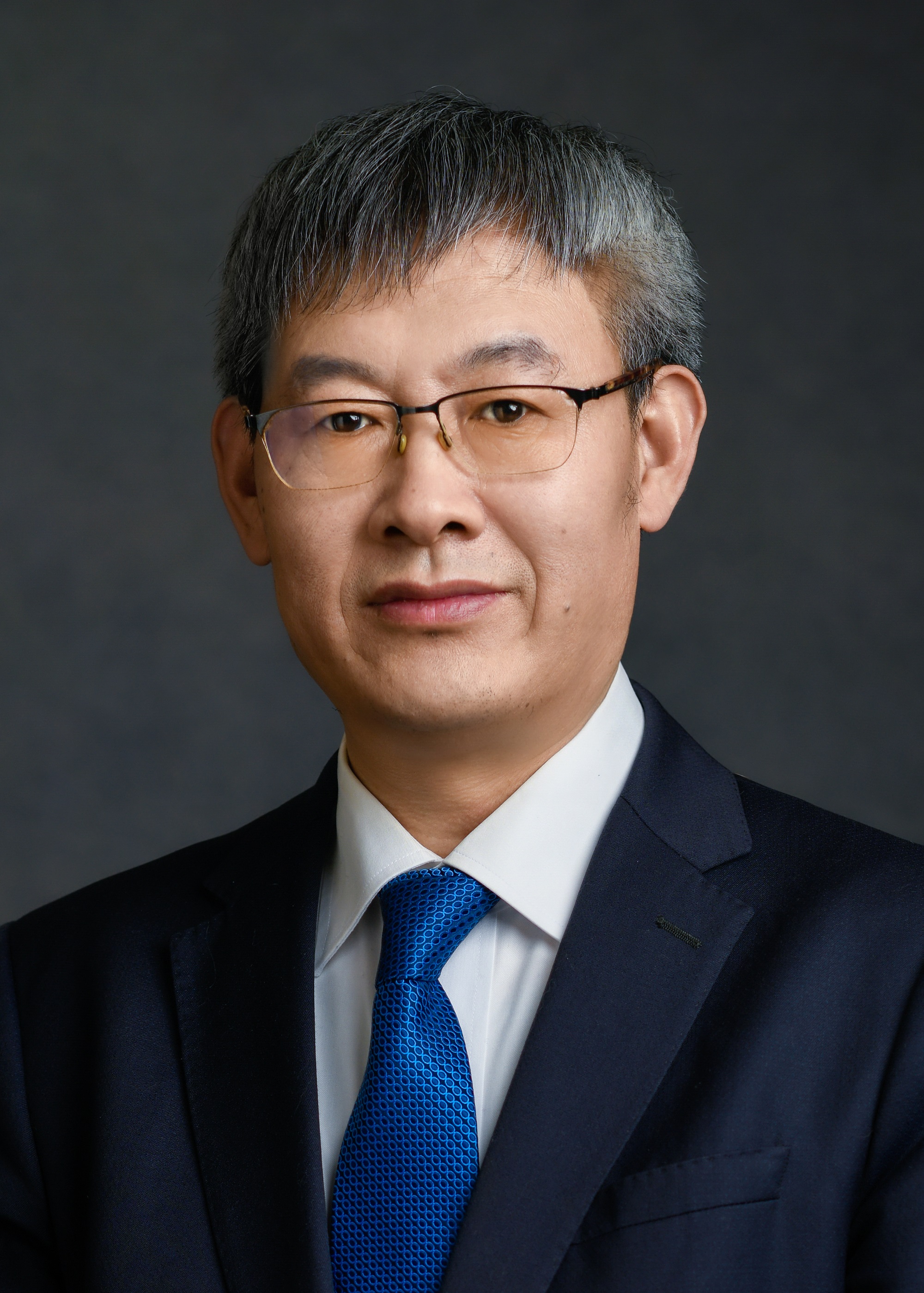 Wei Wei (魏伟)合作论文数Shanghai Advanced Research Institute, Chinese Academy of Sciences145
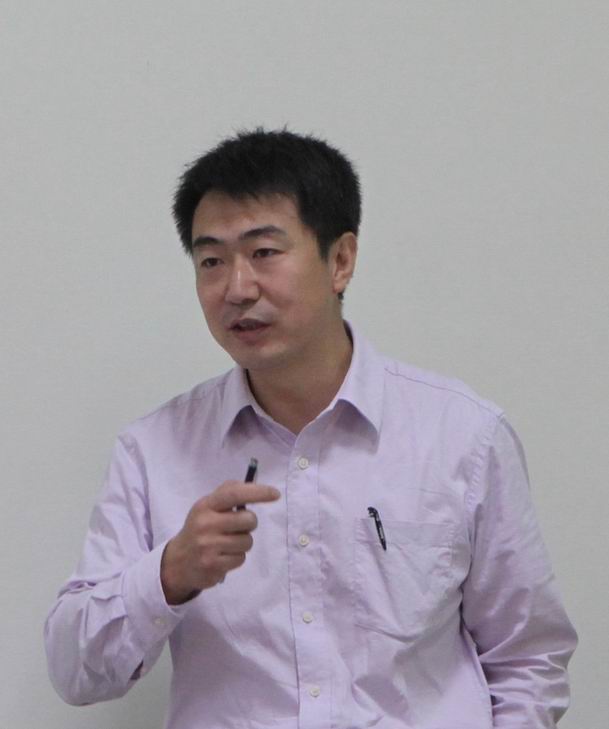 Yao Xu (徐耀)合作论文数Xi′an Institute of Optics and Precision Mechanics, Chinese Academy of Sciences;University of Chinese Academy of Sciences112
 Ning Zhao (赵宁)合作论文数Institute of Chemistry, Chinese Academy of Sciences;University of Chinese Academy of Sciences111
 Liangshu Zhong (钟良枢)合作论文数Shanghai Advanced Research Institute, Chinese Academy of Sciences;University of Chinese Academy of Sciences110
 Debao Li (李德宝)合作论文数Institute of Coal Chemistry, Chinese Academy of Sciences104
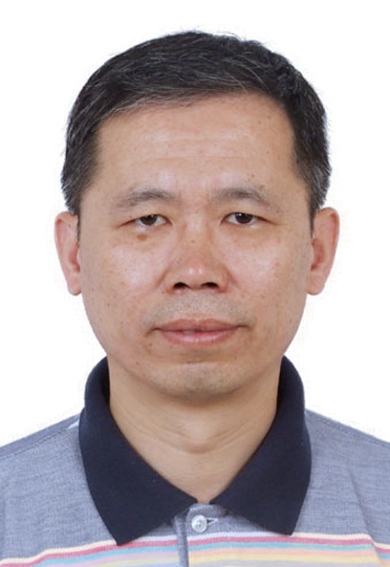 Fukui Xiao (肖福魁)合作论文数中国科学院山西煤炭化学研究所101
 Hui Wang (王慧)合作论文数Shanghai Advanced Research Institute, Chinese Academy of Sciences;Key Laboratory of Low-Carbon Conversion Science & Engineering, Chinese Academy of Sciences91
 Junping Li合作论文数85
 Shenggang Li (李圣刚)合作论文数Shanghai Advanced Research Institute, Chinese Academy of Sciences;University of Chinese Academy of Sciences84
 Kegong Fang (房克功)合作论文数中国科学院山西煤炭化学研究所78
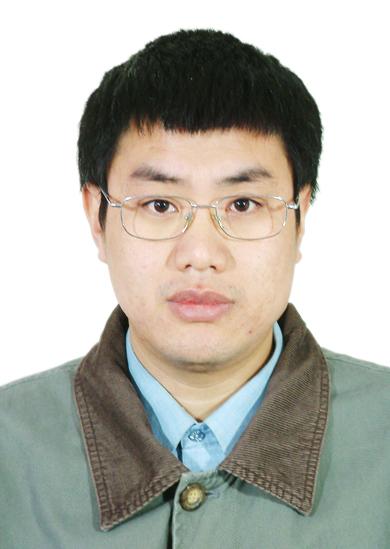 Jiangang Chen (陈建刚)合作论文数Institute of Coal Chemistry, Chinese Academy of Sciences72
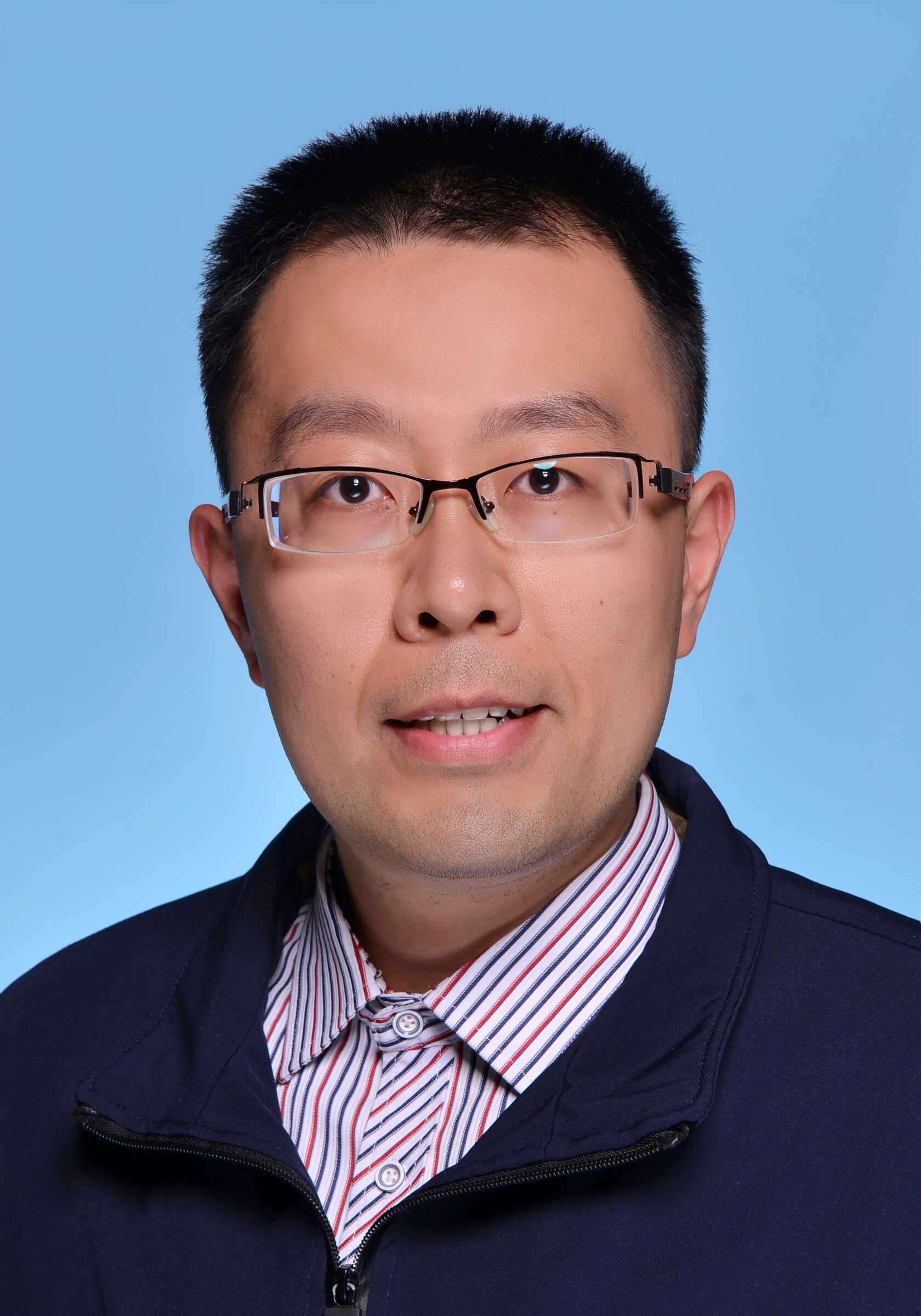 Peng Gao (高鹏)合作论文数Shanghai Advanced Research Institute, Chinese Academy of Sciences62
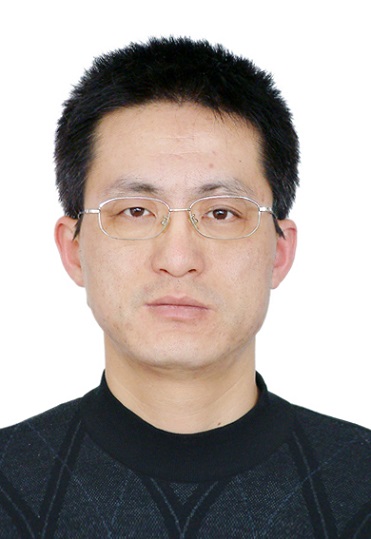 Bo Hou (侯博)合作论文数中国科学院山西煤炭化学研究所62
 Jun Zhang (张军)合作论文数中国科学院上海高等研究院56
 Wenhuai Li (李文怀)合作论文数School of Ecology and Environment, Inner Mongolia University53Jie Ren合作论文数52Bing Zhong合作论文数50
 Nannan Sun (孙楠楠)合作论文数Shanghai Advanced Research Institute, Chinese Academy of Sciences46
 Gaofeng Ceng (曾高峰)合作论文数University of Chinese Academy of Sciences;Shanghai Advanced Research Institute, Chinese Academy of Sciences44
 Tiejun Lin (林铁军)合作论文数Shanghai Advanced Research Institute, Chinese Academy of Sciences;University of Chinese Academy of Sciences39Feng Deng (邓风)合作论文数39
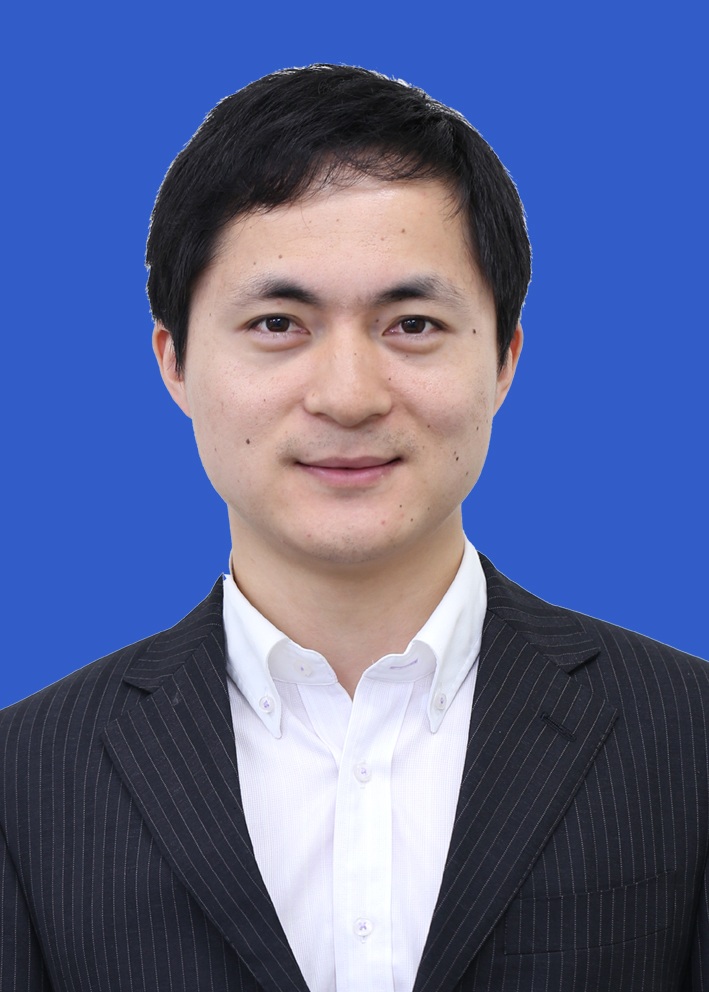 Dong Wu (吴东)合作论文数Micro-Nano Engineering Laboratory, University of Science and Technology of China38
 Yonghui Zhao (赵永慧)合作论文数Shanghai Advanced Research Institute, Chinese Academy of Sciences;University of Chinese Academy of Sciences37Zhihong Li (李志宏)合作论文数中国科学院大学高能物理研究所36
 Minggui Lin (林明桂)合作论文数中国科学院山西煤炭化学研究所36Litao Jia (贾丽涛)合作论文数35
 Hu Luo合作论文数34
 Xinqing Chen (陈新庆)合作论文数Shanghai Advanced Research Institute, Chinese Academy of Sciences33
 Lingzhao Kong (孔令照)合作论文数Shanghai Advanced Research Institute, Chinese Academy of Sciences32
 Wei Chen (陈为)合作论文数Shanghai Advanced Research Institute, Chinese Academy of Sciences31
 Yu Fu (付彧)合作论文数Shanghai Advanced Research Institute, Chinese Academy of Sciences;University of Chinese Academy of Sciences30
 Yanjun Gong (巩雁军)合作论文数College of Chemical Engineering and Environment, China University of Petroleum-Beijing29
 Yu Fei (虞飞)合作论文数29
 Yunlei An合作论文数28
 Chengguang Yang (杨承广)合作论文数University of Chinese Academy of Sciences;Shanghai Advanced Research Institute, Chinese Academy of Sciences28
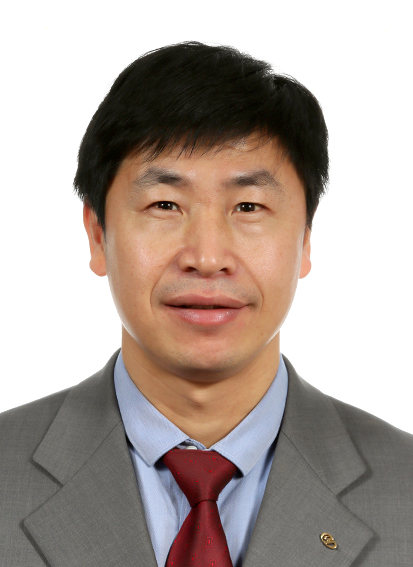 Ziyu Liu (刘子玉)合作论文数中国科学院上海高等研究院28
 Yanfang Song (宋艳芳)合作论文数University of Chinese Academy of Sciences27
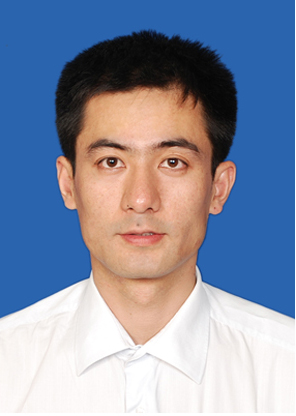 Zhiyong Tang (唐志永)合作论文数中国科学院上海高等研究院27
 Dong Jiang (姜东)合作论文数Institute of Coal Chemistry, Chinese Academy of Sciences27
 Xiaofang Liu (刘晓芳)合作论文数School of Materials Science and Engineering, Beihang University26
 Xiaopeng Li (李小鹏)合作论文数College of Materials Science and Engineering, Donghua University26
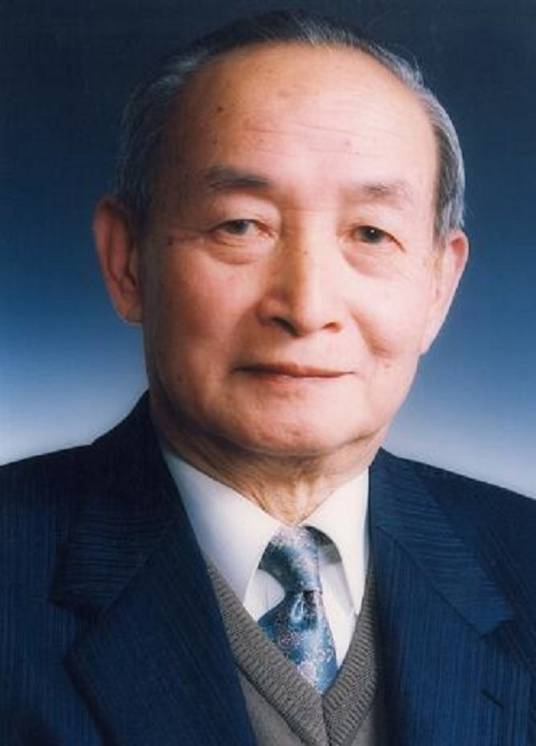 Shaoyi Peng (彭少逸)合作论文数Institute of Coal Chemistry, Chinese Academy of Sciences26
 Weicai Peng合作论文数26
 Guihua Li合作论文数25
 Yongwang Li (李永旺)合作论文数Institute of Coal Chemistry, Chinese Academy of Sciences25
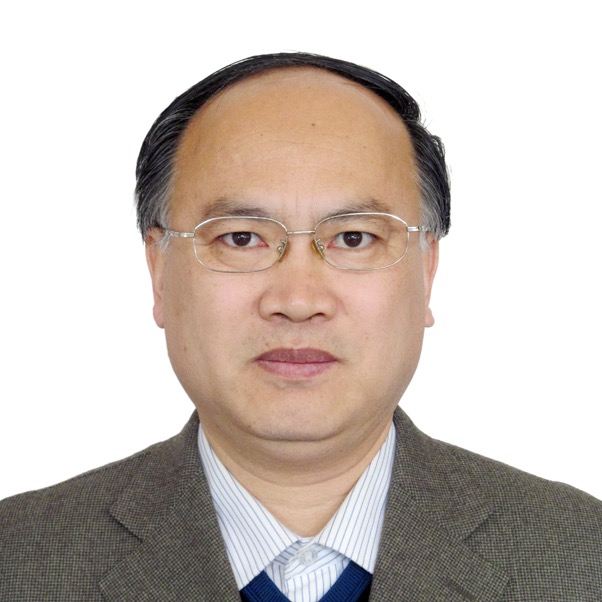 Hongwei Xiang (相宏伟)合作论文数Institute of Coal Chemistry, Chinese Academy of Sciences23
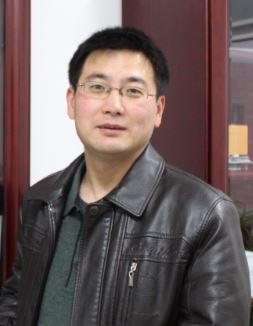 Jungang Wang (王俊刚)合作论文数中国科学院山西煤炭化学研究所23




