Although the efficacy of Aconitum kusnezoffii Reichb (Caowu) in treating rheumatoid arthritis is well-established, its severe toxic side effects have attracted widespread attention from researchers both domestically and internationally. Processing is an important method for reducing the toxicity of Caowu and ensuring its safe clinical application, with the processing of Caowu using the Terminalia chebula Retz (Hezi) decoction method being a distinctive approach in Mongolian medicine. The majority of current studies on HC are still conducted in animal models under normal physiological conditions, failing to adequately account for the impact of pathological states on its efficacy and toxicity. Moreover, the material basis underlying its effects and the molecular mechanisms through which processing reduces toxicity while preserving therapeutic efficacy remain unclear. This study employs proteomics to uncover changes in toxicity- and efficacy-related proteins during the in vivo action of Hezi Processed Caowu (HC), thereby exploring the molecular mechanisms behind its ‘‘toxicity reduction while efficacy retention’’. Using LC–MS/MS technology, based on the Collagen- Induced Arthritis (CIA) rat model, we combined in vivo and in vitro chemical composition analysis, in vivo pharmacology/toxicology, proteomics, molecular docking, and other research methods to explore its molecular mechanism. Using UPLC-Q-Orbitrap-MS/MS technology, 43 compounds were identified in the positive ion mode for HC. After administration of HC, 24 parent compounds were detected in plasma and 25 parent components were detected in the heart. A CIA rat model was established to evaluate the anti-RA (Rheumatoid Arthritis) pharmacological effects of HC. It was found that HC could reduce foot swelling in CIA rats, lower the arthritis index, and decrease the secretion of MMP-2, MMP-3, TNF-α, and IL-6. Proteomic analysis revealed that, compared with the CIA group, administration of HC significantly downregulated the protein expression of Ctsk, Acp5, and Casp3. Molecular docking was employed to simulate the spatial conformation between the core differentially expressed target proteins and the blood-absorbed bioactive components of the HC. The highest docking scores were observed between Ctsk and benzoylaconitine, Casp3 and aconitine, as well as Acp5 and ellagic acid. After long-term treatment of CIA rats with raw Caowu (RC) and HC, histopathological examination and electrocardiogram (ECG) detection indicated significant cardiotoxicity in the RC group, which was ameliorated by HC group. Subsequent biochemical analysis showed that, compared to the raw aconite group, the levels of AST, ALP, LDH, CK, CK-MB, TP, and TBA were reduced in the HC group. Proteomic studies further demonstrated that the expression of Kng1 and Sod1 was downregulated in the HC group compared to the RC group. Western blot analysis confirmed that Nrf2, Kng1, and Sod1 were highly expressed in the RC group, whereas their expression was reduced in HC group. Additionally, compared with the RC group, HC decreased the levels of Casp3 and Bax, while increasing the expression of Bcl2. Further analysis using molecular docking technology validated the spatial conformation of differentially expressed core target proteins with cardiac active components. Among these, Nrf2 had the highest docking score with benzoylmesaconine, Kng1 had the highest docking score with chasmanine, and Sod1 had the highest docking score with benzoylaconitine. Casp3 had the highest docking score with aconitine, Bax had the highest docking score with senbusine A, and Bcl2 had the highest docking score with mesaconine. HC exerts its anti-RA effects by prolonging the retention time of anti-inflammatory components in the body, reducing the expression of Ctsk, Acp5, and Casp3 proteins, and inhibiting bone erosion and joint damage; it also reduces cardiac toxicity by reducing oxidative stress and protecting against apoptosis, thereby forming a multidimensional detoxification mechanism. This study focused on the anti-inflammatory activity of HC, integrating blood component analysis, cardiac tissue distribution detection, and disease model-driven synovial and cardiac proteomics analysis to scientifically elucidate the detoxification and efficacy principles of HC, providing new strategies for comprehensive research on detoxification and efficacy in the preparation of toxic herbs for ethnic minorities.
Liuwei Anxiao San (LAS) is a traditional Mongolian and Tibetan medicinal preparation for the treatment of functional constipation, functional dyspepsia and other gastrointestinal diseases. LAS is a mixture of four herbal ingredients and two mineral ingredients, but the current drug regulations on LAS completely ignore the two mineral ingredients. For the comprehensive quality control of LAS, this research explored the X-ray diffraction (XRD) and Fourier transform infrared (FTIR) spectroscopic identification methods for the calcined Gypsum Rubrum (GR) in LAS. It was found that the major composition of the raw GR was CaSO4.2H(2)O, while the major composition of the right calcined GR was CaSO4. The bulk XRD and FTIR spectral characteristics of CaSO4.2H(2)O, CaSO4 and CaSO4.0.5H(2)O (the incompletely calcined GR) can be observed in some LAS preparations. FTIR microspectroscopy can collect the spectra of different particles in LAS samples individually to reduce the signal overlapping to increase the specificity and sensitivity of the identification method. According to the XRD and FTIR identification results, some commercial LAS preparations may use the raw or incompletely calcined GR instead of the right calcined GR, or these products did use the right calcined GR but they turned into calcium sulfate hydrate during the production and storage. Furthermore, neither hydrous nor anhydrous calcium sulfate was found in two LAS preparations. It is very necessary to include the XRD and FTIR spectroscopic identification methods to improve the quality standards of LAS preparations to assure their efficacy and safety. Considering the accessibility of instruments, the bulk FTIR spectroscopy can be the most convenient identification method for the calcined GR in LAS preparations. If possible, the bulk XRD spectra and the microscopic FTIR spectra can be used as further evidences for the identification.
The interaction between ethyl p-methoxycinnamate (EPMC) and pork myofibrillar proteins (MPs) was analyzed by multispectral technology and molecular dynamics simulation system. Multispectral analysis showed that EPMC quenched MPs fluorescence through a combined static and dynamic process, driven primarily by hydrophobic interactions (Delta H > 0, Delta S > 0). This binding induced conformational changes in MPs, including increased surface hydrophobicity at low concentrations, a significant reduction in alpha-helix content, and degradation of troponin T. Molecular docking and molecular dynamics (MD) simulations further revealed that EPMC stably binds to myosin through hydrogen bonds (ARG-205) and hydrophobic interactions (PHE-647,ILE-473,ILE-457,GLU-231), with a binding free energy of -22.18 kcal/mol, among which the key residue ARG-202 contributes significantly to the binding energy. This study clarified the molecular interaction between a characteristic ester flavor compound and MPs, providing a theoretical basis for the precise application of spices in regulating protein function in Sichuan-style meat product.
Dyslipidemia, a core component of metabolic syndrome, is mechanistically linked to gut-liver axis dysfunction, in which the Farnesoid X receptor (FXR) is a master regulator. However, the initiating role of hepatocyte-derived FXR signaling in this process remains poorly defined. To investigate this, we employed an adeno-associated virus serotype 8 (AAV8)-CRISPR-CasRx system to achieve hepatocyte-specific Fxr knockdown in mice subjected to a 16-week high-fat diet. Systemic metabolic phenotypes, hepatic steatosis, and intestinal barrier integrity were comprehensively evaluated. Furthermore, we assessed molecular alterations in the gut-liver axis via quantitative real-time PCR and Western blot, characterized the gut microbiota using full-length 16S rRNA gene sequencing, and profiled the fecal bile acid pool using targeted metabolomics. Hepatic FXR deficiency synergized with dietary stress to exacerbate weight gain, dyslipidemia, and hepatic steatosis. Mechanistically, FXR loss led to a marked upregulation of CYP7A1 and suppression of SHP, disrupting bile acid homeostasis and remodeling the fecal bile acid pool. This reconstituted bile acid pool triggered a cascade of gut-liver axis dysfunction, characterized by an attenuated intestinal FXR-FGF15 feedback loop, compromised gut barrier integrity, and profound microbial dysbiosis. Concurrently, hepatic lipid metabolism was reprogrammed toward a lipogenic state, evidenced by upregulation of SREBP1c and downregulation of PPARα. Collectively, this study indicates that hepatic FXR deficiency exacerbates dyslipidemia by disrupting the gut-liver axis, primarily via bile acid disorder and gut microbiota dysbiosis. This establishes hepatic FXR as a crucial guardian of metabolic homeostasis and identifies the gut-liver axis as a pivotal target for therapeutic intervention.
Wuwei Leze Powder (WLP, སླྱེ་ཏྱེསལྔ་ཐང།) is a classic Tibetan medicine formula with clinical efficacy against rheumatoid arthritis (RA), but its in vivo pharmacokinetic (PK) behavior is unclear. This study aimed to elucidate the absorption, metabolism, pharmacokinetics, and tissue distribution of WLP in rats. UPLC-Q-TOF-MS and UPLC-QQQ-MS were used to qualitatively and quantitatively analyze WLP components in rat plasma and tissues. Fifty-six plasma constituents (21 prototypes, 35 metabolites) were identified. Nine compounds-syringin, cordifolioside A, sweroside, mangiferin, norswertianolin, isovitexin, ellagic acid, amarogentin, and arjungenin-were quantified. All were detectable in plasma within 15 min, with peak concentrations at 0.75-2 h ellagic acid and mangiferin showed the highest systemic exposure (AUC0→t: 5007.26 and 3354.21 µg/L·h; Cmax: 1491.27 and 749.00 µg/L). Half-lives ranged from 2.63 to 5.26 h. All nine compounds distributed to all tested tissues within 0.5 h, with residues significantly decreased by 8 h and no accumulation observed. The nine compounds are rapidly absorbed and broadly distributed, particularly to synovium, liver, and kidney. Amarogentin, mangiferin, ellagic acid, cordifolioside A, and arjungenin are identified as primary in vivo exposed compounds, supporting the potential pharmacodynamic material basis of WLP against RA.
Objective:Rheumatoid arthritis (RA) is a chronic autoimmune disease characterized by persistent inflammation and joint destruction. Importantly, this review emphasizes the mechanistic linkage among TCM active compounds, nanocarrier design, and rheumatoid arthritis (RA) signaling pathways. By integrating carrier-mediated targeting, microenvironment-responsive release, and pathway-specific modulation (e.g. NF-κB, JAK/STAT, MAPK, Nrf2, and NLRP3), TCM-based nanodelivery systems are shown to remodel the synovial immune microenvironment, enhance intracellular drug accumulation in macrophages and fibroblast-like synoviocytes, and amplify multi-level anti-inflammatory and immunomodulatory effects. This mechanistic integration provides a framework for rational design of next-generation nanomedicines for RA therapy. Methods:Recent studies were systematically analyzed to categorize lipid-based, polymeric, inorganic, biomimetic, and stimuli-responsive nanocarriers, with emphasis on formulation strategies, pharmacokinetic/pharmacodynamic enhancement, and mechanistic modulation of inflammatory and immune pathways. Results:Nanodelivery systems not only improve drug solubility, stability, and lesion accumulation, but also reshape the interaction between TCM compounds and RA-associated signaling networks. Distinct classes of phytochemicals exhibit characteristic mechanistic profiles: triterpenoids (e.g. celastrol, triptolide) primarily suppress NF-κB, proteasome activity, and osteoclastogenesis, whereas flavonoids (e.g. baicalin, icariin, curcumin) preferentially regulate NLRP3 inflammasome activation, Th17/Treg balance, and antioxidant pathways. Nanocarrier-mediated delivery further amplifies these effects through targeted release, immune cell modulation, and microenvironment-responsive activation. Conclusion:The integration of nanotechnology with TCM pharmacology provides mechanistic synergy by coupling material-based targeting with pathway-specific regulation. This dual modulation represents a key advantage over conventional therapies and supports the rational design of mechanism-guided TCM-based nanomedicines for RA.
Sea buckthorn is a model of medicine and food homology, but the chemical composition and mechanism of anti-inflammatory effects are limited. In this study, the key components and mechanisms of the anti-inflammatory effects of sea buckthorn were identified based on UPLC-Q-TOF–MS, network pharmacology, molecular docking, molecular dynamics and RAW264.7 cells. The predicted key anti-inflammatory compounds in sea buckthorns were cianidanol, kaempferol, pelargonidin, and ent-epicatechin, and the key targets were EGFR, TNF, STAT3, and IL-10. The anti-inflammatory effects of sea buckthorn may be achieved via the synergistic regulation of multiple biological pathways. Furthermore, cianidanol significantly reduced the secretion of NO, IL-6, TNF-α, and IL-1β and the expression of phosphorylated JAK2 and STAT3 in LPS-stimulated RAW264.7 cells, as determined by ELISA and western blotting. Cianidanol from sea buckthorns exerts anti-inflammatory effects by reducing the expression of inflammatory mediators and pro-inflammatory cytokines, and inhibiting the JAK2/STAT3 signaling pathway. Thus, sea buckthorn can be developed into a promising functional food with anti-inflammatory properties.
Sichuan-style meat products are typical representatives of traditional and characteristic meat products in China. Piper longum L. is one of the commonly used spices in its processing, and piperine (PIP) is one of its main alkaloid components. The interaction between myofibrillar proteins (MPs) and PIP was investigated using multispectral analysis, molecular docking, and molecular dynamics simulations. Fluorescence quenching mechanisms reveal that the fluorescence of PIP on MPs is static, demonstrating a strong binding affinity. Circular dichroism analysis shows that interaction enhances the α-helical structure of MPs. The particle size of the formed complex initially increased before decreasing, while zeta potential first decreased, then increased. Additionally, molecular docking and dynamics simulations disclose that non-covalent interactions (electrostatic forces, van der Waals forces and hydrophobic interactions) are pivotal to the PIP-MPs interaction, with ARG202 and PHE622 being the most significant amino acid residues involved. We found that PIP's methyldioxophenyl selectively disrupts disulfide bonds in MHC, while its piperidine cyclic amide bond system promotes structural rearrangement in MPs through π-π stacking and hydrogen bonding networks. This research provides a theoretical foundation for optimizing natural spice applications in Sichuan-style meat products.
BACKGROUND:Rheumatoid arthritis (RA) is an inflammation-mediated autoimmune disease. Tinosporine (TIN), derived from Tinospora sinensis (Lour.) Merr. has significant anti-inflammatory and immunosuppressive effects. However, the anti-RA effect and mechanism of TIN have not been fully elucidated. OBJECTIVE:This study elucidates the mechanism of TIN in alleviating collagen-induced arthritis (CIA) in rats based on the gut microbiome-metabolomic-immunity axis. MATERIALS AND METHODS:We established CIA rat model to evaluate the efficacy of TIN. Based on 16S rRNA sequencing analysis, fecal metabolomics profiling and the concentrations of short-chain fatty acids determination to investigate the effect of TIN on gut microbiota composition and metabolome changes. Histopathology showed that TIN protected the intestinal barrier, then use ELISA and flow cytometry to analyze the mechanism of TIN, and qRT-PCR and WB were employed for verification. RESULTS:TIN ameliorated joint damage and inflammation in CIA rats, histopathological observation confirmed that TIN had protective effect on intestinal barrier. 16S rRNA sequencing analysis and fecal metabolomics profiling confirmed that TIN intervention regulates the composition of gut microbiome and promote the propagation of probiotics, the abundance changes of 12 serum metabolites in the CIA group were reversed by TIN intervention. After intervention with TIN, propionic acid, butyric acid, isobutyric acid, valeric acid, isovaleric acid, and caproic acid rise significantly, but acetic acid cannot be reversed. Then ELISA and flow cytometry confirmed that TIN intervention could regulate the level of inflammatory factors, maintain the integrity of the intestinal barrier and restoring the imbalance of Th1/Th2 and Th17/Treg ratios in the colon of CIA rats. CONCLUSION:TIN inhibited the inflammatory response of CIA rats by regulating the gut microbiome-metabolome-immunity axis, reversed the abnormalities of intestinal flora and differential metabolites, and maintained the integrity of the intestinal barrier.
The research focused on examining how kaempferia galanga water extract (KGE) and piper longum water extract (PLE) influence the antioxidant properties of myofibrillar protein (MP) when exposed to malondialdehyde-induced oxidation. Non-target metabolomics identified 150 compounds. Among them, the primary antioxidants in KGE as cinnamic acid derivatives (including ethyl 4-methoxycinnamate, trans-2, 3, 4-trimethoxycinnamate and ethyl-trans-cinnamate), bornyl acetate and kaempferol. The main antioxidant substances in PLE are amide alkaloids, including piperine and its derivatives, tetrahydropiperine, piperanine, piperic acid. The addition of 2 g/100 mL KGE and 2 g/100 mL PLE resulted in a 20% decrease in carbonyl compound content, a 1.26-fold increase in sulfhydryl content and the production of cross-linked polymers in MP induced by MDA oxidation; as well as a 53% decrease in hydrophobicity, a 3.21-fold increase in solubility, and an increase in fluorescence spectral intensity and UV spectral intensity of MP. It was shown that KGE and PLE affected the antioxidant capacity of MP through synergistic effects, and the compound type and content were the main reasons for the differences in antioxidant effects. The research findings can serve the production of healthy and nutritious Sichuan-style braised meat and improve the economic benefits of meat industry.
ETHNOPHARMACOLOGICAL RELEVANCE:Wuwei Leze Powder (WLP, སླྱེ་ཏྱེསལྔ་ཐང།) is a classic Traditional Tibetan medicine formula, which has certain clinical efficacy for rheumatoid arthritis (RA). Nevertheless, the pharmacological effects and potential therapeutic mechanisms of WLP on RA remain unclear. AIM OF THE STUDY:The present study aimed to investigate the potential pharmacological mechanisms of anti- RA effect of WLP. MATERIALS AND METHODS:The chemical constituents of WLP were analyzed by UPLC-Q-TOF-MS. A collagen-induced arthritis (CIA) rat model was established to evaluate the swelling, arthritis index. Pathohistological staining and micro-CT were employed to evaluate the therapeutic effects of WLP. Subsequently, serum metabolomic analysis was conducted to elucidate the potential biomarkers and pathways. Finally, an enzyme-linked immunosorbent assay, along with immunofluorescence, RT-qPCR and western blotting, were utilized to verify the anti-RA mechanism of WLP. RESULTS:A total of 109 chemical constituents from WLP were identified by UPLC-Q-TOF-MS. WLP reduced paw swelling, arthritis scores and organ index in the CIA rat model. Histopathological staining and micro-CT observed WLP possesses both anti-inflammatory and bone-protective properties. Subsequently, serum metabolomics identified 12 potential biomarkers, mainly related to amino acid metabolism and the mTOR signaling pathway. ELISA showed that WLP can regulate abnormal levels of inflammatory cytokines (IL-4, IL-10, TNF-α, IL-6, INF-γ and IL-17). Immunofluorescence demonstrated that WLP could regulate the expression of MMP-1, MMP-9, MMP-13 and RANKL. The effect of WLP on the expression of Wnt3a, Wnt10b, β-catenin, RANKL, OPG, p65 and MMP-9 were verified using RT-qPCR and WB, thereby elucidating the anti-arthritis mechanism of WLP. CONCLUSION:The possible mechanism underlying the anti-RA of WLP involves the downregulation of the Wnt/RANKL/NF-κB axis, the restoration of abnormal host metabolite levels, the suppression of synovitis responses, and the attenuation of bone erosion. Considering the high variability of plant materials, the present study takes a batch of WLP as an example, which inevitably has limitations.
Traditional herbal medicines, containing syringin in different parts of the world, have been used to enhance memory, relieve pain, cough, clear fever, treat psoas tension, tonsillitis, sore throat, acute gastroenteritis, and anti-inflammatory, analgesic, and so on. In this article, the extraction, analytical method, pharmacological action, and research progress of syringin-containing plants were reviewed. Various extraction methods and detection methods of syringin were summarized, especially the ultrasonic-assisted extraction and high-performance liquid chromatography, which were recommended for the extraction and determination of syringin. We spotlighted the anti-cancer, brain-protective, and anti-inflammatory pharmacological effects of syringin. An in-depth analysis of four plants contains syringin-Eleutherococcus senticosus, Codonopsis pilosula, Daphne tangutica Maxim, and Syringa reticulata subsp. amurensis. In addition, the safety and efficacy of these four plants and preparations containing syringin (Shugan Jieyu Capsule, compound Coginseng tablet, hyoscyamine ointment, and Qinfenghong Zhike capsule) were analyzed. Although syringin has been widely used in traditional medicine, its specific mechanism of action and clinical efficacy are still not completely understood, and further research is needed to explore and verify it. This study provides a valuable theoretical basis and potential research direction for the research and development of new drugs such as anti-cancer and brain protection.
This study investigated the absorption profile of Wuwei Qingzhuo San in different intestinal segments and the absorption characteristics of its alkaloids(piperine,piperanine,piperlonguminine,and dihydropiperlonguminine).The everted gut sac model was established,and the chemical components of Wuwei Qingzhuo San in different intestinal segments were detected by UPLC-Q-TOF-MS.The content of piperine,piperanine,piperlonguminine,and dihydropiperlonguminine in intestinal absorption fluid was determined by UPLC-Q-TRAP-MS and the absorption parameters were calculated.The absorption characteristics in different intestinal segments at different time were analyzed.As a result,27,27,8,and 6 absorbent components from Wuwei Qingzhuo San were detected in the intestinal cyst fluid of jejunum,ileum,duodenum,and colon by UPLC-Q-TOF-MS technology,respectively.It was also found that piperine,piperanine,piperlonguminine,and dihydropiperlonguminine from Wuwei Qingzhuo San showed linear absorption in various intestinal segments,with r values exceeding 0.9.In terms of absorption content,the components were ranked as piperine>piperanine>dihydropiperlonguminine>piperlonguminine in various intestinal segments,but the absorption rate and mechanism of each component varied.The results demonstrate that the absorption of the components of Wuwei Qingzhuo San in different intestinal segments is selective and is not a simple semi-permeable membrane permeation process.
目的:探索不同蒸制时间蒙药肉苁蓉的成分变化规律,为其炮制工艺优化和质量控制研究提供参考.方法:采用红外光谱与二介导数光谱技术,通过比较肉苁蓉在不同蒸制时间的红外吸收特征,分析其成分变化规律.结果:不同蒸制时间肉苁蓉的一维红外光谱非常相似,进一步分析二阶导数光谱发现,随着蒸制时间的延长,2934 cm-1处吸收峰逐渐增强,1236 cm-1和990 cm-1处吸收峰逐渐减弱,说明蒸制可以使脂类成分增多,使多糖类、环烯醚萜类及苷类物质减少.结论:本研究通过对不同蒸制时间蒙药肉苁蓉红外吸收特征变化规律及指标性成分分析,初步揭示其炮制时长对肉苁蓉成分的影响,可为肉苁蓉的炮制工艺优化及质量评价提供科学依据.
目的:利用气相色谱法-质谱法联用(GC-MS)技术和网络药理学探索蒙药那如-3味丸中挥发油类治疗类风湿性关节炎的活性成分及其作用机制.方法:采用GC-MS技术对蒙药那如-3味丸挥发油类化学成分进行检测;在Swiss Target Prediction平台获取成分靶点,并在Genecard和DisGenet数据库中获取疾病靶点,构建韦恩图,得到那如-3味丸治疗的潜在作用靶点;构建成分-靶点网络模型和蛋白-蛋白互作网络模型;并进行基因本体(GO)功能和京都基因与基因组百科全书(KEGG)功能富集分析;并利用Discovery Studio软件对核心靶点及其相对应成分进行分子对接.结果:从GC-MS中鉴定出那如-3味丸挥发油中56个挥发性成分,通过网络药理学筛选出10个关键活性成分、10个关键靶点以及9条关键信号通路,并预测那如-3味丸治疗类风湿性关节炎可能与PI3 K-Akt信号通路、MAPK信号通路和Ras信号通路有关.分子对接结果表明多个挥发性成分均能与人类酪氨酸激酶蛋白结合,且结合性较强.结论:证实了蒙药那如-3味丸是可以通过多成分、多靶点、多通路对血脂进行调节,该研究为那如3味丸治疗类风湿性关节炎的深入研究提供了参考和指导.
The chemical constituents in the volatile oil of Syringa oblata were identified using GC-MS and NIST database. TCMSP and SwissTargetPrediction were employed to predict the potential targets of the active components in S. oblata. Through Online Mendelian Inheritance in Man(OMIM), GeneCards, and Kyoto Encyclopedia of Genes and Genomes(KEGG), we screened out the targets related to the prevention or treatment of angina pectoris by the volatile oil of S. oblata, and then used DAVID 6.8 to annotate the gene ontology(GO) terms and KEGG pathways. The "active components-targets-pathways" network was constructed in Cytoscape 3.6.0, and the key active components and targets of S. oblata were verified by Discovery Studio 2016. Forty-six chemical constituents were identified from the volatile oil of S. oblata; 198 potential targets of the active components and 1 138 targets associated with angina pectoris were predicted. A total of 71 common targets were shared by the active components and the disease, including cytochrome P450 19 A1(CYP19 A1) and prostaglandin G/H synthase 2(PTGS2). The KEGG pathways involved include PPAR, JAK-STAT, TNF, Toll-like receptor and NOD-like receptor signaling pathways. The active components in the volatile oil of S. oblata may play anti-inflammatory and anti-apoptosis roles. This study provides a reliable clue for further explanation of the effective components and the functioning mechanism of S. oblata in the treatment of angina pectoris.
Ershiwuwei Lvxue Pill (ELP, མགྲིན་མཚལ་ཉེར་ལྔ།), a traditional Tibetan medicine preparation, has been used hundreds of years for the clinical treatment of rheumatoid arthritis (RA) in the highland region of Tibet, China. Nevertheless, its chemical composition and therapeutic mechanism are unclear. This study aimed to uncover the potentially effective components of ELP and the pharmacological mechanisms against RA by combing UPLC-Q-TOF/MS and network pharmacology. In this study, 96 compounds of ELP were identified or tentatively characterized based on UPLC-Q-TOF/MS analysis. Then, a total of 22 potential bioactive compounds were screened by TCMSP with oral bioavailability and drug-likeness. Preliminarily, 10 crucial targets may be associated with RA through protein-protein interaction network analysis. The functional enrichment analysis indicated that ELP exerted anti-RA effects probably by synergistically regulating many biological pathways, such as PI3K-Akt, Cytokine-cytokine receptor interaction, JAK-STAT, MAPK, TNF, and Toll-like receptor signaling pathway. In addition, good molecular docking scores were highlighted between five promising bioactive compounds (ellagic acid, quercetin, kaempferol, galangin, coptisine) and five core targets (PTGS2, STAT3, VEGFA, MAPK3, TNF). Overall, ELP can exert its anti-RA activity via multicomponent, multitarget, and multichannel mechanisms of action. However, further studies are needed to validate the biological processes and effect pathways of ELP.
Hyperlipidemia is one of the most common metabolic disorders that threaten people’s health. Wuwei Qingzhuo San (WQS) is a traditional Mongolian medicine prescription, which is widely used in Mongolia for the treatment of hyperlipidemia. Our previous studies found that it has hypolipidemic and hepatoprotective effects on hyperlipidemic hamsters. However, the underlying lipid-lowering mechanisms of WQS and its relationship with intestinal flora are not yet clear. In this study, 16 S rRNA gene sequencing and metabolomics were performed to investigate the action mechanism of WQS on hyperlipidemic mice induced by a high-fat diet (HFD). As a result, metabolic pathway enrichment analysis revealed that the intervention of WQS had obviously modulated the metabolism of α-linolenic acid and linoleic acid and the biosynthesis of bile acids. 16 S rRNA sequencing showed that WQS had altered the composition of the intestinal microbiota in hyperlipidemic mice fed with HFD and, especially, adjusted the relative abundance ratio of Firmicutes/Bacteroides. These findings provide new evidence that WQS can improve HFD-induced hyperlipidemia by regulating metabolic disorders and intestinal flora imbalance.
目的 研究诃子汤炮制草乌对草乌多成分体内动态变化过程的影响,从而探讨蒙医诃子汤炮制草乌机理.方法 采用超高效液相色谱-串联飞行时间/质谱(Ultra performance liquid chromatogr time of flight/mass spectrometry,UPLC-Q-TOF/MS)技术和封闭肠环法,收集生草乌、炮制草乌及诃子的肠壁吸收、肠道菌吸收代谢以及肝代谢样品,分别建立大鼠含药血浆指纹图谱,对各个样品所含成分进行对比分析研究.结果 在肠壁吸收研究中检测出生草乌、炮制草乌成分共32种,其中生草乌组、制草乌组共有成分16种、只在生草乌组检测出而未在制草乌组检测到成分8种、只在制草乌组检测出而未在生草乌组检测出成分8种,诃子成分17种.在肠道菌吸收代谢研究中检测出草乌31种成分,其中生草乌、制草乌组共有成分10种、只在生草乌组检测出而未在制草乌组检测到成分7种、只在制草乌组检测到而未在生草乌组检测出成分14种,诃子13种成分.在肝代谢研究中草乌检测出21种成分,其中生草乌组、制草乌组共有成分5种、只在生草乌组检测出而未在制草乌组检测到成分7种、只在制草乌组检测出而未在生草乌组检测出成分9种,诃子11种成分.对已鉴定出成分进行含量对比研究结果显示生草乌组与制草乌组相比较其成分在肠壁吸收中较多在肠道菌及肝中吸收代谢较少,而制草乌与诃子成分在肠道菌及肝代谢中较多,而在肠壁与肝代谢中较少.结论 经过诃子汤炮制草乌可使草乌成分吸收代谢位点发生了变化,使草乌成分在肠壁吸收中变少而肠道菌及肝代谢中变多.由此可知,经诃子汤炮制使草乌成分的吸收变缓慢且代谢变快,因而可有效起到草乌中毒性成分被人体缓慢吸收且快速代谢.由此推断,诃子汤炮制草乌通过以下途径达到减毒目的:一方面避免草乌毒性成分吸收过快而导致血药浓度快速升高导致中毒;另一方面加速代谢毒性成分,进而降低血药浓度而避免中毒.
 Suqin Sun (孙素琴)合作论文数Department of Chemistry, Tsinghua University20
 Lin Song (松林)合作论文数9Jianliang LI (李建良)合作论文数7DouNa Su (苏都娜)合作论文数7
 Chaolu Wang (王朝鲁)合作论文数中国中医科学院望京医院7
 Zhiyong Li (李志勇)合作论文数School of Pharmacy, Minzu University of China7Shasha Ge (葛莎莎)合作论文数6Ya Gao (高雅)合作论文数6Cuiping Liao合作论文数5Shuzhen Cai (蔡淑珍)合作论文数5
 Bo Nie (聂波)合作论文数Dongzhimen Hospital, Beijing University of Chinese Medicine5Qun Zhou (周群)合作论文数5Guijun Zhang (张贵君)合作论文数北京中医药大学中药学院5Hui LIANG (梁慧)合作论文数4
 QiuJie Cai (蔡秋杰)合作论文数4Chuan Liu (刘川)合作论文数4Lu Zhong合作论文数3Yanhong HOU (侯彦宏)合作论文数3Jianliang Li合作论文数3Fangfang Fan合作论文数3Xiaofeng Zhang (张小峰)合作论文数3Jin-Song Su (苏锦松)合作论文数3HaiXia Dang (党海霞)合作论文数3LingYun Li (李玲云)合作论文数3BeiLei Xu (徐蓓蕾)合作论文数3
 Wenyu Yang (杨文宇)合作论文数College of Informatics, Huazhong Agricultural University3Aihua Wei (魏爱华)合作论文数3
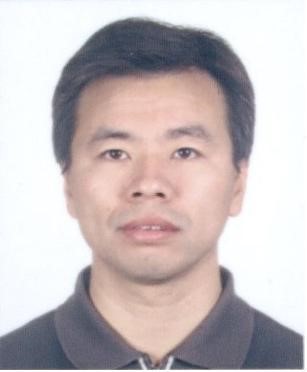 Xiao Li (李霄)合作论文数College of Life Science and Bioengineering, Beijing University of Technology3Xing Xing (星星)合作论文数3
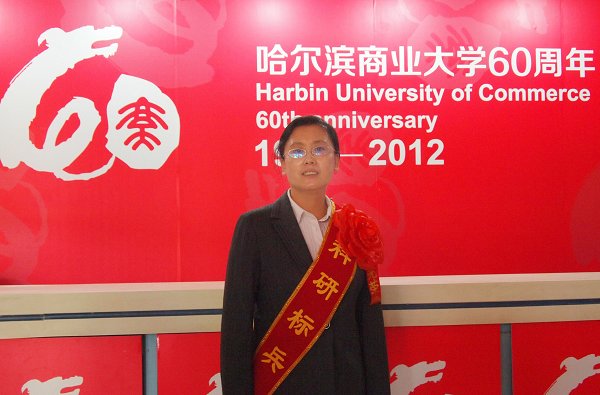 Wenlan Li (李文兰)合作论文数Center of Research and Development on Life Sciences and Environmental Sciences,Harbin University of Commerce,Harbin ,China3Na-na YANG (杨娜娜)合作论文数2Puling Li合作论文数2Jing-yi Li合作论文数2Xiao-juan REN (任小娟)合作论文数2Yu Lei合作论文数2格根珠拉合作论文数内蒙古民族大学2Mengjiao LIU (刘梦娇)合作论文数2Junqi Wang合作论文数2Yi Zhang (张艺)合作论文数2Wen-bin SUN (孙文斌)合作论文数2Di WU (吴迪)合作论文数2Shu-sen LIU (刘树森)合作论文数2JingFan Yang (杨晶凡)合作论文数2YinLian Ma (麻印莲)合作论文数2FuQuan Li (李福全)合作论文数2Rui Su (苏芮)合作论文数2




