In equipment condition monitoring, the variational auto-encoder (VAE), as a probabilistic generative model, exhibits strong capability in feature disentanglement for non-smooth signals and has been widely applied to bearing fault diagnosis. However, conventional VAEs often fail to effectively capture weak fault features under complex operating conditions. To address this limitation, this study proposes an improved VAE-based signal classification approach enhanced with an attention mechanism. The proposed model integrates a bidirectional gated recurrent unit (Bi-GRU), a convolutional neural network (CNN), and an attention module within the VAE framework to enhance feature extraction and optimize model learning. Experimental results demonstrate that the proposed method achieves an accuracy of 99.4% using onedimensional time-domain signals, with robustness and generalization accuracies exceeding 82.7% and 97.7%, respectively. These findings indicate that the proposed approach enables end-to-end bearing fault diagnosis with superior adaptability and robustness, offering a promising solution for intelligent fault detection in complex industrial environments.
This paper clarified the network structure of the lithium-ion battery (LIB) slurry under effects of composite conductive agent amount and carbon black (CB) to graphene (Gr) mass ratio (m'CB:m'Gr). Four different amounts of composite conductive agent which are 4com1 = 0.25%, 4com2 = 0.5%, 4com3 = 0.75% and 4com4 = 1% are selected as the conductive materials for LIB slurries. Meanwhile, to discriminate the individual impacts of CB and Gr, two distinct mass ratios of CB to Gr, namely, m'CB: m'Gr = 1:2 and m'CB: m'Gr = 2:1, are additionally chosen. Moreover, the influence of single conductive additive agent CB or Gr with the same amount as composite conductive agent on the network structure of the LIB slurry is also investigated. Furthermore, Electrochemical Impedance Spectroscopy (EIS), Scanning Electron Microscopy (SEM) and Raman experiments are performed to obtain the electrochemical, morphological and Raman characterizations of LIB slurry, respectively. After analyzing the experimental results, the main conclusion shows that the synergistic interaction between CB and Gr ensures a high-level conductive efficiency because of minimizing the amount of the conductive agent and increasing the amount of LiCoO2 particles to the utmost degree, which has the potential to substantially elevating the energy density of LIB. (c) 2025 Published by Elsevier B.V. on behalf of Chinese Society of Particuology and Institute of Process Engineering, Chinese Academy of Sciences.
Sludge disintegration is an optimal pre-treatment method for waste-activated sludge (WAS) resource utilisation. To achieve the efficient, economical, and environmentally friendly disintegration of WAS, a new strategy utilising waste heat to enhance the circulating fluidised method (CFM) for WAS disintegration is proposed for the first time, and its enhancement mechanism is revealed. The evaluation results indicate that, when equipment investment was discounted, the proposed strategy was a zero-energy consumption process with a high efficiency of sludge disintegration. Under this strategy, the DDSCOD of WAS has increased to a maximum of 21.98%, which is significantly advantageous over conventional hydraulic cavitation and some ball-milling methods. According to the studies conducted from the perspectives of biology, rheology, and non-Newtonian multi-phase flow dynamics, increasing the initial sludge temperature (pre-waste heat mechanism) effectively reduces the apparent viscosity of both raw sludge and sludge during the disintegration process. The reduction in sludge apparent viscosity enhances the shear force within the liquid phase, cavitation and particle grinding intensity. Meanwhile, an increase in initial temperature facilitates rapid sludge heating and promotes the thermal hydrolysis of sludge, ultimately improving the efficiency of WAS disintegration. The mechanism of post-waste heat process enhancement lies in the promoting effect of the pre-waste heat process and the combination of physical thermal insulation techniques to effectively control heat transfer and efficiently utilize the waste heat generated during disintegration, which enables thermal hydrolysis treatment. The results demonstrate only a 3.54% average temperature reduction after 2 h insulation across all operating conditions.
Oil monitoring plays an important role in early maintenance of mechanical equipment on account of the fact that lubricating oil contains a large amount of wear information. However, due to extreme industrial environment and long-term service, the data history and the sample size of lubricating oil are very limited. Therefore, to address problems due to a lack of oil samples, this paper proposes a new prediction strategy that fuses the domain shifts with uncertainty (DSU) method and long short-term memory (LSTM) method. The proposed DSU-LSTM model combines the advantages of the DSU model, such as increasing data diversity and uncertainty, reducing the impact of independent or identical domains on neural network training, and mitigating domain changes between different oil data histories, with the advantages of LSTM in predicting time series, thereby improving prediction capability. To validate the proposed method, a case study with real lubricating oil data is conducted, and comparisons are given by calculating the root-mean-square error (RMSE), mean absolute error (MAE), and mean relative error (MRE) with LSTM, support vector machine (SVM), and DSU-SVM models. The results illustrate the effectiveness of the proposed DSU-LSTM method for lubricating oil, and the robustness of the prediction model can be improved as well.
To avoid production interruptions and equipment damage caused by rolling bearing failure, this study presents a novel diagnosis scheme applicable to both condition monitoring and fault recognition. In detail, to fully exploit feature information, a modified Hierarchical Time-Shift Multi-scale Amplitude-Aware Permutation Entropy (MHTSMAAPE) is put forward to map the raw vibration signal into a high-dimensional vector space of features. This method is developed from the AAPE algorithm and integrates the time-shift procedure and modified hierarchical analysis, extracting more feature details while ensuring entropy stability. Afterwards, the averaged value of the feature vector is regarded as an indicator to assess the condition of rolling bearing, this indicator exceeds a specific value indicates the rolling bearing steps into faulty. Then, the Unsupervised Discriminative Feature Selection (UDFS) algorithm is first introduced to directly pick fault-sensitive features from the vector space, relieving the calculation burden of the fault recognition task. The fault identification algorithm is based on Harris Hawks Optimization-Joint Opposite Selection optimized for Support Vector Machine (HHO-JOS-SVM) to improve classification accuracy. Finally, the proposed scheme fused by MHTSMAAPE, UDFS, and HHO-JOS-SVM is validated in two different cases with four common evaluation metrics, respectively. The experimental results demonstrate its reliability and robustness in rolling bearing condition assessment and fault recognition.
This paper presents the effects of both poly vinylidene fluoride (PVDF)/carbon black (CB) ratio (mPVDF:mCB) and mixing time t on the dispersion mechanism of the cathode slurry of lithium-ion battery (LIB). The dispersion mechanism is deduced from the electrochemical, morphological and rheological properties of the cathode slurry by using electrical impedance spectroscopy (EIS), scanning electron microscopy and rheology methods, respectively. From the perspective of EIS method, static simulation models are established in the COMSOL Multiphysics software; meanwhile, the simulated results are used to verify the correctness of the electrochemical properties of the cathode slurry. As a result, the following conclusions are able to be obtained. Firstly, in the case of the mass ratio mPVDF:mCB= 5:10, LiCoO2 particles are completely coated by the mixture of CB and PVDF to form a stable polymer gel structure. Higher or lower mPVDF:mCB leads to the larger impedance and worse dispersion status for the cathode slurry. Secondly, when t = 6 min, a good gel-like conductive network structure is formed by coating the thinner evenly dispersed CB-PVDF double layer around LiCoO2 particles. Finally, a strategy regarding to both mPVDF:mCB and t in experimental scale is proposed, which has the capability of improving the performance of LIB. (c) 2023 Chinese Society of Particuology and Institute of Process Engineering, Chinese Academy of Sciences. Published by Elsevier B.V. All rights reserved.
This paper proposed an optimal approach to disperse the composite conductive agent which is composed of carbon black (CB) and graphene (Gr) within lithium-ion battery (LIB) slurry with different mixing speeds and mixing times. The internal structures of LIB slurry are characterized by Electrochemical Impedance Spectroscopy, Scanning Electron Microscopy, and Raman experiment. Initially, a composite conductive solution is prepared by mixing the composite conductive agent with NMP solvent under the conditions of five different mixing speeds n1 (n1=1000, 1100, 1200, 1300, 1400 rpm) in the case of mixing time t1=10 min. Subsequently, LIB slurry is prepared by blending the composite conductive solution, LiCoO2 and PVDF-NMP solution under the conditions of five different mixing speeds n2 (n2=1000±280, 1100±280, 1200±280, 1300±280, 1400±280 rpm) in the case of mixing time t2=6 min. By analyzing the internal structure of different LIB slurries, it shows that in the case of n1=n2=1200 rpm, a conductive network structure is well formed within LIB slurry. Additionally, in order to determine the optimal time to prepare the composite conductive solution for LIB slurry, nine different t1 (t1 = 0, 10, 20, 30, 40, 50, 60, 70, 80 min) are selected. By analyzing the internal structure of different LIB slurries, a well-formed conductive network structure and a uniformly distributed composite conductive agent are deduced in LIB slurry when t1=50 min. Therefore, it can be concluded that the composite conductive agent composed of CB and Gr is able to be uniformly dispersed in LIB slurry by establishing a well-formed conductive network structure under the optimal mixing speed n1=n2=1200 rpm and the optimal mixing time t1=50 min, t2=6 min. This kind of the internal structure has the potential to be used to further analyze the dispersion characterizations of LIB slurry under different composite conductive agent and CB/Gr ratios with the aim of improving the final performance of LIB.
The function of the turbo-pump shaft within the liquid rocket engine is rendered exceedingly complex due to the operation in an environment characterized by drastically low temperatures, elevated velocities, and high pressures. Given these operational conditions, it is highly plausible that a two-phase flow might form within the liquid film located on the terminal face of the mechanical seal. This liquid-vapor mixture significantly modifies the fluid lubrication pattern across the end faces and poses consequential implications on the overall sealing stability. In this study, the phase change characteristics of the fluid in the seal clearance were investigated based on the Laminar and Mixture multi-phase flow models in a spiral groove mechanical seal. The behaviors of two-phase flow characteristics and phase transition under extreme temperature, rotational speed and pressure with liquid nitrogen media were studied. The sealing performance was quantified through metrics including the leakage rate, opening force, and internal gas phase volume ratio. The findings offered valuable insights into the role of operational conditions in influencing the phase change of the liquid film. Moreover, we discerned and explicated the intricate interconnections between the leakage rate, the opening force, and the phase change behavior of the liquid film.
Finger sealing has potential application prospects in aerospace engines and gas turbines. An antifriction wear-resistant sealing coating (AWSC) is used on the rotor seal track to improve the service life of a finger seal. Thermal shock resistance is an important indicator of the coating properties. In this research, finite-element numerical simulation of thermal shock to an AWSC system was carried out, and the mechanism of thermal shock stress fatigue failure of the AWSC was analyzed. Variations of AWSC composition, AWSC thickness, and bonding coating thickness on thermal shock stress of the coatings were evaluated. The results show that significant radial tensile stress is generated at the AWSC surface in the initial stage of thermal shock, which may lead to vertical cracks in the surface. During the thermal shock process, the AWSC surface generates significant compressive stress. Significant axial and shear tensile stresses are generated at the AWSC/bonding coating interface, which readily cause cracking and interface failure. Radial tensile stress of the AWSC decreased in the initial stage of thermal shock with an increase in AgMo content. Greater thicknesses of the AWSC and bonding coating can reduce the main stress component on the AWSC surface and enhance its thermal shock resistance.
This paper explores the characteristics of processing carbon fiber-reinforced plastic (CFRP) materials with ultra-short pulsed lasers. By combining experimental and numerical simulation methods, the processing characteristics when ultra-short pulsed lasers interact with CFRP are analyzed, including processing depth, processing width, the formation of heat-affected zone (HAZ), and the microstructure of the processed surface. The experimental part involves using picosecond and femtosecond lasers to machine holes or slots in CFRP under different process parameters and comparing their morphologies. Numerical simulation constructs a three-dimensional model to predict the temperature field distribution and material removal dynamics during the laser processing process. The results of experiments and simulations indicate that picosecond laser processing produced a visible HAZ and thermal damage; as the power of the picosecond laser increases, the ablation holes and HAZ gradually expand. In contrast, no HAZ is observed in femtosecond laser processing. Femtosecond pulsed lasers can effectively reduce the thermal damage during the CFRP processing. The anisotropic properties of CFRP materials have a significant impact on the laser processing effects. The research findings provide a theoretical basis and technical support for the precise processing of CFRP materials, which is of great significance for the application of CFRP materials in fields such as aerospace and automotive manufacturing.
Rolling bearings are essential components in rotating machinery and their failure can cause serious downtime and economic loss. Under variable speed conditions, rolling bearings usually exhibit non-stationary and non-linear vibration characteristics, leading to severe challenges to condition monitoring and fault recognition. To address these challenges, this study proposes a novel diagnostic scheme for accurate condition monitoring and fault recognition of rolling bearings operating at variable speed. Specifically, vibration signals are pre-processed using the Subband Averaging Kurtogram (SAK) method to obtain envelope signals, followed by constructing a Time–Frequency Distribution (TFD). The bearing work condition is assessed by analyzing the ridge information from the TFD. For fault signals, Adaptive Chirp Mode Decomposition (ACMD) is employed to estimate instantaneous frequency and extract dominant fault-related components. To quantify detailed fault signal features, an enhanced slope entropy algorithm named Time-Shift Multi-scale Weighted Slope Entropy (TSMWSIE) is proposed, integrating weighted operations and time-shifted coarse-graining strategies to measure non-linear signal dynamics. The extracted features are then analyzed for fault recognition using the Kernel Extreme Learning Machine (KELM) model optimized by Leader Harris Hawks Optimization (LHHO). The suitability of the proposed diagnostic scheme is validated through two experimental cases. The results demonstrate that the developed scheme effectively monitors bearing conditions and achieves high reliability and robustness in fault recognition under different variable speed conditions. This study provides a novel scheme to condition monitoring and fault recognition for rolling bearings, contributing to improved maintenance strategies and reduced operational risks.
In view of the large temperature rise and impact load of thrust bearings in the main shaft system of large wind turbines, this article takes the circular tilting pad thrust bearings in large wind turbines as the research object, and analyses the basic theory of bearing lubrication. The lubrication performance calculation model established for this bearing includes the Reynolds equation, energy equation, film thickness equation, and elastic deformation equation. Theoretically analysing and calculating the lubrication performance of the circular tilting pad thrust bearing, the key performance parameters have identified such as minimum film thickness (hmin), temperature rise (Delta T), power consumption (W), and flow rate (Q). The calculation results show that the eccentricity ratio has a significant impact on the lubrication performance of the circular tilting pad thrust bearing. When both radial and circumferential eccentricity ratios are around 0.5, the bearing exhibits a high temperature rise, leading to a potential risk of bearing burnout. The results also show that at a radial eccentricity ratio of approximately 0.54, the minimum film thickness reaches its maximum value of 10.34 mu m. Similarly, at a circumferential eccentricity ratio of about 0.60, the minimum film thickness reaches its peak value of 21.89 mu m. This indicates that the eccentricity ratio plays a crucial role in the lubrication performance. In addition, the lubrication performance of the bearing under varying loads has been calculated at a speed of 9.5 r/min. The results demonstrated that the applied load significantly impacts the thrust bearing's performance. The findings elucidate the critical role of considering the eccentricity ratio and operational external load during the bearing design process. This study validates the potential of replacing rolling bearings with sliding bearings in wind turbine main shafts. It also provides a theoretical reference for the future design of sliding bearings.
The sparse representation, which is based on the orthogonal matching pursuit (OMP) algorithm, is a useful technique for identifying defect characteristics in rolling element bearings. However, OMP is easily influenced by noise interference and is prone to choosing irrelevant atoms during the sparse decomposition process, resulting in a reduction in reconstruction accuracy. A clustering-based regularized orthogonal matching pursuit (CROMP) algorithm is proposed for bearing fault diagnosis. The clustering technique can successfully eliminate redundant atoms from the dictionary, improving the system’s stability and performance, while regularization can enhance the program’s capacity to recover sparse signals. The suggested technique may successfully recover transient signals from loud noise, according to simulation simulations. The approach performs well in extracting notable fault impacts, according to actual testing. The suggested approach takes less time to run and extracts early defect information more effectively than the OMP algorithm.
Bearing condition monitoring is essential for early fault detection and early warning of large equipment, and signal processing techniques are frequently used to analyse nonlinear and nonstationary sequences. Cross-correlation integral is implemented in bearing condition monitoring because it can analyse the non-stationarity of time series in dynamic systems. This paper proposes a dynamic difference index (DDI) due to the difficulty of determining the threshold in the cross-correlation integral and the roughness and operation caused by sequence similarity of 0 or 1. It is a measure of the similarity between the fuzzy autocorrelation integral of a portion of a time series and the cross-correlation between that portion and other portions of the same time series, and it is used to determine the stationarity of the time series. When bearings begin to degrade or develop structural defects, the DDI changes dramatically. The XJTU-SY dataset and IMS Bearing Data were utilised for algorithm validation. First, the algorithm’s efficacy was demonstrated by optimising the effects of various thresholds, distance measures, and time window sizes on DDI and computational efficiency. Secondly, the comparison with common methods and state of the art shows the superiority of the algorithm in detecting early bearing faults, and reveals its appropriate use in practical engineering applications.
In this study, simulation and experimental studies are used to evaluate the temperature field distribution and process law for the pulsed laser processing of stainless steel. The numerical simulation is based on the theory of heat transfer. The temperature field distribution and change process of the stainless steel surface under the influence of laser is explained subjectively, and the morphology evolution law of stainless steel during the entire process is studied. The influence of insufficient laser spot overlap ratio and the variation of laser power on the machining quality is analyzed by comparing with the experimental results. The evolution law of machining morphology and size with the laser incident angle, scanning speed, repetition frequency, and laser power are evaluated. The results provide theoretical support for determining the high-quality processing of stainless steel by a pulsed laser, which can be used for the parameter optimization of laser processing, such as metal material cutting, surface microstructure preparation, and two-dimensional code marking.
滑动轴承动特性测试精度的影响因素众多,其中试验台支承参数是重要影响因素之一.文章以某倒置式动特性测试试验台为研究对象,分析试验台的支承参数对滑动轴承动特性测试精度的影响规律.基于轴承动力学正反问题,采用仿真方法模拟滑动轴承动特性测试过程,提出滑动轴承动特性识别精度的评估方法.考虑不同激振频率条件,重点研究试验台支承刚度和支承阻尼对滑动轴承的主刚度和主阻尼等动特性参数识别精度的影响规律,并根据分析结果确定合理的激振频率和支承参数的取值范围.研究表明:针对本文研究的倒置式轴承动特性试验台,激振频率建议取 30~280 Hz,支承刚度应当大于被测轴承的刚度,且支承刚度越大,轴承动特性识别精度越好;而支承阻尼的取值几乎不影响识别精度.
According to the actual structure and size of plasma spraying gun, a simulation model based on the Euler-Euler multi-phase model was established with the parameters of medium energy in this study. The distribution nephogram of the temperature and velocity fields of tungsten powder particles and the working gas used in the spraying process were obtained. Additionally, through the mass distribution nephogram, the heating and melting processes of tungsten powder particles in the flame flow were analyzed, and the deposition behavior of the molten droplets of the tungsten powder was investigated. In order to verify the correctness of the simulation, an experiment is performed with the parameters of low energy, medium energy and high energy. This study was of significance in the development of spraying technology, as well as for the improvement on product performance.
Waste-activated sludge (WAS) is regarded as a source of hazardous waste pollution from sewage treatment plants. To efficiently deal with WAS, vortex cavitation circulating fluidised grinding technology (VCCFGT) was proposed as a novel circulating fluidisation technology (CFT) to disintegrate WAS. To be specific, we investigated the effects of disintegration duration, pressure, and filling ratio of mill balls on sludge disintegration. The results of chemical and physical evaluation showed that the values of soluble chemical oxygen demand (SCOD), disintegration degree (DDSCOD), DNA, protein, carbohydrate, and NH4+-N increased with the increase in the filling ratio of the mill balls. Under a pressure and filling ratio of 0.30 Mpa and 1.6%, respectively, the maximum effect was achieved after 60 min of treatment. Compared to those in the treatment without mill balls, the values of SCOD, DDSCOD, DNA, protein, carbohydrate, and NH4+-N in the treatment using mill balls increased by 218, 229, 230, 177, 371, and 190%, respectively. As a result of this technology, the temperature of the sludge dramatically increased, rising approximately 42.9 degrees C. Compared to that of the raw sludge, the sludge particle size after treatment was reduced by 83.25% at most, and the morphology of the sludge comprised smaller flocs. Compared to that of the ball-milling method, the mill balls filling ratio of VCCFGT reduced by 93.60-98.12%. Compared to that of sludge disintegration by the vortex cavitation method, VCCFGT indicating good disintegration degree (increased by 229%) and economic feasibility. VCCFGT has good application prospects for sludge disintegration. The main mechanisms of sludge disintegration and organic release include centrifugal force, grinding, shear force, cavitation, and cyclic fatigue effects, among which grinding plays a leading role. This study concluded that CFT can effectively disintegrate sludge flocs and disrupt bacterial cell walls.
Based on the dynamic characteristic test methods of hydrostatic bearing, the basic principle and method of the hammering method, influence coefficient method and string wave scanning method are analyzed in this paper. The measurement equations of the above test methods are derived in the dynamic characteristic test. The dynamic characteristics of the hydrostatic bearing were tested by the inverted sliding bearing dynamic characteristics test bench. The stiffness coefficients of bearing can be obtained by the approximate formula. The test results were compared with the theoretical values. The results show that the stiffness coefficients of the hydrostatic bearing can be effectively obtained by the three dynamic characteristics test methods. The error between the test results and the theoretical results of stiffness coefficients is less than 3%. The deviation of the identification results of the three test methods is in the range of -2%~+3%. It is preliminarily proved that the three test methods are feasible to identify the stiffness and damping coefficients of the hydrostatic bearing.
Bearings are important components in the operation of mechanical equipment, but the current intelligent diagnosis methods have a low recognition rate in complex environments and variable working conditions. Considering the advantages of deep learning in data processing and feature extraction (no manual feature extraction, high recognition accuracy), a fault diagnosis method with improved auto-encoder incorporating attention mechanism is proposed. The method combines the superiority of convolutional neural network and attention mechanism, based on the auto-encoder structure, and adds fault classification branches, the obtained features can better express the information of the original data, which can be achieved better accuracy, generalization and robustness of fault diagnosis. In the experimental data, using the 1D time domain data of the bearing as the model input, the recognition accuracy reaches 99.68%; after adding white noise to the original data, it still has more than 97.5% accuracy; in the case of variable working conditions, it can also achieve more than 95% accuracy. The experimental results show that the proposed method can achieve fault diagnosis of bearings in complex environments and variable working conditions, and has good robustness and generalization.
 YanChao Zhang (张延超)合作论文数38Runlin Chen合作论文数24
 Longlong Li (李龙龙)合作论文数16XinTao Zhou (周新涛)合作论文数16JianLei Wang (王建磊)合作论文数15
 Lihua Wang (王丽华)合作论文数15Kai Liu (刘凯)合作论文数14Zhaoyang Zhai合作论文数13
 Jin Mao合作论文数12
 Tong Zhao合作论文数12Ma Chao-Feng合作论文数11Qian Jia (贾谦)合作论文数11
 Fengqi Zhang合作论文数Northwest Institute of Nuclear Technology, Northwest Institute of Nuclear Technology11XiaoLin Liu (刘晓琳)合作论文数10
 Jinfu Du (杜进辅)合作论文数10Chunguo Zhou合作论文数10
 Minghu Yin合作论文数9
 Xiayi Liu合作论文数9
 Lingping Chen (陈玲萍)合作论文数School of Mechanical and Precision Instrument Engineering, Xi'an University of Technology8Guanglei Li合作论文数8BaoFeng Zhang (张宝锋)合作论文数8HongJiang Wang (王宏江)合作论文数8Liu Kai合作论文数7
 Hui Pang (庞辉)合作论文数西安理工大学机械与精密仪器工程学院7
 Jianhuai Ye (叶建槐)合作论文数School of Energy Science and Engineering, Harbin Institute of Technology7
 Zhansheng Liu (刘占生)合作论文数School of Energy Science and Engineering, Harbin Institute of Technology7Ningqiang Wu合作论文数6Danlong Song合作论文数6Wen-Hong Liang合作论文数6Xiaomin Ji合作论文数6Jie Wang合作论文数6LongQuan Xue (薛隆泉)合作论文数6
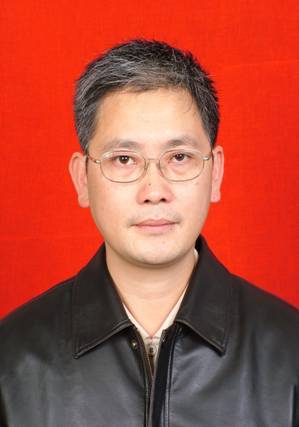 Xiaoyang Yuan (袁小阳)合作论文数School of Mechanical Engineering, Xi'an Jiaotong University6
 Masahiro Takei合作论文数College of Science and Technology, Nihon University6Lei Meng合作论文数5
 Zhilong Wang合作论文数Xian Univ Technol, Fac Mech & Precis Instrument Engn, Xian 710048, Peoples R China5Dongping WANG (王栋平)合作论文数5Na Ma (马娜)合作论文数5Lin Xu (徐琳)合作论文数5
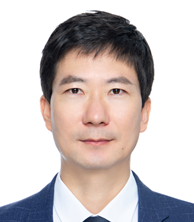 Yongliang Wang (王永亮)合作论文数Naval Architecture and Ocean Engineering College, Dalian Maritime University5
 Serdar Coskun合作论文数Texas A&M University5
 Zhe Li合作论文数5HAN Qin (韩沁)合作论文数4Huiwu Wang合作论文数4Chuanhao MEN (门川皓)合作论文数4Xi-feng TAN (谭喜峰)合作论文数4XiangRu Xi (郗向儒)合作论文数4ChunHua Du (杜春华)合作论文数4Zhen Wang (王振)合作论文数4




