Fibrosis remains a major unmet medical need. Simplifying principles are needed to better understand fibrosis and to yield new therapeutic approaches. Fibrosis is driven by myofibroblasts that interact with macrophages. A mathematical cell-circuit model predicts two types of fibrosis: hot fibrosis driven by macrophages and myofibroblasts and cold fibrosis driven by myofibroblasts alone. Testing these concepts in cardiac fibrosis resulting from myocardial infarction (MI) and heart failure (HF), we revealed that acute MI leads to cold fibrosis whereas chronic injury (HF) leads to hot fibrosis. MI-driven cold fibrosis is conserved in pigs and humans. We computationally identified a vulnerability of cold fibrosis: the myofibroblast autocrine growth factor loop. Inhibiting this loop by targeting TIMP1 with neutralizing antibodies reduced myofibroblast proliferation and fibrosis post-MI in mice. Our study demonstrates the utility of the concepts of hot and cold fibrosis and the feasibility of a circuit-to-target approach to pinpoint a treatment strategy that reduces fibrosis. A record of this paper's transparent peer review process is included in the supplemental information.
Fibrosis is a broad pathology of excessive scarring with substantial medical implications. The fibrotic scar is produced by myofibroblasts that interact with macrophages. Fibrosis is a complex process involving thousands of factors, therefore, to better understand fibrosis and develop new therapeutic approaches, it is necessary to simplify and clarify the underlying concepts. Recently, we described a mathematical model for a macrophage-myofibroblast cell circuit, predicting two types of fibrosis - hot fibrosis with abundant macrophages and myofibroblasts, and cold fibrosis dominated by myofibroblasts alone. To test these concepts and intervention strategies in a medically relevant system, we use a widely studied in-vivo injury model for fibrosis, myocardial infarction (MI). We show that cold fibrosis is the final outcome of MI in both mice and pigs and demonstrate that fibrosis can shift toward healing in regenerative settings. MI begind with an increase of myofibroblasts and macrophages, followed by macrophage decline leading to persistent cold fibrosis (only myofibroblasts). During this process, fibroblasts, unlike macrophages, acquire distinct fate changes. Using mathematical modeling we predict that targeting of the autocrine signal for myofibroblast division could block cold fibrosis. We identify TIMP1 as an autocrine cardiac myofibroblast growth factor in-vitro . Treatment of adult mice after MI with anti-TIMP1 antibodies reduces fibrosis in-vivo . This study shows the utility of the concepts of hot and cold fibrosis and the feasibility of our circuit-to-target approach to reduce fibrosis after acute cardiac injury by inhibiting the myofibroblast autocrine loop.
Cardiomyocyte renewal by dedifferentiation and proliferation has fueled the field of regenerative cardiology in recent years, while the reverse process of redifferentiation remains largely unexplored. Redifferentiation is characterised by the restoration of function that is lost during dedifferentiation and is key to the healing process following injury. Previously, we showed that ERBB2-mediated heart regeneration has these two distinct phases: dedifferentiation, followed by redifferentiation. Here, using temporal RNAseq and proteomics, we survey the landscape of the dedifferentiation-redifferentiation process in the adult mouse heart. We find well characterised dedifferentiation pathways, such as reduced oxphos, increased proliferation and increased EMT-like features, largely return to normal, though elements of residual dedifferentiation remain, even after contractile function is restored. These hearts appeared rejuvenated and showed robust resistance to ischaemic injury. We find that redifferentiation is driven by negative feedback signalling, notably through LATS1/2 Hippo pathway activity. Disabling LATS1/2 in dedifferentiated cardiomyocytes augments dedifferentiation in vitro and prevents redifferentiation in vivo . Taken together, our data reveal the non-trivial nature of redifferentiation, whereby elements of dedifferentiation linger in a surprisingly beneficial manner. This cycle of dedifferentiation-redifferentiation protects against future insult, in what could become a novel prophylactic treatment against ischemic heart disease for at-risk patients.
The tumor microenvironment hosts antibody-secreting cells (ASCs) associated with a favorable prognosis in several types of cancer. Patient-derived antibodies have diagnostic and therapeutic potential; yet, it remains unclear how antibodies gain autoreactivity and target tumors. Here, we found that somatic hypermutations (SHMs) promote antibody antitumor reactivity against surface autoantigens in high-grade serous ovarian carcinoma (HGSOC). Patient-derived tumor cells were frequently coated with IgGs. Intratumoral ASCs in HGSOC were both mutated and clonally expanded and produced tumor-reactive antibodies that targeted MMP14, which is abundantly expressed on the tumor cell surface. The reversion of monoclonal antibodies to their germline configuration revealed two types of classes: one dependent on SHMs for tumor binding and a second with germline-encoded autoreactivity. Thus, tumor-reactive autoantibodies are either naturally occurring or evolve through an antigen-driven selection process. These findings highlight the origin and potential applicability of autoantibodies directed at surface antigens for tumor targeting in cancer patients.
 Daria Lendengolts合作论文数3
 Jacob Elkahal合作论文数3Shoval Miyara合作论文数Department of Molecular Cell Biology, Weizmann Institute of Science3
 Avraham Shakked合作论文数Weizmann Institute of Science;3
 David Kain合作论文数3
 Sarig Rachel合作论文数3
 Kfir Umansky合作论文数3
 Eldad Tzahor合作论文数Dept Regulat Biol, Weizmann Inst Sci3Alexander Genzelinakh合作论文数2Zachary Petrover合作论文数2Hanna Bueno-Levy合作论文数2Lingling Zhang合作论文数2
 Andrea Baehr合作论文数2
 Jingkui Wang合作论文数School of Life Sciences, Ecole Polytechnique Fédérale de Lausanne and Swiss Institute of Bioinformatics2
 Miri Adler合作论文数The Alexander Silberman Institute of Life Sciences, The Hebrew University of Jerusalem;Faculty of Medicine, The Hebrew University of Jerusalem2
 Golani Ofra合作论文数2
 Uri Alon合作论文数Department of Molecular Cell Biology, Faculty of Biology, Weizmann Institute of Science2
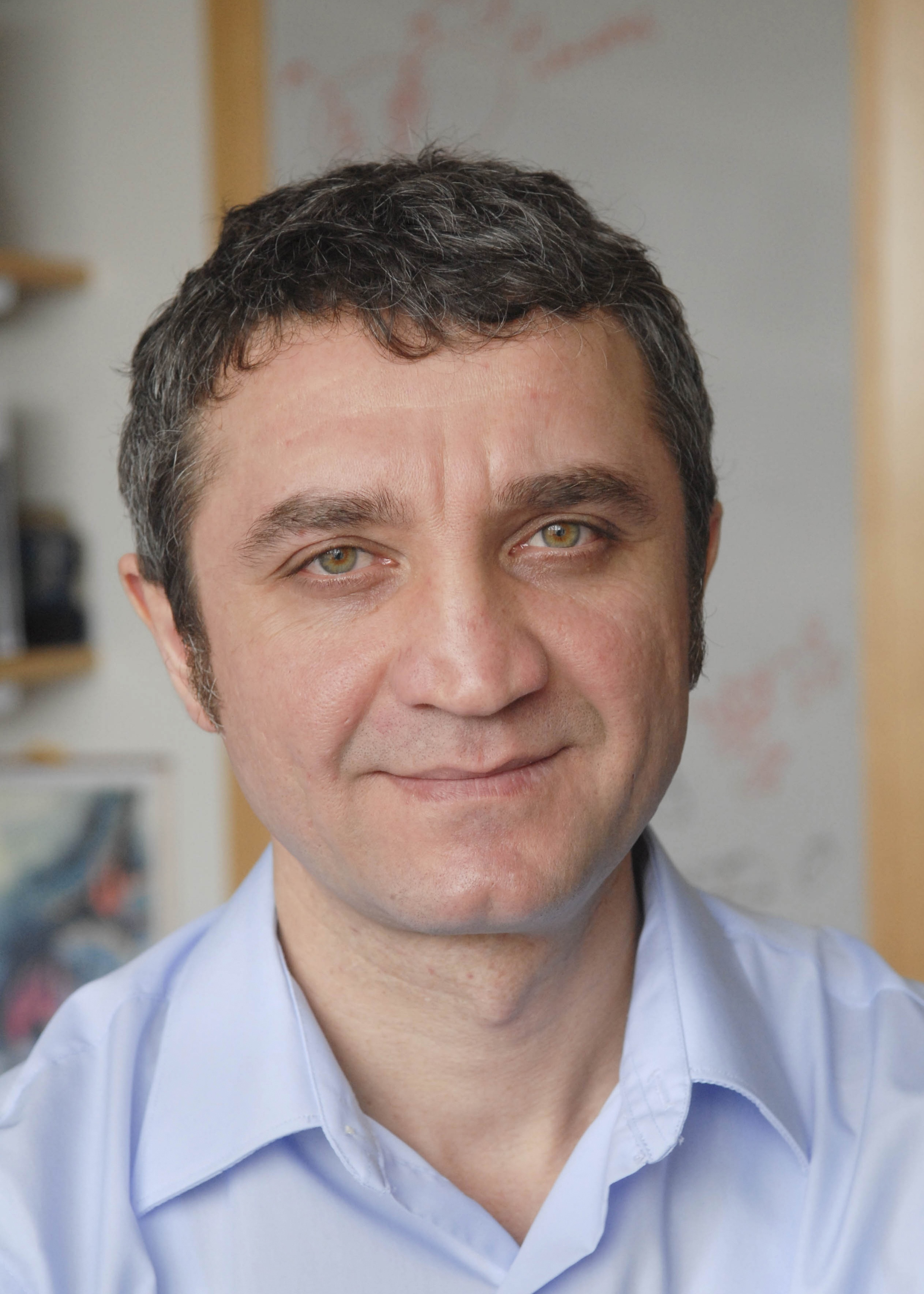 Ruslan Medzhitov合作论文数Department of Immunobiology, School of Medicine, Yale University;Howard Hughes Medical Institute2Avi Mayo合作论文数Department of Molecular Cell Biology;Weizmann Institute of Science;Department of Molecular Cell Biology, Weizmann Institute of Science2
 Elly Tanaka合作论文数Institute of Molecular Biotechnology of the Austrian Academy of Sciences, Vienna Biocenter2Christian Kupatt合作论文数2Amit Gilboa合作论文数1Natalia Yanichkin合作论文数1Michael Gershovits合作论文数1Tali Shalit合作论文数1Nachum Nathan合作论文数1Dahlia Perez合作论文数1Meora Feinmesser合作论文数1Alon Savidor合作论文数1Liat Stoler-Barak合作论文数1Lihee Moss合作论文数1Gilgi Friedlander合作论文数1Effi Yeoshoua合作论文数1
 Hadas Hezroni合作论文数1Tatjana Dorn合作论文数Klinikum Rechts Isar, Tech Univ Munich TUM1Michael Mor合作论文数Tel Aviv Univ, Sackler Fac Med, Tel Aviv, Israel1
 Matteo Ghiringhelli合作论文数The Rappaport Faculty of Medicine and Research Institute, Technion-Israel Institute of Technology1Daliah Tsoref合作论文数1Lina Salman合作论文数1
 Yifat Merbl合作论文数Department of Systems Immunology, Weizmann Institute of Science1Jakobson-Setton Ariella合作论文数1
 Elad Bassat合作论文数Department of Biological Regulation, Weizmann Institute of Science1Mazor Roei D合作论文数1Kastan Nathaniel R合作论文数Department of Neurobiology, Harvard Medical School1
 Freund Natalia T合作论文数Laboratory of Molecular Immunology, The Rockefeller University1
 Merav D Shmueli合作论文数1
 Phong Nguyen合作论文数1
 Alla Aharonov合作论文数1Zaretsky Irina合作论文数1




