Supplementary Figure S8. Blocking STAT6 and HDAC2 can prevent M2 polarization, maintain M1 polarization, and restore CYBB expression in U937 cells after IL-4 treatment. A, and B, Western blotting analysis for STAT6 and HDAC2 expression in shSTAT6 and shHDAC2 U937 cells after treatment with IL-4 for 1h was performed. C, D, and E, RT-qPCR analysis for M1/M2 markers and CYBB mRNA expression was performed in shSTAT6 and shHDAC2 U937 cells treated with IL-4 for 1h. The bar graphs depict relative mRNA expression. *, p < 0.05; ***, p < 0.001, significant differences between groups. Data represent the mean of 3 independent experiments.
Supplementary Figure S9. Knocking down STAT6 or HDAC2 in U937 cells prevents pancreatic cancer cells co-culture-induced CYBB downregulation. A, B, and C, RT-qPCR analysis for M1/M2 markers and CYBB in shSTAT6 or shHDAC2 U937 cells co-cultured with PANC-1 cells for 72h. The bar graphs depict relative mRNA expression. ***, p < 0.001, significant differences between groups. Data represent the mean of 3 independent experiments. D, shSTAT6 or shHDAC2 U937 cells were co-cultured with PANC-1 cells for 72h. Cell lysates were subjected to Western blotting for indicated proteins. GAPDH was used as a loading control. The bar graph depicts the ratio of CYBB/GAPDH. **, p < 0.01; ***, p < 0.001, compared with the group without co-culture. Data represent the mean of 3 independent experiments.
Supplementary Figure S2. IL-4 levels were increased in the co-culture condition medium of U937 cells and PANC-1 cells. The co-culture condition medium of U937 cells and PANC-1 cells were collected at 0, 12, and 72 hours. ELISA was performed to detect the concentrations of IL-4. The bar graphs depict relative protein expression. *, p < 0.05; ***, p < 0.001, significant differences between groups. Data represent the mean of 3 independent experiments.
Gastric cancer (GC) remains a global health burden. While international guidelines share consensus, variations exist in disputed issues. The 2025 Taiwan Consensus and Management Guidelines for Gastric Cancer had just been released. We compared the key recommendations with established international guidelines. A multidisciplinary taskforce addressed key questions and recommendations using modified Delphi method and evidence-based approaches. The comparative review aimed to elucidate similarities and differences among guidelines from Taiwan, Japan, South Korea, China, Europe, and the US. Guidelines converge on absolute endoscopic resection criteria for early GC but differ in extended indications and perioperative approaches for locally advanced disease. Heterogeneity exists in biomarker assessment protocols, cutoff thresholds, and companion diagnostics. For metastatic disease, consensus exists on anti-HER2, anti-VEGF, immunotherapy, and biomarker-driven strategies, though oligo-metastatic definitions and intraperitoneal chemotherapy indications remain controversial. Optimal GC management requires integrating global evidence with regional contexts. The comparative review addresses heterogeneity among international guidelines, which helps harmonize management strategies as therapeutic standards evolve.
Desmoplasia, a dense fibrotic reaction, is a hallmark of pancreatic ductal adenocarcinoma (PDAC) and fuels chemoresistance through multiple mechanisms. Here, we evaluated heparanase (HPSE), an endoglycosidase that remodels extracellular matrix (ECM) and drives fibrogenesis, as a potential target in PDAC. Immunohistochemical analysis of human PDAC tissues showed elevated HPSE expression, along with increased levels of fibroblast growth factors 1 and 2 (FGF1/2), reflecting their liberation by HPSE-catalyzed heparan sulfate cleavage. High expression of all three proteins was associated with worse overall and disease-free survival. In vitro coculture assays showed that the HPSE inhibitor PI-88 suppressed PDAC cell-induced activation of pancreatic stellate cells (PSCs) and prevented ECM stiffening without inducing cytotoxicity. Mechanistically, tumor-derived HPSE activated ERK signaling and promoted FGF1/2 production in PSCs, both of which were effectively suppressed by PI-88. In orthotopic mouse models, gemcitabine treatment upregulated HPSE and FGF1/2, whereas gemcitabine-resistant tumors exhibited further increases in these factors, accompanied by enhanced PSC activation and collagen deposition. Importantly, triple therapy with PI-88, gemcitabine, and Abraxane significantly suppressed tumor growth and prolonged survival relative to all mono- and doublet regimens. Immune profiling revealed that this combination reduced PSC activation, contracted M2 macrophage and regulatory T cell populations, and expanded M1 macrophages, CD8⁺ T cells, and NK cells. In conclusion, these data underscore HPSE as a key driver of fibrosis and chemoresistance in PDAC and support HPSE inhibition as a promising strategy to enhance therapeutic efficacy.
BACKGROUND:Quality of life (QoL) and survival are important outcomes in patients with pancreatic cancer. This study aimed to examine QoL trajectories and investigate their association with survival time in patients undergoing first-line chemotherapy for pancreatic cancer. METHODS:A cohort of 383 patients with pancreatic cancer was recruited from a university hospital. QoL trajectories were assessed at baseline and at 3, 6, 9, 12, 15, and 18 months during chemotherapy using the European Organization for Research and Treatment of Cancer QoL Questionnaire (EORTC QLQ-C30) and the World Health Organization Quality of Life Brief Version (WHOQOL-BREF). A linear mixed-effects model was used to analyze the trajectories. Additionally, the associations between survival time and QoL across all subscales were examined using a Cox proportional hazards model. RESULTS:Significant improvements were observed in global health status and physical functioning, with decreased pain, dyspnea, and appetite loss (EORTC QLQ-C30). The WHOQOL-BREF showed significant differences only in the social relations domain. The median survival time was 8.42 months. Strong associations were identified between survival time and global health status, physical functioning, role functioning, pain, dyspnea, and appetite loss (hazard ratios: 0.98, 0.98, 0.99, 1.02, 1.02, and 1.01, respectively) from the EORTC QLQ-C30, and physical health and environment (hazard ratios = 0.98 and 0.99) from the WHOQOL-BREF. CONCLUSION:Pancreatic cancer patients undergoing chemotherapy experience improved QoL during long-term follow-up. This improvement is closely associated with survival time, highlighting QoL as a key indicator of overall health and a predictor of overall survival in pancreatic cancer patients.
Supplementary Figure S10. JAK/STAT6/HDAC2 is the downstream signaling in regulating CYBB expression in THP-1 cells. A, RT-qPCR analysis for IL-4 expression was performed in THP-1 cells co-cultured with different pancreatic cell lines. The bar graphs depict relative mRNA expression. ***, p < 0.001, significant differences between groups. Data represent the mean of 3 independent experiments. B, RT-qPCR analysis for CD86 and MSR1(CD204) expression was performed in THP-1 cells co-cultured with different pancreatic cell lines. The bar graphs depict relative mRNA expression. ***, p < 0.001, significant differences between groups. Data represent the mean of 3 independent experiments. C, THP-1 cells were cocultured with PANC-1 cells and simultaneously treated with IL-4 neutralizing antibodies. After 72 h of incubation, THP-1 cells were collected for Western blotting to measure M1/M2 markers, CYBB, and GAPDH protein expression. D, Time-dependent effect of IL-4 (20 ng/mL) on CD86, CD204, CD206 (MRC1), STAT6, HDAC2, and CYBB protein expression was determined by Western blotting. E, THP-1 cells were pre-treated with the JAK1 inhibitor (Ruxolitinib, 10 μM), the JAK3 inhibitor (Tofacitinib, 50 μM), the STAT6 inhibitor (AS1517499, 250 nM), and the HDAC inhibitor (TSA, 10 uM) for 24h and then were treated with IL-4 (20 ng/mL) for 1h. Cell lysates were collected for Western blot analysis to measure indicated protein expression.
Supplementary Figure S15. The uncropped Western blot images in the main and supplementary figures are included.
Early diagnosis of cholangiocarcinoma (CCA) remains challenging because existing diagnostic approaches often lack sufficient sensitivity for reliable detection of early-stage disease. Circulating tumor cells (CTCs) in blood and exfoliated tumor cells (ETCs) in bile represent valuable targets for liquid biopsy-based detection; however, their low abundance and the complexity of clinical sample analysis pose substantial technical challenges for reliable enrichment and identification. Herein, we present a reproducible workflow for isolating and identifying CCA tumor cells from blood for CTCs and bile for ETCs using synthetic cell-surface heparan sulfate (HS) octasaccharide-functionalized magnetic beads (MBs) on integrated microfluidic systems. The method combined sample pre-processing, magnetic bead-based enrichment, controlled low-shear mixing and immunofluorescence-based identification into a unified workflow compatible with distinct clinical sample types. Key operational parameters, including MB concentration, mixing frequency, and pressure settings, were detailed to facilitate consistent performance. Using this workflow, tumor cell capture rates of approximately 70% in bile (for ETCs) and blood (for CTCs) were achieved, with a total processing time of 60-90 min per sample under clinically relevant low-abundance conditions. The platform enables reliable detection of as few as 1 tumor cell per mL of blood or bile. This method provides a practical and adaptable strategy for glycosaminoglycan-mediated liquid biopsy applications and may be extended to other tumor-cell enrichment workflows involving heterogeneous cell-surface interactions.
Recent randomized controlled trials (RCTs) regarding the outcomes of neoadjuvant chemotherapy for patients with resectable pancreatic cancer (PC) reported inconsistent results. As the survival rate of FOLFIRINOX was found to be superior to that of gemcitabine, interest in the efficacy of neoadjuvant chemotherapy with FOLFIRINOX for resectable PC is growing. In this study, we aimed to investigate the efficacy of neoadjuvant FOLFIRINOX in patients with resectable PC. This international (South Korea, Australia, and Taiwan), multicenter, phase 3, RCT will include 609 patients with resectable pancreatic ductal adenocarcinoma and ECOG performance 0–1. Resectable PC is defined as no arterial contact and no tumour contact with the superior mesenteric vein/portal vein or ≤ 180°contact without vein contour irregularity. Neoadjuvant FOLFIRINOX consisted of oxaliplatin (85 mg/m2), administered intravenously over 2 h, followed by leucovorin (400 mg/m2) over 2 h and irinotecan (180 mg/m2) over 90 min, administered concurrently. Subsequently, an intravenous bolus infusion of 5-FU (400 mg/m2) and a continuous infusion of 5-FU (2400 mg/m2) over 46 h, repeated every 2 weeks for 6 cycles. Adjuvant therapy with modified FOLFIRINOX (mFOLFIRINOX) included oxaliplatin (85 mg/m2), irinotecan (150 mg/m2), leucovorin (400 mg/m2), and fluorouracil (2400 mg/m2) over 46 h and repeated every 2 weeks, with six cycles in the neoadjuvant group and 12 cycles in the upfront surgery group. The primary endpoint is a two-year survival rate by intention-to-treat. Secondary outcomes are overall survival, disease-free survival, resection rate, R0 resection rate, lymph node negative rate, recurrence rate, response rate. When calculating with a significance level of 5
Supplementary Table S3. Clinical parameters of the 100 pancreatic cancer patients for RNA sequencing
Background:Pancreatic cancer remains one of the deadliest malignancies with poor survival outcomes. This study investigated the influence of evolving multimodal strategies, particularly the increased use of neoadjuvant chemotherapy (NAC) and extended surgical resection, on patient outcomes over the last decade. Methods:This before-and-after study included patients with pancreatic cancer who received curative surgery at a tertiary medical center from 2011 to 2022. The patients were divided into two treatment periods: Period A (2011-2017, n = 154) and Period B (2018-2022, n = 251). Patients were evaluated based on their clinical stage, resectability, treatment strategy, surgical approach, and survival outcomes. The primary endpoints were overall survival (OS) and progression-free survival (PFS). Sensitivity analysis was conducted by propensity score matching to minimize the differences in clinical demographics. Results:NAC use increased significantly from 22.1% in period A to 74.9% in period B (P < 0.001), along with an increase in the use of extended pancreatectomies (31%-58%, P < 0.001). Extended resections provided survival benefits yet were associated with higher major morbidity (20% vs 11%) and 30-day mortality rates (2.1% vs 0.5%). Median OS and PFS improved markedly from A to B for resectable/borderline resectable cases (OS: 19.2-35.5 months; PFS: 8.3-18.6 months; both P < 0.001). Improvements in OS from period A to period B were also observed for patients with locally advanced/metastatic disease (12.3-19.7 months, P < 0.001). Multivariate analysis identified period B, lower CA19-9 levels before surgery, early pathological stage, and adjuvant chemotherapy as independent predictors of survival. Similar results were determined after propensity score matching. Conclusion:The shift toward a multimodal approach significantly improved survival in patients with pancreatic cancer, especially those with resectable and borderline resectable tumors. Although extended pancreatectomy increases surgical risk, the survival benefits support its selective use. Continued refinement of the treatment selection and perioperative care is warranted.
Objective A multicenter, randomized phase II trial to compare two first-line triplet treatments for advanced pancreatic ductal adenocarcinoma (PDAC). Methods Patients with histologically confirmed advanced PDAC were randomized 1:1 to receive S-1/leucovorin plus oxaliplatin, and gemcitabine (SLOG) or modified FOLFIRINOX (mFOLFIRINOX). Tumor response was assessed every eight weeks. The primary endpoint was progression-free survival (PFS). Secondary endpoints were overall survival (OS), objective response rate (ORR), safety and biomarker studies. Results A total of 129 patients (65 SLOG, 64 mFOLFIRINOX) were enrolled. After a median follow-up of 37.7 months, no significant differences were observed between the SLOG and mFOLFIRINOX arms in median PFS (7.5 vs. 6.5 months; p = 0.88), median OS (12.9 vs. 12.1 months), or objective response rate (38.5% vs. 26.6%). HRD (homologous recombination deficiency) mutations were found in 14 of 108 profiled patients (12.9%). Patients with HRD mutations had significantly longer median PFS (11.9 vs. 7.0 months; p = 0.008) and OS (17.7 vs. 11.7 months; p = 0.036). The safety profiles differed: grade 3/4 neutropenia was significantly less common with SLOG (15.4% vs. 53.1%; p < 0.001), while SLOG had more grade 3/4 non-hematological toxicities. Conclusion SLOG did not demonstrate superiority in PFS over mFOLFIRINOX, and mFOLFIRINOX therefore remains as one of the preferred first-line standards. Given its lower incidence of severe neutropenia and its convenience with oral S-1, SLOG may warrant further investigation in selected Asian patients with advanced PDAC.
TPS469 Background: The standard-of-care treatment for resectable gastric cancer with a high risk of relapse is PeriOp FLOT (5-fluorouracil [5-FU] + leucovorin [isovorin in Japan] + oxaliplatin + docetaxel) and radical surgery. In the MATTERHORN trial, durvalumab + FLOT improved event-free survival versus FLOT alone, establishing a role for immunotherapy + chemotherapy in this setting (Janjigian YY, et al. N Engl J Med 2025;393:217–30). Methods: GEMINI-PeriOp Gastric (NCT07069712) is an ongoing, open-label, phase 2 platform study of innovative treatment combinations given as neoadjuvant and adjuvant therapy for resectable gastric cancers. Eligible patients are aged ≥18 years with previously untreated, locally advanced resectable gastric, GEJ, or esophageal adenocarcinoma, an Eastern Cooperative Oncology Group performance status of 0/1, and CLDN18.2, HER2, and PD-L1 status confirmed by immunohistochemistry. The study currently comprises three substudies assessing combinations containing rilvegostomig (an anti-PD-1/TIGIT bispecific antibody) in ~100 patients overall. In substudy 1, CLDN18.2-positive/HER2-negative patients will receive intravenous (IV) sonesitatug vedotin (AZD0901, a CLDN18.2-targeted antibody-drug conjugate) + IV rilvegostomig + 5-FU or capecitabine; in substudy 2, HER2-positive patients will receive IV trastuzumab deruxtecan + IV rilvegostomig + 5-FU or capecitabine; in substudy 3, patients will receive IV rilvegostomig + FLOT. Optional rilvegostomig monotherapy may be given after completing adjuvant combination therapy in all three substudies. The primary objectives are the safety and tolerability of PeriOp therapy and the pathological complete response rate. Secondary objectives include the feasibility of surgery, complete resection rate, tumor downstaging, objective response rate, event-free, disease-free, and overall survival, and the pharmacokinetics and immunogenicity of the investigational products. Enrollment began in July 2025. Clinical trial information: NCT07069712 .
 Li-Tzong Chen合作论文数Division of Gastroenterology, Department of Medicine, Kaohsiung Medical University Hospital;Department of Internal Medicine, National Cheng-Kung University Hospital;National Institute of Cancer Research, National Health Research Institutes;College of Medicine, Kaohsiung Medical University;Center for Cancer Research, Kaohsiung Medical University103
 Ying Jui Chao合作论文数55Pin-Wen Lin合作论文数54
 Wang Hao Chen合作论文数45Chung-Pin Li合作论文数38Wang Chih-Jung合作论文数Medical College and Hospital, National Cheng Kung University37
 Jen-Shi Chen (陈仁熙)合作论文数International Medical Center, Chang Gung Memorial Hospital;Division of Hematology-Oncology, Department of Internal Medicine, Chang Gung Memorial Hospital;School of Medicine, Chang Gung University32
 Chia-Jui Yen (顏家瑞)合作论文数Department of Oncology, College of Medicine, National Cheng Kung University;Cancer Center, National Cheng Kung University Hospital;Division of Medical Oncology, Department of Oncology, National Cheng Kung University Hospital30Chang-Jung Chen合作论文数28
 Li-Yuan Bai合作论文数Graduate Institute of Clinical Medical Science, China Medical University28
 Yung-Yeh Su合作论文数26
 Ming-Huang Chen (陳明晃)合作论文数Center for Immuno-oncology, Department of Oncology, Taipei Veterans General Hospital;Division of Medical Oncology, Department of Oncology, Taipei Veterans General Hospital;School of Medicine, National Yang-Ming Chiao-Tung University26Tsai Hui-Jen合作论文数26Ya-Chin Hou合作论文数25Hui-Ping Hsu合作论文数23Ping-Jui Su合作论文数22
 Gwo-Bin Lee (李國賓)合作论文数Department of Power Mechanical Engineering, National Tsing Hua University;Institute of Biomedical Engineering, National Tsing Hua University;Institute of NanoEngineering and Microsystems, National Tsing Hua University22
 Chang-Fang Chiu合作论文数China Medical University Hospital22Wu Yi-Ying合作论文数21
 Chi-Chang Shieh合作论文数21
 Chien-Jui Huang合作论文数20
 Shih-Hung Yang合作论文数19Lai Ming-Derg合作论文数18
 Wen-Chun Hung合作论文数18
 Nai-Jung Chiang合作论文数17
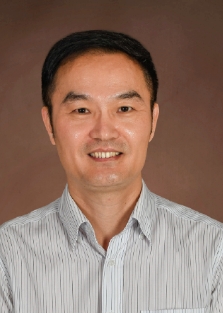 Chin-Fu Hsiao (蕭金福)合作论文数Institute of Population Health Sciences, National Health Research Institutes17
 Yee Chao (趙毅)合作论文数School of Medicine, College of Medicine, National Yang-Ming University;Department of Oncology, Taipei Veterans General Hospital16
 Hung-Wen Tsai合作论文数16
 Edgar Sy合作论文数16De-Chuan Chan合作论文数16Yen-Yang Chen合作论文数15Pei-Yi Chu合作论文数Show Chwan Memorial Hospital14Wen-Chi Chou合作论文数14Yi-Ling Chen合作论文数14
 Chiun Hsu (许骏)合作论文数National Taiwan University Cancer Center;Graduate Institute of Oncology, National Taiwan University College of Medicine14
 Jeffrey Chang合作论文数National Institute of Cancer Research, National Health Research Institutes14Chiu Tai-Jan合作论文数12
 Gilberto Schwartsmann合作论文数Instituto de Oncologia Kaplan;Department of Oncology, Hospital de Clinicas de Porto Alegre, Federal University of Rio Grande do Sul12Shih-Chang Chuang合作论文数12
 Jean-Frédéric Blanc合作论文数Centre Hospitalier Universitaire de Bordeaux;Hôpital Haut-Lévêque12Xi-Zhang Lin合作论文数11Richard A. Hubner合作论文数11
 Jens Siveke合作论文数Zentrum für Medizinische Biotechnologie, University Duisburg-Essen;West German Cancer Center, University Hospital Essen11Hong-Ming Tsai合作论文数10Sz-Chi Chiu合作论文数10Cheng-Ming Peng合作论文数10Jameson Gayle S合作论文数10




