Integrative analysis of complementary phenotype information from multi-modality data, such as pathological images and genomic profiles, has shown significant value in cancer survival prediction. However, multimodal survival prediction confronts two challenges: (1) the consistency and specificity of multimodal data remains underexplored, leading to incomplete information utilization and redundancy caused by overlapping information across modalities; (2) the correlation between inherent hierarchical structure of histopathological Whole Slide Images (WSIs) and genomic profiles has not been fully modeled. To address these issues, in this paper, we propose a Multi-mOdal survival prediction framework through Hierarchical Decoupling of whole-slide image pyramids and genomics (MoHD). Our MoHD incorporates adversarial information decomposition and hierarchical cross-modal interaction to advance survival prediction performance, which consists two core components: i) a Multi-Granularity Feature Optimizer (MGFO) employing adversarial decoupling strategy to extract modality-common and refine modality-specific features while implementing redundancy suppression; ii) a Multimodal Hierarchical INteractor (MHIN) that sufficiently captures multi-resolution cross-modal correlations and effectively integrates consistent and specific information through two scale-oriented interactors. We conduct extensive experiments on five cancer cohorts from the Cancer Genome Atlas (TCGA) database. The experimental results demonstrate that the proposed method achieves the superior performance compared to both unimodal and multi-modal survival prediction methods.
This work tackles a key challenge in test-time energy adaptation: prohibitive time overhead arising from recent state-of-the-art test-time adaptation (TTA) methods, which are built on energy models relying on iterative Monte Carlo or Langevin dynamics sampling with multiple stochastic updates per test instance to approximate energy gradients. We tackle the problem from an innovative control system perspective by i) describing the energy as a complex-valued wave, where the amplitude encodes energy uncertainty and the phase characterizes its evolution, and ii) maintaining a time-dependent wave equation that interprets TTA as a control system evolution process. By enforcing the control system law of probability current conservation, our method directs probability current away from high-energy (error-prone) regions toward low-energy (accurate) ones, achieving adaptive energy redistribution without additional stochastic sampling while preserving the overall normalization of the energy landscape. Experimentally, the proposed method significantly outperforms baseline methods across several public benchmark datasets, with adaptive time being only 1/3 ~ 1/7 of that required by the compared Top-1 to Top-3 baselines.
Domain generalization (DG) methods traditionally rely on multiple source domains to achieve the robust performance across unseen target domains. However, single-DG (SDG) presents a more practical paradigm by learning from a single source domain, addressing scenarios where access to multiple domains is limited. While existing SDG approaches primarily focus on data augmentation and style transfer techniques to enhance the model robustness, these methods often incur substantial computational overhead and may inadequately capture the complexity of real-world domain shifts. In this article, we propose path flatness-aware optimization (PFO), an optimization framework that addresses the fundamental challenges of SDG. Unlike conventional approaches that rely on the synthetic data generation, PFO identifies and exploits regions of flat minima within the optimization landscape of deep neural networks. The framework employs an iterative optimization strategy to construct a path through the parameter space along which an ensemble of candidate models achieves the minimal empirical risk. The initialization of this optimization path is achieved through the strategic interconnection of model instances, each originating from carefully selected anchor points that are computationally determined through the systematic analysis of classification decision manifolds. This optimization path serves as a mechanism for implicit distribution alignment between source and target domains within the loss landscape, consequently enhancing the model’s capacity for cross-DG. Empirical evaluation on multiple benchmark datasets demonstrates significant performance improvements in cross-DG, validating the efficacy of our approach.
The teacher-student paradigm has emerged as a canonical framework in semi-supervised learning. When applied to medical image segmentation, the paradigm faces challenges due to inherent image ambiguities, making it particularly vulnerable to erroneous supervision. Crucially, the student's iterative reconfirmation of these errors leads to self-reinforcing bias. While some studies attempt to mitigate this bias, they often rely on external modifications to the conventional teacher-student framework, overlooking its intrinsic potential for error correction. In response, this work introduces a feedback mechanism into the teacher-student framework to counteract error reconfirmations. Here, the student provides feedback on the changes induced by the teacher's pseudo-labels, enabling the teacher to refine these labels accordingly. We specify that this interaction hinges on two key components: the feedback attributor, which designates pseudo-labels triggering the student's update, and the feedback receiver, which determines where to apply this feedback. Building on this, a dual-teacher feedback model is further proposed, which allows more dynamics in the feedback loop and fosters more gains by resolving disagreements through cross-teacher supervision while avoiding consistent errors. Comprehensive evaluations on three medical image benchmarks demonstrate the method's effectiveness in addressing error propagation in semi-supervised medical image segmentation.
Positron emission tomography (PET) is an advanced nuclear imaging technique and has been widely applied in clinic. However, radiation risks associated with standard-dose PET imaging raise health concerns, whereas the quality of low-dose PET images fails to meet clinical requirements. To reduce the tracer dose while maintaining image quality, it is of great interest to estimate high-quality PET images from low-dose images. However, existing low-dose PET image denoising methods primarily focus on image data, overlooking crucial information in non-image textual data such as patients' clinical tabular and textual descriptions of general image quality. This neglect can lead to subpar denoising quality with inaccurate contexts and poor details. To address these problems, in this paper, we propose Multi-Granularity Textual Prompts, namely MGTP, to denoise low-dose PET images via an adversarial diffusion model. Different from prior methods that rely solely on image conditioning, our MGTP innovatively introduces textual prompts spanning diverse granularities to capture both high-level semantic-related contexts and low-level degradation-related details. To harmonize multi-granularity textual prompts with low-dose PET images, we design a Cross-Modality Selective Conditioning (CMSC) module, which prioritizes semantic- and detail-relevant information while eliminating irrelevant components. The resulting features are fed into diffusion model as conditions, enforcing a more controlled diffusion process. In addition, we develop a Masked Prompt Reconstruction Network (MPR-Net) to enhance the preservation of semantics and details in denoised images, mitigating distortions brought by the random noise in the diffusion process. Experiments on clinical PET data show that our method achieves the state-of-the-art performance.
Weakly-supervised medical image segmentation is gaining traction as it requires only rough annotations rather than accurate pixel-to-pixel labels, thereby reducing the workload for specialists. Although some progress has been made, there is still a considerable performance gap between the label-efficient methods and fully-supervised one, which can be attributed to the uncertainty nature of these weak labels. To address this issue, we propose a novel weak annotation method coupled with its learning framework EAUWSeg to eliminate the annotation uncertainty. Specifically, we first propose the Bounded Polygon Annotation (BPAnno) by simply labeling two polygons for a lesion. Then, the tailored learning mechanism that explicitly treat bounded polygons as two separated annotations is proposed to learn invariant feature by providing adversarial supervision signal for model training. Subsequently, a confidence-auxiliary consistency learner incorporates with a classification-guided integrated confidence generator is designed to provide reliable supervision signal for pixels in uncertain region by leveraging the feature presentation consistency across pixels within the same category as well as class-specific information encapsulated in bounded polygons annotation. Experimental results demonstrate that EAUWSeg outperforms existing weakly-supervised segmentation methods. Furthermore, compared to fully-supervised counterparts, the proposed method not only delivers superior performance but also costs much less annotation workload. This underscores the superiority and effectiveness of our approach.
Modeling deep neural networks as continuous-time dynamical systems has emerged as a powerful approach for analyzing their evolution and robustness. By leveraging the superior numerical stability of implicit methods, several studies have proposed the implicit Euler-based architecture, which significantly enhances both robustness and generalization under adversarial attack. However, existing methods require solving implicit equations iteratively, which substantially increases the computational cost. To overcome these limitations, this paper proposes an explicit reformulation of the implicit Euler method, termed Implicit-to-EXplicit ResNet (IEX-ResNet). IEX-ResNet preserves the inherent numerical stability of implicit methods while eliminating the need for iterative solvers, thereby enabling the efficient training of robust neural models. Theoretical analysis demonstrates that IEX-ResNet, under local linearization and spectral radius constraint, achieves Lipschitz-bounded perturbation propagation and maintains a stable approximation of the underlying implicit dynamics. Experimental results show that, compared to conventional implicit Euler architectures, IEX-ResNet achieves improved robustness across diverse challenging settings and maintains competitive robustness while reducing training time by nearly 50% under standard evaluation. Moreover, IEX-ResNet provides practical benefits in a real-world document image restoration task. These results suggest that implicit Euler explicitization is a practical route toward efficient robust neural architecture design.
While single-task medical image restoration (MedIR) has achieved remarkable progress, developing a unified model that generalizes across diverse MedIR tasks remains largely unexplored, primarily due to the complex degradation patterns present in medical images across different modalities. To tackle this challenge, in this paper, we propose UniMedIR, an all-in-one framework that unifies multiple MedIR tasks within a single model through text-guided prompting and dual-domain modeling. Specifically, UniMedIR leverages large language model (LLM)enhanced descriptions to provide task-relevant guidance by explicitly encoding restoration objective, imaging modality, and degradation characteristics. To further improve prompt quality, we introduce a mixture of task experts (MoTE), which captures both task-shared anatomical structures and task-specific degradation patterns to generate adaptive and discriminative task prompts. Through this design, our UniMedIR learns common structural representations while also modeling modality-dependent degradations, enabling robust generalization across diverse tasks and modalities. Guided by these prompts, we then develop a dual-domain transformer (DuDoTrans) that performs joint spatial and frequency modeling for enhanced restoration. Within the DuDoTrans, a prompt-guided spatial attention (ProSA) recovers task-adaptive structure information in the spatial domain, while an adaptive frequency modulator (AdaFM) adaptively decomposes and refines high-frequency and low-frequency components to restore structure and texture details. In addition, we build a comprehensive benchmark across six representative MedIR tasks spanning computed tomography (CT), magnetic resonance imaging (MRI), and positron emission tomography (PET) modalities. Extensive experiments demonstrate that UniMedIR achieves the state-of-the-art performance in both quantitative and qualitative evaluations among all-in-one MedIR approaches and exhibits superior robustness to unseen settings. Code is available at https://github.com/gluucose/UniMedIR.
Accurate identification and assessment of fetal ventriculomegaly (VM) is crucial for prenatal care. However, conventional diagnosis relies on manual 2D slice-based measurements, which may overlook 3D morphological cues. Existing deep learning approaches typically separate volumetric segmentation from clinical decision-making or rely on global case-level predictions, and rarely encode the clinical workflow of combining measurements with contextual findings. Furthermore, they face significant challenges in capturing the non-uniform clinical relevance and adapting to the anisotropic characteristics of fetal MRI. To address these issues, we introduce V2-Former, a Volumetric Ventricular analysis framework that achieves both ventricle-specific prediction consistent with clinical practice and comprehensive volumetric assessment. Leveraging the query-based transformer paradigm, our method integrates two complementary components: (1) an Anisotropy-Aware Module (AAM) that recalibrates volumetric features to highlight non-uniform diagnostically relevant regions in anisotropic data, and (2) a Ventricular Diagnosis Enhancement (VDE) strategy that encodes diagnostic priors to guide query-based learning for ventricle-specific prediction. Evaluated on a real-world clinical dataset of 384 fetal MRI scans, V2-Former achieves the strongest overall combined performance among the compared methods, providing clinicians with the first end-to-end solution that delivers both ventricle-specific predictions and volumetric evaluations to support clinical VM assessment.
Radiology Report Generation (RRG), which aims to automatically generate diagnostic reports from radiographs, has been widely studied to alleviate the significant workload of radiologists. The core of this task lies in establishing robust cross-modal alignment, for which existing methods primarily rely on instance-level grounding between the entire radiograph and its corresponding report. Nevertheless, such instance-level solutions struggle to capture fine-grained regional features, often leading to factual inconsistencies or hallucinated findings in the generated reports. A critical need thus arises for alignment strategies that leverage more meticulous cues for RRG. To address this, we propose HAA-Net, which achieves Hierarchical Anatomically-Aligned report generation by refining the alignment in a coarse-to-fine manner. Our approach leverages two key auxiliary signals—visual segmentation masks and pathology-specific phrases—to construct region-to-text supervisions for fine-grained alignment. Building upon the instance-level baseline, HAA-Net employs a multi-stage curriculum learning strategy, which progressively introduces meticulous cues to ground regional visual features to specific descriptive patterns, thereby enhancing factual correctness. Experiments on public benchmarks demonstrate that HAA-Net achieves a new state-of-the-art performance, with further extensive analyses validating the proposed hierarchical learning strategy.
Facial Expression Recognition (FER) is crucial to human-computer interaction. Existing cross-domain FER (CD-FER) methods mainly focus on single-source closed-set scenarios, transferring knowledge from a single source domain to a target domain with identical class sets. However, CD-FER faces two real-world challenges: 1) the need to leverage information from multiple sources, leading to multi-domain shift, and 2) the necessity to recognize unseen target classes, resulting in class shift. These issues give rise to a novel and challenging task, which we define as Multi-domain Open-set FER (MO-FER). In this paper, we propose PromptEmo, a novel CLIP-based framework that leverages bilateral textual prompts to address both shifts in the MO-FER task. Leveraging the generalizability of LLM, PromptEmo constructs trainable positive prompts with LLM-generated emotion descriptions for seen classes, as well as template-derived negative prompts to enhance the reasoning for unseen classes. Then, we introduce a modal-task optimization paradigm organized from two perspectives: textual semantics and visual domains, yielding Intra-modal Space-specific Optimization (ISO) and Cross-modal Emotion-aware Interaction (CEI) strategies. ISO refines the CLIP-based textual space to ensure semantic separation between bilateral prompts and improves the latent visual space by promoting inter-domain alignment. Founded on ISO, CEI facilitates effective vision-language interactions, resulting in four joint loss terms that improve emotion recognition by shaping a domain-invariant, discriminative feature space. PromptEmo surpasses the current SOTA method by 7.7% AUC on unseen classes across four FER datasets, serving as a strong baseline for the MO-FER task.
Domain generalization is a critical challenge for expert systems in real-world medical environments, where data distributions often vary across acquisition settings. Existing domain generalization methods typically rely on carefully designed data augmentation or lack adaptivity to new data, which limits their applicability to new datasets. To address this problem, we propose a Self-Adaptive Neural Network (SA-Net) that learns domain-insensitive yet instance-adaptive feature representations. The proposed framework introduces a lightweight self-adaptive generator to rectify feature representations at the instance level and combines it with adversarial domain learning to suppress domain-specific information. Furthermore, a novel sample error loss is designed to improve the training of the self-adaptive generator by enforcing that removing the rectified latent representation from the original feature representation does not affect the final segmentation output. The effectiveness of SA-Net is validated on three representative medical image segmentation tasks, i.e., eye vessel segmentation, optic disc/cup segmentation, and skin lesion segmentation, across 12 datasets with substantial domain diversity. Experimental results demonstrate that SA-Net consistently outperforms state-of-the-art domain generalization methods on unseen domains while maintaining competitive computational efficiency. These results indicate that SA-Net provides a robust and scalable solution for intelligent medical image segmentation systems under distribution shifts.
Multi-exposure High Dynamic Range (HDR) imaging aims to reconstruct high-quality HDR images by fusing multiple Low Dynamic Range (LDR) images captured under varying exposures. Existing methods suffer from severe ghosting artifacts and heavy computational loads under large motion and extreme exposure, which restricts their practical application. To overcome these limitations, we propose UG-HDR, an uncertainty-guided framework with the “Align-Fuse-Refine” paradigm to eliminate ghosting artifacts under critical conditions, as well as to achieve a balance between high-quality HDR imaging and efficient performance. Concretely, we identify the lack of differential treatment for large motions and extreme exposures in existing methods, and innovatively introduce a Mixture-of-Laplace (MoL) distribution to estimate pixel-wise uncertainty maps in the “Align-Fusion” stage. These maps provide quantitative guidance for the Refine stage by locating motion-blurred and extreme exposure areas. Then, based on the MoL distribution, we also design an Align-MoL loss based on the luminance mask that enforces geometric consistency in key regions. Finally, an attention-guided multi-scale large convolution kernel module is proposed to extract features from the uncertainty map, and the ghost area is optimized through the spatial-channel attention. Extensive experiments prove that our method achieves an excellent balance between imaging quality and computational efficiency.
Class imbalance is a formidable and ongoing challenge in image classification tasks. Existing methods address this issue by emphasizing minority classes through class redistribution in the feature space or adjusting decision boundaries. Although such approaches improve the accuracy of minority classes, they often lead to unstable training and performance degradation on majority classes. To alleviate these challenges, we propose a unified redistribution framework termed as ComReg, which explicitly enforces complementary regularization on feature learning and decision boundary optimization in long-tailed image classification. Specifically, ComReg employs a multi-expert learning framework combined with prior-knowledge-guided online distillation to construct distribution-aware decision boundaries. From the feature space learning perspective, we enhance intra-class compactness and inter-class separability through decoupled-balanced contrastive learning. To further align the distributions in both spaces, we introduce a delay-weighted prototype learning strategy, which incorporates the decision boundary constructed by the head-class expert into the decoupled-balanced contrastive learning process. Extensive experiments on widely used long-tailed benchmarks, including CIFAR10-LT and CIFAR100-LT, as well as the real-world long-tailed datasets such as subsets of MedMNIST v2, demonstrate that our method achieves state-of-the-art performance.
Survival prediction is crucial for cancer patients as it provides essential early prognostic information for treatment planning and decision making. Despite impressive performance , current multi-modal survival prediction methods that integrate pathology and genomic data face two main challenges: (1) Whole-slide images (WSIs) generally exhibit hierarchical structures, but the interactions of phenotypes at different resolutions remain unexplored. More importantly, the potential semantic discrepancy arising from diverse resolutions is often ignored. (2) The absence of effective interactions between the inherent hierarchical structures of WSIs and genomic data. To address these challenges, in this paper, we propose Cross-modal Dual-interaction Transformer (CD-Former), a robust hierarchical framework for multi-modal survival prediction. Our CD-Former involves two key components: (1) an Multimodal Cross-Scale Calibration (MCSC) module for effectively capturing correlations across multiple resolutions and calibrating fine-grained features, thereby bridging the semantic discrepancy caused by different WSI resolutions; and (2) a hierarchical interaction module termed Multi-modal Dual-interaction (M2Di) for fully exploring multi-resolution cross-modal correlations and interactions, which comprises a Patch-level Cross-Attention Block (PCAB) and a Region-level Cross-Attention Block (RCAB) to investigate cross-modal associations between patch- or region-level features of WSI and genomic data. Additionally, we employ a scale-oriented WSI enhancer to capture the interactions among various components of WSIs. The experimental results demonstrate the effectiveness of our proposed framework, which achieves state-of-the-art performance compared to previous studies.
Recently, several pioneering degradation-resistant infrared and visible image fusion methods have been proposed that leverage human-interactive text instructions to generate high-quality fused images under varying degradation conditions. Although these methods have made notable strides, two key challenges remain. First, due to user subjectivity, text instructions conveying the same meaning may vary significantly in form. Thus, handling free-form user instructions rather than fixed-format inputs remains challenging. Second, the complex semantic relationships between visual and linguistic features are yet to be fully explored. To address these issues, we propose InstructIVF, a degradation-aware image fusion framework guided by diverse textual instructions. Specifically, we design a set of structured construction guidelines and leverage the powerful semantic understanding capabilities of LLMs to assist in generating a wide range of text instructions, resulting in an optimized set of 6000 diverse textual samples. Furthermore, to comprehensively capture valuable vision-language cues, we propose a heterogeneous feature alignment module enabling bidirectional, multi-granularity interactions between visual regions and textual sequences. Extensive qualitative and quantitative experiments demonstrate that our method effectively adapts to diverse user-defined instruction styles and outperforms 11 state-of-the-art methods across diverse degradation scenarios.
Semisupervised deep facial expression recognition (SS-DFER) has gained significant attention due to its utilization of large amounts of unlabeled data. However, SS-DFER faces two main problems, ambiguity in facial semantics caused by noisy labels and poor feature representation capabilities of models. In this article, we propose a novel SS-DFER method based on semantic-level and instance-level information interactive mining (SILIM), to simultaneously address both problems. Specifically, the model generates pseudolabels for semantics and instances through the interaction of semantic and instance information, achieving matching at both levels to fully exploit image feature information. In addition, we construct a memory buffer that stores all instances of labeled data, enabling interaction between semantic pseudolabels and instance pseudolabels. For this, we design a neighbor-node-based instance space optimization strategy. This prevents degradation in module's feature representation ability caused by pushing away instances of the same image category, thereby optimizing decision boundaries. Experiments on four challenging facial expression datasets show that our method significantly outperforms the second-best state-of-the-art SS-DFER method and surpasses the fully supervised baselines.
Recently, multi-modal learning that combines pathology images and transcriptomics has emerged as a promising paradigm for cancer survival prediction. However, existing methods fail to fully exploit the complex co-expressions between genes, resulting in inadequate learning of transcriptomics and compromised prediction accuracy. Moreover, most existing studies seek to enhance cross-modal learning through attention mechanisms, which often lead to quadratic complexity when processing high-dimensional pathology and transcriptomic data, hindering the comprehensive learning of cross-modal correlations. To tackle the above limitations, in this paper, we propose a novel Multi-modal Graph Convolutional Mamba (MGCM) framework for cancer survival prediction. Our framework constructs multi-modal graphs for pathology and transcriptomics to enhance intra-modal representations. Specifically, we organize transcriptomics into a co-expression network and leverage a multi-level graph convolutional network to fully capture expressions of individual genes and their co-expressions. Meanwhile, pathology images are also represented as graphs, where nodes correspond to image patches and edges reflect the spatial adjacency between patches. This pathology graph is learned in a sample-and-aggregate manner, which promotes the exploration of various characteristics in tumor cells and their microenvironment. To improve cross-modal interactions with computational efficiency, we introduce a progressive strategy, incorporating a Bi-Interactive Mamba block to model initial cross-modal correlations, followed by a Tri-Interactive Mamba block to prioritize critical information and filter out redundancy for further refinement. Extensive experiments on three cancer datasets from The Cancer Genome Atlas (TCGA) demonstrate the superiority of our compared to other state-of-the-art uni-modal and multi-modal survival prediction approaches. The code will be available at https://github.com/gluucose/MGCM.
Diffusion-based video motion customization facilitates the acquisition of human motion representations from a few video samples, while achieving arbitrary subjects transfer through precise textual conditioning. Existing approaches often rely on semantic-level alignment, expecting the model to learn new motion concepts and combine them with other entities (e.g., cats or dogs) to produce visually appealing results. However, video data involve complex spatio-temporal patterns, and focusing solely on semantics cause the model to overlook the visual complexity of motion. Conversely, tuning only the visual representation leads to semantic confusion in representing the intended action. To address these limitations, we propose SynMotion, a new motion-customized video generation model that jointly leverages semantic guidance and visual adaptation. At the semantic level, we introduce the dual-embedding semantic comprehension mechanism which disentangles subject and motion representations, allowing the model to learn customized motion features while preserving its generative capabilities for diverse subjects. At the visual level, we integrate parameter-efficient motion adapters into a pre-trained video generation model to enhance motion fidelity and temporal coherence. Furthermore, we introduce a new embedding-specific training strategy which alternately optimizes subject and motion embeddings, supported by the manually constructed Subject Prior Video (SPV) training dataset. This strategy promotes motion specificity while preserving generalization across diverse subjects. Lastly, we introduce MotionBench, a newly curated benchmark with diverse motion patterns. Experimental results across both T2V and I2V settings demonstrate that SynMotion outperforms existing baselines.
Non-invasive prediction of Gleason Grade Group (GGG) in prostate cancer using multiparametric MRI (mpMRI) is clinically vital for reducing unnecessary biopsies. Existing GGG prediction methods face two major limitations. First, they often overlook non-image information critical for GGG prediction, including age, prostate-specific antigen (PSA), and expert priors embedded in radiology reports. Second, they tend to oversimplify GGG as flat categorical labels, failing to account for its intrinsic hierarchy of primary and secondary Gleason patterns. To this end, we propose a novel Knowledge-Driven Ordinal-Aware Learning (KOAL) framework with three synergistic modules. Specifically, the Clinical-Context Modulation (CCM) module uses clinical variables (e.g., age and PSA) to dynamically modulate discriminative image representations. The Knowledge-Guided Prototype Alignment (KGPA) module leverages an LLM to extract group-specific expert knowledge from training radiology reports and clinical guidelines, producing offline semantic anchors describing grade-specific radiological findings without requiring patient-specific reports at inference. Through prototype contrastive alignment, patient-specific mpMRI representations are matched with these anchors to promote pathology-aligned representation learning. The Hierarchical Ordinal-aware Constraints (HOC) module decouples primary and secondary Gleason pattern prediction and maps their probabilistic outputs to GGG via a Differentiable Bio-logic Mapping Layer (DBML), ensuring pathological grading consistency. Experiments on public PI-CAI and in-house datasets demonstrate that KOAL outperforms state-of-the-art methods. Code is available at: https://github.com/Gother-GZ/KOAL.
 Jiliu Zhou (周激流)合作论文数School of Computer Science, Chengdu University of Information Technology;College of Computer Science, Sichuan University99
 Xi Wu (吴锡)合作论文数School of Computer Science, Chengdu University of Information Technology77
 Chen Zu (陈族)合作论文数37
 Dinggang Shen (沈定刚)合作论文数School of Biomedical Engineering, ShanghaiTech University;Image Display, Enhancement and Analysis Lab, ShanghaiTech University30
 Luping Zhou (周泸萍)合作论文数School of Electrical and Computer Engineering, Faculty of Engineering, University of Sydney;University of Wollongong29
 Xingchen Peng合作论文数The Department of Biotherapy, Cancer Center, West China Hospital, Sichuan University;Department of Oncology, Sichuan University26
 Jianghong Xiao (肖江洪)合作论文数West China Hospital, Sichuan Universi ty24
 Lei Zhang (张蕾)合作论文数College of Computer Science, Sichuan University23
 Lu Wen合作论文数20
 Xinyi Zeng合作论文数19Jiaqi Cui合作论文数18Pinxian Zeng合作论文数17
 Yangqin Feng合作论文数Institute of High Performance Computing, Agency for Science, Technology and Research (A*STAR),17Bo Zhan合作论文数School of Computer Science, Sichuan University, China15
 Liangli Zhen合作论文数Institute of High Performance Computing, Agency for Science Technology and Research14
 Yong Liu (刘勇)合作论文数HPC-AI LAB, Department of Computer Science, School of Computing, National University of Singapore14
 Zizhou Wang合作论文数College of Computer Science, Sichuan University, Chengdu, China12Yuanyuan Xu合作论文数11Peng Wang (王鹏)合作论文数11
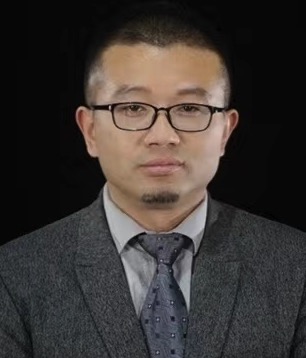 Binyu Yan (严斌宇)合作论文数College of Computer Science, Sichuan University11
 Rick Siow Mong Goh合作论文数Department of Computing and Intelligence, Institute of High Performance Computing, A*STAR;A*STAR-EVYD Joint Lab11Zhenghao Feng合作论文数10Yuchen Fei合作论文数10Zongqing Ma合作论文数Sichuan Univ, Coll Comp Sci, Chengdu, Sichuan, Peoples R China9
 Lei Wang (王雷)合作论文数Centre for Artificial Intelligence, School of Computing and Information Technology, Faculty of Engineering and Information Sciences, University of Wollongong8Zhengyang Jiao合作论文数7
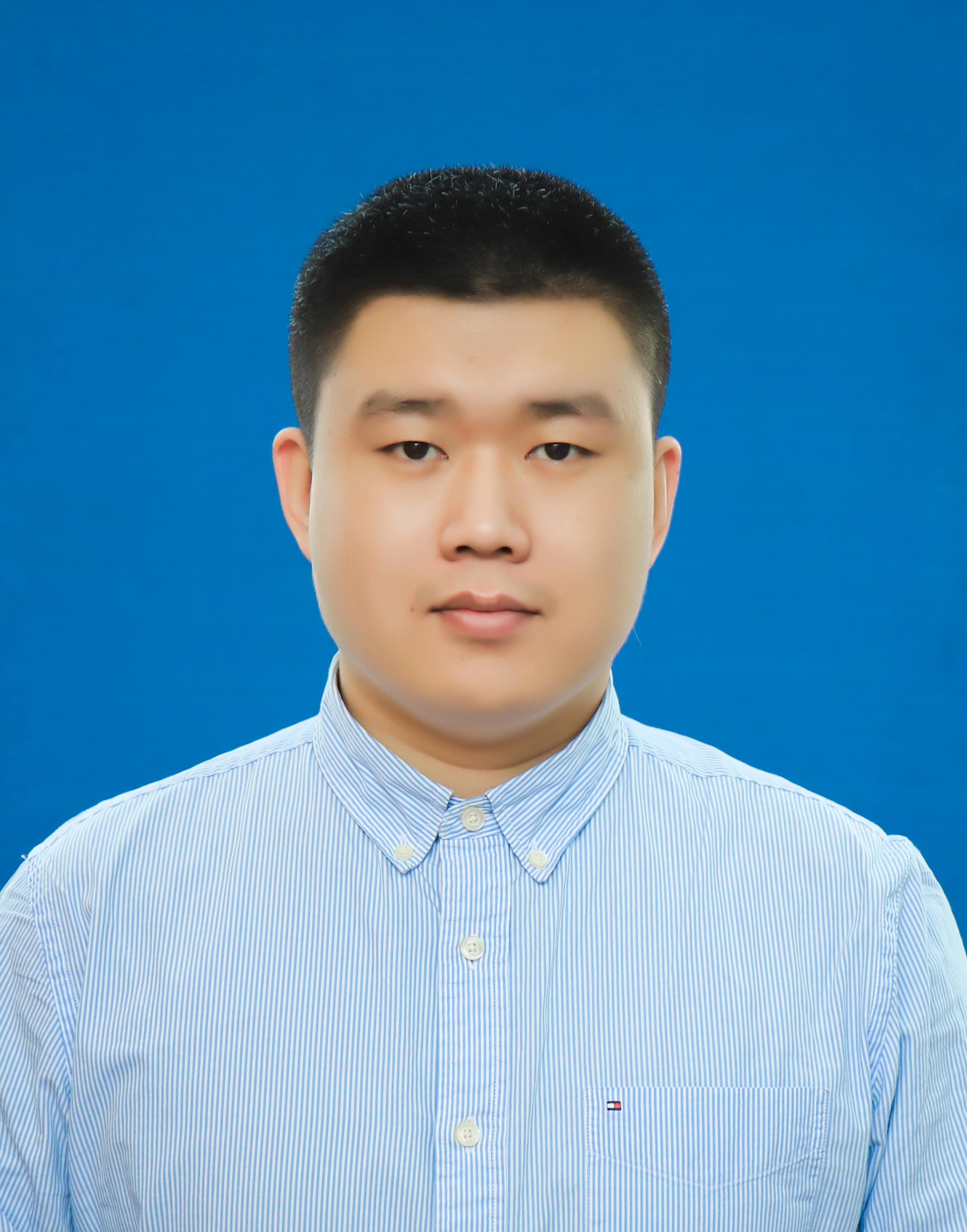 Guangkai Ma (马光凯)合作论文数College of Computer and Control Engineering, Northeast Forestry University7
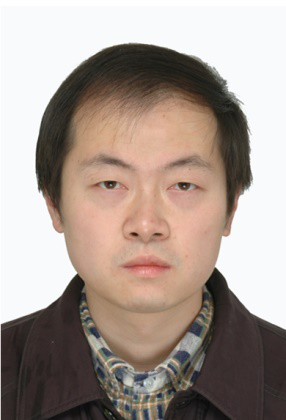 Yifei Pu (蒲亦非)合作论文数College of Computer Science, Sichuan University7
 Xinxing Xu (徐新兴)合作论文数Computing & Intelligence Department, Institute of High Performance Computing7
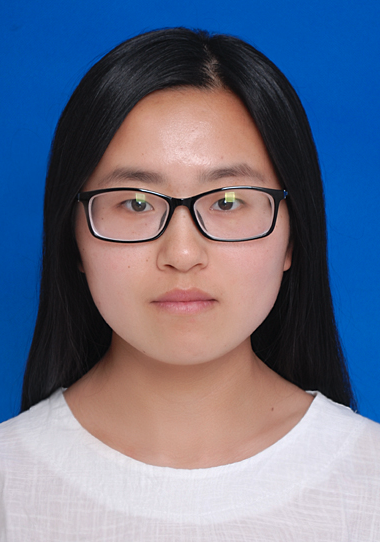 Lituan Wang (王利团)合作论文数Machine Intelligence Lab, College of Computer Science, Sichuan University7
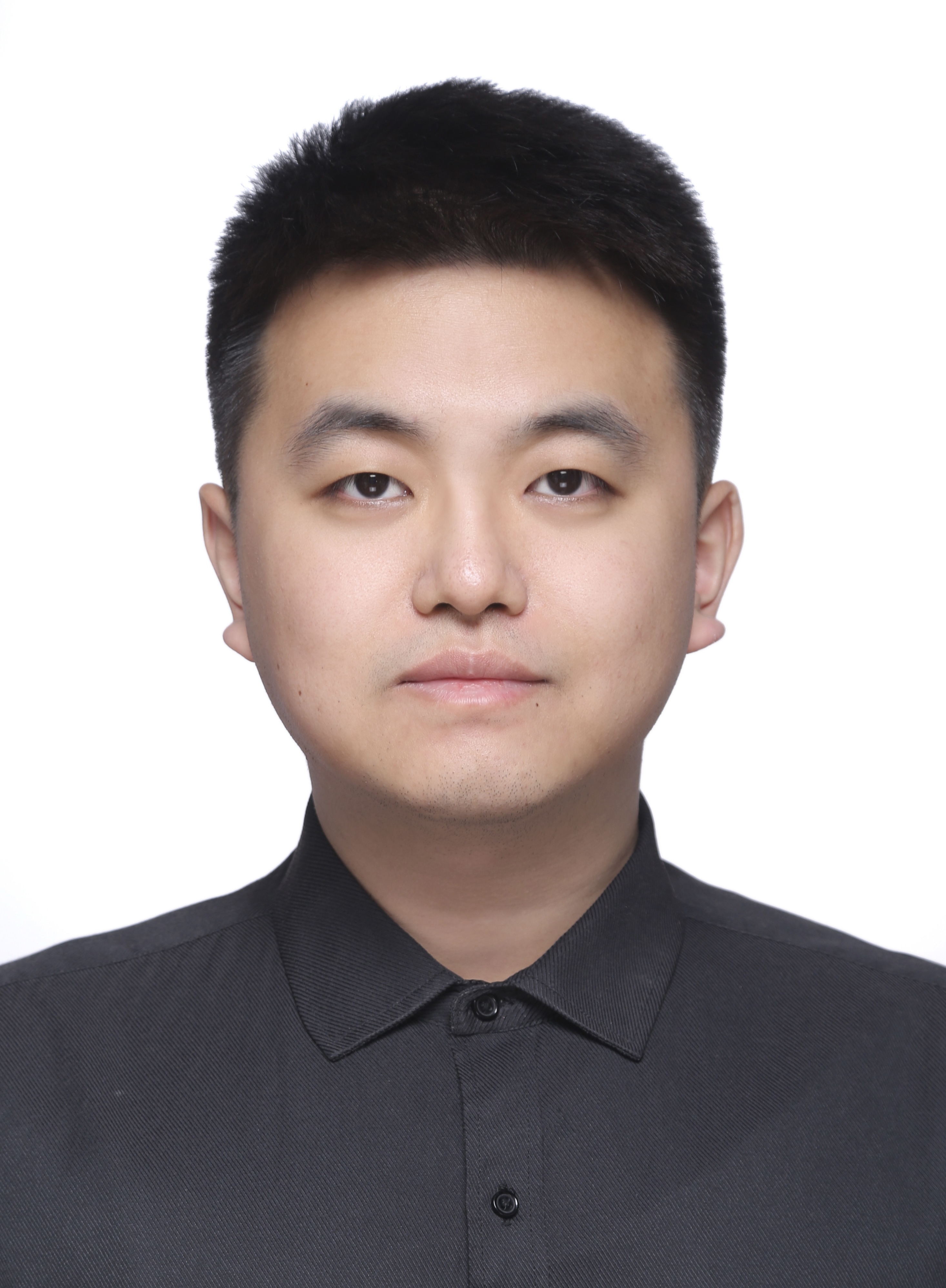 Bo Liu (刘博)合作论文数Hong Kong Polytechnic University6
 Wenzao Li合作论文数6
 Biting Yu合作论文数Univ Wollongong, Sch Comp & Informat Technol, Wollongong, NSW, Australia6Yanmei Luo合作论文数6
 Yi Zhang (章毅)合作论文数Machine Intelligence Laboratory, College of Computer Science, Sichuan University;Intelligent Interdisciplinary Technology Research Center of Sichuan University6
 Feng Lin (林锋)合作论文数College of Computer Science, Sichuan University6
 Pin Tang合作论文数MoE Key Lab of Artificial Intelligence, AI Institute, Shanghai Jiao Tong University5Dong Nie合作论文数AMap5Xin Shu (束鑫)合作论文数5
 Weili Lin合作论文数Biomedical Research Imaging Center, University of North Carolina5Zeng Jie (曾杰)合作论文数5
 Daoqiang Zhang (张道强)合作论文数Department of Computer Science and Engineering, College of Computer Science and Technology, Nanjing University of Aeronautics and Astronautics5
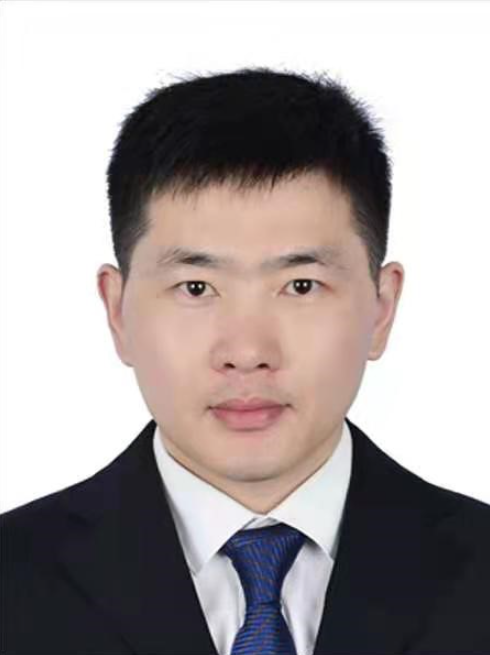 Jianjia Zhang (张俭嘉)合作论文数School of Biomedical Engineering, Sun Yat-Sen University5Yuanjun Liu合作论文数4Yuxiang Yang合作论文数4Hanci Zheng合作论文数4Pinli Yang合作论文数4
 Daniel Shu Wei Ting合作论文数Surgical Retina Department, Singapore National Eye Centre4Kaiping Wang合作论文数The first two authors contribute equally to this work.4




