Serine racemase (SR) dysregulation associates with brain aging and Alzheimer's disease (AD), as both a deficiency and an excess of D-serine can impact synaptic neurotransmission and the integrity of synapses. Neuronal SR decreases with aging, while glial SR is upregulated in AD. However, the role of SR in microglia involved in AD remains elusive. Here, Srr knockdown/knockout in microglia enhanced whereas overexpression of SR inhibited phagocytosis. Lipopolysaccharide-treated Srr-/- microglia upregulated anti-inflammatory factors-an effect blocked by histone lactylation inhibition. Conditional microglial Srr knockout (5×FAD;Lyz2cre;Srrfl/fl) improved spatial memory and reduced amyloid plaques (male-specific) in 5×FAD mice, with elevated lactylation of histone H3 lysine 18 (H3K18la), pyruvate kinase M2, and arginase1 in plaque-associated microglia. Cerebral D-amino acid oxidase and microglial SR and H3K18la were more prominent in males. Collectively, microglia-specific Srr deletion reprograms microglia toward an anti-inflammatory phenotype and enhanced phagocytic capacity partialy mediated by histone lactylation, thereby mitigating AD neuropathology and improving cognitive function-where sex-specific modulation of D-serine contributes to these beneficial effects. Overall, this study delineates the functional roles of microglial SR in phagocytosis, inflammatory responses, and learning-memory behaviors in AD-related models, thereby implicating microglial SR as a potential therapeutic target for AD.
Objective:The aim of this study was to investigate the protective effects of salvianolic acid A (SalA) on cerebral ischemic injury following ischemic stroke (IS) and its possible mechanisms, providing a scientific basis for future clinical research on IS. Methods:A comprehensive search was conducted across eight databases: PubMed, Embase, Web of Science, the Cochrane Library, China National Knowledge Infrastructure (CNKI), Wanfang Database, VIP Database, and the China Biomedical Literature Database (CBM). The search included all literature from the establishment of each library up to February 2025. Data analysis was performed using STATA 15.0 software. Results:A total of 15 studies involving 564 animals were included. The analysis showed that compared to the control group, SalA significantly reduced the infarct volume [SMD = -4.67, 95% CI = (-5.98, -3.36), and p < 0.001] and brain edema area [SMD = -5.291, 95% CI = (-7.607, -2.975), and p < 0.001] and improved neurological deficits [SMD = -6.39, 95% CI = (-9.091, -3.688), and p < 0.001]. SalA also significantly inhibited interleukin 6 (IL-6), tumor necrosis factor-a (TNF-α), IL-1β, and other indicators, such as Bcl-2-associated X protein (Bax) and Caspase-3 index, while showing a positive effect on B-cell lymphoma-2 (Bcl-2), Bcl-2/Bax, and other indicators. Conclusion:This meta-analysis demonstrates the therapeutic effects of SalA on IS. The results indicated that SalA significantly reduced the infarct area, improved neurological function scores, and alleviated brain edema. These effects were achieved through multiple mechanisms, including anti-inflammatory, antioxidative, antiapoptotic actions, along with blood-brain barrier (BBB) repair. SalA exhibited dose-dependent effects at different doses (especially 20 mg/kg) and administration methods. Further high-quality preclinical and clinical studies are needed for analysis. Systematic Review Registration:identifier INPLASY2025110038.
BackgroundChinese herbal medicine (CHM) formulas played an important role during the pandemic of coronavirus disease 2019 (COVID-19). Many randomized controlled trials (RCTs) on CHM for COVID-19 were quickly published. Concerns have been raised about their quality. In addition, inadequate detailed information on CHM formula intervention may arouse suspicion about their effectiveness. We aim to assess the most recent evidence of the methodological reporting quality of these RCTs with strict randomization, and the precise reporting of the CHM formula intervention.MethodsRCTs on CHM formulas for COVID-19 were searched from nine databases. The CONSORT 2010, CONSORT-CHM Formulas 2017, and risk of bias were the guidelines used to assess the included RCTs. The checklist of sub-questions based on CONSORT-CHM Formulas 2017 was used to evaluate the precise reporting of CHM formula intervention. A comparison was made between RCTs that enrolled participants during and after the first wave of the pandemic (defined here as December 2019 to March 2020).ResultsThe average score for 66 studies evaluated based on three guidelines, the CONSORT 2010, the CONSORT-CHM Formulas 2017, and the checklist of sub-questions based on the CONSORT-CHM Formulas 2017, is 16.4, 15.2, and 17.2, respectively. The reporting rate of sample size calculation, allocation concealment, and blinding is less than 30%. The checklist of sub-questions based on the CONSORT-CHM formulas 2017 can help report and assess CHM formula intervention more precisely. Most studies assessed an “unclear risk of bias” due to insufficient information. RCTs published in English and recruited subjects during the first wave of the pandemic have a higher risk of participant blinding bias than the studies recruited subjects after that (P < 0.05).ConclusionThe methodological reporting quality in strictly randomized RCTs on CHM formulas for COVID-19 is inadequate—the reporting of sample size calculation, allocation concealment, and blinding need to improve especially. The checklist of sub-questions based on CONSORT-CHM formulas 2017 can help report and assess CHM formula intervention more precisely. The methodological reporting quality of RCTs published in English and enrolled participants during the first wave of the pandemic is worse than the studies that recruited subjects after the first wave of the pandemic.
BACKGROUND:Icariin (ICA) is a flavonoid, that has been shown to exert antioxidant and anti-inflammatory effects. We aimed to explore the effects of acute exhaustive exercise on skeletal muscle injury and inflammatory factor levels, and investigate the anti-injury and anti-inflammatory effects of ICA through gut microbiota modulation. METHODS:Thirty C57BL/6J mice were administered ICA by gavage for 8 consecutive weeks, which were randomly divided into 3 groups as follows: solvent gavage control group (CON), 25 mg/kg ICA gavage group (ICA-L), and 50 mg/kg ICA gavage group (ICA-H). Serum biochemical and skeletal muscle antioxidant indicators were measured. Antioxidant enzyme activities and anti-inflammatory factor levels were determined. Additionally, gut microbiota were sequenced and analyzed by 16S rDNA and the correlations between metabolic indices and microbial species were assessed using Spearman correlation analysis. RESULTS:ICA alleviated oxidative stress in skeletal muscle by reducing malondialdehyde (MDA) levels and upregulating the activities and mRNA expression of antioxidant enzymes (superoxide dismutase (SOD), catalase (CAT), glutathione peroxidase (GSH-PX)). In addition, ICA suppressed inflammation through downregulation of tumor necrosis factor (TNF-α), nuclear factor-κB (NF-κB), and inflammatory cytokines (interleukin-6 (IL-6) and interleukin-1β (IL-1β)). Gut microbiota analysis revealed ICA enriched short-chain fatty acid (SCFA)-producing bacteria while inhibiting pathogens, with microbial shifts significantly correlated with muscle injury and antioxidant parameters, including Lachnospiraceae_NK4A136_group, Mucispirillum, and Harryflintia. CONCLUSIONS:Our study demonstrated that ICA ameliorated exercise-induced acute muscle injury and inflammation in mice by modulating gut microbiota composition and regulating NF-κB signaling pathway along with related antioxidant enzyme gene expression.
The purpose of this study was to evaluate the diagnostic performance of the waist-to-arm ratio (WAR) for screening the sarcopenic obesity (SO) in older adults. A cross-sectional study was conducted among Korean older adults aged over 65 years. Data were extracted from the Korean National Health and Nutrition Examination Survey (KNHANES) 2023 years. Sarcopenia was defined as handgrip strength < 28 kg for males and < 18 kg for females and appendicular skeletal muscle mass index (ASMI) < 7.0 kg/m2 for males and < 5.7 kg/m2 for females. Obesity was defined as waist circumference (WC) ≥ 90 cm for males and ≥ 85 cm for females. SO was defined as having sarcopenia and obesity simultaneously. WAR is calculated as waist circumference divided by mid-upper arm circumference (WAR = WC/MUAC). The accuracy levels of WAR for screening SO (as assessed by area under the curve) were 0.895 in males and 0.771 in females. WAR cutoff values for screening SO were calculated to be 3.44 for males and 3.32 for females. The sensitivities were 100.0
Objective:This study aimed to explore the relationship between early adulthood obesity and sarcopenic obesity (SO) among middle-aged and older adults in the United States. Methods:This retrospective study was conducted involving adults aged 50-69 years in the United States. Data were extracted from the National Health and Nutrition Examination Survey (NHANES) during the periods 1999-2006 and 2011-2018. Height and weight at the age of 25 years were measured. Body mass index (BMI) at the age of 25 years (BMI25) was calculated. Healthy weight, overweight, and obesity at the age of 25 years (healthy weight25, overweight25, and obesity25) were defined as BMI25 18.5 to less than 25 kg/m2, 25 to less than 30 kg/m2, and 30 kg/m2 or greater, respectively. SO was determined by dividing appendicular skeletal muscle mass by weight (ASM/Wt) and percentage of fat mass [FM (%)]. Results:The prevalence of SO was 5.4, 8.5, and 16.5% in healthy weight25, overweight25, and obesity25 groups, respectively. After adjusting for confounding factors, the prevalence of SO in the overweight25 group and the obesity25 group was 1.161 times (95%CI: 0.898-1.500, p = 0.254) and 2.286 times (95%CI: 1.651-3.165, p < 0.001) higher, respectively, compared to the healthy weight25 group. Conclusion:This study demonstrates that obesity in early adulthood is closely associated with an increased risk of sarcopenic obesity among middle-aged and older adults.
ObjectiveThis study aims to analyze the adverse drug events (ADEs) associated with tolvaptan in the Food and Drug Administration Adverse Event Reporting System database from the fourth quarter of 2009 to the second quarter of 2024.MethodsAfter standardizing the data, various signal detection techniques, including Reporting Odds Ratio (ROR), Proportional Reporting Ratio (PRR), Bayesian Confidence Propagation Neural Network, and Multi-Item Gamma Poisson Shrinker, were employed for analysis.ResultsAmong the 7,486 ADE reports where tolvaptan was the primary suspected drug, a total of 196 preferred terms were identified, spanning 24 different system organ classes. Specifically, hepatobiliary disorders, renal and urinary disorders, and metabolic and nutritional disorders were found to be characteristic adverse reactions associated with tolvaptan. Additionally, uncommon but notable ADE signals were observed, such as renal cyst rupture, renal cyst infection, polycystic liver disease, and renal cyst hemorrhage. These several ADEs have not been referred to in the previous literature. Notably, strong ADE signals were detected for decreased urine osmolality [n = 5, ROR 149.74, PRR 149.7, IC (Information Component) 7.13, EBGM (Empirical Bayes Geometric Mean) 139.79], osmotic demyelination syndrome (n = 38, ROR 128.47, PRR 128.25, IC 6.92, EBGM 120.91), and pulmonary-related tumors such as bronchial metastatic carcinoma, bronchial carcinoma, metastatic small cell lung carcinoma, and small cell lung carcinoma. In the concomitant medication analysis of 7,486 suspected adverse drug reaction reports related to tolvaptan, the top three drugs most commonly used in combination with tolvaptan were furosemide, spironolactone, and amlodipine.ConclusionWhile tolvaptan provides therapeutic benefits, it poses a risk of significant adverse reactions. Clinicians should closely monitor the occurrence of events related to hepatobiliary disorders, renal and urinary disorders, metabolic and nutritional disorders, as well as benign, malignant, and indeterminate tumors during its clinical use.
Purpose:Changes associated with Alzheimer's disease (AD) may have measurable effects on the retina, which may facilitate early detection due to the eye's accessibility. Retinal pathology and the regulation of serine racemase (SR) were investigated in the retinas of APP(SW)/PS1(∆E9) mice. Methods:SR in the retinas and the content of D-serine in the aqueous humor were analyzed. The structure and function of the retina were assessed. Additionally, the regulation of SR in primary Müller cell cultures was investigated. Results:SR levels were significantly higher in the retinas of 18- and 24-month-old male APP/PS1 mice, whereas aqueous humor D-serine was lower in 24-month-old APP/PS1 male mice compared to wild-type (WT) mice. Neither Aβ nor 17β-estradiol increased SR, but the combination of both did in Müller cell cultures. In contrast, 17β-estradiol increased Srr mRNA in the cultures. At 8 months of age, male APP/PS1 mice began to display reduced b-wave amplitude in scotopic and photopic electroretinography (ERG) recordings, unlike female APP/PS1 mice. Although the retinal layer thickness in APP/PS1 mice did not differ from WT mice, there was overt apoptosis in the inner and outer nuclear layers of the APP/PS1 mice retinas. Conclusions:The age- and sex-specific regulation of SR is correlated with the pathology of an AD retina. Because the time window for SR regulation and D-serine alteration occurs after photoreceptor dysfunction in the AD retinas, it has limited value as a detection biomarker but may be useful as a topographic biomarker for staging severity and monitoring drug interventions in the eye or central nervous system.
Ginseng is frequently used in traditional Chinese medicine to treat neurological disorders. The primary active component of ginseng is ginsenoside, which has been classified into more than 110 types based on their chemical structures. Ginsenoside Rb1 (GsRb1)—a protopanaxadiol saponin and a typical ginseng component—exhibits anti-inflammatory, anti-oxidant, anti-apoptotic, and anti-autophagy properties in the nervous system. Neurological disorders remain a leading cause of death and disability globally. GsRb1 effectively treats neurological disorders. To contribute novel insights to the understanding and treatment of neurological disorders, we present a comprehensive review of the pharmacokinetics, actions, mechanisms, and research development of GsRb1 in neurological disorders.
BackgroundThe effect of polyphenol subclasses on prostate cancer (PCA) is controversial. Therefore, the purpose of this study was to investigate the relationship between polyphenol subclasses and PCA incidence.MethodsFrom the establishment of the database to December 2023, a systematic search was conducted on PubMed, Web of Science, Embase, and Cochrane Library to identify relevant observational studies. The adjusted odds ratio (OR) and corresponding 95% confidence interval (95% CI) were used to assess the association.ResultsA total of 38 studies (11 were cohort studies and 27 were case–control studies), composing 824,933 participants, were included in this meta-analysis after excluding irrelevant records. The findings of the study revealed that men who consumed dietary polyphenols had a significantly higher risk of PCA compared to those who never or rarely consumed dietary polyphenols (OR = 1.01, p = 0.023), especially dietary flavonol (OR = 1.05, p = 0.042), flavanol (OR = 1.03, p = 0.026) and anthocyanin (OR = 1.06, p = 0.001). Neither total nor subclasses of dietary polyphenols have an effect on non-localized or high-grade PCA (OR = 1.01, p = 0.518). Dietary isoflavones tended to reduce the incidence of local or low-grade PCA, although there was no statistically significant difference (OR = 1.00, p = 0.081). Regarding serum/plasma polyphenol, total polyphenol (OR = 0.95, p = 0.002), genistein (OR = 0.92, p = 0.029) and enterolactone (OR = 0.92, p = 0.022) can reduce the incidence of PCA. No association was observed between total/subclasses of urinary polyphenols and PCA risk.ConclusionPolyphenols seem to generally increase the risk of PCA in the male population. The effect of polyphenols on PCA is affected by factors such as polyphenol subclasses, their forms (serum/plasma, urinary, dietary), and PCA-related factors (like PCA stage).Systematic review registrationidentifier: CRD42022322699.
Background: Rearranged during transfection (RET) is a receptor tyrosine kinase and a bona fide oncogene that drives various cancers. Oncogenic RET induces abnormal activation of RET kinase, causing tumorigenesis. RET can be abnormally activated through RET point mutations and RET fusions. Although RET kinase has been discovered in tumors more than 30 years ago, patients with RET-altered tumors gain limited benefits from multikinase inhibitors (MKIs). In 2020, pralsetinib and selpercatinib were approved by FDA for the treatment of RET-altered tumors. Objective: Recently reported RET inhibitors were reviewed to provide an overview of the development of novel RET inhibitors. Methods: Literatures, patents, and conference proceedings published in the past five years were collected. Only RET inhibitors with novel scaffolds or in vivo efficacy were discussed in this review. The enzymebased and cell-based activities, PK profiles, antitumor activities in vivo, and clinical efficacy of the selected RET inhibitors were described. Results: Great efforts have been spent on the development of RET inhibitors, leading to increased RETtargeted therapies. Due to high potency and specificity, pralsetinib and selpercatinib resulted in a >8- month improvement in overall survival, compared to MKIs. However, solvent-front mutants emerged and contributed to the acquired resistance to pralsetinib and selpercatinib. To overcome solvent front mutants, TPX-0046, TAS0953, and LOX-260 are investigated in early clinical studies. Conclusion: Zeteletinib, SYHA1815, TPX-0046, TAS0953, and LOX-260 are potential therapies for RET-altered cancers. In addition, macrocyclic inhibitors, allosteric inhibitors, and PROTACs are three promising strategies to address the potential drug resistance of RET.
Proline-rich tyrosine kinase 2 (PYK2) is involved in the occurrence, proliferation, migration, and invasion of various tumors. However, few studies have reported the role of PYK2 in colorectal cancer (CRC). To explore the effects of PYK2 on CRC metastasis and elucidate the detailed molecular mechanisms involved. The expression and prognosis value of PYK2 in CRC prognosis were analyzed using data from The Cancer Genome Atlas (TCGA). PYK2 was knocked down or overexpressed in human CRC cell line, HCT116. Cell proliferation, migration, invasion, and cycle changes were analyzed using CCK-8, Transwell, and flow cytometry assays. Western blotting and quantitative real-time PCR were performed to detect the mRNA and protein levels of cell proliferation and epithelial–mesenchymal transition (EMT) indicators. Fluorescence staining was performed to examine the cytoskeleton. Lower expression of PYK2 was observed in CRC tissues and associated with poor prognosis and metastasis in patients with CRC in TCGA database. PYK2 knockdown significantly induced the migration and invasion of CRC cells but did not affect cell proliferation or cycle. Immunofluorescence staining of phalloidin showed that the downregulation of PYK2 increased the cytoskeleton in CRC cells. Moreover, low expression of PYK2 induced the downregulation of E-cadherin and upregulation of snail and vimentin by activating Wnt/β-catenin signaling, thus promoting EMT in CRC cells. Low PYK2 expression was found in tumor tissues, especially metastases, and significantly correlated with patient prognosis. Moreover, decreased PYK2 induces EMT by activating Wnt/β-catenin signaling, which is the potential mechanism of CRC metastasis. Regulating the expression of PYK2 to suppress tumor cell metastasis may represent a promising therapeutic strategy for metastatic CRC.
Telomere repeat binding factor 2 (TRF2), a critical element of the shelterin complex, plays a vital role in the maintenance of genome integrity. TRF2 overexpression is found in a wide range of malignant cancers, whereas its down-regulation could cause cell death. Despite its potential role, the selectively small-molecule inhibitors of TRF2 and its therapeutic effects on liver cancer remain largely unknown. Our clinical data combined with bioinformatic analysis demonstrated that TRF2 is overexpressed in liver cancer and that high expression is associated with poor prognosis. Flavokavain B derivative FKB04 potently inhibited TRF2 expression in liver cancer cells while having limited effects on the other five shelterin subunits. Moreover, FKB04 treatment induced telomere shortening and increased the amounts of telomere-free ends, leading to the destruction of T-loop structure. Consequently, FKB04 promoted liver cancer cell senescence without modulating apoptosis levels. In corroboration with these findings, FKB04 inhibited tumor cell growth by promoting telomeric TRF2 deficiency-induced telomere shortening in a mouse xenograft tumor model, with no obvious side effects. These results demonstrate that TRF2 is a potential therapeutic target for liver cancer and suggest that FKB04 may be a selective small-molecule inhibitor of TRF2, showing promise in the treatment of liver cancer.
Through collecting the relevant records of "brain" in ancient traditional Chinese medicine literature, the potential structure and function of the "motor system of brain-meridian-muscle region" and "perception system of brain-meridian-cutaneous region" of the human body are analyzed preliminarily. In view of the characteristics of the symptoms of stroke sequela, focusing on the differentiation of disease location and associated with the identification of disease property, the pathogenesis of stroke is determined, "malnutrition of the sea of marrow, dysfunction of meridian muscle region and disharmony of the nutrient and the defensive in the meridian cutaneous region", while, the basic principle of treatment is formulated, "filling up the marrow, replenishing the brain, regulating meridian muscle regions, tonifying qi and facilitating blood circulation in meridians and collaterals". Based on the above, the acupoints selected in treatment and the techniques of acupuncture and moxibustion are clarified. This article presents the references for the clinical practice of acupuncture and moxibustion and provides the individual therapeutic regimen for stroke patients.
Background: As a form of biological therapy, placenta-derived mesenchymal stem cells (PDMSCs) exhibit considerable promise in addressing the complex pathological processes of traumaticbrain injury (TBI) due to their multi-target and multi-pathway mode of action.Material & Methods: This study investigates the protective mechanisms and benefits of PDMSCs in mitigating the effects of controlled cortical impact (CCI) in rats and glutamate-induced oxidative stress injury in HT22 cells in vitro.Our primary objective is to provide evidence supporting the clinical application of PDMSCs.Results: In the in vivo arm of our investigation, we observed a swift elevation of matrix metalloproteinase-9 (MMP-9) in the proximal cortex of injured brain tissues after CCI.PDMSCs, distinguished by their heightened expression of metalloproteinase tissue inhibitors-1 and -2 (TIMP-1 and TIMP-2): were intravenously administered via the caudal vein.This intervention yielded significant reductions in the permeability of the blood-brain barrier (BBB): the extent of brain edema, the levels of inflammatory cytokines IL-1β and TNF-α in damaged brain tissue, and the activation status of microglia in CCI-afflicted rats.In the realm of in vitro experiments, PDMSC-conditioned media demonstrated substantial reductions in mortality rates and cleaved caspase-3 levels in glutamate-induced HT22 cells compared with conventional media.Notably, this advantage was negated upon the introduction of neutralizing antibodies targeting TIMP-1 and TIMP-2.Conclusion: Collectively, our findings underscore the potential of PDMSCs in alleviating oxidative stress injury and secondary brain injury in the pathological process of TBI.
The instability of curcumin's structure and the toxic side effects of piperlongumine have limited their potential applications in cancer treatment. To overcome these challenges, we designed and synthesized a novel curcumin-piperlongumine hybrid molecule, 3-[(E)-4-hydroxy-3-methoxybenzylidene]-1-[(E)-3-(3,4,5-trimethoxyphenyl)acryloyl]piperidin-2-one (CP), using a molecular hybridization strategy. CP exhibited enhanced structural stability and safety compared with its parent compounds. Through in vitro and in vivo biological activity screenings, CP effectively inhibited cell proliferation, caused cell cycle arrest in the G2/M phase, and induced apoptosis. Mechanistically, CP-induced apoptosis was partially mediated by cell cycle arrest. Furthermore, we discovered that CP induces cell cycle arrest and apoptosis through the regulation of JNK signaling. These findings highlight the potential of CP as a promising therapeutic agent for lung cancer treatment.
ObjectivesLittle is known about the clinical prognosis of gasdermin D (GSDMD) in patients with ST-elevation myocardial infarction (STEMI). The purpose of this study was to investigate the association of GSDMD with microvascular injury, infarction size (IS), left ventricular ejection fraction (LVEF), and major adverse cardiac events (MACEs), in STEMI patients with primary percutaneous coronary intervention (pPCI).MethodsWe retrospectively analyzed 120 prospectively enrolled STEMI patients (median age 53 years, 80% men) treated with pPCI between 2020 and 2021 who underwent serum GSDMD assessment and cardiac magnetic resonance (CMR) within 48 h post-reperfusion; CMR was also performed at one year follow-up.ResultsMicrovascular obstruction was observed in 37 patients (31%). GSDMD concentrations ≧ median (13 ng/L) in patients were associated with a higher risk of microvascular obstruction and IMH (46% vs. 19%, P = 0.003; 31% vs. 13%, P = 0.02, respectively), as well as with a lower LVEF both in the acute phase after infarction (35% vs. 54%, P < 0.001) and in the chronic phase (42% vs. 56%, P < 0.001), larger IS in the acute (32% vs. 15%, P < 0.001) and in the chronic phases (26% vs. 11%, P < 0.001), and larger left ventricular volumes (119 ± 20 vs. 98 ± 14, P = 0.003) by CMR. Univariable and multivariable Cox regression analysis results showed that patients with GSDMD concentrations ≧ median (13 ng/L) had a higher incidence of MACE (P < 0.05).ConclusionsHigh GSDMD concentrations in STEMI patients are associated with microvascular injury (including MVO and IMH), which is a powerful MACE predictor. Nevertheless, the therapeutic implications of this relation need further research.
Intracerebral hemorrhage usually manifests as strong neuroinflammation and neurological deficits. There is an urgent need to explore effective methods for the treatment of intracerebral hemorrhage. The therapeutic effect and the possible mechanism of induced neural stem cell transplantation in an intracerebral hemorrhage rat model are still unclear. Our results showed that transplantation of induced neural stem cells could improve neurological deficits by inhibiting inflammation in an intracerebral hemorrhage rat model. Additionally, induced neural stem cell treatment could effectively suppress microglial pyroptosis, which might occur through inhibiting the NF-κB signaling pathway. Induced neural stem cells could also regulate the polarization of microglia and promote the transition of microglia from pro-inflammatory phenotypes to anti-inflammatory phenotypes to exert their anti-inflammatory effects. Overall, induced neural stem cells may be a promising tool for the treatment of intracerebral hemorrhage and other neuroinflammatory diseases.
 Guoqing Zheng (郑国庆)合作论文数The 2nd Affiliated Hospital of Wenzhou Medical University41Chao-Qun Wang合作论文数12Xiao-Yi Bao合作论文数11Qun Zheng合作论文数11
 Chih-Hsin Tang (湯智昕)合作论文数Department of Pharmacology, School of Medicine, China Medical University11Qiang Tong合作论文数10Peng-Chong Zhu合作论文数8BiFei Huang (黄必飞)合作论文数8
 Xiaotong Wang (王小同)合作论文数The Second Affiliated Hospital & Yuying Children's Hospital of Wenzhou Medical University%_%The Second Clinical College of Wenzhou Medical University8GuiNv Hu (胡桂女)合作论文数7Shengzhou Wu合作论文数7Chen-Ming Su合作论文数7Jia-Zhen Zhu合作论文数6Yong-Ming Zhao合作论文数6Wang Qian合作论文数6
 Min-Xin Guan (管敏鑫)合作论文数Institute of Genetics, International School of Medicine, Zhejiang University;University of Toronto6
 Cheng-Long Xie合作论文数Hefei University of Technology, Hefei University of Technology6Zi-Hao Wang合作论文数5Li-Hui Deng合作论文数5Lin Lu合作论文数5Yanzi Meng合作论文数5Yueyue Huang合作论文数4Deng-Lei Fu合作论文数4Lulu Jin合作论文数4Ke-Jian Zhang合作论文数4Xiaofang Dong合作论文数4JunKang Shao (邵俊康)合作论文数4JiFei Tang (唐疾飞)合作论文数4PengLin Yang (杨鹏麟)合作论文数4
 Ling Xue合作论文数4Xiu-Min Wang合作论文数4Jun Qin Mo合作论文数3Xiaoyu Xiu合作论文数3Shuyuan Zhang合作论文数3Yanfei Ye合作论文数3Meiling Lian合作论文数3Xing Liu合作论文数3Peng Wu合作论文数3Jing Zhou合作论文数3Jian Feng合作论文数3ShuZhan Zheng (郑舒展)合作论文数3Yong Gu (顾勇)合作论文数Guangzhou University of Chinese Medicine3
 Ge Shan (单革)合作论文数Lab of Functional Study for Noncoding RNAs, School of Life Sciences, University of Science and Technology of China;The CAS Key Laboratory of Innate Immunity and Chronic Disease, Chinese Academy of Sciences3Liu Ai-Ju合作论文数3Li Ji-Huang合作论文数3
 Huey-En Tzeng合作论文数3
 Zhongqiu Lu (卢中秋)合作论文数Department of Emergency, The First Affiliated Hospital of Wenzhou Medical University3
 Xiaoni Li合作论文数3
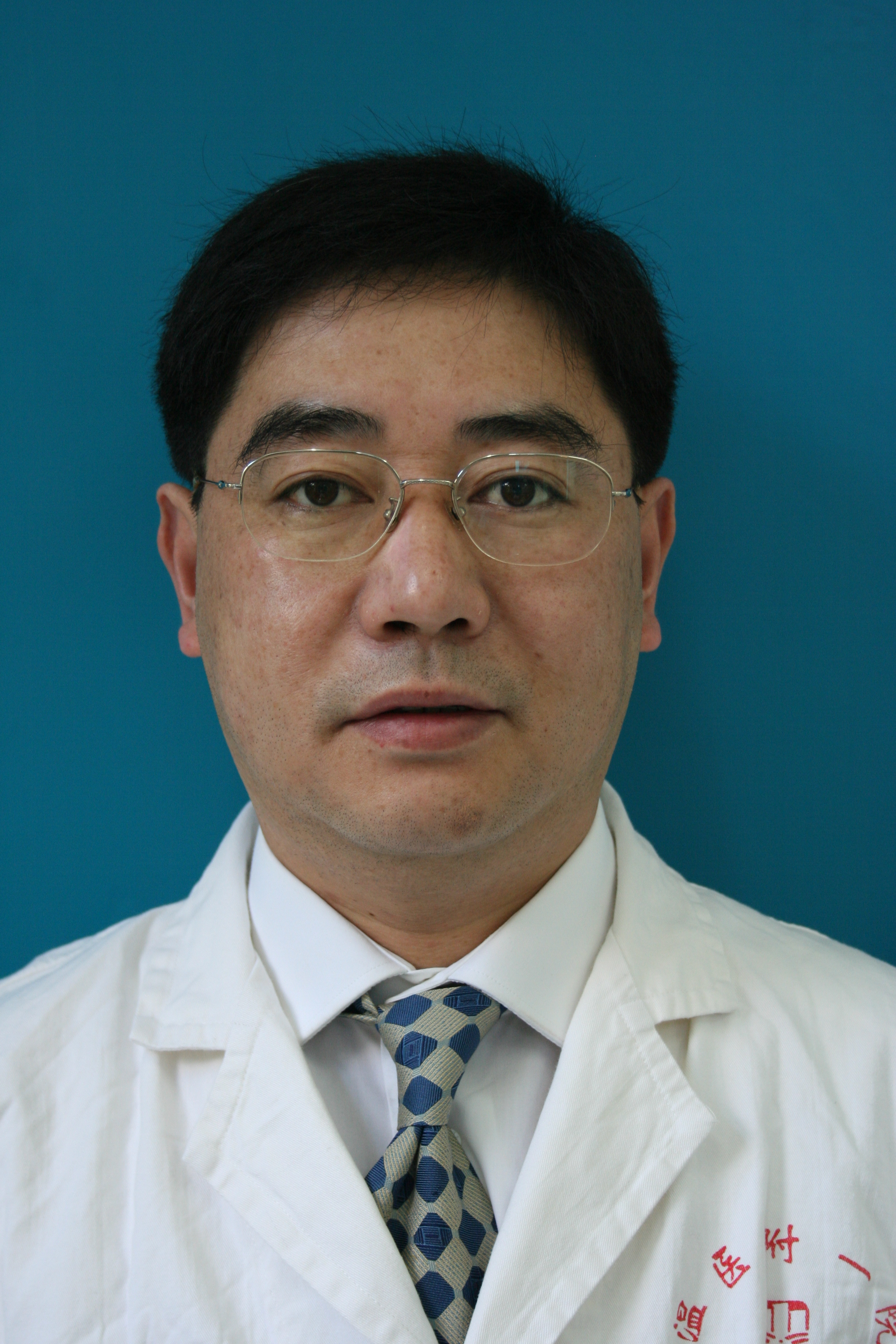 Hong Chen (陈宏)合作论文数Department of Stomatology, the First Hospital Affiliated of Wenzhou Medical college3




