The development of biomimetic scaffolds capable of promoting both cartilage and subchondral bone regeneration remains a major challenge in osteochondral tissue engineering. In this study, type I acid-soluble collagen (ASC) was successfully extracted from black flounder (Paralichthys olivaceus) skin and systematically characterized. The purified ASC retained its native triple-helical structure, as confirmed by SDS-PAGE, FTIR, CD, and XRD analyses, and exhibited favorable self-assembly behavior near physiological pH. Based on this natural matrix, photocrosslinkable methacrylated chondroitin sulfate (CSMA) was synthesized and combined with ASC or mineralized collagen (MC) to fabricate injectable composite hydrogels via UV-initiated polymerization. The resulting CSMA/COL and CSMA/MC hydrogels demonstrated tunable gelation times (90-120 s), high porosity, excellent swelling capacity, and superior mechanical strength (compressive modulus up to ∼40 kPa). Rheological analysis revealed stable viscoelastic properties with G' consistently exceeding G″. The composites also exhibited remarkable self-healing ability. In vitro, all hydrogel extracts displayed outstanding cytocompatibility, promoting primary chondrocyte adhesion, proliferation, and migration. Hydrogels containing collagen and MC (especially CS5M1) significantly enhanced the alkaline phosphatase (ALP) activity and upregulated chondrogenic gene expression (COL II, Acan, and Sox9). In vivo implantation in a rat full-thickness cartilage defect model demonstrated that CSMA-based composite hydrogels facilitated seamless defect filling, enhanced proteoglycan and glycosaminoglycan deposition, and promoted subchondral bone remodeling. Among all formulations, CS5M1 achieved the most complete repair, regenerating hyaline-like cartilage integrated with surrounding tissue after 12 weeks. Collectively, these results demonstrate that the composite hydrogels provide a biomimetic, injectable, and photo-curable platform with excellent osteochondral regenerative potential.
Aiming at the problems of insufficiently tight sealing of all-metal dissolvable frac plugs and the poor fracturing effect in the extraction of shale gas, the effects of structural parameters on the performance of metal dissolvable ball seat sealing rings was analyzed using numerical simulation and an experimental method. The key structural factors affecting performance were identified. The problem of stress concentration at the contact position between the sealing ring and the slip of the existing structure was discovered. To solve the above problems, a combination structure sealing ring was designed. Then the performance comparison analysis of the two structures and optimal structural parameters were carried out. Under the same sealing force, the combination structure sealing ring can be smoothly sealed, and the stress distribution of the upper sealing ring is uniform. This indicates that the performance of the combination structure sealing ring is superior, and the optimal cone angle and thickness obtained are 9° and 17 mm, respectively. Based on the optimized structural parameters, experiments were conducted. After being pressurized at room temperature to 51 MPa and stabilized for 15 min, the pressure gradually decreased to 47.4 MPa, indicating a secondary setting. After unloading, the lower end face of the dissolvable ball seat has no liquid leakage. Under high temperature, a pressure of 51 Mpa was applied; the pressure inside the wellbore remained basically unchanged. During the process of applying pressures of 60 MPa and 70 MPa, there was also a decrease in pressure, indicating the presence of secondary sealing. The above results indicate that the optimized combined metal sealing ring has strict sealing and good pressure-bearing performance. At the same time, the reliability of the simulation results was verified. The designed sealing ring was applied to the shale gas horizontal well deployed in Changning block, China. The application results show that when the displacement remains unchanged, the casing pressure increases from 51 MPa to 60 MPa, and continues to maintain the displacement. The pressure did not fall back to 51 MPa, proving that the formation pressure is released. The successful on-site application once again verifies the safe and reliable performance of the all-metal sealing ring.
Peripheral nerve injury (PNI) repair is fundamentally hindered by a dysregulated inflammatory microenvironment and insufficient bioactive components. Conventional hydrogels fail to concurrently integrate dynamic responsiveness, neural biomimicry, and inflammation regulation. Herein, we engineered a biomimetic supramolecular hydrogel capable of reprogramming the immune microenvironment. This hydrogel was constructed through the reversible self-assembly of carboxymethyl chitosan (CM-CTS) and oxidized chondroitin sulfate (OCS), enabling the sequential release of a vascular endothelial growth factor mimetic peptide (QK) and dopamine (DA). The hydrogel, designated QK@CM-CTS/OCS-DA, exhibited critical biomaterial properties for neural applications: injectability for minimally invasive delivery, rapid self-healing capability, robust structural stability under dynamic conditions, appropriate mechanical strength matching soft neural tissue, and favorable cytocompatibility. Moreover, in vivo implantation of the hydrogel elicited no discernible inflammatory response, and it underwent near-complete degradation within 6 weeks. Furthermore, the QK@CM-CTS/OCS-DA hydrogel actively reprogrammed the injury site: the initial burst release of the QK peptide potently modulated macrophage polarization toward an anti-inflammatory M2 phenotype and drove early angiogenesis, while the subsequent sustained release of dopamine synergized with the CM-CTS/OCS matrix to promote Schwann cell migration, axonal extension, and myelination. Crucially, the QK@CM-CTS/OCS-DA hydrogel repaired the injured rat sciatic nerve, attenuated gastrocnemius atrophy, and promoted remyelination, restored the conduction function and motor function. While modulating inflammation and immune responses, the QK@CM-CTS/OCS-DA hydrogel also effectively enhanced energy supply, creating favorable microenvironment for peripheral nerve regeneration. Consequently, this study developed a QK@CM-CTS/OCS-DA biomimetic supramolecular hydrogel with sequential delivery functionality and demonstrated its therapeutic potential in PNI repair. STATEMENT OF SIGNIFICANCE: Peripheral nerve injuries are challenging to treat due to harmful inflammation and insufficient bioactive components. Conventional hydrogels fail to concurrently integrate dynamic responsiveness, neural biomimicry, and inflammatory microenvironment reprogramming. Herein, the CM-CTS/OCS matrix employed endows the hydrogel with injectability, self-healing capability, and appropriate mechanical strength, enabling minimally invasive implantation and adaptation to irregular nerve defect cavities while maintaining structural integrity. Through the sequential release of QK peptide and dopamine, the QK@CM-CTS/OCS-DA hydrogel reduces oxidative stress, attenuates early inflammation, guides Schwann cell migration, accelerates axon regrowth, and enhances myelin formation. This study has developed a mechanism-driven biomimetic supramolecular hydrogel, which combines dynamic material design with complex biological effects, providing active substances and an appropriate regenerative microenvironment for peripheral nerve regeneration.
To solve the problem that the theory of in situ separation and sand removal of marine hydrate is not perfect enough, the formulas of fluid tangential velocity and particle radial migration were derived based on the separation theory of rotating fluid and equilibrium orbit. Under certain assumptions, theoretical prediction models of fluid tangential velocity, particle radial migration and separated particle size under different operation and physical parameters were established. Then the theoretical results were compared with the numerical simulation results. The results show that the key factors affecting the tangential velocity are the inlet spiral pitch, the number of spiral blades, the diameter of the overflow pipe, the thickness of the spiral blades, and the main diameter of the desander. The tangential velocity is proportional to the flow rate. When the particle diameter is fixed, the radial migration velocity of the particle decreases with the increase in the rotation radius. When the rotation radius is fixed, the radial migration velocity of particles increases with the increase in particle diameter. The larger the hydrate particle size, the shorter the time to reach the center, and the larger the sand particle size, the shorter the time to reach the wall. The particle size is inversely proportional to the tangential velocity of the fluid in the equilibrium orbit. The determination of fluid velocity, liquid–solid density difference and particle size is the key factor affecting particle equilibrium trajectory and particle size separation. The numerical simulation results are basically consistent with the theoretical values. The obtained results enrich the theoretical model of hydrate in situ sand removal.
Tumor heterogeneity, immunosuppression, and frequent adverse effects present major challenges in colorectal cancer therapy. Although the combination of oxaliplatin (OXA, chemotherapy) and fruquintinib (FRU, antiangiogenic) shows clinical promise, their divergent physicochemical properties and inadequate tumor selectivity lead to suboptimal efficacy and systemic toxicity. To overcome the challenge, we developed a tumor-targeted nanosystem based on chitosan and fucoidan for co-delivery of hydrophilic oxaliplatin and hydrophobic fruquintinib (CS-Arg/Fuc-Bio@OF). The nanoparticle leverages the inherent P-selectin affinity of fucoidan and active targeting given by biotin modification to achieve precise tumor accumulation and microenvironment-responsive drug release. In vitro studies demonstrated that CS-Arg/Fuc-Bio@OF effectively eliminated HCT116 and HT29 cancer cells by inducing robust immunogenic cell death (ICD) and exerted potent anti-angiogenic effects. The combination of OXA-induced ICD with FRU-mediated angiogenesis suppression and polysaccharide-promoted immunomodulation synergistically reprogrammed the immunosuppressive tumor microenvironment, facilitating an effective anti-tumor immune response. In vivo, the nanoparticles significantly inhibited tumor growth and demonstrated good biosafety, with a hemolysis rate < 5% and no appreciable organ toxicity observed. This work not only validates CS-Arg/Fuc-Bio@OF as an efficient and safe combination therapy carrier but also provides a novel strategy for developing drug delivery systems based on natural polysaccharides.
Guided bone regeneration (GBR) membranes with osteoinductive and angiogenic capabilities are essential for the effective repair of large bone defects. In this study, we design and fabricate a biomimetic bilayer GBR membrane composed of a nano-hydroxyapatite/type I collagen/ polycaprolactone (HC layer) and chitosan/ polycaprolactone (CP layer) composite via electrospinning strategy. The core-shell fibrous architecture replicates the natural periosteum's fibrous hierarchy and provides controlled collagen release, mechanical integrity, and enhanced interfacial functionality. The physical, chemical, and mechanical properties of the membranes were comprehensively characterized, and in vitro assays demonstrated excellent cell adhesion, proliferation, and osteogenic differentiation of pre-osteoblasts on the bilayered membrane. In addition, the membrane promoted endothelial cell migration, tube formation, and upregulation of angiogenesis-related genes, confirming its pro-angiogenic capacity. Furthermore, in vivo evaluation using a critical-sized rat calvarial defect model revealed that the bilayered membrane significantly enhanced new bone formation compared to commercial HAO membranes, as confirmed by micro-CT and histological analysis. This work provides a mechanically robust, biologically active, and structurally biomimetic GBR membrane capable of promoting both osteogenesis and angiogenesis in a coordinated manner. The proposed strategy offers promising potential for the clinical treatment of complex bone defects.
A composite scaffold integrating biphasic calcium phosphate (BCP) with sodium alginate (SA) was engineered in this study to facilitate the repair of bone defects. Nacre-derived BCP with different ratios of hydroxyapatite (HAP) to β-tricalcium phosphate (β-TCP)—H5 (50:50) and H3 (30:70)—were combined with SA, cross-linked with calcium ions, and freeze-dried to fabricate three types of scaffolds: SN (SA alone), SH3, and SH5. Characterization revealed high crystallinity, porosity (65%–80%), and a pore size of approximately 100 μm.In vitro, SH5 scaffolds promoted MC3T3-E1 cell adhesion, proliferation, and differentiation, significantly enhancing osteogenesis-related gene expression (COL-1, RUNX-2, ALP, OPN) and alkaline phosphatase activity, while also supporting HUVEC migration and tube formation. In vivo, SH5 scaffolds exhibited superior bone regeneration, mineralization, collagen deposition, and integration with host tissue in a rat cranial defect model, accompanied by strong osteocalcin, osteopontin and osteoprotegerin expression. Experimental findings revealed that the SH5 BCP/SA scaffold possesses outstanding osteoinductive and angiogenic properties, thereby reinforcing its potential to be applied as bone defect repair substitutes.
To solve the problems of difficulty and high cost in testing the performance of in-situ separation desander for marine hydrates, first, the similarity theory was used to construct a test bench for normal temperature and pressure separation based on substitute samples. Second, the paraffin was used as a substitute for gas hydrate to conduct separation and desanding tests at different flow rates, sand volume fractions and hydrate volume fractions. Finally, the variations of hydrate recovery efficiency, sand removal efficiency and pressure drop with parameters were analyzed, and the test results were compared with numerical simulation results. The study results show that as the flow rate increases, the hydrate recovery efficiency, sand removal efficiency and pressure drop all increase. As the inlet sand volume fraction increases, the sand removal efficiency decreases, while the hydrate recovery efficiency and pressure drop increase. As the inlet hydrate volume fraction increases, the sand removal efficiency increases, while the hydrate recovery efficiency and pressure drop decrease, with all changes being relatively small. The maximum values of hydrate recovery efficiency and sand removal efficiency exceed 90%, the pressure drop is within 0.4 MPa, and the change trends of separation efficiency and pressure drop between simulated values and experimental values are consistent. The study results provide a new method for in⁃situ separation desander performance test, and simultaneously show that the separation desander has good adaptability to the change of hydrate reservoir parameters, and demonstrates broad application prospects in marine gas hydrate exploitation.
Skin photodamage caused by ultraviolet (UV) radiation is a major public health concern. UVB rays penetrate the epidermis, inducing oxidative stress and compromising essential cellular components. The demand for natural ingredients with properties such as moisturization, anti-inflammatory effects, antioxidant protection, and compatibility is increasing to combat the impact of photodamage on the skin. Herein, the carboxymethyl chitosan oligosaccharide (CM-COS) enzymatic hydroxylates were used on the topical application of skin photodamage for the first time. CM-COS, the degradation product of carboxymethyl chitosan, has high water solubility and multiple biological activities. Results showed that CM-COS promoted human epidermal cell (HaCaT) migration without causing cytotoxicity. In photodamaged HaCaT cells, CM-COS maintained cell viability and cytoskeletal integrity while inhibiting reactive oxygen species accumulation, apoptosis, and cell cycle arrest. CM-COS regulates gene expression related to cell cycle, oxidative stress, and inflammation in UVB-radiated HaCaT based on transcriptomic and qPCR data. In UVB-exposed mice, topical treatment of CM-COS significantly alleviated redness and scab formation and increased the moisture content of photodamaged skin. Histological analyses revealed reduced epidermal thickness and increased collagen I and collagen III deposition in photodamaged skin following CM-COS treatment. Additionally, gene expression related to the cell cycle, extracellular matrix, and inflammation were significantly activated by CM-COS based on transcriptomic and qPCR data. CM-COS modulated the levels of collagen and inflammation-related proteins. Collectively, the data confirm the therapeutic effect of CM-COS against skin photodamage and highlight the potential of natural marine oligosaccharides for treating skin diseases such as aging, wounds, and burns.
This study aimed to synthesize bioactive glass (BG) and phosphorylated chitosan (PCS), and fabricate a BG/PCS composite scaffold. The physical properties (mechanical strength, swelling degree, and degradation rate) of the BG/PCS scaffold were tested. The in vitro mineralization properties of composite scaffolds in simulated body fluid were investigated. MC3T3-E1 cell responses with the BG/PCS scaffold were investigated using live/dead cell staining, actin staining, alkaline phosphatase (ALP) activity, and Alizarin red staining. Our results showed that the scaffold had an inner porous structure, good swelling properties, and good degradation rate. After immersion in SBF, the scaffolds demonstrated high properties in inducing mineralization. Leaching solutions of the composite scaffolds exhibited good cytocompatibility. MC3T3-E1 cells adhered, spread, and proliferated on the scaffold. The BG/PCS composite scaffold showed osteo-inductive activity by increasing ALP activity and calcium deposition. Our results indicated that the BG/PCS scaffold had potential applications as a bone-defect repair biomaterial.
Burns are the fourth most common type of civilian trauma worldwide, and the management of severe irregular scald wounds remains a significant challenge. Herein, crocin-1 laden hydroxybutyl chitosan (CRO-HBC) thermosensitive hydrogel with smart anti-inflammatory performance was developed for accelerating full-thickness burn healing. The injectable and shape adaptability of the CRO-HBC gel make it a promising candidate for effectively filling scald wounds with irregular shapes, while simultaneously providing protection against external pathogens. The CRO-HBC gel network formed by hydrophobic interactions exhibited an initial burst release of crocin-1, followed by a gradual and sustained release over time. The excessive release of ROS and pro-inflammatory cytokines should be effectively regulated in the early stage of wound healing. The controlled release of crocin-1 from the CRO-HBC gel adequately addresses this requirement for wound healing. The CRO-HBC hydrogel also exhibited an excellent biocompatibility, an appropriate biodegradability, keratinocyte migration facilitation properties, and a reactive oxygen species scavenging capability. The composite CRO-HBC hydrogel intelligently mitigated inflammatory responses, promoted angiogenesis, and exhibited a commendable efficacy for tissue regeneration in a full-thickness scalding model. Overall, this innovative temperature-sensitive CRO-HBC injectable hydrogel dressing with smart anti-inflammatory performance has enormous potential for managing severe scald wounds.
Hydrogels have excellent swelling properties and have been widely applied in tissue engineering because of their similarity to the extracellular matrix (ECM). Sodium alginate (SA) and carboxymethyl chitosan (CMCS) were prepared into hydrogel microspheres with Ca2+crosslinking in our study. The morphology, inner structure, mechanical properties, water content, swelling rate and BMP-2 loading and releasing properties were characterized. Our results showed that the composite SA /CMCS hydrogel microspheres were translucent and spherical in shape with uniform particle size. The incorporation of CMCS further increased the diameters of the microspheres, internal pore structure, water content, and mechanical properties of the SA/CMCS hydrogel microspheres. At the same SA concentration, with the increase of CMSC concentration, the diameter of microspheres could be increased by about 0.4 mm, the water content can be increased about 1%-2%. As for the mechanical properties, the compressive strength can be increased by 0.04-0.1 MPa, and the modulus of elasticity can be increased by 0.1-0.15 MPa. BMP-2 was chosen as a model agent and it could be loaded into SA/CMCS microspheres, and the incorporation of CMCS increased BMP-2 loading. The encapsulated BMP-2 was sustainably releasedin vitro. The leaching solutions of the SA/CMCS hydrogel microspheres exhibited good cytocompatibility and could increase ALP activity, ALP expression, and biomineralization on MC3T3-E1 cells. After 7 d of co-culture, ALP activities in S2.5C2 and S2.5C3 groups was increased by 50% and 45% compared with that of the control group. When embedded in the SA/CMCS microspheres, the MC3T3-E1 cells were evenly distributed inside the hydrogel microspheres and remained viable. Transcriptomic studies showed that incorporation of CMCS induced upregulation of 1141 differentially expressed genes (DEGs) and downregulation of 1614 DEGs compared with SA microspheres. The most significantly enriched pathways were the Wnt and MAPK signaling pathways induced by the incorporation of CMCS and BMP-2. In conclusion, our results indicated that the physiochemical characteristics of the SA hydrogel microspheres could be greatly modulated by CMCS to better mimic the ECM microenvironment and induce osteo-inductive activities of MC3T3-E1 cells.
To improve the performance of hydrocyclones for in-situ natural gas hydrate recovery and desanding, this study analyzed the hydrocyclone’s sensitivity factors, optimized the structural parameters, and investigated the adaptability to the reservoir and operating parameters through numerical simulations and experiments. Results showed that the optimal structural parameters were spiral pitch of 24 mm, vortex finder diameter of 36 mm, spigot diameter of 26 mm, number of spirals equals 5, and cone angle of 6°. Under the optimal parameter configuration, the efficiency of the hydrocyclone is exceeded 90%, and the pressure drop was within 0.5 MPa. When the inlet natural gas hydrate volume concentration, or the inlet sand volume concentration are increased, the separation efficiency and pressure drop changed only slightly. The natural gas hydrate hydrocyclone showed good adaptability to the reservoir and operating parameters. These findings provide theoretical guidance for the design and construction of natural gas hydrate in-situ separators.
Structural parameters play a decisive role in the performance of hydrocyclones for in situ natural gas hydrate (NGH) recovery and desanding. In this paper, the effects of key structural parameters on its performance were investigated by numerical simulations and experimental methods. The results show that the most influential factors are the spiral pitch of the spiral inlet, the vortex finder diameter, and the spigot diameter. The second most influential factors are the spiral turn number and the cone angle. Other parameters have the least influence. Specifically, the NGH recovery efficiency and pressure drop increase, but desanding efficiency decreases as d0/D and the cone angle increase. The NGH recovery efficiency and pressure drop decrease and desanding efficiency increases as ds/D increases. Therefore, it is necessary to choose a suitable value to balance the efficiency and pressure drop to improve the performance, for example, selecting the appropriate diameter ratio of the vortex finder and spigot. The above results can be used for the engineering design of in situ separators in marine hydrate mining and further realize in situ desanding, NGH recovery, and sand backfilling.
Hypoxia and high accumulation of lactic acid in the tumor microenvironment provide fertile soil for tumor development, maintenance and metastasis. Herein, we developed a calcium peroxide (CaO2)-loaded nanostructure that can play a role of “one stone kill two birds”, i.e., acidic and hypoxic tumor microenvironment can be simultaneously regulated by CaO2 loaded nanostructure. Specifically, CaO2-loaded mesoporous polydopamine nanoparticles modified with sodium hyaluronate (denoted as CaO2@mPDA-SH) can gradually accumulate in a tumor site. CaO2 exposed in acidic microenvironment can succeed in consuming the lactic acid with oxygen generation simultaneously, which could remodel the acid and hypoxia tumor microenvironment. More importantly, the relief of hypoxia could further reduce lactate production from the source by down-regulating the hypoxia inducible factor-1α (HIF-1α), which further down-regulated the glycolysis associated enzymes including glycolysis-related glucose transporter 1 (GLUT1) and lactate dehydrogenase A (LDHA). As a result, CaO2@mPDA-SH alone without the employment of other therapeutics can dually regulate the tumor hypoxia and lactic acid metabolism, which efficiently represses tumor progression in promoting immune activation, antitumor metastasis, and anti-angiogenesis.
Recently, we reported alginate lyase AlyF that predominantly produced trisaccharides (the trisaccharide content is 87.0%), and the determination of its substrate-binding mode facilitated its protein engineering for new product distribution. To clarify the relationship between the substrate-binding pocket and end-product distribution, the open binding pocket change was initially designed. The resulting F128T_W172R mutant of AlyF exhibited different intermediate-product distributions but still similar end-product distributions. However, these observations suggested that cleavage pattern changes for intermediate products might contribute to an altered end-product distribution. Structural analysis indicated that the sugar-binding affinity at subsite -2 should be redesigned to achieve this goal. Thus, residue Arg266, which is involved in sugar binding at subsite-2, was selected for site-saturation mutagenesis in the F128T_W172R mutant. The dominant end products of the F128T_W172R_R226H mutant were altered to disaccharides and trisaccharides (the disaccharide content increased to 40.5%).
Although exopolysaccharide (EPS) has been applied to various fields, EPS for UVR-mediated oxidative stress repair still needs further exploration. In this study, a novel EPS was isolated from the fermentation medium of Bacillus sp. QDR3-1 and its yield was 4.8 g/L (pH 8.0, 12 % glucose, 30 °C and 6 % NaCl). The pure fraction (named EPS-M1) was purified by DEAE-cellulose and Sephadex G-100 column. EPS-M1 was a heteropolysaccharide composed of Man, Glc, Gal, and Fuc with a molecular weight of 33.8 kDa. Scanning electron microscopy (SEM) observed a rough surface and reticular structure of EPS-M1, and EPS-M1 formed spherical aggregates in aqueous solution observed in atomic force microscopy (AFM). Thermal analysis revealed that the degradation temperature of EPS-M1 was 306 °C. Moreover, methylation and NMR analysis determined that EPS-M1 was consisted of →3)-Manp-(1→, →2,6)-Manp-(1→, →4,6)-Glcp-(1→, →3)-Glcp-(1→, →4)-Galp-(1→, →4)-Fucp-(1→, and T-Manp-(1→. Furthermore, the cytotoxicity and the repair ability of UVR-mediated cell damage of EPS-M1 were studied with L929 cells. The results showed that EPS-M1 had good biocompatibility and it could mitigate UVR-mediated cell damage by regulating the levels of cellular reactive oxygen species (ROS), depolarization of mitochondrial membrane potential (MMP) and Caspase-3/7 activity. Overall, the structure analysis and the protective effects of EPS against L929 cells exposed to UVR provided an experimental basis for EPS in practical applications.
This study was aimed at preparing O-carboxymethyl chitosan (CM-CTS) fabrics, and examining the wound healing effects on partial-thickness burn. The functional polysaccharides were produced from chitosan needle-punched nonwovens reacted with chloroacetic acid. Then the biocompatibility and biological functions were evaluated through fibroblast L-929 and SD rats. CM-CTS fabrics were obtained with elongation at break more than 42%, tensile strength reaching 0.65 N/mm2, and water vapor transmission rate about 2600 g/m2∙24 h. Moreover, CM-CTS fabrics could effectively promote the mouse L-929 migration in vitro. CM-CTS fabrics yielded satisfactory results in angiogenesis, collagen deposition, interleukin-6 content, transforming growth factor level and healing rate, which were superior to the positive control and model groups after rats suffering with partial-thickness burn. In conclusion, CM-CTS fabrics possessed proper mechanical properties, air permeability, favorable biocompatibility, acceleration on fibroblasts migration and healing capacity for partial-thickness burn injury, and owned good potential as high-quality wound dressing.
 Baoqin Han (韩宝芹)合作论文数Lab of Marine Biomedical Materials, College of Marine Life Sciences, Ocean University of China49
 Wanshun Liu (刘万顺)合作论文数College of Marine Life Sciences, Ocean University of China28
 Zhiwen Jiang (蒋志雯)合作论文数17
 Qiwei Qin (秦启伟)合作论文数College of Marine Sciences, South China Agricultural University13
 Yanfei Peng (彭燕飞)合作论文数College of Marine Life Sciences, Ocean University of China10
 Jingguang Wei (魏京广)合作论文数College of Marine Sciences, South China Agricultural University;College of Veterinary Medicine, South China Agricultural University9Li-Ming Jin合作论文数8
 Minglan Guo合作论文数7
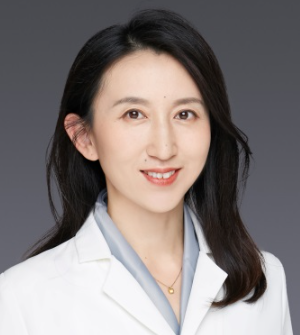 Jing Chang (常菁)合作论文数College of Marine Life Sciences, Ocean University of China7Hui Li合作论文数7Wen Dong合作论文数6
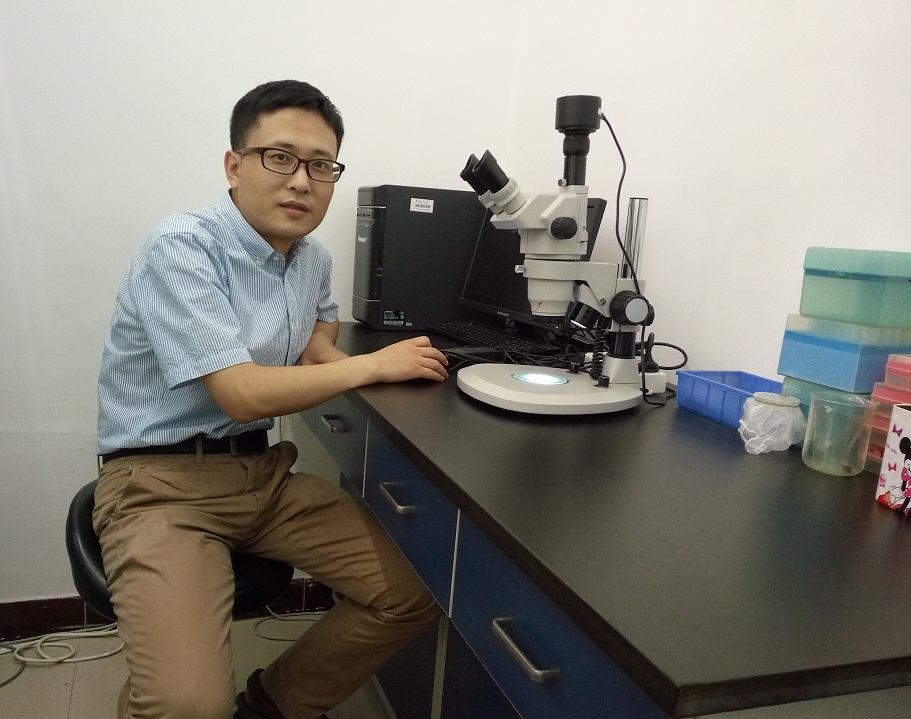 Weizhi Liu (刘伟治)合作论文数College of Marine Life Sciences, Ocean University of China6
 Shunzuo Qiu合作论文数5Jing Qiao合作论文数5
 Shengdi Fan (范圣第)合作论文数Dalian Minzu University;Dalian Institute of Chemical Physics, Chinese Academy of Sciences;University of Chinese Academy of Sciences5Huasong Ji合作论文数4Jinhua Chi合作论文数4WenJie Tian (田文杰)合作论文数4
 Yong Xue (薛勇)合作论文数College of Food Science and Engineering, Ocean University of China4Cui Huachun合作论文数4Zhengliang Ouyang合作论文数4Guo X Jin合作论文数3Baoxia Qi合作论文数3Chen CaiFang合作论文数3Xiao Chen合作论文数3
 Kai Shao合作论文数3Xiangyu Liu合作论文数3Yanting Wang合作论文数3WenDi Cai (蔡文娣)合作论文数3XiaoJing Zhao (赵小菁)合作论文数3
 Qinying Li合作论文数3
 Shina Wei (魏世娜)合作论文数College of Marine Sciences, South China Agricultural University3
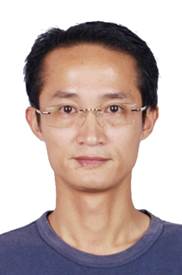 Guorong Wang (王国荣)合作论文数School of Mechatronic Engineering, Southwest Petroleum University3
 Jifang Li (李吉方)合作论文数Fisheries College, Ocean University of China3
 Feng He (何峰)合作论文数Fisheries College, Ocean University of China3
 Qianqian Lyu (律倩倩)合作论文数College of Marine Life Sciences, Ocean University of China3
 Haishen Wen (温海深)合作论文数Fisheries College, Ocean University of China3Chenwei Fu (付辰炜)合作论文数3Jia Zhang合作论文数3
 Changhu Xue (薛长湖)合作论文数College of Food Science and Engineering, Ocean University of China3Na Li合作论文数3Bao Shi (史宝)合作论文数3Dan Shi合作论文数3
 Youhua Huang (黄友华)合作论文数College of Marine Sciences, South China Agricultural University3Fulai Song合作论文数3Meng Xu合作论文数2Wei Zhang合作论文数2Ling Chen合作论文数2




