Sex differences influence cancer incidence, treatment response, and susceptibility to cardiovascular toxicity. Males exhibit higher rates and poorer outcomes in most non-sex-specific cancers, while females more frequently experience treatment-related adverse events, including cancer therapy-related cardiac dysfunction. Biological factors such as hormonal status, genetic polymorphisms, immune responses, and pharmacokinetics contribute to these disparities. In cardio-oncology, women—particularly premenopausal or with specific genotypes—may be at increased risk for cardiotoxicity after treatment with anthracyclines, immune checkpoint inhibitors or radiotherapy. Clonal hematopoiesis and certain germline genetic variants such as single nucleotide polymorphisms (e.g., RARG rs2229774, HAS3 rs2232228) are emerging as potential sex-informed biomarkers for predicting cardiotoxicity risk. Despite growing evidence, sex remains insufficiently integrated into clinical trials and guideline development in cardio-oncology. This review highlights the importance of sex-specific surveillance, prevention, and multi-omic risk stratification to advance precision cardio-oncology and support better outcomes for patients across the cancer care continuum.
The NCCN Guidelines for Survivorship offer guidance for health care providers who care for survivors of adult-onset cancer. These guidelines include screening, evaluation, and treatment recommendations for common physical and psychosocial problems resulting from cancer and its treatment and provide a framework for care coordination. They also present guidance for helping cancer survivors to enhance their wellness and maintain a healthy lifestyle. This article summarizes the panel’s current recommendations and recent updates regarding anxiety, depression, distress, and trauma in cancer survivors.
Cardiovascular toxicity is an increasingly important limitation of effective contemporary cancer therapies. Yet, the extent to which trials focus on preventing cardiotoxic events in patients receiving contemporary therapies is unknown. Leveraging PubMed, CENTRAL, clinicaltrials.gov, and publicly available reviews to identify all randomized controlled trials (RCTs) testing interventions for prevention or management of cardiotoxicity in cancer patients through 2024, we assessed the proportion of cardiotoxicity prevention trials that studied contemporary cancer therapies (biologic, targeted, or immune-based therapies). We included RCTs of interventional therapies/strategies against cardiotoxicity during cancer treatment. Data on trial baseline characteristics, design, funding, and reporting were extracted. Regression models were used to define trial and population factors associated with drug selection, reporting bias, and subsequent translation into guidelines. Overall, there were 126 trials, evaluating 15 prevention strategies, enrolling 16,111 participants (45.6 ± 13.9 years, 81.3
While it is well-established that cardiovascular disease and congestive heart failure (CHF) are increased among breast cancer survivors, little is known about how systemic therapy use, medical comorbidities, and socioeconomic factors interact to influence long-term cardiac outcomes. In this study, we performed an analysis of the SEER-Medicare database, including more than 200,000 patients with early-stage breast cancer. Using available zip code and census data, patient disease characteristics and cardiac outcomes were stratified by socioeconomic variables. Overall, patients of Black, Hispanic, and American Indian/Alaskan Native race/ethnicity had an increased incidence of large, high-grade tumors and nodal involvement as compared to White and Asian American/Pacific Islander (AAPI) patients. Lower per capita income (PCI), higher percentage of population living in poverty, lower level of education, and not speaking English at home were also associated with increased tumor size, grade, and nodal stage. Adjusting for cardiac covariates and cancer therapy type, a multivariate socioeconomic model revealed that Black patients had a higher risk of CHF and AAPI patients had a lower risk compared to White patients. Further adjusting for race/ethnicity, patients living in a zip code in the lowest quartile of PCI also had a higher risk of CHF compared to those in the highest quartile.
ABSTRACT Introduction and Methods Cancer therapy–related cardiac dysfunction (CTRCD) is a well established and potentially life‐threatening complication of contemporary oncologic treatment. Although comprehensive cardio‐oncology guidelines have been developed, their integration into routine hematology and oncology practice remains inconsistent. This consensus statement, developed by a multidisciplinary panel of cardio‐oncology experts, aims to provide practical, case‐based guidance to help oncology providers recognize, assess, and manage CTRCD across a spectrum of malignancies and cardiovascular presentations. Clinical Scenarios and Discussion We present representative clinical scenarios that illustrate real‐world challenges in cardio‐oncology and apply evidence‐based recommendations from current guidelines, including those from the European Society of Cardiology (ESC) and the International Cardio‐Oncology Society (ICOS)—to support informed decision‐making. Key areas of focus include baseline cardiovascular risk stratification prior to initiating potentially cardiotoxic therapies, with an emphasis on biomarker and imaging surveillance strategies tailored to individual risk profiles. Also, this document outlines the application of guideline‐directed medical therapy (GDMT) for cancer patients with heart failure. Conclusion By offering a structured, user‐friendly framework, this document seeks to bridge the implementation gap between oncology and cardiology disciplines. Our goal is to equip oncology providers with accessible tools that facilitate early recognition, consistent surveillance, and timely referral, thereby preserving cancer treatment intensity while minimizing cardiovascular morbidity.
e23226 Background: Cardiovascular instability is common during renal cell carcinoma (RCC) hospitalizations, yet atrial fibrillation (AF) is often treated as incidental. This study reframes AF as a sentinel inpatient event that may identify early physiologic decompensation and worse rescue outcomes in RCC. Methods: A survey-weighted analysis of the 2016–2023 National Inpatient Sample was performed. Adult RCC hospitalizations were identified by diagnosis codes. AF phenotypes were defined as no AF, secondary AF (AF present but not the principal diagnosis), or AF-primary (AF as the principal diagnosis). Outcomes included in-hospital mortality, ICU-level care proxy (mechanical ventilation, dialysis, or shock), major complications (sepsis, acute kidney injury, respiratory failure, shock, ventilation, or dialysis), failure-to-rescue (death among admissions with major complications), length of stay (LOS), and costs/charges. Multivariable survey-weighted regression adjusted for demographics, payer, income quartile, weekend admission, admission acuity, hospital characteristics, and year. Results: Among an estimated 733,705 RCC hospitalizations nationally, AF was present in 15.6%, including 15.0% secondary AF and 0.63% AF-primary. Outcomes differed markedly by AF phenotype. Mortality was 3.31% with no AF, 6.57% with secondary AF, and 2.38% with AF-primary. ICU-level care occurred in 7.57% with no AF versus 14.47% with secondary AF (AF-primary 7.78%). Major complications occurred in 36.1% with no AF versus 56.7% with secondary AF (AF-primary 37.0%). Failure-to-rescue among admissions with major complications was 7.66% with no AF and 10.62% with secondary AF (AF-primary 5.26%). Mean LOS was longer with secondary AF (6.83 vs 4.95 days), with higher mean costs ($26,261 vs $22,489) and charges ($90,907 vs $77,612). In adjusted analyses, secondary AF was independently associated with higher mortality (aOR 1.54, 95% CI 1.43–1.66), ICU-level care (aOR 1.96, 95% CI 1.85–2.06), major complications (aOR 1.66, 95% CI 1.60–1.72), and failure-to-rescue (aOR 1.41, 95% CI 1.30–1.53), each compared with no AF. AF-primary was associated with lower adjusted mortality (aOR 0.41, 95% CI 0.26–0.67) and fewer major complications (aOR 0.53, 95% CI 0.45–0.61) versus no AF. Conclusions: In RCC hospitalizations, AF is common and heterogeneous. Secondary AF identifies a high-risk inpatient phenotype with substantially higher mortality, ICU escalation, major complications, and failure-to-rescue, consistent with AF as a sentinel marker of acute systemic stress rather than an incidental comorbidity.
Background:Cardiac amyloidosis (CA) is frequently complicated by atrial fibrillation (AF), yet outcomes after left atrial appendage occlusion (LAAO) in this population remain poorly defined. Methods:We conducted a retrospective TriNetX study of adults with AF undergoing LAAO, comparing patients with and without CA after 1:1 propensity matching. Outcomes were assessed using Kaplan-Meier analyses and Cox regression. Results:Among 532 matched pairs, mortality and major adverse cardiovascular events were similar between groups, whereas major bleeding was higher in CA (HR 1.90). Conclusions:LAAO yields comparable ischemic outcomes in CA, though bleeding risk is increased.
T cell immunotherapies offer a new approach to cancer therapy. Chimeric antigen receptor (CAR) T cell therapy is the most prolific of these treatments, leveraging genetically engineered T cells to augment the antitumour response. Bispecific antibodies, T cell receptor-engineered T cells and tumour-infiltrating lymphocytes have also emerged as novel T cell therapies with therapeutic benefit. As the variety of T cell therapies and indications for their use expand, a nuanced understanding of potential haemodynamic sequelae and cardiovascular toxicities is required. T cell activation can lead to massive cytokine release and excessive inflammation, termed cytokine release syndrome (CRS). Like other inflammatory syndromes, CRS can lead to cardiovascular complications, including arrhythmias, myocardial infarction and heart failure, with an incidence of cardiovascular events as high as 20% among patients who develop high-grade CRS. In this Review, we summarize the mechanisms, epidemiology and management of T cell therapy-associated CRS and subsequent cardiotoxicity. We also explore how an improved understanding of CAR T cell therapy, and other emerging T cell-based treatments, will inform the prevention and management of adverse cardiovascular events.
BACKGROUND:Immune checkpoint inhibitor (ICI)-associated myocarditis is a rare but severe complication of novel cancer immunotherapies. Here, we present the first known case of Brugada electrocardiographic (ECG) phenocopy in the setting of ICI-associated myocarditis. CASE SUMMARY:A 67-year-old man presented with chest pain and syncope 5 weeks after his first dose of pembrolizumab for lung adenocarcinoma. Troponin biomarkers were elevated, cardiac magnetic resonance was consistent with myocarditis, and serial electrocardiograms showed dynamic ST-segment changes with intermittent type 2 Brugada pattern. Coronary angiography revealed nonobstructive coronary artery disease. His myocarditis and Brugada pattern resolved with prompt treatment. Further electrophysiology and genetic testing were negative for Brugada syndrome. DISCUSSION:This case highlights the importance of early diagnosis and treatment of ICI-associated myocarditis, and the need for further research to elucidate the mechanisms, risk factors, and prognostic significance of associated ECG changes. We discuss management strategies for Brugada phenocopy in ICI-associated myocarditis and implications for cardio-oncology and electrophysiology practice. TAKE-HOME MESSAGES:ICI-associated myocarditis can present with type 2 Brugada ECG phenocopy. Early diagnosis and guideline-directed treatment of ICI-associated myocarditis are essential.
 Ana Barac合作论文数24
 Tomas Neilan合作论文数Mass General Heart Center, Massachusetts General Hospital;Mass General Research Institute, Massachusetts General Hospital;Harvard Medical School20
 Sarju Ganatra合作论文数Department of Cardiology, Lahey Hospital & Medical Center19
 Lopez-Mattei Juan合作论文数19
 Joerg Herrmann合作论文数18
 Cezar Iliescu合作论文数17Aksoy Olcay合作论文数15Ashley F. Stein-Merlob合作论文数14
 Michael G. Fradley合作论文数Department of Medicine, Perelman School of Medicine, University of Pennsylvania14
 Moriarty John M合作论文数David Geffen School of Medicine, University of California at Los Angeles13Anju Nohria合作论文数Cardiology, Brigham and Women's Hospital, Boston, MA13Jamil Aboulhosn合作论文数13
 Susan Faye Dent合作论文数Department of Medicine, Duke University School of Medicine12
 Gabriel Vorobiof合作论文数Department of Molecular and Medical Pharmacology, University of California, Los Angeles12
 Richard K. Cheng合作论文数University of Washington Medical Center12Anita Deswal合作论文数12
 Paaladinesh Thavendiranathan合作论文数Toronto General Hospital Research Institute, University Health Network;Faculty of Medicine, University of Toronto11Lluri Gentian合作论文数11
 Syed Saad Mahmood合作论文数Division of Cardiology, Weill Cornell Medicine, Cornell University10
 Gregg C. Fonarow合作论文数Department of Medicine, University of California, Los Angeles10
 Peyman Benharash合作论文数David Geffen School of Medicine at UCLA and Greater Los Angeles Veterans Hospital10Parikh Rushi V合作论文数Department of Medicine, University of California10Marmagkiolis Konstantinos合作论文数10
 Sherry-Ann Brown合作论文数University of Connecticut Health Center10
 Lili Zhang合作论文数Harvard Medical School, Massachusetts General Hospital9
 Avirup Guha合作论文数Medical College of Georgia, Georgia Regents University9
 Matthew Budoff合作论文数The Lundquist Institute;Division of Cardiology, Harbor-UCLA Medical Center;David Geffen School of Medicine, University of California, Los Angeles9
 Alexander Lyon合作论文数National Heart & Lung Institute, Faculty of Medicine, Imperial College London;Royal Brompton Hospital9Press Marcella Calfon合作论文数9
 Boback Ziaeian合作论文数Stem Cell Research, Children's Hospital of Orange County Research Institute9
 Franck Thuny合作论文数Service de Cardiologie, Hôpital de la Timone9Vlad G. Zaha合作论文数Program in Human Molecular Biology and Genetics and Division of Endocrinology, Metabolism, and Diabetes, University of Utah School of Medicine9Lauren A. Baldassarre合作论文数8Mirela Tuzovic合作论文数8Dipti Gupta合作论文数Department of Radiology, Northwestern Medicine8Negeen Shahandeh合作论文数8
 Nicolas Palaskas合作论文数Dept Cardiol, Univ Texas MD Anderson Canc Ctr8
 Marielle Scherrer-Crosbie合作论文数Department of Medicine, Perelman School of Medicine, University of Pennsylvania8
 Reza Arsanjani合作论文数8
 Orly Leiva合作论文数Boonshoft School of Medicine, Wright State University8Michael Mahmoudi合作论文数Department of Internal Medicine, Washington Hospital Center8
 Dinu Valentin Balanescu合作论文数Dept Cardiol, Univ Texas MD Anderson Canc Ctr7
 Teodora Donisan合作论文数Department of Internal Medicine, Beaumont Hospital7
 Bonnie Ky合作论文数Department of Biostatistics, Epidemiology and Informatics, Perelman School of Medicine, University of Pennsylvania7
 Jeanne M. Decara合作论文数Biological Sciences Division, The University of Chicago;University of Chicago Medical Center7
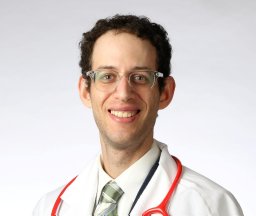 Oren Ohad合作论文数The Ruth and Bruce Rappaport Faculty of Medicine, Technion-Israel Institute of Technology7
 Carol Chen合作论文数7Baas Arnold S合作论文数7
 Daniel Addison合作论文数7




