Importance: Oscillometry - a tidal-breathing test with potential advantages over spirometry - is not well studied prior to hematopoietic stem cell transplantation (HSCT). Objective To determine whether patients awaiting HSCT have abnormal baseline oscillometry compared with controls. Methods The TRANSPIRE study (NCT04098445) is a National Institutes of Health-sponsored, multicenter, prospective observational cohort of pediatric lung injury after HSCT. We performed tidal-breathing oscillometry at baseline and during follow-up in 63 children prior to HSCT across five pediatric centers and compared results to 80 control subjects. Measurements were made at various frequencies following the European Respiratory Society 2020 guidelines and included resistance (R5, R19, and R5-R19), reactance (X5 and X11), resonant frequency (Fres), and area under the reactance curve (AX). Linear regression compared TRANSPIRE baseline values to controls; mixed-effects models assessed differences between TRANSPIRE subjects, controls, and published predicted values up to two years post-HSCT. Results All mean oscillometric parameters were normal at baseline, according to normal reference values of Ducharme. However, mean lung function in TRANSPIRE subjects was significantly different from controls, with higher respiratory system resistance (height-adjusted R5-R19, P < 0.001), and greater respiratory system stiffness and heterogeneity, with more negative height-adjusted X5 (P < 0.001) and height-adjusted X11 (P < 0.001), greater height-adjusted AX (P < 0.001), and greater height-adjusted Fres (P < 0.001). No significant changes were noted over time. Interpretation In a multicenter pediatric HSCT cohort, baseline oscillometry differed significantly from controls, showing heterogeneous increases in small-airway resistance and respiratory-system stiffness that may elevate risk for pulmonary complications.
BACKGROUND:Exercise has emerged as a potent, non-pharmacological intervention to enhance immune function in patients with cancer. The effects of exercise are likely influenced by patients' oncologic characteristics, such as cancer treatment, and intervention variables, such as exercise intensity, which can lead to heterogeneous outcomes. This scoping review aims to identify patterns, trends, and gaps in the literature regarding the relationship between chronic exercise training intensity and immune cell parameters in the context of treatment status. METHODS:Reports were retrieved from PubMed, MEDLINE, and CINAHL. Eligible reports were controlled clinical trials of an exercise training intervention with more than 1 exercise session, included an objectively defined exercise intensity, and reported cellular immune outcomes. RESULTS:Twenty-one articles (15 randomized controlled trials) were included. Results suggest a dose-response effect of intensity, where vigorous-intensity exercise (reported in 6 studies) elicited beneficial immunomodulation, such as enhanced natural killer cell cytotoxicity. Light-to-moderate and moderate-intensity exercise (reported in 8 studies) resulted in no significant immunological changes in 5 studies, particularly for patients undergoing active treatment. Comparisons across studies were difficult due to heterogeneity in patients' clinical characteristics, intervention details, and immune parameters. Few reported cancer clinical outcomes such as disease progression, and none directly examined the relationships between immune and clinical endpoints. CONCLUSIONS:While direct comparisons of exercise intensities are lacking, these results suggest that vigorous exercise training may exert greater immune modulation than low-to-moderate intensity exercise training. Rigorously designed trials are needed to confirm these findings and establish the role of exercise in oncologic care.
Introduction Allogeneic hematopoietic cell transplantation (HCT) is a curative therapy for many patients with non-malignant disease. Standard chemotherapy conditioning protocols are associated with undesirable late effects, but incidence of long-term endocrine effects following treosulfan-based conditioning regimens are unknown. Objective To examine the cumulative incidence of endocrine late effects associated with treosulfan-based based conditioning in patients with non-malignant diseases. Methods A retrospective, institutional analysis of patients with non-malignant diseases who underwent HCT with TREO (treosulfan, fludarabine, anti-thymocyte globulin ± thiotepa) conditioning regimens between 2006-2024 was performed. The cumulative incidences of the following endocrine late effects were analyzed: serum cholesterol >200 ± on medication, serum triglycerides >150 mg/dL, serum glucose >ULN and on therapy, bone mineral density Z-Score ≤-2.0 using dual X-ray absorptiometry, incidence of patients prescribed calcium/bisphosphonate/vitamin D, incidence of patients requiring growth hormone therapy, and overall reported # children fathered, pregnancies, and live births. Results A total of 88 survivors were included in this analysis. The median age at HCT was 4.4 (range 0.2-32.4) years for this HCT survivor group. Median follow-up post-HCT was 7.1 years (range 0.9-14.5) years for this survivor group. Conclusion Endocrine late effects are uncommon in patients with non-malignant disease following HCT with treosulfan-based conditioning. Additional work is underway to describe additional organ system late effects and to compare these findings with a matched cohort of survivors who received other conditioning agents (e.g. busulfan).
Traditional weight-based dosing results in variable rabbit anti-thymocyte globulin (rATG) clearance, delaying CD4 + Tcell-immune-reconstitution (CD4 + IR) and impacting outcomes. In a retrospective pharmacokinetic/pharmacodynamic analysis of patients undergoing first T-replete hematopoietic cell transplantation (HCT), enrolled on BMT CTN 1202, we estimated post-HCT rATG-exposures as area under the curve (arbitrary unit per day/milliliter [AUxd/mL]) using a validated pharmacokinetic-model. Results were compared to patients who did not receive rATG. Previously defined post-HCT rATG-exposure groups: A:<30, B:30-55 and C:≥55 AUxd/mL were correlated with outcomes of interest using cox-proportional-hazard and cause-specific-hazards models. 325 patients (median age 51 years) were included: 228 received rATG. Median post-HCT rATG-exposure was 44.1 (Range 6.2-125.0). Among patients who received rATG, higher exposure correlated with worse five-year overall survival (OS) (no-ATG:51%; group A:67%; B:49%; C:34%, p = 0.01), higher five-year relapse incidence (no-ATG:31%; A:27%; B: 42%; C: 58%, p < 0.001) and lower CD4 + IR (no-ATG:64%; A:73%; B:51%; C:19%, p = 0.001). Grade 2-4 acute graft versus host disease (GVHD) rates were: no-ATG:40%; A:26%, B:39%, C:35%, (p = 0.44). Any rATG-exposure was associated with lower moderate/severe chronic GVHD (HR:0.63, p = 0.025). Low post-HCT rATG-exposure (< 30AUxd/mL) but not absent correlated with higher OS, lower relapse, and lower GVHD related deaths. Model-based-dosing could be used to target optimal post-HCT rATG-exposure and improve HCT outcomes.
PURPOSE:Dexrazoxane has been associated with preservation of left ventricular (LV) systolic function in relatively small studies of long-term childhood cancer survivors. What remains less clear is whether this association is also seen in larger populations over time and what effect dexrazoxane has on cardiomyopathy screening recommendations. METHODS:We analyzed echocardiographic data from participants who received doxorubicin treatment and were enrolled on Children's Oncology Group protocols P9404, P9425, P9426, P9754, and Dana Farber Cancer Institute protocol 95-01. Except for P9754, all protocols featured up-front 1:1 random assignment with dexrazoxane administered uniformly as an intravenous bolus before doxorubicin (10:1 mg/m2 dexrazoxane:doxorubicin dose). Blinded central echocardiogram remeasurements were used when possible; otherwise, data were abstracted from institutional reports. Differences and associations by ± dexrazoxane were estimated using generalized estimating equations and Cox proportional hazard models, adjusting for age, sex, doxorubicin dose, chest radiotherapy, and echocardiogram data type. RESULTS:Among 895 patients (mean follow-up, 5.9 years, 230 with ≥10-year follow-up; median doxorubicin dose, 360 mg/m2; 51% dexrazoxane-exposed) with evaluable echocardiograms (n = 2,279; 1,581 centrally remeasured; 698 report only), preserved LV systolic function was observed in patients treated with dexrazoxane (z-score difference 0.4 [95% CI, 0.2 to 0.5]) versus without. Dexrazoxane was also associated with decreased hazards of reduced LV function (fractional shortening <30% or ejection fraction <50%) occurring after 1 (0.58 [95% CI, 0.41 to 0.82]) and 5 years (0.54 [95% CI, 0.31 to 0.93]) postdiagnosis. Finally, dexrazoxane appeared to decrease the incidence of reduced LV function among those classified by current cardiomyopathy screening guidelines as high risk to rates like a lower-risk group (from 40 to 21.8 events/1,000 person-years; P = .001). CONCLUSION:Dexrazoxane exerts a significant doxorubicin cardioprotective effect on LV systolic function long term and may reduce screening needs.
The NCCN Guidelines for Survivorship offer guidance for health care providers who care for survivors of adult-onset cancer. These guidelines include screening, evaluation, and treatment recommendations for common physical and psychosocial problems resulting from cancer and its treatment and provide a framework for care coordination. They also present guidance for helping cancer survivors to enhance their wellness and maintain a healthy lifestyle. This article summarizes the panel’s current recommendations and recent updates regarding anxiety, depression, distress, and trauma in cancer survivors.
Adolescents and young adults (AYAs) with cancer experience deficits in social connection that persist into survivorship; currently, few interventions target this unmet need. The current article describes the protocol for a pilot, parallel-group randomized controlled trial of a psychosocial intervention [Promoting Resilience in Stress Management (PRISM)] that includes a new skill-based module targeting AYA social needs (SN). The aims are to (1) establish the feasibility and acceptability of the PRISM-SN–adapted program; and (2) demonstrate proof-of-concept via clinically meaningful improvements in patient-reported outcomes (PROs). We anticipate 70 AYAs will enroll and complete data collection at two sites: Seattle Children’s Hospital and UPMC Children’s Hospital of Pittsburgh. Eligible AYAs are ages 12–25 years old; diagnosed with a new malignancy < 6 months; treatment plan includes chemotherapy and/or radiation; and are English-speaking. Enrolled AYAs are randomized 1:1 to receive PRISM-SN or usual care and complete surveys at baseline and 12-week follow-up. PRISM-SN includes 5 sessions (4 standard PRISM modules + new SN module) teaching behavioral skills associated with psychosocial wellbeing. Sessions are delivered 1:1 by a trained coach, in person or virtually, 1–2 weeks apart. Feasibility will be defined based on uptake, retention, and patient-reported intervention acceptability. Proof-of-concept will be defined based on clinically meaningful change and detectable differences in PROs at 12 weeks, including social relationship coping efficacy (primary PRO of interest), social support, quality of life, resilience, anxiety, depression, and hope. Descriptive statistics and covariate-adjusted regression models will be used to assess feasibility outcomes and examine trends and between-group differences in PROs across study arms. This pilot trial will determine feasibility of PRISM-SN in the context of a multi-site trial; provide proof-of-concept via effects of PRISM-SN on social connection outcomes; and represent an important step toward addressing an unmet need in AYA cancer care. Future directions include testing efficacy and effectiveness via larger multicenter trials. ClinicalTrials.gov Identifier NCT06242964
With improved outcomes of patients who have undergone allogeneic hematopoietic cell transplantation (HCT) for severe aplastic anemia (SAA), there is a growing population of survivors. Current literature lacks details regarding relevant late effects in these survivors. It is also important to compare late effects and quality of life (QOL) by donor type given the increasing use of alternative donors for HCT in SAA. Integral to Fred Hutchinson Cancer Center's long-term follow-up, HCT recipients are sent annual surveys designed to understand patients' health status and QOL. We analyzed surveys of patients who underwent HCT for SAA and responded to a survey between 2015 and 2023. Self-reported educational/vocational status, chronic health conditions, medications, and QOL data were captured. QOL was measured using Short-Form 36 (SF-36) questionnaires; scores were normalized to the general population mean of 50 with a standard deviation of 10 points. Multivariable logistic regression was performed to study the associations between donor type and chronic health condition (heart, pulmonary, and renal, musculoskeletal, sexual dysfunction, cataracts) and medication (cardiopulmonary, metabolic/skeletal, endocrine, gastrointestinal, emotional health) categories. Multivariable linear regression was used to study the associations between donor type and SF-36 domain and summary scores. The analysis included 122 survivors who underwent HCT between 1972 and 2021. The median (range) ages at HCT and survey were 20.8 (0.8 to 67.3) and 51.2 (5.6 to 78.9) yr, respectively. Median interval between HCT and survey was 26.0 (1.1 to 47.1) yr. Most respondents underwent matched related donor (MRD) HCT (n = 82, 67%), matched unrelated donor (MUD) HCT being next most common (n = 24, 20%), followed by alternative donor HCT (n = 16, 13%). Among the 86 patients of employment eligible age, 42 (49%) survivors were working full-time and 21 (24%) part-time at the time of the survey. The most common reported chronic health conditions were problems with sexual desire, erection, ejaculation, vaginal dryness, or pain (35%), cataracts (20%), and reduced bone mineral density (20%). The median number of problems requiring medications was 1 (interquartile range 0 to 3); most were used for hypertension (34%), gastroesophageal reflux (22%), and high cholesterol (21%). Compared to survivors after MRD HCT, those after alternative donor HCT (OR 9.9, 95% confidence interval 1.8, 54.1) were more likely to report chronic health conditions affecting the musculoskeletal system. Among 96 respondents who provided SF-36 data, mean (SD) physical component summary score of 49.5 (11.0) and the mental component summary score of 49.9 (12.3) were comparable to general population norms. Compared to MRD, survivors after MUD HCT were noted to have a better score for bodily pain (parameter estimate 9.2, 95% confidence interval 1.4, 17.0). No significant associations between donor types and SF-36 scores were noted in any of the other domains. Patients undergoing HCT for SAA remain at risk for late effects emphasizing the need for lifelong monitoring. However, it is encouraging to find that QOL among long-term survivors was similar to that of the general population. We did not detect statistically significant differences in late effects or QOL by donor type, although comparisons were limited by sample size and survivor/respondent bias.
Background TRANSPIRE is a prospective 8 center study of lung injury after hematopoietic stem cell transplantation (HSCT) in children. Monocyte chemoattractant protein 1 (MCP 1, also known as CCL2) is a protein generally produced by hematopoietic cells associated with inflammation. A previous study has described a possible role for MCP 1 in idiopathic pneumonia syndrome (IPS) after HSCT. It is unclear whether MCP 1 in BALF reflects levels in plasma or whether local production in the lung occurs. Hypothesis We hypothesized that measurement of MCP 1 in BAL fluid (BALF) and or plasma in patients with acute lung injury after HSCT will differentiate and inform the cause of the lung injury. Methods We reviewed clinical data of 96 patients who underwent bronchoscopy for acute pulmonary event after HSCT and had stored BALF and plasma collected. Pulmonary injury was diagnosed at the time of event by the attending pulmonologist. We recorded macrophage percentage from cytology reports. We measured soluble MCP 1 in plasma and BALF by ELISA (R&D Systems DCP00). Results There were total of 96 matched plasma and BALF samples from 90 patients (some patients had more than one event). Median age of participants was 10.3 years and median time from transplant was 37 days. Levels of MCP 1 according to clinical diagnosis are shown for BALF (Fig. 1A) and plasma (Fig 1B). Overall, levels of MCP 1 were higher in BALF compared with plasma (median BALF 350 pg/ml vs plasma 300pg/ml, p=<0.0001) and there is greater range in levels measured in BALF compared with plasma. Despite this, levels of MCP 1 in BALF and plasma are only weakly correlated with each other (r=0.26, p=0.008, Fig 2). Our data show marked elevation of BALF MCP 1 (above the upper limit of detection) in most patients with IPS not reflected in the plasma levels, but lesser elevation in those with BOS. We found no correlation between percentage of macrophages reported in BALF on clinical cytology and level of MCP 1 (r= 0.1, p=0.4). Peripheral blood monocyte count was not correlated with MCP 1 in the BALF and has modest negative correlation with MCP 1 in blood. Conclusion Our data demonstrate differences in MCP 1 in patients with pulmonary injury that differ in BALF and plasma. MCP 1 levels were generally higher in BALF than in plasma suggesting that MCP 1 is being produced in the lung and does not simply reflect plasma levels. The main site of production of MCP 1 in a homeostatic state is generally believed to be hematopoietic cells. Local production in the lung, with increased MCP 1 levels in BALF has been described in normal humans and in mice given inhaled LPS and with active inflammation. The etiology of IPS after HSCT is poorly characterized, but our data support the concept that this might be a monocyte/macrophage driven disease, in contrast to BOS which is largely neutrophil driven. Our data also suggest value in examination of BALF as well as plasma in challenging cases of acute lung injury after HSCT.
Importance:Current literature lacks information on the association between the work status and performance of young adult cancer survivors and their quality of life (QOL). Objective:To assess self-reported work status, missed time at work (absenteeism), and performance (presenteeism) and their associations with QOL among young adult cancer survivors. Design, Setting, and Participants:This cross-sectional survey study was performed from October 18, 2020, to September 17, 2022, at a single cancer center in Seattle, Washington. Participants included young adult cancer survivors (aged 18 to 39 years at diagnosis) who were 1 year or more from completion of cancer therapy. Data were analyzed from May 1, 2023, to February 1, 2025. Exposures:Cancer therapy. Main Outcomes and Measures:Unemployment rate compared with the age-, sex-, and calendar year-matched general population; standardized absolute and relative absenteeism and presenteeism scores; standardized scores for domains of anxiety, depression, physical function, fatigue, sleep disturbance, pain, social role, and cognition; and adjusted linear regressions to study factors associated with higher QOL scores. Results:A total of 198 survivors, with a median age at diagnosis of 31 (IQR, 26-35) years and a median age at survey of 39 (IQR, 35-44) years were included (142 [71.7%] female). The unemployment rate (14 [7.1%]) did not differ from that of the general population (4.7%) (P = .13). Compared with employed survivors, unemployed survivors reported significantly higher depression scores (coefficient, 5.11; 95% CI, 0.92-9.30) and lower scores for satisfaction with social roles and activities (coefficient, -6.59; 95% CI, -11.34 to -1.84) and physical function (coefficient, -6.63; 95% CI, -11.38 to -1.87). Higher absolute presenteeism score was associated with lower scores for anxiety (coefficient, -0.19; 95% CI, -0.26 to -0.11), depression (coefficient, -0.17; 95% CI, -0.24 to -0.10), fatigue (coefficient, -0.20; 95% CI, -0.30 to -0.10), pain interference (coefficient, -0.11; 95% CI, -0.21 to -0.02), and sleep disturbance (coefficient, -0.12; 95% CI, -0.21 to -0.03) and higher scores for physical function (coefficient, 0.08; 95% CI, 0.008-0.17), cognitive function (coefficient, 0.19; 95% CI, 0.11-0.27), and satisfaction in social roles and activities scores (coefficient, 0.16; 95% CI, 0.08-0.24). Additionally, a higher absolute absenteeism score was associated with a higher anxiety (coefficient, 0.03; 95% CI, 0.004-0.07) and lower cognitive function (coefficient, -0.04; 95% CI, -0.07 to -0.004). Conclusions and Relevance:In this cross-sectional study of young adult cancer survivors, associations were found between survivors' self-reported work status and performance and their QOL affecting their mental, physical, and social health. These findings call for the development of effective communication strategies with employers to balance work expectations with survivors' treatment-related complications to achieve better performance and in turn higher QOL.
Background Bronchiolitis obliterans syndrome (BOS) is a late complication after allogeneic hematopoietic cell transplantation (HCT). While retrospective evidence shows symptomatic respiratory viral infections (RVI) may contribute to the development and progression of BOS, a similar role for asymptomatic RVI is unknown. This study aims to assess the incidence of asymptomatic and symptomatic RVI in a high-risk population. Methods Allogeneic HCT recipients with new-onset chronic graft-versus-host disease (cohort 1, at risk for BOS) and new onset BOS (cohort 2) were enrolled in an ongoing multi-center prospective longitudinal study (NCT05250037) to assess the role of RVI in development of BOS. Participants conducted weekly handheld home spirometry, weekly symptom surveys, and submitted self-administered nasal swabs for respiratory viral PCR testing every two weeks; additional swabs were prompted if symptom survey score reached ≥2. An asymptomatic episode was defined as one or more consecutive positive viral swab with a symptom score of 0-1 and no positive symptoms in the 2 weeks before or after. A symptomatic RVI episode was defined as the first positive PCR to the final positive PCR with any associated symptom score ≥2, allowing no more than ≥4 weeks or 2 negative samples between any 2 consecutive positive PCR samples. Results From March 2022 to July 2023, 73 participants were enrolled (cohort 1: n=50; cohort 2: n=23), with 47 completing one year of follow-up. Compliance was 68% for surveys and 62% for nasal swabs. Twenty percent of 744 swabs tested positive for ≥1 virus. Of 43 participants who tested positive for RVI, 21% (9/43) had 1 episode, 21% (9/43) had 2 episodes, and 52% (25/43) had ≥3 episodes. Ninety-five percent of RVI episodes (104/109) were symptomatic, most commonly rhinovirus (22%), followed by SARS-CoV-2 (21%), seasonal coronavirus (18%), parainfluenza (14%), RSV (6%), adenovirus (5%), and influenza (4%). Only 5% (5/109) of RVI episodes were asymptomatic with 2 episodes of SARS-CoV-2, 2 episodes of seasonal coronavirus, and 1 episode of parainfluenza. The median duration of a symptomatic episode was 1 week (range 1-18 weeks). During the follow-up period, 3 participants in cohort 1 satisfied diagnostic criteria for BOS, of which 2 had antecedent RVI. Conclusion The first year of this observational study revealed frequent symptomatic RVIs and a low rate of asymptomatic RVIs in patients at high risk for BOS. Ongoing follow-up and analyses will evaluate the impact of common RVI on BOS development and progression after HCT.
BACKGROUND:Hematopoietic stem cell transplantation (HCT) is the only curative treatment in primary hemophagocytic lymphohistiocytosis (pHLH). However, HCT is associated with a wide range of late effects (LEs). OBJECTIVE:We sought to characterize the long-term outcome and LEs following HCT in pHLH. METHODS:A total of 274 children with pHLH from the European Society for Blood and Marrow Transplantation registry who underwent allogeneic HCT between 2004 and 2015 were included. Multivariable logistic regression models were used to evaluate the adjusted impact of baseline variables on central nervous system and hormonal LEs, respectively. RESULTS:A broad spectrum of LEs was identified, with neurologic (31%) and hormonal (34.8%) complications being the most prevalent. Chemotherapy (HLH-1994/HLH-2004) before HCT was identified as a significant risk factor for endocrinological LEs (P = .03), highlighting a novel aspect not previously reported. The presence of neurologic abnormality at diagnosis was an independent risk factor for neurologic LEs (P < .001) as was incomplete remission status at the time of HCT (P = .04). CONCLUSIONS:HCT has significantly improved survival in patients with pHLH. However, survivors still face significant risks of LEs.
Explore Hispanic cancer survivors’ thoughts about survivorship care plans (SCPs), lay health educator (LHE)-delivered survivorship information, and general survivorship care among Hispanic cancer survivors. A subset of N = 95 participants (≥ 18 years) enrolled in a randomized controlled trial (RCT; March 2023 to August 2023) assessing the feasibility of LHE-delivered survivorship information completed phone-based interviews in which semi-structured guides probed their views on SCPs, the LHE call, and survivorship more broadly. Twenty participants (21
Rationale: Multiple breath N2 washout (MBW) is a passive pulmonary function test that measures ventilation inhomogeneity in patients as young as 2-3 years of age. Lung clearance index (LCI2.5) is the primary outcome variable and widely recognized as a sensitive biomarker for peripheral airways disease. In the setting of pediatric allogenic hematopoietic stem cell transplant (HSCT), LCI2.5 may be used as a tool to detect early manifestations of chronic lung graft-vs-host disease (GVHD). We previously reported on the feasibility and success of MBW in this patient population (TRANSPIRE, Abts et al), but little is known about the longitudinal trajectory of LCI2.5 in patients with and without pre-existing lung dysfunction. Methods: We performed MBW (ECO MEDICS EXHALYZER® D, SPIROWARE® 3.3.1) in a prospective cohort of children undergoing HSCT at three participating TRANSPIRE centers: Seattle Children's Hospital, Texas Children's Hospital, and University of Minnesota Children's Hospital. Children ≥6 years were eligible to perform MBW. Subjects were identified as having normal vs abnormal baseline pulmonary status by the site PI at the time of enrollment. MBW was performed at baseline and at set time intervals thereafter, all in accordance with the American Thoracic Society (ATS)/European Respiratory Society (ERS) standards. Operators and site PIs were trained and certified in performing MBW and interpreting results. LCI2.5 was converted to Z-scores using recently published Global Lung Function Initiative reference equations. Results: Of 148 subjects enrolled, 61 performed at least one MBW test for a total of 110 unique results. Mean baseline LCI2.5 ZS was 0.4, SD 1.2 in those with preexisting lung pulmonary disease and 0.4, SD 1.4 in those without (p = 0.871). In total, 4 (14%) patients had abnormal LCI2.5 prior to transplant. From 0-6 months, mean LCI2.5 increased in both groups, but change over time was not statistically significant (p-value for time effect = 0.1812). At one year, mean LCI2.5 remained elevated in abnormals (1.2, SD 1.5) compared to normals (0.2, SD 1.0). Conclusions: In this large multicenter prospective cohort of children undergoing HSCT, mean LCI2.5 ZS was above 0 at all time points. From 0-6 months, there were no significant differences in LCI2.5 ZS when comparing subjects with and without pre-existing lung disease. At one year, however, there is a trend towards sustained LCI2.5 elevation in the abnormal group.
BACKGROUND:Pulmonary complications are a major cause of morbidity and mortality in pediatric and young adult hematopoietic stem cell transplant (HSCT) recipients. The impact of preexisting lung dysfunction on posttransplant outcomes remains understudied. METHODS:In a multi-institutional prospective cohort of 444 patients (≤24 years) undergoing allogeneic HSCT at eight centers, baseline lung function was categorized as normal or abnormal using clinical history, imaging, pulmonary function tests (PFTs), and pulmonologist review. Spirometry and diffusion capacity were assessed at baseline, Day 100, 1 year, and 2 years post-HSCT. RESULTS:Baseline pulmonary dysfunction was present in 224 patients (50.4%), including impaired spirometry (46.4%), low diffusion capacity (33.8%), and imaging abnormalities (e.g., nodules 19%, interstitial changes 7.9%). These patients had significantly lower median z-scores for forced expiratory volume in 1 s (FEV1) (-2.3 vs. -0.5), forced vital capacity (FVC) (-2.0 vs. -0.3), and diffusion capacity of the lung for carbon monoxide (-2.4 vs. -0.7; all p < 0.001). Lung function impairments persisted through 2 years post-HSCT. FEV1 and FVC remained significantly lower at all time points; FEV1/FVC ratios were similar. Overall survival was lower in the abnormal group (88.4 vs. 95.9%). Seven respiratory-related deaths occurred, including acute respiratory distress syndrome (n = 3), respiratory failure (n = 2), diffuse alveolar hemorrhage (n = 1), and fibrotic lung disease (n = 1). CONCLUSIONS:Pretransplant pulmonary dysfunction is common and predicts sustained posttransplant impairment and lower survival. Comprehensive baseline assessment may aid in risk stratification and guide early interventions to improve long-term respiratory outcomes in pediatric and young adult HSCT patients. CLINICALTRIALS: GOV IDENTIFIER:NCT04098445.
To enhance survivorship care, we explored primary care providers’ (PCPs) preferences and needs related to treatment summary and survivorship care plans (TS/SCPs) as a communication tool and PCPs’ general thoughts related to barriers in managing the care of cancer survivors. We conducted semi-structured qualitative interviews via video with PCPs within primary care practice networks in the Pacific Northwest. A codebook was developed with the interview guide as a template. Directed content analysis was used to analyze PCP reported challenges, supports needed, and TS/SCP feedback. Qualitative interviews were conducted with 18 PCPs. The majority were female (72
 Karen L. Syrjala合作论文数44
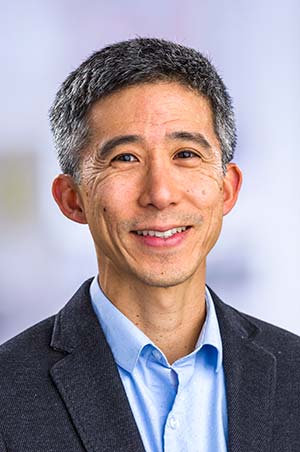 Eric Chow合作论文数Clinical Research Division, Fred Hutchinson Cancer Center;Public Health Sciences Division, Fred Hutchinson Cancer Center;University of Washington39
 Smita Bhatia合作论文数Institute for Cancer Outcomes & Survivorship , School of Medicine, The University of Alabama at Birmingham32
 Wendy Leisenring合作论文数Clinical Research Division, Fred Hutchinson Cancer Center;Public Health Sciences Division, Fred Hutchinson Cancer Center32
 Navneet Majhail合作论文数Sarah Cannon;Tristar Division, HCA Healthcare27
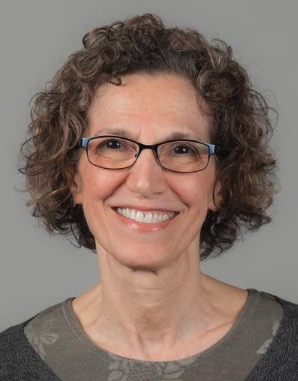 Julia Steinberger合作论文数Division of Pediatric Cardiology, Department of Pediatrics, Medical School, University of Minnesota;Pediatric Lipid Clinic, University of Minnesota26Saro H. Armenian合作论文数22
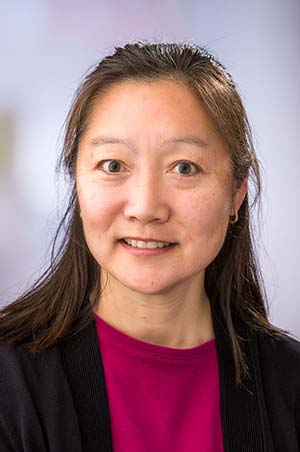 Stephanie Lee合作论文数Clinical Research Division, Fred Hutchinson Cancer Center20
 Donald Dengel合作论文数School of Kinesiology, College of Education and Human Development, University of Minnesota19
 Abby R Rosenberg合作论文数Seattle Childrens Hosp17
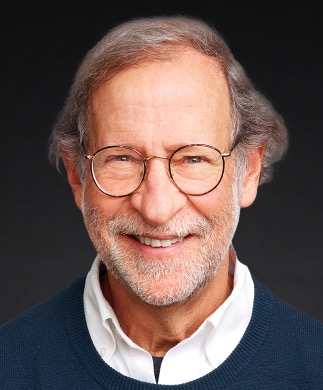 Stephen J. Forman合作论文数Hematologic Malignancies Research Institute, City of Hope;Department of Hematology & Hematopoietic Cell Transplantation, City of Hope17
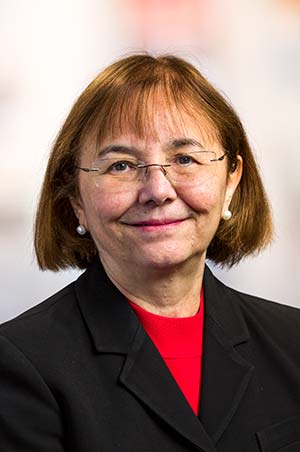 Mary Flowers合作论文数Clinical Research Division, Fred Hutchinson Cancer Center;Division of Hematology and Oncology, University of Washington17
 Kirsten K. Ness合作论文数Human Performance Lab, St. Jude Children's Research Hospital;Department of Epidemiology and Cancer Control, St. Jude Children's Research Hospital;Department of Physical Therapy, College of Health Professions, University of Tennessee Health Science Center;College of Graduate Health Sciences, University of Tennessee Health Science Center16Jean C. Yi合作论文数16
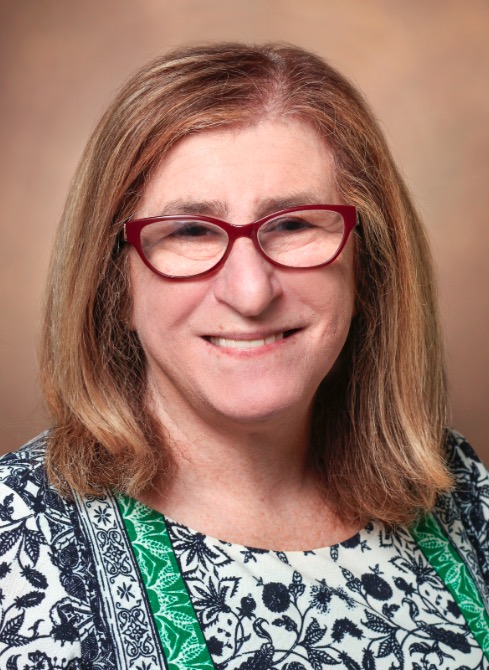 Debra L. Friedman合作论文数Division of Pediatric Hematology/Oncology, Department of Pediatrics, Vanderbilt University Medical Center;Vanderbilt-Ingram Cancer Center, Vanderbilt University Medical Center16Liton Francisco合作论文数16
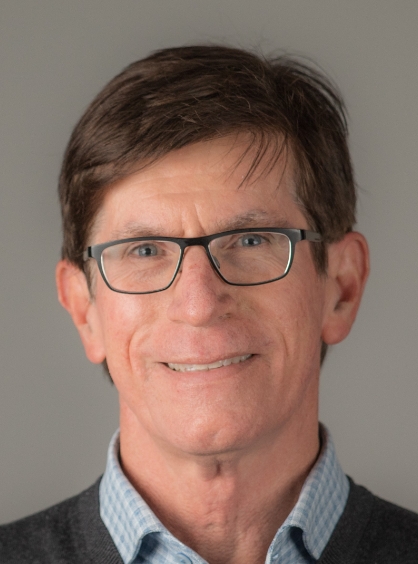 John Wagner合作论文数Division of Blood and Marrow Transplant & Cellular Therapy, Department of Pediatrics, University of Minnesota;Medical School, University of Minnesota16
 Anna Petryk合作论文数16Preussler Jaime M合作论文数15
 James G Gurney合作论文数Child Health Evaluation and Research Unit 5144 Cardiovascular Center, University of Michigan Medical Center15
 Paul A. Carpenter合作论文数15Michael A. Pulsipher合作论文数14Bronwen E Shaw合作论文数14Stella M. Davies合作论文数14
 Daniel Weisdorf合作论文数Division of Hematology, Oncology and Transplantation, Department of Medicine, Medical School, University of Minnesota;Clinical and Translational Science Institute, University of Minnesota14Margaret L. Macmillan合作论文数Department of Pediatrics, University of Minnesota14
 Canlan Sun合作论文数Department of Supportive Care Medicine, City of Hope;Center for Cancer and Aging, City of Hope14
 Christine N. Duncan合作论文数Dana-Farber Cancer Institute;Harvard Medical School;Boston Children's Hospital14
 Leslie L. Robison合作论文数Department of Epidemiology and Cancer Control, St. Jude Children’s Research Hospital;St. Jude Comprehensive Cancer Center, St. Jude Children’s Research Hospital13
 John R Wingard合作论文数Division of Hematology & Oncology, Department of Medicine, College of Medicine, University of Florida Health13Joanna L. Perkins合作论文数13
 Alan Sinaiko合作论文数Department of Pediatrics, Division of Pediatric Nephrology, Medical School, University of Minnesota13Lauri Burroughs合作论文数12Andrew C Dietz合作论文数11
 Aaron S. Kelly合作论文数Department of Pediatrics, Medical School, University of Minnesota;Center for Pediatric Obesity Medicine, Medical School, University of Minnesota11Linda Overholser合作论文数11
 Antoinette Moran合作论文数Cystic Fibrosis Center, Division of Pediatric Endocrinology, Department of Pediatrics, Medical School, University of Minnesota10
 Neel Bhatt合作论文数Cardiology Division, University of Texas Health Science Center and Memorial Hermann Heart and Vascular Institute10
 Kathi Mooney合作论文数College of Nursing, University of Utah10Bipin N. Savani合作论文数10
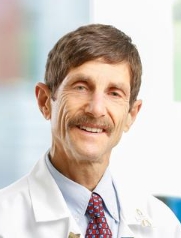 Louis S. Constine合作论文数Department of Radiation Oncology, University of Rochester Medical Center;Wilmot Cancer Center10Lynda M. Vrooman合作论文数10
 Linda Burns合作论文数Center for International Blood & Marrow Transplant Research10Bemer Meagan J合作论文数9
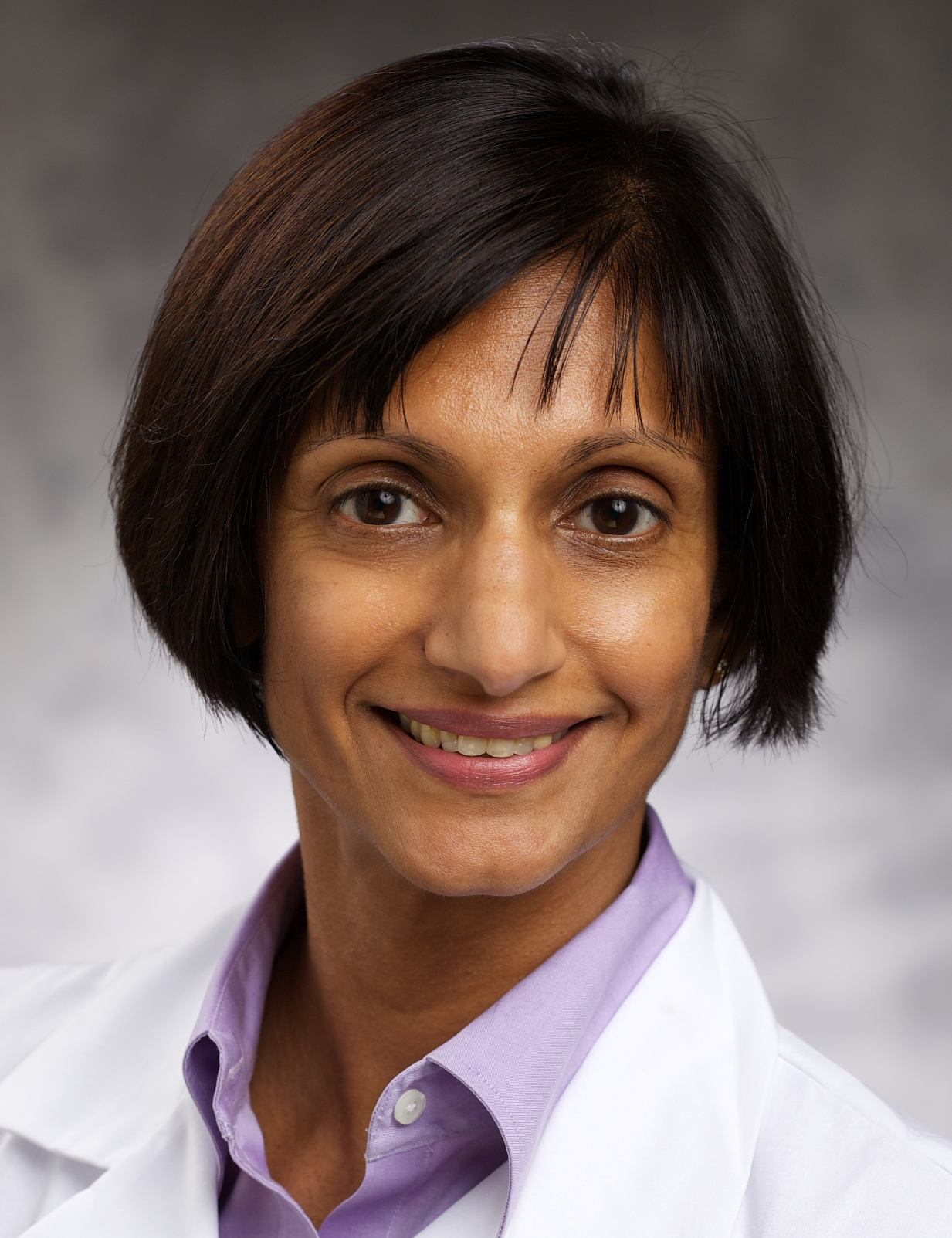 Mary Eapen合作论文数Medical College of Wisconsin/Center for International Blood and Marrow Transplant Research9
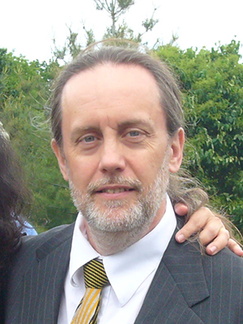 James Hodges合作论文数Division of Biostatistics, School of Public Health, University of Minnesota9
 Jeff Barrett合作论文数Aridhia – Digital Research Environment9
 Steven E. Lipshultz合作论文数Department of Pediatrics, Jacobs School of Medicine & Biomedical Sciences, University at Buffalo;University of Miami Miller School of Medicine;Children's Hospital of Michigan, Detroit Medical Center9
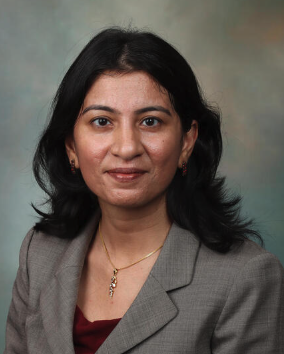 Nandita Khera合作论文数Transplant Center, Mayo Clinic9




