Herpes simplex virus (HSV) types 1 and 2 cause widespread oral or genital infections, but no prophylactic or therapeutic HSV vaccine has been approved to date. In this study, we developed three mRNA vaccine candidates expressing key viral glycoproteins: monovalent gD2, bivalent gD2-gC1, and bivalent gD2-gE1. We assessed their immunogenicity and protective efficacy in a murine model. All candidates elicited robust humoral and cellular immunity and provided significant protection against intravaginal HSV challenge. Notably, the gD2-gE1 vaccine induced markedly stronger immune responses. Mechanistically, its superior immunoprotective efficacy was associated with the stronger IFN‑I response, which thereby enhanced the adaptive immune response. Collectively, our findings provide a scientific rationale and valuable insights for the future development of HSV vaccines.
Trained immunity (TRIM), a paradigm-shifting concept in immunology, refers to the long-term functional reprogramming of innate immune cells, enabling enhanced responsiveness to secondary challenges through metabolic and epigenetic remodeling. This phenomenon bridges the gap between innate and adaptive immunity, offering novel strategies for vaccine design that transcend traditional antigen-specific approaches. By exploiting the ‘memorylike’ properties of monocytes, macrophages, dendritic cells, neutrophils, and natural killer cells, next-generation vaccines aim to achieve broad-spectrum protection, prolonged durability, and heterologous immunity against pathogens and cancers. This review synthesizes recent advances in TRIM research in vaccines, focusing on its mechanisms, translational applications, and future directions in vaccinology.
Double-Negative T (DNT) cells, lacking both CD4 and CD8 expression, play critical roles in cancer immunology, and have garnered increasing attention in cancer research. However, their heterogeneity and functional diversity within the tumor microenvironment (TME) remain underexplored. In-house and publicly available single-cell RNA sequencing (scRNA-seq) data for different cancer types were integrated after quality control and batch effect correction, followed by DNT cells separation from CD3+ T cells subtypes. Functional characteristics, intercellular communication, differentiation trajectories, regulatory networks, and clinical relevance were analyzed among different DNT subsets. Key findings were validated using multiplex immunofluorescence and spatial transcriptomics to investigate the spatial localization of DNT subsets and their interactions within the TME. Impact of γδ T cells on immunotherapy response was also assessed using MC38-based murine tumor model. By integrating scRNA-seq data from 2,369 samples across 23 cancer types, we established a comprehensive single-cell atlas of 157,025 high-quality DNT cells. Fourteen distinct DNT subsets (6 αβ DNT and 8 γδ T cell subsets) were identified, demonstrating tumor both type-specific and shared distribution patterns, as well as unique cell-cell interaction network within the TME. These subsets displayed specialized functional profiles, including cytotoxicity, antigen presentation, and immune modulation, indicating that the functional diversity of DNT cells is largely subset-specific rather than a manifestation of multifunctionality within a single population. We also delineated divergent trajectories for αβ DNT and γδ T cell subsets, including the functional plasticity of gut-resident γδ T cells transitioning between cytotoxic and immunosuppressive states. Notably, several DNT subsets were significantly associated with favorable clinical treatment outcomes, including improved responses to cancer immunotherapy. Consistently, depletion of γδ T cells in the murine tumor model significantly decreased the efficacy of PD-1 blockade, underscoring their critical role in therapeutic response. Our study uncovers the previously underappreciated heterogeneity and functional diversity of DNT cells in the TME and demonstrates their profound impact on tumor progression and immunotherapy outcomes.
ObjectiveTo explore the real-world efficacy and safety of telitacicept in patients with systemic lupus erythematosus (SLE).MethodsThis retrospective study included SLE patients treated with telitacicept for at least 3 months at Mianyang Central Hospital between January 2022 and December 2025. Baseline characteristics and clinical outcomes at 12, 24, and 52 weeks were assessed.ResultsA total of 139 patients were enrolled in this study. The SLE Disease Activity Index 2000 (SLEDAI-2K) score significantly decreased from a baseline of 11.42 ± 4.68 to 4.623 ± 3.65, 2.42 ± 2.98, and 1.48 ± 2.58 at 12, 24, and 52 weeks, respectively (P < 0.0001). The anti-dsDNA positivity rate declined from 35.25% at baseline to 7.94% by week 52, accompanied by an upward trend in complement 3 (C3) and complement 4 (C4) levels. Among the 74 patients with lupus nephritis, the baseline 24-hour urine protein was 1.59 ± 1.68 g/24h, which significantly decreased to 1.12 ± 1.41 g/24h, 0.42 ± 0.46 g/24h, and 0.39 ± 0.64 g/24h at 12 weeks, 24 weeks, and 52 weeks, respectively (P < 0.001). The serum albumin level significantly increased (P < 0.0001), while the serum estimated glomerular filtration rate (eGFR) showed significant reductions (P < 0.05). Furthermore, white blood cell and platelet count also improved significantly in patients with leukopenia and thrombocytopenia (P < 0.0001). The mean daily glucocorticoids dose (equivalent to prednisone) was successfully tapered from 39.98 ± 10.09 mg/d at baseline to 18.35 ± 7.87 mg/d at 12 weeks, 9.752 ± 4.72 mg/d at 24 weeks, and 5.69 ± 2.95 mg/d at 52 weeks (P < 0.0001). Adverse events occurred in 28 (20.14%) patients, with upper respiratory tract infections being the most common (53%), and no serious adverse events occurred.ConclusionIn this real-world study, telitacicept combined with conventional therapy was associated with improvements in disease activity and organ functions in SLE with favorable safety.
In this study, PLGA/CHA/nmZnO antibacterial bone repair scaffolds with different contents of CHA/nmZnO (0%, 15%, 25%, 30%, 35%) were prepared by 3D melt extrusion molding technology. The physicochemical properties, biocompatibility, and in vitro osteogenic performance of the scaffolds were characterized, and a rat model of periodontitis bone defect was constructed to evaluate the osteogenic effect of the scaffolds. Results showed that the scaffolds exhibited interconnected pore structures and appropriate mechanical properties. The contact angles were measured to be between 73.37° ± 1.36° and 85.03° ± 1.45°. The composite scaffolds of the 25%, 30%, and 35% groups had a significant promoting effect on the proliferation and osteogenic differentiation of rat bone marrow mesenchymal stem cells (BMSCs). In the bone defect model, the 30% scaffold showed substantial osteogenic effects at 6 weeks post-implantation, characterized by significant increases in BV/TV, BS/TV, and area of collagen formation, along with decreased trabecular separation. At 12 weeks, the volume fraction and collagen area of new bone surpassed those of Bio-Oss bone graft. Immunohistochemistry indicated that this scaffold effectively inhibited expression of inflammation-related factors TLR2, TLR7, and IL-1β. This study systematically compared the effects of CHA/nmZnO filler content on the performance of PLGA scaffolds, and selected 30% as the optimal ratio, which has both osteogenic induction and immune regulation functions, providing a new design idea for the development of periodontal bone regeneration materials.
Transfer RNA-derived small RNAs (tsRNAs) have been implicated in tumor progression and immune regulation in recent years. However, the specific role of tRNA halves (tiRNAs), a subclass of tsRNAs, in modulating immunotherapy response remains unexplored. In this study, 5’-tiRNAGly levels were examined in gastric cancer (GC) patients and found to be upregulated, especially in non-responders to anti-PD-1 therapy. Elevated 5’-tiRNAGly levels were also associated with diminished oxoglutarate dehydrogenase-like (OGDHL) expression. Further exploration revealed that 5’-tiRNAGly bound to DLST and promoted OGDHL destabilization, whereas targeted inhibition of 5’-tiRNAGly restored OGDHL stability through succinylation at lysine 910, enhanced tricarboxylic acid (TCA) cycle activity, and reduced glutamine-derived metabolic reprogramming. Additionally, 5’-tiRNAGly was found to decrease the activity of α-ketoglutarate dehydrogenase and inhibit succinylation of histone H3 at lysine 79 (H3K79suc), thereby downregulating PD-L1 transcription and reducing therapeutic responsiveness to PD-1 inhibitors. Conversely, restoration of this epigenetic modification upon 5’-tiRNAGly inhibition facilitated PD-L1 transcription, thereby sensitizing tumors to anti-PD-1 therapy. Our findings indicate that targeting 5’-tiRNAGly may represent a promising strategy to enhance responsiveness to anti-PD-1 therapy in GC patients.
Colorectal cancer (CRC) is one of the leading causes of cancer-related mortality worldwide, largely due to therapeutic resistance and inefficient drug delivery. Here, we report the development of a targeted and biocompatible siRNA delivery platform designed to silence RNA methyltransferase NSUN2, a key regulator of m5C RNA methylation implicated in CRC progression and immune evasion. Poly (lactic acid) (PLA)-based nanoparticles were engineered and functionalized with an RGD peptide for tumor-specific targeting and a cationic KA26 peptide to promote siRNA complexation and cellular internalization. The resulting PLA-RGD-KA26-siRNA nanocomplexes (PRR) exhibited uniform nanoscale dimensions, a positive surface charge, and high colloidal stability in aqueous solution. In vitro studies demonstrated significantly enhanced cellular uptake and efficient NSUN2 knockdown across multiple CRC cell lines, resulting in marked inhibition of cancer cell migration with negligible cytotoxicity to normal cells. In a CT-26-luciferase lung metastasis mouse model, PRR nanoparticles preferentially accumulated in metastatic lesions and achieved potent NSUN2 silencing, leading to substantial lung tumor regression. Combination therapy with PD-L1 blockade (PRRP) produces synergistic antitumor effects, including near-complete suppression of metastasis, increased CD4+ and CD8+ T-cell infiltration, reduced Ki67 proliferation, and enhanced apoptosis without detectable systemic or organ toxicity. These findings establish a rationally designed tumor-targeted RNA delivery system that effectively modulates NSUN2-driven epigenetic pathways and restores antitumor immune activity. This approach offers a promising therapeutic avenue for metastatic CRC by integrating RNA-based epigenetic regulation with immune checkpoint inhibition.
Colorectal cancer (CRC) often evades immune surveillance, leading to poor responses to PD-1/PD-L1 blockade immunotherapy. The underlying mechanisms regulating PD-L1 expression remain incompletely understood. We utilized co-immunoprecipitation (Co-IP) and RNA immunoprecipitation (RIP) to investigate protein-protein and protein–RNA interactions. Western blot (WB) and quantitative PCR (qPCR) were applied to assess protein and mRNA expression levels, respectively. Immunocompetent mouse models and patient-derived CRC samples were used to evaluate clinical relevance and therapeutic targeting. We identified acetylation of G3BP2 at lysine 76 (K76) as a key regulator of PD-L1-mediated immune evasion. This modification is catalyzed by p300 and reversed by HDAC6. Acetylated G3BP2 enhances binding to PABPC1 and PD-L1 mRNA, increasing its stability and upregulating PD-L1 expression. Consequently, tumors exhibit reduced cytotoxic T lymphocyte infiltration and acquire resistance to anti-PD-L1 therapy. Elevated G3BP2-K76 acetylation was observed in immunotherapy-resistant CRC tissues and promoted tumor growth in mice. A peptide inhibitor targeting K76 acetylation (K76-pe) effectively suppressed PD-L1 expression and synergized with anti-PD-L1 treatment in vivo. G3BP2-K76 acetylation represents a critical post-translational mechanism driving immune evasion in CRC. Targeting this pathway may provide a promising strategy to overcome resistance to immunotherapy. G3BP2 acetylation at lysine 76 promotes immune evasion in colorectal cancer by enhancing its binding to PABPC1 and PD-L1 mRNA, thereby stabilizing PD-L1 expression and reducing cytotoxic T cell infiltration. This modification is mediated by p300 and reversed by HDAC6. Targeting G3BP2-K76 acetylation with a specific peptide restores anti-tumor immunity and improves response to PD-L1 blockade, highlighting its critical role in regulating immune escape and its potential as a therapeutic target.
Wound healing is a complex biological process involving multiple stages, such as cell proliferation, angiogenesis, and tissue remodeling. Chronic wounds, due to their intricate pathology and significant management difficulties, impose a substantial burden on patients and healthcare systems. Recent advances in materials science, microelectronics, and artificial intelligence have catalyzed the development of smart dressings, offering innovative solutions for wound care. This comprehensive review summarizes the development of multifunctional smart dressings. It highlights technologies for real-time monitoring of key wound biomarkers (e.g., pH, temperature, moisture, and oxygen levels) and provides a comparative analysis of drug delivery mechanisms, spanning passive diffusion, stimulus-responsive, and actively triggered release systems. The roles of physical therapies, including thermal, ultrasound, and phototherapeutic stimulation, are also discussed. Particular emphasis is placed on electrical stimulation (ES) therapy, owing to its unique mechanistic actions and strong compatibility with smart dressing platforms. This section details ES strategies, parameter optimization, the need for adaptive parameter adjustment guided by wound microenvironment feedback, and its synergistic potential with other therapies. Finally, the review identifies key challenges regarding system integration and clinical translation, while underscoring the promising future of smart dressings in enabling automated, personalized wound management.
Background: Effective biomarkers for predicting outcomes in patients with esophageal squamous cell carcinoma (ESCC) receiving neoadjuvant immunochemotherapy (nICT) remain limited. In this study, we investigated the prognostic value of baseline folate receptor-positive circulating tumor cells (FR-CTCs) in locally advanced ESCC. Methods: This cohort study retrospectively analyzed ESCC patients who underwent nICT between August 2020 and August 2023. Factors associated with disease-free survival (DFS) were evaluated using univariable and multivariable Cox proportional hazards regression. Candidate variables were further screened by univariable Cox and least absolute shrinkage and selection operator regression to construct a predictive model. A nomogram incorporating FR-CTCs levels and key clinical parameters was developed and comprehensively assessed for discrimination, calibration, and clinical utility. Results: Analysis of clinical data from 64 patients identified baseline FR-CTCs level emerged as a strong and independent predictor of postoperative recurrence. FR-CTCs were significantly associated with DFS when analyzed as either a continuous or categorical variable. As a continuous variable, each one-unit increase in FR-CTCs level was associated with an increased risk of recurrence both before [hazard ratio (HR) =1.26, 95% confidence interval (CI): 1.12-1.42; P<0.001] and after multivariable adjustment (HR =1.81, 95% CI: 1.34-2.45; P<0.001). When dichotomized, patients with high FR-CTCs levels had a markedly higher recurrence risk than those with low levels in unadjusted (HR =5.47, 95% CI: 1.69-19.45; P=0.005) and adjusted analyses (HR =14.35, 95% CI: 2.28-90.17; P=0.005). The final nomogram achieved a concordance index of 0.821. Time-dependent receiver operating characteristic analysis demonstrated excellent discrimination at 1-, 2-, and 3-year [areas under the curve (AUC): 0.933, 0.904, and 0.780], with good calibration. At the optimal cut-off value determined by the Youden's index of the model, the sensitivity, specificity, positive predictive value, and negative predictive value were 1.00, 0.85, 0.31, and 1.00 at 1-year, and 0.89, 0.76, 0.70, and 0.92 at 2-year. Brier scores at 1-, 2-, and 3-year were 0.05, 0.14, and 0.17, respectively .Conclusions: In summary, baseline FR-CTCs represent a powerful biomarker for postoperative recurrence risk stratification in nICT-treated ESCC patients. The proposed nomogram exhibits robust predictive accuracy and provides a strong foundation for future prospective validation and potential clinical application.
Immunological liver injury (ILI) is a severe immune-mediated condition for which current treatments have limited efficacy and tolerability. Here, we delineate the pivotal role of liver-resident macrophages, specifically Kupffer cells (KCs), in ILI pathogenesis and develop an extracellular vesicle (EV)-based strategy to precisely modulate KC-monocyte crosstalk. Using both a concanavalin A–induced experimental autoimmune hepatitis (EAH) model and clinical samples from patients with autoimmune hepatitis (AIH), we identified a profound remodeling of the hepatic macrophage compartment: marked infiltration of monocyte-derived macrophages (MDMs) occurred without significant alteration in KC abundance. Mechanistically, KCs in injured livers acquired a pro-inflammatory phenotype and upregulated secretion of the chemokine CCL2, thereby recruiting CCR2-expressing circulating monocytes and driving their differentiation into MDMs. Notably, neither KC depletion nor systemic CCL2-CCR2 axis inhibition alone fully mitigated hepatocellular injury, indicating that combined suppression of KC activation and monocyte recruitment is required for robust therapeutic efficacy. To this end, we engineered EVs derived from anti-inflammatory M2 macrophages and loaded them with a potent CCR2 inhibitor (designated CCR2i@M2-EVs). Following intravenous administration, these EVs accumulated in the liver, spleen, and bone marrow, and were internalized by both KCs and monocytes. Compared with free CCR2 inhibitor or unloaded M2-EVs, CCR2i@M2-EVs achieved superior functional outcomes: they more effectively suppressed KC activation, reduced CCL2 production, and inhibited monocyte chemotaxis, collectively resulting in significantly greater attenuation of liver injury in EAH mice. Our findings establish dysregulated KC-monocyte communication as a key pathogenic axis in ILI and provide proof-of-concept that EV-mediated co-modulation of this intercellular dialogue represents a rationally designed strategy that offers combined immunomodulatory and chemotaxis-blocking effects. Dysregulated communication between Kupffer cells (KCs) and monocytes drives immunological liver injury (ILI). Depletion of KCs or inhibition of monocyte recruitment only partially reduces liver injury in ILI. Activated KCs in the injured liver secrete the chemokine CCL2 to recruit monocytes and promote their differentiation into monocyte-derived macrophages. Engineered extracellular vesicles (EVs) loaded with a CCR2 inhibitor (CCR2i@M2-EVs) suppress KCs activation and monocyte chemotaxis to alleviate ILI.
The progression from compensated to decompensated cirrhosis has historically been considered irreversible. However, accumulating clinical evidence has given rise to the concept of "recompensation," which posits that a subset of patients with decompensated cirrhosis may regain a compensated state following successful etiological control, leading to a markedly improved prognosis. This review synthesizes current evidence on cirrhosis recompensation, examining its definition, mechanisms, and etiological specificities, while also addressing the prognosis and persistent challenges in this patient population. Further research is needed to refine the definition of recompensation and elucidate the underlying mechanisms and determinants.
Immune checkpoint inhibitors have transformed oncology, yet durable responses remain unevenly distributed, and existing stratification tools—single-site biopsy, PD-L1 immunohistochemistry, and [¹8F]FDG-PET—fail to capture the spatial heterogeneity and dynamic evolution of the tumor immune microenvironment. ImmunoPET addresses these limitations by pairing antibody-based molecular recognition with whole-body quantitative PET, enabling non-invasive mapping of checkpoint expression across the entire disease burden. This review examines the biological rationale and translational status of targets spanning inhibitory axes (PD-1/PD-L1, CTLA-4), next-generation co-inhibitory receptors (LAG-3, TIM-3, TIGIT, VISTA), and co-stimulatory targets (ICOS, 4-1BB, B7-H3), alongside probe engineering principles including scaffold selection, radionuclide pairing, and bioorthogonal pretargeting. Clinical evidence across thoracic, genitourinary, hematological, and neuro-oncological contexts demonstrates that whole-body PET metrics outperform concurrent IHC in predicting treatment outcomes. Theranostic extensions and radiomics applications are further discussed. Standardizing quantitative thresholds and harmonizing acquisition protocols remain the critical steps toward regulatory qualification of ImmunoPET as a companion diagnostic.
Artificial intelligence (AI) is transforming anti-tumor drug discovery by addressing key challenges across the development pipeline. It enables multimodal data integration (genomics, proteomics, and imaging) through advanced frameworks like integrated graph convolutional network (IGCN) and CrossAttOmics, enhancing target identification and biomarker discovery. Generative drug design using generative adversarial networks (GANs), diffusion models, and variational autoencoders accelerates the creation of novel molecules with optimized properties, such as human carboxylesterase 2A (hCES2A) inhibitors to mitigate irinotecan toxicity. AI-driven prediction of absorption, distribution, metabolism, excretion, and toxicity (ADMET) leverages graph neural networks and organ-on-chip technologies to improve pharmacokinetic profiling and safety assessment. An emerging area is the integration of traditional Chinese medicine (TCM) with AI. Network pharmacology and machine learning (ML) elucidate multi-target mechanisms of TCM compounds (e.g., β-elemene inducing ferroptosis via ferritin heavy chain 1/glutathione peroxidase 4 (FTH1/GPX4) axis). Bayesian optimization and nanoformulations enhance TCM bioavailability. In clinical translation, AI optimizes trials through radiomics for programmed cell death protein 1 (PD-1) response prediction, circulating tumor DNA (ctDNA) analysis for relapse monitoring, and digital pathology. It also addresses drug resistance via single-cell RNA sequencing (scRNA-seq) to identify resistant subclones and TCM agents. Challenges include data heterogeneity, model interpretability, and clinical validation. Future directions focus on interdisciplinary strategies combining quantum computing for molecular simulations, federated learning for data privacy, and AI-personalized TCM formulations. A 2030 roadmap prioritizes building unified TCM-AI databases and target-specific generative algorithms to bridge empirical knowledge with precision oncology.
INTRODUCTION AND OBJECTIVES:The potential for recompensation in treatment-naïve patients with autoimmune hepatitis (AIH) and decompensated cirrhosis, per Baveno VII criteria, remains underexplored. This study aimed to identify the clinical characteristics and prognostic factors associated with recompensation. MATERIALS AND METHODS:We enrolled 81 treatment-naïve patients with biopsy-proven AIH and decompensated cirrhosis (median follow-up 61.8 months). All patients were treatment-naïve at enrollment and had confirmed diagnoses based on liver biopsy. Using Baveno VII criteria, we assessed recompensation. Data on baseline characteristics, treatment response, and long-term outcomes were collected. Predictive factors were analyzed by Cox regression, and baseline cytokine levels (IL-10, IL-17A, TNF-α, IFN-γ) were compared between recompensated and non-recompensated groups. RESULTS:Among all 81 immunosuppressed patients, 28 (34.6 %) achieved recompensation, which was associated with a reduced risk of all-cause mortality (p = 0.044). Multivariate analysis identified higher baseline BMI (kg/m², HR = 1.161, 95 % CI: 1.022-1.326, p = 0.025), elevated ALT (×ULN, HR = 1.168, 95 % CI: 1.216-1.365, p = 0.028), higher ALB level (g/L, HR = 1.388, 95 % CI: 1.195-1.635, p < 0.001), and complete biochemical response (CBR) at 6 months (HR = 1.895, 95 % CI: 1.154-2.312, p = 0.014) as independent predictors of recompensation, while diabetes was a negative predictor (HR = 0.582, 95 % CI: 0.294-0.896, p = 0.004). Additionally, recompensated patients had significantly lower baseline levels of IL-17A, TNF-α, and IFN-γ. CONCLUSIONS:In this longitudinal cohort of biopsy-proven AIH-related decompensated cirrhosis, 34.6 % of patients achieved recompensation with immunosuppressive therapy, which was linked to superior transplant-free survival. Factors favoring recompensation included higher baseline BMI, albumin, and ALT levels, 6-month CBR, and no diabetes. These patients also had significantly lower baseline inflammatory cytokines.
Background:High expression of prostate-specific membrane antigen (PSMA) is observed in advanced prostate cancer, supplying a promising target for precision therapeutic interventions. Despite its efficacy in metastatic castration-resistant disease, cabazitaxel (CTX) is limited by severe systemic toxicity and a narrow therapeutic index, underscoring the urgent demand for tumor-selective delivery systems. Methods:A novel PSMA-targeted dextran-based conjugate, Dextran-CTX-GLA-EuK, was synthesized via click chemistry by conjugating CTX, γ-linolenic acid (GLA), and a Glu-urea-Lys (EuK) PSMA-targeting ligand to bifunctionalized dextran. Critical in vitro and in vivo PSMA blocking experiments (using the PSMA inhibitor 2-PMPA) were performed to validate its targeting specificity. A thorough myelosuppression study was performed in murine models to evaluate the systemic hematological safety profile. The biodistribution profile and in vivo antitumor efficacy of the conjugate were evaluated in murine xenograft models. Results:The conjugate Dextran-CTX-GLA-EuK exhibited favorable physicochemical properties, high water solubility, and strong PSMA-binding affinity. In vitro and in vivo PSMA blocking experiments conclusively verifying its PSMA-mediated specific cellular internalization and tumor accumulation. In PSMA-overexpressing xenograft models, the conjugate demonstrated selective tumor enrichment, with intratumoral CTX levels up to 98.3-fold higher than those of parent CTX, while reducing exposure in normal tissues. Dextran-CTX-GLA-EuK exerted prominent dose-dependent tumor growth inhibition, attaining a 96.6% suppression rate at a 10 mg/kg dosage in PC-3/PSMA tumors and prolonging the survival of 22Rv1 tumor-bearing mice. Importantly, comprehensive myelosuppression assays revealed that the conjugate only induced a transient reduction in white blood cell and neutrophil counts (which rapidly recovered to baseline) without impairing bone marrow hematopoietic function; unlike CTX, the conjugate did not cause significant weight loss, organ toxicity, or hematological abnormalities in tumor-bearing mice. Conclusions:These findings demonstrate that Dextran-CTX-GLA-EuK synergizes active targeting with dextran-based delivery, enhancing antitumor efficacy while abolishing dose-limiting toxicities. This strategy offers a clinically translatable approach for PSMA-directed therapy in prostate cancer.
Importance:Locally advanced, unresectable esophageal squamous cell carcinoma (ESCC) has a poor prognosis despite definitive chemoradiotherapy (CRT), and no standard maintenance therapy currently exists. Personalized vaccines targeting tumor neoantigens combined with immune checkpoint inhibitors may enhance antitumor immunity, potentially improving these patients' outcomes. Objective:To evaluate whether maintenance therapy with a personalized neoantigen dendritic cell vaccine (Neo-DCVac) combined with camrelizumab improves overall survival (OS) compared to camrelizumab alone in patients with unresectable locally advanced ESCC following definitive CRT. Design setting and participants:The CHANT-241 trial is a randomized, open-label, single-center, phase 2 clinical trial enrolling 165 patients aged 18 to 80 years with histologically confirmed unresectable locally advanced ESCC. Eligible participants must have completed definitive chemoradiotherapy (CRT) and undergone radiologic assessment within 3 to 5 weeks demonstrating no evidence of disease progression. Prior immunotherapy is allowed. Additional inclusion criteria include the ability to provide fresh tumor tissue or archived pathology slides of sufficient quality. Patients are randomized in a 2:1 ratio to receive either combination therapy or camrelizumab alone. Intervention:Patients in the experimental group receive Neo-DCVac (0.5-2 × 10⁷ cells per dose, subcutaneously, following cyclophosphamide pretreatment), administered as 5 priming doses and 10 booster doses over a 12-month vaccination period, in combination with camrelizumab (200 mg intravenously every 4 weeks). Patients in the control arm receive camrelizumab alone at the same dose and schedule. Main outcomes and measures:The primary endpoint is the 2-year OS rate. Secondary endpoints include OS, progression-free survival (PFS), treatment-related adverse events (TRAEs), and exploratory biomarker analyses, including tumor mutational burden (TMB), PD-L1 expression, and circulating tumor DNA (ctDNA). Results:Clinical outcomes are not yet available. Upon completion of enrollment and data analysis, the study findings will be disseminated through publication in a peer-reviewed journal. Conclusions:The CHANT-241 trial is designed to evaluate whether the addition of Neo-DCVac to camrelizumab as maintenance therapy improves survival outcomes in patients with unresectable locally advanced ESCC. The findings aim to provide high-level evidence supporting a novel precision immunotherapy approach in this population. Clinical Trial Registration:ClinicalTrials.gov, identifier NCT06675201.
Laryngeal squamous cell carcinoma (LSCC) is an aggressive cancer with poor quality of life. Understanding the somatic mutations in its genome can help us comprehend its occurrence and progression. Although somatic structural variations (SVs) have been documented in LSCC, conventional short-read sequencing lacks the sensitivity to effectively detect high-frequency SVs shared across multiple samples - variants that play a crucial role in tumorigenesis. Here, we presented SomaGauss-SV, a somatic SVs detection workflow leveraging nanopore long-read sequencing data. Benchmarking against five paired tumor cell line datasets showed SomaGauss-SV consistently achieves a balanced high precision and recall. SomaGauss-SV applied to 15 paired LSCC tumor-blood samples uncovered a comprehensive SVs landscape and a significant positive correlation between somatic deletion burden and smoking intensity. Furthermore, a high-frequency somatic simple repeat expansion was identified in 28/39 (71.79%) of LSCC patients, upregulating the expression of genes TP53BP2 and FBXO28 through spatial proximity. These findings underscore the potential of long-read sequencing and SomaGauss-SV for uncovering recurrent somatic SVs in LSCC, providing valuable resources for biomarker discovery.
 Yuquan Wei (魏雨泉)合作论文数College of Resources and Environmental Sciences, China Agricultural University44
 Xiawei Wei (魏霞蔚)合作论文数State Key Laboratory of Biotherapy, Sichuan University;National Clinical Research Center for Geriatrics, West China Hospital, Sichuan University27
 Jiong Li (李炯)合作论文数State Key Laboratory of Biotherapy, West China Hospital,Sichuan University24
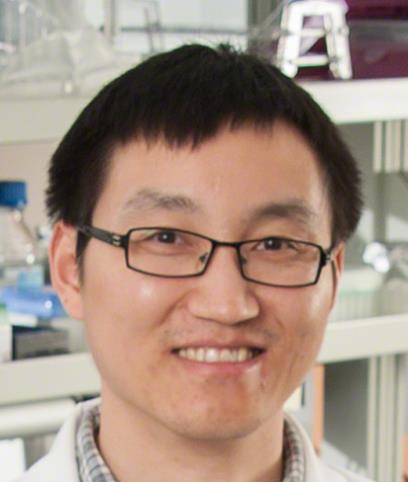 Heng Xu (许恒)合作论文数State Key Laboratory of Biotherapy, Sichuan University;Precision Medicine Center, West China Hospital, Sichuan University22
 Wei Wang (王玮)合作论文数State Key Laboratory of Biotherapy, Sichuan University;West China Hospital, Sichuan University21Huashan Shi合作论文数Sichuan University, Sichuan University17Guobo Shen合作论文数West China Medical School, Sichuan University17Jingyun Yang合作论文数Sichuan University, State Key Laboratory of Biotherapy and Cancer Center, Chengdu, China ; qwyz002@outlook.com.16Tian Yaomei合作论文数16
 Zhiyong Qian (钱志勇)合作论文数State Key Laboratory of Biotherapy, West China Hospital, Sichuan University16Zhang Rui合作论文数15
 Zhenling Wang (王振领)合作论文数College of Materials Engineering, Henan University of Engineering15
 Maling Gou (苟马玲)合作论文数State Key Laboratory of Biotherapy, Sichuan University15
 Xiangrong Song (宋相容)合作论文数State Key Laboratory of Biotherapy, Sichuan University14
 Guangwen Lu (逯光文)合作论文数State Key Laboratory of Biotherapy, Sichuan University;West China Hospital of Sichuan University14Zhou Bailing合作论文数14Zhen-Yu Ding合作论文数13Hong Lei合作论文数13Aqu Alu合作论文数12Weiqi Hong合作论文数12
 Xia Zhao (赵霞)合作论文数West China Second University Hospital, Sichuan University12
 Jinliang Yang (杨金亮)合作论文数State Key Laboratory of Biotherapy, Sichuan University11Yong Peng合作论文数10Xuyang Xia合作论文数Sichuan Univ, West China Hosp, State Key Lab Biotherapy, Chengdu, Sichuan, Peoples R China10He Cai合作论文数10
 Meijuan Huang (黄媚娟)合作论文数West China Hospital of Sichuan University10
 Ling Tian (田聆)合作论文数Shanghai Chest Hospital10
 Shuaiyao Lu (鲁帅尧)合作论文数Institute of Medical Biology, Chinese Academy of Medical Sciences10Binyan Zhao合作论文数9
 Xiancheng Chen (陈县城)合作论文数9Mohan Liu合作论文数Sichuan Univ, West China Hosp, Dept Med Genet, State Key Lab Biotherapy, Chengdu 610041, Sichuan, Peoples R China9
 Meng Li合作论文数9
 Wei Cheng (程伟)合作论文数State Key Laboratory of Biotherapy, Sichuan University;West China Hospital of Sichuan University9
 Yang Wan (万洋)合作论文数West China Fourth Hospital, Sichuan University9
 Changyang Gong (巩长旸)合作论文数State Key Laboratory of Biotherapy, Sichuan University9
 Hongxin Deng (邓洪新)合作论文数四川大学华西医院9
 Lunzhi Dai (戴伦治)合作论文数State Key Laboratory of Biotherapy, Sichuan Univerisity9Yong-Qiu Mao合作论文数9Zhenfei Bi合作论文数8Die Hu合作论文数8Lian Lu合作论文数8Xiaoli Fan合作论文数8Lin Tang合作论文数8Gu He (何谷)合作论文数State Key Laboratory of Biotherapy, Sichuan University8
 Lijuan Chen (陈俐娟)合作论文数State Key Laboratory of Biotherapy, West China School of Medicine, Sichuan University8Yanan Zhou合作论文数7WenHai Yu (禹文海)合作论文数7JunBin Wang (王俊斌)合作论文数7




