目的 观察盆底磁、电刺激联合凯格尔运动训练治疗前列腺增生(BPH)微创术后压力性尿失禁(SUI)的临床疗效和安全性.方法 选取2016年1月—2022年2月在复旦大学附属上海市第五人民医院盆底中心收治的52例BPH微创术后发生SUI患者作为研究对象,随机分成试验组和对照组,各26例.对照组单用凯格尔运动训练,试验组在凯格尔运动训练基础上联合盆底磁刺激、电刺激治疗.两组均治疗3个月.分别在治疗前、后记录并比较两组患者尿失禁问卷表简表(ICIQ-SF)评分、1 h尿垫试验、国际前列腺症状评分(IPSS)及尿失禁生活质量问卷表(I-QoL),并观察患者治疗期间的不良反应.结果 组内比较,试验组和对照组在治疗后ICIQ-SF评分、1 h尿垫试验、IPSS、I-QoL评分均减少,差异具有统计学意义(P<0.05).组间比较,治疗前两组上述各项指标差异无统计学意义(P>0.05);治疗后试验组ICIQ-SF评分、1h尿垫试验、IPSS、I-QoL评分比对照组降低,差异具有统计学意义(P<0.05).两组均未见严重不良反应.结论 对BPH微创术后SUI患者采用盆底磁、电刺激联合凯格尔运动训练治疗,具有良好的疗效并安全可靠,值得临床推广.
Chimeric antigen receptor (CAR)-engineered T cells represent a promising modality for treating glioblastoma. Recently, we demonstrated that CAR-T cells targeting carbonic anhydrase IX (CAIX), a protein involved in HIF-1a hypoxic signaling, is a promising CAR-T cell target in an intracranial murine glioblastoma model. Anti-CAIX CAR-T cell therapy is limited by its suboptimal activation within the tumor microenvironment. LB-100, a small molecular inhibitor of protein phosphatase 2A (PP2A), has been shown to enhance T cell anti-tumor activity through activation of the mTOR signaling pathway. Herein, we investigated if a treatment strategy consisting of a combination of LB-100 and anti-CAIX CAR-T cell therapy produced a synergistic anti-tumor effect. Our studies demonstrate that LB-100 enhanced anti-CAIX CAR-T cell treatment efficacy in vitro and in vivo. Our findings demonstrate the role of LB-100 in augmenting the cytotoxic activity of anti-CAIX CAR-T cells and underscore the synergistic therapeutic potential of applying combination LB-100 and CAR-T Cell therapy to other solid tumors.
Objective To study the cultivation of retinal progenitor cells of different ages. Methods Retinal progenitor cells of E14 and E18 SD rats were isolated,cultivated in suspension in modified DMEM/F12 serum-free medium and then differentiation was induced in vitro.Cells were observed under phase-contrast microscopy daily and identified by immunocytochemistry,scanning electron microscopy and transmission electron microscopy. Results Cultivated in DMEM/F12 serum-free medium,retinal progenitor cells formed cell spheres.After being plated,isolated cells migrated outwards and differentiated.Scanning electron microscopy demonstrated the morphology of the cell spheres and differentiated cells.Transmission electron microscopy demonstrated that there were stem cell-like cells in cell spheres and neuron-and glia-like cells after the plating.Immunocytochemistry demonstrated that most cells in spheres expressed neural stem cell marker nestin and cell division marker BrdU.After the plating,retinal progenitor cells could be induced to differentiate into various retinal cells,including Thy1.1-positive retinal ganglion cells.The percentage of retinal ganglion cells was 16.91%±4.05% at E14 and 4.65%±1.88% at E18.The differences were statistically significant(t=15.04,P0.001).Conclusion Retinal progenitor cells can be cultivated successfully in modified DMEM/F12 serum-free medium.The cultivated retinal progenitor cells have the potential to proliferate freely and multi-differentiate.Early retinal progenitor cells are inclined to differentiate into retinal ganglion cells.
PURPOSE:To investigate the role of over-expression of Math5 on the retinal ganglion cell (RGC) expression patterns in retinal progenitor cells (RPCs).METHODS:RPCs were cultured and then transfected by recombinant Math5 plasmid with internal ribosome entry site and enhanced green fluorescent protein (pIRES2-EGFP-Math5; group A), with pIRES2-EGFP transfected (group B) and no plasmid transfected (group C) as control. RGCs were identified by Thy1.1 immunocytochemistry methods and analyzed by Leica Qwin V3.1 system. Real-time polymerase chain reaction was used to examine the expression of Math5-associated genes at different time points during the differentiation of RPCs.RESULTS:It was determined that pIRES2-EGFP-Math5 could transfect RPCs, and the transfection rate was 24.68%. After plating, it was found that three different groups of RPCs could differentiate and express retina-specific markers, including RGC marker Thy1.1. The percentage breakdown of Thy1.1-positive cells was 30.85+/-6.28% in group A, 15.84+/-3.55% in group B, and 16.22+/-3.60% in group C. The differences between the three groups were statistically significant (p<0.001). Transfection by pIRES2-EGFP-Math5 could change the expression of Delta-1, Hes1, and Brn-3b.CONCLUSIONS:Math5 may up-regulate RGC expression patterns in RPCs and change the expression of Math5-associated genes.
Prostaglandin levels in plasma and peritoneal fluid were determined in 10 sterilized women with pelvic pain without pathological findings. Another 15 healthy women were regarded as controls. The 6-keto-PGF1-alpha levels in peritoneal fluid collected from patients with pelvic pain were significantly higher than that from the controls (p < 0.05). The results indicated that prostaglandins might play an important role in pelvic pain following sterilization.
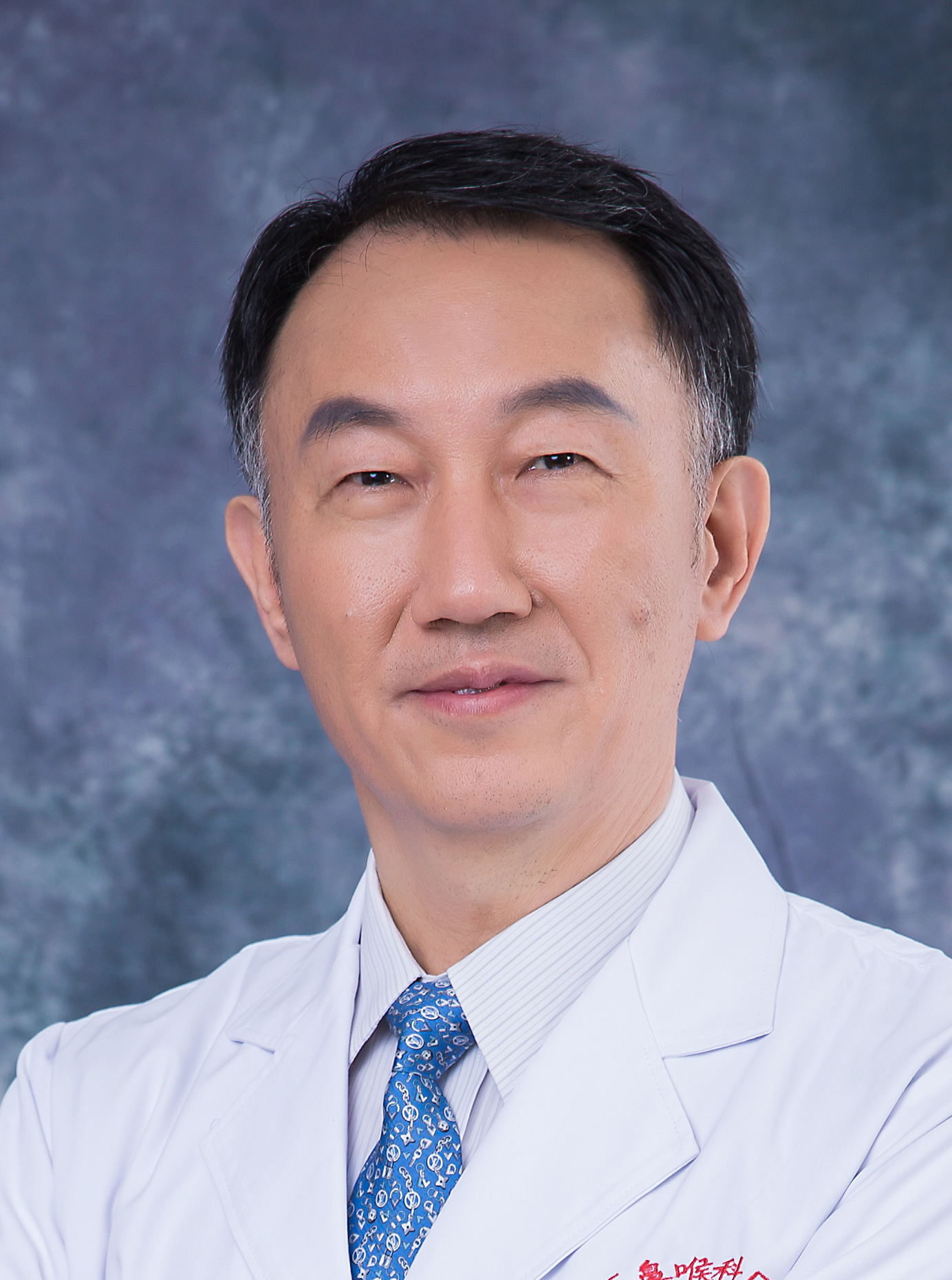 Xinghuai Sun (孙兴怀)合作论文数EYE & ENT Hospital of Fudan University;Shanghai Medical College, Fudan University;State Key Laboratory of Medical Neurobiology, Fudan University2
 Jing Yao (姚静)合作论文数Union Hospital, Tongji Medical College, Huazhong University of Science and Technology2
 John S. Kovach合作论文数1xinglin ge (葛杏林)合作论文数1Rui-fang WU (吴瑞芳)合作论文数1Rogelio Medina合作论文数1
 Mitchell Sun合作论文数1Zhen-hai Wang合作论文数1Jingcheng Zhou合作论文数Dept Urol, Peking Univ First Hosp1
 Jing Cui合作论文数National Cancer Institute, National Institutes of Health1Qi Song合作论文数1ChaoLiang Shi (史朝亮)合作论文数1MinQi Tu (屠民琦)合作论文数1
 Jared Rosenblum合作论文数National Cancer Institute (NCI),, National Institutes of Health (NIH),1Pauline Dmitriev合作论文数1
 Herui Wang合作论文数1
 Zhengping Zhuang合作论文数Surgical Neurology Branch, National Institutes of Health1
 Qi Zhang (章琦)合作论文数Department of Hepatobiliary and Pancreatic Surgery, The First Affiliated Hospital, Zhejiang University School of Medicine1Jiang Qian合作论文数1
 Mark R. Gilbert合作论文数Center for Cancer Research, National Cancer Institute, National Institutes of Health1Chen Xu合作论文数1
 Guowei Shi (施国伟)合作论文数1
 Gezhi Xu (徐格致)合作论文数Institutes of Brain Science, Fudan University;Eye and ENT Hospital of Fudan University1Fang Liu合作论文数1Li-Chang Liu合作论文数1
 Liemei Guo合作论文数1Feng-Er Zhang合作论文数1Zun-Rong Yu合作论文数1




