Background: This study aimed to evaluate the correlation between long non-coding RNA (lncRNA)-related single nucleotide polymorphisms (SNPs) and susceptibility to silicosis. Methods: First, RNA-sequencing (RNA-seq) data were comprehensively analyzed in the peripheral blood lymphocytes of eight participants (four silicosis cases and four healthy controls) exposed to silica dust to identify differentially expressed lncRNAs (DElncRNAs). The functional SNPs in the identified DE-lncRNAs were then identified using several databases. Finally, the association between functional SNPs and susceptibility to silicosis was evaluated by a two-stage case-control study. The SNPs of 155 silicosis cases and 141 healthy silica-exposed controls were screened by genome-wide association study (GWAS), and the candidate SNPs of 194 silicosis cases and 235 healthy silica-exposed controls were validated by genotyping using the improved Mutiligase Detection Reaction (iMLDR) system. Results: A total of 76 DE-lncRNAs were identified by RNA-seq data analysis (cut-offs: fold change > 2 or fold change < 0.5, P < 0.05), while 127 functional SNPs among those 76 DE-lncRNAs were identified through multiple public databases. Furthermore, five SNPs were found to be significantly correlated with the risk of silicosis by GWAS screening (P < 0.05), while the results of GWAS and iMLDR validation indicated that the variant A allele of rs1814521 was associated with a reduced risk of silicosis (OR = 0.76, 95% CI = 0.62-0.94, P = 0.011). Conclusion: The presence of the SNP rs1814521 in the lncRNA ADGRG3 is associated with susceptibility to silicosis. Moreover, ADGRG3 was found to be lowly expressed in silicosis cases. The underlying biological mechanisms by which lncRNA ADGRG3 and rs1814521 regulate the development of silicosis need further study.
Cockayne syndrome (CS) is a rare autosomal recessive inherited disorder characterized by a variety of clinical features, including increased sensitivity to sunlight, progressive neurological abnormalities, and the appearance of premature aging. However, the pathogenesis of CS remains unclear due to the limitations of current disease models. Here, we generate integration-free induced pluripotent stem cells (iPSCs) from fibroblasts from a CS patient bearing mutations in CSB / ERCC6 gene and further derive isogenic gene-corrected CS-iPSCs (GC-iPSCs) using the CRISPR/Cas9 system. CS-associated phenotypic defects are recapitulated in CS-iPSC-derived mesenchymal stem cells (MSCs) and neural stem cells (NSCs), both of which display increased susceptibility to DNA damage stress. Premature aging defects in CS-MSCs are rescued by the targeted correction of mutant ERCC6 . We next map the transcriptomic landscapes in CS-iPSCs and GC-iPSCs and their somatic stem cell derivatives (MSCs and NSCs) in the absence or presence of ultraviolet (UV) and replicative stresses, revealing that defects in DNA repair account for CS pathologies. Moreover, we generate autologous GC-MSCs free of pathogenic mutation under a cGMP (Current Good Manufacturing Practice)-compliant condition, which hold potential for use as improved biomaterials for future stem cell replacement therapy for CS. Collectively, our models demonstrate novel disease features and molecular mechanisms and lay a foundation for the development of novel therapeutic strategies to treat CS.
Aging increases the risk of various diseases. The main goal of aging research is to find therapies that attenuate aging and alleviate aging-related diseases. In this study, we screened a natural product library for geroprotective compounds using Werner syndrome (WS) human mesenchymal stem cells (hMSCs), a premature aging model that we recently established. Ten candidate compounds were identified and quercetin was investigated in detail due to its leading effects. Mechanistic studies revealed that quercetin alleviated senescence via the enhancement of cell proliferation and restoration of heterochromatin architecture in WS hMSCs. RNA-sequencing analysis revealed the transcriptional commonalities and differences in the geroprotective effects by quercetin and Vitamin C. Besides WS hMSCs, quercetin also attenuated cellular senescence in Hutchinson-Gilford progeria syndrome (HGPS) and physiological-aging hMSCs. Taken together, our study identifies quercetin as a geroprotective agent against accelerated and natural aging in hMSCs, providing a potential therapeutic intervention for treating age-associated disorders.
 Zunpeng Liu合作论文数3
 Lingling Geng合作论文数3
 Jing Qu (曲静)合作论文数State Key Laboratory of Stem Cell and Reproductive Biology, Institute of Zoology, Chinese Academy of Sciences;Medical School, University of Chinese Academy of Sciences;University of Chinese Academy of Sciences3
 Guanghui Liu (刘光慧)合作论文数University of Chinese Academy of Sciences;State Key Laboratory of Membrane Biology, Institute of Zoology, Chinese Academy of Sciences3
 Weiqi Zhang (张维绮)合作论文数Beijing Institute of Genomics, Chinese Academy of Sciences3Keiichiro Suzuiki合作论文数2
 Qianzhao Ji合作论文数2Pu-Yao Zhang合作论文数2Zheying Min合作论文数Peking-Tsinghua Center for Life Sciences, Peking University, Beijing, 100871, China.2Huifang Hu合作论文数2Lixia Wang合作论文数2
 Tieshan Tang (唐铁山)合作论文数Institute of Zoology, Chinese Academy of Sciences/Institute for Stem Cell and Regeneration, Chinese Academy of Sciences2
 Si Wang (王思)合作论文数Xuanwu Hospital, Capital Medical University2
 Jie Qiao (乔杰)合作论文数Health Science Center, Peking University;Beijing Advanced Innovation Center for Genomics, Peking University;Peking University Third Hospital2
 Piu Chan合作论文数1Yu Huang合作论文数1Wei Wang合作论文数1
 Zeming Wu (武泽明)合作论文数School of Life Sciences, Jilin University1Minzhu TANG (唐敏珠)合作论文数1Na Sun合作论文数1Lei Han (韩磊)合作论文数1
 Ruotong Ren合作论文数1Jinlong Zhang合作论文数1Li Chunping合作论文数1
 Moshi Song (宋默识)合作论文数Institute of Zoology, Chinese Academy of Sciences;University of Chinese Academy of Sciences1
 Yang Yu (于洋)合作论文数Institute of Advanced Clinical Medicine, Peking University;Department of Obstetrics and Gynecology, Peking University Third Hospital1
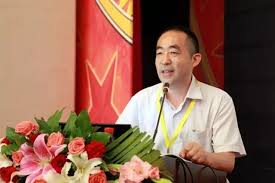 Peichang Wang (王培昌)合作论文数首都医科大学宣武医院检验科1
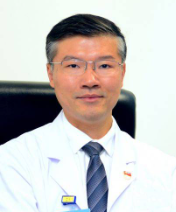 Liang Sun (孙亮)合作论文数Beijing Hospital1
 Wei Li (李伟)合作论文数State Key Laboratory of Stem Cell and Reproductive Biology, Institute of Zoology, Chinese Academy of Sciences;Institute for Stem Cell and Regeneration, Chinese Academy of Sciences;University of Chinese Academy of Sciences1
 Zhenyu Ju (鞠振宇)合作论文数College of Life Science and Technology, Jinan University;Institute of Aging and Regenerative Medicine, Jinan University1




